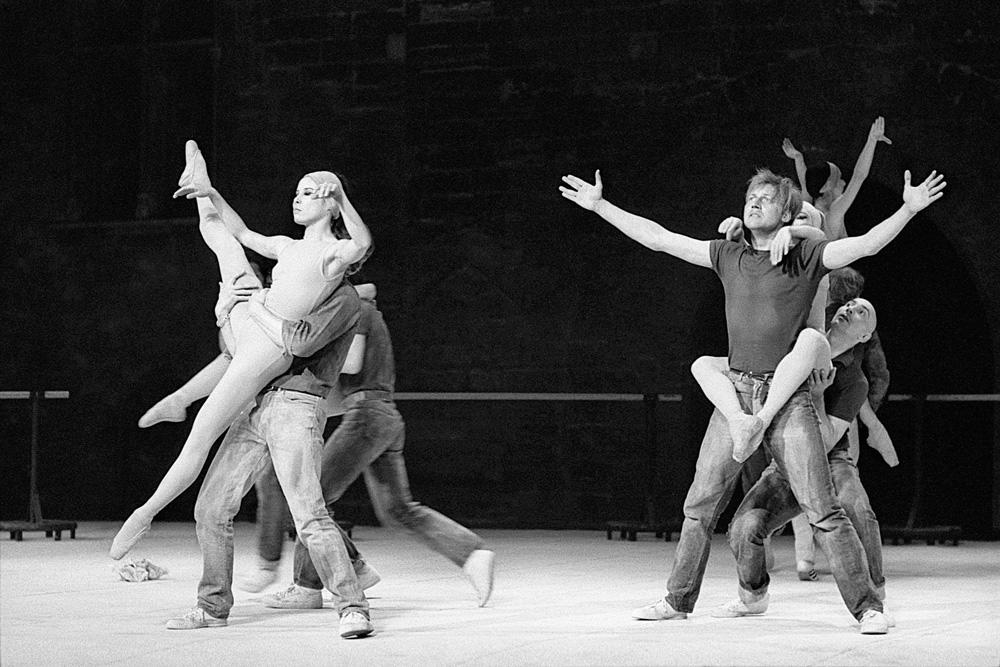
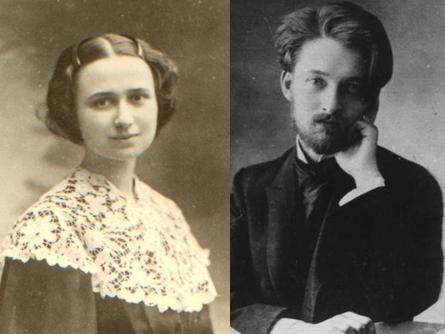
January 1 is the birth anniversary of Maurice Béjart, an innovative master of modern dance. In a world where there is both appreciation and fear of the mixing of cultural traditions, Maurice Béjart was always a champion of blending cultural influences. He was a World Citizen of culture and an inspiration to all who work for a universal culture. His death on November 22, 2007 was a loss, but he serves as a forerunner of what needs to be done so that beauty will overcome the walls of separation. One of the Béjart’s most impressive dance sequences was Jérusalem, cité de la Paix in which he stressed the need for reconciliation and mutual cultural enrichment.
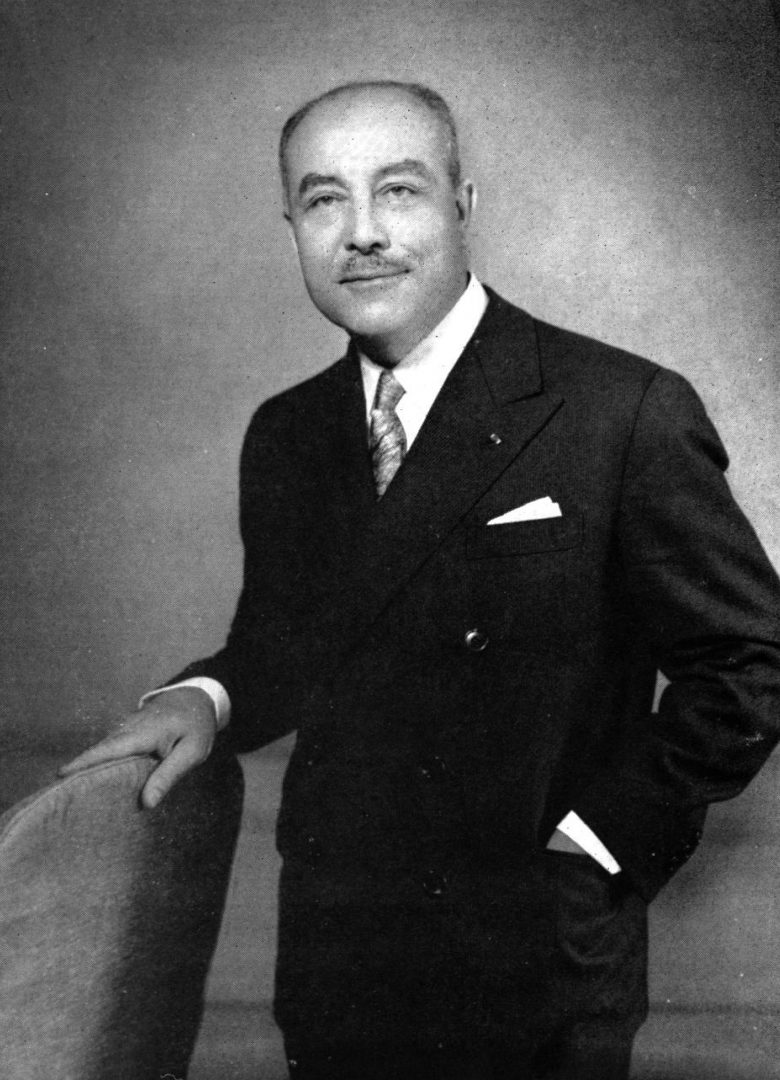
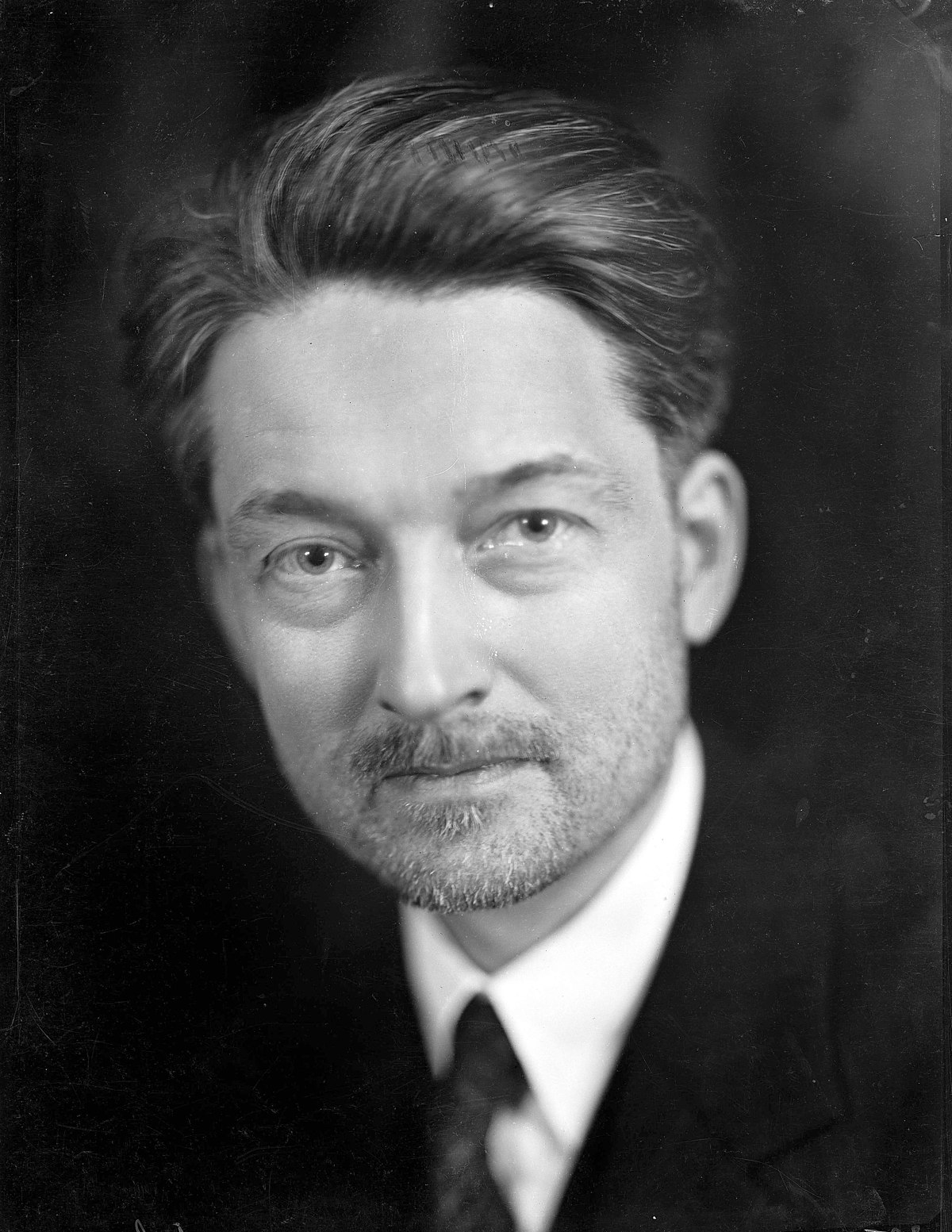
Béjart followed in the spirit of his father, Gaston Berger (1896-1960), philosopher, administrator of university education, and one of the first to start multi-disciplinary studies of the future. Gaston Berger was born in Saint-Louis du Sénégal, with a French mother and a Senegalese father. Senegal, and especially Leopold Sedar Senghor, pointed with pride to Gaston Berger as a “native son” — and the second university after Dakar was built in Saint-Louis and carries the name of Gaston Berger. Berger became a professor of philosophy at the University of Aix-Marseille and was interested in seeking the basic structures of mystical thought, with study on the thought of Henri Bergson and Pierre Teilhard de Chardin, both of whom were concerned with the basic energies which drive humanity forward. Berger was also interested in the role of memory as that which holds the group together writing that it is memory which allows us “to be able to hope together, to fear together, to love together, and to work together.”
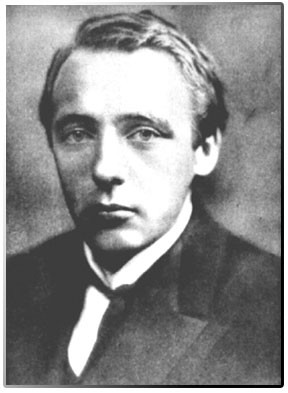
Gaston Berger
In 1953, Gaston Berger was named director general of higher education in France with the task of renewal of the university system after the Second World War years. Thus, when Maurice-Jean Berger, born in 1927, was to start his own path, the name Berger was already well known in intellectual and administrative circle. Maurice changed his name to Béjart which sounds somewhat similar but is the name of the wife of Molière. Molière remains the symbol of the combination of theater-dance-music.
Maurice Béjart was trained at the Opera de Paris and then with the well-known choreographer Roland Petit. Béjart’s talent was primarily as a choreographer, a creator of new forms blending dance-music-action. He was willing to take well-known music such as the Bolero of Maurice Ravel or The Rite of Spring and The Firebird of Stravinsky and develop new dance forms for them. However, he was also interested in working with composers of experimental music such as Pierre Schaeffer.
Béjart also continued his father’s interest in mystical thought, less to find the basic structures of mystic thought like his father but rather as an inspiration. He developed a particular interest in the Sufi traditions of Persia and Central Asia. The Sufis have often combined thought-music-motion as a way to higher enlightenment. The teaching and movements of G. I. Gurdjieff are largely based on Central Asian Sufi techniques even if Gurdjieff did not stress their Islamic character. Although Gurdjieff died in October 1948, he was known as an inspiration for combining mystical thought, music and motion in the artistic milieu of Béjart. The French composer of modern experimental music, Pierre Schaeffer with whom Béjart worked closely was a follower of Gurdjieff. Schaeffer also worked closely with Pierre Henry for Symphonie pour un homme seul and La Messe pour le Temps Présent for which Béjart programmed the dance. Pierre Henry was interested in the Tibetan school of Buddhism, so much of Béjart’s milieu had spiritual interests turned toward Asia.
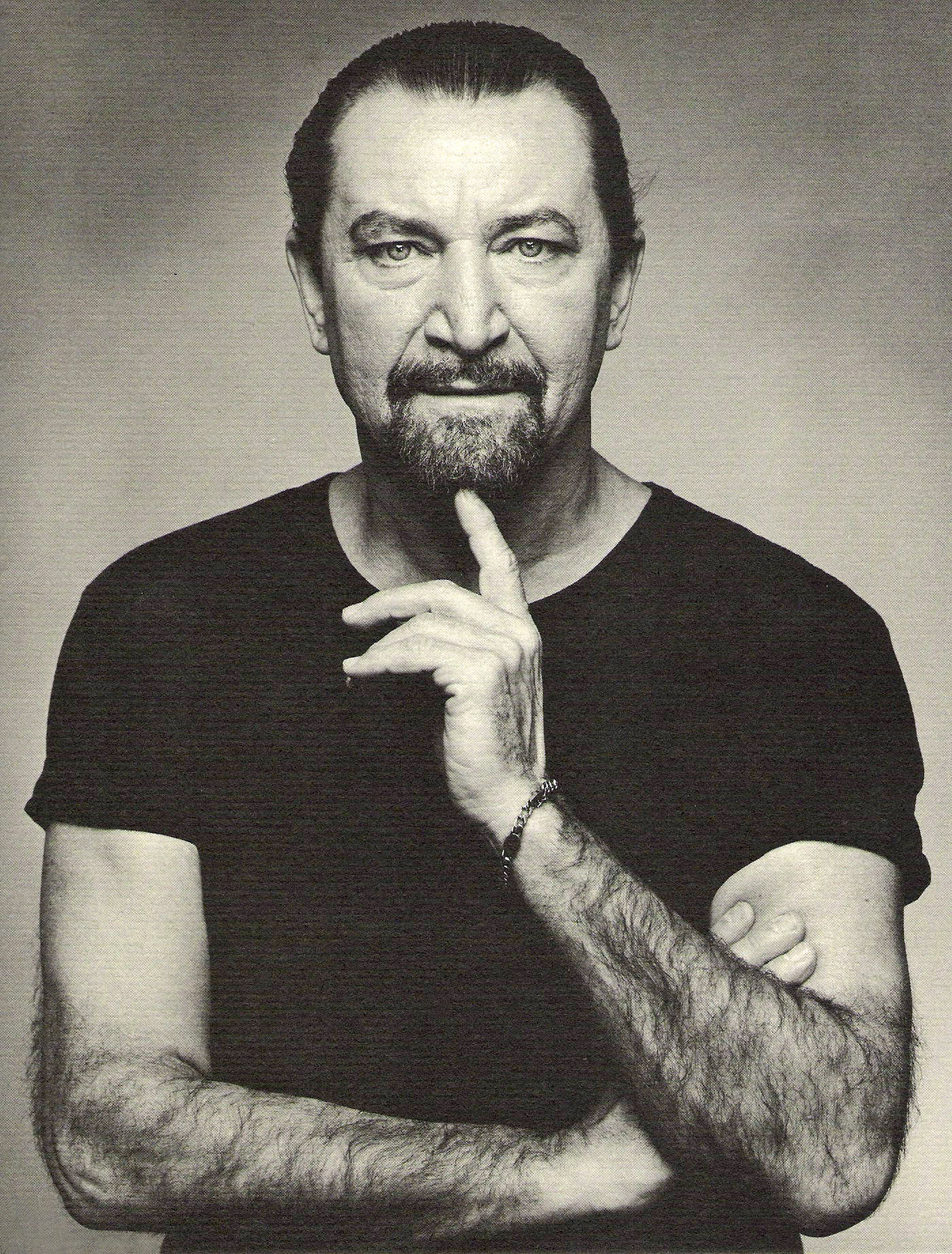
Maurice Béjart
It was Béjart’s experience in Persia where he was called by the Shah of Iran to create dances for the Persepolis celebration in 1971 that really opened the door to Sufi thought — a path he continued to follow.
Béjart also followed his father’s interest in education and created dance schools both in Bruxelles and later Lausanne. While there is not a “Béjart style” that others follow closely, he stressed an openness to the cultures of the world and felt that dance could be an enrichment for all social classes. He often attracted large audiences to his dance performances, and people from different milieu were moved by his dances.
Béjart represents a conscious effort to break down walls between artistic forms by combining music, dance, and emotion and the walls between cultures. An inspiration for World Citizens to follow.
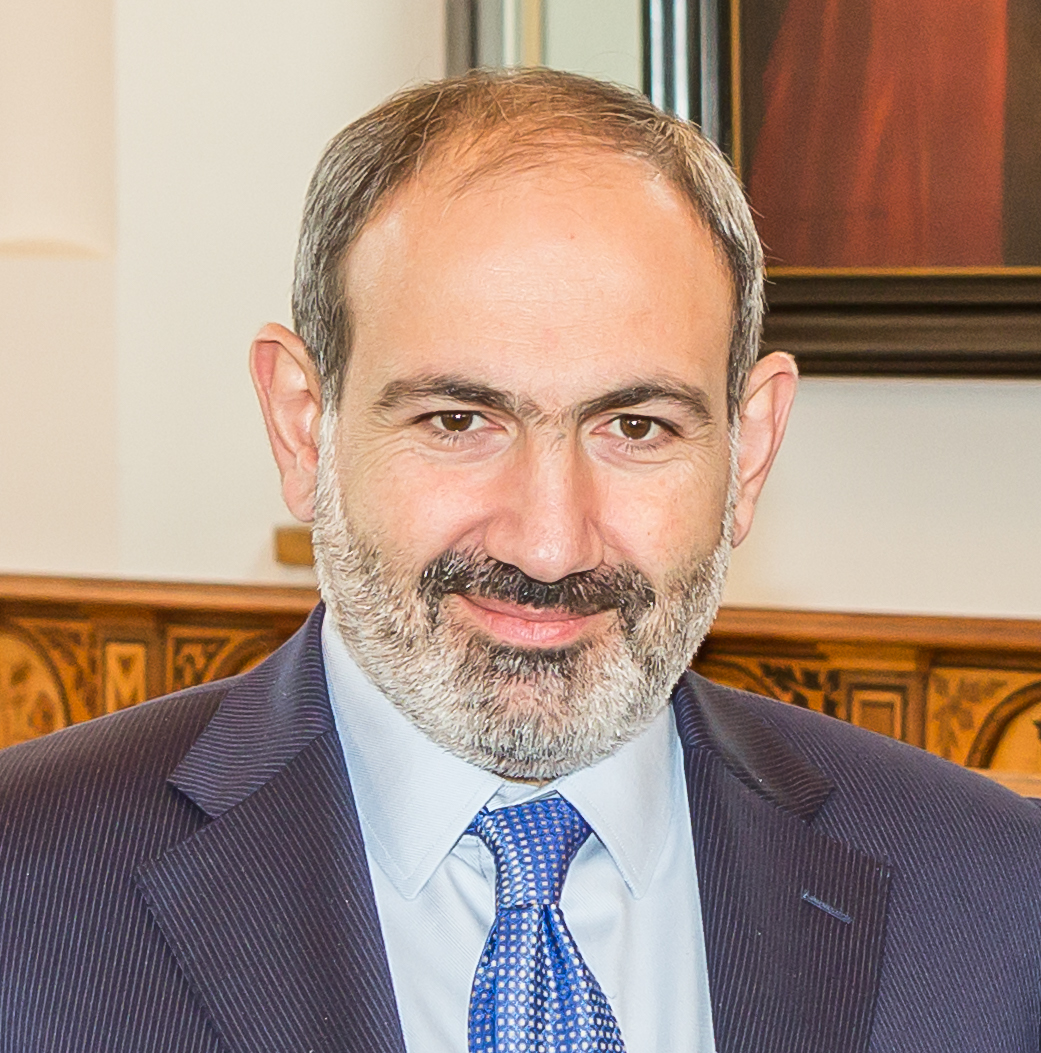
December 9-10, 2020 marked the one-month anniversary of the ceasefire in Nagorno-Karabakh, known as Artsakh by the Armenians. The ceasefire was negotiated by Russia between Azerbaijan and Armenia. The agreement was signed by the Russian President, Vladimir Putin, the Azerbaijan President, Ilham Aliyev, and the Armenian Prime Minister, Nikol Pachinian. However, on December 11, the Russian Novosti Press Agency reported the first ceasefire violation, an exchange of fire between Azerbaijan and Armenian soldiers. There are some 2000 Russian peacekeepers on site, but it is always difficult to control a ceasefire. Moreover, a ceasefire is only the first step on what will be a long path of confidence-building measures and ultimately forms of cooperation.
Nicol Pachanian
The ceasefire agreement structures two safe avenues of road communication from the remaining Armenian areas in Nagorno-Karabakh to Armenia. In the same way there will be a safe avenue of road communication from the Azerbaijan areas to Nakhichevan, an Azerbaijan majority area within Armenia. The avenue to Nakhichevan close to the frontier with Turkey will allow Turkish goods to cross to Azerbaijan and from there through Central Asia to the frontier with China.
Turkey considers the outcome of the ceasefire as a victory for Turkey, especially that the Turkish drones and weapons used by the Azerbaijan forces played a large role in giving Azerbaijan a military advantage. In contrast, the outcome of the ceasefire is considered by many in Armenia as a defeat, creating an instability for the current government led by Pachinian. The results of the ceasefire have led to the naming of a new Foreign Minister, Ara Aivazian, on November 18.
The conflict has led to a large number of new refugees, of displaced persons and hopes among those in Azerbaijan who had fled Nagorno-Karabakh as a result of the 1992-1994 armed conflict. The economy of the area, always marginal as Nagorno-Karabakh, a mountainous, largely rural area is largely destroyed. However, the area had highly symbolic meaning for both Armenia and Azerbaijan.
Ilham Aliyev
The Group of Minsk, created by the Organization for Security and Cooperation in Europe after the 1992-1994 conflict has 11 States as members including Azerbaijan and Armenia. The Minsk Group has three co-chairs: Russia, France, the USA. The Group as a whole rarely meets. Rather it is diplomats from Russia and France who have met in bilateral meetings with representatives from Azerbaijan or Armenia. There has been little progress in finding confidence-building measures and virtually none on forms of cooperation.
Today, this armed conflict in an area that is troubled in a number of places may be a warning sign that negotiations in good faith should be a priority. The Association of World Citizens has been concerned with the tensions in Nagorno-Karabakh since the eve of the breakup of the USSR in 1991. We need to remain alert at possible efforts at Track II diplomacy or other forms of nongovernmental mediation.
Prof. René Wadlow is the President of the Association of World Citizens.
Jacques Maritain was a French intellectual who spent the years of World War Two in Princeton in the USA. He was a friend of the anti-Nazi German author Thomas Mann who also lived in Princeton. Both men were among the active advocates of world citizenship. When Thomas Mann’s daughter, Elizabeth Mann Borgese, was editing the world citizen journal Common Cause from the University of Chicago in the 1947-1950 period, Jacques Maritain wrote a number of articles for the journal along the lines of his thinking set out in his Man and the State.
At the time that he was writing for Common Cause, he was the Ambassador of France to the Vatican, having been named ambassador by Charles De Gaulle from 1945 to 1948. Maritain had supported De Gaulle during the war when many French Catholics had sided with the Vichy government or were silent.
Jacques Maritain had become a well-known French intellectual in the 1930s for his writings on a wide range of topics but always in a spirit of spirituality in the Roman Catholic tradition. However, he was born into a Protestant family with anticlerical views which were common at the start of the Third Republic in the 1870s.
Maritain was converted to the Roman Catholic faith in his early twenties after a period of depression linked to his search for the meaning of life. He had married young to his wife Raissa, who came from a Jewish Ukrainian family who had come to France due to a persistent anti-Jewish atmosphere in Ukraine. Both Jacques and Raissa converted to the Roman Catholic faith at the same time as a result of intense discussions between the two.
Raissa became well known in her own right as a poet and writer on mystical spirituality, but she also always worked closely on the writings of her husband. Their spiritual Catholicism was always colored by their early friendship with unorthodox Catholic thinkers, in particular Charles Péguy and Leon Bloy. After Raissa’s death in 1960, Jacques Maritain moved back to France from Princeton to live in a monastic community for the last 12 years of his life.
His writing on the spiritual background for creative actions for the benefit of the world community can be an inspiration to us all.
Prof. René Wadlow is President of the Association of World Citizens.
As we reflect on current armed conflicts on which the Association of World Citizens (AWC) has proposed measures for conflict resolution – Nagorno-Karabakh, Yemen, Syria, Ukraine-Donetsk-Lugansk-Russia – we ask ourselves if we are to be overwhelmed by an endless chain of regional wars capable of devastating entire countries or will we help build the structures for the resolution of armed conflicts through negotiations in good faith. Can we help build stronger conflict prevention networks?
In each of these current conflicts, there is a mix of underlying causes: ethnic tensions, social inequality, environmental degradation, and regional rivalries. In each conflict, there were warning signs and a building of tensions prior to the outbreak of armed conflict. This was particularly true in Syria where there were four months of nonviolent protests and local organizing for reforms before violence began. Not enough was done by external nongovernmental organizations (NGOs) to strengthen and protect these nonviolent reform movements in Syria. Given the complexity of conflict situations and the often-short time between the signs of tensions and the outbreak of violence, external peacebuilding organizations have to be able to move quickly to support local civil society efforts.
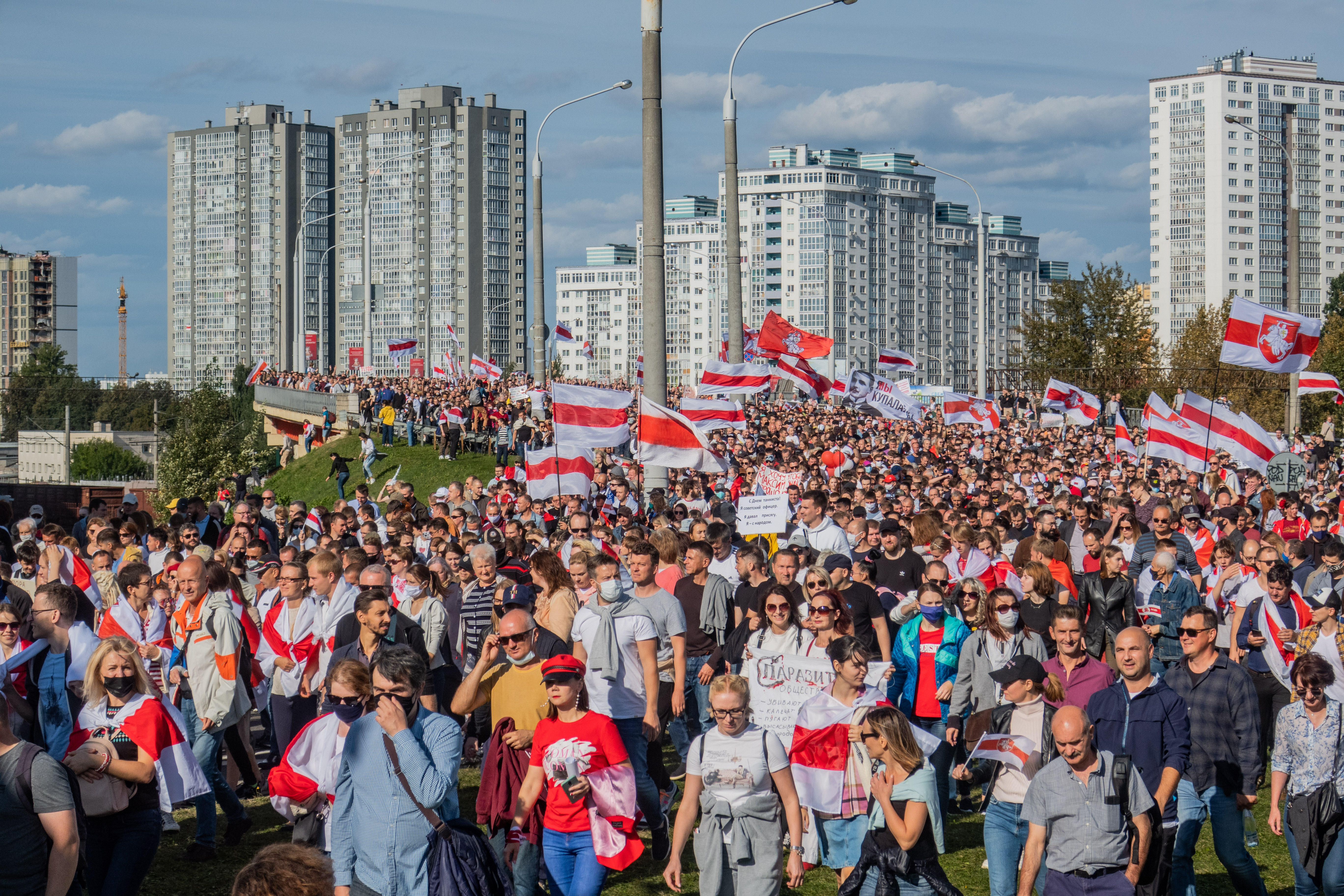
In each of these four situations, the degree of civil society organizations differs. We need to look carefully at the different currents within the society to see what groups we might be able to work with and to what degree of influence they may have on governmental action. Governments tend to react in the same ways. Governments cling to the belief that there can be simple security-related solutions to complex challenges as we see these days with the current use of police and military methods by the government of Belarus.
There is often a pervading mistrust between the central government and outlying territories. Such mistrust cannot be overcome by external NGOs. We can, however, reflect with local groups on how lines of communication can be established or strengthened.
Preventing the eruption of disputes into full-scale hostilities is not an easy task, but its difficulties pale beside those of ending the fighting once it has started. NGOs need to have active channels of communication with multinational governmental organizations such as the United Nations (UN) and the Organization for Security and Cooperation in Europe (OSCE). NGOs may have an easier time to be in contact with local nongovernmental forces in the conflict States as both the UN and the OSCE are bound by the decisions of governments.
Growing resource scarcity and environmental degradation, the depletion of fresh water and arable land played an important role in exacerbating conflicts in Yemen. The armed conflict has made things much worse. There is now a growing world-wide recognition of the environmental-conflict linkage. Thus, groups concerned with the defense and restoration of the environment need to become part of the network of conflict resolution efforts. There is much to be done. Building stronger conflict prevention networks should be a vital priority.
Prof. René Wadlow is President of the Association of World Citizens.
Let Planet Earth be sovereign at last. Planet Earth alone will be our sovereign song.
– Velimir Khlebnikov.
Velimir Khlebnikov was a shooting star of Russian culture in the years just prior to the start of the First World War. He was part of a small creative circle of poets, painters and writers who wanted to leave the old behind and to set the stage for the future such as the abstract painter Kazimir Malevich. They called themselves “The Futurians”. They were interested in being avenues for the Spirit which they saw at work in peasent life and in shamans’ visions; however, the Spirit was very lacking in the works of the ruling nobility and commercial elite.
As Charlotte Douglas notes in her study of Khlebnikov “To tune mankind into harmony with the universe – that was Khlebnikov’s vocation. He wanted to make the Planet Earth fit for the future, to free it from the deadly gravitational pull of everyday lying and pretense, from the tyranny of petty human instincts and the slow death of comfort and complacency.” (1)
Khlebnikov wrote “Old ones! You are holding back the fast advance of humanity. You are preventing the boiling locomotive of youth from crossing the mountain that lies in its path. We have broken the locks and see what your freight cars contain: tombstones for the young.”
The Futurian movement as such lasted from 1911 until 1915 when its members were dispersed by the start of the World War, the 1917 revolutions and the civil war. Khlebnikov died in 1922 just as Stalin was consolidating his power. Stalin would put an end to artistic creativity.
The Futurians were concerned that Russia should play a creative role in the world, but they were also world citizens who wanted to create a world-wide network of creative scientists, artists and thinkers who would have a strong impact on world events. As Khlebnikov wrote in his manifesto To the Artists of the World “We have long been searching for a program that would act something like a lens capable of focusing the combined rays of the work of the artist and the work of the thinker toward a single point where they might join in a common task and be able to ignite even the cold essence of ice and turn it to a blazing bonfire. Such a program, the lens capable of directing together your fiery courage and the cold intellect of the thinkers has now been discovered.”
The appeal for such a creative, politically relevant network was written in early 1919 when much of the world was starting to recover from World War I. However, Russia was sinking into a destructive civil war. The Futurians were dispersed to many different areas and were never able to create such a network. The vision of a new network is now a challenge that we must meet.
Note
1) Charlotte Douglas (Ed.) The King of Time: Velimir Khlebnikov (Cambridge, MA: Harvard University Press, 1985)
Prof. René Wadlow is President of the Association of World Citizens.
October 24 is United Nations (U. N.) Day, marking the day when there were enough ratifications including those of the five permanent members of the proposed Security Council for the U. N. Charter to come into force. It is a day not only of celebration, but also a day for looking at how the U. N. system can be strengthened, and when necessary, reformed.
There have been a number of periods when proposals for new or different U. N. structures were proposed and discussed. The first was in the 1944-1945 period when the Charter was being drafted. Some who had lived through the decline and then death of the League of Nations wanted a stronger world institution, able to move more quickly and effectively in times of crisis or at the start of armed conflict.
The official emblem of the League of Nations.
In practice, the League of Nations was reincarnated in 1945 in the U. N. Charter but the names of some of the bodies were changed and new Specialized Agencies such as UNESCO were added. There was some dissatisfaction during the San Francisco negotiations, and an article was added indicating that 10 years after the coming into force of the Charter a proposal to hold a U. N. Charter Review Conference would be placed on the Agenda – thus for 1955.
The possibility of a U. N. Charter Review Conference led in the 1953-1954 period to a host of proposals for changes in the U. N. structures, for a greater role for international law, for a standing U. N. “peace force”. Nearly all these proposals would require modifications in the U. N. Charter.
When 1955 arrived, the United States and the Soviet Union, who did not want a Charter Review Conference which might have questioned their policies, were able to sweep the Charter Review agenda item under the rug from where it has never emerged. In place of a Charter Review Conference, a U. N. Committee on “Strengthening the U. N. Charter” was set up which made a number of useful suggestions, none of which were put into practice as such. The Committee on Strengthening the Charter was the first of a series of expert committees, “High-Level Panels” set up within the U. N. to review its functioning and its ability to respond to new challenges. There have also been several committees set up outside of the U. N. to look at world challenges and U. N. responses, such as the Commission on Global Governance.
While in practice there have been modifications in the ways the U. N. works, few of these changes have recognized an expert group’s recommendations as the source of the changes. Some of the proposals made would have strengthened some factions of the U. N. system over the then current status quo – most usually to strength the role of developing countries (the South) over the industrialized States (the North). While the vocabulary of “win-win” modifications is often used, in practice few States want to take a chance, and the status quo continues.
Now, the Secretary General knows well how the U. N. works from his decade as High Commissioner for Refugees, U. N. reform is again “in the air”. There are an increasing number of proposals presented by governments and by nongovernmental organizations (NGOs) associated with the U. N. The emphasis today is on what can be done without a revision of the Charter. Most of the proposals turn on what the Secretary General can do on his own authority. The Secretary General cannot go against the will of States – especially the most powerful States – but he does have a certain power of initiative.
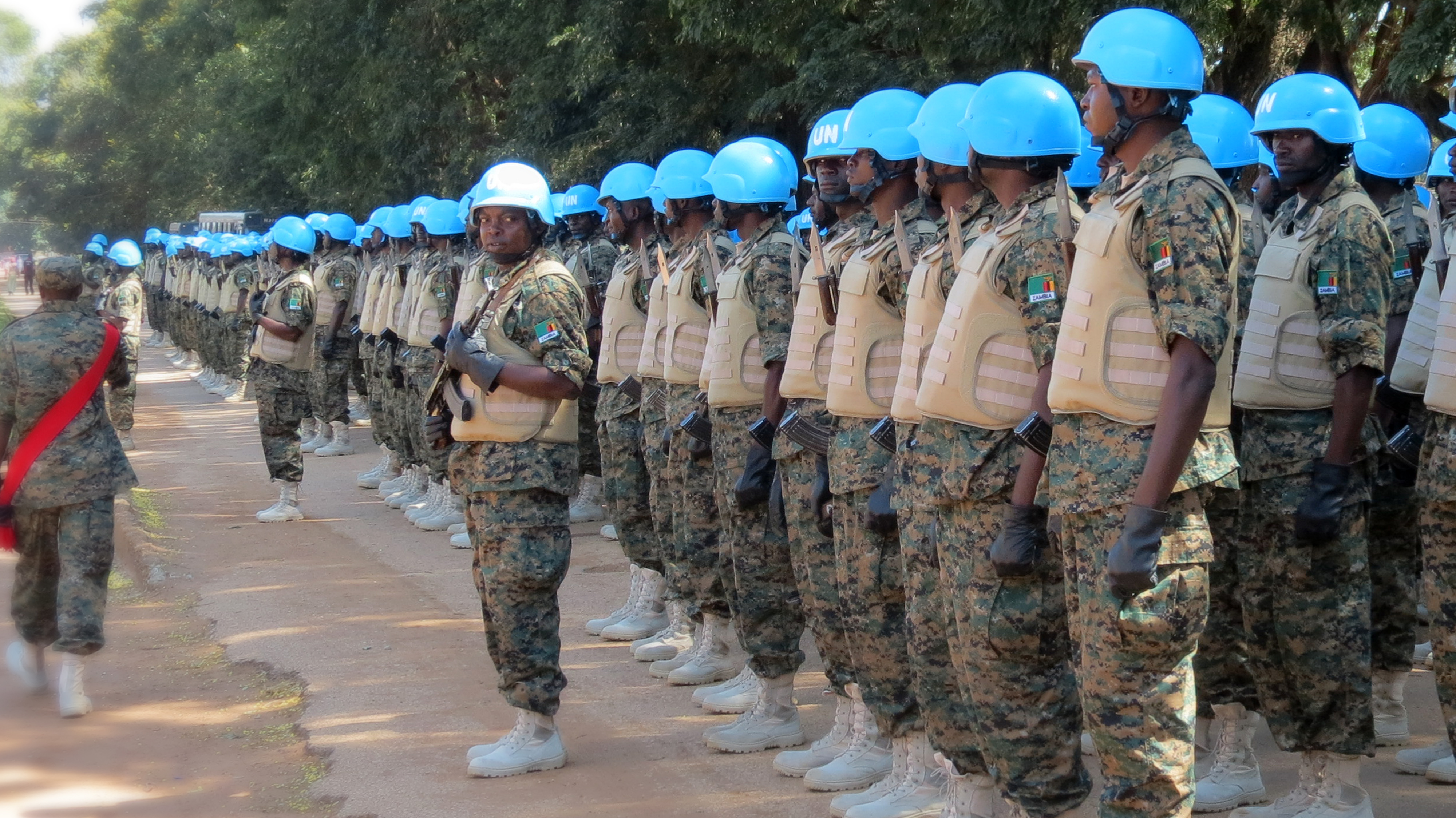
There are two aspects of the current U. N. system that were not foreseen in 1945 and which are important today. One is the extensive role of U. N. Peacekeeping Forces: The Blue Helmets. The other is the growing impact of NGOs. There is growing interest in the role of NGOs within the U. N. system in the making and the implementation of policies at the international level. NGOs are more involved than ever before in global policy making and project implementation in such areas as conflict resolution, human rights, humanitarian relief, and environmental protection. (1)
NGOs at the U. N. have a variety of roles – they bring citizens’ concerns to governments, advocate particular policies, present alternative avenues for political participation, provide analysis, serve as an early warning mechanism of potential violence and help implement peace agreements.
The role of consultative-status NGOs was written into the U. N. Charter at its founding in San Francisco in June 1945. As one of the failings of the League of Nations had been the lack of public support and understanding of the functioning of the League, some of the U. N. Charter drafters felt that a role should be given to NGOs. At the start, both governments and U. N. Secretariat saw NGOs as an information avenue — telling NGO members what the governments and the U. N. was doing and building support for their actions. However, once NGOs had a foot in the door, the NGOs worked to have a two-way avenue — also telling governments and the Secretariat what NGO members thought and what policies should be carried out at the U. N. Governments were none too happy with this two-way avenue idea and tried to limit the U. N. bodies with which NGOs could ‘consult’. There was no direct relationship with the General Assembly or the Security Council. The Economic and Social Council (ECOSOC) in Article 71 of the Charter was the body to which “consultative-status NGOs” were related.
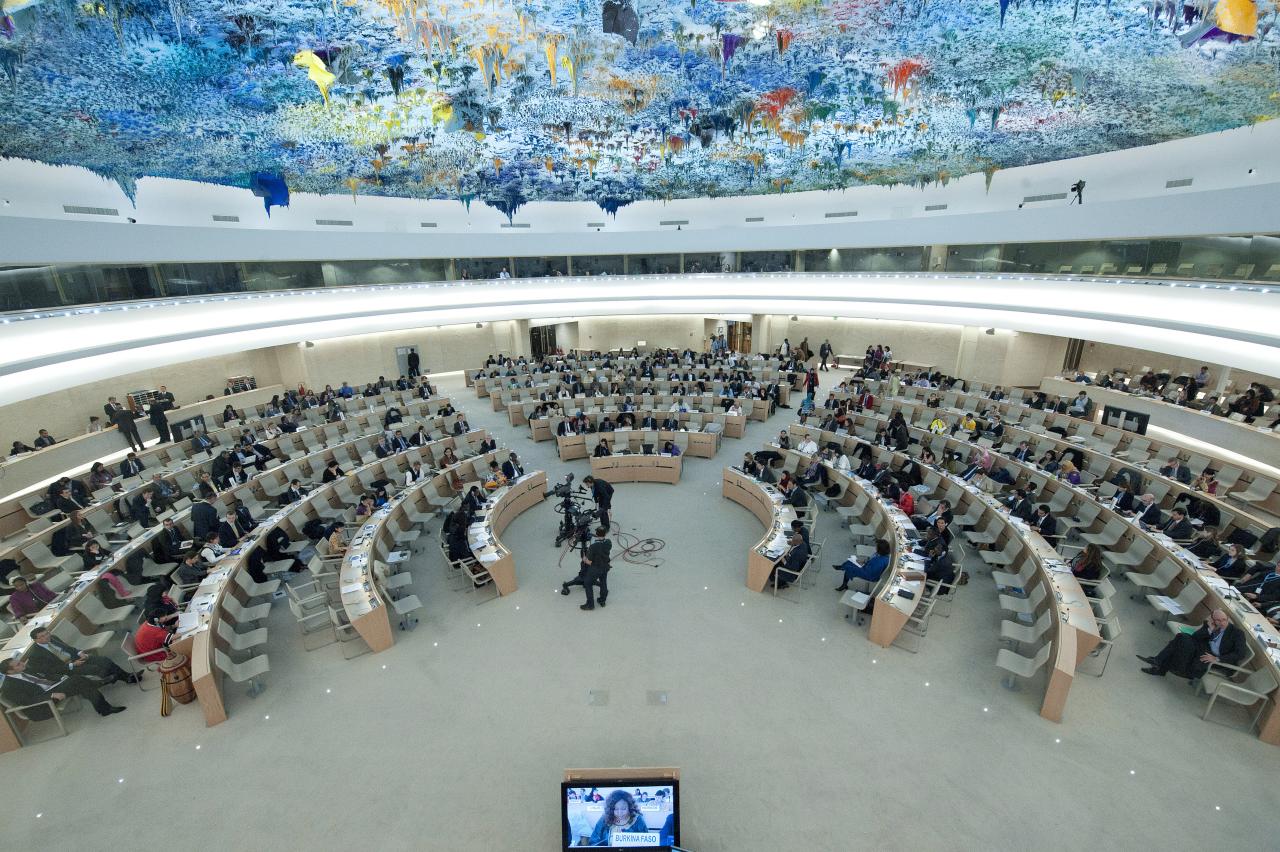
A wide view of the 19th session of the Human Rights Council. (C) Jean-Marc Ferré / UN Geneva
What in practice gives NGOs their influence is not what an individual NGO can do alone but what they can do collectively. ‘Networking’ and especially trans-national networking is the key method of progress. NGOs make networks which facilitate the trans-national movement of norms, resources, political responsibility, and information. NGO networks tend to be informal, non-binding, temporary, and highly personalized. NGOs are diverse, heterogeneous, and independent. They are diverse in mission, level of resources, methods of operating and effectiveness. However, at the U. N., they are bound together in a common desire to protect the planet and advance the welfare of humanity.
The role of NGO representatives is to influence policies through participation in the entire policy-making process. What distinguishes the NGO representative’s role at the U. N. from lobbying at the national level is that the representative may appeal to and discuss with the diplomats of many different governments. While some diplomats may be unwilling to consider ideas from anyone other than the mandate they receive from their Foreign Ministry, others are more open to ideas coming from NGO representatives. Out of the 193 Member States, the NGO representative will always find some diplomats who are ‘on the same wave length’ or who are looking for additional information on which to take a decision, especially on issues on which a government position is not yet set.
Legal Officer Noura Addad representing the AWC during a meeting at UNESCO in November 2018 (C) AWC External Relations Desk
Therefore, an NGO representative must be trusted by government diplomats and the U. N. Secretariat. As with all diplomacy in multilateral forums such as the U. N., much depends upon the skill and knowledge of the NGO representative and on the close working relations which they are able to develop with some government representatives and some members of the U. N. Secretariat. Many Secretariat members share the values of the NGO representatives but cannot try to influence government delegates directly. The Secretariat members can, however, give to the NGO representatives some information, indicate countries that may be open to acting on an issue and help with the style of presentation of a document.
It is probably in the environmental field — sustainable development — that there has been the most impact. Each environmental convention or treaty such as those on biological diversity or drought was negotiated separately, but with many of the same NGO representatives present. It is more difficult to measure the NGO role in disarmament and security questions. It is certain that NGO mobilization for an end to nuclear testing and for a ban on land mines and cluster weapons played a role in the conventions which were steps forward for humanity. However, on other arms issues, NGO input is more difficult to analyze.
‘Trans-national advocacy networks’ which work across frontiers are of increasing importance as seen in the efforts against land mines, for the International Criminal Court and for increased protection from violence toward women and children. The groups working on these issues are found in many different countries but have learned to work trans-nationally both through face-to-face meetings and through the internet web. The groups in any particular campaign share certain values and ideas in common but may differ on other issues. Thus, they come together on an ad hoc basis around a project or a small number of related issues. Yet their effectiveness is based on their being able to function over a relatively long period of time in rather complex networks even when direct success is limited.
These campaigns are based on networks which combine different actors at various levels of government: local, regional, national, and U. N. (or European Parliament, OSCE etc.). The campaigns are waged by alliances among different types of organizations — membership groups, academic institutions, religious bodies, and ad hoc local groupings. Some groups may be well known, though most are not.
There is a need to work at the local, the national, and the U. N. levels at the same time. Advocacy movements need to be able to contact key decision-makers in national parliaments, government administrations and intergovernmental secretariats. Such mobilization is difficult, and for each ‘success story’ there are many failed efforts. The rise of U. N. consultative-status NGOs has been continual since the early 1970s. NGOs and government diplomats at the U. N. are working ever more closely together to deal with the world challenges which face us all.
Note (1) This interest is reflected in a number of path-making studies such as P. Willets (Ed.), The Consciences of the World: The Influence of Non-Governmental Organizations in the U. N. System (London: Hurst, 1996), T. Princen and M. Finger (Eds), Environmental NGOs in World Politics: Linking the Global and the Local (London: Routledge, 1994), M. Rech and K. Sikkink, Activists Without Borders: Advocacy Networks in International Politics (Ithaca, NY: Cornell University Press, 1998); Bas Arts, Math Noortmann and Rob Reinalda (Eds), Non-State Actors in International Relations (Aldershot: Ashgate, 2001); and William De Mars, NGOs and Transnational Networks (London: Pluto Press, 2005).
Prof. René Wadlow is the President of the Association of World Citizens.
C’est encore plus vrai de celles du monde arabe, bientôt dix ans après les révolutions populaires parties de Tunisie avec l’éviction du Président Zine el Abidine ben Ali le 14 janvier 2011. La Tunisie, considérée comme le seul vrai succès du « printemps arabe » et dont les institutions héritées de cette époque tiennent toujours, tandis que l’Egypte est retournée vers l’autoritarisme et l’espoir s’est perdu dans les sables de la guerre en Libye, en Syrie et au Yémen. Epargnées par le conflit armé, les Tunisiennes n’en ont pas moins dû lutter, menacées dans leurs droits par la mouvance islamiste et jamais confortées dans ceux-ci par la droite « destourienne » se voulant héritière du bourguibisme.
Aux prises avec une incertitude politique inédite depuis la révolution de 2011, ouverte par le décès du Président Beji Caïd Essebsi en 2019, la Tunisie a connu une élection présidentielle marquée par le fait que l’un des deux candidats qualifiés pour le second tour, Nabil Karoui, se trouvait depuis peu en détention. En sortit vainqueur un conservateur assumé, le juriste Kaïs Saied, suivi du retour en force au parlement du parti islamiste Ennahda. Rien qui laisse augurer d’avancées dignes des deux anniversaires onusiens en Tunisie, où il ne manquait qu’un drame criminel pour venir plonger dans la terreur et la rage des femmes n’en pouvant plus d’être les oubliées des colères de l’histoire.
Les droits des femmes constamment écartés de la loi
En disparaissant, Beji Caid Essebsi laissait en héritage aux Tunisiennes un espoir déçu, ou plutôt, inaccompli. En novembre 2018, son gouvernement approuvait un projet de loi, transmis à l’Assemblée des Représentants du Peuple chargée de se prononcer, sur l’égalité des sexes dans l’héritage, là où un Code du statut personnel qui se distingue dans le monde arabe et musulman par son aspect moderniste et progressiste cohabite étrangement avec une survivance de la charia en droit tunisien n’accordant à une femme que la moitié de l’héritage d’un homme.
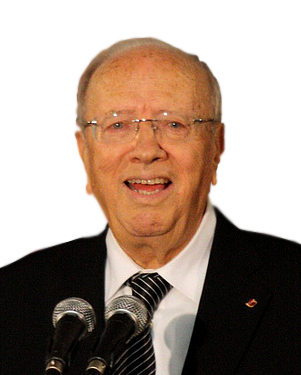
Beji Caïd Essebsi
Caid Essebsi décédé, son successeur Kaïs Saied élu dans un climat de chaos constitutionnel, le projet de loi tombait dans l’oubli. Fidèle, trop fidèle même, à ses annonces de campagne en faveur d’une prépondérance systématique de la charia en cas de conflit avec le droit civil, le nouveau chef d’Etat choisissait de célébrer la Fête nationale de la Femme Tunisienne le 13 août dernier en désavouant la notion d’égalité telle que défendue par le projet de loi.
Dans le même temps, Rached Ghannouchi, chef historique du parti islamiste Ennahda, devenait Président de l’Assemblée des Représentants du Peuple. Très vite, il trouvait sur son chemin une avocate et députée, Abir Moussi, du Parti destourien libre fondé par d’anciens responsables du Rassemblement constitutionnel démocratique, le parti unique sous Ben Ali dissous après la révolution.
Certes, les menaces d’Ennahda sur l’égalité des sexes en Tunisie, notamment à travers un projet de déclarer les femmes « complémentaires » des hommes et non leurs égales dans la future Constitution, ont laissé des souvenirs amers. Mais cet affrontement entre un ancien dissident devenu dignitaire et une bénaliste sans repentir offrait peu d’espérance, lui aussi, à des Tunisiennes dont les droits semblaient cette fois mis en sommeil pour longtemps.
Soudain, aux errements d’une politique tunisienne orpheline est venu s’ajouter un crime – plus exactement, un féminicide. De ceux qui sortent la politique du champ de la raison, faisant d’elle, à coup sûr, la politique du pire.
Quand un féminicide ravive le désir de voir l’Etat tuer
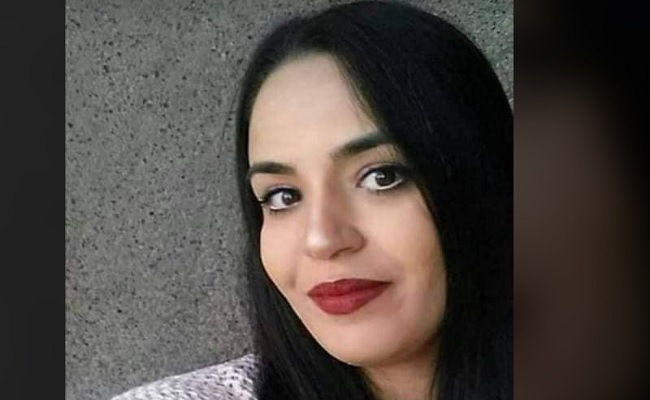
Le 21 septembre dernier, la famille de Rahma Lahmar, âgée de vingt-neuf ans, signalait la disparition de la jeune femme alors qu’elle rentrait de son travail. Quatre jours plus tard, son corps mutilé était retrouvé à Aïn Zaghouan, en banlieue de Tunis, et il apparaissait bientôt qu’avant d’être tuée, elle avait été violée. Rapidement, l’auteur présumé était appréhendé – un récidiviste condamné deux fois pour tentative de meurtre.
Rahma Lahmar, victime d’un féminicide en Tunisie
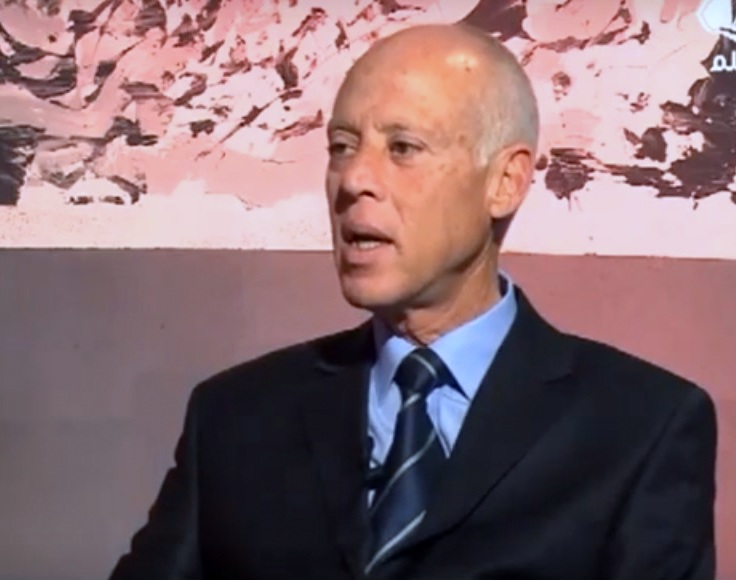
Il n’en fallait pas plus à l’opinion publique pour réclamer la peine de mort, jamais abolie en droit tunisien bien que faisant l’objet d’un moratoire depuis 1991. Les magistrats tunisiens continuent de l’infliger, quelques cent trente personnes se trouvent aujourd’hui dans le couloir de la mort en Tunisie, mais personne n’est exécuté. Le violeur et meurtrier de Rahma Lahmar doit l’être, estime la famille de la victime rejointe par une opinion publique excédée, ainsi que par un Kaïs Saied qui en vient lui-même à rouvrir la question de la peine de mort.
Kaïs Saied
Quelques jours après, l’Algérie voisine était ébranlée par un drame semblable. Le 1er octobre, une jeune femme de dix-neuf ans prénommée Chaïma tombait dans un piège tendu par un homme qui, à seize ans, l’avait violée et avait lui aussi eu affaire depuis lors à la justice de son pays. Dans une station-service désaffectée, à une cinquantaine de kilomètres à l’est d’Alger, il la violait, la frappait, puis la jetait à terre, l’aspergeait d’essence et la brûlait à mort. Comme son homologue tunisien, il était arrêté sous peu et son crime ignoble réveillait dans le pays des envies de peine de mort.
Chaïma, victime d’un féminicide en Algérie
Le 12 octobre, loin du monde arabe mais toujours dans le monde musulman, le Bangladesh, en proie à une vague d’agressions sexuelles, instaurait une peine capitale automatique pour le viol, sans s’attaquer en rien aux défauts de sa législation nationale en termes de violences contre les femmes.
En 2011, la révolution non-violente des Tunisiens avait inspiré le monde arabe jusqu’au Yémen. Aujourd’hui, le drame du viol mortel en Tunisie n’est peut-être pas ce qui donne envie de voir l’Etat faire couler le sang jusqu’en Asie, mais en tout cas, il n’y échappe pas. Pourquoi ?
La peine de mort, fausse justice et vrai symptôme de l’injustice
Quel que soit le crime commis, aussi abject soit-il et le viol puis le meurtre de Rahma Lahmar est l’archétype du crime impardonnable, l’Association of World Citizens (AWC) est par principe contre la peine de mort où que ce soit dans le monde. Par indulgence envers les criminels ? Par faiblesse dogmatique ? Ces arguments n’appartiennent qu’à ceux qui ne comprennent pas ce qu’est en réalité la peine de mort, non pas un châtiment judiciaire comme l’est, par exemple, la réclusion criminelle à perpétuité, mais un meurtre commis par l’Etat, à l’image de celui commis par le meurtrier que l’on cherche ainsi à sanctionner. Une vengeance, sans rapport aucun avec la justice qui doit punir les criminels des actes par lesquels ils se mettent eux-mêmes en dehors de la société. Comme le chante Julien Clerc dans L’assassin assassiné, par l’application de la peine capitale, le crime change de côté. Pire encore, là où un crime peut être commis sous une pulsion soudaine – qui ne l’excuse pas quand bien même – la peine de mort résulte immanquablement d’une délibération, consciente et volontaire, de citoyens agissant sous le couvert de la puissance publique.
Le violeur et assassin de Rahma Lahmar l’a privée pour toujours de son droit à la vie ; comment espérer réaffirmer les droits des femmes en Tunisie en appelant à ce qu’il soit lui aussi privé de son droit à la vie, plaçant ainsi l’Etat de droit au même niveau qu’un criminel récidiviste, ce qui serait du plus absurde et indécent ? Pas plus qu’elle n’a d’effet dissuasif prouvé, la peine de mort ne répare aucune injustice. Elle nous fait seulement perdre ce qui nous sépare des criminels. Pour quoi faire ?
Si la Déclaration et Programme d’action de Beijing en 1995, puis la Résolution 1325 du Conseil de Sécurité cinq ans plus tard, omettent toute référence à la peine capitale pour les crimes commis contre les femmes, ce n’est pas par hasard. On ne fait respecter les droits de personne en faisant couler le sang au nom de l’Etat, pas plus qu’on n’envisagerait de le faire par le crime.
En Tunisie, l’envolée des partisans de la peine de mort après celle de Rahma Lahmar en est, ironiquement, la preuve. Tant ils s’époumonent à crier vengeance, ils en oublient l’essentiel, la cause de tout le drame – la négation des droits des femmes. Et ce n’est même pas leur faute.
Seul le respect des droits des femmes peut créer la justice
Lorsqu’il s’agit du meurtre, que ce soit celui d’une femme, d’un homme voire d’un enfant, pour justifier leur acte injustifiable, les meurtriers ne sont jamais à court de raisons. En revanche, le viol ne s’explique, lui, que d’une seule façon. L’homme qui viole une femme la réduit à un corps, sans plus d’esprit, celui d’un être humain comme lui, doté du droit de refuser ses faveurs sexuelles si elle le souhaite. Ce corps privé de tout droit, déchu de la qualité d’être humain de sexe féminin, soumis par la brutale force physique, n’est plus que l’objet dont entend disposer à son gré l’homme qui viole. Autant le meurtre ouvre grand les portes de l’imagination, autant le viol verrouille la vérité, celle d’une négation de la féminité, une négation de la femme.
A quoi s’attend, sinon à cela, une société tunisienne qui, au gré des alternances politiques postrévolutionnaires entre islamistes et droite bourguibiste, ne défend que mollement les droits des femmes lorsqu’elle n’en vient pas ouvertement à les nier ? Dans un Maghreb et, plus largement, un monde arabe et musulman où son Code du statut personnel se détache depuis toujours comme étant d’avant-garde, une Tunisie qui s’interdit d’avancer ne peut que se voir reculer.
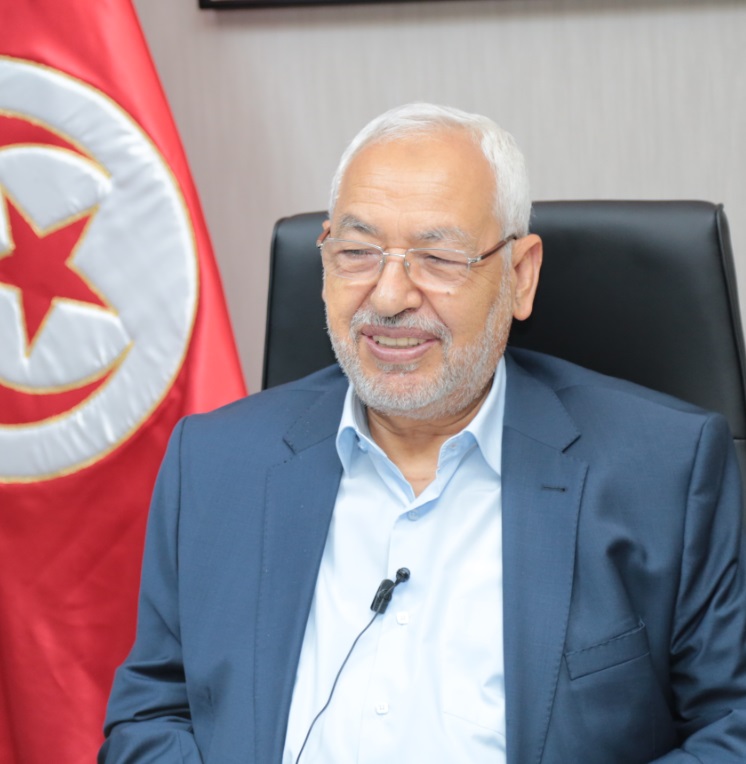
Rached Ghannouchi
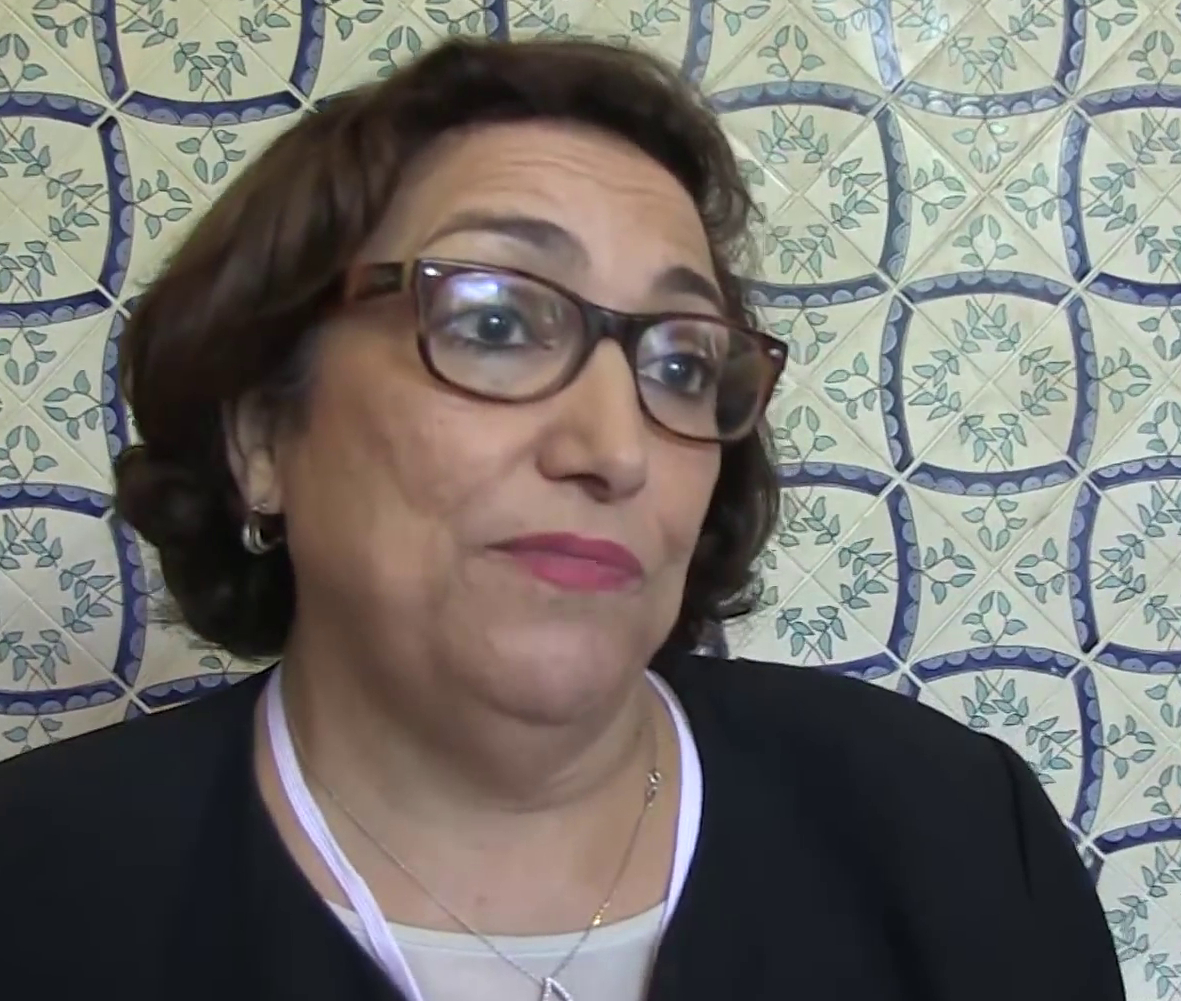
C’est du reste ce qu’a bien compris Rached Ghannouchi, trop satisfait de pouvoir voler au secours de l’avocate et ancienne députée Bochra Bel Haj Hmida, en rien proche des positions d’Ennahda mais qui, pour avoir réaffirmé son opposition à la peine de mort en pleine affaire Rahma Lahmar, a subi un lynchage en règle sur les réseaux sociaux, jusqu’à un député notoirement populiste et sexiste qui s’est permis de tomber suffisamment bas pour imputer son refus de la peine capitale au fait qu’elle-même « ne risquait pas d’être violée ». De quoi faire passer les islamistes les plus réactionnaires pour des anges de vertu et ils savent en tirer profit.
Bochra Bel Haj Hmida
De tels propos, à l’aune du viol et du meurtre de Rahma Lahmar, sont immanquablement la marque d’une société qui manque à consolider dans sa législation les droits des femmes, ainsi qu’à les inscrire durablement dans sa morale civique et politique. Il paraît lointain, le temps où, en 2014, la Tunisie s’est débarrassée de ses dernières réserves envers la Convention des Nations Unies pour l’Elimination de toute forme de Discrimination envers les Femmes, la fameuse CEDAW, là où Algérie, Egypte, Libye, Syrie et Yémen conservent leurs propres réserves. Un engagement international ne sert à rien si, chez lui, l’Etat qui le souscrit en ignore ou viole l’esprit.
Inutile de réussir sa révolution si, ensuite, on rate son évolution. Sans des femmes sûres de leurs droits, réaffirmés dans la loi comme dans les esprits, la Tunisie en aura tôt fini d’être en termes économiques, sociaux ou sociétaux, une éternelle success story.
Bernard J. Henry est Officier des Relations Extérieures de l’Association of World Citizens.
Cherifa Maaoui est Officier de Liaison Afrique du Nord & Moyen-Orient de l’Association of World Citizens.
On September 27, 2020, military forces from Azerbaijan moved into six villages held by Armenian forces in the Nagorno-Karabakh area. The Prime Minister of Armenia, Nikol Pashinyan, warned in a television broadcast that the two countries were “on the edge of war with unforeseeable consequences”. The President of Azerbaijan, Ilham Aliyev, declared martial law and called up reserve military. There have been calls for a ceasefire from Russia; however, Russia is generally thought to favor Armenia. The President of Turkey, Recep Tayyip Erdogan, has repeated his support for Azerbaijan.
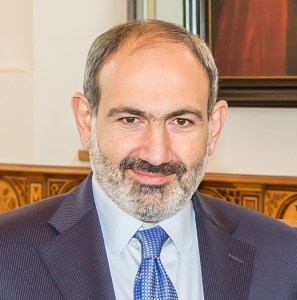
Nikol Pashinyan
On September 30, 2020, the United Nations (UN) Security Council passed a unanimous resolution calling on Armenia and Azerbaijan to halt fighting in Nagorno-Karabakh and urgently resume talks without preconditions. There have been previous talks held under the leadership of the “Minsk Group” (Russia, France, USA), founded in 1994, of the Organization of Security and Cooperation in Europe (OSCE). However, these talks have not modified the ever-tense situation. On September 29, the Association of World Citizens sent an Appeal to the authorities of Armenia and Azerbaijan for a ceasefire and the start of negotiations in good faith.
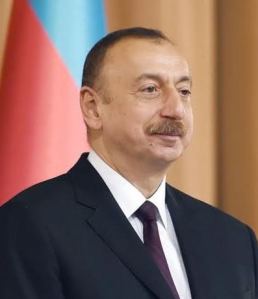
Ilham Aliyev
The Nagorno-Karabakh issue arises from the post-Revolution, post-Civil War period of Soviet history when Joseph Stalin was Commissioner for Nationalities. Stalin came from neighboring Georgia and knew the Caucasus well. His policy was a classic ‘divide and rule’ carried out with method so that national/ethnic groups would need to depend on the central government in Moscow for protection. Thus, in 1922, the frontiers of Azerbaijan, Armenia and Georgia were hammered out of what was the Transcaucasia Federative Republic. (1)
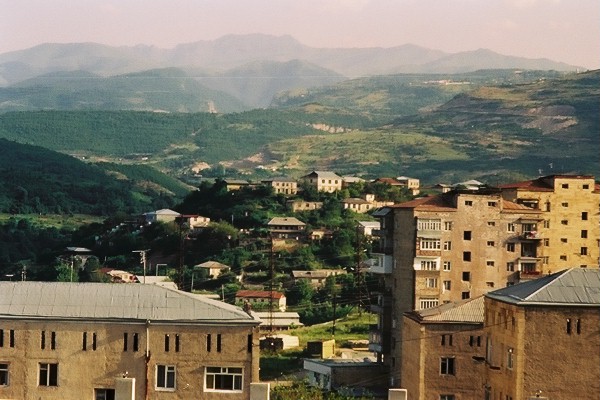
Stepanakert, the capital city of Nagorno-Karabakh. (C) Kylar Loussikian
Nagorno-Karabakh, an Armenian majority area, was given a certain autonomy within Azerbaijan but was geographically cut off from Armenia. Likewise, an Azeri majority area, Nakhichevan, was created as an autonomous republic within Armenia but cut off geographically from Azerbaijan. Thus, both enclaves had to look to Moscow for protection. This was especially true for the Armenians. Many Armenians living in what had been historic Armenia, but which had become part of the Ottoman Empire, had been killed during the First World War by the Turks. Armenians living in “Soviet Armenia” had relatives and friends among those killed by the Turks, creating a permanent sense of vulnerability and insecurity. Russia was considered a historical ally of Armenia.
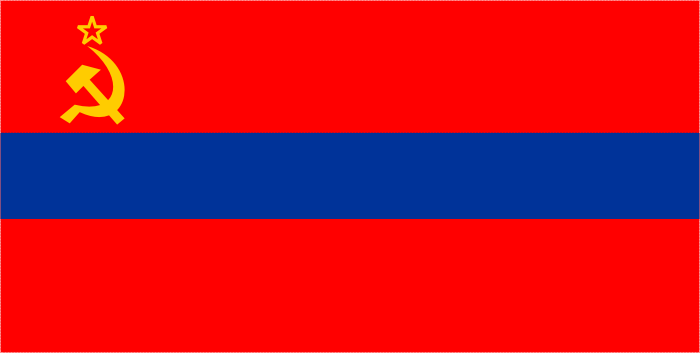
The flag of the Flag of the Armenian Soviet Socialist Republic.
These mixed administrative units worked well enough or, one should say, there were few public criticisms allowed until 1988, when the whole Soviet model of nationalities and republics started to come apart. In both Armenia and Azerbaijan, nationalistic voices were raised. A strong “Karabakh Committee” began demanding that Nagorno-Karabakh be attached to Armenia. In Azerbaijan, anti-Armenian sentiment was set aflame. Many Armenians who were working in the oil-related economy of Baku were under tension and started leaving. This was followed somewhat later by real anti-Armenian pogroms. Some 160,000 Armenians left Azerbaijan for Armenia and others went to live in Russia.
With the breakup of the Soviet Union and the independence of Armenia and Azerbaijan, tensions focused on Nagorno-Karabakh. In 1992, full-scale armed conflict started in and around Nagorno-Karabakh and went on for two years. During the two years of fighting, 1992-1994, at least 20,000 persons were killed and more than one million persons displaced. In 1994, there was a ceasefire largely negotiated by Russia. Nagorno-Karabakh has declared its independence as a separate State. No other State – including Armenia – has recognized this independent status, but in practice, Nagorno-Karabakh is a de facto State with control over its population and its own military forces. Some in Nagorno-Karabakh hope that the country might become the “Liechtenstein of the Caucasus”.
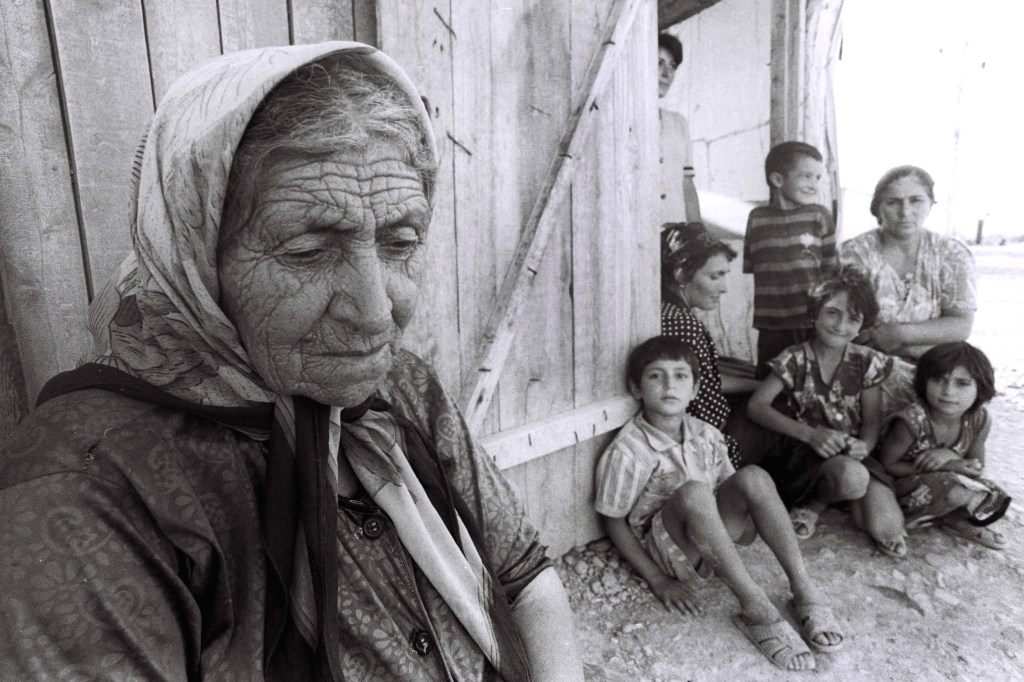
Azerbaijani refugees from Nagorno-Karabakh during the 1992-1994 war.
Armed violence has broken out before, especially in 2016. Many in Nagorno-Karabakh do not want to be at the mercy of decisions made in distant centers of power but to decide their own course of action. However, the recognition of Nagorno-Karabakh as an independent State raises the issue of the status of other de facto ministates of the area, such as Abkhazia and South Ossetia in Georgia and Transnistria in Moldova.
Finding appropriate administrative structures which will permit real trans-frontier cooperation between Nagorno-Karabakh, Azerbaijan and Armenia will not be easy, but it is a crucial step if peace is to be established. The Association of World Citizens has proposed forms of con-federation and trans-frontier mechanisms in such cases and will continue to make such proposals for Nagorno-Karabakh.
Note
1) For a good analysis of Stalin’s nationality policies, see Helene Carrere d’Encausse, The Great Challenge: Nationalities and the Bolshevik State 1917-1930 (New York: Holmes and Meier, 1992)
Prof. René Wadlow is President of the Association of World Citizens.
Recent events have highlighted the need for a dynamic and enlightened policy toward migrants and refugees. The refugee camp in Moria, on Lesbos Island, Greece, which burned to the ground on September 9, 2020, hosted over 13,000 refugees and migrants, most from Afghanistan with others from Pakistan, Iraq, Syria and an increasing number from West Africa. Among them were thousands of defenseless women and children, victims of war, violence and later from xenophobia, islamophobia and racism. Prior to the fire, the refugees were already living in poor conditions, in small tents on wet ground without clean drinking water or medical care.
Since the fire, most of the refugees in Moria, including newborn babies, have been sleeping in the streets while xenophobic locals harass them and armed policemen, known for their far-right sympathies, threaten them.
A second drama of refugees and migrants is being acted out in the French Department of Pas-de-Calais, as refugees try to reach England before December 31, 2020, when the United Kingdom leaves the European Union, thus ending the existing accords on refugees and migrants. Many have paid large sums of money for the possibility to reach England, often in unsafe makeshift boats.
The Association of World Citizens, along with other humanitarian organizations, has worked actively for world law concerning migrants and refugees – policies which need to be strengthened and, above all, applied respecting the dignity of each person: https://awcungeneva.com/2020/06/20/world-refugee-day/
With tensions growing between India and China on their frontier, the Association of World Citizens (AWC) has proposed nongovernmental discussions between persons involved in conflict-resolution efforts in the two countries – which is called Track II diplomacy.
Track I is the activity of the regular State diplomatic services. In the current India-China tensions, there have been Track I efforts between military commanders on the frontier to reduce dangers of violence by miscalculation. However, such talks do not deal with fundamental issues nor highlight topics on which negotiations are possible.
The AWC has a good number of contacts in India in academic and conflict resolution circles – much less in China due to the history of the World Citizen movement which has had strong support in India from the days of Jawaharlal Nehru on. The AWC’s Track II appeal has been widely sent to India and received strong encouragement: https://awcungeneva.com/2020/07/03/can-track-ii-efforts-reduce-china-india-frontier-tensions/.