Sept mois après le début de la guerre entre les États-Unis et l’Iran, alors que planent les menaces d’une nouvelle escalade militaire et que l’on craint une aggravation de la crise humanitaire, le Secrétaire Général des Nations Unies (ONU), en visite officielle au Pakistan le 6 octobre 2026, a appelé à la fin de la guerre entre les États-Unis et la République islamique d’Iran. Il espère que le Pakistan pourra jouer un rôle important pour aider à mettre en place des négociations entre les États-Unis et l’Iran.
Le conflit armé a débuté en février 2026 avec les attaques conjointes américano-israéliennes contre l’Iran, suivies de ripostes iraniennes sous forme d’attaques contre des sites liés aux États-Unis en Jordanie et dans plusieurs États du Golfe. Les voies maritimes ont été bloquées dans le détroit d’Ormuz. Le conflit a eu des répercussions sur l’ensemble de la région. L’Arabie saoudite et la coalition qu’elle soutient au Yémen ont lancé une contre-offensive contre les Houthis. L’Arabie saoudite a envoyé des avions de chasse pour venir en aide à ses alliés anti-Houthis.
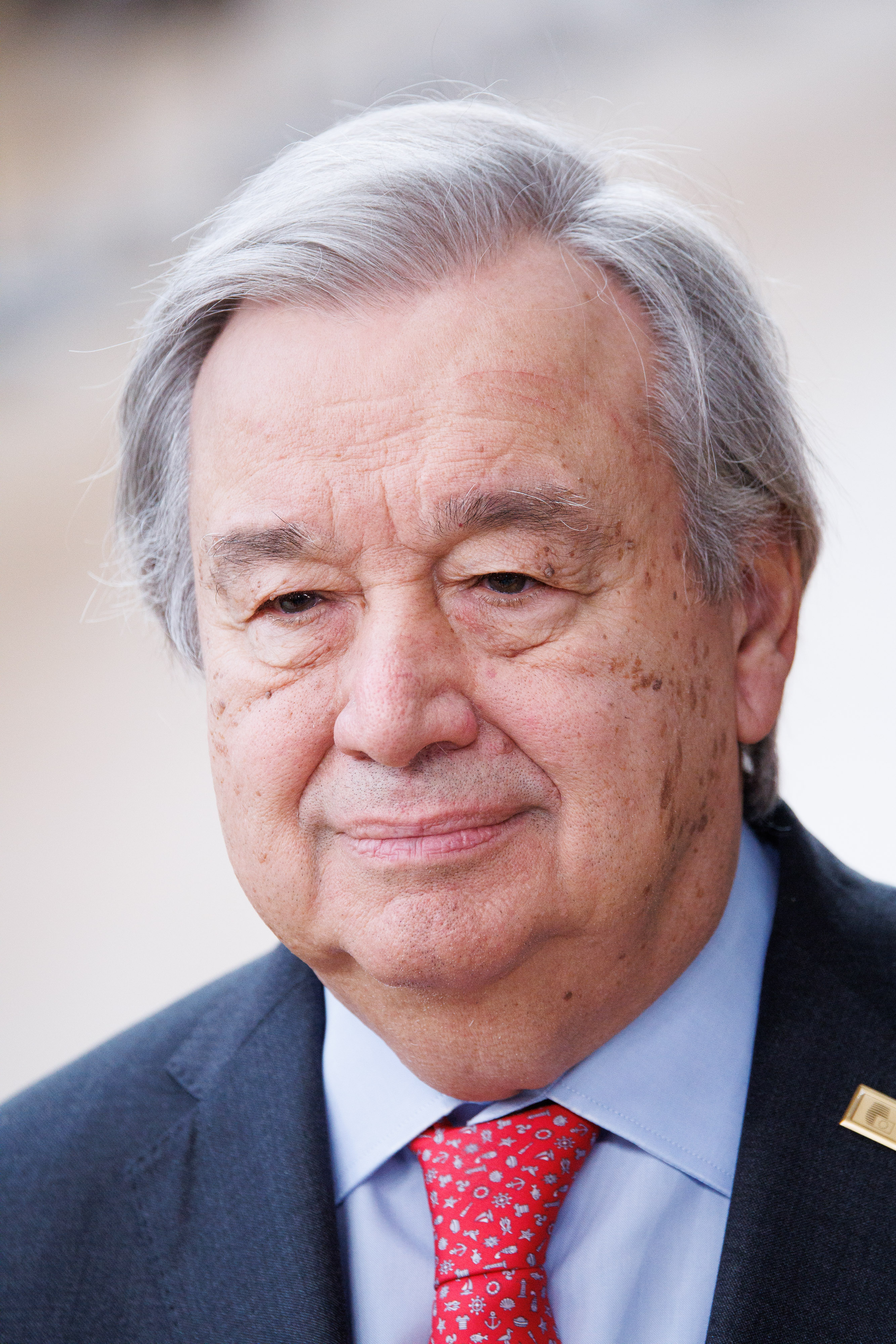
Antonio Guterres, Secrétaire Général des Nations Unies (C) European Commission (Christophe Licoppe)
En raison du conflit armé, les autorités iraniennes intensifient la répression contre toute forme de dissidence interne. Cette répression touche particulièrement les membres des communautés ethniques iraniennes, telles que les Kurdes, ainsi que les citoyens défavorisés sur le plan économique.
Depuis le début du conflit armé, l’Association of World Citizens a appelé à des négociations de bonne foi pour mettre fin aux combats et contribuer à la reconstruction des infrastructures détruites. Les Citoyens du Monde ont souligné la nécessité de donner aux acteurs locaux les moyens de travailler ensemble pour la paix.
Ces besoins persistent aujourd’hui. Il ne reste peut-être que peu de temps pour agir de manière constructive avant que la violence ne s’étende. Une action urgente s’impose. Les organisations non gouvernementales pourraient être en mesure de jouer un rôle actif.
Le Professeur René Wadlow est Président de l’Association of World Citizens.
Seven months into the United States (U.S.)-Iran war, with threats of further military escalation and fears of worsening humanitarian suffering, the United Nations (UN) Secretary-General, on an official visit to Pakistan on October 6, 2026, called for an end to the U.S.-Islamic Republic of Iran war. He hopes that Pakistan can play an important role in helping to establish negotiations between the U.S. and Iran.
The armed conflict began in February 2026 with the joint U.S.-Israeli attacks on Iran followed by Iranian responses of attacks on U.S.-linked sites in Jordan and several Gulf states. Maritime passages have been blocked in the Straits of Hormuz. The conflict has had an impact on the wider region. Saudi Arabia and the coalition it backs in Yemen have begun a counter-offensive against the Houthis. Saudi Arabia has sent fighter jets to aid its anti-Houthi allies.
UN Secretary-General António Guterres (C) European Commission (Christophe Licoppe)
As a consequence of the armed conflict, the Iranian authorities are intensifying the crackdown on any form of internal dissent. The crackdown is particularly acute on members of Iran’s ethnic communities such as the Kurds and on economically disadvantaged citizens.
From the start of the armed conflict, the Association of World Citizens has called for negotiations in good faith to halt the fighting and to help rebuild the destroyed infrastructure. World Citizens have highlighted the need to empower local actors to work together for peace.
These needs continue today. The time for positive action may be short before violence spreads. Urgent action is needed. Nongovernmental Organizations may be able to play an active role.
Prof. René Wadlow is President of the Association of World Citizens.
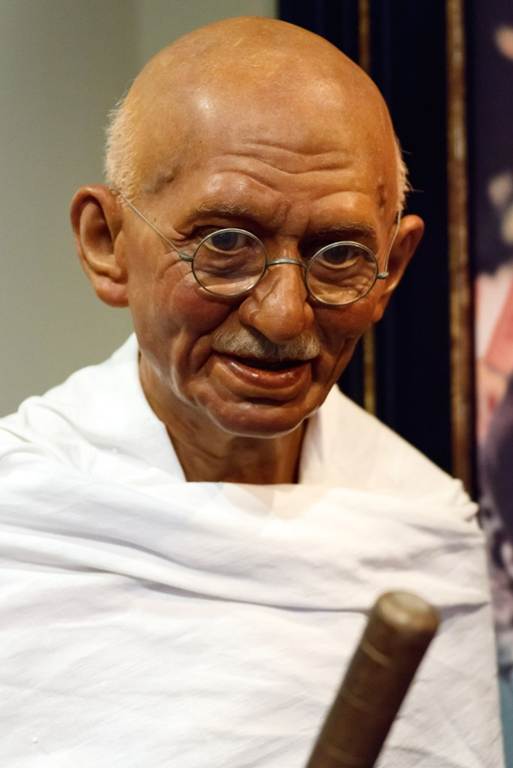
Le 2 octobre est la Journée de la non-violence désignée par l’Assemblée générale des Nations Unies (ONU), cette date ayant été choisie car elle correspond à l’anniversaire de la naissance du Mahatma Gandhi.
Peu après avoir terminé ses études de droit en Angleterre, le Mahatma Gandhi s’est rendu en Afrique du Sud et a commencé à travailler auprès des ouvriers indiens, victimes de discrimination. Il chercha un terme compréhensible pour une population majoritairement anglophone afin d’expliquer ses efforts. La «résistance passive» était le terme le plus couramment utilisé, notamment par Léon Tolstoï et d’autres. Cependant, Gandhi trouvait le mot «passif» trompeur. Il existait bien un terme hindou, ahimsa – signifiant «non-» et hinsa, «violence». Ce terme était pratiquement inconnu des Sud-Africains blancs, qui ne s’intéressaient guère à la pensée philosophique indienne.
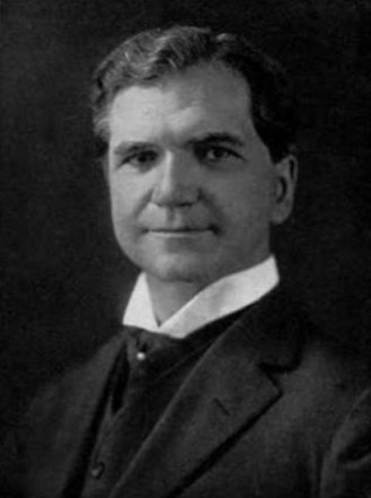
Gandhi écrivit à un ami qu’il avait connu lors de ses études de droit en Angleterre, Edward Maitland. Maitland et Anna Kingsford étaient à la tête de l’Union chrétienne ésotérique et dirigeaient la loge londonienne de la Société théosophique. Maitland fit découvrir à Gandhi les écrits de Ralph Waldo Trine, auteur américain du mouvement de la «Nouvelle Pensée». Originaire de Nouvelle-Angleterre, Trine avait été baptisé en l’honneur d’Emerson par ses parents. Son ouvrage le plus célèbre, dont Gandhi s’inspira pour nommer ses actions en Afrique du Sud, s’intitule In Tune with the Infiniteou Fullness of Peace, Power and Plenty. (1)
Trine utilise le terme «force de l’âme» (soul force), que Gandhi reprit ensuite pour son action en Afrique du Sud. De retour en Inde, Gandhi souhaitait employer une expression indienne plutôt qu’anglaise, et il forgea le terme satyagraha – «s’en tenir à la vérité» : satya, qui désigne la Vérité au sens cosmique, est un terme hindou couramment utilisé, tandis que le concept d’«âme» aurait nécessité quelques explications auprès de ses partisans indiens.
Tous les écrits de Trine véhiculaient le même message : on pouvait acquérir la force de l’âme en ne faisant qu’un avec Dieu, qui était immanent, par l’amour et le service rendu à ses semblables. Le Christ que Trine suivait était celui que Gandhi connaissait bien : le modèle spirituel suprême qui montrait aux hommes le chemin vers l’union avec leur essence divine. Trine promettait que le véritable chercheur, intrépide et désintéressé, serait à tel point imprégné de la puissance de Dieu agissant à travers lui que «partout où il ira, il pourra sans cesse diffuser des influences de la nature la plus puissante et la plus forte qui atteindront les confins du monde».
Pour Trine, la pensée était le moyen par lequel une personne s’accordait avec l’Infini. «Chacun construit son propre monde. Nous construisons à la fois de l’intérieur et nous attirons de l’extérieur. La pensée est la force avec laquelle nous construisons, car les pensées sont des forces. Le semblable construit le semblable et le semblable attire le semblable. Plus la pensée est spiritualisée, plus elle devient subtile et puissante dans son action. Cette spiritualisation est conforme à la loi et est à la portée de tous».
«Tout s’élabore d’abord dans l’invisible avant de se manifester dans le visible, dans l’idéal avant de se réaliser dans le réel, dans le spirituel avant de se révéler dans le matériel. Le domaine de l’invisible est le domaine de la cause. Le domaine du visible est le domaine de l’effet. La nature de l’effet est toujours déterminée et conditionnée par la nature de sa cause.»
Ainsi, pour le Mahatma Gandhi, toute action ou campagne non violente était précédée d’une longue période de préparation spirituelle, tant pour lui-même que pour ses proches collaborateurs. La prière, le jeûne et la méditation étaient utilisés afin de concentrer la force de l’âme, de visualiser un résultat positif et de cultiver l’innocuité envers ceux qui s’opposaient à eux.
Un autre thème sur lequel Trine insistait et que Gandhi utilisait constamment dans ses efforts pour jeter des ponts entre hindous et musulmans était l’existence d’un noyau fondamental commun à toutes les religions. Gandhi écrivait : «Il existe un fil d’or qui traverse toutes les religions du monde. Il existe un fil d’or qui traverse la vie et les enseignements de tous les prophètes, voyants, sages et sauveurs de l’histoire du monde, ainsi que la vie de tous les hommes et femmes dotés d’une puissance véritablement grande et durable. Le grand fait central de l’univers est que l’esprit de vie et de puissance infinies est à l’origine de tout, se manifeste en tout et à travers tout. Cet esprit de vie et de puissance infinies qui est à l’origine de tout est ce que j’appelle Dieu. Peu m’importe le terme que vous utiliserez, qu’il s’agisse de «Lumière bienveillante», de «Providence», d’«Âme suprême», d’«Omnipotence» ou de tout autre terme qui vous semblera le plus approprié, pourvu que nous soyons d’accord sur cette grande réalité centrale elle-même.»
Note : (1) R.W. Trine, In Tune with the Infinite (New York : Whitecombe and Tombs, 1899, 175 p.)
Le Professeur René Wadlow est Président de l’Association of World Citizens.
October 2 is the United Nations (UN) General Assembly-designated Day of Nonviolence chosen as October 2 is the birth anniversary of Mahatma Gandhi.
Mahatma Gandhi, shortly after finishing his legal studies in England, went to South Africa and began working with Indian laborers, victims of discrimination. He looked for a term understandable to a largely English-speaking population to explain his efforts. “Passive resistance” was the most widely used term and had been used by Leo Tolstoy and others. However, Gandhi found the word “passive” misleading. There did exist a Hindu term, ahinsa – a meaning non- and hinsa, violence. The term was basically unknown among White South Africans, largely uninterested in Indian philosophical thought.
Gandhi wrote to a friend from his legal studies days in England, Edward Maitland. Maitland and Anna Kingsford were the leaders of the Esoteric Christian Union and the leaders of the London Lodge of the Theosophical Society. Maitland introduced Gandhi to the writings of the American New Thought writer Ralph Waldo Trine. Trine was a New Englander and his parents named him after Emerson. His best-known work from which Gandhi took the term for his actions in South Africa is In Tune with the Infinite or Fullness of Peace Power and Plenty. (1)
Trine uses the term “soul force” which Gandhi then used for his work in South Africa. Once back in India, Gandhi wanted an Indian rather than an English expression, and he coined the term satyagraha − holding on to truth: satya as Truth in a cosmic sense is an oft-used Hindu term while “soul” would need some explaining to Indian followers.
All of Trine’s writings contained the same message: soul force could be acquired by making oneself one with God, who was immanent, through love and service to one’s fellow men. The Christ Trine followed was one familiar to Gandhi − the supreme spiritual exemplar who showed men the way to union with their divine essence. Trine promised that the true seeker, fearless and forgetful of self-interest, will be so filled with the power of God working through him that “as he goes here and there, he can continually send out influences of the most potent and powerful nature that will reach the uttermost parts of the world.”
For Trine, thought was the way that a person came into tune with the Infinite. “Each is building his own world. We both build from within, and we attract from without. Thought is the force with which we build, for thoughts are forces. Like builds like and like attracts like. In the degree that thought is spiritualized does it become more subtle and powerful in its workings. This spiritualizing is in accordance with law and is within the power of all.
“Everything is first worked out in the unseen before it is manifested in the seen, in the ideal before it is realized in the real, in the spiritual before it shows forth in the material. The realm of the unseen is the realm of cause. The realm of the seen is the realm of effect. The nature of effect is always determined and conditioned by the nature of its cause.”
Thus, for Mahatma Gandhi, before a nonviolent action or campaign, there was a long period of spiritual preparation of both him and his close co-workers. Prayer, fasting, and meditation were used in order to focus the force of the soul, to visualize a positive outcome and to develop harmlessness to those opposed.
Another theme which Trine stressed and Gandhi constantly used in his efforts to build bridges between Hindus and Muslims was that there was a basic core common to all religions. Gandhi wrote “There is a golden thread that runs through every religion in the world. There is a golden thread that runs through the lives and the teachings of all the prophets, seers, sages, and saviors in the world’s history, through the lives of all men and women of truly great and lasting power. The great central fact of the universe is that the spirit of infinite life and power is back of all, manifests itself in and through all. This spirit of infinite life and power that is back of all is what I call God. I care not what term you may use, be it Kindly Light, Providence, the Over-Soul, Omnipotence or whatever term may be most convenient, so long as we are agreed in regard to the great central fact itself.”
Note:
(1) R.W. Trine, In Tune with the Infinite (New York: Whitecombe and Tombs, 1899, 175 pp.)
Prof. René Wadlow is President of the Association of World Citizens.