The Official Blog of the

Archive for the ‘World Law’ Category

Letting the Soul of Europe Drown on the Shores of Libya

In Africa, Being a World Citizen, Conflict Resolution, Current Events, Europe, Human Rights, Libya, Middle East & North Africa, Migration, NGOs, Refugees, Spirituality, The Search for Peace, Track II, United Nations, World Law on July 26, 2021 at 6:15 PM

By Bernard J. Henry

Was Libya ever a part of the 2011 Arab Spring? If the term defines solely the ouster of a dictator who had been there for decades, yes, it was. After 41 years of autocratic rule, Colonel Muammar Gaddafi was irreversibly overthrown. If the Arab Spring also means the transformation of nonviolent protests into all-out armed conflict, then again, Libya qualifies as a people’s revolution, following the path successfully taken by Tunisia, that ended up as a civil war between the Jamahiriya, ruled from Tripoli by Gaddafi, and the Qatar-backed National Transitional Council based in Benghazi. Ultimately, if it means frustration at the outcome of the fight, then Libya was indeed a part of the 2011 Arab Spring, remembering how unbearably long it took the rival factions there to create a Government of National Unity, after years of competition between two, sometimes three, would-be national leaders.

Another way that Libya – tragically – qualifies as part of the 2011 Arab Spring is the ever-growing phenomenon of harraga. In Algerian Arabic, harrag means “the one who burns something”, and in Algeria where French is an unofficial second language, overlooking a red light while driving a car is “brûler un feu rouge”, literally “burning a red light”. When harrag thus refers to anyone breaching a legal restriction, its plural harraga has come to mean “those who burn the border” – migrants who leave the country without permission, either from their home government or the authorities of the country they are traveling to, in both cases risking their very lives.

One reason the West reacted sometimes coolly to the end of decades-long dictatorships in North Africa was that, while in power, Ben Ali, Gaddafi, and Mubarak enforced strict regulations on migration to the northern bank of the Mediterranean, keeping their respective peoples away from both personal freedom and European border posts altogether. The fall of each of the three regimes meant the end of a controlled emigration that used to suit European needs nicely, and ten years later, one of the three countries stands out as the most graphic and tragic embodiment of the harraga phenomenon – Libya.
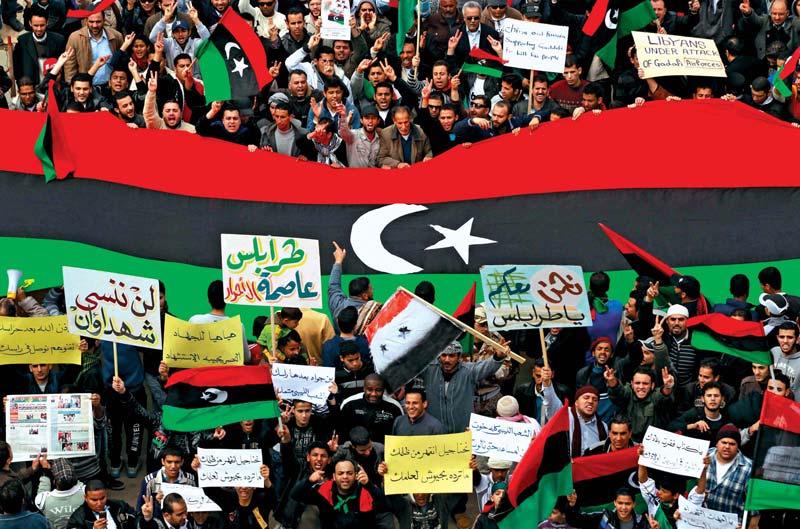
Yet Libyans do not make up the bulk of those vowing to reach Europe at any cost. Those vowing to reach Europe from Libya are migrants and refugees from other countries in Africa, with some foreign residents who had lived in Libya for many years but are now feeling insecure and want to move on abroad. Others still, coming from Niger, Chad, Sudan, Egypt, and Tunisia, do want to settle down in Libya. But for those whose destination is Europe, when failure does not come by drowning into the Mediterranean, it means a fate some would deem even worse.

Inhumanity in the name of the European Union

According to a report from the United Nations High Commissioner for Refugees (UNHCR), North Africa is now offering three routes for migration to Europe – the Western Route from Morocco into Spain, the Eastern Route from Turkey into Greece, and the Central Route from Libya into Italy. Unsurprisingly, the Central Route is the most active, preferred by many refugees and migrants. They come from West, East, and Central Africa, some of them fleeing extreme poverty back home and the others running from war and persecution. Although Europe has the oldest and best-functioning human rights court in the world, nostalgic as it is of its unenviable dictator friends in North Africa, it will not lift a finger to help these people yearning for the freedom and dignity that Europeans enjoy them every day.

In a newly released report entitled ‘No One Will Look for You’: Forcibly Returned from Sea to Abusive Detention in Libya, Amnesty International explains how “men, women and children intercepted while crossing the Mediterranean Sea and forcibly returned to detention centers in Libya” get subjected to an array of human rights violations in detention centers, such as “torture and other ill-treatment, cruel and inhuman detention conditions, extortion and forced labor” as well as “invasive, humiliating and violent strip-searches”, when not rape.

The organization sheds light on the role played since 2020 by the Libyan Government’s Directorate for Combating Illegal Migration (DCIM) in sexual abuses against women.
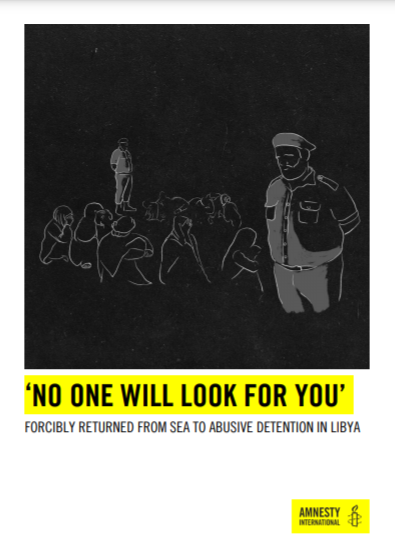
But, in the words of Amnesty’s Deputy Director for the Middle East and North Africa, Diana Eltahawy, “The report also highlights the ongoing complicity of European states that have shamefully continued to enable and assist Libyan coastguards in capturing people at sea and forcibly returning them to the hellscape of detention in Libya, despite knowing full well the horrors they will endure.” Consequently, Amnesty urges “European states to suspend cooperation on migration and border control with Libya”.

Blocking unauthorized migration from North Africa to Europe was one thing, when many in Western countries deemed Arab peoples unable to sustain democracy, thus supporting dictators who both reined in their constituents at home and deterred them from seeking a better life, let alone freedom, abroad. Ten years later, as a stifled democracy proves unable to protect Tunisia from a deadly wave of Covid-19 and Egypt appears locked in an absolute monarchy in all but name, Libya has set a course on the abandonment of all standards of human decency, not just in the treatment of prisoners but in knowingly punishing people just for seeking a new life on the other side of the Mediterranean.

The European ideal betrayed

It is no secret that European leaders, however progressive and opposed to extreme right populists they claim to be, have long renounced any form of firmness toward these. No more dismissing the far right by comparing it to pre-World War II fascist movements; its trademark xenophobic rhetoric has now become trendy. Leaders who once blasted the extreme right can now be heard calling for tighter border controls, making life harder for those immigrants who do get admitted, and demoting asylum from an internationally recognized right to a temporary commodity granted at the pleasure of the state.

Denmark, once hailed as a model Scandinavian social democracy with a liberal line of thought, is now considering sending Syrian refugees back to their war-torn homeland and “outsourcing” other asylum-seekers to Rwanda, a distant central African country with no geographical, historical, or other ties to Denmark whatsoever. In Britain, Home Secretary Priti Patel has proposed a host of nonsensical, dangerous measures to keep undocumented migrants and asylum seekers from reaching the country, such as the creation of an offshore processing center in … Rwanda. Not the finest tributes to the scores of Rwandans trying to flee the ongoing genocide back in 1994 one might think of.

Once conservative, moderate, liberal, or progressive democrats, the leaders of Europe have now joined the extreme right if only in its crusade to spread an insane fear of millions of Arab and African Muslim migrants taking over Europe, replacing the European Convention on Human Rights with the Sharia, imposing the Islamic veil on all women, and flogging to death anyone who swallows a drop of alcohol. So much for the European dream of Konrad Adenauer and Winston Churchill, Frenchmen Jean Monnet and Robert Schuman, and Italians Alcide de Gasperi and Altiero Spinelli – the latter’s name being part also of the history of the World Citizen and World Federalist movements.
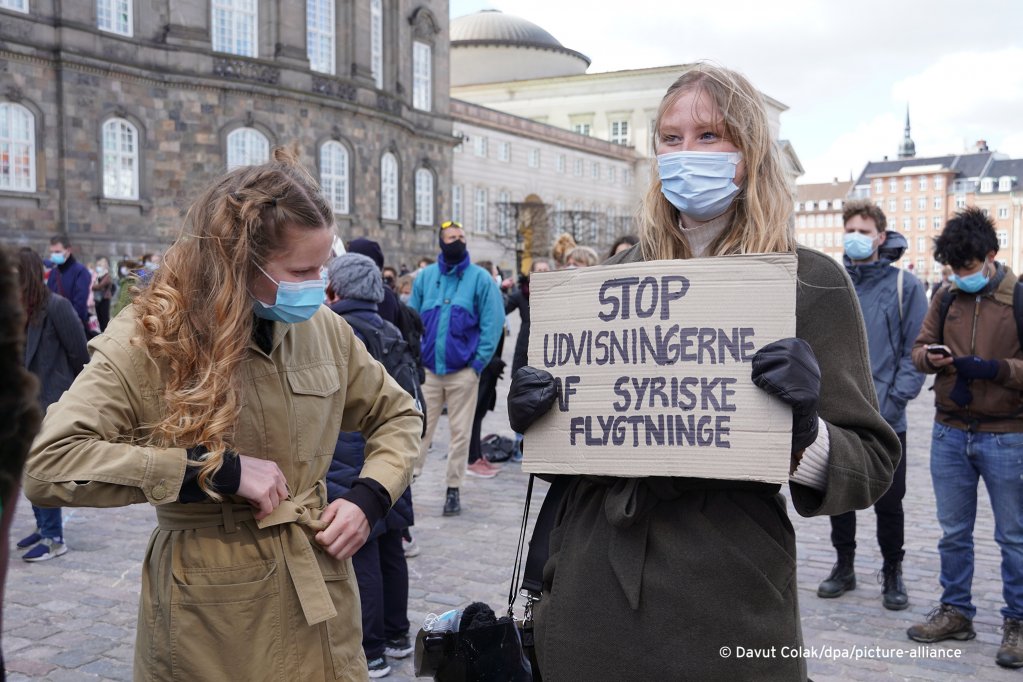
As the motto of the European Union (EU) shifts from “United in Diversity” to “Freedom within, Fortress without”, Libya stands out as the most graphic, horrendous illustration of EU duplicity in championing human values at home, especially when opposing a Donald Trump in the USA or brutal leaders in China and Nicaragua, while condoning the total loss of humanity in North Africa where Libyan government agents keep its borders safe from – imagined – hordes of invaders poised to feast on Europe’s riches and force an Al-Qaida- or ISIS-like reactionary vision of Islam on all Europeans. That too is a sign, possibly the most important one, that when it comes to migration, European leaders are now being guided by the extreme right’s ideology, pretending to use facts but being really based on fantasy.

Europe must continue to stand for hope

It is no fantasy that people are dying at sea while trying to reach Europe. It is no fantasy that others, also trying to reach Europe through the Mediterranean, are getting caught by the Libyan authorities and forcibly brought back to the country. It is no fantasy that, held in detention centers even though they have no crime to answer for, people are ill-treated, beaten, raped, all but killed, just because they tried to get to Europe. It is no fantasy that as many blatant violations of the European Convention on Human Rights are being committed while the EU, at best, turns a blind eye and, at worst, lends its support.

Regional integration as Europe has known it since World War II, including EU expansion after the end of the Warsaw Pact, cannot be allowed to result in such barbarity. Setting such a bad example will only be detrimental to the ongoing experiments toward regional integration in other parts of the world, obviously starting with Africa. Ultimately, the very idea of World Citizenship will be endangered too, should some raise the possibility of supranational integration, and accordingly global governance of any kind, leading to such brutal, inhuman conducts of that nature with literally nowhere to run.

Europe as we know it was born among the ruins of World War II. Neither its regional institutions nor its national governments, let alone its governmental partners overseas, can possibly let it drown on the shores of Libya, where its leaders from Rome up to Copenhagen are making the EU lose all honor, letting down both those in Libya hoping for a better future and their own citizens at home by nurturing them in fear when they should be taught pride, courage, and solidarity, both toward one another and with others in distress at the doorsteps of the Union.

Bernard J. Henry is the External Relations Officer of the Association of World Citizens.

Assault on Religious Liberty: July 20, 1937

In Being a World Citizen, Human Rights, NGOs, Religious Freedom, Solidarity, Spirituality, The Search for Peace, Track II, United Nations, World Law on July 20, 2021 at 3:17 PM

By René Wadlow

The Nazi Government of Germany had first moved against the Jews, considered as both a racial and a religious group. The Jews had long been a target of the Nazi movement and the attack on them came as no surprise. However, the July 20, 1937 banning of the theosophical movement and of others «theosophically related» in the Nazi ideology was a turning point in Nazi repression.

On July 20, 1937, the Theosophical Society and the related Anthroposophical Society which had been founded by Rudolf Steiner who had been president of the German section of the Theosophical Society were banned. The banning order was signed by Reichsführer Reinhard Heydrich who warned that “The continuation and new foundation of this as well as the foundation of disguised succession organizations is prohibited. Simultaneously I herewith state because of the law about confiscation of property hostile to people and state that the property of the abovementioned organizations was used or intended for the promotion of intentions hostile to people and state.” Thus, all offices and buildings were confiscated.

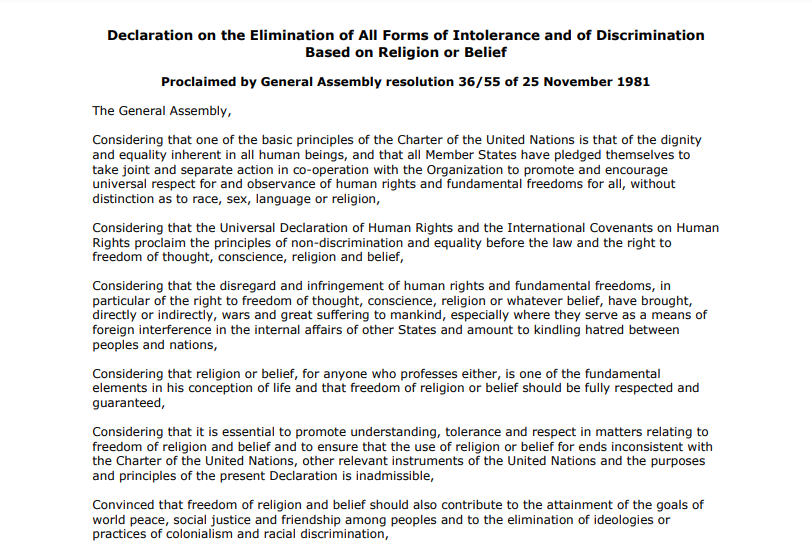
At the time there was little organized protest. The League of Nations, while upholding tolerance and freedom of thought in general had no specific declaration on freedom of religion and no institutional structures to deal with protests. Now, the United Nations (UN) has a specific Declaration on the Elimination of All Forms of Intolerance and Discrimination Based on Religion or Belief of November 25, 1981 which builds upon Article 18 of the Universal Declaration of Human Rights which states that “Everyone has the right to freedom of thought, conscience, and religion : this right includes freedom to change his religion or belief and freedom, either alone or in community with others and in public or private to manifest his religion or belief in teaching, practice, worship or observance.” As with all UN Instruments relating to freedom of religion, Article 18 represents a compromise. One of its achievements was the inclusion of the terms “thought” and “conscience” which quietly embraced atheists and non-believers. The most divisive phrase, however, was “freedom to change one’s religion”.

The Declaration on the Elimination of All Forms of Intolerance and of Discrimination Based on Religion or Belief took nearly 20 years of difficult negotiations to draft. Preparations for the Declaration had begun in 1962. One of the most difficult areas in drafting the Declaration concerned the rights of the child to have “access to education in the matter of religion or belief in accordance with the wishes of his parents and shall not be compelled to receive teaching on religion or belief against the wishes of his parents or legal guardians, the best interests of the child being the guiding principle.”

The Declaration goes on to state that “The child shall be protected from any form of discrimination on the grounds of religion or belief. He shall be brought up in a spirit of understanding, tolerance, friendship among peoples, peace and universal brotherhood, respect for freedom of religion or belief of others, and in full consciousness that his energy and talents should be devoted to the services of his fellow men.”

The Declaration highlights that there can be no doubt that freedom of thought, conscience, religion or belief and the elimination of intolerance and discrimination based on religion or belief are of a fundamental character and derive from the inherent dignity and worth of the human person.

The gradual evolution of UN norms on the issue of religious liberty has been a complex process and is often a reflection of bilateral relations among Member States. This was especially true during the 1980s – the last decade of the USA-USSR Cold War. However, the end of the Cold War did not end religious tensions as an important factor in internal and international conflicts.

The 1981 Declaration cannot be implemented by UN bodies alone. Effective implementation also requires efforts by nongovernmental organizations (NGOs). NGOs play a vital role in the development of the right to freedom of religion or belief, especially by advancing the cause of those still struggling to achieve this right.

Thus, the Association of World Citizens (AWC) had been active in the late 1970s when the UN Commission on Human Rights moved from New York to Geneva on the formulation of the 1981 Declaration. Since then, the AWC has worked closely with the Special Rapporteurs on Religious Liberty of the Commission (now the Human Rights Council). The AWC has also raised publicly in the Commission certain specific situations and violations. The AWC stresses the need for sound research and careful analysis. Citizens of the World have an important role to play in bringing spiritual and ethical insights to promote reconciliation and healing in many parts of the world.

Prof. René Wadlow is President of the Association of World Citizens.

En Colombie, la guerre contre la coca décime la terre et les espoirs de paix

In Being a World Citizen, Conflict Resolution, Current Events, Environmental protection, Human Rights, Latin America, NGOs, Social Rights, Solidarity, The Search for Peace, Track II, United Nations, World Law on May 16, 2021 at 8:23 PM

Par Bernard J. Henry

La Colombie vivra-t-elle un jour en paix ? Les événements actuels, la révolte sociale contre un projet de taxation du Président Ivan Duque qui l’a depuis abandonné, n’incitent qu’au pessimisme, dans un pays déjà longuement marqué par le conflit entre le Gouvernement et la rébellion des Forces Armées Révolutionnaires de Colombie – Armée du Peuple (Fuerzas Armadas Revolucionarias de Colombia – Ejército del Pueblo ; FARC-EP) ainsi que par le narcoterrorisme des grands cartels de la drogue comme ceux de Cali et de Medellín. Aucune comparaison possible entre les trois, certes – mais seul le résultat compte.

Comme si déjà les affrontements entre êtres humains n’éprouvaient pas assez le pays, le Président Ivan Duque ouvre aujourd’hui un nouveau front, contre le dernier ennemi que devrait se donner quelque Etat que ce soit. Car la nouvelle ennemie de Bogota, c’est sa terre. Sa terre nourricière.

Coca veut-il toujours dire cocaïne ?

La déclaration de guerre, c’est le Décret 380, signé le 12 avril dernier par Ivan Duque et autorisant la reprise de la pulvérisation aérienne de glyphosate, herbicide produit au départ par la seule firme Monsanto sous la marque Roundup et dont le brevet appartient depuis 2000 au domaine public, pour l’éradication des cultures illicites. Sans surprise, c’est d’abord la coca qui est visée, et à travers elle, la culture de cocaïne. C’est oublier que cette plante, cultivée depuis plusieurs millénaires dans les Andes, représente bien davantage dans la culture locale.

Le mate de coca (C) Getty Images-iStockphoto

Jadis élément rituel des croyances incas de la Colombie jusqu’au Chili, toujours présentes dans les rites chamaniques, les feuilles de coca sont aujourd’hui consommées en infusion, le mate de coca. Elles sont riches en minéraux essentiels, en vitamines, en protéines et en fibres. Les âges leur ont aussi découvert des vertus médicinales contre le vertige, en anesthésiant, en analgésique ou en coagulant, leur taux élevé de calcium les ayant rendues tout aussi efficaces contre les fractures osseuses, parmi les nombreuses vertus que même la médecine moderne leur reconnaît.

C’est ainsi que la coca représentait, en 2012, 0,2% du Produit Intérieur Brut colombien. Mais de nos jours, pour Bogota, coca ne veut plus dire que cocaïne. Or, ce nom ne désigne pas forcément ce que l’on croit.

Sitôt le mot prononcé, «cocaïne» évoque une drogue dure. Or, ce n’est pas le sens premier du terme. La cocaïne est un alcaloïde, une substance parfaitement naturelle contenue dans les feuilles de coca. Elle est naturellement ingérée lorsque l’on consomme le mate ou, c’est son usage le plus courant, lorsque l’on en mâche les feuilles, comme le font les Andins depuis des milliers d’années. La coca agit ainsi comme un remède à la faim, la soif, la douleur ou la fatigue. Sous cette forme, elle ne crée aucune addiction.

Transformée en un produit stupéfiant, le chlorhydrate de cocaïne, puis «sniffée» en «rails», la cocaïne devient un psychotrope et crée une addiction particulièrement dangereuse sur le plan psychique. C’est là qu’elle devient une «culture illicite» car alimentant les économies des cartels mais aussi ceux de groupes paramilitaires, dont jadis les FARC-EP.

Le glyphosate de Monsanto, vendu sous la marque Roundup

Mais si la coca détient le problème, elle renferme aussi la solution. Pour les cocaïnomanes, la consommation des feuilles telles quelles, bénéfique et non addictive, offre un moyen de se désaccoutumer et guérir.

Bien que ne pouvant l’ignorer, pas plus qu’ignorer que de nombreuses communautés paysannes dépendent de la culture de la coca comme seul moyen d’existence, Bogota a décidé de l’éradiquer par la force, envoyant l’armée détruire cent trente mille hectares au risque même d’affamer sa population campesina et rallumer les feux mal éteints de la guerre civile.

Pour qui aurait cru que l’urgence sanitaire liée à la COVID-19, confinement compris comme dans tant d’autres pays du monde, aurait arrêté ou du moins suspendu les ambitions guerrières gouvernementales, comme la société civile colombienne qui demandait une suspension, peine perdue. Au moins sept départements colombiens ont vu l’armée mener pendant ce temps-là sa guerre à mort contre la coca. Une guerre d’autant plus inquiétante que le front en est proche, par trop proche, de celui de l’ancienne guerre contre les FARC-EP.

FARC-EP : Un accord de paix en danger

Dans les années 1980, dernière décennie de la Guerre Froide, donc du système international de Droits Humains antérieur à la Conférence de Vienne en 1993, plusieurs groupes d’opposition armés avaient été identifiés à travers le monde comme violateurs des Droits Humains au même titre que les gouvernements, parfois le gouvernement même qu’ils entendaient combattre. Parmi eux, les Khmers Rouges au Cambodge, le Parti des Travailleurs du Kurdistan (PKK) en Turquie, le Sentier Lumineux (Sendero Luminoso) au Pérou et, en Colombie, les FARC-EP.

L’emblème des FARC-EP

Pur produit de la Guerre Froide, apparues en 1964, les FARC-EP présentaient une idéologie marxiste-léniniste, prônant un système agrarien et anti-impérialiste en Colombie. Composées de plusieurs dizaines de milliers d’hommes et de femmes, les FARC-EP usaient de techniques militaires variées mais aussi du terrorisme, à l’image de l’ETA au Pays basque espagnol qui les soutenait ouvertement. Leur économie de guerre se fondait sur l’extraction minière illégale, le racket économique, l’enlèvement contre rançon – ainsi de la Sénatrice Ingrid Betancourt en 2002, qui demeura leur otage jusqu’en 2008 – et le trafic de stupéfiants.

En mars 2008, le décès du leader des FARC-EP Manuel Marulanda Vélez marqua un tournant dans l’histoire du groupe armé. Les désertions se multiplièrent et, bien que poursuivant leurs attaques terroristes contre la police, l’armée et le secteur de l’énergie, des FARC-EP jadis redoutables apparurent désormais craintives et fatiguées.

Un processus de paix fut lancé qui aboutit, en juin 2016, à la signature d’un cessez-le-feu entre le Président Juan Manuel Santos et les FARC-EP à La Havane. En août, Santos annonça un accord de paix formel, qu’il soumit à référendum en octobre mais qui fut rejeté de peu par l’électorat. Le mois suivant, un accord révisé fut signé puis finalement ratifié. Un an après le cessez-le-feu, en juin 2017, les FARC-EP prononcèrent leur dissolution en tant que groupe armé, remettant leur armement aux équipes des Nations Unies sur place et devenant, comme le prévoyait l’accord de paix, un parti politique.

Quelques milliers d’irréductibles poursuivirent la lutte armée et le trafic de drogue. En août 2019, plusieurs leaders des anciennes FARC-EP annoncèrent à leur tour y revenir, bientôt mis hors d’état de nuire par les troupes colombiennes. L’accord de paix perdura donc, dont les quatre premiers points montraient une volonté concrète de combattre à la fois le conflit et ses causes originelles – une réforme rurale exhaustive, la participation politique des membres des anciennes FARC-EP, une fin définitive des affrontements et, en Point 4, une «solution aux drogues illicites».

Un rapport parlementaire colombien rendu l’an dernier montrait que, si la culture du coca était en recul, non moins de quinze mille hectares ayant été perdus en un an, celle de cocaïne connaissait en revanche un regain de 15%. Peu surprenant dans la mesure où les solutions prévues par l’accord de paix, l’éradication manuelle et la mise en place de cultures de substitution, ont été largement ignorées par les autorités. Écarter ainsi les accords conclus et les solutions de bon sens qui les composent, c’était offrir un boulevard aux tenants du glyphosate, parmi lesquels le Ministre de la Défense Carlos Holmes Trujillo, qui ont donc fini par l’emporter.

Outre la santé, l’économie et l’écosystème des communautés campesinas, et malgré la victoire militaire sur la tentative de résurgence armée d’une partie des FARC-EP, le glyphosate met donc bel et bien en danger y compris l’accord de paix lui-même, au mépris de l’ancien groupe armé et de ses efforts vers la paix, mais aussi des décisions judiciaires et, rien de moins, des recommandations internationales.

La justice colombienne et l’ONU l’avaient dit

Une première fois pourtant, la Colombie avait mis fin à la pulvérisation aérienne. En 2015, l’impact avéré de cette pratique sur l’environnement et les Droits Humains, notamment le droit à la santé, avait amené Bogota à renoncer à en faire usage. Deux ans plus tard, c’était la Cour constitutionnelle (Corte Constitucional) qui se saisissait du sujet et se prononçait en son Arrêt T-236-17.

Pour la juridiction suprême, le glyphosate était indubitablement une substance toxique à même d’entraîner diverses maladies, dont le cancer. Elle ordonnait ainsi que la pulvérisation aérienne ne soit utilisée qu’en dernier ressort, après l’échec de toute substitution volontaire ou éradication manuelle. Et surtout, la Cour, sortant du pur plan agricole ou scientifique, investissait aussi le champ politique en appelant le Gouvernement à résoudre le problème en tenant compte du Point 4 des Accords de Paix avec les FARC-EP. Mais faute d’application crédible des programmes de substitution volontaire, bien que ceux-ci soient un pilier des accords de paix, il leur a été préféré l’éradication forcée.

L’ONU elle-même s’en est indignée et le 17 décembre dernier, dix de ses experts indépendants écrivaient à Ivan Duque en lui demandant de renoncer à la pulvérisation aérienne, porteuse « d’énormes risques » pour l’environnement mais aussi d’une possible atteinte aux engagements internationaux colombiens en matière de Droits Humains. Appel donc resté lettre morte.

La pulvérisation aérienne au glyphosate en action

Sans paix avec la terre, aucune paix pour l’avenir

Avec Carlos Holmes Trujillo, la «ligne dure», sans mauvais jeu de mots sur la cocaïne au demeurant, a gagné. Qu’importe si, à cause d’elle, des Colombiens vont se trouver démunis, et/ou malades, qu’importe si l’écosystème se trouve irrémédiablement endommagé, qu’importe si la terre devient stérile. Leur guerre totale contre d’anciens ennemis qu’ils veulent soumis plus que partenaires a dégénéré en guerre contre la terre colombienne elle-même, la Pachamama, «Terre-Mère» comme la désigne la cosmogonie andine depuis des temps anciens où, déjà, l’on mâchait la coca.

A l’instar d’autres organisations non-gouvernementales, l’Association of World Citizens (AWC) a pris attache avec le Gouvernement colombien en demandant que le Président Ivan Duque renonce à la pulvérisation aérienne de glyphosate, au profit des solutions préconisées par l’accord de paix avec les FARC-EP, éradication manuelle et substitution volontaire, telles que les demande aussi la Cour constitutionnelle.

«A moins d’étendre le cercle de sa compassion à tout ce qui vit, l’homme ne pourra lui-même trouver la paix», disait Albert Schweitzer, auteur du concept de Révérence envers la Vie et lui-même référence naturelle de l’AWC. Le drame colombien du glyphosate illustre on ne peut mieux cette pensée. Heureusement, il n’est pas trop tard.

Bernard J. Henry est Officier des Relations Extérieures de l’Association of World Citizens.

International Day of Multilateralism and Diplomacy for Peace

In Being a World Citizen, Conflict Resolution, Cultural Bridges, NGOs, The Search for Peace, Track II, United Nations, World Law on April 26, 2021 at 7:40 PM

By René Wadlow

April 24, International Day of Multilateralism and Diplomacy for Peace was established by the United Nations (UN) General Assembly and first observed on April 24, 2019. The resolution establishing the Day is in part a reaction to the “America First, America First” cry of the U. S. President, Donald Trump, but other states are also following narrow nationalistic policies and economic protectionism. The Day stresses the use of multilateral decision-making in achieving the peaceful resolution of conflicts. Yet as the UN Secretary-General, Antonio Guterres, said, “Multilateralism is not only a matter of confronting shared threats, it is about seizing common opportunities.”

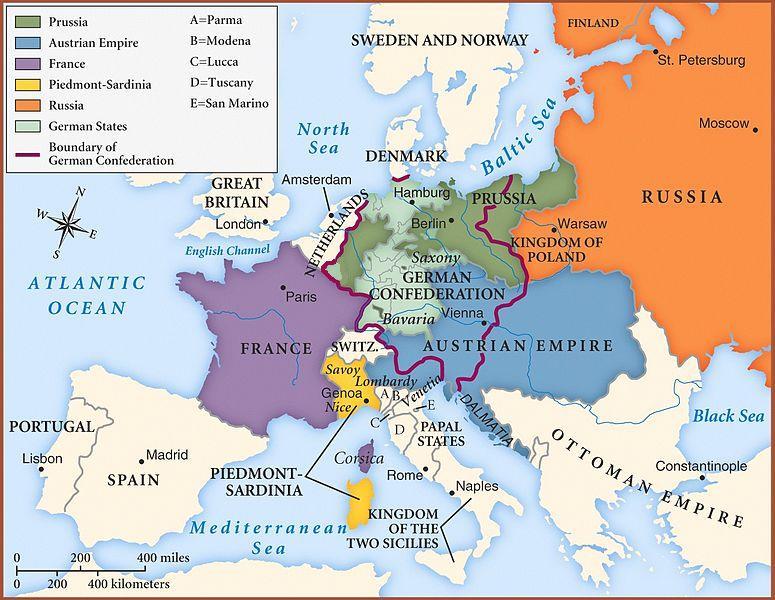
One hour after Trygve Lie arrived in New York as the first UN Secretary-General in March 1946, the Ambassador of Iran handed him the complaint of his country against the presence of Soviet troops in northern Iran. From that moment on, the UN has lived with constant conflict-resolution tasks to be accomplished. The isolated diplomatic conference of the past, like the Congress of Vienna in 1815 after the Napoleonic wars has been replaced by an organization continually at work on all its manifold problems. If the world is to move forward to a true world society, this can be done only through an organization such as the UN which is based on universality, continuity, and comprehensiveness.

Europe after the Congress of Vienna in 1815

Today’s world society evolved from an earlier international structure based on states and their respective goals, often termed “the national interest”. This older system was based on the idea that there is an inevitable conflict among social groups: the class struggle for the Marxists, the balance of power for the Nationalists. Thus, negotiations among government representatives are a structured way of mitigating conflicts but not a way of moving beyond conflict.

However, in the UN there is a structural tension between national sovereignty and effective international organization. In the measure that an international organization is effective, it is bound to impair the freedom of action of its members, and in the measure that the member states assert their freedom of action, they impair the effectiveness of the international organization. The UN Charter itself testifies to that unresolved tension by stressing on the one hand the “sovereign equality” of all member states and, on the other, assigning to the permanent five members of the Security Council a privileged position.

The UN Economic and Social Council (ECOSOC) in session

Nonetheless, what was not foreseen in 1945 when the UN Charter was drafted was the increasing international role of nongovernmental organizations (NGOs). “We the Peoples” in whose name the UN Charter is established, are present in the activities of the UN through NGOs in consultative status with the Economic and Social Council. NGOs have played a crucial role in awareness-building and in the creation of new programs in the fields of population, refugees and migrants, women and children, human rights, and food. Now, there is a strong emphasis on the consequences of climate change as the issue has moved beyond the reports of climate experts to broad and strong NGO actions.

This increase in the UN related nongovernmental action arises out of the work and ideas of many people active in social movements: spiritual, ecological, human potential, feminist, and human rights. Many individuals saw that their activities had a world dimension, and that the UN and such Specialized Agencies as UNESCO provided avenues for action. Thus, as we mark the International Day of Multilateralism and Diplomacy for Peace, we recognize that there is the growth, worldwide, of a new spirit which is inclusive, creative, and thus life-transforming.

Prof. René Wadlow is President of the Association of World Citizens.
The Day of Mother Earth: Living in Harmony with Nature

In Being a World Citizen, Environmental protection, NGOs, Solidarity, Spirituality, The Search for Peace, United Nations, World Law on April 22, 2021 at 8:24 PM

By René Wadlow

International Mother Earth Day on April 22 each year was established by the United Nations (UN) General Assembly in 2009. Its aim is to promote living in harmony with Nature and to achieve a just balance among the economic, social, and environmental needs of present and future generations. The concept of living in harmony with Nature was seen by the UN delegates as a way “to improve the ethical basis of the relationship between humankind and our planet.” It is the biosphere to which we belong. It is becoming the common heritage of mankind which we must defend.

The term “Mother Earth” is an expression used in different cultures to symbolize the inseparable bonds between humans and Nature. Pachamama is the term used in the Andean cultures of South America. The Earth and the ecosystem are our home. We need to care for it as a mother is supposed to care for her children and the children to show love and gratitude in return. However, we know from all the folk tales of the evil stepmother as well as the records of psychoanalytic sessions that mother-children relations are not always relations of love, care and gratitude. Thus, to really live in harmony with Nature requires deep shifts in values and attitudes, not just “sustainable development” projects.

The UN began its focus on ecological issues with the preparations for the 1972 Conference in Stockholm. However, the concept of living in harmony with Nature is relatively new as a UN political concept. Yet it is likely to be increasingly a theme for both governmental policy making and individual action.

As Rodney Collin wrote in a letter, “It is extraordinary how the key-word of harmony occurs everywhere now, comes intuitively to everyone’s lips when they wish to express what they hope for. But I feel that we have hardly yet begun to study its real meaning. Harmony is not an emotion, an effect. It is a whole elaborate science, which for some reason has only been fully developed in the realm of sound. Science, psychology and even religion are barely touching it as yet.” (1)

Resolutions in the UN General Assembly can give a sense of direction. They indicate that certain ideas and concepts are ready to be discussed at the level of governments. However, a resolution is not yet a program of action or even a detailed framework for discussion. “Living in harmony with Nature” is at that stage on the world agenda. As Citizens of the World, we strive to develop an integrated program of action.

Note
1) His letters have been assembled after his death by his wife into a book:
Rodney Collin, The Theory of Conscious Harmony (Boulder, CO: Shambhala, 1958)

Prof. René Wadlow is President of the Association of World Citizens.

Hugo Grotius: The Law of States

In Being a World Citizen, Conflict Resolution, Human Rights, International Justice, Solidarity, The Search for Peace, United Nations, World Law on April 13, 2021 at 7:50 PM

By René Wadlow

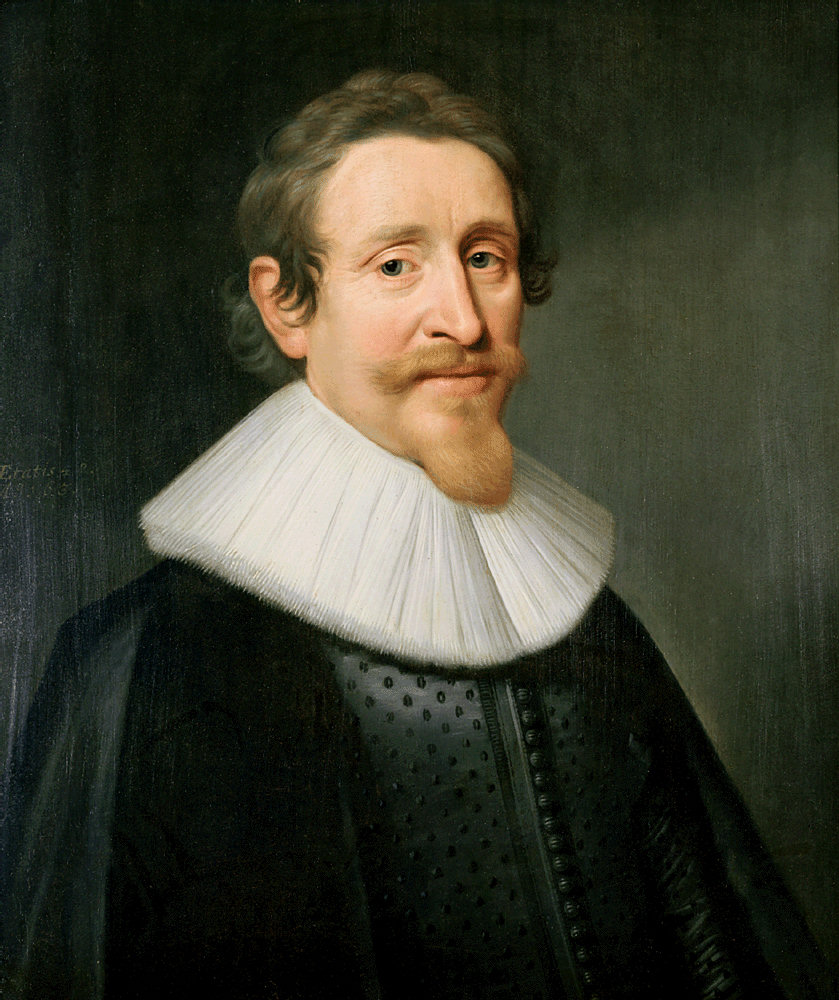
Hugo Grotius (April 10, 1583 – August 28, 1645) whose birth anniversary we mark on April 10 played a crucial role in the development of the Law of States, in particular through two books written in Latin Mare Librium (Liberty of the Seas) 1609 and De Jure Belli ac Pacis (Law in War and Peace) 1625) Grotius is a key figure in the transition between the older feudal period and the important role of city-states and the development of a state system.

Grotius showed his intellectual talents early in life and was considered a youthful genius. At 17, in 1601, he published Adamus Exul (The Exile of Adam). In the drama, Satan is sharply critical of God’s grand design and is jealous of Adam being prepared to share in it having done nothing to bringing it about. Grotius’s Eve is a lovely, loving and enchanting partner, but is bored and ready for an apple. John Milton who met Grotius in Paris and read Adamus Exul there used many of the same themes in his Paradise Lost.

Hugo Grotius was Protestant and also wrote on religious subjects. However, he was caught up in intra-Protestant theological disputes in what is today Holland. Due to these theological tensions, he lived most of his life in Paris – 1621 to 1644 – where he served as the Ambassador of the Court of Sweden, a Protestant country. He was well thought of by the French King, Louis XIll, and Cardinal Richelieu, the power behind the King.

As the feudal period was ending, laws had to be formulated so that relations among states were not to be based only on material strength. Just as Hugo Grotius was writing at a time of a historic shift from the structures of the feudal period to the creation of states, so today there is a shift from international law in which the focus is on law concerning states to an emphasis on law with the focus on the individual citizen. Just as feudal structures and city-states did not disappear, so today, states are still present but there is a shift in focus. Today, we have an increase in multistate entities such as the European Union, the African Union, and the Organization for Security and Cooperation in Europe on the one hand and multinational corporations and individuals on the other.

The shift to the law of the person grew from the lawlessness of states during the Second World War. The 1948 Universal Declaration of Human Rights created a new focus, and it was followed by the two International Covenants on Human Rights and then the Convention against Torture, the Convention on the Elimination of All Forms of Discrimination Against Women, the Convention of the Rights of the Child, the Convention on the Elimination of all Forms of Racial Discrimination.

The system of monitoring, investigation and reporting set up by the United Nations (UN) human rights bodies are important avenues to focus upon individuals. As then UN Secretary-General Kofi Annan said, “No shift in the way we think or act can be more critical than this: we must put people at the center of everything we do.” The UN’s influence is derived not from power but from the values it represents, its role in helping to set and sustain global norms, its ability to stimulate global concern and action, and the trust inspired by its ability to improve the lives of people.

UN efforts to extend international law to the practice of transnational corporations have not acquired the momentum that the focus on the rights and obligations of individuals has done. However, there is a growing emphasis on what is increasingly called “civil society”. The civil society that has emerged and evolved around the UN spans a wide range of interests, expertise and competencies. While there are UN structures for dealing with non-governmental organizations which are granted consultative status, there is no equivalent structure for dealing with transnational corporations although some have real influence on the policies of governments and the lives of people.

Today, there is a need to increase the rule of law within the world society. We need individuals with the vision and dedication of Hugo Grotius.

Prof. René Wadlow is President of the Association of World Citizens.
Pourparlers de paix en Afghanistan : Les femmes qui devraient être reines

In Being a World Citizen, Conflict Resolution, Current Events, Democracy, Human Rights, International Justice, Middle East & North Africa, NGOs, Solidarity, Spirituality, The Search for Peace, Track II, War Crimes, Women's Rights, World Law on March 8, 2021 at 7:00 AM

Par Bernard J. Henry

«Quand vous êtes blessé et abandonné sur les plaines d’Afghanistan, et que les femmes arrivent pour découper ce qu’il reste de vous, dépêchez-vous de rouler jusqu’à votre carabine, de vous faire sauter la cervelle et d’aller vers votre dieu comme un soldat», disait Rudyard Kipling, l’écrivain britannique dont le culte de la virilité, notamment militaire, transpire à travers son œuvre. En témoigne son poème «If», «Si …», traduit en français par André Maurois dans Les silences du colonel Bramble et parfois désigné par son vers final, «Tu seras un homme, mon fils».

Le même Kipling qui nous racontait, dans The Man Who Would Be King, en français L’homme qui voulut être roi, la fable de deux Anglais qui se jurent de découvrir le pays perdu du Kafiristan, niché quelque part entre Afghanistan et Pakistan, alors colonies britanniques. Ils y parviennent et, lors d’un affrontement avec des indigènes, un hasard fait que l’un des deux, Daniel Dravot, est subitement pris pour un dieu. Conduit à la capitale de ce pays rendu au culte d’Alexandre le Grand, il est proclamé fils du conquérant et couronné roi. Mais lorsqu’il épouse une jeune fille pour fonder sa dynastie, celle-ci le démasque. Dravot exécuté en public, son comparse supplicié puis libéré rentre en Inde en emportant sa tête encore ornée de la couronne.

L’histoire est fictive, mais le Kafiristan existe. Aujourd’hui le Nouristan, il est une province orientale de la République islamique d’Afghanistan, un pays où, loin des aventures viriles que rêvait Kipling, des femmes mènent une lutte quotidienne – une lutte pour la paix.

Vingt ans d’une paix introuvable

Depuis l’invasion soviétique de 1980, suivie de huit ans de combats entre régime communiste soutenu par Moscou et Mojahedin, combattants de la résistance – parmi lesquels se trouvait un groupe alors soutenu par les Etats-Unis, dénommé Al-Qaïda et commandé par un Saoudien du nom d’Osama bin Laden – le pays n’a jamais connu que la guerre, dont était sorti en 1996 l’ «Émirat islamique d’Afghanistan», créé par la milice islamiste des Talibans qui avait fait du même Osama bin Laden l’un de ses ministres, bien à l’abri pour lancer ses attaques terroristes contre son ancien allié américain le 11 septembre 2001. L’intervention militaire internationale qui avait ensuite mis fin à la folie meurtrière des Talibans n’a jamais engendré une paix durable.

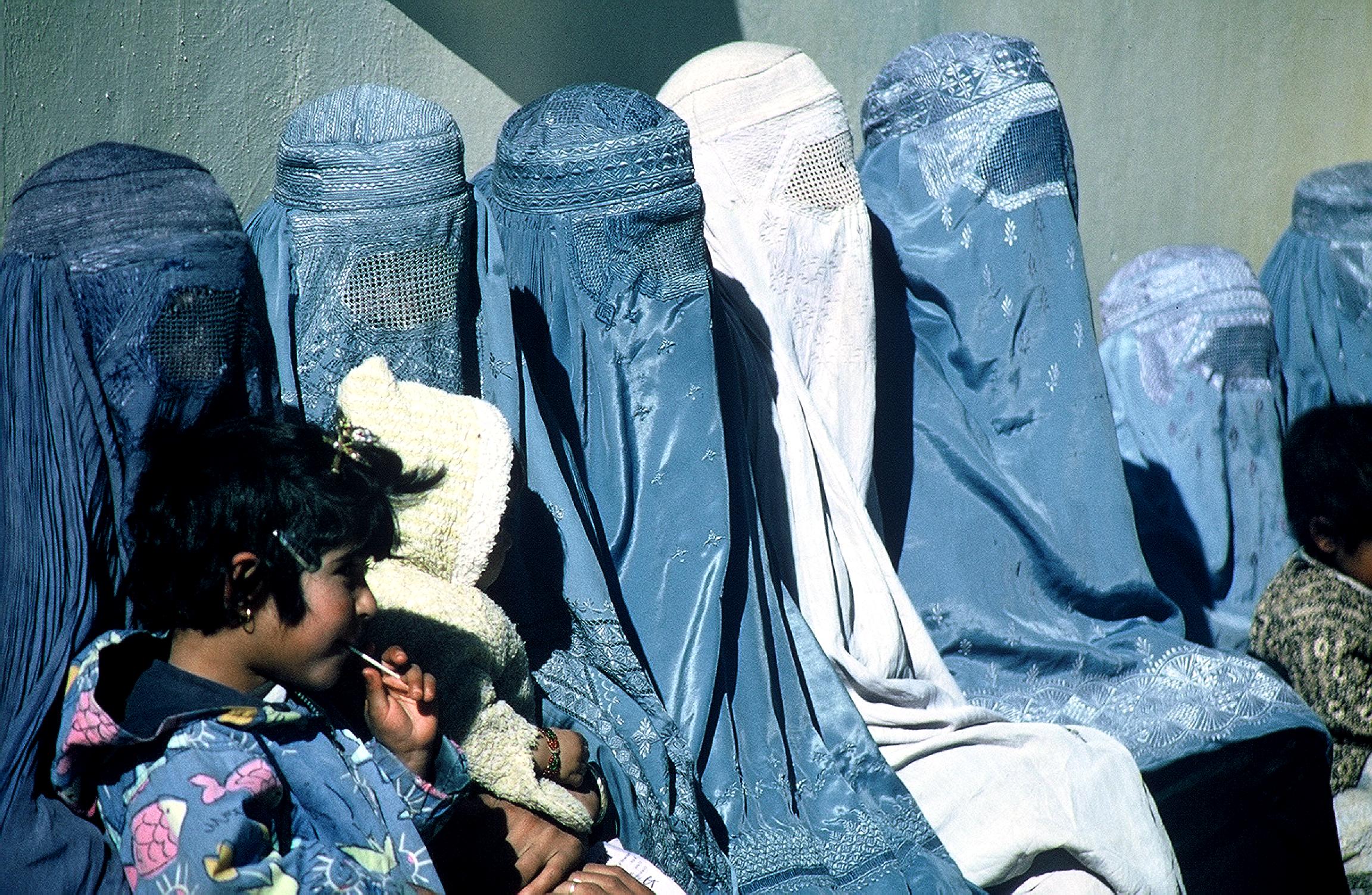
Comme le chante Pierre Perret, “Quand la femme est grillagée, Toutes les femmes sont outragées.” (C) USAID

En presque vingt ans, plusieurs initiatives ont été lancées sous les présidences successives de Hamid Karzai et Ashraf Ghani, mais l’obstination des Talibans a mis à néant tous les efforts. Après un traité signé en 2016 avec un autre mouvement islamiste armé, le Hezb-e Islami Gulbuddin, des pourparlers de paix avec les Talibans se sont enfin ouverts en septembre dernier à Doha, la capitale du Qatar. Mais les discussions piétinent. Malgré des propos lénifiants, les Talibans démontrent encore et toujours la même haine d’une partie bien ciblée de la population, contre laquelle ils avaient déchaîné du temps de leur «émirat» toute leur répression – les femmes.

Les puissances étrangères engagées en Afghanistan n’ont pas oublié les cinq années de ce que les Talibans voulaient le régime islamique «le plus rigide au monde», ni les femmes cloîtrées chez elles, autorisées à sortir seulement sous la burqa et, lorsqu’accusées d’adultère, lapidées. Pas de paix au prix d’un retour à cette époque, insiste-t-on à Doha. Parfait. Mais s’il n’est pas question d’une paix aux dépens des droits des femmes, pourquoi alors maintenir les Afghanes en dehors des pourparlers ?

Les droits des femmes, nerf de la guerre

Réduites au silence sous les Talibans, devenues comme fantômes sous leurs burqas, les femmes ont su depuis 2001 profiter de leur liberté retrouvée. Certes voilées en public comme leurs sœurs iraniennes, dans cette République islamique d’Afghanistan dont le nom rappelle celui du voisin de l’ouest, les Afghanes n’en ont pas moins su faire entrer le vent dans leurs voiles.

Comme le rappelle Amnesty International, elles sont avocates, médecins, magistrates, enseignantes, ingénieures, athlètes, militantes, politiciennes, journalistes, bureaucrates, entrepreneuses, policières, soldates. Et ce sont aujourd’hui 3 300 000 petites Afghanes qui sont scolarisées, se préparant à marcher dans les pas de leurs aînées.

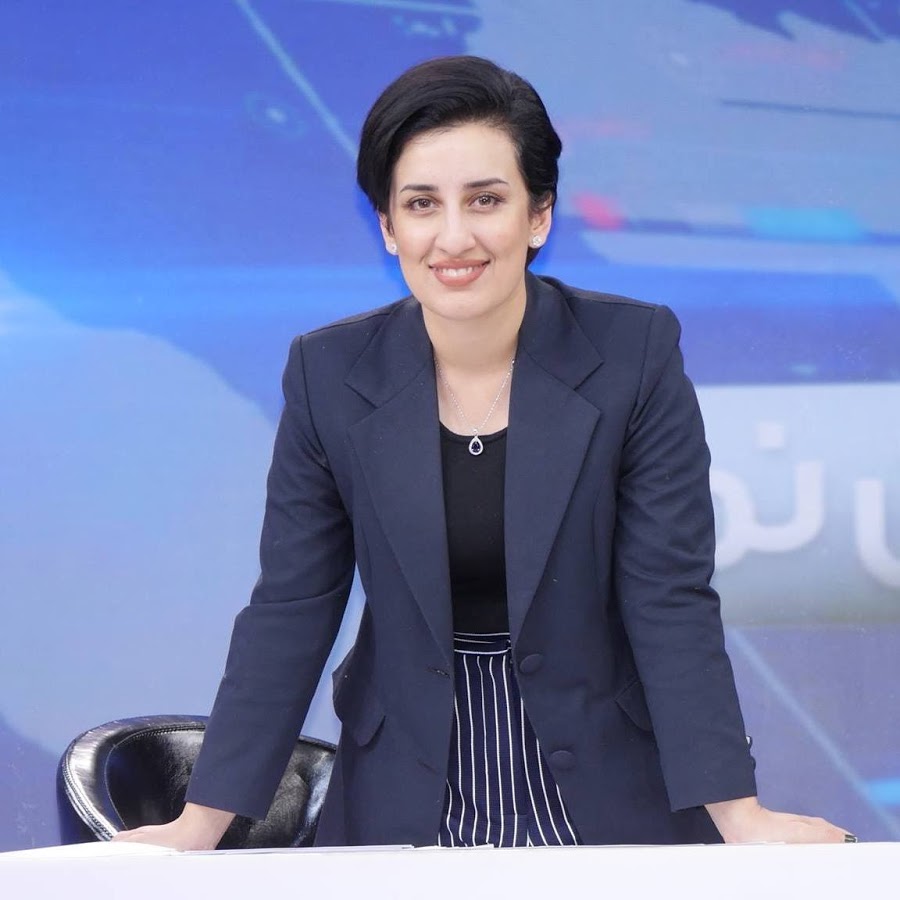
Et pourtant. La tentation existe pour Kaboul, du jour au lendemain, de décider que la paix avec l’irréductible ennemi taliban vaut bien de brûler les (re)conquêtes de ses citoyennes. Elles le savent. Farahnaz Forotan, journaliste de vingt-huit ans contrainte à l’exil car figurant sur une liste de personnes à abattre des Talibans, le sait mieux que toute autre. Pour dire le refus des Afghanes de voir leurs droits transformés en monnaie d’échange, elle a lancé la campagne MyRedLine (Ma ligne rouge) désignant la ligne à ne pas franchir à Doha.

Farahnaz Forotan

Dans l’État afghan, la paix s’écrit au masculin. Un Ministre d’État à la Paix a été nommé au sein du Gouvernement, auquel s’ajoute un Haut Conseil de la Réconciliation nationale dirigé par Abdullah Abdullah, ancien Ministre des Affaires Étrangères et candidat malheureux à la présidentielle de 2014. Pour l’équipe Ghani, la paix est une urgence, et qui dit urgence dit sacrifices. Les droits des femmes étant le nerf de la guerre, pour une paix qu’il faut obtenir à tout prix, le premier sacrifice sera de les brûler, craignent-elles légitimement de leurs propres autorités. Des mêmes hommes qui, salués voilà vingt ans comme les vainqueurs des Talibans, sont désormais prêts à de lourdes pertes à leur profit.

Et elles ont raison, car il est déjà un droit que le Gouvernement afghan leur a retiré en vue des pourparlers de paix – tout simplement, celui d’y participer. Impardonnable erreur.

Elles sauront faire la paix

Se croire habilité à toutes les concessions à l’ennemi parce que, l’ayant déjà vaincu une fois, l’on n’a pas réussi à le vaincre une seconde fois et qu’une paix doit être conclue d’urgence, un maréchal français l’avait déjà tenté, et depuis, son nom reste associé à la Shoah, même si, aujourd’hui comme hier, d’aucuns au sommet de l’Etat prônent une «patience malvenue», comme le chante Louis Chedid dans Anne, ma sœur Anne, envers le souvenir de l’inacceptable.

Si les hommes à la tête de l’Afghanistan sont prêts à emprunter ce même chemin, il leur faudra se souvenir que, pendant qu’entre leurs mains parlaient les armes, les femmes ont su mener leur propre lutte contre les Talibans, mais sans tuer ni blesser quiconque, luttant non pour le pouvoir mais pour le bien de toutes et tous, à commencer par les victimes les plus démunies des conflits armés, toujours et partout – les enfants.

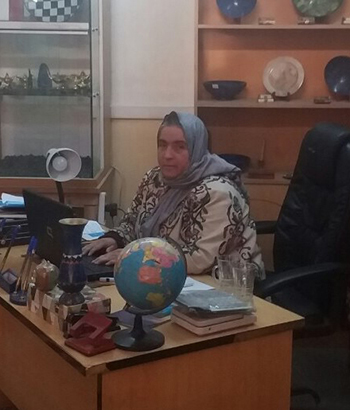
Ainsi d’Ayesha Aziz, enseignante et directrice d’école, membre du Hezb-e Islami identique aux Talibans dans les idées mais qui, historiquement plus pragmatique, a conclu la paix avec le Gouvernement afghan. Avec Ayesha Aziz parmi les membres de sa délégation.

Ayesha Aziz (C) USIP

Déployant des talents de négociation et de diplomatie que d’autres s’interdisent de voir du seul fait qu’elle est une femme, elle a réussi à obtenir des Talibans l’ouverture d’écoles pour filles, des écoles qu’elle finance par le biais d’une entreprise de raffinement de pierres semi-précieuses qu’elle a créée et où elle engage des femmes par centaines. S’appuyant sur «le respect, l’humour et l’Islam», Ayesha Aziz obtient des résultats spectaculaires auprès de l’implacable milice islamiste.

Pour elle, la paix doit passer par le dialogue entre les femmes, celles du camp Ghani et les Talibanes, ainsi que par les zones rurales plutôt que par le sommet de l’État.

Très bien, pourrait-on dire, mais tout cela reste au niveau national et la paix se construit également avec des partenaires internationaux ; malgré tout son mérite, Ayesha Aziz ne semble pas taillée pour avoir affaire à eux. Si l’on pense ainsi, qu’à cela ne tienne. Palwasha Kakar, elle, sait parler hors de l’Afghanistan la langue que les décideurs doivent entendre.

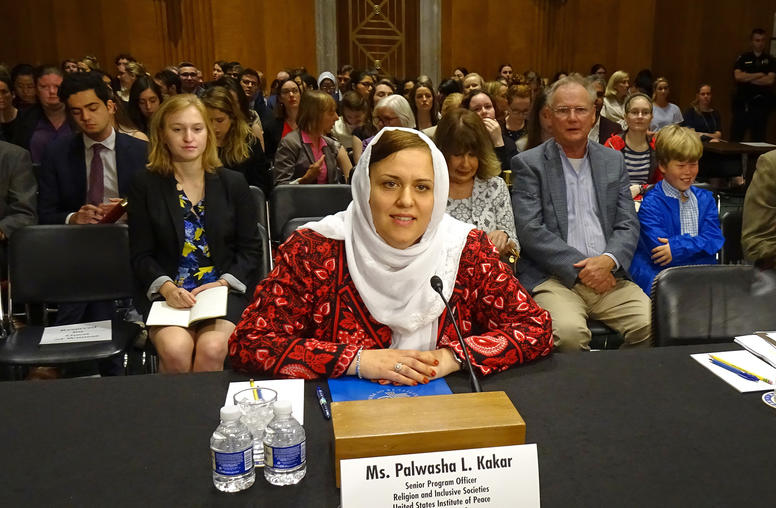
Palwasha Kakar, lors de son témoignage devant le Congrès des Etats-Unis (C) USIP

Responsable principale du Programme Religion et Sociétés inclusives à l’United States Institute of Peace (USIP) de Washington, Palwasha Kakar a consacré plus de onze ans de sa vie à l’inclusion des femmes, l’engagement pour la paix des dignitaires religieux, la gouvernance et l’éducation dans son Afghanistan natal. A l’USIP, elle applique une approche comparative sur les femmes, la religion et la construction de la paix au Pakistan, en Libye, en Syrie, en Irak et au Myanmar. Son inspiration, elle la tient de ses sœurs afghanes qui, utilisant le cadre religieux, ont su négocier avec les Talibans pour des cessez-le-feu locaux, des libérations d’otages et des écoles pour filles.

Appelée à témoigner en 2019 devant le Congrès des Etats-Unis, témoignage capital au vu de la présence de deux mille cinq cents soldats américains en Afghanistan, Palwasha Kakar a rappelé que les femmes étaient essentielles au succès et à la durabilité de tout processus de paix, des pourparlers jusqu’à la mise en œuvre des accords, et qu’elles exigeaient une paix protégeant leurs acquis depuis 2001.

Pour les élus américains qui aimeraient trop Kipling, ce fut le temps d’un autre rappel. «A travers l’histoire de l’Afghanistan, les femmes ont toujours fait partie des processus de paix couronnés de succès. Même si l’on accorde toute la gloire à [l’empereur] Ahmed Shah Durrani pour avoir créé l’État d’Afghanistan moderne en 1747, c’est la contribution de Nazo Ana [poétesse et écrivaine] à l’unification des tribus qui se combattaient jusqu’alors pour ensuite affronter les Perses en 1709 qui fut la cheville ouvrière de la fondation de l’État afghan, ce qui lui a valu le titre de ‘Mère de la Nation afghane’. Quand les Talibans furent chassés du pouvoir en 2001 par les troupes américaines et leurs alliés, les femmes ont pris toute leur part au succès de l’accord politique du processus de Bonn et à la rédaction de la constitution qui a donné dix-huit ans de gouvernement démocratique stable, alors même que se poursuivaient les attaques des Talibans qui n’avaient pas été inclus dans le processus de Bonn».

Jadis, sans une femme, pas d’Afghanistan. Aujourd’hui, sans les femmes, pas d’Afghanistan libre. Demain, sans les femmes, un Afghanistan en paix est inconcevable.

La paix des femmes, seul espoir de survie

Professionnelles, citoyennes, militantes – mais indignes de donner la paix à leur pays.  A croire que les gouvernants afghans ont trop lu Kipling. Veulent-ils, à leur tour, être rois ? On le croirait pour peu, tant ils semblent craindre que, ceints de la couronne comme le fut Daniel Dravot de celle du Kafiristan, une femme censée les embrasser, mais refusant de se soumettre, ne les morde au sang et prouve que les faux dieux sont des mortels sans droit divin de régner.

Michael Caine (centre) et Sean Connery (droite) dans le film de John Huston L’Homme qui voulut être roi, d’après l’ouvrage de Rudyard Kipling, en 1975

Sans doute les femmes d’Afghanistan ne rêvent-elles pas d’être reines, laissant la futilité de ces fantasmes aux hommes pour se préoccuper de la vraie vie et de l’avenir. Mais lorsqu’il s’agit de rechercher la paix, juste et durable, impossible de ne pas penser qu’elles devraient être reines, autant que leurs compatriotes masculins se veulent rois, et pouvoir brandir leur sceptre face aux Talibans à Doha.

Blessé et abandonné sur les plaines d’Afghanistan, selon Kipling, il ne vous restait plus pour échapper à des femmes venues vous charcuter qu’à vous brûler la cervelle en un chevaleresque suicide. Sous les assauts des Talibans, c’est tout le peuple afghan qui git, blessé et abandonné, sur ses plaines rougies de sang. Voyant les femmes accourir pour le soigner et le relever, s’il leur prend la main, il saisit son ultime chance de survie. S’il choisit d’agripper son arme et se tirer une balle en refusant la paix des femmes, il voue son avenir à l’enfer.

Bernard J. Henry est Officier des Relations Extérieures de l’Association of World Citizens.

For a World Citizen Approach to Protecting Human Rights Defenders

In Africa, Asia, Being a World Citizen, Democracy, Europe, Human Rights, International Justice, Latin America, Middle East & North Africa, NGOs, Refugees, Solidarity, The Search for Peace, United Nations, World Law on January 19, 2021 at 6:28 PM

By Bernard J. Henry

What are, if any, the lessons to be learned from the COVID-19 crisis? As far as we, World Citizens, are concerned, the most important one is undoubtedly this: As we have been saying since the early days of our movement, global problems require global solutions.

Beyond the appearance of a mere self-serving statement, this traditional World Citizen slogan finds a new meaning today. Never has it been so visible and proven that national sovereignty can be not only a hurdle to solving global problems, but a full-scale peril to the whole world when abused. While many European nations were quick to react to the virus as a major health crisis right from early 2020, others led by nationalists, namely the USA, the UK and Brazil, adamantly refused to take any action, dismissing the virus as harmless if not non-existent. Just like an individual who is not aware of being sick can pass the disease on others while behaving without precaution, a country that does not act wisely can contribute dramatically to spreading the disease throughout the world. And that is what happened.

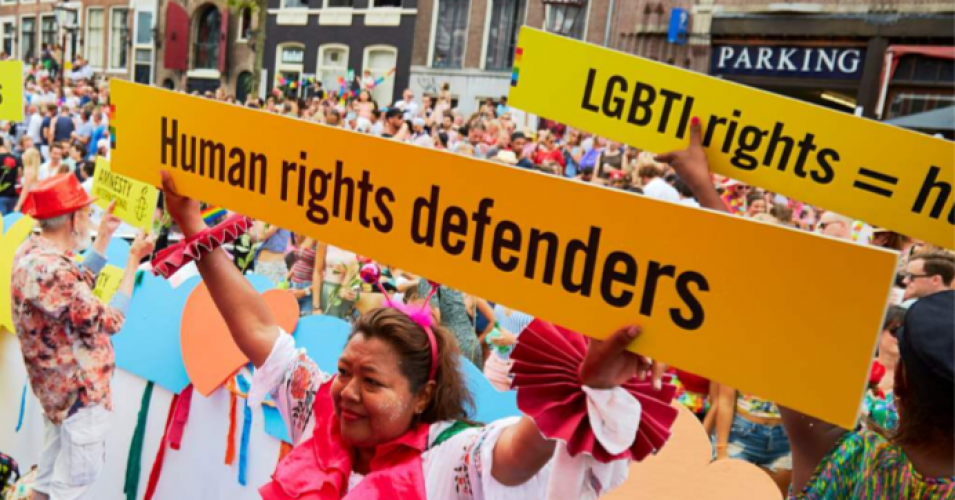
No use beating about the bush – that kind of behavior is a violation of human rights, starting with the right to life and the right to health. Even though COVID-19 is first and foremost a medical issue, it also has implications in terms of human rights. There comes a question which has been with us since the beginning of the century: In the absence of a global institution, such as a global police service, in charge of overseeing respect for human rights worldwide, what about the people devoting their lives to performing this duty of public service, these private citizens whom we call Human Rights Defenders (HRDs)? Before COVID-19 ever appeared, many of them were already in danger. While vaccines and medicines are being developed to counter COVID-19, there does not seem to be a cure in sight for the perils HRDs face every day.

Legal, legitimate, but unrecognized

HRDs, people defending human rights, have existed from the early days of human civilization in one form or another. Since 1948 and the adoption of the Universal Declaration of Human Rights (UDHR), followed by a number of treaties and similar declarations, it has obviously been viewed as more legitimate and legal to promote and protect rights which were now internationally recognized. The UDHR itself has made history by evolving from a non-binding resolution of the United Nations (UN) General Assembly to an instrument of customary international law, toward which states feel obligated through, as international law puts it, opinio juris. But in a postwar Westphalian world where only states had international legal personality, the people defending the rights enshrined in the UDHR, in other words HRDs, long remained deprived of formal recognition.

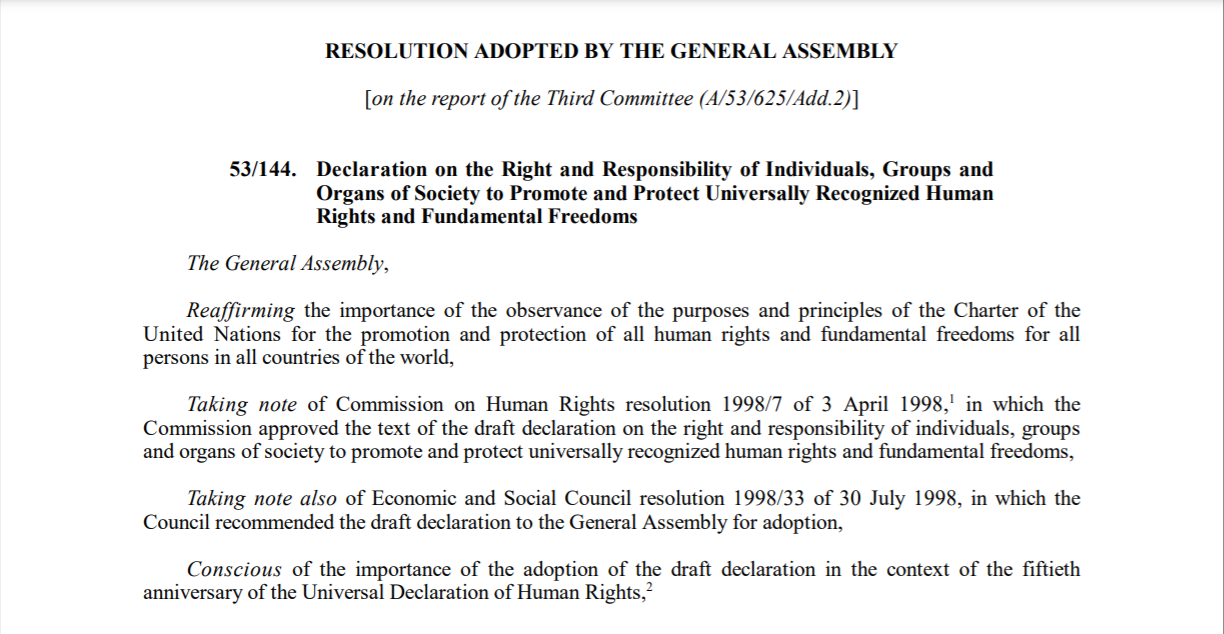
It all changed in 1998, when the UN General Assembly celebrated the half-century of existence of the UDHR by presenting it with a companion text, officially called Resolution 53/144 of December 9, 1998 but better known as the Declaration on the Right and Responsibility of Individuals, Groups and Organs of Society to Promote and Protect Universally Recognized Human Rights and Fundamental Freedoms – in short, the Declaration on Human Rights Defenders (DHRD).

Like the UDHR, the DHRD was born “soft law”. But the resemblance stops there. In twenty-two years of existence, the DHRD has been nowhere near accepted by states under opinio juris. Accepting international human rights is one thing, but endorsing the creation, if only morally speaking, of an international category of people authorized to go against the state to promote the same rights, well, that continues to be more than the nation-state can live with. Everywhere in the world, HRDs feel the pain of that denial of recognition.

Human rights under attack means defenders in danger

Traditionally, human rights in the Western sense of the word mean freedom of opinion and expression. These rights continue to be curtailed in too many countries, beyond geographical, cultural, religious, or even political differences. Inevitably, that goes for HRDs defending these rights too. The two “least democratic” countries sitting as Permanent Members on the UN Security Council, Russia and China, also stand out as world leaders in political repression.

During the Cold War, the Eastern bloc would put forward economic and social rights as a counterpoint to the said Western notion. Even though human rights were “reunified” over thirty years ago, economic and social rights remain taboo in various parts of the world. In Thailand and Nicaragua, health workers have been punished for demanding better equipment to treat COVID-19 patients. In the Philippines, city residents who pushed for more adequate shelter in times of lockdown were similarly repressed by their government.

Cultural rights, often alongside indigenous rights, can truly be described as disturbing all forms of governments in countries which used to be colonies of Western powers, from Latin America, most recently in Honduras and Paraguay, to Asia with such examples as Malaysia and Indonesia. In such countries, being an HRD trying to advance the rights of indigenous groups all but equates trying to tear the whole nation apart.

Everywhere in the world, such typical 21st-century pressing issues as LGBT rights and, more than ever since the #MeToo scandal, women’s rights may be popular causes, but taking them up almost systematically means trouble, be it in North African countries like Egypt and Tunisia or in the European nations of Poland and Andorra.

Last but not least, even though one might think the wide consensus on the issue opens doors for action, defending environmental rights is proving no easy task. From Madagascar to Belarus, trying to get your government to live up to its responsibilities is bound to create a most unsafe environment for you.

For those who need and manage to flee, being abroad does not even mean being safe anymore. China has been found to be heavily spying on activists from the Uyghur minority living in foreign countries, and last month the AWC had to send an appeal to the authorities of Canada regarding a Pakistani HRD from the Baloch minority group who was found dead in Toronto, after the local police service said the death was not a criminal act but a fellow Baloch HRD and refugee there expressed serious doubts.

When the DHRD should be providing greater relief and comfort for the performance of human rights work, HRDs continue to be denied any character of public service, leading to acute stigmatization, intimidation, and ultimately repression. As many signs that the nation-state is losing its nerves in trying to defend a Westphalian national sovereignty that COVID-19 has now largely proved is out of date.

Shattering national borders – and human rights, too

One form of human rights abuse that has become particularly salient since the late 2000s, further fueled by Brexit in 2016 and the now-ending Trump presidency since 2017, is the systematic persecution of refugees and migrants – and, more preoccupying still, of those nationals in the countries of arrival trying to lend a hand to the newcomers. In France, President Emmanuel Macron was thought to have been spared from the influence of populist parties backed by Vladimir Putin’s Russia; yet several activists have been prosecuted on these sole grounds, such as Martine Landry of Amnesty International France and Cédric Herrou, both from the Nice area near the Italian border. Eventually, both were cleared by the judiciary. In the USA, migrants’ rights activist Scott Warren was similarly prosecuted – and similarly acquitted. But in both countries and others still, the problem remains unsolved.

No wonder this is happening at all. Even those governments least favorable to the brand of xenophobia “exported” by Moscow since the last decade have become unfathomably sensitive to the issue of migration and asylum, as they too feel threatened by the outside world and flaunt their borders as ramparts, shielding them from some barbaric conduct with which they confuse different customs and religions, thus adopting the very same attitude as those populists they claim to be fighting. That leaves citizens trying to help refugees and migrants singled out as traitors and criminals.

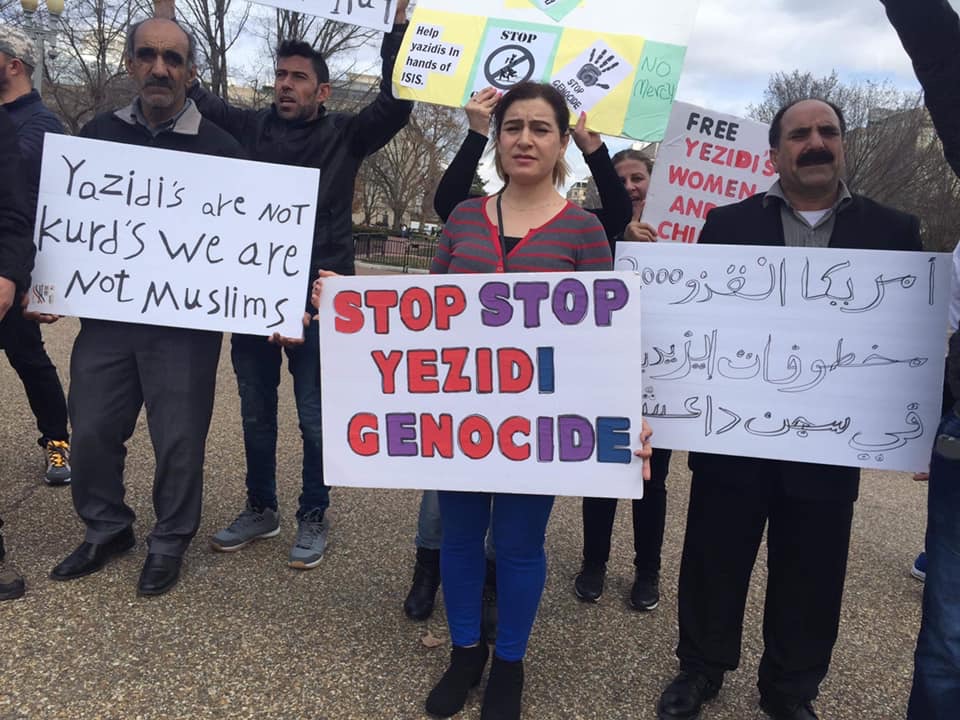
The mass arrival of migrants and refugees from Africa and the Middle East in the summer of 2015 proved that Europe and, for this purpose, the rest of the world were wrong to assume that crises in other, distant parts of the world could never hit home too violently. In this case, the crisis bore a name – ISIS, the “Islamic State in Iraq and the Sham (the Levant)”. The Iraqi-born terrorist group had conquered a wide swath of land the previous year, seizing territory from both Iraq and Syria along the border, and established on it a “caliphate” that drew scores of individuals from many parts of the world, especially Europe and North Africa. The previous summer had seen its militias persecute the millennia-old Christian minority of Iraq and other religious groups such as the Yezidis. A year before the UN dared called it genocide, the AWC did.

When the Taliban’s “Islamic Emirate” of the late 1990s in Afghanistan had been recognized by three countries, no one recognized the “Islamic State”, let alone the caliphate. Obviously, recognizing the “caliphate” would have been both a violation of international law and an insult to all of ISIS’s victims back home and abroad. Nonetheless, as the French-American scholar Scott Atran and the specialist Website e-ir.info noted, the “ISIS crisis” proved that the traditional notion of the nation-state was now being violently rejected – violently, and ISIS leaders knew full well how to make good use of it, cleverly rendering their barbaric ways appealing to Westerners and North Africans frustrated at the lack of social and political change back in their home countries.

Questioning the nation-state in such an insane, murderous manner can only be diametrically opposed to the mindset of a World Citizen. Stopping borders from serving as ramparts against foreigners irrationally viewed as enemies, bringing the people of the world together regardless of political nationality, none of this can ever be compatible with the creation of yet another nation-state, albeit de facto, to terrorist ends at home and abroad. Even though the massive afflux of migrants and refugees was certainly no phenomenon the best-prepared state in the world could have successfully dealt with overnight, European nations failed at it miserably. In suspecting and rejecting foreigners for fear of terrorism, they only made it easier to commit terrorist attacks on their soil and endanger their own population, including the Muslim population which automatically becomes a scapegoat every time a jihadi terrorist attack is carried out. Nobody’s human rights were well-served and everybody’s human rights ended up as losers.

Globalizing solidarity with HRDs

There you have it. The harder states, European and others, strive to defend their borders as sacred, God-given privileges, the harder human rights and their defenders get hit and everybody loses.

Consequently, returning to the comparison with COVID-19, a true World Citizen perspective toward protecting HRDs must put forward what has been absent throughout the pandemic, in terms of both public health and patient care – globalization. Not the unfair, inhumane economic globalization we have known since the 1990s, for that one too is responsible for what has happened over the past twelve months. A World Citizen can only seek a globalization of solidarity, bearing in mind that, as French President Emmanuel Macron once put it, “the virus does not have a passport” and travels freely through all human beings who accept, or get forced, to become its living vehicles.

The very same principle should apply to human rights and their defenders. The UDHR is by name universal, as are all human rights. Therefore, why wouldn’t the defense of the same rights be universal by nature? If terrorism can be let to shun national borders in its war on the whole world, then why can’t brave, devoted HRDs enjoy the recognition they deserve, in every country, on every continent, and from every type of government? Why in the world would a terrorist get greater attention than a citizen dedicating their life to championing the dignity of all fellow human beings? If this divided world of ours could possibly find some sort of unity in support of health workers fighting COVID-19, then why not around HRDs, too?

World leaders can no longer look away from the issue. Uniting around one global problem means endorsing the principle of global solutions for everything else. If there is to be a different future for the world, a better future, then trusting and respecting HRDs, supporting and helping them, and ultimately joining their ranks are as many keys that will unlock a brand new era of shared true dignity.

Bernard J. Henry is the External Relations Officer of the Association of World Citizens.
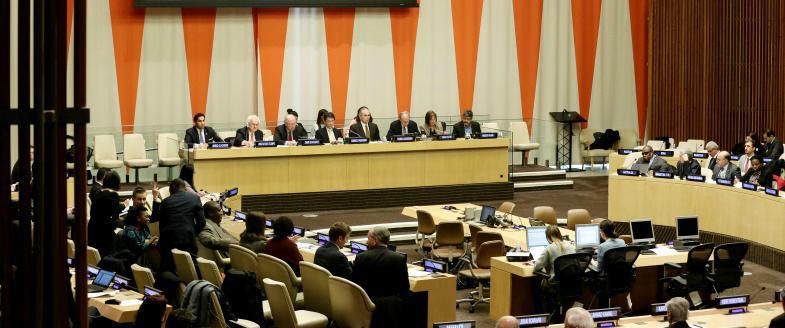
Henry Usborne (January 16, 1909 – March 16, 1996) World Citizen Activist

In Being a World Citizen, Conflict Resolution, Democracy, Human Rights, Solidarity, The Search for Peace, United Nations, World Law on January 16, 2021 at 6:42 PM

By René Wadlow

Henry Usborne was a British Member of Parliament (MP) elected in the Labour Party landslide in 1945. He was re-elected in 1950. He was an engineer and Birmingham businessman yet a socialist. Born in India, he always had a broad view of world politics. He was concerned that the United Nations (UN) whose Charter had been signed in June 1945 before the use of the atomic bombs had the same weaknesses as the League of Nations. Soon after his election, he spoke in Parliament for the UN to have the authority to enforce its decisions, an authority which the League of Nations lacked. He spoke out for a code of human rights and for an active world bank.

The early years of the UN were colored by the growing tensions between the USA and the USSR – the start of the Cold War. There were deep disagreements over the future of Germany. Non-official contacts between English and Soviets became more difficult. Proposals for international control of atomic energy were refused or not acted upon within the UN.

Thus Usborne, while still favorable to the efforts of the UN. felt that more popular support for a stronger UN was needed. He was influenced by the experience of the 1934 Peace Ballot which had been organized by the British League of Nations Association. Voters in this non-official vote were asked if they were in support of Britain remaining in the League of Nations. Over 11 million votes were cast with some 10 million in favor of remaining in the League. It is likely that those who wanted out did not bother to vote. Nevertheless, the 1934 Peace Ballot showed strong popular support for the League.

Usborne played a key role in 1946 in the creation by world citizens and world federalists from Western Europe and the USA in the creation in a meeting in Luxembourg of the Movement for a World Federal Government. With these new contacts he envisaged a vote in the USA and much of Western Europe to elect delegates to a Peoples’ World Convention which would write a constitution for a stronger world institution. He proposed that there be one delegate per million population of each State participating. He did not envisage that the USSR and its allies would participate, but he hoped that India would as Jawaharlal Nehru had played a key role in developing support for the United Nations. (1)

In October 1947 he went on a speaking tour of the USA. His ideas were widely understood as they followed somewhat the pattern of the United States (U. S.) Constitutional Convention. The delegates had originally been chosen to develop amendments to the existing Articles of Confederation. They set aside their mandate to draft a totally other basis of union among the states which became the U. S. Constitution. Understanding did not necessarily mean support; yet a fairly large number of organizations were willing to consider the idea.

However, in June 1950, war was started in Korea. Usborne and many others were worried that this was the start of the Third World War. Usborne as many other world citizens turned their activities toward the need for a settlement with the USSR and forms of arms control if there was no possibility for disarmament. The idea of the creation of an alternative world institution stronger than the UN was largely set aside. The focus became on strengthening the UN by finding programs in which the USSR and the USA could participate such as some of the early proposals for UN technical assistance programs. (2)

Usborne, as other world citizens, put an emphasis on developing a sense of world citizenship and a loyalty to all of humanity without spelling out the institutional structures such world citizenship should take. At the end of his second term in Parliament, he left party politics but remained an active world citizen always willing to share his convictions.

Notes

(1) See Manu Bhagavan. The Peacemakers: India and the Quest for One World (New Delhi: HarperCollins India, 2012)

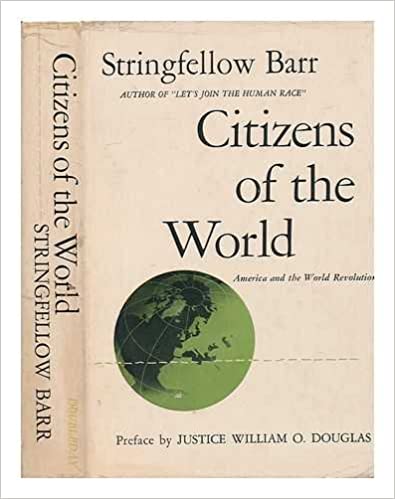
(2) See Stringfellow Barr, Citizens of the World (New York: Doubleday and Company, 1952)

Prof. René Wadlow is President of the Association of World Citizens.
Stringfellow Barr: Joining the Human Race

In Being a World Citizen, Conflict Resolution, Human Development, The Search for Peace, United Nations, World Law on January 16, 2021 at 3:13 PM

By René Wadlow

Stringfellow Barr: January 15, 1897 – February 3, 1982

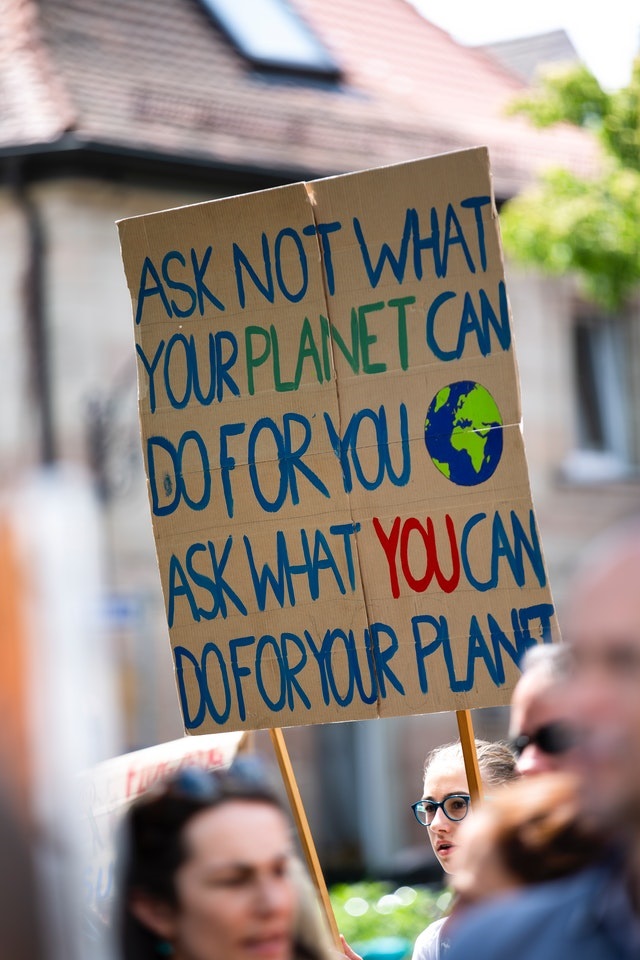
Stringfellow Barr, whose birth anniversary we mark on January 15, was a historian, largely of the classic Greek and Roman Empire period and an active world citizen. He served as president of the Foundation for World Government from its start in 1948 to its closing in 1958. He was president of St. John’s College in Annapolis, Maryland, also home of the United States (U. S.) naval academy which turns out sailors. The aim of St. John’s under Stringfellow Barr was to turn out well-read liberals who would have studied a common set of “Great Book” starting with the Greeks such as Plato. The Great Books approach to learning developed community reading circles across the USA, very popular in the 1950s.

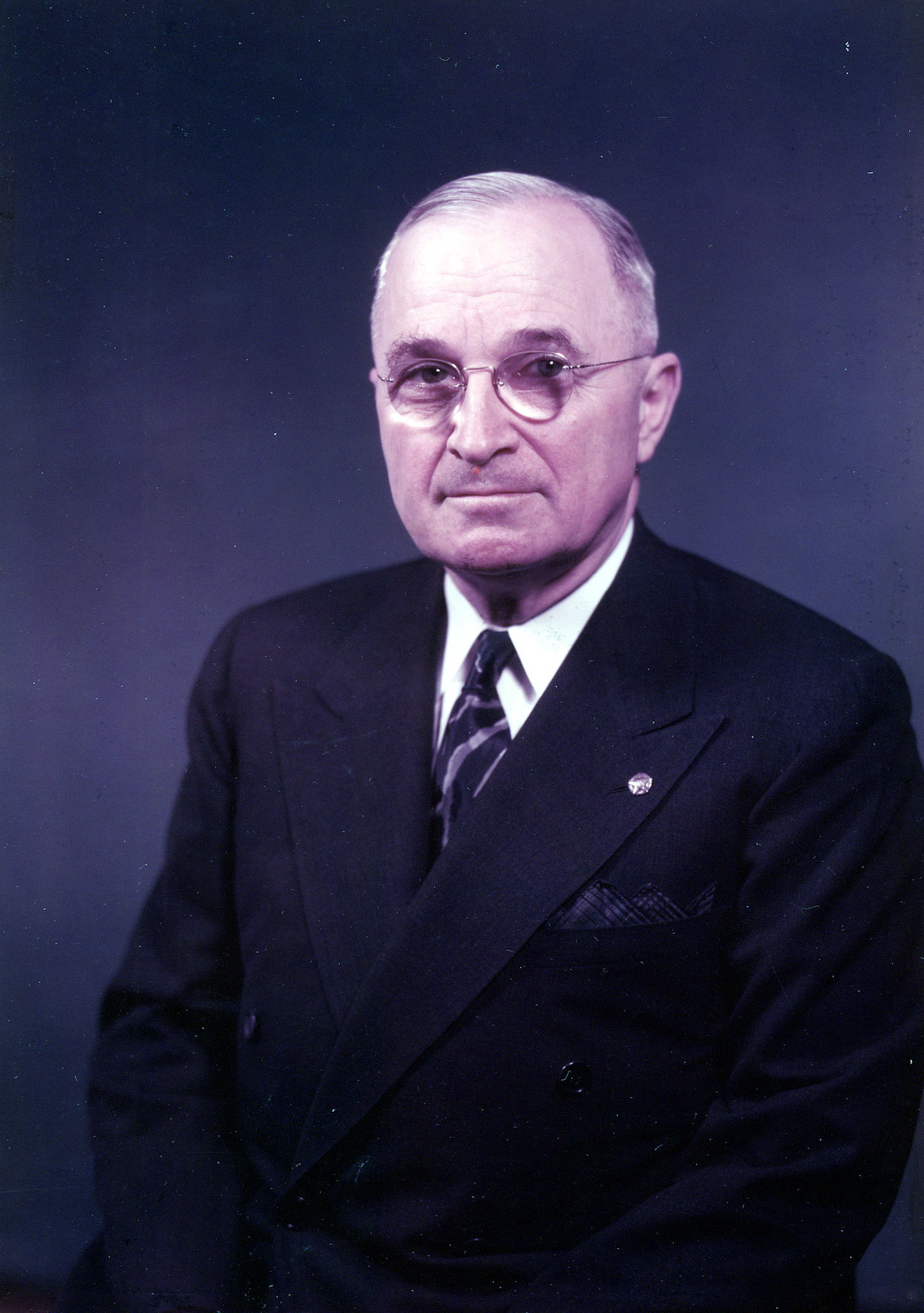
Stringfellow Barr had the good luck or a sense of the right timing to publish a short 36-page booklet Let’s Join the Human Race in 1950. (1) In his January 30, 1949 Inaugural Address on becoming President of the USA, Harry Truman set out four policy ideas which he numbered as Point One to Point Four. Point Four was really an afterthought as some mention of foreign policy was needed for balance. Point Four was “a bold new program for making the benefits of our scientific advances and industrial progress available for the improvement and growth of underdeveloped areas.”

Harry Truman

While the first three points dealing with domestic policy were quickly forgotten, Point Four caught the interest of many Americans as had the earlier Marshall Plan for Europe. For some Americans Point Four as the idea was called had an anti-Russian coloring. U. S. technology to raise the standard of living of poor countries would prevent them “from going communist”. For others, such as Stringfellow Barr, the effort of raising the standard of living of the poor was a good thing in itself, and it should not be the task of the USA alone.

Barr wrote “The people of the world are alone able to take on what is the main economic problem of every single national group – the problem of rebuilding their common world economy. They can hope to do it only by the massive use of public funds. America cannot do it for them … The nearest thing to a suitable agency that already exists is the United Nations. And the United Nations is the nearest thing that exists only because the people of the world lack a common government.”

Barr called for the United Nations (UN) to create a World Development Authority “calling in all neighbors from the Mighty Neighborhood.” He developed the idea in a full-length book in 1952 Citizens of the World (2). He places the emphasis on hunger which at the time was the public face of underdevelopment. Robert Brittain’s Let There Be Bread and Josué de Castro’s The Geography of Hunger were among the most widely read books by people interested in development at the time.

Today we have a broader view of what development requires, however food and rural development remain critical issues. The efforts of the UN system for development are not integrated into a World Development Authority. There are repeated calls for greater coordination and planning within the UN system. The 2015-2030 Sustainable Development Goals are an effort to provide an over-all vision, but common action remains difficult.

As Barr pointed out at the time, most of the proposals to improve the UN have focused their attention on the elimination of war, obviously important in the 1950s when war between the USSR and the USA was a real possibility, highlighted by the 1950-1953 Korean War. However, world citizens have tried to look at the total picture of the social, political, and economic life of all the people of the world. Today the focus of citizens of the world is more on the need for world-focused attitudes and policies rather than on new political structures. Yet the vision of Stringfellow Barr remains important as we highlight his birth anniversary.

Notes

1) Stringfellow Barr, Let’s Join the Human Race (Chicago: The University of Chicago Press, 1950, 36 pp.)

2) Stringfellow Barr, Citizens of the World (New York: Doubleday and Company, 1952, 285 pp.)

Prof. René Wadlow is President of the Association of World Citizens.