The Official Blog of the

Archive for the ‘Women’s Rights’ Category

UN Focus on the Crushing of Iran Protests 

In Being a World Citizen, Current Events, Human Rights, Middle East & North Africa, NGOs, Nonviolence, Peacebuilding, Solidarity, The Search for Peace, United Nations, Women's Rights on January 26, 2026 at 7:41 AM

By René Wadlow

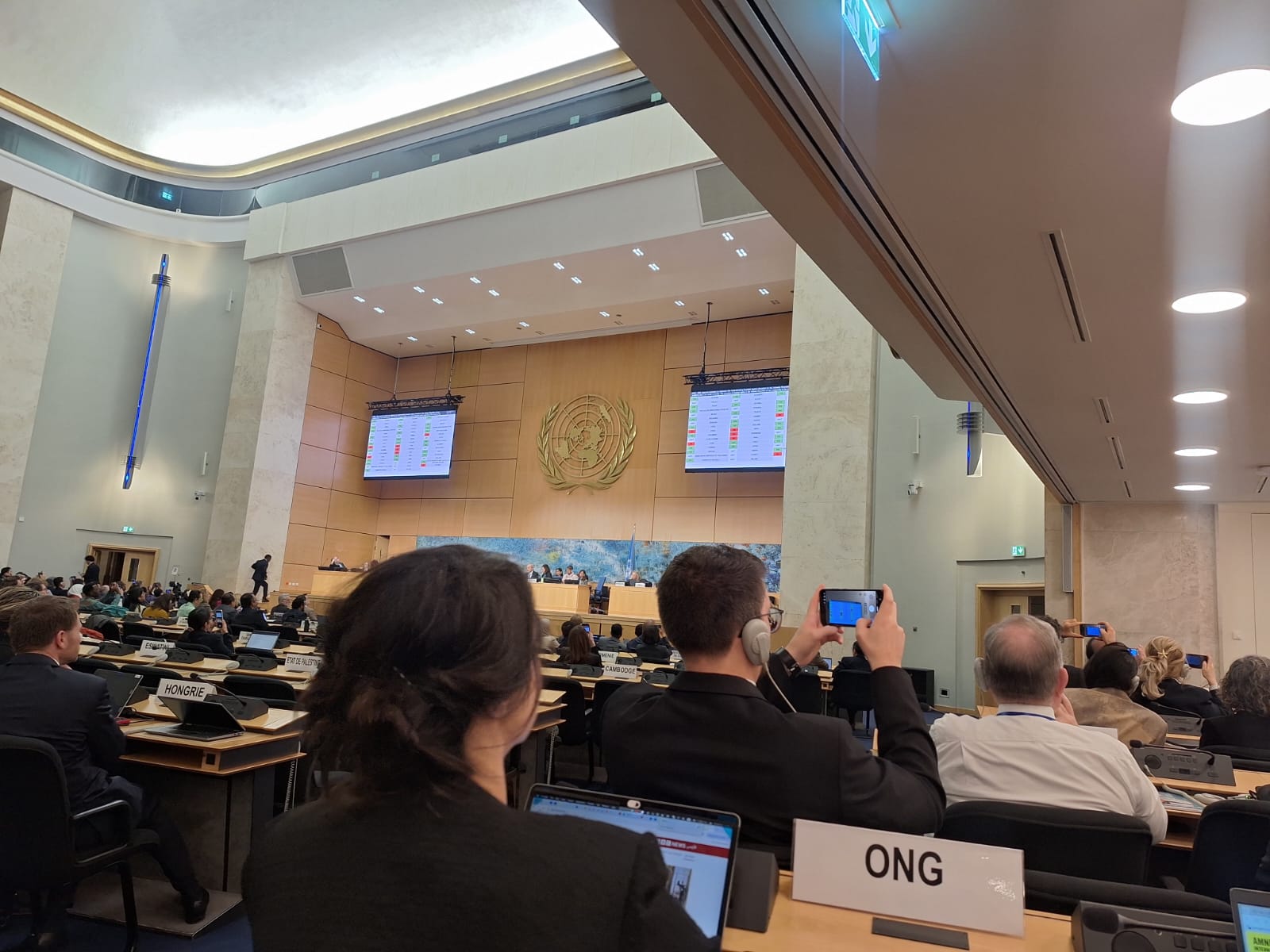
On January 23, 2026, the 47 members of the United Nations (UN) Human Rights Council met in Geneva, Switzerland in a Special Session devoted to the violent repression of protests in the Islamic Republic of Iran. The session began with a call by Volker Türk, UN High Commissioner for Human Rights, for the release of detainees, a halt to the implementation of death sentences, and the adoption of serious steps in response to human rights violations. He stressed that “these protests are the latest in a long line of heartfelt calls by the Iranian people for change, met by a long line of violent repression by the Iranian authorities”.

Ms. Mai Sato, the UN Special Rapporteur on Iran, highlighted the large number of protesters killed, including youth and children.  She called upon the authorities of Iran to act in compliance with international human rights standards. She voiced alarm about “the unprecedented scale of the violent crackdown on peaceful protesters by security forces”.

A number of government representatives noted the difficulties of following the current situation due to the cutting of the Internet and other forms of communication.

The Iranian Ambassador, Ali Bahreini, said that the Special Session of the Council had been “politicized” and that Iran rejected the discussion as “external interference in internal affairs”.

Iceland’s Ambassador, Einar Gunnarsson, presented the resolution of the Session saying that “the victims and survivors deserve truth, justice, and accountability”. The resolution which extends the mandate for two years of the UN Fact-Finding Mission, first established after the 2022 protests, was accepted with 25 States in favor, 7 against (China, India, Pakistan, Indonesia, Vietnam, Cuba, Iraq) and 14 abstentions.

From an NGO’s point of view (C) Assia Tanner/AWC

Assia Tanner, Representative for Diplomatic Relations at the Geneva Office of the Association of World Citizens (AWC), attended the session on our behalf. “Demonstrating is a human right, yet the regime has killed demonstrators and hanged innocent Iranians, resorting to the death penalty which is a serious human rights violation”, she reported. “The UN asked Iran to respect human rights, engage in dialogue, end the violence, and stop terrorizing the population. While The Netherlands called the Iranian regime a terrorist state, some Arab countries called for dialogue as they fear consequences from Tehran. Some African countries called for peaceful support instead of a formal condemnation.”

Nonetheless, the general feeling was definitely one of outrage. “In a session that lasted from 2PM to 6PM with no break whatsoever, all Council members were saying the same thing: Iran must be condemned”, Tanner added. “I felt they were holding the same discourse as all human rights organizations”.

Precisely, Nongovernmental Organizations (NGOs) now have the difficult task of calling on the Iranian government to stop arbitrary arrests, enforced disappearances, and extrajudicial killings. The situation in Iran must be watched as closely as possible and encouragement given to good faith negotiations.

Prof. René Wadlow is President of the Association of World Citizens.

UN System Weakened by U.S. Retreats

In Being a World Citizen, Conflict Resolution, Current Events, Human Rights, NGOs, Peacebuilding, Solidarity, The Search for Peace, Track II, United Nations, United States, Women's Rights, World Law on January 12, 2026 at 7:40 AM

By René Wadlow

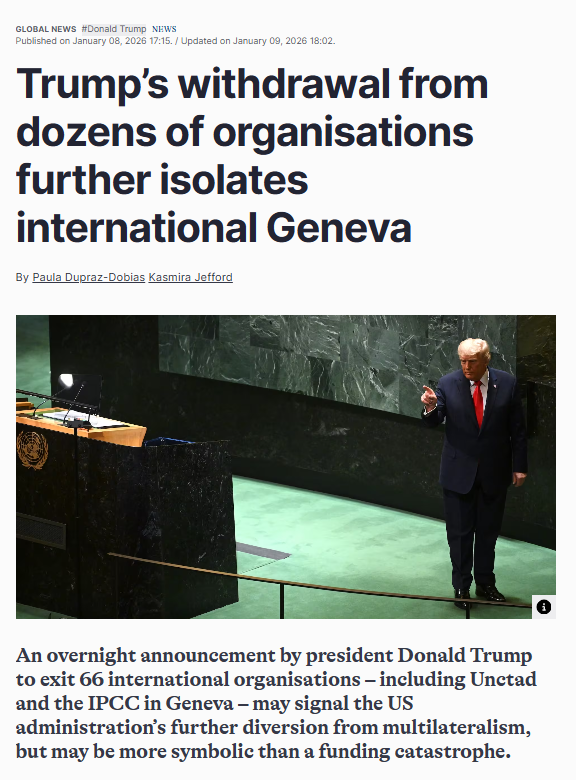
On January 7, 2026, the United States (U.S.) government announced that it was withdrawing from membership (and thus financial contribution) to 31 United Nations (UN) bodies and programs. According to U.S. Secretary of State Marco Rubio, these institutions and programs are “redundant in their scope, mismanaged, unnecessary, wasteful, poorly run and captured by the interests of actors advancing their own agendas contrary to our own.” He added, “Many of these bodies promote radical climate policies, global governance and ideological programs that conflict with U.S. sovereignty and economic strength.”

The U.S. withdrawal comes at a time when the UN as a whole (the 193 member States) is in the process of evaluating UN structures and programs (UN 80). The results of this evaluation should be presented later this year.

A good number of the programs from which the United States of America (USA) is withdrawing are based or have activities in Geneva, Switzerland. As an NGO representative to the UN in Geneva, I have interacted with many of these programs and the Secretariat members. At this time when there are real challenges in the world society, the withdrawal of the USA weakens the UN system as a whole. The representatives of Nongovernmental Organizations (NGOs) in consultative status will increase their activities so that the intellectual dynamics will not be weakened, but NGOs cannot fill the financial gap.

One of the bodies marked for withdrawal is the International Law Commission. A colleague from Egypt who taught international law at the University of Geneva was a leading member of the Commission and had a deep understanding of Middle East culture. Stronger respect for international law in the Middle East remains a real need.

Another institution is the Geneva-based International Trade Center where I had a good friend in the Secretariat. The Trade Center helped developing countries negotiate contracts with transnational corporations. These corporations usually have sophisticated lawyers to write contracts, not the case for many developing countries. Thus, the work of the Trade Center filled a real need.

The UN Institute for Training and Research has its headquarters in New York, but many of its activities were Geneva-based and so the Secretariat cooperated with Geneva-based NGOs. The same holds true for the UN University with headquarters in Japan but with many Geneva-based activities.

The USA is withdrawing from support for the Office of the Special Representative for Children in Armed Conflict, from the UN Entity for Gender Equality, and from the Special Representative on Sexual Violence in Conflict – all issues on which the Association of World Citizens has been active. The USA is leaving the UN Alliance of Civilizations at a time when cross-cultural understanding is a vital need.

Many of the UN activities which the USA is leaving have dedicated U.S. citizens in the Secretariat. I am not sure what their status will be once the withdrawal is complete.

The USA is also withdrawing from the UN Framework Convention on Climate Change, the key instrument on climate change issues. The consequences of climate change are being increasingly felt, and U.S. action would be needed.

As I noted, the representatives of NGOs will have to increase sharply their activities in the UN bodies and programs. The challenges facing us are heavy, and constructive action is urgently needed.

Prof. René Wadlow is President of the Association of World Citizens.

The Spirit of Woman, Life and Liberty Continues

In Being a World Citizen, Current Events, Human Rights, Middle East & North Africa, Solidarity, Women's Rights, World Law on September 23, 2025 at 6:55 AM

By René Wadlow

Three years have passed since protests began in Iran at the announcement of the death in police custody of 22-year-old Mahsa (Jina) Amini, having been arrested by the “morality police” for having some of her hair beyond the hijab (veil). She was an ethnic Kurd. The protests began on September 3, 2022 in the Kurdish areas of Iran but soon spread to all ethnic groups and to many parts of the country.

Women have been a central focus of the social policy of the Iranian Islamic government. Even before coming to power in 1979, Ayatollah Khomeini from his exile in France had said that the overly great liberty of women was a chief obstacle to his policies. Repressive policies against women with compulsory veiling laws were quickly put into place once he came into power.

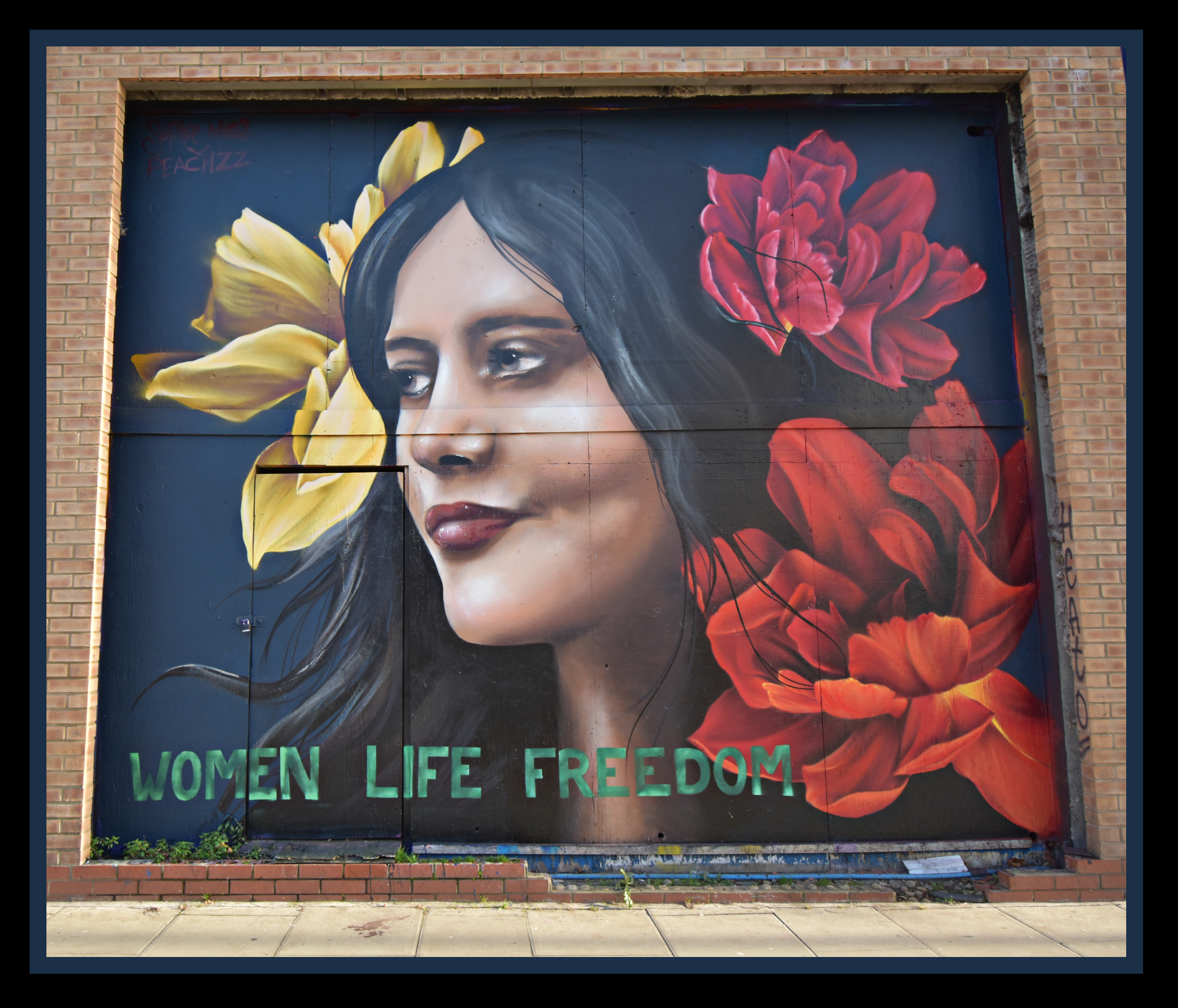
On Mare Street in Hackney, London, UK, a Mahsa Jina Amini mural painted by artist Sophie Mess in collaboration with Peachzz. (C) Loco Steve

“Woman, Life, Liberty” became the battle cry of the 2022 protests, and the refusal to have a hijab was the external symbol of the protests. Although the protests were harshly repressed, the Iranian people’s courage could not be silenced. Since 2022, Iranian society has been significantly modified. There is an increased defiance of women who refuse to wear the mandatory hijab in public. Unveiled women are seen walking through stores and banks. Government leaders have appeared on posters with unveiled women as “martyrs” killed in the recent bombing by Israel and the USA.

There are some policymakers in the government of President Masoud Pezeshkian who cautiously propose reforms while hardliners double down on restrictions, and people are arrested, accused of “propaganda against the state”. The many socioeconomic currents present in Iran today merit being watched closely.

Prof. René Wadlow is President of the Association of World Citizens.

BOOK REVIEW: Thomas Nordström, “A World Government in Action”

In Being a World Citizen, Book Review, Conflict Resolution, Cultural Bridges, Democracy, Human Development, Human Rights, International Justice, NGOs, Nonviolence, Peacebuilding, Solidarity, The Search for Peace, Track II, United Nations, Women's Rights, World Law on September 8, 2025 at 7:00 PM

By René Wadlow

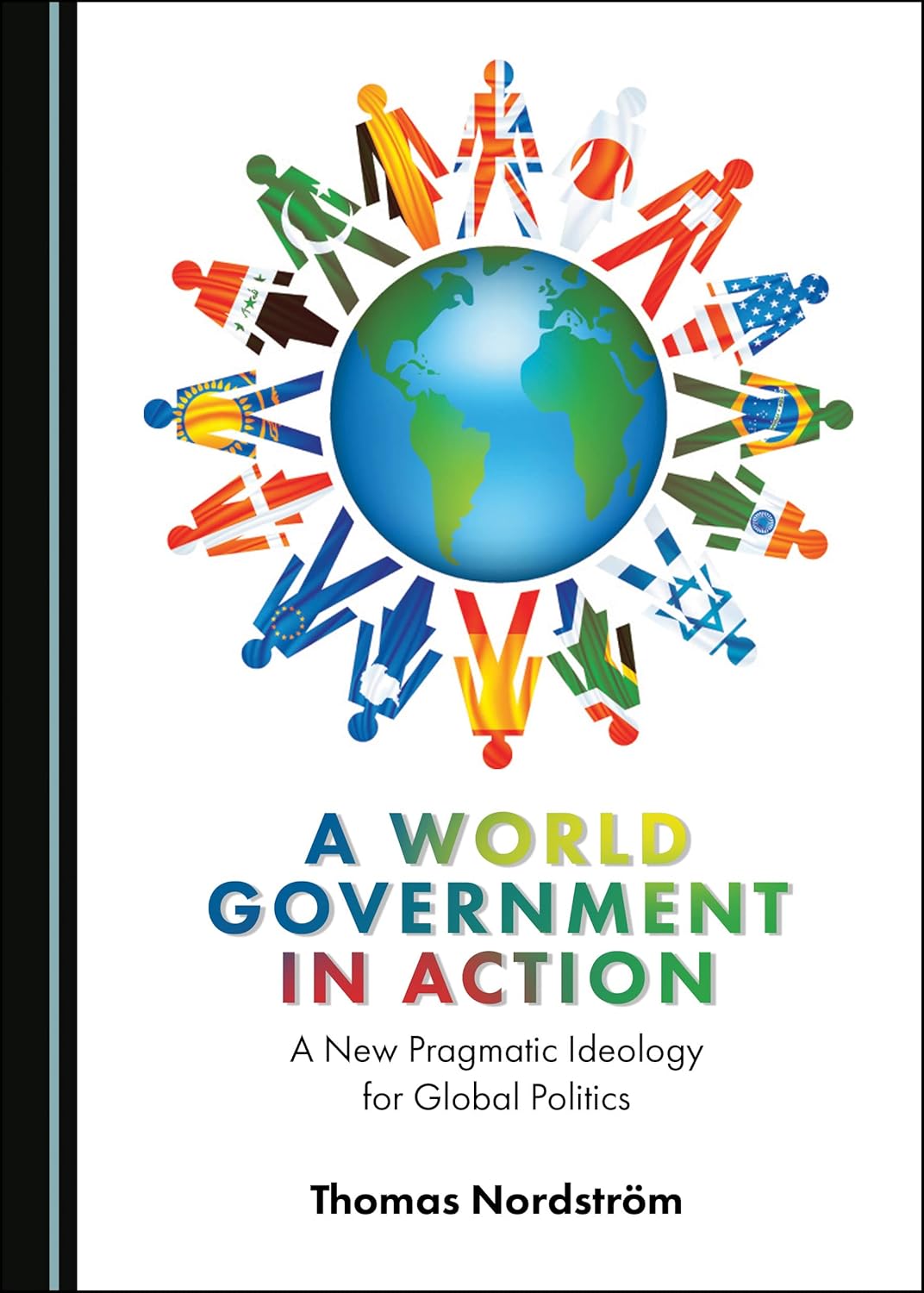
Thomas Nordström, A World Government in Action.

Newcastle upon Tyne: Cambridge Scholars Publishing, 2020, 147pp.

Thomas Nordström has written a useful book which more accurately should have been called “The Need for a World Government in Action”. He outlines many of the challenges facing the world society and stresses that the United Nations (UN) does not have the authority or the power to deal with these challenges adequately. The challenges are interrelated and thus must be faced in an interrelated way. Thus, climate change has an impact on land use which has an impact on food production. To improve food production, there must be better education on food issues as well as greater equality among women and men, as, in many countries, women play a major role in food production, food preparation, and food conservation.

As governments and UN Secretariat members become aware of an issue, the issue is taken up in one or another of the UN Specialized Agencies – FAO, WHO, ILO, UNESCO, or a new program is created: the Environment Program, or different programs on the issue of women. Today, within the halls of the UN there are negotiations for a Global Pact on the Environment and for the creation of a World Environment Organization which would be stronger than the existing UN Environment Program. Such a Global Pact for the Environment would clarify important environmental principles and relations between the existing treaties on the environment which have been negotiated separately.

In the UN, the international agenda reflects the growing influence of nongovernmental organizations (NGOs) and the scientific community in shaping policy. We see this vividly in the discussions on the impact of climate change. The distinction that used to be made between national and international questions has almost entirely vanished. NGOs must be able to provide possible avenues of action based on an effective theoretical analysis that acknowledges the complexity of the international environment.

Governments cannot at the same time boost expenditure on armaments and deal effectively with ecological deterioration and the consequences of climate change. Militarization has contributed to the neglect of other pressing issues, such as shrinking forests, erosion of soils and falling water tables. Militarization draws energy and efforts away from constructive action to deal with common problems. Militarization creates rigidity at the center of world politics as well as brittleness which leads to regional conflicts and civil wars. This political paralysis is both a cause and a result of the rigidity and the brittleness of current international politics. Opportunities are missed for building upon the more positive elements of a particular situation.

What is often called “complex emergencies” – a combination of political and social disintegration that includes armed conflicts, ethnic violence, state collapse, warlordism, refugee flows and famine – have become one of the most pressing humanitarian issues of our time. Today’s violent conflicts are often rooted in a mix of exclusion, inequality, mismanagement of natural resources, corruption, and the frustrations that accompany a lack of jobs and opportunities. Lack of opportunities sows the seeds of instability and violence.

As Nordström points out, behind all the current armed conflicts, there is the presence in a small number of countries of nuclear weapons. If they were used, the level of destruction would be great. Although nuclear disarmament was on the agenda of the UN General Assembly from its start, there has been little progress on nuclear disarmament issues.

As World Citizen and former President of India S. Radhakrishnan has written, “To survive we need a revolution in our thoughts and outlook. From the alter of the past we should take the living fire and not the dead ashes. Let us remember the past, be alive to the present and create the future with courage in our hearts and faith in ourselves.” The great challenge which humanity faces today is to leave behind the culture of violence in which we find ourselves and move rapidly to a culture of peace and solidarity. We can achieve this historic task by casting aside our ancient nationalistic and social prejudices and begin to think and act as responsible Citizens of the World. Nordström sets out some of the guideposts.

Prof. René Wadlow is President of the Association of World Citizens.

BOOK REVIEW: Peter L. Wilson, “Peacock Angel: The Esoteric Tradition of the Yezidis”

In Being a World Citizen, Book Review, Conflict Resolution, Cultural Bridges, Human Rights, Humanitarian Law, International Justice, Middle East & North Africa, Modern slavery, Peacebuilding, Refugees, Religious Freedom, Solidarity, Spirituality, Syria, The Search for Peace, United Nations, War Crimes, Women's Rights, World Law on August 4, 2025 at 5:55 PM

By René Wadlow

Peter L. Wilson, Peacock Angel: The Esoteric Tradition of the Yezidis.

Rochester, VT, Inner Traditions, 2022, 272pp.

Peter Wilson, a specialist on the Middle East, has written a useful book on the religious framework of the Yezidis as seen by someone outside the Yezidi faith. A Yezidi website has been established by Yezidis living in Nebraska, USA: https://yeziditruth.org.

The yearly Sakharov Prize for Freedom of Thought awarded by the European Parliament was given on October 27, 2016 to Nadia Murad who is also the co-laureate of the 2018 Nobel Peace Prize. She had been taken captive by the forces of the Islamic State in Iraq and Syria (ISIS) in August 2014 and then sold into sexual slavery and forced marriage. She was able to escape with the help of a compassionate Muslim family and went to Germany as a refugee. She has become a spokesperson for the Yezidi, especially Yezidi women.

There are some 500,000 Yezidis, a Kurdish-speaking religious community living in northern Iraq. There were also some 200,000 Yezidis among the Kurds of Türkiye, but nearly all have migrated to Western Europe, primarily Germany as well as to Australia, Canada, and the USA.

There are also some Yezidi among Kurds living in Syria, Iran and Armenia. The Yezidis do not convert people. Thus, the religion continues only through birth into the community.

The structure of the Yezidi religious system is Zoroastrian, a faith born in Persia proclaiming that two great cosmic forces, that of light and good and that of darkness and evil are in constant battle. Humans are called upon to help light overcome darkness.

However, the strict dualistic thinking of Zoroastrianism was modified by another Persian prophet, Mani of Ctesiphon in the third century of the Common Era. Mani tried to create a synthesis of religious teachings that were increasingly coming into contact through travel and trade: Buddhism and Hinduism from India, Jewish and Christian thought, Hellenistic Gnostic philosophy from Egypt and Greece as well as many small belief systems.

Mani kept the Zoroastrian dualism as the most easily understood intellectual framework, though giving it a somewhat more Taoist (yin/yang) flexibility, Mani having traveled to China. He developed the idea of the progression of the soul by individual effort through reincarnation. Unfortunately, only the dualistic Zoroastrian framework is still attached to Mani’s name – Manichaeism. This is somewhat ironic as it was the Zoroastrian Magi who had him put to death as a dangerous rival.

Within the Mani-Zoroastrian framework, the Yezidi added the presence of angels who are to help humans in the constant battle for light and good, in particular Melek Tawsi, the peacock angel. Although there are angels in Islam, angels that one does not know could well be demons. Thus, the Yezidis are regularly accused of being “demon worshipers”.

The Yezidis have always been looked down upon by both their Muslim and Christian neighbors as “pagans”. The government of Saddam Hussein was opposed to the Yezidis not so much for their religious beliefs but rather because some Yezidis played important roles in the Kurdish community, seen as largely opposed to the government. The Yezidi community is still in socio-economic difficulty given the instability of the situation in Iraq.

Peter Wilson has written a useful introduction to this little-known faith.

Prof. René Wadlow is President of the Association of World Citizens.

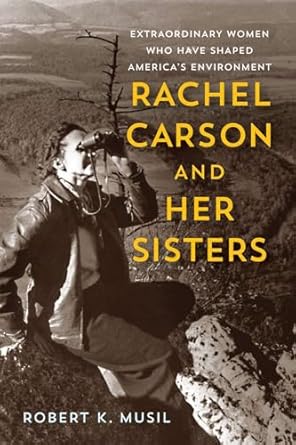
BOOK REVIEW: Robert K. Musil, “Rachel Carson and Her Sisters: Extraordinary Women Who Have Shaped America’s Environment”

In Book Review, Environmental protection, Human Rights, Literature, Solidarity, Women's Rights on July 31, 2025 at 7:00 AM

By Lawrence Wittner

Robert K. Musil, Rachel Carson and Her Sisters: Extraordinary Women Who Have Shaped America’s Environment.

New Brunswick, NJ: Rutgers University Press, 2014

Despite the central role of women in the environmental movement, surprisingly little is known about them. Furthermore, what is known is usually limited to the work of Rachel Carson, whose powerful call to action, Silent Spring (1962), is widely credited with jump-starting the modern environmental movement. But, as shown by Robert Musil’s new book, Rachel Carson and Her Sisters, Carson is merely the most visible of numerous women who have had a powerful impact upon how Americans have viewed the natural environment and sought to preserve it.

Musil, who is senior fellow at the Center for Congressional and Presidential Studies at American University, first became intrigued with Carson’s life in 2007, when, 43 years after her death, rightwing talk show hosts launched vicious attacks upon her. “I wanted to know more about the roots of such venom,” he recalled. He soon “realized that there had been other Rachel Carsons long before she was born, and that many women have built on her legacy since her untimely death.”

Musil points out that, as the nineteenth century progressed, increasing numbers of American women obtained better education and the ability to travel, write, and take action. They hiked, explored, and botanized, while observing the encroachment of manufacturing and urban life on the countryside. Although restricted by gender discrimination from playing top roles in academia, the professions, and publishing, they nonetheless produced a flood of books, magazine articles, journals, and children’s stories, many of them about nature. In addition, Martha Maxwell began the development of natural history museums, while Susan Fenimore Cooper became active in the movement to stop the slaughter of birds for fashionable women’s hats.

Cooper, daughter of the famed American novelist, was immensely influential. Her book, Rural Hours (1850), a best-selling environmental work, underwent four decades of popular publication and revision, in the United States and overseas. Numerous very popular writings of hers followed. Fluent in three languages and often residing abroad, Cooper moved in the highest circles of intellectuals, scientists, and naturalists.

Other key activists included Graceanna Lewis (a popular ornithologist, as well as a painter); Ada Botsford Comstock (who spread nature study throughout the nation); Florence Merriam Bailey (an organizer of bird-lovers and the most eminent female naturalist writer and organizer of her time who was well-connected to the male-dominated worlds of science and Washington policy); Olive Thorne Miller (a children’s author and environmental educator); and Mary Hunter Austin (a well-known writer about nature but, also, a campaigner against the diversion of water resources to insatiable Los Angeles). By the twentieth century, a nationwide conservation movement had taken shape―one within which women played an important role.

Many of these women lived unorthodox lives. Maxwell, though a vegetarian, gathered her animal and bird specimens by shooting them with a rifle―something considered scandalous when done by women. Lewis was active in the Underground Railroad and the women’s suffrage movement. Bailey combined her ornithology with social work. Austin, a poet and mystic, wrote thirty books, was friends with Jack London, Upton Sinclair, and Willa Cather, and was active in the suffrage and birth control movements.

Their pioneering work was later supplemented by Ellen Swallow Richards and Alice Hamilton, who were keenly attuned to the growing industrial age in America and focused their attention on the plight of poor workers and urban landscapes.

Richards, who first introduced the concept of ecology to the United States, launched associations, founded disciplines, and pioneered health and environmental studies. The first American woman admitted to a high-level science institute of any kind, she performed brilliantly in her field of chemistry. She was also, Musil observes, “in effect, the founder of the American consumer, nutrition, health, and right-to-know movements.” In addition, Richards was a founder of what became the American Association of University Women and chaired its executive committee, authored numerous books, organized the scientific examination of food, and helped the Massachusetts legislature pass the nation’s first pure food laws. She completed the most comprehensive water quality survey in the nation, which sparked the state’s first water quality laws and sewage treatment, and led the campaign to expose the dangerous health conditions in Boston’s schools, thus stirring local and nationwide school reforms.

Hamilton, “the founder of occupational and environmental medicine in the United States,” was trained as a doctor. Employed at the Women’s Medical School of Northwestern University in Chicago, she went to live in Hull House, an institution that drew a number of women environmental activists into its orbit. Here she began to focus on occupational and environmental disease. In 1908, the Governor of Illinois appointed her as the chief medical investigator of a new nine-member commission to study industrial disease in the state. Turning up dramatic indications of lead poisoning, she spoke at numerous conferences and was invited by the U.S. Commissioner of Labor to conduct a nationwide study of the lead industry. A new state law regulating lead, the first in the nation, was passed in Illinois, and similar laws followed elsewhere. While continuing to expose industrial conditions, Hamilton became deeply involved in the peace movement during World War I, attending peace congresses and supporting peace plans developed by Jane Addams and the Women’s International League for Peace and Freedom. After the war, she joined the faculty of the Harvard Medical School as assistant professor of industrial medicine. Thriving in this role, Hamilton became the leading American expert on diseases caused by exposure to industrial pollutants, such as benzene, mercury, and lead.

Many women activists experienced substantial gender discrimination, and were passed over for appointments or denied admission to academic and other institutions. Richards was initially rejected for admission to MIT as a regular student and, despite her later outstanding record, was subsequently refused admission to its doctoral program. Offered a position at Johns Hopkins, Anna Baetjer was informed that it was contingent on promising not to marry. Hamilton was told, when hired at Harvard, that she would not be allowed to use the faculty club or to sit on the platform with male faculty at commencement.

Musil shows that, although Carson herself worked well with men, her deepest influences, relationships, networks and insights, her love of nature and science, her influential and political contacts, and her intimate personal support came from women. In the early 1940s, she and her associates were concerned about the possible toxic effects of DDT. But, when Reader’s Digest rejected her 1945 proposal to write an article on DDT’s dangers, she turned the direction of her freelance writing elsewhere, ultimately producing The Sea Around Us (1951), a best-seller that made her famous. Now financially secure, she left her job at the U.S. Fish and Wildlife Service to concentrate on writing. She worked closely with environmental activists in planning, researching, and writing Silent Spring and, together, they conducted an enormous publicity and organizing campaign for the book, which achieved their goal of alerting the public to the dangers of pesticides and securing government reform. Deeply committed to this cause, as well as to ending nuclear weapons testing, she continued to write Silent Spring, appear on television, and testify before Congress while she was dying of breast cancer.

After Carson’s death, women’s leadership in the environmental movement continued. Terry Tempest Williams, an environmental writer and antinuclear activist, relied, like Carson, on imagination, empathy, and science, and, Musil remarks, was her “metaphorical” and “spiritual daughter.” Another key writer and activist was Sandra Steingraber, who focused on environmental cancer. A poet and biologist, Steingraber played an important role in securing the Stockholm treaty of 1981, which banned persistent organic pollutants (such as pesticides)―a treaty that has yet to be ratified by the U.S. Senate. There was also Devra Davis―a passionate writer who argued that millions had died from modern industrial pollution, and more would in the future, unless remedial action was taken. Moreover, Theo Colborn, a former pharmacist and sheep rancher, became a leading environmental researcher, exposing how synthetic chemicals (such as PCBs) caused animal and human endocrine disruption.

Musil emphasizes the enormous corporate resistance to environmental safety. Although lead is a neurotoxin that lowers IQ and impairs mental performance, “the National Lead Company fought product labelling, not to mention bans; brought lawsuits; and finally, when the danger was undeniable,” blamed children and their families when children consumed lead paint chips. The DuPont Corporation squelched research showing the connection between the chemical dyes in its factories and cancer. The auto corporations battled against the Clean Air Act of 1970. There was also a sharp struggle over leaded gasoline, which had been an issue since the 1920s, when Standard Oil and the Ethyl Corporation “went to great lengths to keep industrial fatalities secret.” The Electric Power Research Institute (the industry group representing coal-fired utilities) hired researchers to challenge any evidence, methodology, or doubt about the hazards of burning coal. When Dow Chemical’s own research revealed that benzene was causing damage to chromosomes, the company pulled the plug on funding for the research. Also, industry fought fiercely―and successfully―every attempt to restrict, remove, or ban cancer-causing, arsenic-treated wood used for children’s playgrounds, outdoor decks, and picnic tables.

Hostile corporations also savagely attacked leading environmental activists. Mary Amdur, “the mother of smog research,” was not only fired and blocked from securing tenured employment, but directly threatened by thugs who demanded that she not deliver a talk to the American Industrial Hygiene Association on the ill effects of smog. (She gave it anyway.) Colborn had her M.A. thesis defense interfered with by the head of operations of a mining corporation, angered by the potential impact of her research. According to Musil, when her powerful book, Our Stolen Future, appeared in 1996, “industry, its PR men, and its political allies went berserk.”

Much the same happened to Carson. As Musil notes, when Silent Spring appeared, she was “immediately faced with an attack campaign orchestrated by the Manufacturing Chemists Association and its corporate allies like DuPont, Monsanto, Dow, and W.R. Grace. Publishers were threatened with lawsuits; public forums were created with doctors and scientists willing to attack Carson.” Monsanto even published a parody of her work. She was assailed as a “peace-nut,” as well as “denounced by critics as a spinster, unscientific, a pro-communist, and more.”

Musil contends that, despite the corporate assault on environmental activism, the environmental movement has grown into “the largest reform movement in American history.” In Washington, DC alone, there exist 34 national environmental organizations with an estimated twelve million dues-paying members, millions more electronic activists, and local chapters in every state in the nation. And women remain at the center of the campaign.

Thus, the struggle continues. Musil concludes that “those who pollute and plunder have huge resources at their command. They challenge serious science, real reform, and . . . block every reasonable effort to build a better, healthier environment for our children and generations yet to come.” Nevertheless, “their sway is slowly, steadily, being reduced over time by the determination of ordinary citizens. . . . We can draw inspiration and leadership from the long line of American women who somehow defied the cinched circumstances and enervated expectations for their gender to become extraordinary leaders of many kinds. They have brought us thus far,” and “we can start now down the path that they have set before us.”

People who want to learn more about this path can turn to Rachel Carson and Her Sisters for a richly detailed, documented, and eloquent history―a ground-breaking account of undaunted American women, determined to prevent environmental catastrophe.

Lawrence Wittner (http://lawrenceswittner.com) is Professor of History Emeritus at SUNY/Albany.
Citizens of the World Strive Against Rape as a Weapon of War

In Africa, Being a World Citizen, Children's Rights, Current Events, Europe, Human Rights, Humanitarian Law, International Justice, NGOs, Peacebuilding, Solidarity, Sudan, The Balkan Wars, The Search for Peace, Track II, United Nations, War Crimes, Women's Rights, World Law on March 8, 2025 at 6:45 PM

By René Wadlow

On March 6, 2025, the United Nations (UN) Children’s Fund (UNICEF) warned that many children in the conflicts among militias in Sudan are at risk of rape and other forms of sexual violence which are being used as weapons of war. In November 2024, the Association of World Citizens (AWC) had highlighted that rape was being used as a weapon of war in the Sudan conflicts and that strong counter measures are needed.

As Meredeth Turshen and Clotilde Twagiramariya point out in their book What Women Do in Wartime: Gender and Conflict in Africa (London: Zed Press, 1998),

“There are numerous types of rape. Rape is committed to boast the soldiers’ morale, to feed soldiers’ hatred of the enemy, their sense of superiority, and to keep them fighting; rape is one kind of war booty; women are raped because war intensifies men’s sense of entitlement, superiority, avidity and social license to rape; rape is a weapon of war used to spread political terror; rape can destabilize a society and break its resistance; rape is a form of torture; gang rapes in public terrorize and silence women and force them to flee homes, families and communities; rape targets women because they keep the civilian population functioning and are essential to its social and physical continuity; rape is used in ethnic cleansing; it is designed to drive women from their homes or destroy the possibility of reproduction; genocidal rape treats women as reproductive vessels to make them bear babies of the rapists’ nationality, ethnicity, race or religion, and genocidal rape aggravates women’s terror and future stigma, producing a class of outcast mothers and children – this is rape committed with consciousness of how unacceptable a raped woman is to the patriarchal community and to herself. This list combines individual and group motives with obedience to military command; in doing so, it gives a political context to violence against women, and it is this political context that needs to be incorporated in the social response to rape.”

The AWC first raised the issue of rape as a weapon of war in the UN Commission on Human Rights in March 2001 after the judgement of the International Criminal Tribunal for the Former Yugoslavia (ICTY) maintained that there can be no time limitation on bringing an accused to trial. The Tribunal also reinforced the possibility of universal jurisdiction – that a person can be tried not only by his national court but by any court claiming universal jurisdiction and where the accused is present.

As Citizens of the World, we need to have a peace-building approach which asks: How does a political conflict degenerate into pervasive mass violence, generating new crises and new forms of violent conflict in the future? Even after a war ends, the effects of sexual violence continue in the form of unwanted pregnancies, sexually transmitted infections, discrimination and ostracizing of victims and often lasting psychological damage. Thus, we must ask how a community pulls itself out from the cycle of violence and creates new attitudes to promote human dignity and develop new institutions of conflict resolution.

Prof. René Wadlow is President of the Association of World Citizens.

March 8, International Women’s Day: To Snap Every Yoke

In Being a World Citizen, Children's Rights, Human Rights, International Justice, Modern slavery, NGOs, Social Rights, Solidarity, United Nations, Women's Rights, World Law on March 8, 2025 at 8:00 AM

By René Wadlow

“Is not this what I require of you … to snap every yoke and set free those who have been crushed?”

Isaiah, 58 v 6

There are many ways that we are held in chains as individuals through our own desires and habits. There are also many ways that society keeps others in chains. Our task is to help snap the individual bonds of slavery through our efforts at self-liberation and self-realization. To break the chains that society creates, we must work together cooperatively.

Slavery today, as in the past, can have one or more of the following characteristics: A slave is forced to work though mental or physical threat. The person is owned or controlled by an “employer” usually through mental or physical abuse and threats. The person is dehumanized by being treated as a commodity and bought and sold as if property. There are also restrictions placed on a person’s freedom of movement and kept isolated from those who might help to break the chains.

(C) Bernard J. Henry/AWC

Women are often the victims of diverse forms of servitude, and International Women’s Day is an appropriate time to analyze patterns and our efforts to liberate. Here we can look at four categories through there are often links among them.

A first category is debt bondage, especially practiced in South Asia. It is estimated that there are some 20 million people held in debt bondage throughout the world, even though debt bondage is forbidden by the Supplementary Convention of 1956 on the Abolition of Slavery, the Slave Trade and Institutions and Practices Similar to Slavery. Debt bondage is largely a rural practice, and local government officials and police often overlook its consequences. The debt is usually contracted in an emergency such as sickness or to cover expenses between harvests. However, often the person making the debt from money lenders or richer farmers cannot read and, therefore, has no idea of what “rates of interest” means, nor do they know when they have worked off the debt. It is often a child or younger member of the family who is “given” to work to pay off the debt. The debt is often never considered to have been paid and will go from one generation to the next.

Child labor is a second and related category of contemporary slavery. The International Labor Organization (ILO) estimates that there are some 180 million youth aged between 5 and 17 years old who are in the worst forms of child labor – work that is hazardous to their mental and physical health. The ILO Convention of 1999 (N° 182) is devoted to the “Worst Forms of Child Labor.” Translating these ILO efforts to the local workplace is a large job and needs to be done with care as some families depend heavily on income from children’s work.

Early and forced marriage is a third category of contemporary slavery. This form is often overlooked or excused as “custom” for it is usually carried out by the families themselves. In many societies, marriage is an alliance between families with elements of social control over wealth, power, and the sexuality of women as the motive. Women and girls are married without choice and often forced into lives of servitude. Because the girl child is seen in some communities as having lower priority, she is often denied access to such basic necessities as education which could ultimately protect her from exploitation.

A fourth category is human trafficking, often linked to prostitution which is the fastest-growing means by which people are enslaved today. Women, children and men are coerced and deceived by traffickers who promise work and good pay in areas far from their family and community. The reality is usually a harsh contrast. People are forced through the threat and use of violence to work against their will. Trafficking in persons is often carried out by groups which also traffic guns, drugs and pornography. These groups are willing to kill to keep their trade growing and often corrupt local officials and police.

Thus, on this International Women’s Day, we need to evaluate closely the challenges which face us within global society and to set out clearly the steps which must be undertaken for equality and justice.

Also available on our Official Blog:

March 8: Women and the People’s Revolution (2011)

March 8 – International Day of Women: Women as Peacemakers (2012)

March 8, 2015: International Women’s Day – Balance of Yin and Yang

March 8: Start of the Russian Revolution (2017)

The Spiritual and Socialist Start of International Women’s Day (2019)

Prof. René Wadlow is President of the Association of World Citizens.

President Trump: Act Two

In Being a World Citizen, Conflict Resolution, Current Events, Democracy, Human Development, Human Rights, Humanitarian Law, International Justice, Middle East & North Africa, Migration, NGOs, Nonviolence, Peacebuilding, Social Rights, Solidarity, Sustainable Development, The Search for Peace, Track II, UKRAINE, United Nations, Women's Rights, World Law on January 21, 2025 at 7:30 PM

By René Wadlow

The January 20, 2025 inauguration of President Donald Trump has brought into sharp focus the turbulent and complex world society in which we live. As peacebuilders and citizens of the world, we face the same challenges as President Trump but with a different style and with far fewer resources at our command. We make plans but then are called to work for conflict resolution in unanticipated ways.

There are four policy challenges which face both President Trump and World Citizens: armed conflicts, currently ongoing and potential, persistent poverty in many areas, the erosion of international law and faith in multinational institutions, particularly the United Nations (UN), and the consequences of climate change.

The ongoing and potential armed conflicts are neither new nor unexpected. The Israeli-Palestinian tensions exist at least since 1936 and increased after the creation of the State of Israel. There may be some possibilities for negotiations in good faith. We must keep an eye open for possible actions.

Tensions with Iran are not new. The Soviet forces in part of Iran was the first conflict with which the UN had to deal in its early days. However, the rule by the Ayatollahs has made matters more complex.

The Russian-Ukrainian war grinds on with a large number of persons killed, wounded, and uprooted. Again, we must look to see if a ceasefire and negotiations are possible.

In Asia, the armed conflict in Myanmar between the military in power and the ethnic militias dates from the creation of the Burmese State at the end of the Second World War. A potential armed conflict between Mainland China and Taiwan dates from 1949 and the Nationalist government’s retreat to Taiwan. The potential armed conflict between the two Korean States dates from 1950 and the start of the Korean War.

The armed conflicts in Africa are no longer in the headlines, but they date from the early 1960s and the breakup of the European Empires: the Democratic Republic of Congo, Sudan, the States of the Sahel.

Thus, we all have a poor record of armed conflict prevention and mediation. Armed conflicts should remain at the top of both the governmental and nongovernmental agenda for action.

(C) U.S. Embassy France on Instagram

Persistent Poverty: Despite the UN Decades for Development, the Sustainable Development Goals, and Article 22 of the Universal Declaration of Human Rights which states that everyone is entitled to the economic, social, and cultural rights indispensable for his dignity and free development of his personality, persistent poverty exists in many parts of the world. One consequence of persistent poverty is migration from poorer to richer areas, both within countries and from poorer to richer States. Migration is a hotly debated issue in many countries, as right-wing nationalist groups make anti-migration their battle cry. Migration is likely to become an even more heated topic of debate as President Trump tries to carry out his proposal for a mass deportation of immigrants from the USA.

Linked to persistent poverty are trade issues and the protectionist trends in many countries. President Trump has proposed higher tariffs for good coming into the USA. This policy may set off tariff wars. Obviously to counter persistent poverty, world development policies must be improved – easier said than done!

The Erosion of International Law and Faith in Multinational Institutions: Armed conflicts and persistent poverty are closely related to the third issue: the receding United States (U.S.) involvement with the UN, the World Bank, the IMF, the World Court and other multinational organizations. Some of the foreign policy authorities appointed by President Trump are overtly critical of the UN and the International Criminal Court. There has already been an Executive Order to halt U.S. funding of the World Health Organization. However, there is no unifying vision of what a new world society would involve. The battle cry of “Make America Great Again”, if repeated by each State for itself, “Make Panama Great Again”, could be a loud concert but not conducive to positive decision making.

The Consequences of Climate Change: The fourth major group of issues concerns the consequences of climate change and the ways to lessen its impact. During the campaign for the presidency, Trump threatened to pull the USA out of the Paris Climate Agreement, and he has now signed an Executive Order doing so. The issue of climate change has been brought to the world agenda by scientists on the one hand, and by Nongovernmental Organizations and popular, often youth-led efforts, on the other hand. It is likely that these vital efforts related to climate change will continue despite climate policy resistance by some in the Trump administration.

President Trump said during his inaugural ceremony that “The Golden Age of America begins now… We stand on the verge of the four greatest years in American history.” We will have to watch closely and judge in four years. What is sure for peacebuilders and citizens of the world is that we stand on the verge of four more years of serious challenges. Thus, there is a need for cooperative and courageous action.

Prof. René Wadlow is President of the Association of World Citizens.

Women’s Peacebuilding for the New Syria

In Being a World Citizen, Conflict Resolution, Current Events, Human Rights, Middle East & North Africa, NGOs, Peacebuilding, Solidarity, Syria, The Search for Peace, United Nations, Women's Rights on December 16, 2024 at 7:00 AM

By René Wadlow

The flight of the Syrian dictator Bashar al-Assad on December 7, 2024 from Damascus to Moscow has opened a radically new period for Syrian politics. There are many different armed militias, ethnic and religious factions working to gain influence in the post-Assad situation. There are also outside powers – Iran, Russia, Turkey, and the USA which have been playing a role for some time and are not likely to fade from the scene overnight.

Women played only a minor direct role in the al-Assad administration and only minor roles in the groups opposing the Assad government, especially once the opposition became militarized mid-2011. Now, we must strive so that women can play a positive and active role in developing the new structures for a new Syria. Excluding women from peacebuilding neglects a rich source of skills, insights and energy. It is important to recognize that women are not a homogeneous group: education, class, ethnic group identity condition how individuals are affected by conflict.

We have seen with the Taliban administration in Afghanistan what can happen when women are not actively structured to play a role before there is a change in government. While not as vocal as the Afghan Taliban, there are most likely men in Syria in Jihadist factions who wish to keep women secluded and powerless.

Thus, women activists need to promote a vision that goes beyond the negotiation table. Negotiations to structure the new government are likely to begin in the next few days. There had been earlier negotiations among Syrian factions held at the United Nations in Geneva in 2014 with few or no women involved. Women face major challenges to engage in formal peace negotiations. Exclusion is often the norm. Therefore, women need to organize quickly now to spearhead Syrian civil society and reconciliation activities.

Read here (C) Uplifting Syrian Women

In the period after mid-2011 when opposition to the al-Assad government became an armed uprising, many Syrians left Syria for neighboring countries such as Lebanon and Turkey but also more widely to other countries in Western Europe. Some of these refugees were whole families with men present. In many cases, it was women with their children. Women had to learn skills in order to earn a living. They also started to get organized in mutual help organizations. These skills can be used today as the refugees return to Syria.

With the departure of al-Assad, the prisons have been opened. Men, often activists and intellectuals, have been liberated. They will want to play a role in helping develop new structures. However, they are related to different opposition factions and may have different view of what should be a future Syria.

We, on the outside and who are not Syrians, can try to support Syrian women involved in peacebuilding initiatives that are inclusive of both women and men. There is a need for relevant and timely support. We must see what avenues are open and how local conditions evolve.

Prof. René Wadlow is the Association of World Citizens.