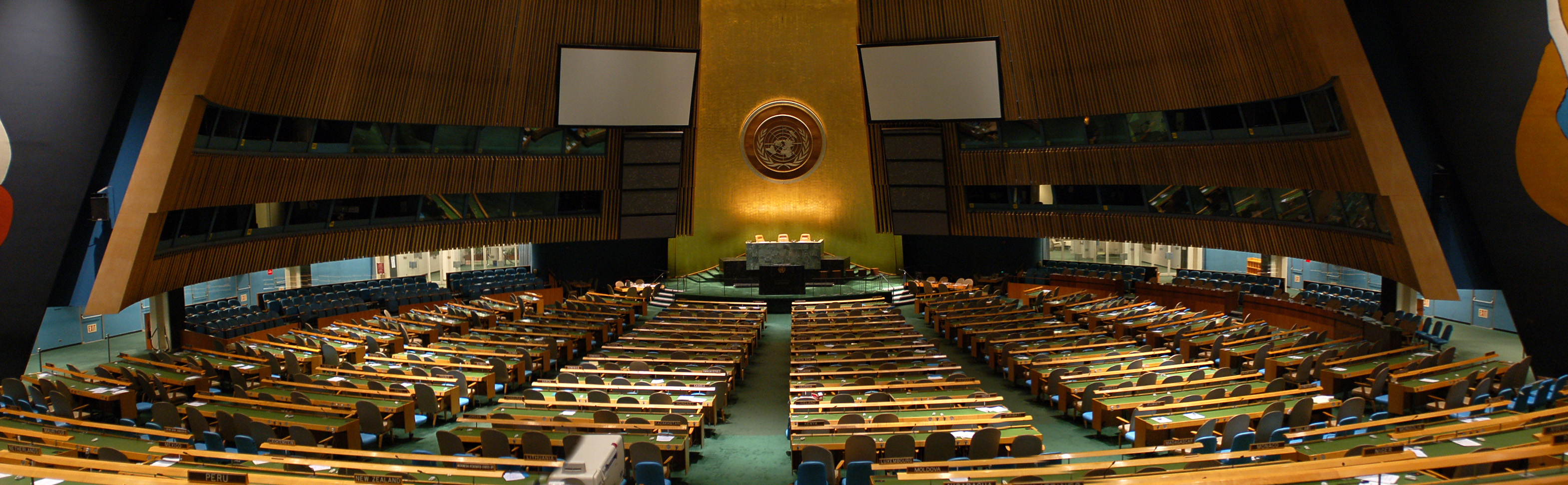
On May 23, the United Nations (UN) Security Council will hold a special briefing to address the issue of food insecurity under the chairmanship of Mr. Alain Berset, President of the Swiss Confederation. During May, the rotating chairmanship is held by Switzerland led by the Swiss Ambassador to the UN in New York, Ms. Pascale Baeriswyl. The meeting will have as background a May 3 report of the Food and Agriculture Organization (FAO) concerning early warning on areas facing acute food insecurity. The report highlights that some 250 million persons are living in this situation of acute food insecurity with the Democratic Republic of Congo leading the list with some 27 million persons due to armed violence and the breakdown of governmental structures. The Congo is followed by Ethiopia, largely due to fighting in the Tigray area. The war in Ukraine is also having a negative impact limiting production and export of food goods – a principal export of Ukraine. In addition to armed conflict, there is the growing impact of the consequences of climate change.
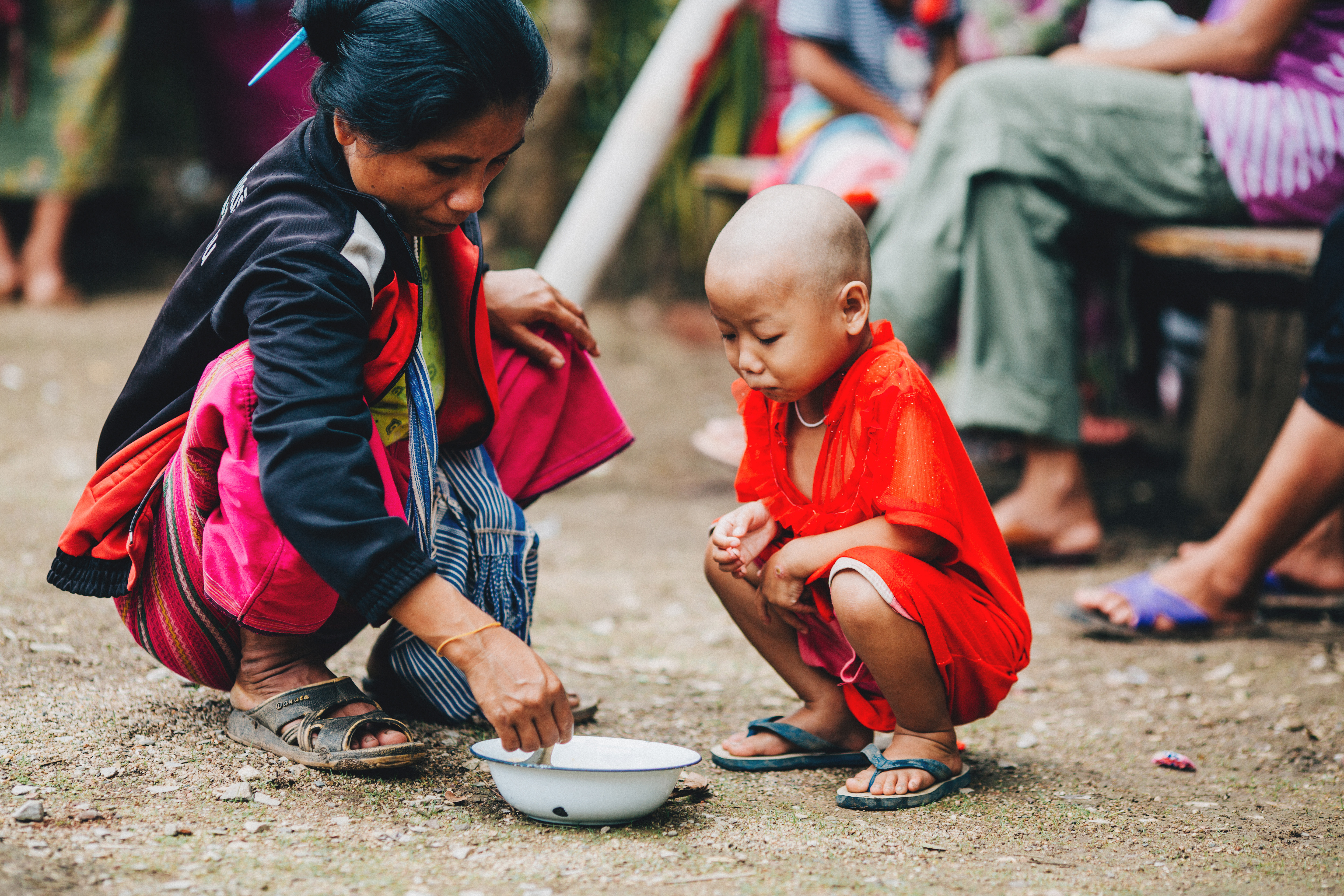
Today, cooperation on food insecurity is needed among the UN family of agencies, national governments, nongovernmental organizations, and the millions of food producers to respond to this food crisis. These measures will have to be taken in a holistic way with actions going from the local level of the individual farmer, the national level with new governmental policies, to measures at the multi-State regional level such as the European Union and the African Union, and at the world level with better coordinated action through the UN system.
(C) Feed My Starving Children
There is a need for swift, short-term measures to help people now suffering from lack of food and malnutrition due to high food prices, inadequate distribution, and situations of violence. Such short-term action requires additional funding for the UN World Food Program and the release of national food stocks. However, it is on the longer-range and structural issues on which we must focus our attention.
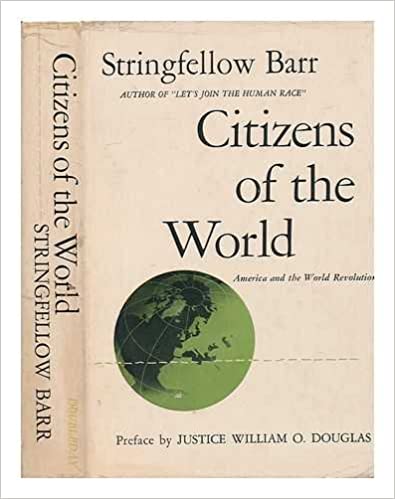
The Association of World Citizens has taken a lead in the promotion of a coordinated world food policy with an emphasis on the small-scale farmer and a new awareness that humans are part of Nature with a special duty to care and respect for the Earth’s inter-related life-support system. As Stringfellow Barr wrote in Citizens of the World (1952), “Since the hungry in the world community believe that we can all eat if we set our common house in order, they believe also that it is unjust that some die because it is too much trouble to arrange for them to live.”
A central theme which Citizens of the World have long stressed is that there needs to be a world food policy and that such a world food policy is more than the sum of national food security programs. John Boyd Orr, the first Director General of the FAO, proposed a World Food Board to stabilize food prices and supplies. He resigned as Director General when the food board proposal was not accepted and then devoted much of his energy to the world citizen movement.
For World Citizens, the emphasis must be placed on creating a world food policy which draws upon improving local self-reliance while not creating nationalistic policies which harm neighbors. Food is a key aspect of deep structural issues in the world society and thus must be seen in a holistic framework. The briefing and debate of the UN Security Council may give us strong elements on which to promote a world food policy.
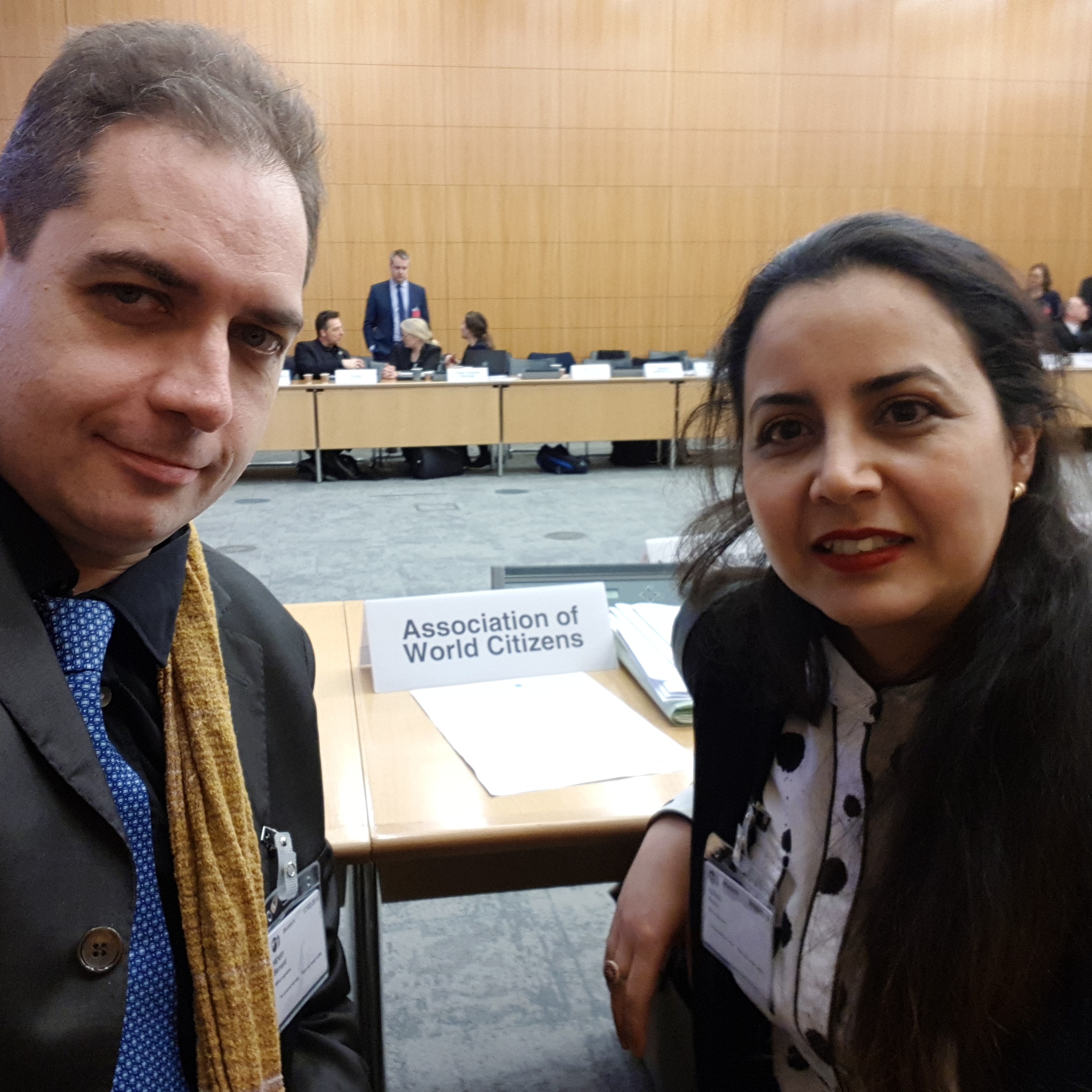
Prof. René Wadlow is President of the Association of World Citizens.
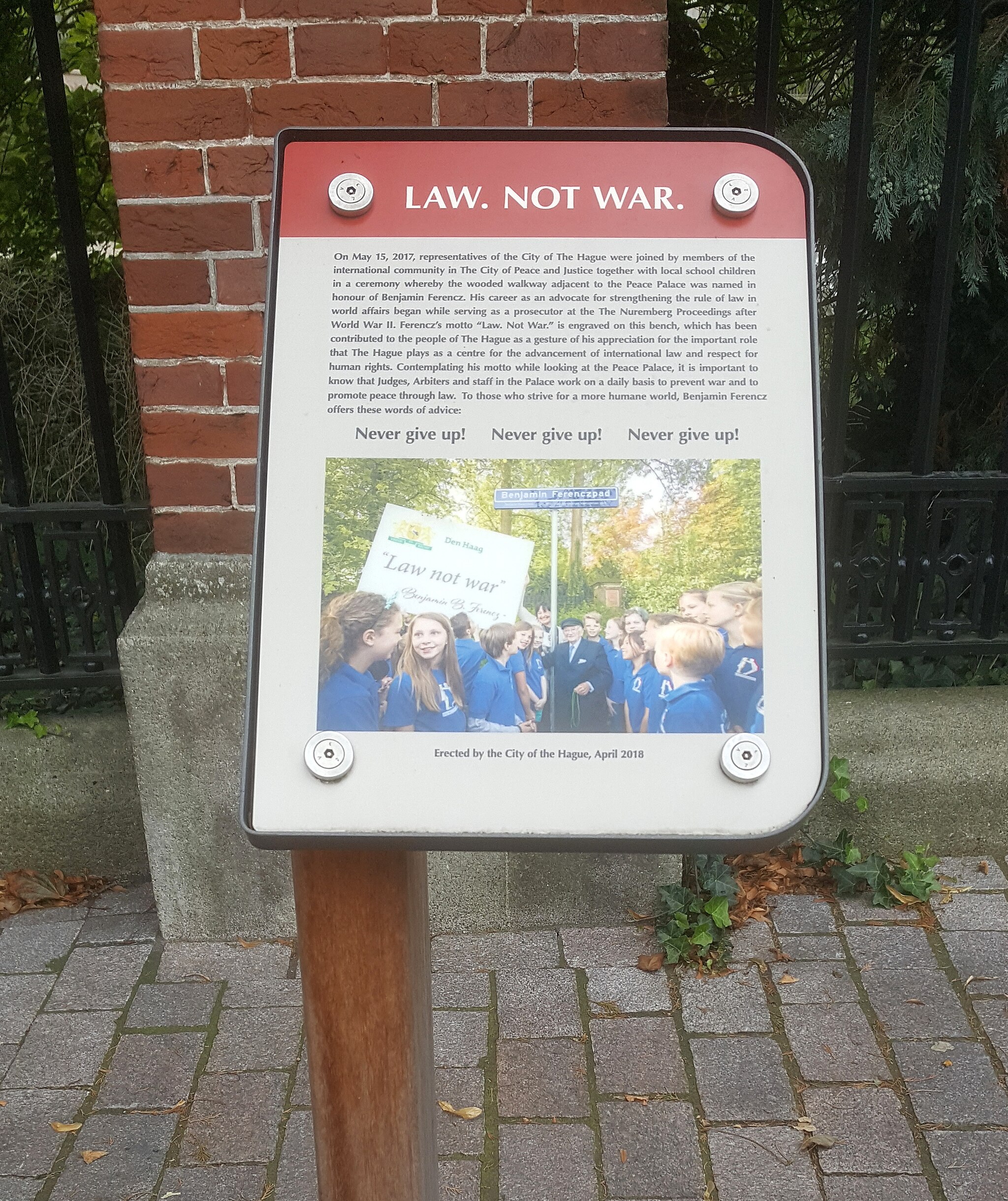
Benjamin Ferencz, champion of World Law and World Citizenship, died on April 7, 2023 at the age of 103, leaving a strong heritage of action for world law. He was particularly active in the creation of the International Criminal Court (ICC) located in the Hague.
He was born in March 1920 in what is now Romania, close to the frontiers of Hungary and Ukraine. In the troubled period after the end of the First World War, the parents of Ferencz, who were Jews, decided to emigrate to New York with the help of the Hebrew Immigrant Aid Society. They settled in New York City, and Ferencz changed his Yiddish name Berrel to Benjamin and studied in the New York school system. He did his undergraduate work at City College and then received a scholarship to Harvard Law School, a leading United States (U. S.) law school.
(C) United States Holocaust Memorial Museum
At the end of his law studies at Harvard, he was taken into the U. S. Army and in 1944, he was in Europe with the Army legal section, the Judge-Advocate General Corps. By conviction and interest, he began to collect information on the Nazi concentration camps. He was able to find photos, letters, and other material that he later was able to use as one of the prosecution team in the Nuremberg trials of Germans accused of war crimes. He was also a staff member of the Joint Restitution Successor Organization concerned with the restoration or compensation of goods having belonged to Jewish families. Thus, he developed close cooperation with the then recently created state of Israel.
(C) Leit
From his experiences with the German trials and the many difficulties that the trials posed to be more than the justice of the victors and also the need not to antagonize the recently created Federal Republic of Germany, Ferencz became a strong advocate of an international legal system such as the Tribunals on ex-Yugoslavia of 1993 and on Rwanda (1994). Much of his effort was directed to the creation of the ICC, a creation that owes much to efforts of nongovernmental organizations, such as the Association of World Citizens. It was during this effort for the creation of the ICC that we came into contact.
Benjamin Ferencz leaves a heritage on which we can build. The development of world law is often slow and meets opposition. However, the need is great, and strong efforts at both national and international levels continue.
(C) Adam Jones
(1) See Benjamin B. Ferencz, A Common Sense Guide to World Peace (Dobbs Ferry, NY: Oceana Publications, 1985).
Prof. René Wadlow is President of the Association of World Citizens.
March 25 is the anniversary date of the start of 28 days on continued bombing of Yemen in 2015 by the Saudi-Arabia-led coalition (Bahrain, Egypt, Jordan, Kuwait, Morocco, Qatar, Sudan, United Arab Emirates helped by arms and “intelligence” from the USA and the UK). The aggression by the Saudi coalition turned what had been an internal struggle for power going on from the “Arab Spring” of 2011 into a war with regional dimensions which brought Iran into the picture. The role of Iran has been exaggerated both by the Iranian government itself and by those hostile to Iran. Nevertheless, the Iranian role is real.
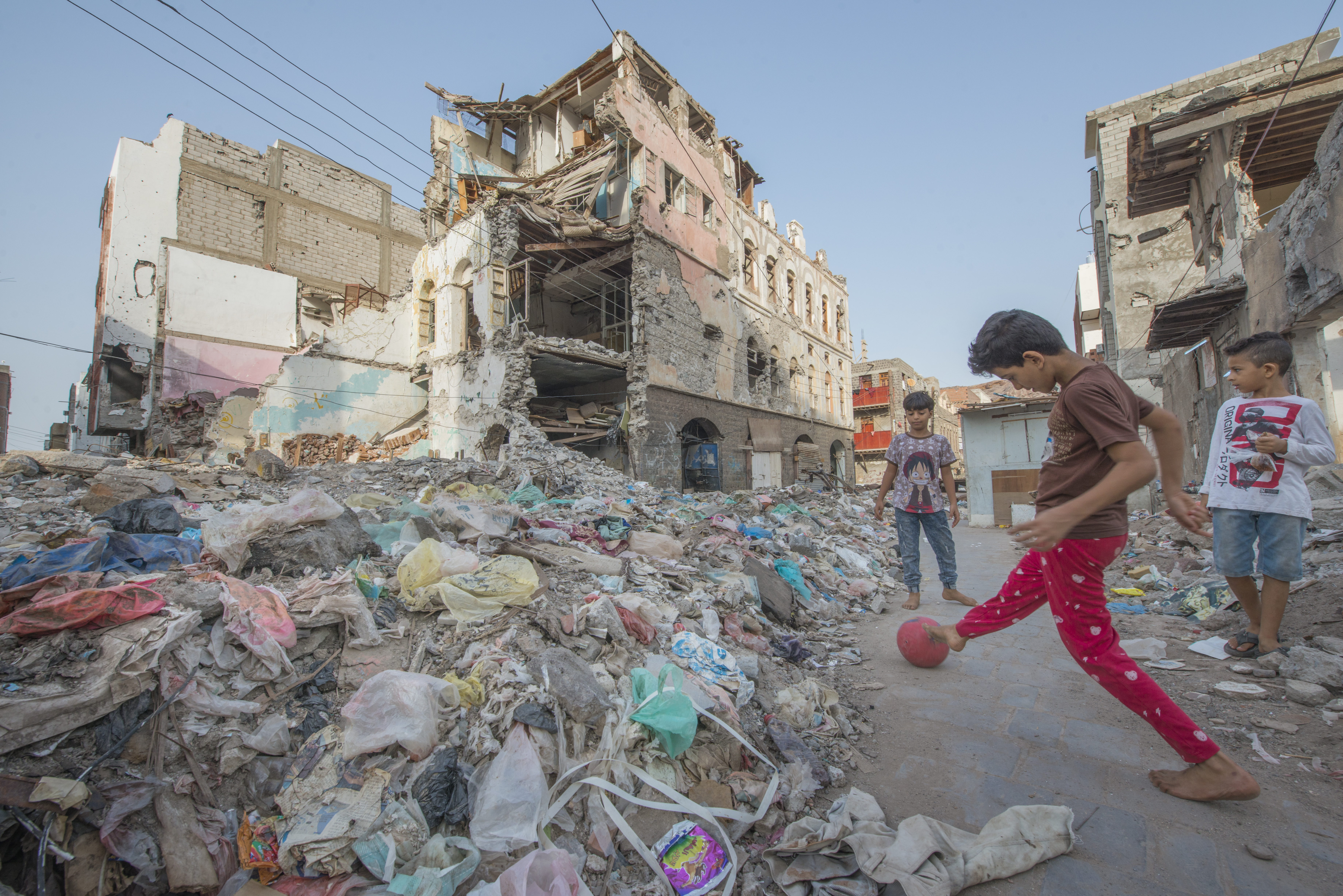
Yemeni children play in the rubble of buildings destroyed in an air raid. (C) Peter Biro/European Union
Since the Association of World Citizens (AWC) had been following possible constitutional developments in Yemen after the 2011 change of government, a couple of days after the March 25, 2015 bombing, the AWC sent to governmental missions to the United Nations (UN) an AWC Appeal for four steps of conflict resolution and negotiations in good faith:
1) An immediate ceasefire ending all foreign military attacks; 2) Humanitarian assistance, especially important for hard-to-reach zones; 3) A broad national dialogue; 4) Through this dialogue, the establishment of an inclusive unity government open to constitutional changes to facilitate better the wide geographic- tribal structure of the State.
While the constitutional form of the State structures depends on the will of the people of Yemen (provided they can express themselves freely), the AWC proposes consideration of con-federal forms of government which maintain cooperation within a decentralized framework. In 2014, a committee appointed by the then President, Abdu Rabbu Mansur Hadi, had proposed a six-region federation as the political structure for Yemen.
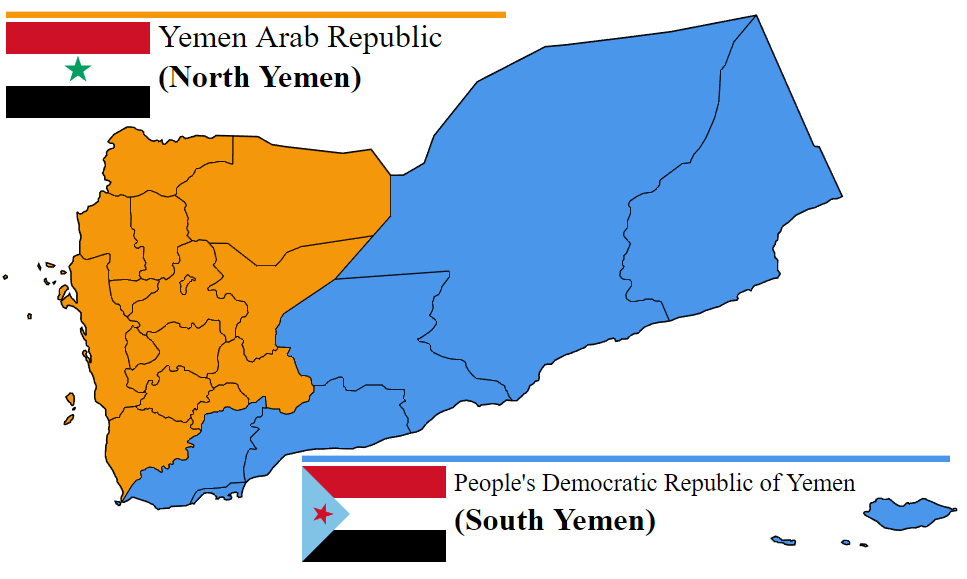
Until 1990, Yemen was two separate States: The People’s Democratic of Yemen in the south with Aden as the capital, and the Yemen Arab Republic in the north with Sana’a as its capital. In 1990, the two united to become the Republic of Yemen. The people in the south hoped that the union would bring the economic development which had been promised. Since, even before the Saudi-led war began, there had been very little economic and social development in the south, there started to grow strong “separatist” attitudes in the south. People of all political persuasions hoped to develop prosperity by ending unification and creating what some have started calling “South Arabia” Today, these separatist attitudes are very strong, but there is no agreement on what areas are to be included in a new southern state, and the is no unified separatist political leadership.
Very quickly after March 25, 2015, many governments saw the dangers of the conflict and the possible regional destabilization. Thus, there were UN-sponsored negotiations held in Geneva in June 2015. The AWC worked with other nongovernmental organizations (NGO) so that women should be directly involved in such negotiations. However, women have not been added to any of the negotiations and are largely absent from any leadership role in the many political factions of the country. There have been UN mediators active in trying to get ceasefires and then negotiations. There have been some temporary ceasefires, but no progress on real negotiations.
Today, the war continues with the country’s fragmentation, continued internal fighting and impoverishment leading to a disastrous humanitarian crisis. There is a glimmer of possible conflict resolution efforts due to the recent mutual recognition of Saudi Arabia and Iran under the sponsorship of the People’s Republic of China. However, creating a national society of individuals willing to cooperate will not be easy. Regional divisions will not be easy to bridge. There have already been divisions within the Saudi-led Coalition. Thus, positive action is still needed. NGOs should seek to have their voices heard.
Prof. René Wadlow is President of the Association of World Citizens.
The Association of World Citizens (AWC) calls for urgently needed tension-reduction measures in the Israel-Palestine-Lebanon area.
Tensions have led to a barrage of missiles from Gaza and Lebanon and rapid Israeli missiles in return aiming at weakening Hamas and Hezbollah.
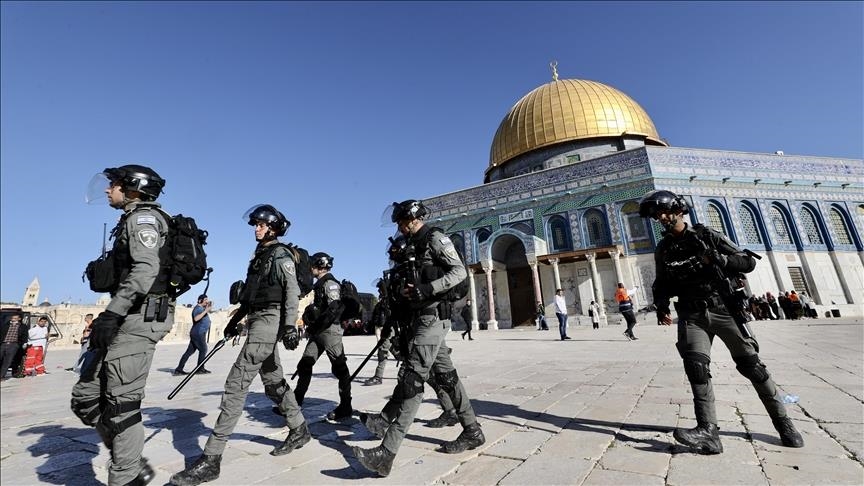
Growing tensions had led to Israeli police attacking Palestinian worshipers celebrating the holy month of Ramadan within the Al-Aqsa Mosque compound on April 5-6, 2023. The images of Israeli police firing teargas and beating worshipers were widely seen on social media outlets and other media.
Tensions in the area have been growing since the formation of the Netanyahu-led government with right-wing ministers. Government proposals for changes concerning the court system and the appointment of judges have led to strong and widespread protest demonstrations. However, Palestinian issues were not directly addressed by these demonstrations.
Tensions between Israel and Iran and Iranian-backed groups in Syria have also been growing. The dangers of further violence have been raised in the United Nations Security Council, but no positive actions were undertaken. United Nations peacekeeping forces in Lebanon are on “high alert”.
For the moment, there are no high-level public negotiations underway or planned. Thus, tension-reduction measures must be undertaken as unilateral measures by the government of Israel, the Palestinian Authority, and the government of Lebanon. Such tension-reduction measures are urgently needed but may be unlikely. Thus, the AWC calls upon civil society organizations and persons of good will to consider what measures can be taken immediately and what structures may be established so that tension-reduction processes continue. This is an urgent call for creative and courageous actions.
Prof. René Wadlow is President of the Association of World Citizens.
With the United States (U. S.) and Chinese military engaged near Taiwan, a miscalculation could lead to armed violence. The armed conflict in Ukraine has heightened the debate on the possibility of armed conflict between China and Taiwan. Tensions between the two Korean states remain high. The border clash between Indian and Chinese forces in June 2020 has highlighted residual tensions between the two countries. One could add other tensions in the Asia-Pacific area to the list.
Less obvious are the possibilities of confidence-building measures that would reduce these tensions and might open doors to cooperation in the security, economic and social spheres.
There are confidence-building measures that can be undertaken by governments. Whereas we, outside of governmental positions, can make suggestions as to steps that governments could take, we nevertheless have little possibility to oblige action by them. Thus, we have to consider what confidence-building measures we as academics and nongovernmental organization activists can undertake.
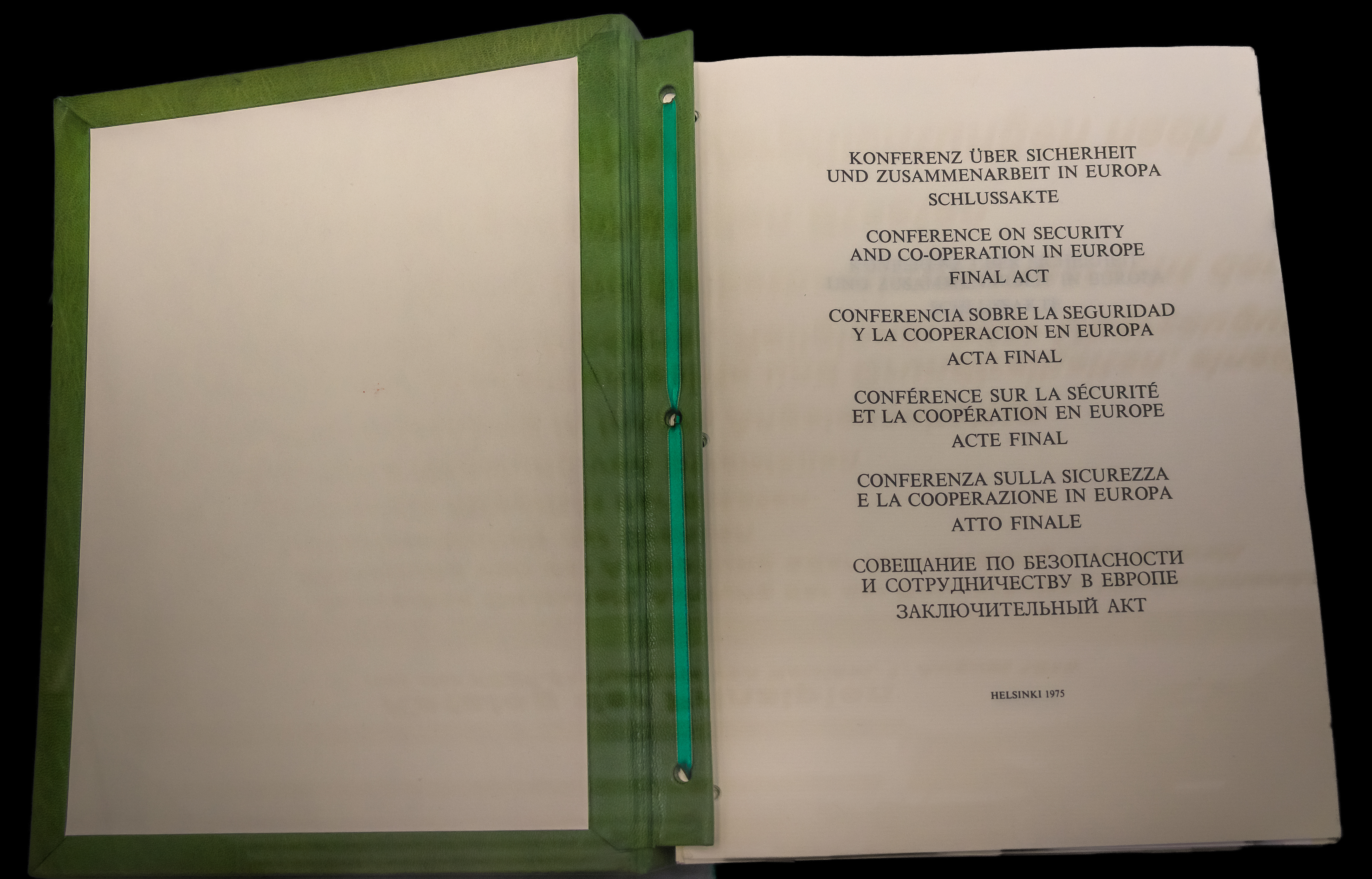
Fortunately, we have long experience of working to reduce the tensions between the USA and the Soviet Union (NATO and the Warsaw Pact) which led to the Helsinki Agreements and finally the end of the Cold War. Much of the analysis is still of value such as Mary Kaldor (Ed), Europe from Below (London: Verso: 1991). Many of the peace organizations that were involved are still in existence and could focus on Asia-Pacific issues.
There have also been efforts on confidence-building in the Israel-Palestine conflict and in the wider Middle East. Repeated efforts concerning tensions between India and Pakistan often focused on the tensions in Kashmir.
Today, there is a need to draw upon these experiences to impart conflict resolution skills to new individuals and groups, thereby building and expanding the constituencies working for conflict reduction measures. New participants can have backgrounds in psychology, religion, law and communications with experience in social movements and community action programs.
There is also a need to draw upon categories of people who were not directly involved in earlier efforts. Often women were marginalized not only in government negotiations but even in nongovernmental efforts. These processes of dialogue have a value in deepening understanding of a situation. However, the emphasis should be on developing proposals for confidence-building measures.
The Human Rights Council, building on the earlier practice of the United Nations (UN) Commission on Human Rights, has a number of Special Rapporteurs devoted to certain themes – usually specific violations of human rights – or to specific countries. These Special Rapporteurs are independent experts selected by the Council. They usually report their findings at each session of the Council. When violations concern more than one issue, there can be joint Reports to the Council or joint Appeals to a government. Such a collective Appeal to the government of Pakistan sent on October 26, 2022 was made public on January 15, 2023.
The joint Appeal by six Special Rapporteurs concerned the sequence of rape of young women, forced conversion to Islam, followed by marriage to the rapist. The Appeal was led by the Special Rapporteur on Freedom of Religion or Belief, the Special Rapporteur on Sexual Exploitation of Children, the Special Rapporteur on Violence against Women and Girls, and the Special Rapporteur on Trafficking in Persons, especially Women and Children. The subject of the Appeal is not new, having been raised previously by Nongovernmental Organizations (NGOs), including by the Association of World Citizens (AWC).
However, the Appeal by the Special Rapporteurs clearly identifies a systemic problem on which the Pakistani government has failed to act. The girls raped are usually minors under 18 years of age and belong to Hindu and Christian minorities of the country, often rural and poor. Most Christians in Pakistan are converts from low caste or “untouchables” (Dalit) Hindus. Seeing no future within the Hindu-influenced caste system, they converted to Christianity which has no caste structure. Most of the Pakistani Hindus and Christians are illiterate and have little or no political influence.
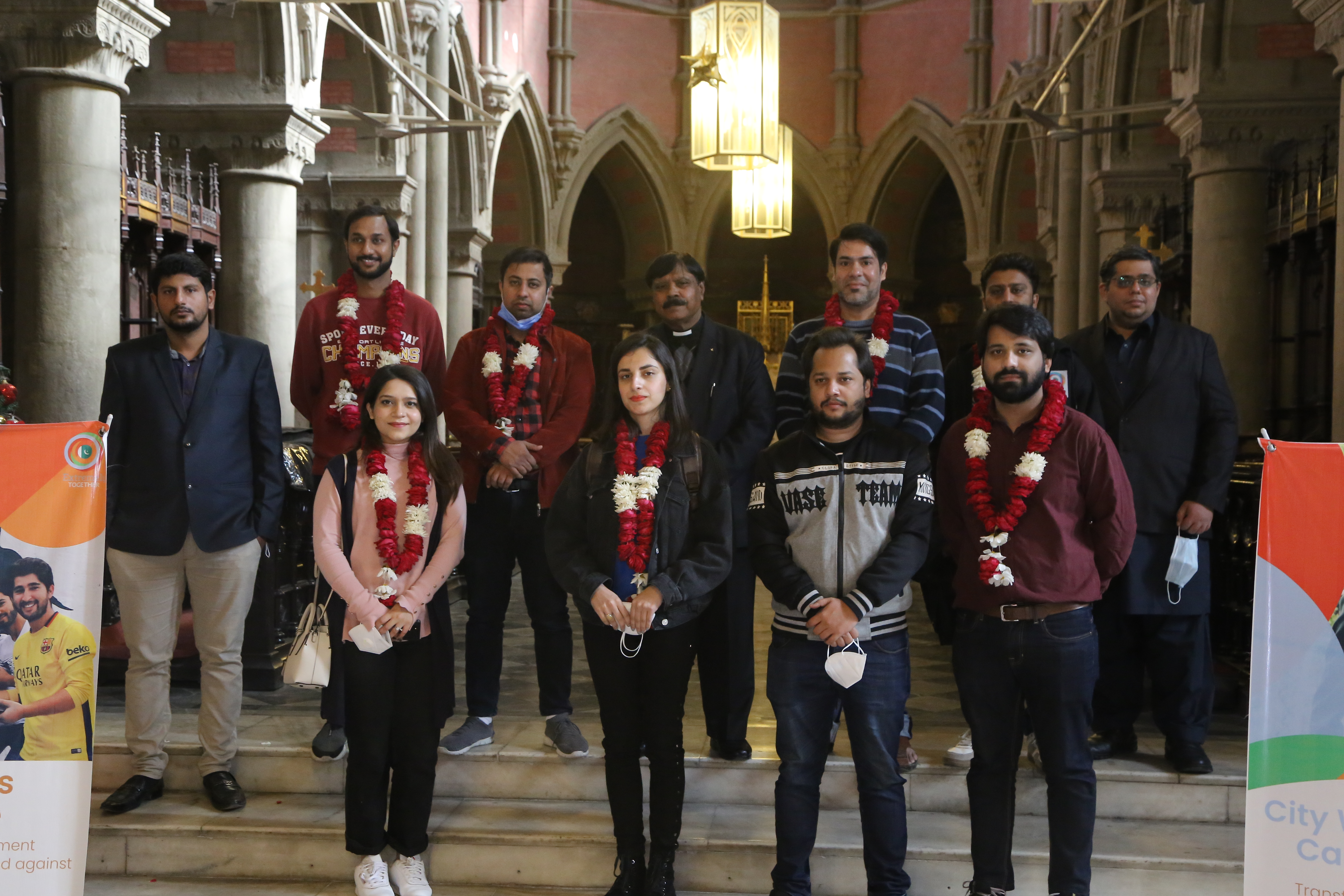
A peace tour arranged by different social activists and minority rights activists in Lahore, Pakistan, with the participation of Muslim, Christian and Hindu youth. (C) RedMiNote
The Pakistani police and the court employees are agents of these human rights violations. Illiterate parents sign with a thumbprint document that they do not understand and are then filled in by the police to attest that the girl is older than 18, the legal age for marriage. If the girl or her family agrees to the marriage with the rapist, the rapist cannot be arrested and tried for the rape. As the practice takes place usually in rural areas, there are few if any NGOs to take up the specific cases. Urbanized Christian groups in Pakistan have made some protests of the practice but are often unaware of the specific rural cases.
NGOs have brought evidence of the practice to the attention of the Geneva-based Special Rapporteurs. When a human rights violation is given to the UN human rights secretariat, it is sent on to the Geneva-based Ambassador of the country mentioned. The Ambassador may not reply at all or more usually will reply saying that the facts are incorrect or deliberately misleading. However, as in the Pakistani case, the evidence piles up. In this current situation, there is, two months ago, a newly appointed High Commissioner for Human Rights, Volker Turk, formerly UN Undersecretary-General for Policy. The Special Rapporteurs may have wanted to see how he will act on violations of a powerful country. The situation in Pakistan merits close watching.
Prof. René Wadlow is President of the Association of World Citizens.
In the early hours of December 19, 2022, the delegates to the United Nations (UN) Convention on Biodiversity (COP 15) reached an agreement on a Biodiversity Framework after 12 days of intense negotiations. The theme of COP 15 was “Ecological Civilization: Building a shared future for all life on earth”. There were some 15,000 persons present during the meetings: government delegates, some 70 Nongovernmental Organizations (NGOs), academic research institutes and business companies. The global biodiversity framework, to be called the “Kunming-Montreal Framework”, sets out to protect at least 30 percent of the world’s land and water by 2030. Montreal, Canada, is the headquarters of the UN Secretariat of the Convention on Biodiversity, and Kunming is the city in the People’s Republic of China where the conference was to be held but was changed because of COVID 19 restrictions.
There is general agreement among specialists that world-wide there is a loss of biodiversity due to a number of factors such as increase in mono-culture agriculture, livestock grazing, the loss of forest lands through lumbering and firewood gathering, overuse of pesticides and the growth of urbanization. Many ecosystems are under stress and facing degradation. The tree and plant cover of the world have been taking increasing losses in almost all parts of the world. There is also the impact of climate change and a lack of rainfall in some parts of the world.
As with many UN conferences, a key issue of discussion is finance. The protection of biodiversity and the restoration of degraded areas costs money without necessarily bringing in new financial wealth. There is a Global Environment Facility which is called upon to manage increase funds.
It is hoped that NGOs can play a vital role at the international level on biodiversity protection. At the national level in many countries, NGOs have played an important role in the creation of national parks and protected areas. Can they play a vital role at the international level? While there are some long-standing international ecological organizations, none yet have been able to mobilize a wide international public opinion. However, what was new at Montreal was the concerted effort of women’s organizations to have a gender focus put into the Framework for the first time. They were successful, and the Framework states that the Framework should “ensure gender equality in the implementation of the Framework through a gender-responsive approach where all women and girls have equal opportunity and capacity to contribute to the objectives of the Convention, including by recognizing their equal rights and access to land and natural resources and their full, equitable, meaningful and informed participation and leadership at all levels of action, engagement, policy, and decision-making related to biodiversity.”
There is also a growing movement among young people for the safeguard of biodiversity who may watch closely at the ways the Framework leads to action. As Marco Lambertini, Director General of World Wildlife Fund International, said, “The agreement represents a major milestone for the conservation of our natural world, and biodiversity has never been so high on the political and business agenda, but it can be undermined by slow implementation and failure to mobilize the promised resources. Governments have chosen the rights side of history in Montreal, but history will judge us all if we don’t deliver on the promise made today.”
Prof. René Wadlow is President of the Association of World Citizens.
When the Convention on the Rights of the Child was unanimously adopted by the United Nations General Assembly on November 20, 1989, governments took a major step forward in establishing a framework of world law to protect the basic dignity and rights of children in all parts of the world. Thus, on 20 November, we remember with gratitude those who worked to develop the concepts and reality of the Rights of the Child but also to measure the tasks that are before us, especially as members of nongovernmental organizations (NGOs). This universal framework is based on the principle that each child should have the possibility to develop into an active and responsible member of society. The way in which a society treats its children reflects not only its qualities of compassion and protective caring, but also its sense of justice, its commitment to the future and its urge to better the human condition for continuing generations.
The effort to create a legal framework for the welfare of the child began early in the League of Nations efforts with the Geneva Declaration of the Rights of the Child of 1924 which was largely based on a text written by the then newly established NGO “Save the Children International Union”. Child welfare has always been a prime example of cooperative efforts among governments, scholars highlighting the conditions of children, and NGOs working actively in the field. The Geneva Declaration served as the basis for the UN General Assembly resolution on the Declaration of the Rights of the Child adopted also on November 20, 1959. The 1959 Declaration was followed with more specific provisions of the Declaration on Social and Legal Principles relating to the Protection and Welfare of Children, the UN Standard Minimum Rules for the Administration of Juvenile Justice, and the Declaration on the Protection of Women and Children in Emergency and Armed Conflict.
In 1978, some representatives of both governments and NGOs in the UN human rights circles in Geneva felt that it was time to bring together these different declarations and provisions into a single text that would have the legal force of a UN convention. The Polish delegation to the UN Commission on Human Rights took the lead in this effort, but some governments felt that the different declarations needed to be closely reviewed and measured against changing realities. Thus, a Special Working Group on the Rights of the Child was created in 1979 under the chairmanship of the Polish representative, the legal specialist Adam Lopatka. Government and NGO representatives worked together from 1979 to 1988 for a week each year. There was a core group, including the Association of World Citizens (AWC), which worked steadily and represented a wide range of different beliefs, values and traditions, as well as a wide range of socio-economic realities.
As a result of serious discussions, the Convention covers a wide range of human rights which can be summarized as the three “Ps”: provision, protection, and participation. Each child has the right to be provided with certain things and services, such as a name and a nationality, to health care and education. Each child has a right to be protected from certain acts such as torture, exploitation, arbitrary detention, and unwarranted removal from parental care. Each child has a right to participate in decisions affecting their lives as well as in community life.
The Working Group managed to come to a consensus on the final version in time for the General Assembly to adopt it on November 20, 1989, the anniversary date of the Declaration. The Convention on the Rights of the Child is meant to provide guidance for governments to review national legislation and policies in their child-related initiatives. It is by examining national law and policy and the effectiveness of government structures and mechanisms that progress can be measured. The Convention also provides a framework of goals for the vital activities of NGOs. NGOs work on two lines simultaneously: to remind governments of their obligations through approaches to ministries, elected officials and the media and to undertake their own operational efforts.
To help governments to fulfill their obligations and to review national practices, a Committee on the Rights of the Child was created as called for in article 43 of the Convention. The Committee is composed of 10 independent experts elected for a four-year term by the States which have ratified the Convention. The Committee usually meets three times a year for a month each time in Geneva to review and discuss reports submitted by governments, once every four years. The sessions of the Committee are largely carried out in a non-confrontational dialogue with an emphasis on “unmet needs”. The discussion usually lasts six to nine hours for each country. The Committee members have received information and suggestions from NGOs in advance. The Committee members ask many questions and, based on the government’s responses, make suggestions for improving the promotion and protection of children’s rights in the country.
By creating a common legal framework of world law, the Convention on the Rights of the Child has increased levels of governmental accountability, bringing about legislative and institutional reforms, and increasing international cooperation. As James P. Grant, then UNICEF’s Executive Director, said, “Transcending its detailed provisions, the Convention on the Rights of the Child embodies the fundamental principle that the lives and the normal development of children should have first call on society’s concerns and capacities and that children should be able to depend upon the commitment in good times and in bad, in normal times and in times of emergency, in times of peace and in times of war, in times of prosperity and in times of recession.
(C) UNICEF ROSA
Prof. René Wadlow is President of the Association of World Citizens.
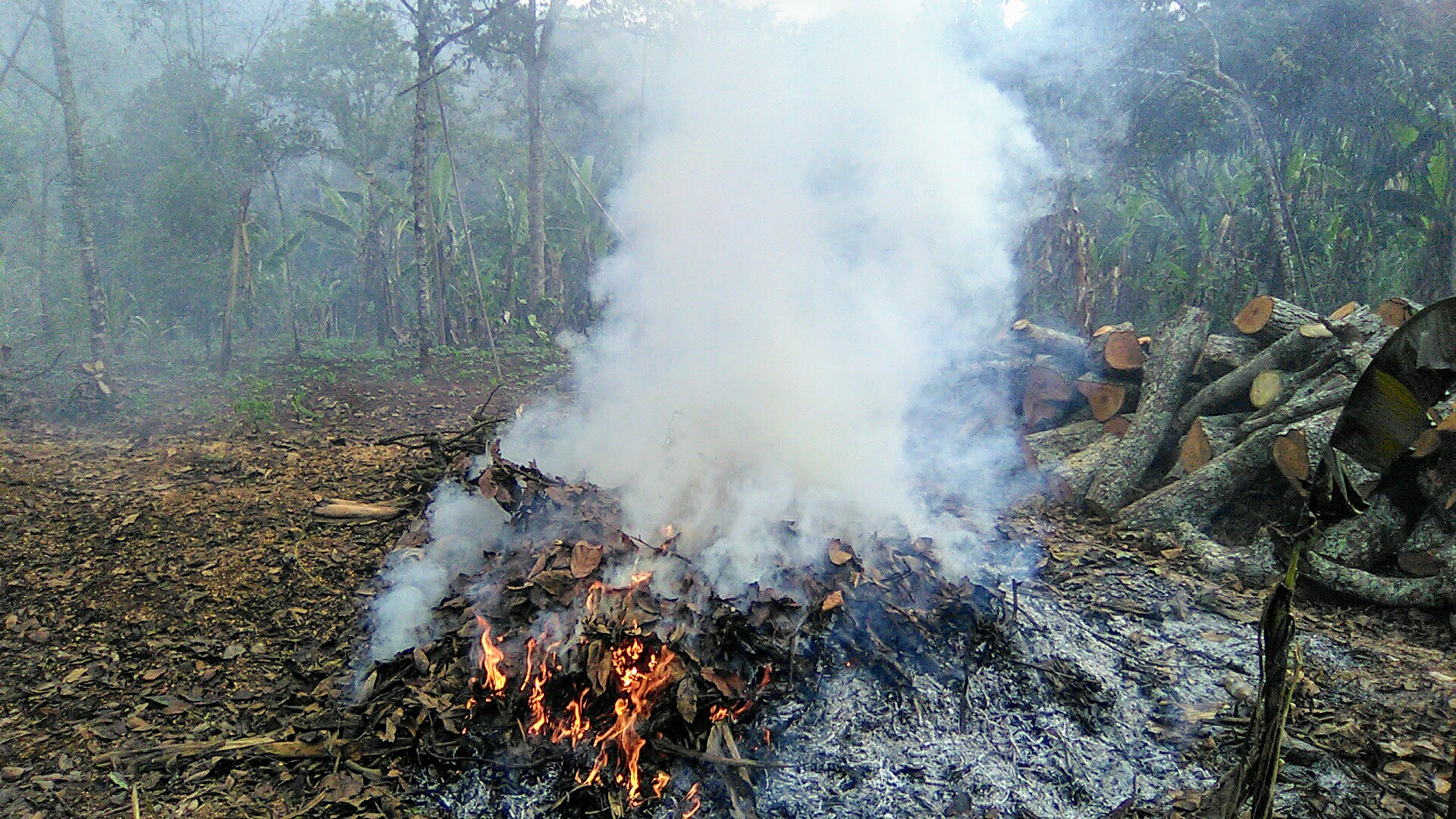
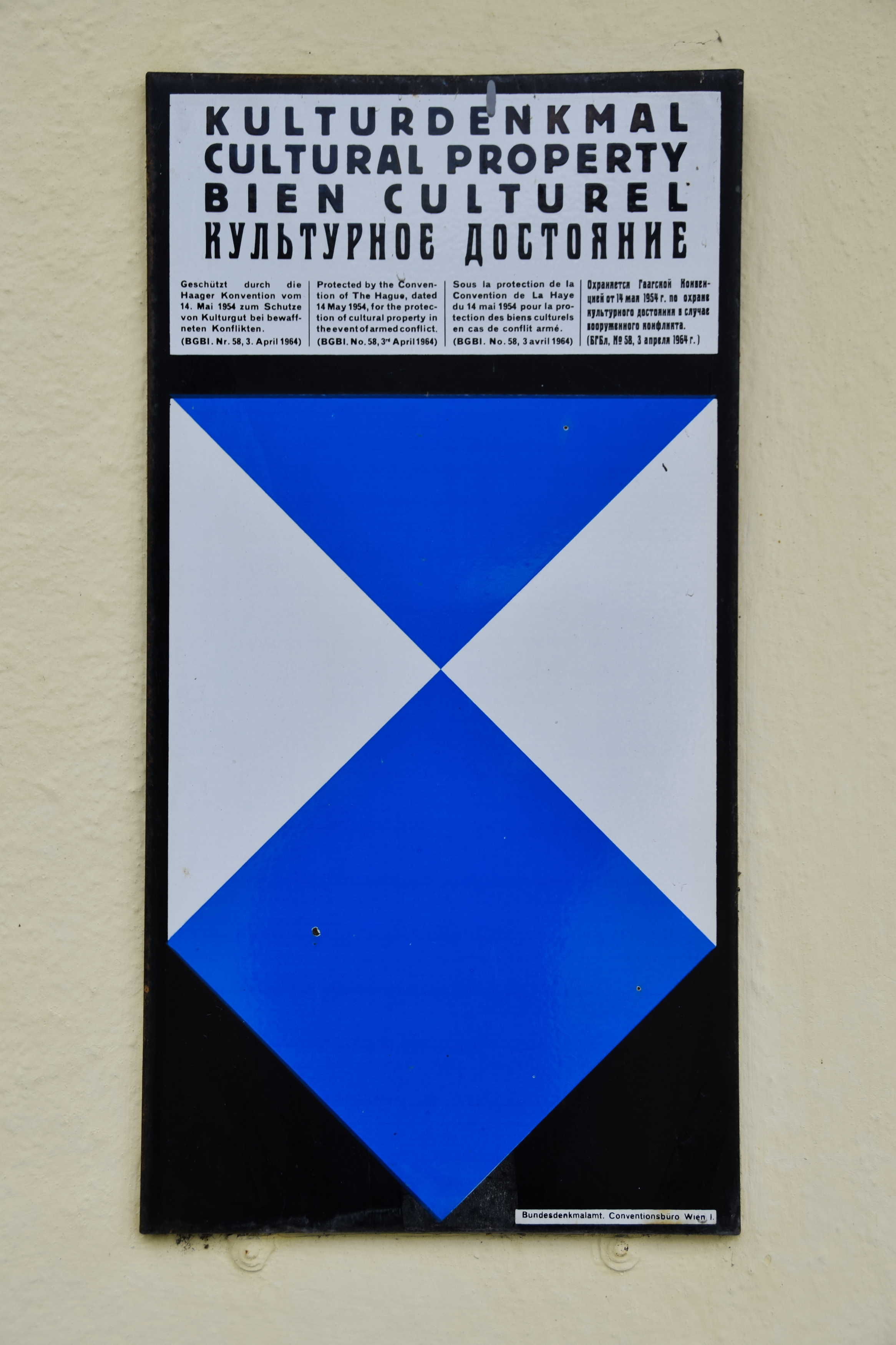
November 6 is set by the United Nations (UN) General Assembly in Resolution A/RES/56/4 as the International Day for Preventing the Exploitation of the Environment in War and Armed Conflict. Throughout history, in armed conflicts, water wells have been poisoned, crops set on fire, forests cut down, and animals killed to gain military advantage. Today, many armed conflicts have been linked to the exploitation of natural resources such as timber, diamonds, and fertile land and water.
The Association of World Citizens (AWC) has stressed that protection of the environment needs to be an important part of conflict prevention. The resource base that people depend upon for their livelihood needs to be safeguarded. Most recently, the AWC has highlighted the deliberate destruction of food-related resources in the armed conflict between the Ethiopian federal forces and the opposition movements in Tigray.
Humera in Tigray near the border with Sudan and Eritrea (C) Jnyssen
Since November 4, 2020, fighting has gone on in Tigray with the deliberate destruction of crops and agricultural infrastructures. UN-led humanitarian food relief was prevented from entering the area. Fortunately, at the start of November 2022, a ceasefire and a peace agreement facilitated by the African Union (AU) was signed in South Africa where the negotiations had been held. The AU has designated a team of 10 persons to follow up the process. However, the restoration of the agricultural infrastructure will be a lengthy process. It is not sure that all the factions involved will agree to the ceasefire. The situation merits a close watch.
There are currently other conflicts linked to natural resources, such as those in the Democratic Republic of Congo. The International Day must serve as a reminder, but efforts of protection need to be permanent. The AWC will continue its efforts.
Prof. René Wadlow is President of the Association of World Citizens.
Seeing with eyes that are gender aware, women tend to make connections between the oppression that is the ostensible cause of conflict (ethnic or national oppression) in the light of another cross-cutting one: that of gender regime. Feminist work tends to represent war as a continuum of violence from the bedroom to the battlefield, traversing our bodies and our sense of self. We glimpse this more readily because as women we have seen that ‘the home’ itself is not the haven it is cracked up to be. Why, if it is a refuge, do so many women have to escape it to “refuges”? And we recognize, with Virginia Woolf, that ‘the public and private worlds are inseparably connected: that the tyrannies and servilities of one are the tyrannies and servilities of the other.
Cynthia Cockburn, Negotiating Gender and National Identities
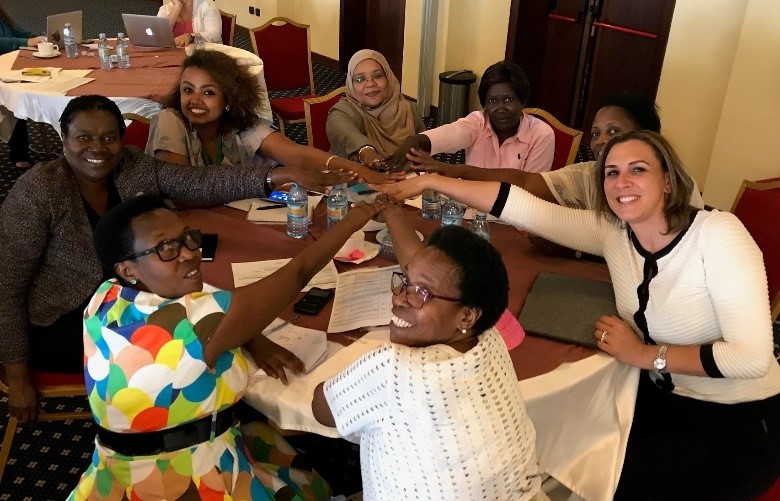
October 31 is the anniversary of the United Nations (UN) Security Council Resolution 1325 which calls for full and equal participation of women in conflict prevention, peace processes, and peacebuilding, thus creating opportunities for women to become fully involved in governance and leadership. This historic Security Council resolution 1325 of October 31, 2000 provides a mandate to incorporate gender perspectives in all areas of peace support. Its adoption is part of a process within the UN system through its World Conferences on Women in Mexico City (1975), in Copenhagen (1980), in Nairobi (1985), in Beijing (1995), and at a special session of the UN General Assembly to study progress five years after Beijing (2000).
Since 2000, there have been no radical changes as a result of Resolution 1325, but the goal has been articulated and accepted. Now women must learn to take hold of and generate political power if they are to gain an equal role in peace-making. They must be willing to try new avenues and new approaches as symbolized by the actions of Lysistrata.
Lysistrata, immortalized by Aristophanes, mobilized women on both sides of the Athenian-Spartan War for a sexual strike in order to force men to end hostilities and avert mutual annihilation. In this, Lysistrata and her co-strikers were forerunners of the American humanistic psychologist Abraham Maslow who proposed a hierarchy of needs: water, food, shelter, and sexual relations being the foundation (see Abraham Maslow, The Farther Reaches of Human Nature). Maslow is important for conflict resolution work because he stresses dealing directly with identifiable needs in ways that are clearly understood by all parties and with which they are willing to deal at the same time.
Addressing each person’s underlying needs means that one moves toward solutions that acknowledge and value those needs rather than denying them. To probe below the surface requires redirecting the energy towards asking “What are your real needs here? What interests need to be serviced in this situation?” The answers to such questions significantly alter the agenda and provide a real point of entry into the negotiation process.
It is always difficult to find a point of entry into a conflict. An entry point is a subject on which people are willing to discuss because they sense the importance of the subject and all sides feel that “the time is ripe” to deal with the issue. The art of conflict resolution is highly dependent on the ability to get to the right depth of understanding and intervention into the conflict. All conflicts have many layers. If one starts off too deeply, one can get bogged down in philosophical discussions about the meaning of life. However, one can also get thrown off track by focusing on too superficial an issue on which there is relatively quick agreement. When such relatively quick agreement is followed by blockage on more essential questions, there can be a feeling of betrayal.
Since Lysistrata, women, individually and in groups, have played a critical role in the struggle for justice and peace in all societies. However, when real negotiations begin, women are often relegated to the sidelines. However, a gender perspective on peace, disarmament, and conflict resolution entails a conscious and open process of examining how women and men participate in and are affected by conflict differently. It requires ensuring that the perspectives, experiences and needs of both women and men are addressed and met in peace-building activities. Today, conflicts reach everywhere. How do these conflicts affect people in the society — women and men, girls and boys, the elderly and the young, the rich and poor, the urban and the rural?
There has been a growing awareness that women and children are not just victims of violent conflict and wars −’collateral damage’ − but they are chosen targets. Conflicts such as those in Rwanda, the former Yugoslavia and the Democratic Republic of Congo have served to bring the issue of rape and other sexual atrocities as deliberate tools of war to the forefront of international attention. Such violations must be properly documented, the perpetrators brought to justice, and victims provided with criminal and civil redress.
I would stress three elements which seem to me to be the ‘gender’ contribution to conflict transformation efforts:
1) The first is in the domain of analysis, the contribution of the knowledge of gender relations as indicators of power. Uncovering gender differences in a given society will lead to an understanding of power relations in general in that society, and to the illumination of contradictions and injustices inherent in those relations.
2) The second contribution is to make us more fully aware of the role of women in specific conflict situations. Women should not only be seen as victims of war: they are often significantly involved in taking initiatives to promote peace. Some writers have stressed that there is an essential link between women, motherhood and non-violence, arguing that those engaged in mothering work have distinct motives for rejecting war which run in tandem with their ability to resolve conflicts non-violently. Others reject this position of a gender bias toward peace and stress rather that the same continuum of non-violence to violence is found among women as among men. In practice, it is never all women nor all men who are involved in peace-making efforts. Sometimes, it is only a few, especially at the start of peace-making efforts. The basic question is how best to use the talents, energies, and networks of both women and men for efforts at conflict resolution.
3) The third contribution of a gender approach with its emphasis on the social construction of roles is to draw our attention to a detailed analysis of the socialization process in a given society. Transforming gender relations requires an understanding of the socialization process of boys and girls, of the constraints and motivations which create gender relations. Thus, there is a need to look at patterns of socialization, potential incitements to violence in childhood training patterns, and socially-approved ways of dealing with violence.
The Association of World Citizens has stressed that it is important to have women directly involved in peace-making processes. The strategies women have adapted to get to the negotiating table are testimony to their ingenuity, patience, and determination. Solidarity and organization are crucial elements. The path may yet be long, but the direction is set.
Prof. René Wadlow is President of the Association of World Citizens.