The Official Blog of the

Archive for the ‘Spirituality’ Category

BOOK REVIEW: Karine Martin, “Monastic Daoism Transformed: The Fate of the Thunder Drum Lineage”

In Asia, Book Review, Cultural Bridges, Human Rights, Religious Freedom, Spirituality on August 14, 2025 at 6:20 AM

By René Wadlow

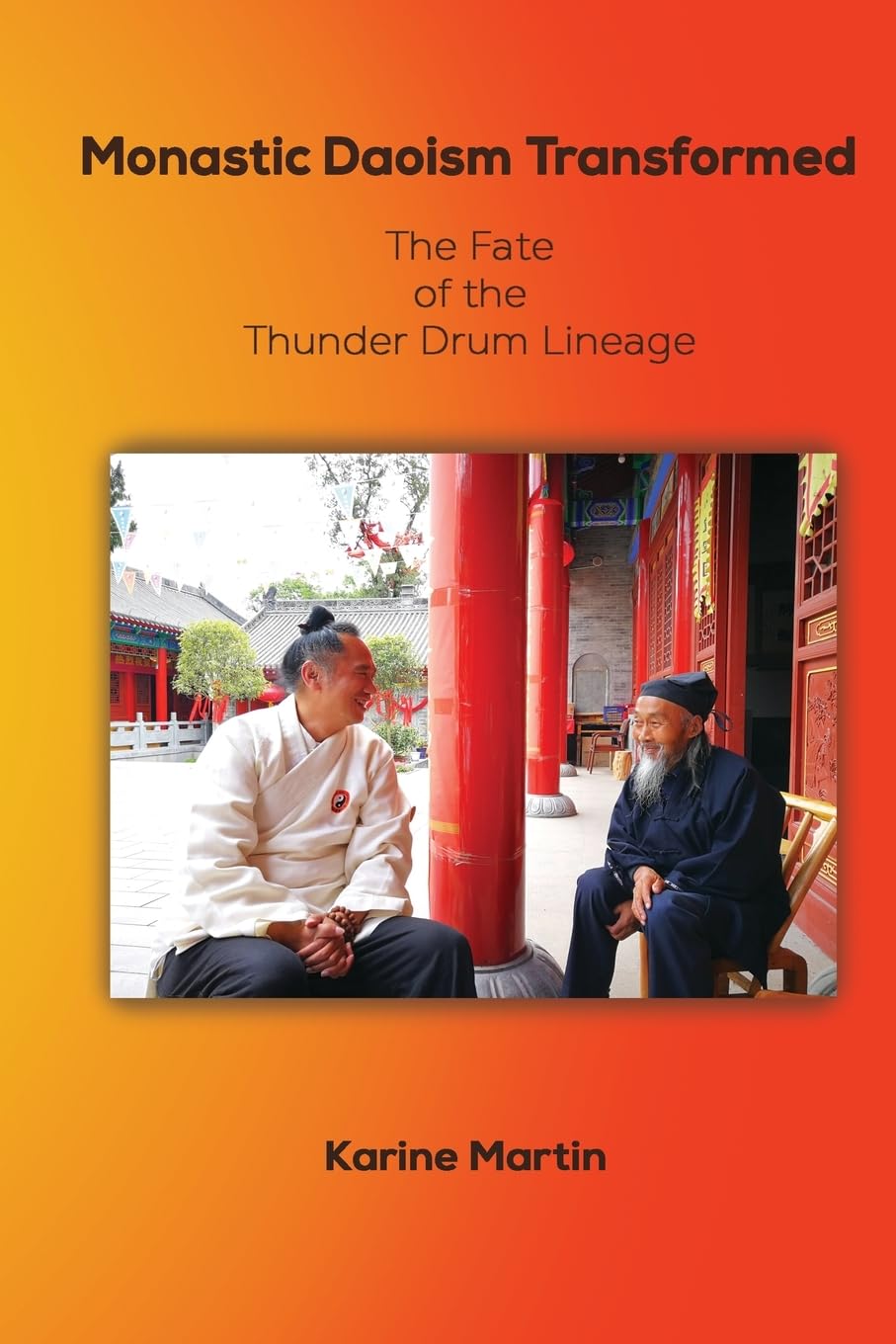
Karine Martin, Monastic Daoism Transformed: The Fate of the Thunder Drum Lineage.

Three Pines Press, 2025, 177pp.
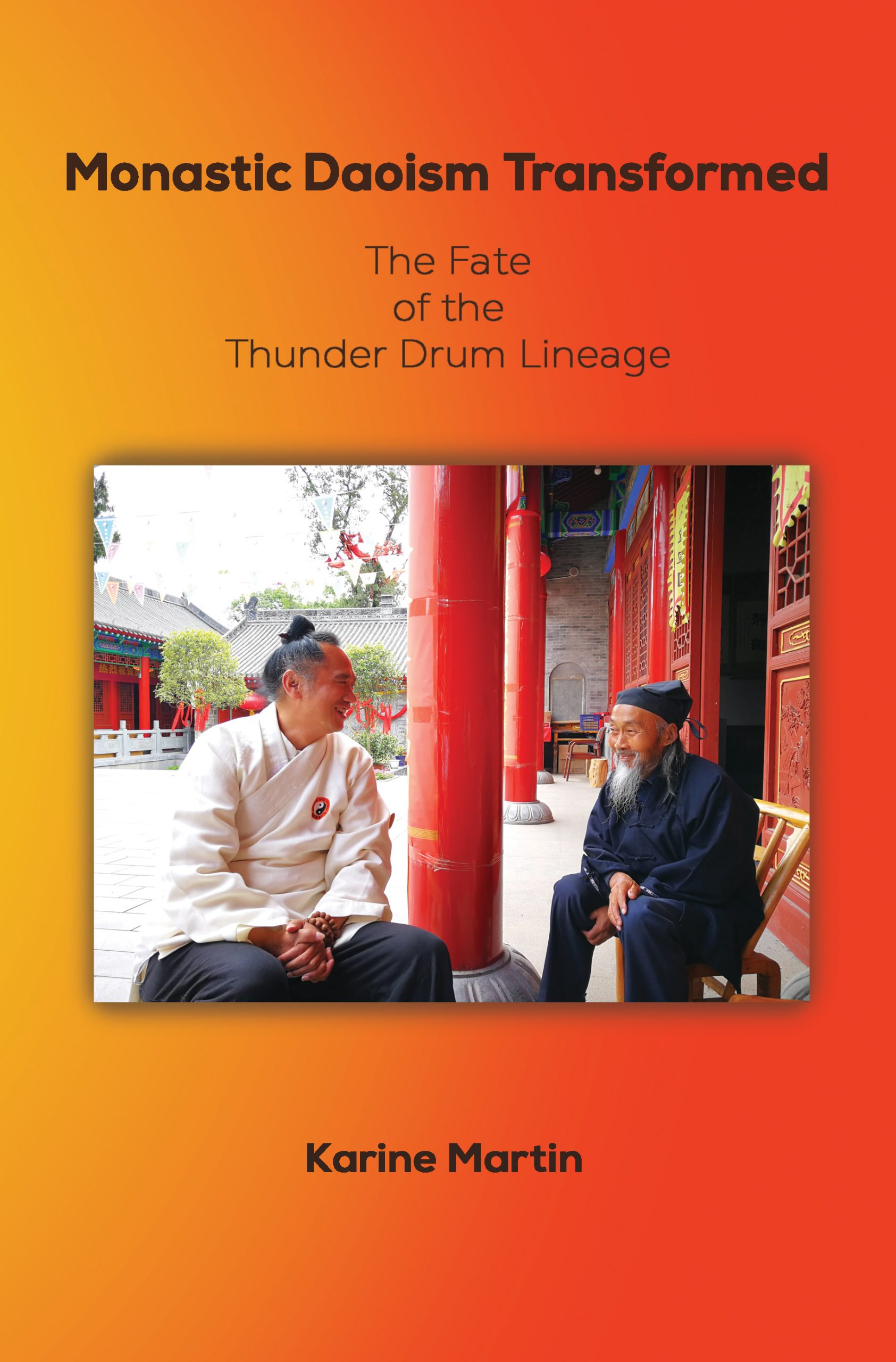
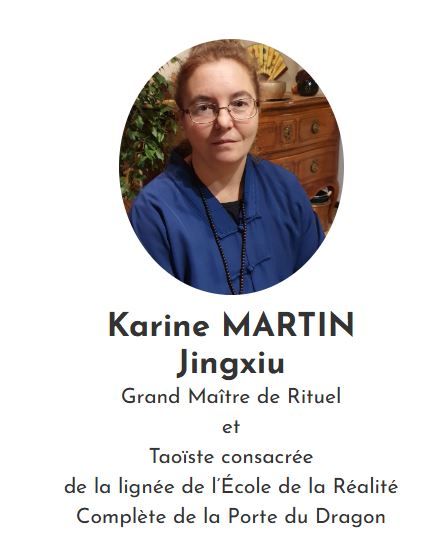
Karine Martin, author of this useful overview of the Chinese Government’s attitude toward Daoist clergy, was able to travel widely in China, visiting more than 100 Daoist temples, especially those of the Thunder Drum lineage to which she belongs.

Since 2017, there has been a Chinese government policy called “Sinicization” in keeping with Xi Jinping’s Thought on Socialism with Chinese Characteristics for a New Era.

Sinicization requires all religious organizations to modify their doctrines and activities so that they match what is considered Han Chinese culture. Authorities have removed crosses from Christian churches and demolished minarets from Islamic mosques. Clergy from all religions are required to attend indoctrination courses on a regular basis. Chinese governments, both Nationalist and Communist, officially recognized five religions: Daoism, Buddhism, Islam, Catholicism and Protestantism.

Some religious groups are considered subversive and are outlawed and their members persecuted such as Falun Gong. During the “Cultural Revolution” (1966 to 1976, ending with the death of Chairman Mao Zedong), religion as such was considered to be one of the “four olds” to be destroyed. Churches and temples were closed. In Tibet, there was widespread destruction of temples. Monks were forced into civilian life. Today, the current policy is to keep religious organizations but to make sure that they do not slip out of control.

As Karine Martin writes,

“Everywhere I went, I found temples in a state of decline and disarray. There were no devotees, much fewer clergy, and minimal activities. Buildings were in disrepair, and there was very little renovation and construction. The overall atmosphere was one of desolation and despair… Temple websites – so strongly developed just a decade ago – now only speak about Xi Jinping Thought and ways of complying with government guidelines… Since all clergy were forced to rejoin secular society during the Cultural Revolution, many got married and had children yet later returned to their monasteries. The marriages often continued, if at long distance, allowing priests to fulfill their spiritual calling while yet having families. Now this is no longer possible, and monks either have to leave the monastery or produce a document that they have obtained a divorce and are properly celebrate.”

Karine Martin has written a very complete picture of monastic Daoism, a development of her Ph.D. thesis based on field observations. However, there is a cultural Daoism which colors Chinese life, its folk religious practices with village shrines – all difficult to control. Daoism places much emphasis on dreams during which the dreamer encounters immortals and advanced masters. Dreams are by their nature difficult to control from outside. The interpretation of the dream is also individual. Dreams can also lead to forms of deep personal meditation in order to understand the significance of the dreams.

Daoism also stresses good health and long life. Deep breathing, massages, herbal remedies and yoga-style movements such as Taijjiquan and Qigong can be carried out without belonging to a Daoist organization.

Daoism also places an emphasis on the appreciation of nature, especially mountains, rivers, forests and well-structured gardens. An ecological concern is growing in China without a specific link to organized Daoism.

While the government may try to control organized Daoist organizations, its cultural manifestations are ever slipping out of control and may one day be manifested in political terms.

Prof. René Wadlow is President of the Association of World Citizens.
BOOK REVIEW: Philip Shepherd, “Radical Wholeness: The Embodied Present and the Ordinary Grace of Being”

In Arts, Being a World Citizen, Book Review, Cultural Bridges, Solidarity, Spirituality, The Search for Peace on August 5, 2025 at 7:00 AM

Philip Shepherd, Radical Wholeness: The Embodied Present and the Ordinary Grace of Being.

Berkeley: North Atlantic Books, 2017, 328 pp.

By Sarah Stewart-Brown

Philip Shepherd is unusual; at the age of 18, he relinquished a place to read physics at the University of Toronto, took a cheap flight to London, bought himself a bike and pedalled to Japan. For a year or more, he lived outside, sleeping rough, attuning to the natural world and the different cultures he passed through. What made him go was clarity that there was something wrong with the values, habits and behaviours of the culture he had grown up in, and what made him head for Japan was an experience of Noh Theatre – a timeless, deeply spiritual style of acting.

He returned home with an ability to see the way the Western world’s view of the meaning of life blinds and binds us; in particular, the way we have valued the contribution or our ‘head centres’ over those of our ‘belly centres’ and ‘masculine’ attributes and aptitudes over ‘feminine’. Together with an ability to experience the world through the body, this gave him a radically different view of reality, one in which the wholeness and interconnectedness of everything was a given. He calls this ability Holosapience. Working as an actor and carpenter, raising his family in Toronto, he devoured books, spoke with many wise people and developed workshops in which he experimented with ways to pass on the abilities he had honed for himself.

This book, published in 2017 when he was in his 60s, is his second. It sets out his thesis and his solutions including some of the key practices of his workshops. His first book New Self, New World describes the journey to Japan and his discoveries in more detail. Philip’s thesis is that people who grow up in the Western world learn to live in their heads, prioritising cognitive intelligence over intelligence experienced in the body, exalting autonomy, independence, objectivity and the scientific method, and valuing knowledge over experience. He quotes the anthropologist who studied the Anlo Ewe peoples of West Africa because they seemed to be describing abilities Philip had developed on his journey. Teaching their children to ‘feel, feel at flesh inside’ they experience themselves as porous, feeling the world passing through them and changing them from moment to moment.

Such experiences reveal the essential fallacy of independence.

He goes on to describe the ways in which severing ourselves from the body’s intelligences has led us down paths that are destructive to life, ours and that of ‘all our relations’ a term indigenous Americans use to refer to the non-human world. His understanding of embodiment is different from that offered by other ‘embodiment’ teachers who invite us to ‘listen to the body’ and often to ‘direct the breath into the belly’. This, Philip would say, is not compatible with wholeness because it requires a separate part to be doing the listening and interpreting what it hears, and taking charge of the breath. Embodiment, he says, enables us to listen to the world through the body, attuning ourselves to the world through the body’s sensitivity and intelligence. We don’t develop this ability by doing, but by surrendering to the essential fluidity of the present. Embodiment enables self-knowledge, a world-centred, experiential understanding of self which promotes a sense of wonder, ease and humility, in contrast to objective knowledge which promotes a self-centred sense of accomplishment, power and entitlement.

Philip recognises that individuals may be born with different sensitivities with the implication that we may have different abilities, but he suggests that we can’t have too much sensitivity. The issue with sensitivity is reactivity. If we are able to receive and experience the world without reactivity, all sensitivity is valuable. So in learning to experience radical wholeness we need, he says, to develop the capacity to integrate the neuromuscular contractions and psychological defences from which the ego derives, so that we can receive and experience without reactivity. The pathway involves breathwork, learning to allow breath that moves the back and sides and is initiated by a release of the pelvic floor. It involves the experience of rest, where the opposite of rest is not movement but internal conflict. It teaches the development of receptivity in a world where doing is valued and receiving is not. And it involves the capacity to integrate contractions, defences and reactivity by becoming grounded.

Philip’s work, unlike other embodiment practices, goes beyond the belly centre (Hara, Tonden, Dan Tien or Kath of the spiritual traditions) and shines a light on the perineum, the small circular muscle at the centre of the pelvic floor, as the powerhouse of integration. His workshops show participants how to enable the energies of contraction to soften, dropping down to the pelvic bowl, and ultimately to the perineum and the feet. Key practices are described. Written with fluidity and clarity this book is inspirational and a delight to read.

Sarah Stewart-Brown is an Emeritus Professor of Public Health at University of Warwick.

BOOK REVIEW: Peter L. Wilson, “Peacock Angel: The Esoteric Tradition of the Yezidis”

In Being a World Citizen, Book Review, Conflict Resolution, Cultural Bridges, Human Rights, Humanitarian Law, International Justice, Middle East & North Africa, Modern slavery, Peacebuilding, Refugees, Religious Freedom, Solidarity, Spirituality, Syria, The Search for Peace, United Nations, War Crimes, Women's Rights, World Law on August 4, 2025 at 5:55 PM

By René Wadlow

Peter L. Wilson, Peacock Angel: The Esoteric Tradition of the Yezidis.

Rochester, VT, Inner Traditions, 2022, 272pp.

Peter Wilson, a specialist on the Middle East, has written a useful book on the religious framework of the Yezidis as seen by someone outside the Yezidi faith. A Yezidi website has been established by Yezidis living in Nebraska, USA: https://yeziditruth.org.

The yearly Sakharov Prize for Freedom of Thought awarded by the European Parliament was given on October 27, 2016 to Nadia Murad who is also the co-laureate of the 2018 Nobel Peace Prize. She had been taken captive by the forces of the Islamic State in Iraq and Syria (ISIS) in August 2014 and then sold into sexual slavery and forced marriage. She was able to escape with the help of a compassionate Muslim family and went to Germany as a refugee. She has become a spokesperson for the Yezidi, especially Yezidi women.

There are some 500,000 Yezidis, a Kurdish-speaking religious community living in northern Iraq. There were also some 200,000 Yezidis among the Kurds of Türkiye, but nearly all have migrated to Western Europe, primarily Germany as well as to Australia, Canada, and the USA.

There are also some Yezidi among Kurds living in Syria, Iran and Armenia. The Yezidis do not convert people. Thus, the religion continues only through birth into the community.

The structure of the Yezidi religious system is Zoroastrian, a faith born in Persia proclaiming that two great cosmic forces, that of light and good and that of darkness and evil are in constant battle. Humans are called upon to help light overcome darkness.

However, the strict dualistic thinking of Zoroastrianism was modified by another Persian prophet, Mani of Ctesiphon in the third century of the Common Era. Mani tried to create a synthesis of religious teachings that were increasingly coming into contact through travel and trade: Buddhism and Hinduism from India, Jewish and Christian thought, Hellenistic Gnostic philosophy from Egypt and Greece as well as many small belief systems.

Mani kept the Zoroastrian dualism as the most easily understood intellectual framework, though giving it a somewhat more Taoist (yin/yang) flexibility, Mani having traveled to China. He developed the idea of the progression of the soul by individual effort through reincarnation. Unfortunately, only the dualistic Zoroastrian framework is still attached to Mani’s name – Manichaeism. This is somewhat ironic as it was the Zoroastrian Magi who had him put to death as a dangerous rival.

Within the Mani-Zoroastrian framework, the Yezidi added the presence of angels who are to help humans in the constant battle for light and good, in particular Melek Tawsi, the peacock angel. Although there are angels in Islam, angels that one does not know could well be demons. Thus, the Yezidis are regularly accused of being “demon worshipers”.

The Yezidis have always been looked down upon by both their Muslim and Christian neighbors as “pagans”. The government of Saddam Hussein was opposed to the Yezidis not so much for their religious beliefs but rather because some Yezidis played important roles in the Kurdish community, seen as largely opposed to the government. The Yezidi community is still in socio-economic difficulty given the instability of the situation in Iraq.

Peter Wilson has written a useful introduction to this little-known faith.

Prof. René Wadlow is President of the Association of World Citizens.

BOOK REVIEW: Jean Boulton, “The Dao of Complexity: Making Sense and Making Waves in Turbulent Times”

In Asia, Being a World Citizen, Book Review, Cultural Bridges, Peacebuilding, Spirituality, The Search for Peace on August 4, 2025 at 6:40 AM

By Vasileios Basios, Ph.D.

Jean Boulton, The Dao of Complexity: Making Sense and Making Waves in Turbulent Times.

Berlin: De Gruyter Brill, 2024, 400 pp.

This remarkable book is distinguished by its illuminating exploration of the contemporary complex world, which is characterised by unpredictability, interconnectedness, and constantly changing flows.

Boulton’s book is intellectually invigorating and profoundly nourishing for the heart and spirit. This can be attributed to the author’s infectious enthusiasm and unique ability to translate sophisticated concepts into practical wisdom.

From the very first pages, the reader is immediately struck by a sense of illumination and inspiration. ‘The Dao of Complexity’ represents a distinctive synthesis of a treatise on systems theory and a philosophical musing on ancient wisdom. Furthermore, Boulton’s writing can be considered a form of activism. It is evident that the author employs a persuasive discourse, unique for its meticulous crafting and intimate style, to instigate a shift in perspective among the readership. This discourse serves as a catalyst, prompting novel interpretations of the intricacies and multifaceted nature of the world.

The book’s structure is so appealing, it invites you to just dip in and out, and to enjoy the thought-provoking reflections each time. Her text design is amazing. It is inspired by Daoist texts and, like these, it encourages serendipitous discovery and deep contemplation. This allows the reader to discover meaning and insights.

Here Complexity Daoism meet in a “remarkable resonance”, as she puts it, and in a vibrant resonant synthesis.

The author confidently masters two powerful traditions: the scientific study of complexity and the ancient philosophy of Daoism. Boulton masterfully unveils the deep connections between these worldviews, demonstrating that both emphasise process, emergence, and the interconnectedness of all things.

In these troubled times, with so many challenges to face – turbulence, pandemics, climate change, political unrest and wars – it’s easy to feel overwhelmed. But Boulton’s message is one of hope. She suggests that traditional, mechanistic ways of thinking are not the way to find solutions. Instead, she gently invites us to see the world as a dynamic, ever-evolving process, where outcomes are not always predictable and where our actions ripple outward in unexpected and hopeful ways.

The first part of the book, “Making Sense”, establishes this novel –but ancient– worldview. Drawing on the frontiers of quantum physics, neuroscience and political theory, Boulton confidently demonstrates that both our brains and minds as well as the world around us operate as complex, adaptive, innovating systems, constantly shaped by experience, interaction and feedback. She employs the Daoist concept of “the way that is made by walking” to demonstrate that the future is not a predetermined destination, but rather an attractor shaped by our choices and intentions.

Her perspective is liberating and challenging: it frees us from the illusion of total control and encourages humility and openness. She invites us to stay alert and attuned to subtle shifts for effective leadership and meaningful change.

The second part, “Making Waves”, is where the book really shines as a guide for action. In this, Boulton thoughtfully explores what it means to lead, innovate and create change in a world where outcomes are uncertain and linear planning often fails. She has so many stories and examples to share, covering everything from leadership and education to governance and personal growth. She shows us how to embrace complexity to create responses that are stronger, more caring and better able to adapt.

The book’s most powerful message is clear: we must learn to “make waves” without expecting to control the tide. Our actions matter, but their effects will always be shaped by the broader system in which they occur. This insight is vital for anyone engaged in social change, digital transformation or organisational leadership. Rather than clinging to rigid plans or over-relying on rules, Boulton shows us how to trust, foster creativity, and build cultures of loving, learning and adaptation.

The Dao of Complexity is the indispensable guide to the “big and pressing questions” of our time, including climate change, inequality and polarisation. It combines intellectual rigour and practical relevance with thoughtful guidance on how individuals and societies can respond with hope and determination. Her writing is characterised by a deep compassion and profound respect for the intricacies of human experience. She challenges readers to move beyond simplistic, quantitative measures of success and to value qualities like empathy, trust, and the capacity to hold paradox.

However, what made this book a really joyful and refreshing read is the fact that it is so accessible. I absolutely love how she makes even the trickiest concepts feel so welcoming and relatable. She has this remarkable ability to take these complex ideas and explain them in a way that’s so easy and deeply satisfying for everyone to understand, no matter what their background is.

In a world where control, measurement and certainty can sometimes feel like the only things we know and care about, Jean Boulton’s ‘The Dao of Complexity’ is like a warm breeze on a hot summer’s day. It’s a caring reminder to let go of the daily grind and embrace the beauty and wonder of life. I absolutely love this book. It’s one of those that will really get your creative juices flowing, fill your heart with joy and give you the courage to go out there and “make waves” in your own unique way.

I wholeheartedly recommend it! Read it again and again, for each time you will earn new insights and inspiration for our shared journey ahead.

Vasileios Basios is a Senior Researcher at the University of Brussels.

Day of Hope

In Being a World Citizen, Nonviolence, Solidarity, Spirituality, The Search for Peace, Track II, United Nations on July 12, 2025 at 7:00 AM

By René Wadlow

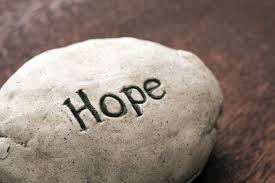
July 12 has been set by the United Nations (UN) General Assembly as the International Day of Hope to be celebrated each year as a moment of light in dark times. Hope is a powerful force for positive change and for a brighter future. Hope is an important element in developing a culture of peace. Hope helps us to overcome the serious challenges which face the world society.

The Association of World Citizens was among those working with progressive governments so that on March 4, 2025, the UN General Assembly voted to set July 12 each year as the Day of Hope. Hope must, of course, be translated into action. However, at this time when many felt hopeless in the light of armed violence and wide-spread violations of human rights, a day devoted to hope agreed to by such a large number of countries is a sign of common efforts for progress.

Hope can be encouraged by programs in schools and cultural centers – a possibility for creative action by all of us.

Prof. René Wadlow is President of the Association of World Citizens.

Kuan Yin: She Who Hears the Cries of the World

In Asia, Cultural Bridges, Solidarity, Spirituality, The Search for Peace on February 19, 2025 at 8:10 AM

By René Wadlow

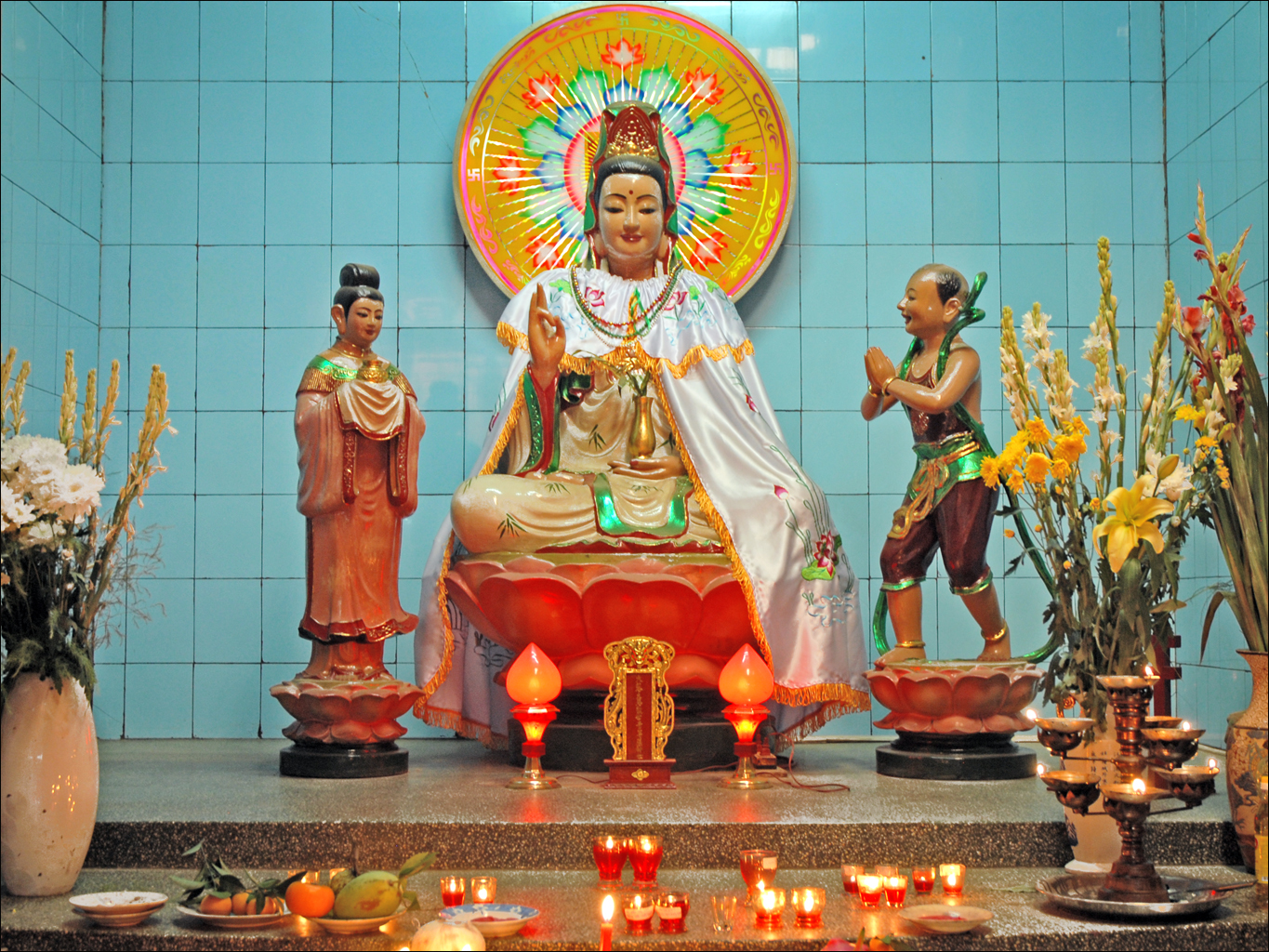
February 19, in countries influenced by Chinese culture, is a day devoted to honoring Kuan Yin, a feminine symbol, the Goddess of Compassion, “She who hears the cries of the world and restores harmony.” In Chinese culture, on February 19, offerings of incense are made to Kuan Yin, along with tea for wisdom and fruit for prosperity.

Today, at a time when humanity is increasingly working together to meet ecological challenges and to overcome ideological-led strife, the spirit of Kuan Yin presents us with an important call for a cultural renaissance based on the concept of harmony with visions of a better future. First, we must look carefully at the present. As the Taoist philosopher Huai Nan Tsu wrote, “The sage responds to everything with an unbiased mind, with a mind free from suppositions. He approaches all events and investigates the laws which govern them.”

At Ông Temple, Can Tho, Vietnam (C) Jean-Pierre Dalbéra

For Kuan Yin, her spirit leads to harmony which includes tolerance and forgiveness of past pains and conflicts. Kuan Yin embodies the virtues of karuna (compassion) and metta (loving kindness). In this way she strengthens the broad currents moving toward gentleness, kindness and inner peace. Kuan Yin, aware of the suffering caused by hateful speech, encourages loving speech and deep listening in order to bring joy and happiness to others and relieve them of their suffering.

Thus, on this February 19, we rededicate ourselves to the spirit of Kuan Yin. We strive to listen to the cries of the world and find ways to develop harmony.

Prof. René Wadlow is President of the Association of World Citizens.

China’s Taoists: Slipping Out of Control?

In Asia, Cultural Bridges, Human Rights, Literature, Religious Freedom, Solidarity, Spirituality on February 17, 2025 at 8:00 AM

By René Wadlow

A review of Monastic Daoism Transformed: The Fate of the Thunder Drum Lineage by Karine Martin (Three Pines Press, 2025, 177 pages)

Since 2017 there has been a Chinese government policy called “Sinicization” in keeping with Xi Jinping’s Thought on Socialism with Chinese Characteristics for a New Era.

Sinicization requires all religious organizations to modify their doctrines and activities so that they match what is considered Han Chinese culture. Authorities have removed crosses from Christian churches and demolished minarets from Islamic mosques. Clergy from all religions are required to attend indoctrination courses on a regular basis. Chinese governments, both Nationalist and Communist, officially recognized five religions: Daoism, Buddhism, Islam, Catholicism and Protestantism.

Some religious groups are considered subversive and are outlawed and their members persecuted such as Falun Gong. During the “Cultural Revolution” (1966 to 1976, ending with the death of Chairman Mao Zedong), religion as such was considered to be one of the “four olds” to be destroyed. Churches and temples were closed. In Tibet, there was widespread destruction of temples. Monks were forced into civilian life. Today, the current policy is to keep religious organizations but to make sure that they do not slip out if control.

Karine Martin is a Western member of the Daoist monastic clergy (Taoism is now more often written as Daoism). In 2023, she was able to travel widely in China visiting more than 100 Daoist temples, especially those of the Thunder Drum lineage to which she belongs. As she writes,

“Everywhere I went, I found temples in a state of decline and disarray. There were no devotees, much fewer clergy, and minimal activities. Buildings were in disrepair, and there was very little renovation and construction. The overall atmosphere was one of desolation and despair… Temple websites – so strongly developed just a decade ago – now only speak about Xi Jinping Thought and ways of complying with government guidelines… Since all clergy were forced to rejoin secular society during the Cultural Revolution, many got married and had children yet later returned to their monasteries. The marriages often continued, if at long distance, allowing priests to fulfill their spiritual calling while yet having families. Now this is no longer possible, and monks either have to leave the monastery or produce a document that they have obtained a divorce and are properly celebrate.”

Karine Martin has written a very complete picture of monastic Daoism, a development of her Ph.D. thesis based on field observations. However, there is a cultural Daoism which colors Chinese life, its folk religious practices with village shrines – all difficult to control. Daoism places much emphasis on dreams during which the dreamer encounters immortals and advanced masters. Dreams are by their nature difficult to control from outside. The interpretation of the dream is also individual. Dreams can also lead to forms of deep personal meditation in order to understand the significance of the dreams.

Daoism also stresses good health and long life. Deep breathing, massages, herbal remedies and yoga-style movements such as Taijjiquan and Qigong can be carried out without belonging to a Daoist organization.

Daoism also places an emphasis on the appreciation of nature, especially mountains, rivers, forests and well-structured gardens. An ecological concern is growing in China without a specific link to organized Daoism.

While the government may try to control organized Daoist organizations, its cultural manifestations are ever slipping out of control and may one day be manifested in political terms.

Prof. René Wadlow is President of the Association of World Citizens.
World Citizenship: Under Threat of Nationalist Currents

In Being a World Citizen, Current Events, Human Rights, NGOs, Nonviolence, Peacebuilding, Solidarity, Spirituality, The Search for Peace, United Nations, World Law on December 26, 2024 at 10:57 AM

By René Wadlow

“Always we have to remember that the wide, free sense of equality and kinship which lies at the root of Internationalism is the real goal. Always, we have to press on toward that great and final liberation – the realization of our common humanity, the recognition of the same great soul slumbering under all forms in the hearts of all races – the one guarantee and assurance of the advent of world peace.”

Edward Carpenter, The Healing of Nations, 1914.

As we approach the end of 2024 and make plans for 2025, it is useful to see the challenges which confront us in our conscious commitment to world citizenship. We are all able to envision a better future in which there is global cooperation. Such positive goals require leadership and the active participation of world citizens from around the globe. We need to make a personal commitment to be Earth stewards, protecting the planet for future generations. We need to break down barriers between people in order to reduce suspicions and tensions. Enormous creativity and effort are required to develop a safe and sustainable world society.

While we plan these positive steps, we must not underestimate the strength of the narrow nationalist currents planning to build new walls or enlarge existing walls. One could list the examples in many parts of the world. Narrow nationalists are in power in a number of countries or are waiting on the edges of power.

Thus, as Edward Carpenter wrote as the First World War broke out, we must press on to the realization of our common humanity.

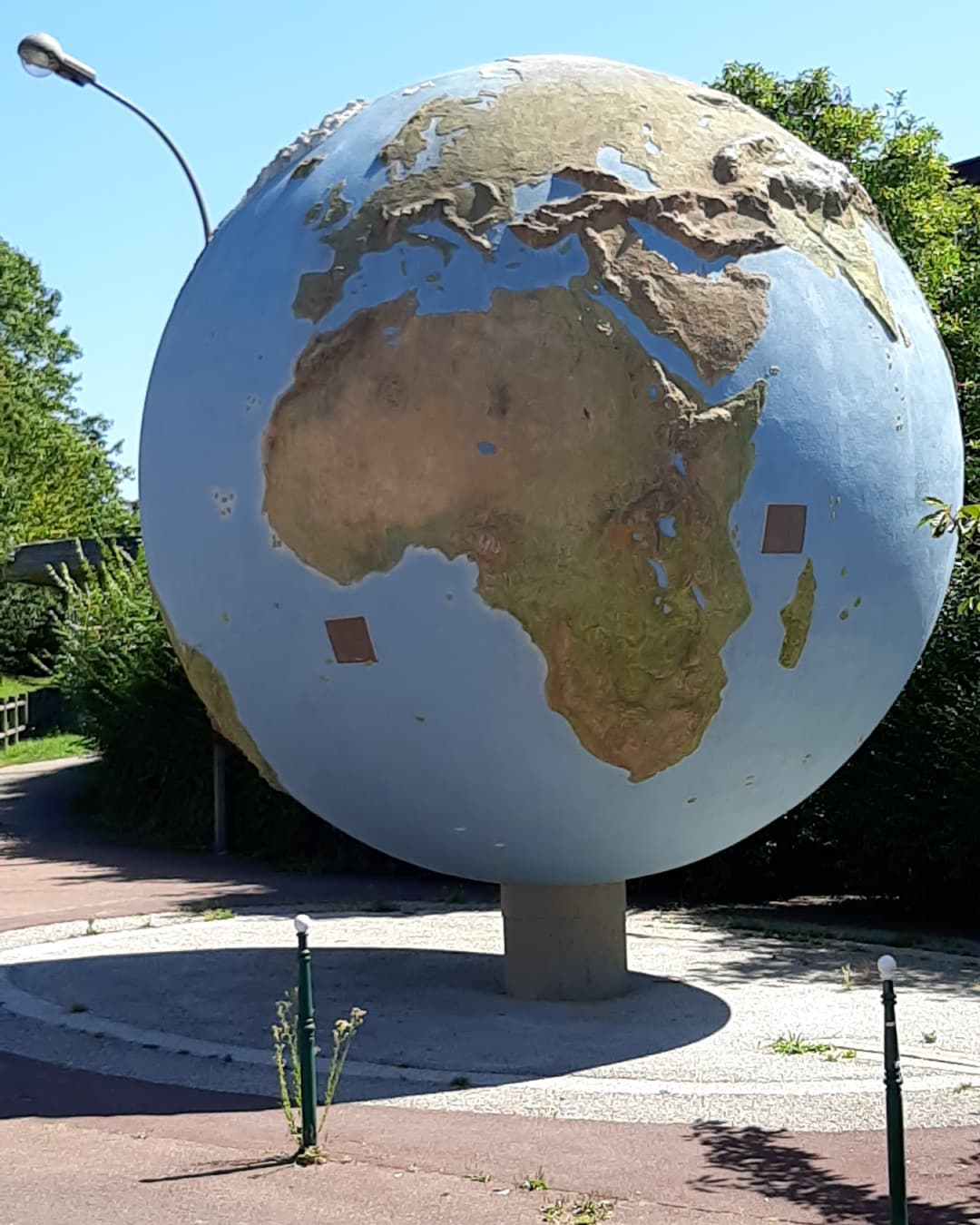
Earth is our common home, Let’s protect it together (C) Bernard J. Henry/AWC

Prof. René Wadlow is President of the Association of World Citizens.
Roar Aloud

In Being a World Citizen, Cultural Bridges, Human Rights, Poetry, Solidarity, Spirituality, The Search for Peace on November 18, 2024 at 8:00 AM

By Prosperina Sarkar

Roar aloud, all of you
The oppressed and exploited of the world
Be you women or men, white or black,
Hindus, Muslims, Christians, or Buddhists,
Shatter the unequal systems of society.

Roar aloud, all of you
The persecuted and downtrodden of the world,
The deprived and helpless, both women and men,
Know that without protest,
Justice will never be yours.

Roar aloud, all of you
The free-thinking, the youth of open minds,
Establish humanity as the supreme virtue,
Destroy all superstitions and the barriers
of false religion.

Roar aloud, all of you
The wise, the virtuous, the principled and idealistic,
Break down the mountains of social divisions,
Crush the arrogance of society,
Ensure equal rights for all people.

Prosperina Sarkar, a native of Bangladesh, is a social worker, poet, and writer of books for children.

Nonproliferation of Nuclear Weapons: Need for New Common Security Approaches

In Being a World Citizen, Current Events, Latin America, Middle East & North Africa, NGOs, Nuclear weapons, Spirituality, The former Soviet Union, The Search for Peace, Track II, United Nations, World Law on July 23, 2024 at 6:00 AM

By René Wadlow

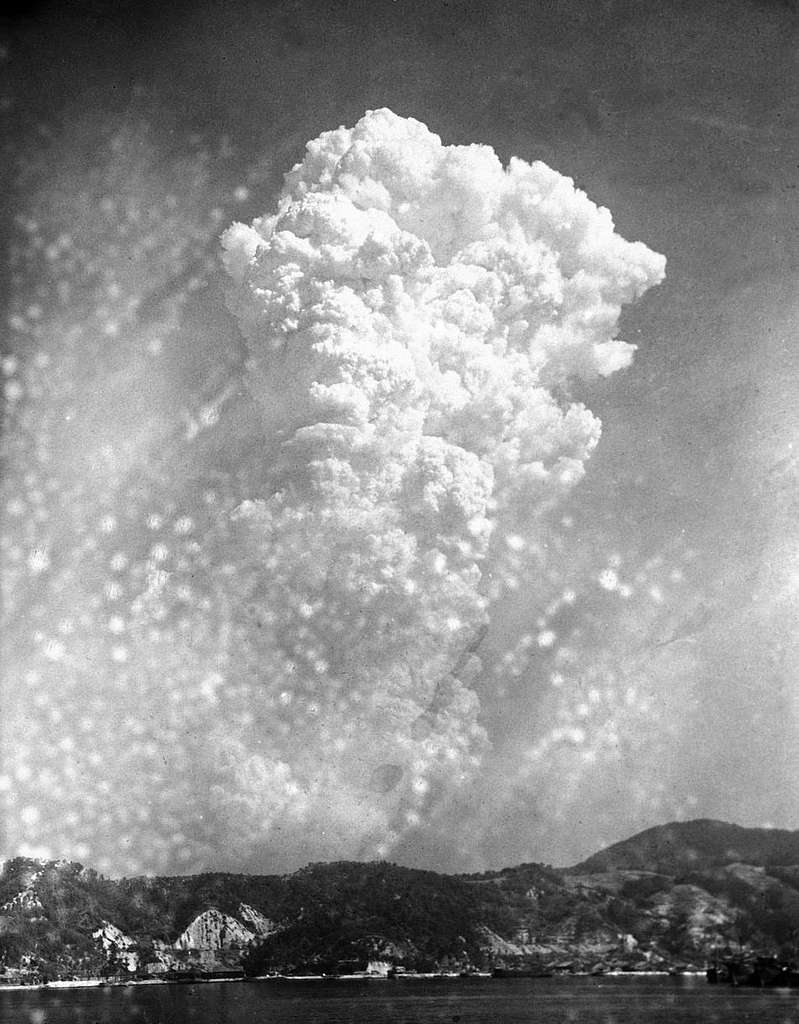
Hiroshima, Japan, August 6, 1945.

Government representatives and some Nongovernmental Organizations (NGOs) are participating from July 22 to August 2, 2024 in Geneva, Switzerland in the Preparatory Session for the Review Conference on the Treaty on the Nonproliferation of Nuclear Weapons. As the political and strategic situation in the world can evolve over time, the Treaty on the Nonproliferation of Nuclear Weapons (NPT) had as one of its provisions (Article VIII) that a review conference be held every five years to judge the situation and to see if new elements should be added. At the end of each Review a “Chairman’s Statement” must be agreed upon by all the States present.

The NPT, which had taken 10 years to negotiate, was proclaimed in 1970, and the first Review Conference was held in Geneva in 1975. As the Review Conference was a meeting of the States Party to the Treaty and not a regular United Nations (UN) disarmament negotiation, NGO representatives had more opportunity for interaction with governments. NGO texts were considered as “official documents” and were printed and distributed by the conference secretariat. I was asked to chair the group of NGO participants, which I did both in 1975 and 1980. As a result of my chairing the NGOs at the 1975 Review, I was invited to Moscow to discuss with Soviet military and arms control specialists. I have remained concerned with the issues ever since.

Each Review Conference has been concerned with the three fundamental aspects of the Treaty: non-proliferation, promotion of the peaceful uses of nuclear energy, and the disarmament initiatives of the five nuclear-weapon States when the Treaty was signed: the USA, USSR, the United Kingdom, France, and China as set out in Article VI.

To make matters more complicated but politically realistic, the policies of nuclear-weapon States which have not signed the NPT – India, Pakistan, Israel, North Korea – color the discussions of each Review. Iran is a State Party to the NPT, but questions have been raised about the effectiveness of the control of the International Atomic Energy Agency (IAEA) on Iran’s peaceful nuclear activities and if nuclear material is being enriched to weapon-production levels.

The nuclear weapons of Israel and their meaning for Middle East policies have long been “an elephant in the room” – too large not to notice but too dangerous to deal with if anything else in the Review process is to be done. In 1995, there was an annex to the final Chairman’s Statement of the Review proposing that a conference on a potential nuclear-weapon-free Middle East should be called. In practice, “the time was never ripe”, but the concept is still there.

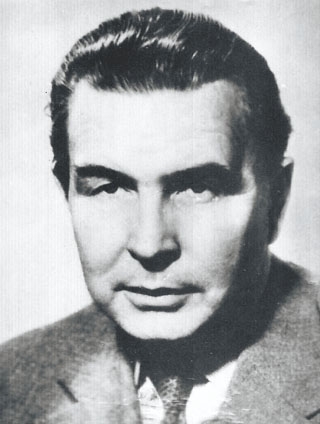
The concept of nuclear-weapon-free zones has been an important concept in disarmament and regional conflict-reduction efforts. A nuclear-weapon-free zone was first suggested by the Polish Foreign Minister, Adam Rapacki, at the UN General Assembly in October 1957 – just a year after the crushing of the uprising in Hungary. The crushing of the Hungarian revolt by Soviet troops and the unrest among Polish workers at the same time showed that the East-West equilibrium in Central Europe was unstable with both the Soviet Union and the USA in possession of nuclear weapons, and perhaps a willingness to use them if the political situation became radically unstable. The Rapacki Plan, as it became known, called for the denuclearization of East and West Germany, Czechoslovakia and Poland.

The Plan went through several variants which included its extension to cover reduction of armed forces and armaments, and as a preliminary step, a freeze on nuclear weapons in the area. The Rapacki Plan was opposed by the NATO powers, in part because it recognized the legitimacy of the East German State. It was not until 1970 and the start of what became the 1975 Helsinki Conference on Security and Cooperation in Europe (CSCE) that serious negotiations on troop levels and weapons in Europe began. While the Rapacki Plan never led to negotiations on nuclear-weapon policies in Europe, it had the merit of restarting East-West discussions which were then at a dead point after the Hungarian uprising.

Adam Rapacki

The first nuclear-weapon-free zone to be negotiated – the Treaty of Tlatelolco – was a direct aftermath of the Cuban missile crisis of October 1962. It is hard to know how close to a nuclear exchange between the USA and the USSR the Cuban missile crisis was. It was close enough so that Latin American leaders were moved to action. While Latin America was not an area in which military confrontation was as stark as in Europe, the Cuban missile crisis was a warning that you did not need to have standing armies facing each other for there to be danger.

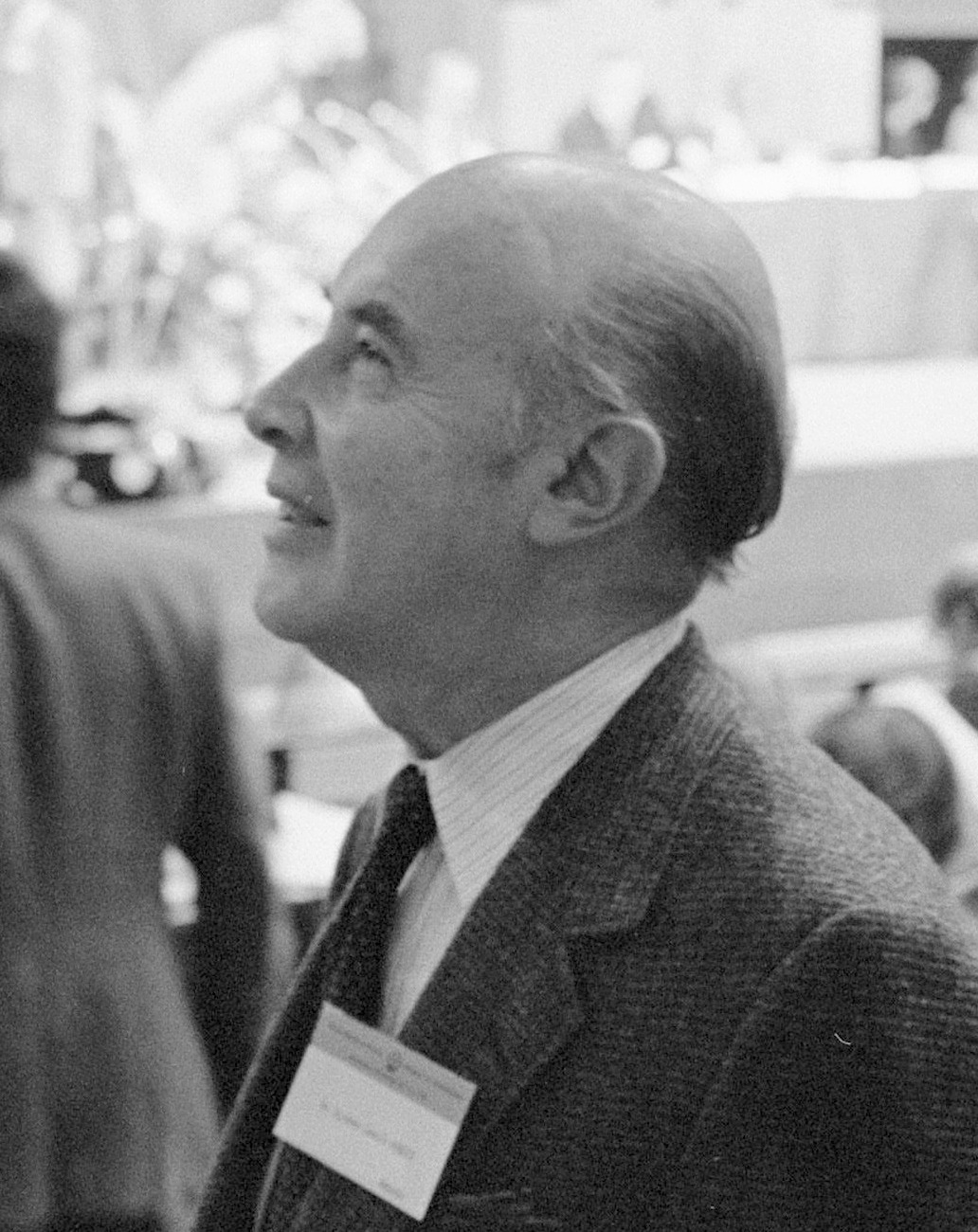
Mexico, under the leadership of Ambassador Alfonso Garcia-Robles at the UN, began immediately to call for a denuclearization of Latin America. There were a series of conferences, and in February 1067 the Treaty for the Prohibition of Nuclear Weapons in Latin America was signed at Tlatelolco, Mexico. For a major arms control treaty, the Tlatelolco was negotiated in a short time, due partly to the fear inspired by the Cuban missile crisis but especially to the energy and persistence of Garcia-Robles and the expert advice of William Epstein, the UN’s Director of Disarmament Affairs. The Treaty established a permanent and effective system of control which contains a number of novel and pioneering elements as well as a body to supervise the Treaty.

Alfonso Garcia Robles (C) Marcel Antonisse

On September 8, 2006, the five States of Central Asia – Kazakhstan, Kyrgyzstan, Uzbekistan, Tajikistan, and Turkmenistan – signed a treaty establishing a nuclear-weapon-free zone. The treaty aims at reducing the risk of nuclear proliferation and nuclear-armed terrorism. The treaty bans the production, acquisition, deployment of nuclear weapons and their components as well as nuclear explosives. Importantly, the treaty bans the transportation of nuclear weapons as both Russia and the USA have established military airbases in Central Asia where nuclear weapons could have been placed in times of crisis in Asia.

Superman is not coming to rid the world of nuclear weapons. World Citizens need to take the problem to UN delegates by themselves. Or own Quest for Peace deserves a happy ending too.

It is an unfortunate aspect of world politics that constructive, institution-building action is usually undertaken only because of a crisis. Perhaps the growing pressures in the Middle East could lead to concerted leadership for a Middle East nuclear-weapon-free zone. The IAEA has the technical knowledge for putting such a zone in place. Now there needs to be leadership from within the Middle East as well as from the broader international community. There are urgent needs for new common security approaches.

Prof. René Wadlow is President of the Association of World Citizens.