The Official Blog of the

Archive for the ‘Africa’ Category

L’impact du désordre environnemental sur la migration sud-nord

In Africa, Asia, Being a World Citizen, Current Events, Environmental protection, Human Development, Middle East & North Africa, Migration, NGOs, Refugees, Social Rights, Solidarity, Sustainable Development, The Search for Peace, United Nations, World Law on August 10, 2022 at 7:01 AM

Par Nadia Belaala

Dans un premier temps, il nous semble important de faire un rappel de l’état des lieux environnemental dans lequel se trouvent la terre et ses ressources, en considérant les interactions entre l’humanité et les écosystèmes qui y vivent.

Selon le Rapport Planète Vivante de WWF (2020), les activités humaines ont amené à une diminution de 68% des populations mondiales de mammifères, d’oiseaux, de poissons, de reptiles et d’amphibiens en 50 ans.

En Europe, par exemple, l’Union Internationale pour la Conservation de la Nature (UICN) indique la disparition de 36 espèces entre 2015 et aujourd’hui, et plus de 11% sont menacées d’extinctions (dont 58% d’arbres endémiques et 40% de poissons d’eau douce).

En Afrique, ce sont 700 millions d’hectares de terres (soit plus de dix fois la surface de la France), qui ont été dégradées par la pression humaine,  et ce en lien avec la désertification et le surpâturage (source : la Banque mondiale, 2016). Cette situation crée un cercle vicieux, qui amène à une urgence alimentaire, laquelle nécessite à son tour une exploitation excessive des arbres et une sur-utilisation des engrais et pesticides[1].

Au niveau mondial,  le stock de poissons a reculé de 50% entre 1970 et 2010, les côtes africaines étant les plus pillées au monde, notamment par la Chine[2]. Il se pourrait que les stocks halieutiques exploités par les êtres humains déclinent jusqu’à disparaître en 2048, si l’on en croit les prévisions d’Isabelle Autissier, présidente de WWF-France (jusqu’en janvier 2021).

Quant aux villes, si elles n’occupent que 3% de la surface continentale mondiale[3], elles concentrent 55% de la population mondiale et consomment plus des deux tiers de la demande énergétique mondiale (source : Rapport de situation 2019 sur les énergies renouvelables dans les villes de l’ONU). Elles sont, par ailleurs, particulièrement vulnérables aux changements climatiques et aux catastrophes naturelles du fait, entre autres, de leur forte concentration humaine, tout en étant en partie les causes de ces aléas climatiques[4].

L’histoire de l’humanité est en train de se jouer, en notre défaveur à tous ; il n’y a pas de région, de pays ou de continent épargnés. Il y a une réelle urgence à s’en préoccuper, car si nous n’agissons pas, c’est notre propre espèce que nous mettons en péril.

Une des premières conséquences de ces désordres environnementaux est d’obliger, inexorablement, des populations à se déplacer.

Bien que l’histoire de l’humanité soit faite de migrations, ces dernières se multiplient fortement, depuis quelques années. Auparavant, c’était les guerres, les violences, maintenant, ce sont aussi les aléas climatiques qui poussent les êtres humains à quitter la terre qui les a vus grandir et qui leur a permis de construire leurs identifications fondamentales.

Nous savons que, d’une manière générale, toute migration, à laquelle s’ajoute celle due à l’environnement, provoque des perturbations socioculturelles énormes, autant pour ceux qui la subissent que pour ceux qui l’accueillent. Elle engendre des souffrances humaines indicibles qui questionnent et violentent notre humanité.

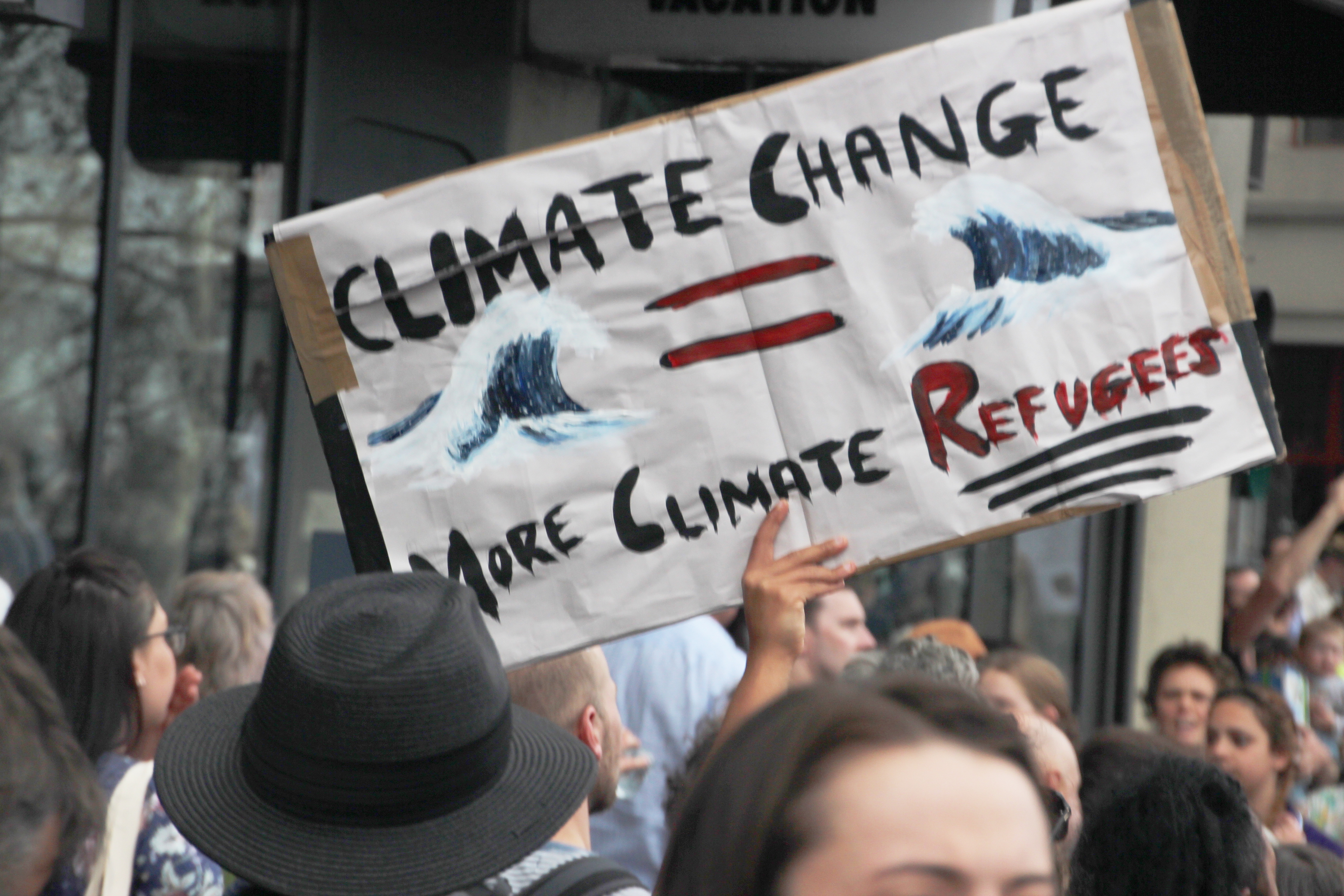
Lequel d’entre nous n’a pas encore, en mémoire, ces images insoutenables des migrants noyés gisants sur les plages, en particulier sur les deux rives de la Méditerranée ?

Parmi ces migrants, combien sont des réfugiés climatiques ? Nous n’avons pas encore assez d’études qui nous renseignent avec précision sur cette question, mais il est avéré qu’ils sont de plus en plus nombreux.

Pourtant, force est de constater que le sujet des réfugiés climatiques est le parent pauvre de la politique actuelle, le lien entre migration et réchauffement climatique faisant l’objet d’un silence assourdissant de la part de nos politiques. Pour autant, en 2013, un rapport du Conseil norvégien pour les réfugiés (NRC) fait état de 22 millions de personnes ayant été déplacées en raison de catastrophes naturelles, ce qui est trois fois plus élevé que le nombre des personnes fuyant un conflit.

Mais qui sont ces migrants, ces réfugiés de l’environnement ? Ce sont des personnes « qui sont forcées de quitter leur lieu de vie temporairement ou de façon permanente à cause d’une rupture environnementale (d’origine naturelle ou humaine) qui a mis en péril leur existence ou sérieusement affecté leurs conditions de vie »[5].

Alors comment sont catégorisés ces « réfugiés climatiques », appelés aussi « déplacés » ou « éco-migrants » ? Ils sont, d’emblée, intégrés aux seules catégories existantes: celles des « réfugiés économiques » ou des « réfugiés de la misère ». En effet, ils n’ont pas de statut juridique, car ils ne remplissent pas les critères de la Convention de Genève signée en 1951. 

Cette dernière n’accorde l’assurance d’une protection aux réfugiés que dans certains cas, à savoir, « des situations de persécutions liées à la race, à la religion, à la nationalité, aux opinions politiques, ou à l’appartenance à  certains groupes sociaux » (UNHCR).

De ce fait, les pays d’accueil, connus pour leur qualité de vie et leur sécurité, et vers lesquels se dirigent naturellement ces éco-migrants, ne disposent d’aucun budget pour recevoir ces derniers.

Selon le Rapport mondial sur le déplacement interne (2020) de l’ONG Internal Displacement Monitoring Center (IDMC), chaque année, plus de 20 millions de personnes qui sont déplacées, le sont pour cause de catastrophes naturelles, dont 86% de nature hydrométéorologique.

Alors, quels sont les changements environnementaux qui provoquent de tels flux migratoires ?

L’Ined (Institut national d’études démographiques) fait état de 3 phénomènes[6] principaux :

1) L’intensité accrue des catastrophes naturelles.

En effet, entre 1995 et 2015, plus de 600.000 personnes sont décédées du fait de ces catastrophes météorologiques. Plus de 4 milliards de personnes ont en été blessées, ou sont tombées dans une forte précarité à la suite de ces catastrophes. (Source : rapport du Bureau des Nations unies pour la réduction des risques de catastrophes)

2) La hausse du niveau des mers.

Elle risque de rendre inhabitables certaines zones basses à forte densité de population.

C’est le cas de nombreuses régions du Bangladesh[7], par exemple. Ce pays, tout comme l’Inde, a vu s’accroître ses problèmes socio-économiques et politiques en raison notamment du déplacement des Rohingyas, forcés de fuir le Myanmar.

3) La raréfaction des ressources hydriques, aussi appelée stress hydrique.

Elle engendre sécheresse et désertification. C’est notamment le cas des États du Sahel, où les modèles climatiques prédisent une aggravation de la sécheresse dans les années à venir. Cette situation a déjà été à l’origine de déplacements majeurs de populations et d’une perte importante du bétail dans cette région d’Afrique. Le bétail, rappelons-le, constitue la principale source de production agricole[8].

Par ailleurs, et depuis quelques années, on assiste à une augmentation des inondations meurtrières notamment en Afrique de l’Ouest. Ces évènements sont dus à différents phénomènes tels que le changement de l’usage des terres, la réduction des jachères, ou encore la déforestation et l’urbanisation. Tout ceci rend les sols incapables d’absorber les eaux diluviennes notamment dans la zone du Sahel[9].

Ainsi, en 2018, ce sont 250.000 Afghans qui ont dû fuir leurs villages en raison des fortes chaleurs, induisant une vulnérabilité extrême de cette population, déjà exposée aux conflits armés.

Selon un rapport du Conseil norvégien pour les réfugiés, « en 2013, les catastrophes naturelles ont fait presque trois fois plus de déplacés que les guerres » (INED) et 85% d’entre eux sontdes pays en développement.

Pour une grande partie de ces populations, c’est l’exode vers l’Occident, et particulièrement l’Europe,  qui est le plus tentant et le plus tenté, dans l’espoir de vivre dignement, ou tout au moins de survivre …

Comment dès lors permettre à ces populations de vivre dans leurs territoires, d’y travailler et d’en utiliser les ressources ?

Certaines bonnes pratiques locales, simples d’accès, notamment pour les populations autochtones pourraient aider à lutter contre ces problématiques environnementales. Quelques-unes commencent d’ores et déjà à émerger et devraient faire, nous l’espérons, effet « boule de neige ».

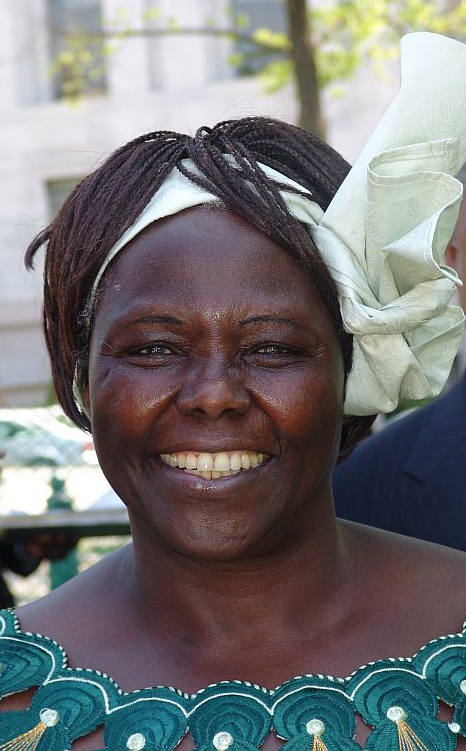
À titre d’exemple, citons le mouvement de la ceinture verte au Kenya (Green Belt Movement) qui a été lancé par la biologiste Wangari Maathai et qui encourage les femmes à planter des arbres, ce qui leur permet, à terme, d’améliorer leur niveau de vie.

En Mongolie, toute une muraille verte a également vu le jour, pour résister à l’avancée du désert de Gobi.

Au Burkina Faso, des paysans construisent des cuvettes en demi-lunes qui permettent de concentrer les précipitations et réduire le ruissellement[10].

Au Rajasthan, pour récupérer l’eau des moussons, recharger les nappes phréatiques et réalimenter les rivières, les paysans ont remis au goût du jour le « johad », une technique agricole ancestrale, qui consiste à collecter les eaux de pluie pendant la saison des moussons et les utiliser en les faisant filtrer dans le sous sol pendant la saison sèche[11].

Wangari Maathai

On peut aussi évoquer la transformation de la villa « ASSIE GAYE » au Sénégal en 2009-2010, qui s’est faite grâce à l’utilisation de matériaux locaux, comme la terre crue argileuse. Elle est alimentée en énergies renouvelables, grâce à un générateur éolien, un générateur photovoltaïque et un collecteur thermique. Ce qui en fait une maison durable, à la fois sur le plan écologique et économique[12].

Enfin, nous devons rappeler qu’il est indispensable pour l’humanité de relever le défi majeur de ces problématiques environnementales et humaines qui s’offrent à elle. Il nous faut intégrer tous les possibles en matière de changement climatique annoncés par les rapports du Groupe GIEC, dans le but d’y répondre.

Il serait ainsi plus urgent d’attribuer certains budgets étatiques à la prise en charge des réfugiés climatiques, plutôt que d’augmenter, par exemple, ceux inhérents à la défense et à l’armement.

Par ailleurs, la lutte contre le fléau de l’évasion fiscale pourrait, éventuellement, profiter à ces mêmes réfugiés et ainsi limiter la pression sur les pays d’origine ou encore sur les pays accueillant ces migrants.

Pour clôturer mon propos, j’emprunte un peu de sa sagesse à Wangari Maathai qui précise  qu’« Aujourd’hui, nous affrontons un défi qui exige un renouvellement de notre mode de pensée, pour que l’humanité cesse de menacer le système qui assure sa propre survie. Nous sommes appelés à aider la terre à guérir ses blessures et, à guérir les nôtres – en fait, à embrasser la totalité de la création dans toute sa diversité, sa beauté et ses merveilles. »[13]

Nadia Belaala est architecte et ingénieure sociale, anciennement Officier du Développement durable de l’Association of World Citizens.


[1] Meyerfeld, B. (2016). Alerte érosion : l’Afrique s’effrite et ses terres s’appauvrissent dangereusement. Le Monde Afrique, https://www.lemonde.fr/afrique/article/2016/11/16/alerte-erosion-l-afrique-s-effrite-et-ses-terres-s-appauvrissent-dangereusement_5032087_3212.html

[2] Valo, M. (2013). Comment la pêche chinoise pille les océans de la planète. Le Monde, https://www.lemonde.fr/planete/article/2013/04/04/comment-la-peche-chinoise-pille-les-oceans-de-la-planete_3154101_3244.html

[3] Boughriet, R. (2016). De nouvelles normes mondiales pour un développement urbain durable, Actu-environnement.com, https://www.actu-environnement.com/ae/news/nouvelles-normes-mondiales-developpement-urbain-durable-habitat3-27750.php4

[4] Desforges, D. (2009). Les villes face au changement climatique. Regards croisés sur l’économie, 2(2), 84-86. https://doi.org/10.3917/rce.006.0084

[5] Cournil, C. (2010). Les “réfugiés environnementaux” : enjeux et questionnements autour d’une catégorie émergente. Migrations Société, 2(2), 67-79. https://doi.org/10.3917/migra.128.0067

[6] VERON, J. (2014), Quels liens entre migrations et environnement ? Institut national d’études démographiques, https://www.ined.fr/fr/tout-savoir-population/memos-demo/focus/quels-liens-entre-migrations-et-environnement/

[7] Kholiquzzaman Ahmad, Q. (2006). Changement climatique, inondations et gestion des crues : le cas du Bangladesh. Hérodote, 2(2), 73-94. https://doi.org/10.3917/her.121.0073

[8] LEBEL, T. (2018), Au Sahel, le climat durablement perturbé depuis la « grande sécheresse. Le Monde Afrique, https://www.lemonde.fr/afrique/article/2018/11/12/au-sahel-le-climat-durablement-perturbe-depuis-la-grande-secheresse_5382513_3212.html

[9]ibid

[10] https://www.coalition-eau.org/wp-content/uploads/Eau-et-climat-web.pdf (p.22)

[11] https://uneseuleplanete.org/Grace-a-la-johad-l-039-eau-revient-a-sa-source-439

[12] http://www.habiter-autrement.org/37-ecovillage-afrique/contributions-37/30-Senegal-villa-ecologique-Assie-Gaye.pdf

[13] European think & do tank. (2016). Réchauffement climatique et migration, zoom sur un phénomène méconnu, p.3, https://www.pourlasolidarite.eu/sites/default/files/publications/files/na-2016-refugies_climatiques.pdf

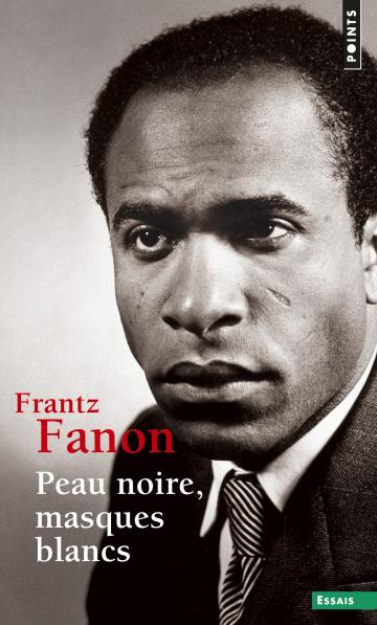
Frantz Fanon: The New Humanism

In Africa, Anticolonialism, Being a World Citizen, Conflict Resolution, Democracy, Fighting Racism, Human Development, Human Rights, Literature, Middle East & North Africa, Solidarity, The Search for Peace on July 20, 2022 at 9:42 PM

By René Wadlow

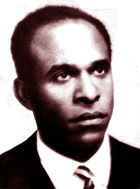
Frantz Fanon (1925-1961) whose birth anniversary we mark on July 20, was a French psychologist, writer, and participant in the Algerian struggle for independence (1954-1962). He was born in Martinique, then a French colony which now has the status of a Department of France. The bulk of the population are of African descent, having been brought to the West Indies as slaves. Although the basic culture is French, some in Martinique are interested in African culture, and as in Haiti, there are survivals of African religions, often incorporated into Roman Catholic rites.

In 1940, as France was being occupied by the German forces and a right-wing nationalist government was being created in the resort city of Vichy, sailors favorable to the Vichy government took over the island and created a narrow-nationalist, racist rule. Fanon, then 17, escaped to the nearby British colony of Dominica, and from there joined the Free French Forces led by General De Gaulle. Fanon fought in North Africa and then in the liberation of France.

Once the war over, he received a scholarship to undertake medical and then psychiatry training in Lyon. His doctoral thesis on racism as he had experienced it in the military and then during his medical studies was published in French in 1952 and is translated into English as Black Skin, White Masks.

In 1953, he was named to lead the Psychiatry Department of the Blida-Joinville Hospital in Algeria shortly before the November 1954 start of the war for independence in Algeria. He treated both Algerian victims of torture as well as French soldiers traumatized by having to carry out torture. He considered the struggle for independence as a just cause, and so in 1956 he resigned his position and left for Tunisia where the leadership of the independence movement was located. As a good writer, having already published his thesis followed by a good number of articles in intellectual journals, he was made the editor of the Algerian independence newspaper. There were a number of efforts by the French security services to kill him or to blow up the car in which he was riding. Although wounded a number of times, he survived.

In 1959, the British colony of the Gold Coast was granted independence and took the name of Ghana under the leadership of Kwame Nkrumah. Nkrumah was a pan-African, having participated in a number of pan-African congresses starting in the 1930s. He viewed the independence of the Gold Coast as the first step toward the liberation of all colonies in Africa, to be followed by the creation of African unity in some sort of federation. Ghana attracted a good number of activists of anti-colonial movements. Fanon was sent to Ghana to be the Algerian Independence Movement (Front de Libération Nationale, FLN) ambassador to Ghana and as the contact person toward other independence movements.

From his anti-colonial activity, he wrote his best-known study of colonialism, the mental health problems it caused, and the need for catharsis Les damnés de la terre, translated into English as The Wretched of the Earth. The title comes from the first line of the widely sung revolutionary song L’Internationale. For French readers, there was no need to write the first word of the song which is “Arise” as in “Arise, you Wretched of the Earth” (“Debout, les damnés de la terre”). The meaning of the book in English would have been clearer had it been called Arise, Wretched of the Earth.

Fanon was very ill with leukemia, and Les damnés de la terre was written by dictation to his French-born wife that he had married during his medical studies. He received in the hospital the first copies of his book three days before his death. He had been taken for treatment to a leading hospital just outside Washington, DC by the Central Intelligence Agency (CIA). The role of the CIA in support of, or just infiltrating for information, the Algerian independence movement is still not fully clear. Frantz Fanon was buried in a town in Algeria then held by the independence forces. The 1962 peace agreement with France granting independence followed shortly after his death. Fanon is recalled warmly in Algeria for his part in the independence struggle.

The final four pages of Les damnés de la terre are a vital appeal for a new humanism and for a cosmopolitan world society based on the dignity of each person. For Fanon, there is a need to overcome both resignation and oppression and to begin a new history of humanity.

Note

Two useful biographies of Fanon in English are David Caute, Frantz Fanon (New York: Viking Press, 1970), and Irene Gendzier, Frantz Fanon. A Critical Study (New York: Pantheon Books, 1973)

Prof. René Wadlow is President of the Association of World Citizens.

New Efforts for Land Renewal

In Africa, Being a World Citizen, Current Events, Environmental protection, Human Development, Human Rights, NGOs, Solidarity, The Search for Peace, United Nations, World Law on June 6, 2022 at 3:11 PM

By René Wadlow

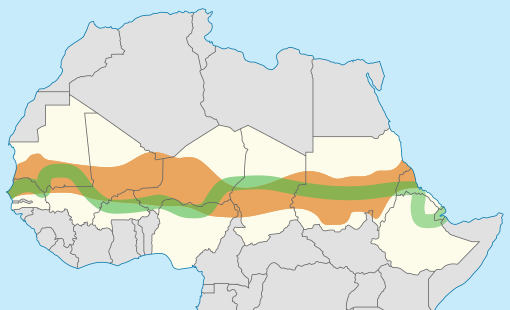
The States Parties to the United Nations-sponsored Treaty on Desertification met in Abidjan, Ivory Coast on May 9-20, 2022. The 197 member states agreed to an appeal to work more actively to prevent continuing desertification and to win back lands currently under great pressure. Because the conference was being held in Africa, much attention was given to the advances of the desert in the Sahel states and the possibility of building a “Green Wall” of trees to stop the advance.

The Green Wall of Sahel (C) Sevgart

The Treaty was designed to be the centerpiece of a massive worldwide effort to arrest the spread of deserts or desert-like conditions not only in Africa south of the Sahara but wherever such conditions encroached on the livelihood of those who lived in the desert or in its destructive path.

The destruction of land that was once productive does not stem from mysterious and remorseless forces of nature but from the actions of humans. Desertification is a social phenomenon. Humans are both the despoiler and the victims of the process.

Increasingly, populations are eking out a livelihood on dwindling land resources. Thus, there must be renewed and strong efforts for land regeneration. Desertification needs to be seen in a holistic way. If we see desertification only as aridity, we may miss areas of impact such as humid tropics. We need to consider the special problems of water-logging, salinity or alkalinity of irrigation systems that destroy land each year. Because desertification disturbs a region’s natural resource base, it promotes insecurity. Insecurity leads to strife. If allowed to degenerate, strife results in inter-clan feuding between cultivators and pastoralists, cross-border raiding, and military confrontation.

Earth is our common home, and therefore in the spirit of world citizenship, we must organize to protect it. It is up to all of us concerned with ecologically-sound development to draw awareness to the dangers of desertification and the promises of land renewal.

It is important to understand the way of life of those who live on the edge of deserts. Hsuan Tsang (623-664) is a symbol of such an effort at understanding. Hsuan Tsang crossed the harshest deserts, in particular the Takla Mahan, and the tallest mountains on his quest for the innermost heart of Reality. He travelled from China to India to spend two years at the Nalanda Monastery in what is now Bihar State in northern India to study and translate into Chinese certain important Buddhist sutras. He also studied the lives of the people he met, showing an openness to the cultures of others, especially those living on the edge of the desert regions he crossed.

Prof. René Wadlow is President of the Association of World Citizens.

Renewed Violence in Darfur: An Unstable Sudan

In Africa, Conflict Resolution, Current Events, Democracy, Humanitarian Law, International Justice, Middle East & North Africa, NGOs, Solidarity, The Search for Peace, Track II, United Nations, World Law on May 16, 2022 at 7:00 AM

By René Wadlow

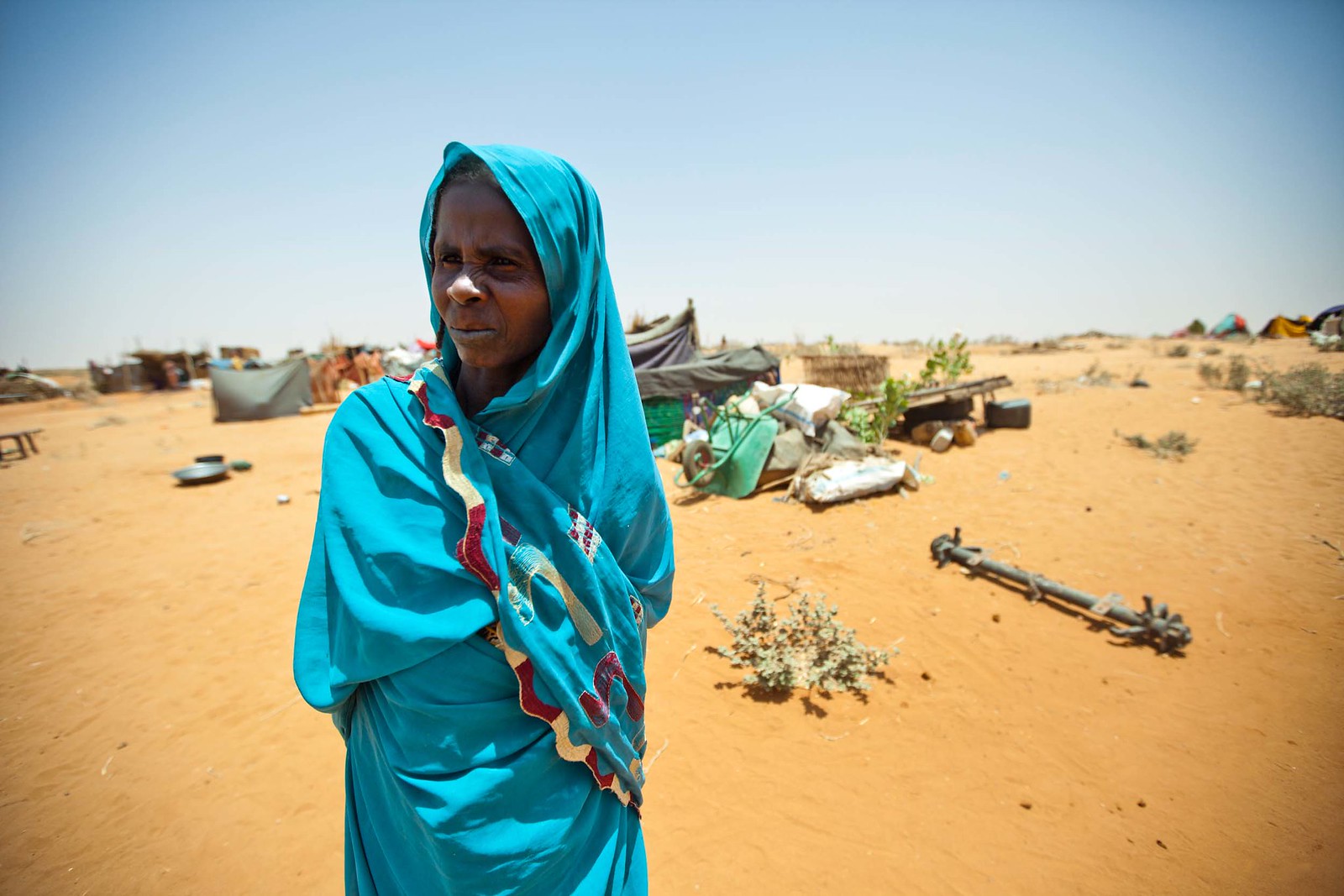
April 24, 2022 saw renewed violence in the Darfur Province of Sudan between Arab militias and the indigenous tribes of the area, the Masalit and the Fur. The violence began in 2003 and has caused some 300,000 deaths and some three million displaced. While most of the fighting was when General Omar al-Bashir was President, his overthrow by new military leadership has not fundamentally improved the situation.

Darfur is the western edge of Sudan. Its longest foreign frontier is with Chad, but communication with Libya is easy for camel herders and gunrunners. To the south lies the Central African Republic – a state with a very unstable government, which feels the fallout from the Darfur conflict. Darfur served as a buffer area between the French colony of Chad and the English-held Sudan until 1916 when French-English rivalry was overshadowed by the common enemy, Germany, in World War I. Darfur, which had been loosely part of the Ottoman Empire, was integrated into Sudan with no consultation either with the people of Darfur or with those in Sudan.

(C) Albert González Farran – UNAMID

Thus, Darfur was always the neglected child in Sudan – a child no one had asked to be there. Only after 1945 were some development projects undertaken, but basically Darfur remained an area of pastoralists – some tribes specializing in camels and others in cattle – and settled agriculturalists. Camel and cattle-raising tribes from Chad would move into Darfur and vice-versa. There were frontiers between tribes, but they did not correspond to state boundaries.

In May 2000, intellectuals and government civil servants from Darfur, calling themselves the Seekers of Truth and Justice, wrote The Black Book: Imbalance of Power and Wealth in Sudan. The study ended with specific recommendations for governmental and social action. While the book was widely read, it produced no new initiatives in sharing power or wealth. Some leaders in Darfur had the impression that the government was withdrawing services, especially in health and education. Schools were closed, and the number of children in school decreased.

After the failure of the intellectual efforts of The Black Book, the conviction that only violence was taken seriously started to grow among Darfur leaders. They started thinking about a strategy of a sharp and swift show of violent strength that would force the government to negotiate with Darfur. The insurgency in Darfur began in the Spring of 2003. As Julie Flint and Alex de Waal point out in their useful history of the start of the Darfur war “Darfur’s rebels are an awkward coalition of Fur and Masalet villagers, Zaghawa Bedouins out of patience with Khartoum, a handful of professionals who dared to take on leadership. Few of Darfur’s guerrillas had military experience or discipline before they took up arms. The two main rebel groups are united by deep resentment at the marginalization of Darfur, but are not natural bedfellows and could easily be split apart… In the first months of 2003, these half-formed and inexperienced rebel fronts were catapulted out of obscurity to face challenges for which they were totally unprepared.” (1)

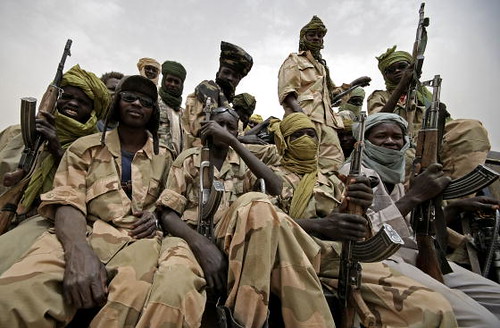
(C) Stuart Price/UN Photo

The government in Khartoum was also unprepared for the Darfur insurgency. The government’s attention, as well as the bulk of the army, was turned toward the civil war in the south of Sudan. The government turned the fight against the Darfur movements to its security agencies – a narrow group of men uninterested in internal politics or external relations. They decided to use the air force to bomb villages and to use foreign troops to do the fighting on the ground. The foreign troops came from Libya. Colonel Gaddafi had created in the early 1980s an “Islamic Legion” and recruited militiamen from Mauritania, Chad, Mali in his efforts to create a union of Libya and Chad – or to annex part of northern Chad. When Gaddafi’s Chadian interests faded at the end of the 1980s, the Islamic Legion soldiers were left to look after themselves and so were ready to work for new paymasters.

The Sudanese security people brought the Islamic Legion soldiers to Darfur, gave them weapons but no pay. They were to pay themselves by taking what they could from the villages they attacked. In addition, prisoners from Darfur’s jails were released on condition of joining the militias. Rape of women and young girls was widely practiced both as a means of terror and as a “reward” for the fighters since they were not paid. These militias became known as the Janjaweed (“the evildoers on horseback”).

Although the Darfur conflict has largely faded from the media headlines, it continues producing many refugees, internally displaced persons, unused farmland, and political unrest. The conflicts in Darfur have destroyed many of the older patterns of dispute settlement among groups as well as much of the economic infrastructure. The social texture and trust among groups is likely to be more difficult to rebuild than homes, livestock, and water wells.

The joint African Union – United Nations peacekeeping force has not been able to produce peace. Peacekeeping forces need a peace to keep, and while there have been lulls in fighting, there has been no peace to keep. Banditry, criminal activities, and periodic military action continues. It is impossible to know if the current outbreak of armed violence has local causes or if it is a reflection of instability at the central government level. The situation in Darfur remains critical and needs to be watched closely.

Note:

1) Julie Flint and Alex de Wall, Darfur: A Short History of a Long War (London, Zed Books, 2005)

Prof. René Wadlow is President of the Association of World Citizens.

Qu’on le veuille ou non, un seul monde et le droit à la migration

In Africa, Anticolonialism, Asia, Being a World Citizen, Conflict Resolution, Current Events, Democracy, Europe, Fighting Racism, Human Rights, Latin America, Middle East & North Africa, Migration, NGOs, Refugees, Solidarity, Syria, The former Soviet Union, The Search for Peace, Track II, United Nations, World Law on December 28, 2021 at 5:00 PM

Par Bernard J. Henry

Deux ans déjà, deux ans d’une guerre mondiale qui semble interminable, une Troisième Guerre Mondiale non entre deux ou plusieurs alliances d’Etats souverains, ou contre un envahisseur extraterrestre comme dans certains films ou séries de science-fiction, mais contre un virus – un coronavirus, le SARS-CoV-2 responsable de la COronaVIrus Disease of 2019 ou Covid-19. Après la souche originelle dite de Wuhan, le monde a découvert les variants, d’abord affublés de gentilés (anglais, sud-africain, indien) puis renommés selon l’alphabet grec : Alpha, Beta, Delta …  Et maintenant Omicron.

La lutte progresse mais la pandémie sait contre-attaquer, comme avec Omicron. Hélas, l’inégalité vaccinale entre pays et régions du monde, couplée aux décisions scientifiquement absurdes de certains gouvernements, se fait pour le virus une alliée inespérée.

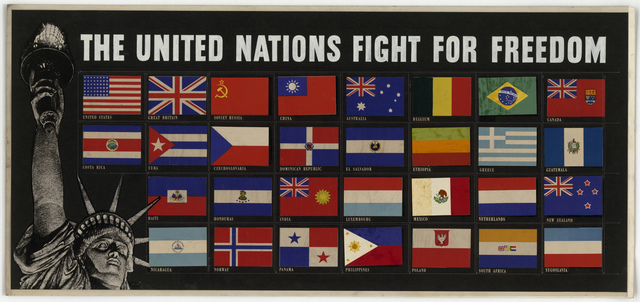
L’histoire nous l’enseigne, lorsqu’une crise mondiale éclate et se prolonge, ce n’est pas après qu’elle a pris fin qu’il faut envisager l’avenir, mais pendant même qu’elle se produit, et faire de ses projets son but réel de guerre. L’histoire nous l’enseigne, oui, et l’an prochain verra le quatre-vingtième anniversaire des Nations Unies, non pas de l’organisation internationale créée en 1945 à San Francisco – également berceau de l’Association of World Citizens (AWC) – mais de l’alliance militaire des pays combattant l’Allemagne nazie, l’Italie fasciste et le Japon. Une alliance militaire qui avait retenu les leçons de l’échec de la Société des Nations et compris, à l’avenant, qu’un combat armé ne vaut rien s’il n’est porteur d’un projet politique pour un monde en paix, donc, un monde plus uni.

Un monde plus uni …  Que certains partis politiques ici ou là le veuillent ou non, c’est ce que produira inéluctablement cette pandémie, après une épreuve dont aucun continent sur terre n’aura été épargné. Et même si cela dérange ces partis xénophobes de divers pays et continents, là encore, ce monde ne pourra plus regarder de la même manière le sujet dont ils ont fait leur fonds de commerce pendant le demi-siècle écoulé – la migration.

La forteresse WENA

Si c’est littéralement le monde entier qui est touché, tout comme par la Covid-19, par le virus de la xénophobie qu’aucun vaccin ne vient enrayer, le centre mondial de l’épidémie est bien la WENA (Western Europe and North America, Europe occidentale et Amérique du Nord). Depuis le début du siècle, avec des entrées au gouvernement en Autriche et en Italie notamment, ainsi qu’une présence au second tour de l’élection présidentielle en France et un résultat électoral sans précédent aux Pays-Bas, l’extrême droite xénophobe n’a cessé de croître en WENA, jusqu’à fusionner au Canada avec la droite traditionnelle incarnée par le Parti conservateur. Mais, après des reflux ici et là, l’année 2015 est venue lui ouvrir grand les portes jusqu’alors closes du pouvoir.

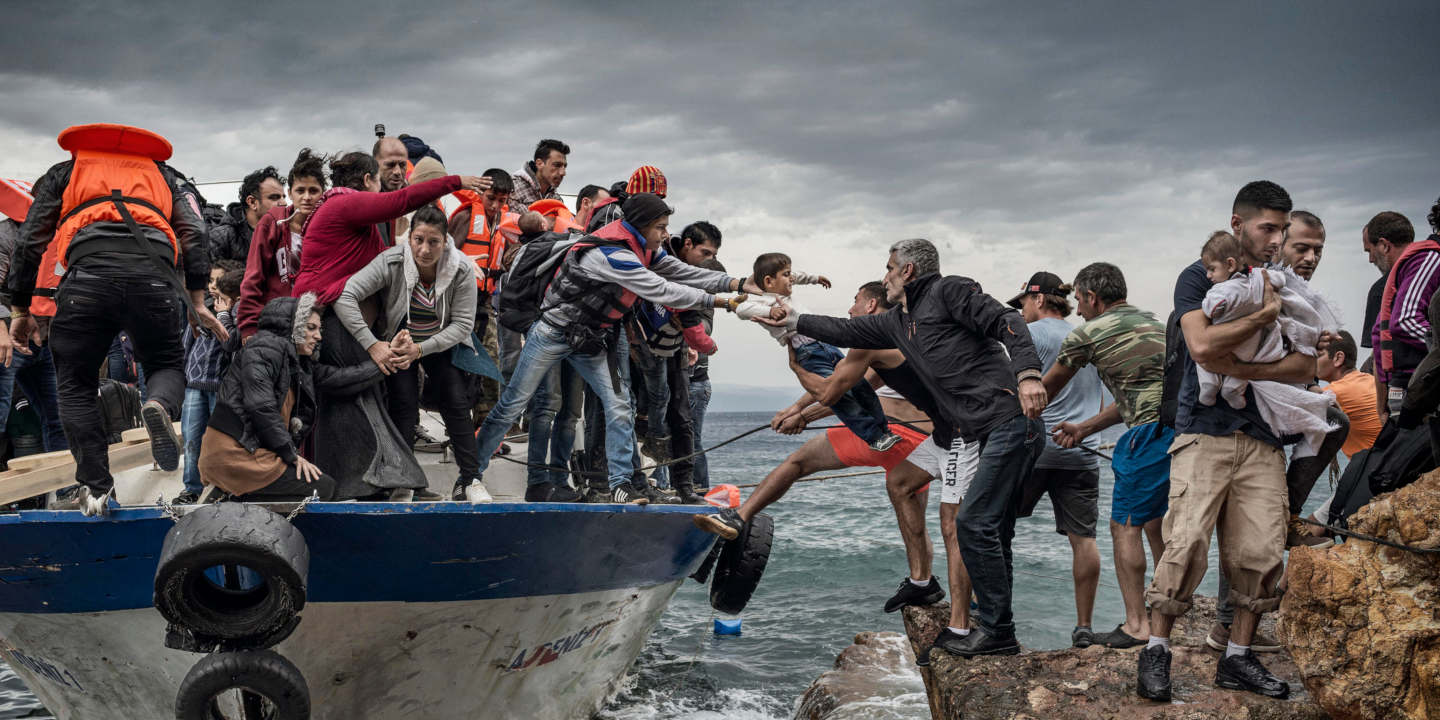
Après ce que d’aucuns appelaient la «crise migratoire» de l’été, lorsque migrants et réfugiés avaient eu l’impudence de venir déranger la baignade et la bronzette des Européens en accostant sur la rive sud de la Méditerranée, un exode vite réduit par certains à une attaque envers l’Occident de Daesh, le soi-disant «État islamique en Irak et en Syrie» qui avait déjà en janvier fait couler le sang à Paris, la Grande-Bretagne suivit sans mal l’année suivante un UKIP déchaîné contre des hordes d’envahisseurs vers le vote du Brexit. A des milliers de kilomètres de là, loin des rivages du désespoir, un Donald Trump donné perdant d’avance remporta contre toute attente la Maison Blanche en évoquant, entre autres, un mur géant le long de la frontière mexicaine censé bloquer toute immigration clandestine. En 2017, bien que largement vaincue en fin de compte, l’extrême droite française atteignit une nouvelle fois les marches de l’Élysée. En 2018, les électeurs italiens consacrèrent Matteo Salvini. Il ne suffisait plus d’une «forteresse Europe», le temps était venu d’une «forteresse WENA», à bâtir du plus ironiquement sur des plans fournis par Moscou, où le pouvoir inspire et parfois finance les partis d’extrême droite comme de gauche radicale, antagonistes mais unanimes pour saper la démocratie libérale.

Ile de Lesbos (Grèce), 11 octobre 2015 (C) Antonio Masiello

Ils savent ce qui leur fait peur, les tenants de la forteresse WENA. Ils le désignent par deux mots – le grand remplacement, celui d’une population européenne blanche et chrétienne qui n’existe que dans leur imaginaire par des hordes d’Arabes et d’Africains musulmans. Leur imaginaire où trône Le Camp des Saints, roman publié en 1973 par Jean Raspail et qui, en écho à l’antisémitisme délirant des Turner Diaries adulés par les suprémacistes blancs des Etats-Unis, décrit la chute de l’Occident blanc devant une invasion venue des pays du Sud. Loin d’avoir été oublié avec le temps, Le Camp des Saints inspire encore aujourd’hui l’extrême droite française ainsi que des proches de Donald Trump.

Personne au sud ne prône un «grand remplacement», concept qui n’existe donc qu’en WENA. Et pour cause, il ne pouvait venir d’ailleurs. S’il est une région au monde dont les pays ont, dans le passé, débarqué de force sur des rivages lointains, usé de la force pour imposer leur présence puis, in fine, leurs institutions, leur religion et leur culture, ce sont bien ceux de la WENA à travers le colonialisme, imités plus tard, tragique ironie, par l’URSS «anticolonialiste» sous couvert de soutien idéologique et pour les pires effets, dont deux en Afghanistan ayant pour noms les Talibans et Al-Qaïda.

Il n’y a qu’eux qui y pensent, eux pour qui la relation avec l’autre n’est que haine ou mépris, et pour certains, violence et guerre où l’on ne peut être que vainqueur ou vaincu. Dans leur immense majorité, celles et ceux qui, au sud, veulent gagner la WENA y recherchent tout au contraire son mode de vie, ses opportunités de travail et de construction d’une vie nouvelle, ses libertés que leur refusent les gouvernements de leurs pays d’origine, se servant la plupart du temps de la culture traditionnelle locale comme d’un alibi et nourrissant ainsi les fantasmes des xénophobes en WENA, trop contents de prendre en tenaille des migrants et réfugiés déjà pourchassés par leurs propres gouvernants.

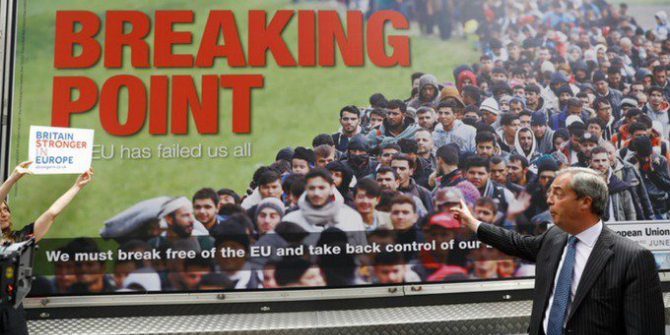
Nigel Farage, chef du parti UKIP, agitant le spectre de la migration pour amener les Britanniques à voter pour le Brexit en 2016 (C) @epkaufm (Twitter), licensed under Public Domain

La WENA a peur. Elle a peur de tous ces gens qui voient en elle un exemple pour leurs propres dirigeants, peur de toutes ces victimes qui l’appellent à agir pour leur permettre de vivre en paix chez eux ou, si elle s’y refuse, à les admettre au moins sur son territoire. Elle a peur aussi de ses propres enfants, ceux dont les parents sont eux-mêmes venus d’ailleurs ou dont les ancêtres plus lointains y ont été amenés de force, notamment comme esclaves. Elle a peur des Black Lives Matter et autres mouvements exigeant la justice pour qui, né ou élevé dans la WENA, s’y voit rejeté car porteur de cet ailleurs qui la tétanise.

Ses dirigeants ont peur, et ceux qui voudraient l’être aussi. Délogé de la présidence américaine, Donald Trump ne désarme pas. En France, terre de l’adoption de la Déclaration universelle des Droits de l’Homme en 1948, l’extrême droite se dédouble en deux partis rivalisant de peur et de haine d’autrui, tandis que le parti héritier de celui du Général de Gaulle parle arrêt de l’immigration et sortie de la Cour européenne des Droits de l’Homme, même la gauche se laissant tenter par la facilité xénophobe en s’en prenant par exemple aux transferts d’argent de travailleurs migrants vers leurs familles au pays.

Mise à mal par l’exemple russe de la démocratie illibérale de pure façade et celui de l’autoritarisme de marché donné par la Chine, la WENA n’est plus, elle le sait, maîtresse du monde. Devenir la forteresse WENA ne résoudra pourtant, pour elle, aucun problème. Fantasmer n’est pas empêcher les difficultés, encore moins les surmonter mais bien les rendre hors de contrôle. A travers le monde entier, migration et recherche d’asile génèrent des drames sans lien avec les peurs irraisonnées des opinions occidentales. La WENA peut bien rêver d’isolement, mais tout comme ceux que crée la Covid-19, les drames de la migration ont aboli les frontières et uni le monde – pour le pire.

Le monde uni en fait refuse de l’être en droit

Déjà tourmentée par ses cauchemars de « grand remplacement » et les capitulations de ses démocrates supposés devant les vrais populistes, la WENA tente l’impossible en s’obstinant à séparer strictement les migrants, en quête d’une vie meilleure, et les réfugiés, qui fuient une persécution potentiellement mortelle. Il est pourtant de moins en moins possible de chercher une vie meilleure sans fuir aussi une certaine forme d’oppression, même en filigrane, là où un réfugié peut certes avoir dû laisser derrière lui une vie confortable mais à laquelle a mis fin une soudaine et brutale menace. Et le mouvement des demandeurs d’asile s’exerce toujours bien davantage vers la WENA qu’à partir d’elle …   Mais qui érige la peur en système s’en soucie bien peu. Tant pis pour les tragédies qui en sortent et tant pis pour le mauvais exemple ainsi envoyé au reste du monde, qui ne le reçoit que trop clairement.

Toute cette année, l’AWC n’a pu que le constater en intervenant sur des situations où les frontières des Etats ne s’ouvrent que pour laisser entrer l’oppression venue d’ailleurs. Entre la Pologne, Etat membre de l’Union européenne (UE), et le Belarus sous la tyrannie d’Aleksandr Loukachenko, des migrants et réfugiés venus du Moyen-Orient sont bloqués hors du monde, utilisés par Minsk tels des pions contre l’UE et refoulés par Varsovie qui craint un afflux si elle laisse entrer un petit groupe de personnes. A l’intérieur de l’UE même, le Danemark où l’extrême droite inquiète un gouvernement social-démocrate restreint encore ses lois sur l’asile et ordonne aux réfugiés de Syrie de rentrer chez eux, comme si la fin des combats actifs dans certaines régions du pays rendait plus sûr, et meilleur, le régime tyrannique de Bachar el-Assad. Et c’est à toute l’UE que se pose, comme au monde entier, la question de l’accueil des réfugiés d’Afghanistan depuis le retour au pouvoir le 15 août dernier de la milice islamiste des Talibans, dont la première cible est depuis un quart de siècle toujours la même – les femmes, premières à devoir fuir et premières à chercher asile.

Manifestation de soutien aux réfugiés à Berlin le 31 août 2014 (C) Montecruz Foto

Cherchant toujours plus à fermer ses frontières à qui veut y entrer, la WENA n’a en revanche aucun état d’âme à les ouvrir grand pour en faire sortir l’inspiration du refus de l’autre. Et ça marche.

En Amérique latine où se produit la deuxième plus grave crise de demandeurs d’asile au monde, celle du Venezuela où quiconque le peut fuit la dictature de Nicolas Maduro soutenue par Moscou, le Pérou qui accueille le plus grand nombre d’exilés vénézuéliens refuse aux enfants son statut de «Migration Humanitaire», plongeant donc des mineurs déjà déracinés dans une invivable inexistence officielle. En Égypte, où déjà sévit une répression intense, des réfugiés de conflits africains comme celui de l’Érythrée se voient, en dépit de l’évidence même, déboutés de leurs demandes d’asile et placés dans l’expectative d’un rapatriement forcé à tout moment. En Russie, une réfugiée d’Ouzbékistan privée d’un jour à l’autre de son statut après avoir dénoncé les manquements de Moscou à ses obligations en la matière a fini sa course en détention dans un aéroport, «hors du monde», comme emmurée «dans la prison des frontières», selon la Complainte du Partisan, l’autre chant de la Résistance française pendant la Seconde Guerre Mondiale.

Qu’attendre d’autre d’un monde qui s’entête à ne pas comprendre que, bien que composé d’États souverains, il est désormais uni dans l’épreuve et doit donc le devenir aussi pour la vaincre ? Un monde uni de fait qui refuse de l’être de droit, ce n’est pas nouveau dans l’histoire et on en sait les conséquences. En 1914, c’est un monde où l’Europe faisait la loi mais où une forme de mondialisation, économique et technologique, existait déjà qui est entré en guerre, car sa politique était restée peu ou prou celle du Congrès de Vienne, là où les nations ayant vaincu l’Empire français de Napoléon Ier avaient décidé entre elles du sort des autres. Pour certains la Grande Guerre, pour d’autres «la der des der», le conflit mondial sorti d’un ordre international périmé allait certes engendrer la première organisation politique internationale de l’histoire, la Société des Nations, mais cette dernière allait s’avérer elle aussi en retard sur son temps, incapable d’arrêter les ambitions italiennes en Éthiopie puis celles plus dévastatrices et meurtrières encore d’Adolf Hitler et du Troisième Reich allemand. Ce n’est qu’en combattant le fléau d’un temps en son temps, en créant contre Hitler une alliance militaire prenant le nom de Nations Unies, que le monde libre allait réussir à vaincre le Reich génocidaire et créer une nouvelle organisation, celle que nous connaissons encore aujourd’hui – l’Organisation des Nations Unies.

Voir le passé avec l’œil du présent, l’historien le dira, il faut se l’interdire. Mais l’inverse n’est pas plus souhaitable, et de 1914, l’historien pourra le dire encore. Que conclure alors d’un monde qui, en proie à une pandémie qui a déchiré les frontières, s’y enferme comme en des murailles et se le voit enseigner par la région même qui, depuis la fin de la Seconde Guerre Mondiale, symbolisait la liberté ?

(C) U.S. National Archives & DVDs

Qu’on le veuille ou non

Un monde sans frontières est aussi peu probable qu’un «grand remplacement» en WENA, peu probable et, pour nous, une fausse bonne idée. L’AWC défend depuis le départ une Citoyenneté Mondiale accessible à toutes et tous, acceptable par toutes et tous, fondée sur un principe simple mais qui semble si difficile à accepter : étant toutes et tous natifs et habitants de la planète Terre, il est du devoir de chacun(e) de la protéger ainsi que son peuple, notre peuple, l’humanité, et accepter cet état d’esprit est entrer dans une Citoyenneté Mondiale qui s’exerce en supplément de la citoyenneté nationale, non à la place, d’autant qu’il n’existe au niveau planétaire aucune structure reconnue par les États qui permette une telle substitution. Même la citoyenneté de l’UE n’est acquise que par la citoyenneté nationale de l’un de ses États membres, se vouloir citoyen(ne) de l’Union de manière directe et exclusive étant impossible.

Pour autant, et l’histoire ne va pas dans une direction autre, qu’est-ce qui oblige les frontières à s’ériger en remparts, a fortiori contre un ennemi inexistant et chimérique ? Au nom de quoi les États souverains devraient-ils être des citadelles ? Et surtout, comment exercer dans de telles conditions la moindre Citoyenneté Mondiale alors que le sort de toute la planète et toute l’humanité nous le commande ? C’est ce que l’AWC a toujours défendu et, aujourd’hui, ce que l’on pouvait refuser comme n’étant qu’un simple axiome de notre part est devenu, plus que jamais, un fait prouvé. Même si un autre enseignement de la Covid-19 est, hélas, que les faits prouvés peuvent n’être plus probants.

Négateurs du virus, promoteurs de thérapies inefficaces, d’aucuns auront rejeté l’évidence nue face au SARS-CoV-2. Chefs d’État ou de gouvernement, qu’ils se nomment Trump, Johnson ou Bolsonaro, ils auront tous fini par rencontrer ce virus qu’ils niaient ou minimisaient, finissant ainsi par prouver au contraire son existence et le besoin absolu de s’en protéger. D’autres poursuivent aujourd’hui le travail de sape de ces derniers, parfois en y laissant leur vie. Les faits prouvés peuvent n’être plus probants, mais Lénine le savait, «les faits sont têtus».

Ces politiques migratoires et ces injustices qui nous ont amenés à intervenir, nous ne les avons pas inventées. L’AWC n’a pas le temps, encore moins le goût, de fabriquer des problèmes, trop occupée qu’elle est à tenter de résoudre ceux dont elle vient à avoir connaissance. Une vision des frontières, de l’étranger et de la migration qui n’est plus adaptée à son temps, c’est un problème, majeur, que nous ne résoudrons jamais seuls et qui demande une implication littéralement universelle. D’autant qu’il n’est pas sans rencontrer l’autre problème majeur du moment, le coronavirus. Si ce n’est par la coupable méfiance vis-à-vis de traitements venus de l’extérieur et/ou par la tout aussi coupable négligence alimentant l’inégalité vaccinale entre nations, plusieurs fois dénoncée de concert par l’Organisation mondiale de la Santé et le Fonds monétaire international, comment expliquer l’apparition des variants Delta puis Omicron respectivement en Inde puis en Afrique du Sud ? On empêchera des êtres humains de quitter leur pays, on les empêchera d’entrer dans celui qu’ils espèrent atteindre, mais des gardes-frontières n’arrêtent pas un virus. Les frontières non plus, et voir en elles une solution soit à la migration tant redoutée soit à la Covid-19, c’est rendre impossible tant une migration ordonnée et humaine que la fin de la pandémie.

Un seul monde, ce n’est plus un slogan, c’est maintenant un fait. Que la WENA vous nomme un migrant si vous y venez ou si vous allez et venez en dehors d’elle (le terme «réfugié» n’ayant plus rien d’automatique, même devant un danger avéré), ou un expatrié si vous en venez et la quittez, vous serez toujours soumis aux lois nationales sur la migration et c’est là, partout, un domaine régalien, privilège absolu de l’État. Mais si ces lois sont adoptées et/ou appliquées les yeux grands fermés à la marche du monde, votre sort ne regardera bientôt plus seulement votre État de provenance et/ou d’arrivée. Pas plus que votre nationalité ne fera quelque différence si vous êtes positif à la Covid-19, où que vous soyez. Les deux questions seront mondiales.

Le droit absolu à la migration, sans demander l’avis de l’État d’arrivée, n’existera probablement jamais. Pour autant, le droit à la migration, celui d’être accueilli dignement, d’être ainsi traité même si l’on doit ensuite repartir et, certes, de n’être en aucun cas traité en migrant lorsque l’on est demandeur d’asile, peut et doit être un droit absolu, pour d’élémentaires raisons d’humanité dont même une catastrophe planétaire claire et présente n’autorise pas l’oubli.

Qu’on le veuille ou non, il n’existe plus qu’un seul monde. S’il prend au sérieux les malades de la Covid-19, alors il n’a pas d’excuse pour ne pas prendre au sérieux les migrants. Au moment où la deuxième année de la pandémie s’achève, s’il est déjà temps de prendre une bonne résolution, alors, que ce soit celle d’y parvenir enfin. Et immuniser les consciences contre nos coupables indifférences.

Bernard J. Henry est Officier des Relations Extérieures de l’Association of World Citizens.
An Unused but not Forgotten Standard of World Law

In Africa, Asia, Being a World Citizen, Europe, Fighting Racism, Human Rights, International Justice, NGOs, Solidarity, The Search for Peace, United Nations, War Crimes, World Law on December 10, 2021 at 10:33 PM

By René Wadlow

Genocide is the most extreme consequence of racial discrimination and ethnic hatred. Genocide has as its aim the destruction, wholly or in part, of a national, ethnic, racial, or religious group as such. The term was proposed by the legal scholar Raphael Lemkin, drawing on the Greek genos (people or tribe) and the Latin –cide (to kill) (1). The policies and war crimes of the Nazi German government were foremost on the minds of those who drafted the Genocide Convention, but the policy was not limited to the Nazis (2).

The Genocide Convention is a landmark in the efforts to develop a system of universally accepted standards which promote an equitable world order for all members of the human family to live in dignity. Four articles are at the heart of this Convention and are here quoted in full to understand the process of implementation proposed by the Association of World Citizens (AWC), especially of the need for an improved early warning system.

Article I

In the present Convention, genocide means any of the following acts committed with intent to destroy, in whole or in part, a national, ethnical, racial or religious group, as such:

(a) Killing members of the group;
(b) Causing serious bodily or mental harm to members of the group;
(c) Deliberately inflicting on the group conditions of life calculated to bring about its physical destruction in whole or in part;
(d) Imposing measures intended to prevent births within the group;
(e) Forcibly transferring children of the group to another group.

Unlike most humanitarian international law which sets out standards but does not establish punishment, Article III sets out that the following acts shall be punishable:

(a) Genocide;
(b) Conspiracy to commit genocide;
(c) Direct and public incitement to commit genocide;
(d) Attempt to commit genocide;
(e) Complicity in genocide

Article IV

Persons committing genocide or any of the other acts enumerated in article III shall be punished, whether they are constitutionally responsible rulers, public officials or private individuals.

Article VIII

Any Contracting Party may call upon the competent organs of the United Nations to take such action under the Charter of the United Nations as they consider appropriate for the prevention and suppression of acts of genocide or any of the other acts enumerated in article III.

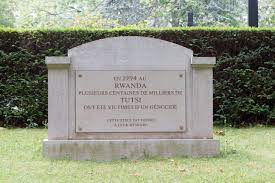
Numerous reports have reached the Secretariat of the United Nations (UN) of actual, or potential, situations of genocide: mass killings; cases of slavery and slavery-like practices, in many instances with a strong racial, ethnic, and religious connotation — with children as the main victims, in the sense of article II (b) and (c). Despite factual evidence of these genocides and mass killings as in Sudan, the former Yugoslavia, Rwanda, Burundi, the Democratic Republic of Congo, Sierra Leone and in other places, no Contracting Party to the Genocide Convention has called for any action under article VIII of the Convention.

As Mr. Nicodème Ruhashyankiko of the Sub-Commission on Prevention of Discrimination and Protection of Minorities wrote in his study of proposed mechanisms for the study of information on genocide and genocidal practices “A number of allegations of genocide have been made since the adoption of the 1948 Convention. In the absence of a prompt investigation of these allegations by an impartial body, it has not been possible to determine whether they were well-founded. Either they have given rise to sterile controversy or, because of the political circumstances, nothing further has been heard about them.”

Raphael Lemkin

Yet the need for speedy preventive measures has been repeatedly underlined by UN Officials. On December 8, 1998, in his address at UNESCO, UN Secretary-General Kofi Annan said “Many thought, no doubt, that the horrors of the Second World War — the camps, the cruelty, the exterminations, the Holocaust — could not happen again. And yet they have, in Cambodia, in Bosnia and Herzegovina, In Rwanda. Our time — this decade even — has shown us that man’s capacity for evil knows no limits. Genocide — the destruction of an entire people on the basis of ethnic or national origins — is now a word of our time, too, a stark and haunting reminder of why our vigilance must be eternal.”

In her address Translating words into action to the UN General Assembly on December 10, 1998, the then High Commissioner for Human Rights, Ms. Mary Robinson, declared “The international community’s record in responding to, let alone preventing, gross human rights abuses does not give grounds for encouragement. Genocide is the most flagrant abuse of human rights imaginable. Genocide was vivid in the minds of those who framed the Universal Declaration, working as they did in the aftermath of the Second World War. The slogan then was ‘never again’. Yet genocide and mass killing have happened again — and have happened before the eyes of us all — in Rwanda, Cambodia, the former Yugoslavia and other parts of the globe.”

We need to heed the early warning signs of genocide. Officially directed massacres of civilians of whatever numbers cannot be tolerated, for the organizers of genocide must not believe that more widespread killing will be ignored. Yet killing is not the only warning sign. The Convention drafters, recalling the radio addresses of Hitler and the constant flow of words and images, set out as punishable acts “direct and public incitement to commit genocide”. The Genocide Convention, in its provisions concerning public incitement, sets the limits of political discourse. It is well documented that public incitement — whether by Governments or certain non-governmental actors, including political movements — to discriminate against, to separate forcibly, to deport or physically eliminate large categories of the population of a given State, or the population of a State in its entirety, just because they belong to certain racial, ethnic, or religious groups, sooner or later leads to war. It is also evident that, at the present time, in a globalized world, even local conflicts have a direct impact on international peace and security in general. Therefore, the Genocide Convention is also a constant reminder of the need to moderate political discourse, especially constant and repeated accusations against a religious, ethnic, and social category of persons. Had this been done in Rwanda, with regard to the Radio Mille Collines, perhaps that premeditated and announced genocide could have been avoided or mitigated.

For the UN to be effective in the prevention of genocide, there needs to be an authoritative body which can investigate and monitor a situation well in advance of the outbreak of violence. As has been noted, any Party to the Genocide Convention (and most States are Parties) can bring evidence to the UN Security Council, but none has. In the light of repeated failures and due to pressure from nongovernmental organizations, the Secretary-General has named an individual advisor on genocide to the UN Secretariat. However, he is one advisor among many, and there is no public access to the information that he may receive.

Therefore, a relevant existing body must be strengthened to be able to deal with the first signs of tensions, especially ‘direct and public incitement to commit genocide.” The Committee for the Elimination of Racial Discrimination (CERD) created to monitor the 1965 International Convention on the Elimination of All Forms of Racial Discrimination would be the appropriate body to strengthen, especially by increasing its resources and the number of UN Secretariat members which service the CERD. Through its urgent procedure mechanisms, CERD has the possibility of taking early-warning measures aimed at preventing existing strife from escalating into conflicts, and to respond to problems requiring immediate attention. A stronger CERD more able to investigate fully situations should mark the world’s commitment to the high standards of world law set out in the Genocide Convention.


Notes
1) Raphael Lemkin. Axis Rule in Occupied Europe (Washington: Carnegie Endowment for World Peace, 1944).
2) For a good overview, see: Samantha Power. A Problem from Hell: America and the Age of Genocide (New York: Basic Books, 2002)
3) E/CN.4/Sub.2/1778/416, Para 614


Prof. René Wadlow is President of the Association of World Citizens.
Ethiopia: The Cry of the Imburi

In Africa, Being a World Citizen, Conflict Resolution, Current Events, Human Rights, NGOs, Solidarity, The Search for Peace, Track II, United Nations on November 30, 2021 at 9:33 PM

By René Wadlow

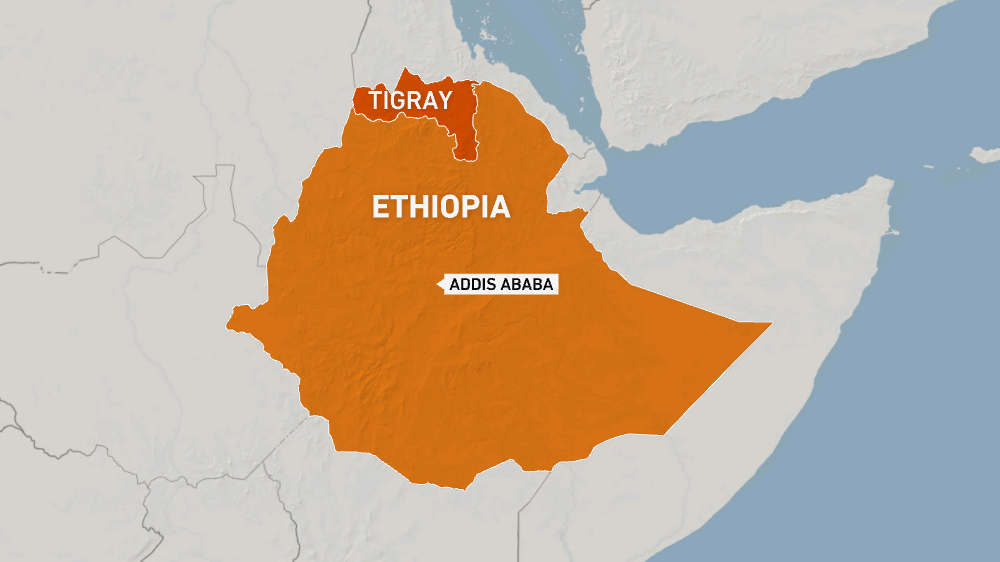
The Imburi are spirits that are said to inhabit the forests of Gabon in Equatorial Africa and who cry out for those who can hear them at times of impending violence or danger. The Imburi have been crying out over the increasing dangers of the conflict in Ethiopia which began on November 3, 2020. However, during the past year, the conflict has spread to other parts of Ethiopia and has impacted neighboring countries.

The fighting in Tigray becomes more complex each day as Ethiopian Defense Forces, Eritrean Defense Forces and ethnic militias face Tigrayan forces. There is a buildup of Sudanese government forces on the Ethiopian-Sudan border where refugees flee into Sudan. The whole Horn of Africa, already fragile, is in danger of greater destabilization.

For the moment, all efforts for mediation proposed by the United Nations (UN), by the African Union or individual states such as the USA have been refused by the Ethiopian central government. Many of the former officials of the Tigray Province have fled to other countries. Thus, it is not clear who is in a position to negotiate for the Tigray factions were negotiations to be undertaken.

Isolated Children in Tigray (C) Rod Waddington

The Office of the UN High Commissioner for Human Rights has sent representatives to Ethiopia to collect information on human rights violations related to the conflict in Tigray. With great difficulty some information on massive human rights violations and violations of international humanitarian law has been collected. The UN High Commissioner for Human Rights, Michelle Bachelet has spoken out on these violations involving mass killings, rapes, and the abduction of civilians when presenting the report on November 3, 2021 in Geneva. However, she stressed the difficulties of collecting information and the impossibility to visit certain areas where massive violations were said to have taken place. Amnesty International has also tried to collect information by telephone since its representatives were not allowed to enter the country.

On November 2, 2021, a state of emergency covering all of Ethiopia was declared by the federal government. Arrests of Tigrayans living in the capital Addis Ababa followed. Travel within the country is limited and heavily controlled by the police and the military. There is talk of a wide-spread roundup of Tigrayans living in Addis Ababa and other large cities and placing them in camps. There is an increase in local self-defense groups as fear grips the country.

There are few signs of compromise or a willingness to deal with the deep consequences of the armed conflict. There might be some possibilities for nongovernmental, Track II type efforts to see where some progress might be made. The Association of World Citizens, knowing the fragile nature of the confederation of provinces which make up the Ethiopian State had made a first appeal for a ceasefire and negotiations in good faith shortly after fighting had started in early November 2020. However, for the moment, possibilities for mediation either by governments or nongovernmental organizations have not been acted upon. A situation which needs to be follow carefully.

Prof. René Wadlow is President of the Association of World Citizens.
Current Searches for Appropriate Forms of Government

In Africa, Being a World Citizen, Conflict Resolution, Current Events, Human Rights, Humanitarian Law, Middle East & North Africa, NGOs, Solidarity, The Search for Peace, Track II, United Nations, War Crimes, World Law, Yemen on October 8, 2021 at 6:52 PM

By René Wadlow

The Association of World Citizens (AWC) strives to respond to situations in this turbulent and frequently violent world by making proposals for the resolution of armed conflicts through negotiations in good faith and by making proposals for developing appropriate forms of government, often based on con-federalism, decentralization, and trans-frontier cooperation. A current focus is on the situations in Yemen (1) and Somalia. (2)

In March 2015, a military coalition led by Saudi Arabia attacked Sanaa, the capital of Yemen, held by a rebel force, the Ansar Allah Movement, commonly called the Houthis. Since that date, the armed conflict has continued, destroying the fragile economy, displacing a large number of persons, creating a humanitarian tragedy. So far, all mediation efforts have failed. The situation becomes more complex each day due in part to the rivalry between Saudi Arabia and Iran.

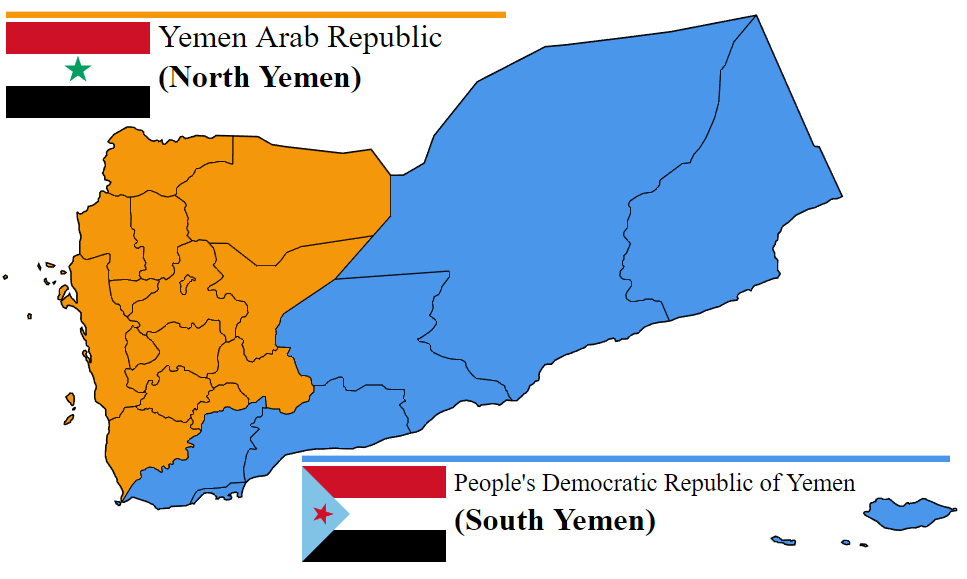
The state of Yemen was the creation of two separate units. One was the southern part originally known as the Aden Colony and the Eastern and Western Aden Protectorates under British rule. The northern part of the country had been under Ottoman rule until the end of the Ottoman Empire in 1918. From 1918 until 1962, it was ruled by Imams. In 1962, there was a military coup organized by officers who had been trained in Egypt and were influenced by Nasser’s views on Arab nationalism. The coup was followed by an eight-year-long civil war between the military forces called “republicans” and the forces of the Imam Bader. The republicans won, but the government was weak and unstable.

The south of the country after the British left took the name of the People’s Democratic Republic of Yemen. In 1990, the two segments of Yemen were united, and the Republic of Yemen was established. However, the euphoria which had existed at the start was short-lived. The people in the south had been promised that their lives would be bettered after unification. Life did not improve, and many in the south felt marginalized. Today, there is a strong sentiment in the south for separation and independence.

When the fighting in Yemen stops, the creation of appropriate forms of government will have to be found. The return to two separate states presents real difficulties as people have moved from their original home areas due to changing economic conditions and to the armed conflict. Yet a single centralized government also seems impossible. As Martin Dent points out, where there is strong identity politics, there must be forms of government that fill the gap between unity and independence. (3) There is a need for Track II efforts to discuss possible structures of government in Yemen.

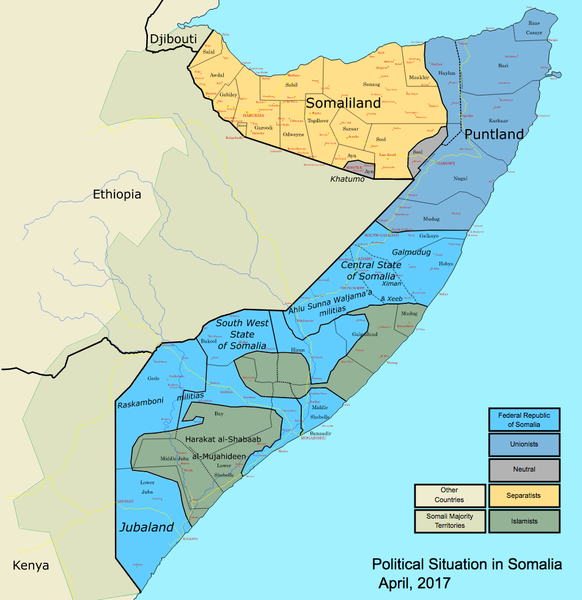
In Somalia, we have very similar conditions. The two Somali colonial areas, one under the control of Britain and the other under that of Italy were combined into one state in 1961. There had been a period of United Nations (UN) trusteeship after the end of the Second World War when the area of Italian colonial status had ended and before the two colonial territories were united. The political culture of the two territories was different. This impact of the colonial legacy was an element leading to the current situation. In January 1991, the military government of Siyad Barre was overthrown, and now different parts of the country demand independence, in particular Somaliland and Puntland, though their boundary claims overlap.

In addition to regional demands for independence, there is an armed Islamist movement, Al-Shabaab, which poses regional and international security issues which continue. Mediation efforts by the UN have not progressed. Again, Track II efforts may be helpful to find governmental structures able to provide autonomy without dividing the Somalia state into three or more independent states. (4) The Association of World Citizens stresses the need for creative thinking on the structure of a state, on the need for regional cooperation and a willingness to negotiate in good faith.

Notes

(1) Helen Lackner, Yemen in Crisis: Autocracy, Neo-Liberalism and the Disintegration of a State (London: Saqi Books, 2017, 330 pp.)

(2) Sarah G. Phillips, When There Was No Aid: War and Peace in Somaliland (Ithaca: Cornell University Press, 2020, 227 pp.)

(3) Martin J. Dent, Identity Politics: Filling the Gap Between Federalism and Independence (Aldershot: Ashgate Publishing, 2004, 232 pp.)

(4) Hurst Hannum, Autonomy, Sovereignty and Self-Determination: The Accommodation of Conflicting Rights (Philadelphia: University of Pennsylvania Press, 1990, 503 pp.)

Prof. René Wadlow is President of the Association of World Citizens.

The AWC Reiterates its Appeal for Immediate Action to End the Fighting and Bring Relief to Populations at Risk in Ethiopia

In Africa, Being a World Citizen, Conflict Resolution, Current Events, Human Rights, Humanitarian Law, NGOs, Solidarity, Sudan, The Search for Peace, Track II, United Nations, World Law on September 14, 2021 at 8:46 PM

By René Wadlow

The Association of World Citizens (AWC) now reiterates its Appeal to the parties in the armed conflict in Ethiopia for negotiations in good faith to end the fighting and to deal with the deep consequences of the conflict, especially the widespread hunger. Mark Lowcock, the United Nations (UN) Undersecretary-General for Humanitarian Affairs, has warned that nearly five million of the six million population of the Tigray Province needed food assistance and the number grows as fighting spreads to other regions.

Shortly after fighting began on November 3, 2020, the AWC, knowing the fragile nature of the confederation of provinces which make up the Ethiopian state, had made a first Appeal for negotiations in good faith, although information on the fighting was very limited. Journalists were prevented from going to Tigray as were most humanitarian nongovernmental organizations (NGOs). However by February, enough information had been gathered from refugee sources for Amnesty International to present a first report on the extent of human rights violations, with multiple credible and widely corroborated reports of widespread atrocities involving mass killings, rapes and the abduction of civilians.

The fighting in Tigray becomes more complex each day as Ethiopian Defense Forces, Eritrean Defense Forces and ethnic militias face Tigrayan forces. There is a buildup of Sudanese government forces on the Ethiopian-Sudan border and refugees flee into Sudan. The whole Horn of Africa already fragile is in danger of greater destabilization.

For the moment all efforts for mediation proposed by the UN or the African Union have been refused by the Ethiopian central government. The former officials of Tigray Province have fled and it is not clear who is in a position to negotiate for the Tigray factions were negotiations to be undertaken. There may be possibilities for non-governmental initiatives. Hence the reiteration of our AWC Appeal.

Prof. René Wadlow is President of the Association of World Citizens.
Concerted Efforts Against Trafficking in Persons

In Africa, Being a World Citizen, Current Events, Europe, Human Rights, Middle East & North Africa, Migration, Modern slavery, NGOs, Social Rights, Solidarity, The Search for Peace, Track II, United Nations, Women's Rights, World Law on July 30, 2021 at 10:01 AM

By René Wadlow

On July 30, there should be a worldwide concerted effort against trafficking in persons. The United Nations (UN) General Assembly in Resolution A/RES/68/192 in 2012 set out July 30 as a day to review and reaffirm the need for action against the criminal global networks dealing in trafficking of persons. The trafficking of human beings reveals the hunger of the global economy for human labor and the disrespect for human dignity. Drugs, guns, illegal immigration are the nightmare avenues of how the poor world becomes integrated into the global economy. These are intricate networks and are intertwined with interests in business and politics.

A recent UN report presented to the Commission on the Status of Women highlighted that human trafficking is one of the fastest growing criminal industries and one of the crucial human rights crises today.

From Himalayan villages to Eastern European cities – especially women and girls – are attracted by the prospects of a well-paid job as a domestic servant, waitress or factory worker. Traffickers recruit victims through fake advertisements, mail-order bride catalogues, casual acquaintances, and even family members. Children are trafficked to work in sweatshops, and men to work in the « three D jobs » – dirty, difficult and dangerous.

Despite clear international standards such as the UN Convention against Transnational Organized Crime and its Protocol to Prevent, Suppress and Punish Trafficking in Persons, Especially Women and Children, there is poor implementation, limited governmental infrastructure dedicated to the issue. There is also a tendency to criminalize the victims.

Since 2002, the UN Office on Drugs and Crime has collected information on trafficking in persons. The International Labor Organization, the World Health Organization – especially in the field of HIV/AIDS prevention – and the International Organization for Migration – all have anti-trafficking programs, but they have few «people on the ground» dealing directly with the issue.

Thus, real progress needs to be made through nongovernmental organizations (NGOs) such as the Association of World Citizens which has raised the issue in human rights bodies in Geneva. There are three aspects to this anti-trafficking effort. The first is to help build political will by giving accurate information to political leaders and the press. The other two aspects depend on the efforts of NGOs themselves. Such efforts call for increased cooperation among NGOs and capacity building.

The second aspect is research into the areas from which persons – especially children and women – are trafficked. These are usually the poorest parts of a country and among marginalized populations. Socio-economic and development projects must be directed to these areas so that there are realistic avenues for advancement.

The third aspect is psychological healing. Very often persons who have been trafficked have had a disrupted or violent family life. They may have a poor idea of their self-worth. The victim’s psychological health is often ignored by governments. Victims can suffer a strong psychological shock that disrupts their psychological integrity. Thus, it is important to create opportunities for individual and group healing, to give a spiritual dimention through teaching meditation and yoga. There is a need to create adult education facilities so that persons may continue a broken educational cycle.

We must not underestimate the difficulties and dangers which exist in the struggle against trafficking in persons nor the hard efforts which are needed for the psychological healing of victims. July 30 can be a rededication for our efforts.

Prof. René Wadlow is President of the Association of World Citizens.