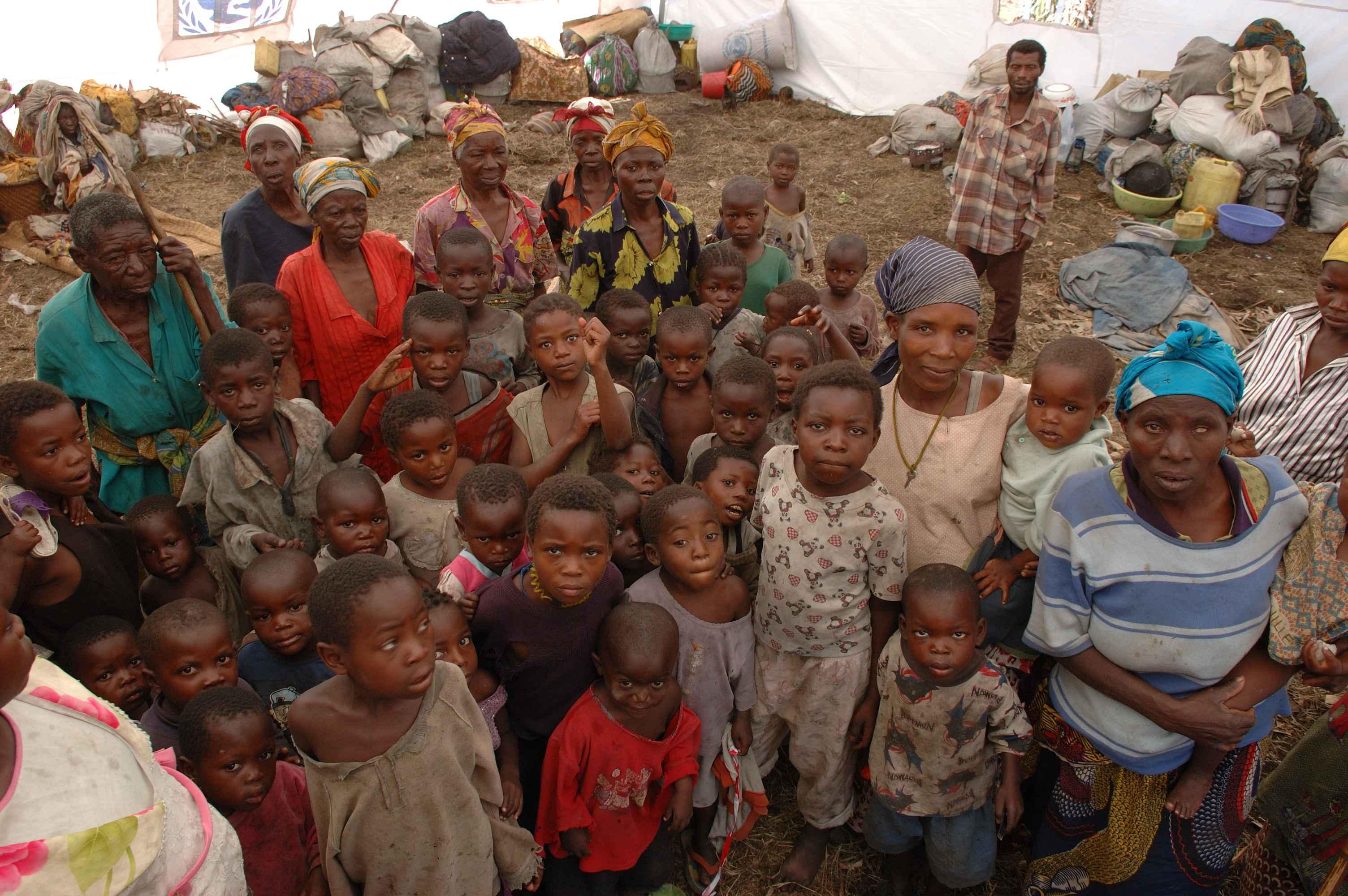
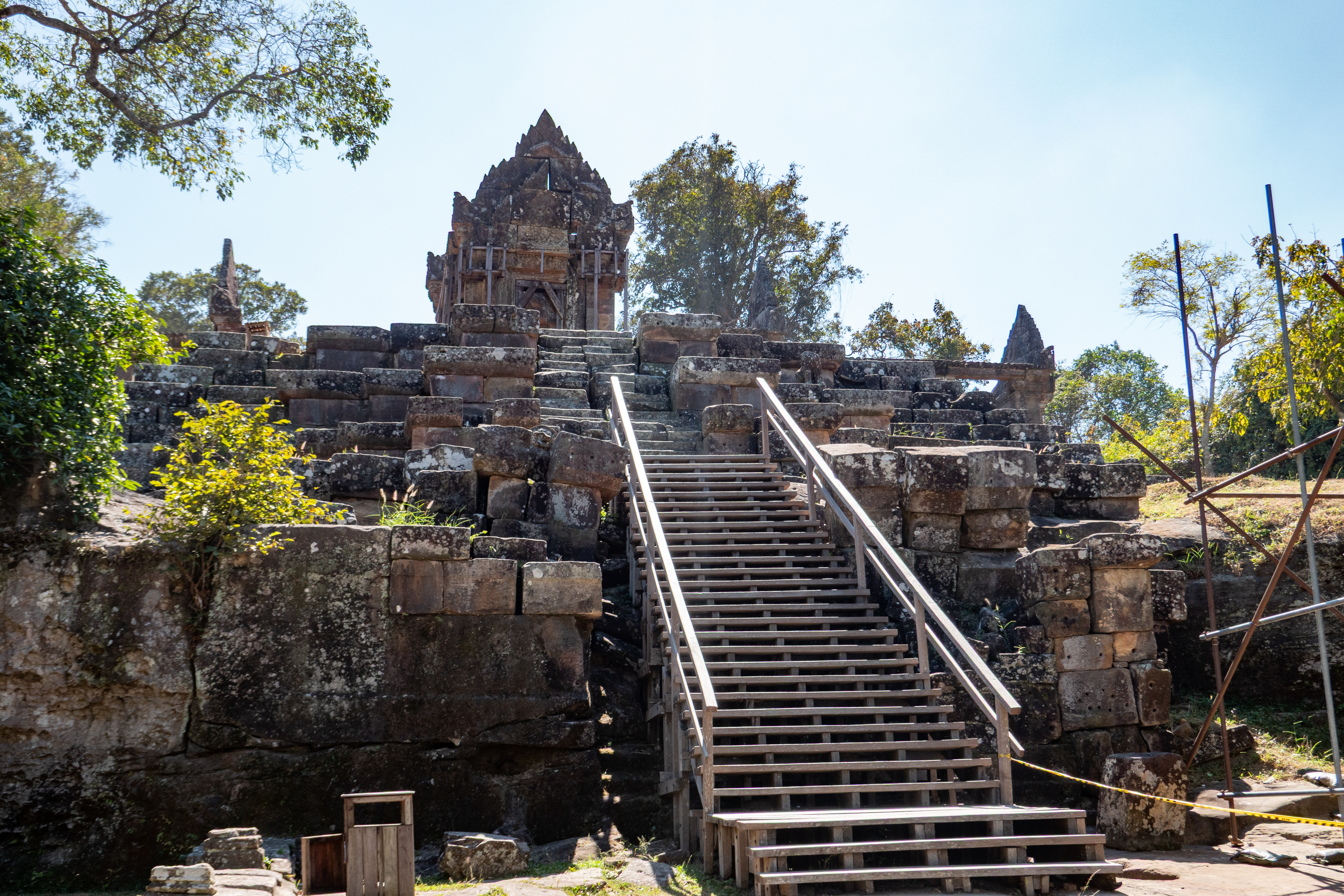
The Association of World Citizens (AWC) expresses deep concern over the rising political tensions and military clashes between Thailand and Cambodia which has led to a large displacement of civilians from the border areas.
On July 24, 2025, Cambodian forces launched artillery attacks on civilian targets in Thai territory, and Thailand responded with airstrikes on Cambodia. Landmines have been set in the contested border areas. The AWC has long been active against the use of landmines. This escalation of Thai-Cambodian tensions risks a destabilization of both governments and societies.
Therefore, the AWC calls for an immediate ceasefire and the start of negotiations in good faith.
Prof. René Wadlow, President of the Association of World Citizens
Education for human rights is a vital need in order to create a universal culture of human rights. Such a culture of human rights can be built around peoples’ needs and current struggles. A human rights culture is more than knowing and respecting the provisions of the Universal Declaration of Human Rights. It is a break in the cycle of humiliation, abuses of power and violence in which too many people are caught today. People want to know that they are in full control of their lives and that their society embodies their uniqueness as people with the full development of their personality and sense of dignity.
Knowledge requires appropriate pedagogical techniques for imparting human rights information, and therefore there is a need to train teachers at all levels of formal education in the teaching of human rights. There is a need to develop innovative material for use especially in professional training for the judiciary, law enforcement, military, medical and social work. The need to develop innovative teaching material and techniques is true for the efforts against torture especially on persons held in custody.
In addition to human rights education within formal educational institutions, an emphasis can be placed on popular education and the informal sector. There is a role for writers and anthropologists to collect stories and songs that evoke the historical memory of people about hope, respect, equality and human dignity. Likewise, the media can play an important role both in giving information and in developing respect for human rights and dignity.
Human rights education is an indispensable tool in the empowerment of peoples. Learning of human rights leads to participation, reciprocity and accountability on all levels of society. This strengthens the democratic process as persons become aware of their rights and responsibilities, of the full dimension of equal respect between women and men, and among peoples of different cultural and ethnic identities.
There is much to be done, and many can play a role. Join in this vital effort for human rights education!
Prof. René Wadlow is President of the Association of World Citizens.
July 12 has been set by the United Nations (UN) General Assembly as the International Day of Hope to be celebrated each year as a moment of light in dark times. Hope is a powerful force for positive change and for a brighter future. Hope is an important element in developing a culture of peace. Hope helps us to overcome the serious challenges which face the world society.
The Association of World Citizens was among those working with progressive governments so that on March 4, 2025, the UN General Assembly voted to set July 12 each year as the Day of Hope. Hope must, of course, be translated into action. However, at this time when many felt hopeless in the light of armed violence and wide-spread violations of human rights, a day devoted to hope agreed to by such a large number of countries is a sign of common efforts for progress.
Hope can be encouraged by programs in schools and cultural centers – a possibility for creative action by all of us.
Prof. René Wadlow is President of the Association of World Citizens.

After the April 22 attack and death of 26 Indian tourists at Pahalgam in the Indian-administered area of Kashmir, tensions between India and Pakistan grew quickly. Pakistan was accused by India of backing the terrorists who had carried out the attack – a charge which Pakistan denied. Prime Minister Narendra Modi gave the Indian military “complete operational freedom”. A combination of bellicose rhetoric, domestic pressures, and political agitation led to daily exchanges of armed fire, and the shooting down of Indian jet fighters. The frontiers between the two countries were closed and diplomats withdrawn. The dangers of escalation between the two nuclear-armed countries were obvious to many.
Fortunately, outside voices called for an immediate ceasefire: U.S. President Donald Trump and his Secretary of State Marco Rubio, Antonio Guterres, Secretary-General of the United Nations (UN), and some member governments of the UN Security Council which met in closed session, as well as a good number of Nongovernmental Organizations (NGOs) involved in conflict resolution efforts such as the International Peace Bureau and the Association of World Citizens (AWC). One must now strive so that the ceasefire will hold.
The next step is to facilitate negotiations between the Indian and Pakistani governments. A first step is to create a number of confidence-building measures so that the ceasefire holds. Then there is a need to develop longer-range negotiations. There are a good number of outstanding issues, such as Kashmir, which go back to the founding of the two countries.
It may be that the current steps back from the nuclear brink will drive home the need for serious negotiations. NGOs in both India and Pakistan may help to see on what issues progress may be made. Those of us on the outside must do all we can to facilitate creative dialogue between Indians and Pakistanis.
Prof. René Wadlow is President of the Association of World Citizens.
On April 22, 2025, four gunmen killed 26 people and injured others in the Kashmir tourist center of Pahalgam, Kashmir, India. The Resistance Front claimed responsibility for the Pahalgam attack, but the group is little known. Indian officials have blamed Pakistan as being behind the attackers saying that Pakistan has a fundamentally criminal disposition in its deep state membership. Pakistan is host to Islamic militants that carry out terrorist raids in India but does not necessarily control them.
As a result of the Pahalgam attack, India has closed its border crossings into Pakistan and suspended India’s 1960 Water Treaty with Pakistan. Anti-Pakistan protests have erupted in India’s capital New Delhi and in several other cities raising fears that anti-Muslim sentiment will grow in India. Pakistan responded by closing its border crossings with India and closed its air space to Indian aircraft.
In 2019, India modified the special self-governing status of Jammu and Kashmir, and security measures have been very tight since. Nevertheless, Kashmir is an important location for tourism within India. Within 48 hours, 90 percent of the tourists in Kashmir left – a blow to farmers who sold their food to tourists and to handicraft makers. The image of a young bride sitting beside her husband’s lifeless body has been viewed multiple times and is fixed into the Indian national consciousness as the symbol of the drama.
As tensions within Jammu and Kashmir have led to armed conflicts between India and Pakistan in the past, the governments of Russia, China, Saudi Arabia and Iran have offered their good offices as mediators. On April 25, Abbas Araghchi, the Iranian Foreign Minister, said that both India and Pakistan are “brother nations” and that Iran was prepared to play a mediation role.
A ‘Beating of Retreat’ ceremony in Wagha, Pakistan, just next to India, on December 5, 2010. (C) Koshy Koshy
It may be that the governments of Russia, China, Saudi Arabia, and Iran are all too involved with advancing their own political interests in world politics to be taken as neutral mediators. Nevertheless, the India-Pakistan tensions are very dangerous and may easily grow worse if steps to reduce tensions are not taken very soon.
As Citizens of the World, we are particularly called to help create a climate for negotiations in good faith and to reduce tensions. Therefore, we need to use our worldwide links in a creative way to reduce tensions. We devote ourselves to the safeguard, restoration, and construction of peace through dialogue, cooperation and reconciliation.
One approach in which World Citizens participate is called Track Two. Track One is official government-to-government diplomacy among instructed representatives of the State although there can be “back channels” and informal contacts among the representatives of governments. Track Two consists of discussions held among non-officials of conflicting parties in an effort to clarify outstanding disputes and to explore the options for resolving them in settings that are less sensitive and often less structured and with less media attention than those associated with official negotiations. Those involved in Track Two talks usually include scholars, senior journalists, former government officials and businesspeople. Depending on the aims and styles of these meetings, the profile of Track Two participants will differ.
The specific purposes of Track Two talks vary, but they are all related to reducing tensions. By informing their respective publics, participants, may indirectly contribute to the formation of new priorities and policies.
Track Two is not the end of the story for insights gained must be incorporated into the positions of government negotiators. There is a little verse by the Quaker economist Kenneth Boulding who participated in many Track Two efforts,
When Track One will not do, We have to travel on Track Two. But for results to be abiding, The Tracks must meet upon some siding.
Today, discussions among Nongovernmental Organizations with avenues of communication to Indian and Pakistani officials should begin now. Time may be in short supply.
Prof. René Wadlow is President of the Association of World Citizens.
Recent violence and growing tensions along religious, ethnic and social class lines in Syria have highlighted the need to create a framework for cooperation among civil society groups. The Peacebuilding Section of the United Nations (UN) Secretariat was created because of the difficulties of creating a peaceful and just society after a period of armed conflict. It has been noted that violence often starts up again if strong measures of reconciliation and cooperative action are not undertaken as soon as the armed conflict ends. A spirit of revenge is often present, especially among those who consider themselves as victims. Thus, there needs to an interweaving of economic improvement with social reconciliation and the creation of trust among factions.
The long, multi-layered conflict in Syria from 2011 to the departure of Bashar al-Assad in December 2024 had increased tensions among groups, but the tensions were already there, clashing over values and interests. “Pity the nation divided into fragments, each fragment deeming itself a nation” wrote Khalil Gibran in The Garden of the Prophet thinking about his home country Lebanon, but it can also be said of neighboring Syria.
External countries had quickly stepped into the armed conflict after 2011 projecting their rivalries onto Syria and jockeying for regional preeminence. Syrian civil society members had cooperated during the efforts of mediation during the early years of the conflict. The first mediator was Mr. Kofi Annan as the joint envoy of the UN and the League of Arab States in February 2012.
Kofi Annan (C) Magyar ENSZ Társaság
Kofi Annan, a former UN Secretary General, had spent his entire career in the UN system and was a seasoned mediator. From his discussions and observations, he proposed first steps based on a ceasefire with effective UN supervision, a release of arbitrarily detained persons, increased humanitarian aid, and freedom of association within Syria. The implementation of his proposals did not follow, and he resigned his mandate on August 2, 2012.
I knew somewhat Kofi Annan and knew better some members of his staff. I also knew fairly well the Secretary General of the League of Arab States Nabil al-Araby, a longtime Ambassador of Egypt to the UN in Geneva. Thus, on behalf of the Association of World Citizens (AWC), I became involved with the armed conflict in Syria.
I had discussions with Dr. Faysal Khabbaz Hamouri, the Ambassador of Syria to the UN in Geneva, to see what issues might be negotiable and if an agenda could be fixed. I also had discussions with Syrian Nongovernmental Organization (NGO) members who had come to Geneva because of the negotiations. NGO representatives, such as I for the AWC, have no standing as official mediators but can play some role through their contacts with diplomats and UN Secretariat members. From these discussions, I came to realize how deeply divided was the Syrian community involved in the political aspects of the armed conflict. There were no public negotiations in Geneva after 2015. In September 2015, Russian military troops started their heavy support of the al-Assad government.
Today, it is difficult to know what those of us who are not Syrians and who are outside of Syria can do to help build a society of social cohesion in Syria. The wider Middle East is filled with violence and tensions among Israelis and Palestinians, in Lebanon, Yemen and Iran. We have to keep our spirits open for new possibilities of positive action.
(C) Khaled Fozan
Prof. René Wadlow is President of the Association of World Citizens.
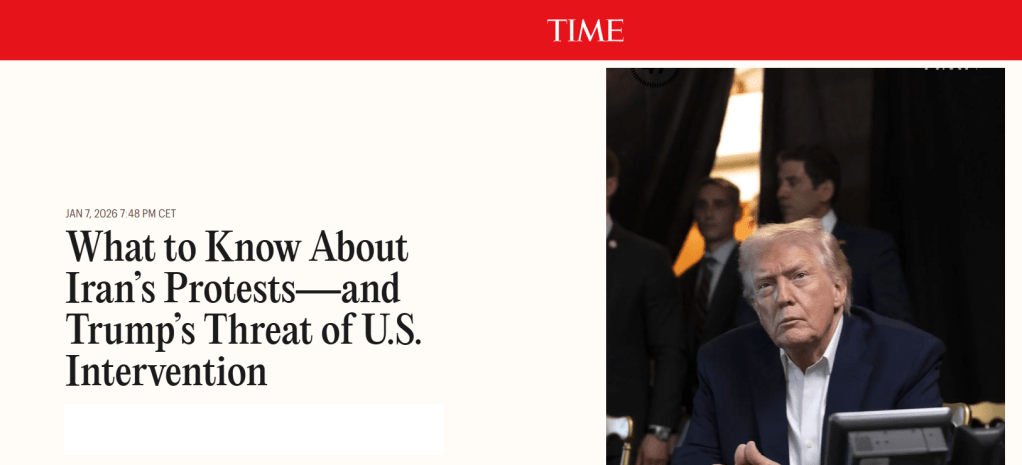
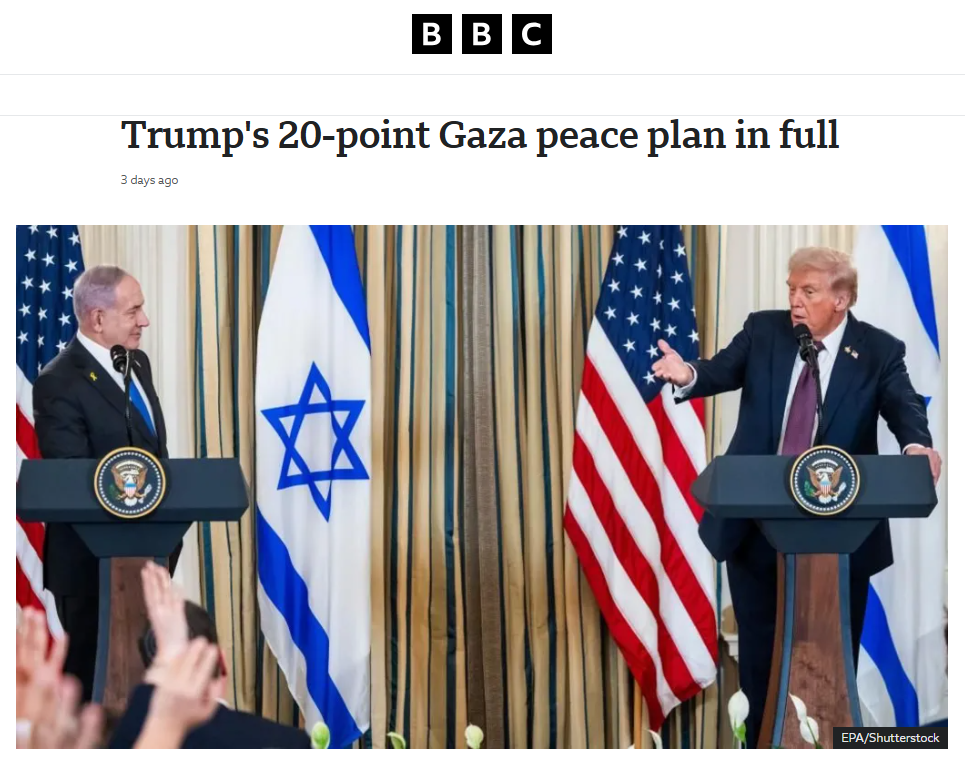
The January 20, 2025 inauguration of President Donald Trump has brought into sharp focus the turbulent and complex world society in which we live. As peacebuilders and citizens of the world, we face the same challenges as President Trump but with a different style and with far fewer resources at our command. We make plans but then are called to work for conflict resolution in unanticipated ways.
There are four policy challenges which face both President Trump and World Citizens: armed conflicts, currently ongoing and potential, persistent poverty in many areas, the erosion of international law and faith in multinational institutions, particularly the United Nations (UN), and the consequences of climate change.
The ongoing and potential armed conflicts are neither new nor unexpected. The Israeli-Palestinian tensions exist at least since 1936 and increased after the creation of the State of Israel. There may be some possibilities for negotiations in good faith. We must keep an eye open for possible actions.
Tensions with Iran are not new. The Soviet forces in part of Iran was the first conflict with which the UN had to deal in its early days. However, the rule by the Ayatollahs has made matters more complex.
The Russian-Ukrainian war grinds on with a large number of persons killed, wounded, and uprooted. Again, we must look to see if a ceasefire and negotiations are possible.
In Asia, the armed conflict in Myanmar between the military in power and the ethnic militias dates from the creation of the Burmese State at the end of the Second World War. A potential armed conflict between Mainland China and Taiwan dates from 1949 and the Nationalist government’s retreat to Taiwan. The potential armed conflict between the two Korean States dates from 1950 and the start of the Korean War.
The armed conflicts in Africa are no longer in the headlines, but they date from the early 1960s and the breakup of the European Empires: the Democratic Republic of Congo, Sudan, the States of the Sahel.
Thus, we all have a poor record of armed conflict prevention and mediation. Armed conflicts should remain at the top of both the governmental and nongovernmental agenda for action.
(C) U.S. Embassy France on Instagram
Persistent Poverty: Despite the UN Decades for Development, the Sustainable Development Goals, and Article 22 of the Universal Declaration of Human Rights which states that everyone is entitled to the economic, social, and cultural rights indispensable for his dignity and free development of his personality, persistent poverty exists in many parts of the world. One consequence of persistent poverty is migration from poorer to richer areas, both within countries and from poorer to richer States. Migration is a hotly debated issue in many countries, as right-wing nationalist groups make anti-migration their battle cry. Migration is likely to become an even more heated topic of debate as President Trump tries to carry out his proposal for a mass deportation of immigrants from the USA.
Linked to persistent poverty are trade issues and the protectionist trends in many countries. President Trump has proposed higher tariffs for good coming into the USA. This policy may set off tariff wars. Obviously to counter persistent poverty, world development policies must be improved – easier said than done!
The Erosion of International Law and Faith in Multinational Institutions: Armed conflicts and persistent poverty are closely related to the third issue: the receding United States (U.S.) involvement with the UN, the World Bank, the IMF, the World Court and other multinational organizations. Some of the foreign policy authorities appointed by President Trump are overtly critical of the UN and the International Criminal Court. There has already been an Executive Order to halt U.S. funding of the World Health Organization. However, there is no unifying vision of what a new world society would involve. The battle cry of “Make America Great Again”, if repeated by each State for itself, “Make Panama Great Again”, could be a loud concert but not conducive to positive decision making.
The Consequences of Climate Change: The fourth major group of issues concerns the consequences of climate change and the ways to lessen its impact. During the campaign for the presidency, Trump threatened to pull the USA out of the Paris Climate Agreement, and he has now signed an Executive Order doing so. The issue of climate change has been brought to the world agenda by scientists on the one hand, and by Nongovernmental Organizations and popular, often youth-led efforts, on the other hand. It is likely that these vital efforts related to climate change will continue despite climate policy resistance by some in the Trump administration.
President Trump said during his inaugural ceremony that “The Golden Age of America begins now… We stand on the verge of the four greatest years in American history.” We will have to watch closely and judge in four years. What is sure for peacebuilders and citizens of the world is that we stand on the verge of four more years of serious challenges. Thus, there is a need for cooperative and courageous action.
Prof. René Wadlow is President of the Association of World Citizens.
“Always we have to remember that the wide, free sense of equality and kinship which lies at the root of Internationalism is the real goal. Always, we have to press on toward that great and final liberation – the realization of our common humanity, the recognition of the same great soul slumbering under all forms in the hearts of all races – the one guarantee and assurance of the advent of world peace.”
Edward Carpenter, The Healing of Nations, 1914.
As we approach the end of 2024 and make plans for 2025, it is useful to see the challenges which confront us in our conscious commitment to world citizenship. We are all able to envision a better future in which there is global cooperation. Such positive goals require leadership and the active participation of world citizens from around the globe. We need to make a personal commitment to be Earth stewards, protecting the planet for future generations. We need to break down barriers between people in order to reduce suspicions and tensions. Enormous creativity and effort are required to develop a safe and sustainable world society.
While we plan these positive steps, we must not underestimate the strength of the narrow nationalist currents planning to build new walls or enlarge existing walls. One could list the examples in many parts of the world. Narrow nationalists are in power in a number of countries or are waiting on the edges of power.
Thus, as Edward Carpenter wrote as the First World War broke out, we must press on to the realization of our common humanity.
Earth is our common home, Let’s protect it together (C) Bernard J. Henry/AWC
Prof. René Wadlow is President of the Association of World Citizens.
War and armed violence are highly destructive of the lives of persons, but also of works of art and elements of cultural heritage. Knowledge and understanding of people’s past can help current inhabitants to develop their identity and to appreciate the value of their culture and heritage. Such knowledge and understanding enriches their lives and enables them to manage contemporary problems more successfully.
Since September 23, 2024, the armed conflict between the Israeli armed forces and the Hezbollah militia in Lebanon has led to increased air attacks by Israeli forces on different parts of Lebanon, resulting in deaths and the uprooting of a large number of people. Hezbollah had begun hostilities on October 8, 2023 by shelling Israeli positions in support of Hamas.
The Association of World Citizens (AWC) had called for a reduction of Israeli-Hezbollah tensions and has since called for a ceasefire and for the return of persons displaced in the areas on both sides of the Israel-Lebanon frontier. (See our Appeal of September 2024).
This AWC Appeal concerns the protection of cultural heritage as Israeli attacks have already harmed cultural heritage sites in Baalbek and Tyr as well as other culutral sites. Lebanon has a rich past going back to Biblical and Roman times.
After the Second World War, UNESCO had developed international conventions on the protection of cultural and educational bodies in time of armed conflict. The most important of these is the 1954 Hague Convention for the Protection of Cultural Property in the Event of Armed Conflict. The Hague Convention has been signed by a large number of States.
The 1954 Hague Convention builds on the Roerich Peace Pact first proposed by the Russian painter and champion of Asian culture, Nicholas Roerich. The Roerich Peace Pact was signed on April 15, 1935 by 21 States in a Pan American Union ceremony at the White House in Washington, D.C.
The Banner of Peace (Pax Cultura), as defined by the Roerich Pact of 1935 (C) Kwamikagami
At the signing, Henry A. Wallace, then United States (U.S.) Secretary of Agriculture and later Vice-President, said, “At no time has such an ideal been more needed. It is high time for the idealists who make the reality of tomorrow, to rally around such a symbol of international cultural unity. It is time that we appeal to that appreciation of beauty, science, education which runs across all national boundaries to strengthen all that we hold dear in our particular governments and customs. Its acceptance signifies the approach of a time when those who truly love their own nation will appreciate in addition the unique contributions of other nations and also do reverence to that common spiritual enterprise which draws together in one fellowship all artists, scientists, educators and truly religious of whatever faith. Thus we build a world civilization which places that which is fine in humanity above that which is low, sordid and mean, that which is hateful and grabbing.”
We still have efforts to make so that what is fine in humanity is above what is hateful and grabbing. The AWC strives so that a start will begin in Lebanon and spread to the wider Middle East.
Prof. René Wadlow is President of the Association of World Citizens.
The armed conflicts in the Middle East: Israel-Palestine, Lebanon, Syria, Iraq, Iran, Yemen have led to increased violations of International Humanitarian Law. Medical facilities and medical personnel have been attacked; civilians have been targeted, educational facilities destroyed. Therefore, the Association of World Citizens (AWC) makes an urgent call for the respect of International Humanitarian Law. This must be a joint effort of governments and Nongovernmental Organizations.
Regular military personnel of all countries are theoretically informed of the rules of the Geneva Conventions of August 12, 1949, and the Protocol Additional adopted in 1977.
When the 1949 Geneva Conventions were drafted and adopted, it was possible to spell out in considerable detail rules regarding prisoners of war and the protection of civilians, in particular Common Article 3 (so called because it is found in all four Conventions) provides that “each Party to the conflict shall be bound to apply, as a minimum, the following provisions: Persons taking no active part in the hostilities … shall in all circumstances be treated humanely without any adverse distinction founded on race, color, religion or faith, sex, birth or wealth, or any other similar criteria.”
The importance of Common Article 3 should not be underestimated. It sets out in straightforward terms important protections that all parties to a conflict must respect. In order to meet the need for additional protection, international humanitarian law has evolved to cover not only international armed conflict but also internal armed conflict. Today, international human rights standards are also considered part of international humanitarian law, thus providing additional protection for vulnerable population groups such as women, children, and minorities.
As situations of internal violence and strife proliferate, abuses committed by non-State actors, such as armed militias, are increasing concerns. Fundamental standards of international humanitarian law are intended to ensure the effective protection of human beings in all situations. The standards are clear. (1)
There are two major weaknesses in the effectiveness of international humanitarian law. The first is that many people do not know that it exists and that they are bound by its norms. Thus, there is an important role for greater promotional activities, the dissemination of information through general education, specific training of the military, outreach to armed militias, and cooperation with a wide range of nongovernmental organizations.
The second weakness is that violations of international humanitarian law are rarely punished. Governments too often tolerate these violations. Few soldiers are tried, or courtmartialed, for the violations of international humanitarian law. This weakness is even more true of nongovernmental militias and armed groups.
In fact, most violations of international humanitarian law are not actions of individual soldiers or militia members carried away by a sudden rush of anger, fear, a desire of revenge or a sudden sexual urge to rape a woman. Soldiers and militia members violating the norms of international humanitarian law are acting on orders of their commanders.
Thus, the only sold response is an act of conscience to refuse an order of a military or militia higher up and refuse to torture, to bomb a medical facility, to shoot a prisoner, to harm a child, and to rape a woman. Conscience, that inner voice which discerns what is right from wrong and encourages right action is the value on which we can build the defense of international humanitarian law. The defense of conscience to refuse unjust orders is a large task but a crucial action for moving toward a law-based world society.
Notes
(1) For useful guides to international humanitarian law see:
D. Schindler and J. Toman, The Laws of Armed Conflicts (Martinus Nihjoff Publishers, 1988)
H. McCoubrey and N.D. White, International Law and Armed Conflicts (Dartmouth Publishing Co., 1992)
Prof. René Wadlow is President of the Association of World Citizens.