The Official Blog of the

Archive for the ‘UKRAINE’ Category

Helsinki Process: Need for Renewal

In Being a World Citizen, Conflict Resolution, Current Events, Europe, Human Rights, NGOs, OSCE, Peacebuilding, Solidarity, The former Soviet Union, The Search for Peace, Track II, UKRAINE, World Law on August 28, 2025 at 6:00 PM

By René Wadlow

The difficulties to begin negotiations on an end to the Russia-Ukraine armed conflict has highlighted the need for a renewal of the Helsinki process of Pan-European dialogue and action. The Helsinki process which began in 1973 led over time to the creation of the Organization for Security and Cooperation in Europe (OSCE).

Government leaders met in Helsinki in July 1973, sensing a need for some form of permanent discussion on European security issues beyond the ad hoc meetings among some states, which was then the current pattern. From September 1973 to July 1975, the discussion on structures and efforts to be undertaken moved to Geneva and was carried out by diplomats stationed there. Although the representatives of Nongovernmental Organizations (NGOs) were not asked to participate, many of us who were NGO representatives to the United Nations in Geneva knew the European diplomats involved and were able to make suggestions as to the priorities – human rights and arms control.

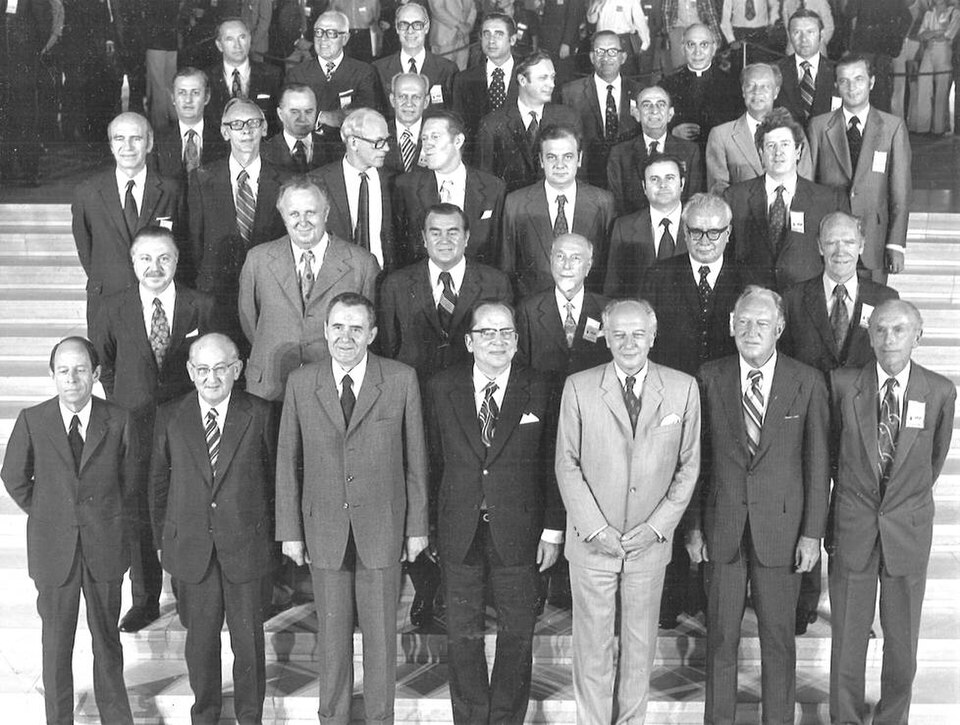
The foreign ministers taking part in the CSCE conference in Helsinki in 1973 (C) Pentti Koskinen

In August 1975, the Geneva discussions terminated, the government leaders met again in Helsinki and signed the Helsinki Agreement. Relatively quickly, a series of meetings on crucial topics was organized, often in Geneva. NGO representatives were invited to participate and played an important role in developing confidence-building measures.

Although there were tensions among OSCE states in the past such as the Soviet intervention in Afghanistan in 1979 and the martial law crackdown in Poland, the divisions were never as strong as they are today, linked to the Russia-Ukraine conflict. The OSCE has been weakened, and some see a death sentence in a near future. Thus, there is a need for a renewal of the OSCE and a revival of the Helsinki spirit. Non-governmental organizations may have to take a lead, given the current governmental divisions.

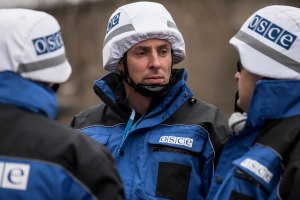
Members of the OSCE’s Special Monitoring Mission deployed in eastern Ukraine (C) OSCE Special Monitoring Mission to Ukraine

In the 1980s, NGOs had played an important role in “détente from below” in creating opportunities for discussions among activists from Eastern and Western Europe. Today we must find avenues of action to meet the current complex and dangerous situation. Representatives of the Association of World Citizens have participated in meetings of the OSCE and will be active in this renewal process.

Prof. René Wadlow is President of the Association of World Citizens.
Russia-Ukraine Armed Conflict: Start of the Last Lap?

In Being a World Citizen, Conflict Resolution, Current Events, Europe, Human Rights, Humanitarian Law, NGOs, Peacebuilding, Refugees, Solidarity, The former Soviet Union, The Search for Peace, Track II, UKRAINE, United States, War Crimes, World Law on February 22, 2025 at 9:45 AM

By René Wadlow

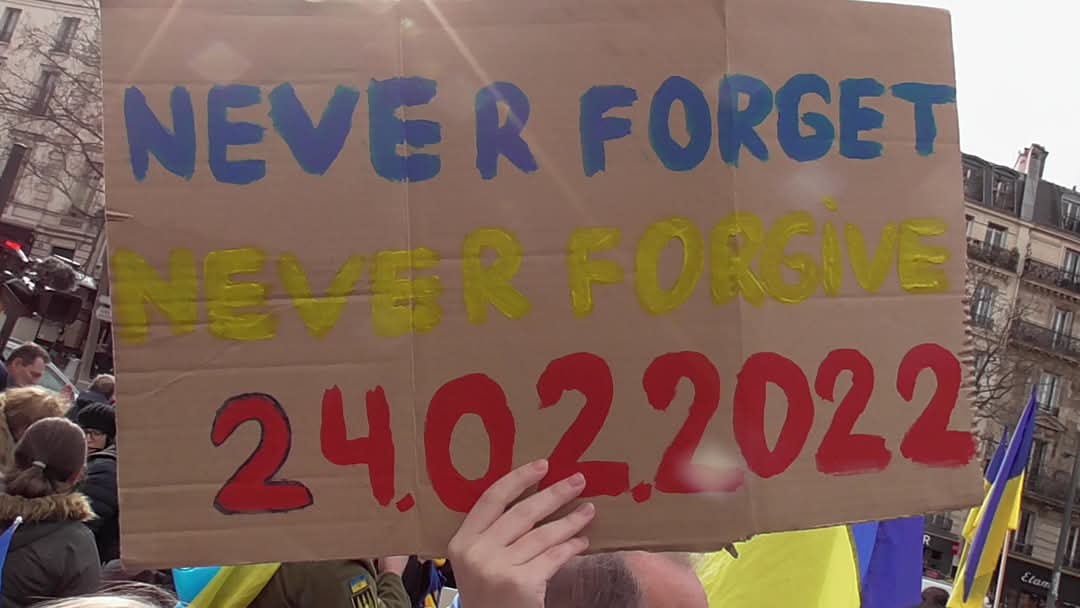
February 24 marks the anniversary of the start of the Russian “Special Military Operation” in Ukraine in 2022 which very quickly became a war with the large loss of life both military and civil, with the displacement of population, and a crackdown on opposition to the war. For three years, the war has continued, lap after lap. Although there were fears that the war might spread to neighboring countries, the fighting has been focused on Ukraine, and more recently on a small part of Russian territory attacked by Ukrainian forces. Can there be a realistic end to the armed conflict in sight?

On February 18, 2025, the United States (U.S.) Secretary of State, Marco Rubio, and the Russian Foreign Minister, Sergei Lavrov, met and discussed in part ending the armed conflict in Ukraine. They discussed a possible Putin-Trump summit that could be held in Saudi Arabia. Earlier, U.S. Army General Mark Milley had said, “There has to be a mutual recognition that military victory is probably, in the true sense of the word, not achievable through military means, and therefore, when there is an opportunity to negotiate, when peace can be achieved, seize it.”

However, the conflict is not one only between the USA and the Russian Federation; it also involves directly Ukraine. The Ukrainian President, Volodymyr Zelenskyy, has stressed strongly that the Ukraine government leadership wants to play a key role in any negotiations. Certain European countries such as France, Germany, Poland and Turkey have been involved in different ways in the conflict as well as in proposing possible avenues of negotiation to bring the conflict to an end. The bargaining process could be lengthy, but also it could be short as there is “handwriting on the wall.”

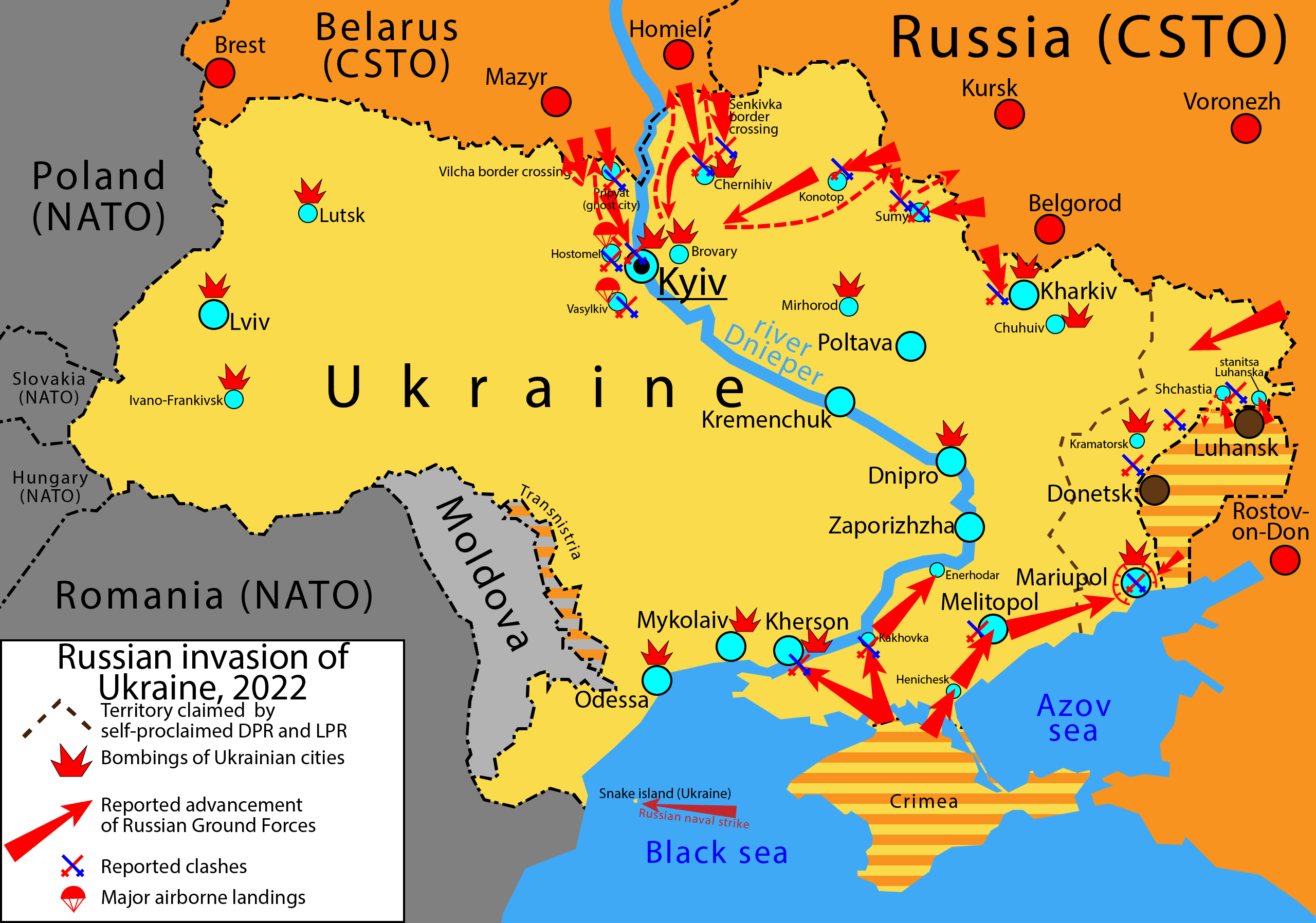
One key aspect concerns the fate of four Ukrainian areas “annexed” by Russia, Donetsk, Luhansk, Kherson, and Zaporizhzhia largely controlled by Russian troops. President Putin has said, “These regions had been incorporated by the will of the people into the Russian Federation. This matter is closed forever and is no longer a matter of discussion.” However, the status of Crimea and the Donetsk and Luhansk People’s Republics is at the core of what President Zelenskyy wants discussed.

(C) Homoatrox

“Made in War” is the mark of origin stamped upon nearly all States. Their size, their shape, their ethnic makeup is the result of wars. There are virtually no frontiers today that are not the results of wars: world wars, colonial struggles, annexations by victors, wars against indigenous populations. States were not created by reasonable negotiations based on ethnic or geographic characteristics. If frontiers can be modified only by the victors in wars, then there must be new imaginative transnational forms of cooperation. What is needed are not new frontiers but new states of mind.

From April 5 to 7, 2023, the President of France, Emmanuel Macron, was in China and urged that China could play a key role in bringing peace to the Russia-Ukraine conflict. President Xi Jinping had made a very general 12-point peace plan to resolve the Russia-Ukraine conflict – an indication that China is willing to play a peace-making role. China is probably the only country with the ability to influence Russian policymakers in a peaceful direction.

However, there are long historic and strategic aspects to the current armed conflict. Security crises are deeply influenced both by a sense of history and current perceptions. Thus, the Association of World Citizens (AWC) encourages the development of a renewed security architecture as was envisaged by the Helsinki Final Act and the creation of the Organization for Security and Cooperation in Europe (OSCE). There will be much to do to re-create an environment of trust and confidence that has been weakened by this conflict. Nongovernmental Organizations should play an active and positive role.

(C) Bernard J. Henry/AWC

Prof. René Wadlow is President of the Association of World Citizens.
Strengthening Respect for International Humanitarian Law

In Africa, Being a World Citizen, Current Events, Human Rights, Humanitarian Law, International Justice, Middle East & North Africa, NGOs, Solidarity, The former Soviet Union, The Search for Peace, Track II, UKRAINE, War Crimes, World Law on February 10, 2025 at 8:00 AM

By René Wadlow

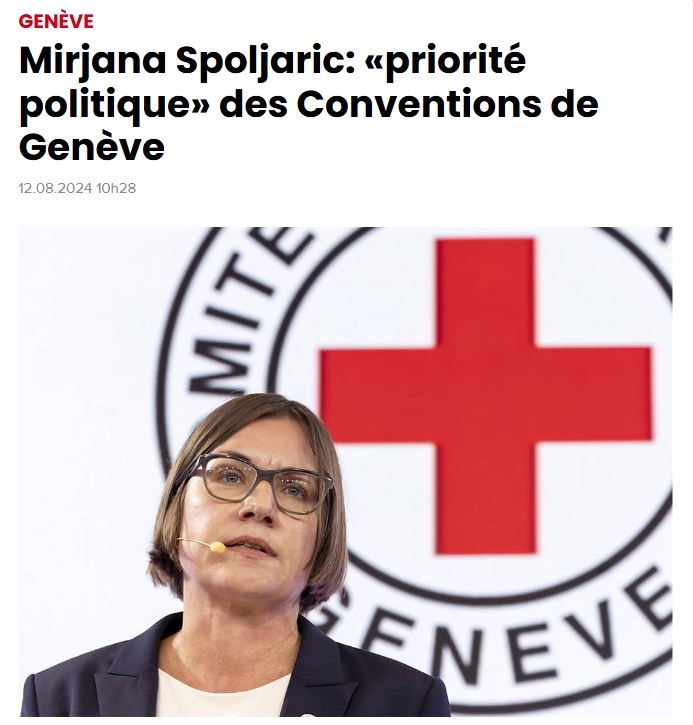
Mirjana Spoljaric, President of the International Committee of the Red Cross (ICRC), warned on February 6, 2025 that there is a serious erosion of respect for international humanitarian law. The ICRC is, through agreements signed with most governments, the chief agency for the respect of the Geneva Conventions, the heart of international humanitarian law.

The armed conflict in Ukraine now spreading to a part of Russia and the conflict between Israelis and Palestinians, especially in the Gaza Strip, have led to the destruction of medical and educational facilities. Civilians have been directly targeted, prisoners of war abused, and hostages taken – all violations of international humanitarian law.

To this sad record of recent abuses must now be added the situation in Goma and the eastern area of the Democratic Republic of Congo. Humanitarian law should be respected by nongovernmental militias such as the M23 in Goma, but they have never signed an agreement to respect the Geneva Conventions. There have been discussions within the ICRC and other humanitarian aid agencies as to the role of nongovernmental militias with respect to international humanitarian law. These are vital discussions as the role of nongovernmental militias has become more frequent in armed conflicts.

The Association of World Citizens (AWC) played a key role in having a coalition of armed groups fighting in Burma to sign the Geneva Conventions. The signature was deposited with the Swiss Government which is the depository power for the Conventions. The signature was considered as only “symbolic” as not involving a government. However, the signature by the militias led to an exchange of prisoners showing that it was taken seriously by the Burmese government.

The AWC has strongly supported the strengthening of international humanitarian law. International humanitarian law is a central core of the broader body of world law. The strengthening of respect for humanitarian law develops a base for the application of international law and such institutions as the World Court.

As Mirjana Spoljaric, a Swiss diplomat before she became President of the ICRC, has stressed, the world society is at a crucial moment. There is a need to reaffirm respect for humanitarian law. Unfortunately, such reaffirmation is not a high priority for most Ministries of Foreign Affairs. Thus, as the AWC has urged, most recently through its appeals of March 2022, October 2023 and October 2024, there is a real possibility for NGOs to take the lead.

Prof. René Wadlow is President of the Association of World Citizens.

President Trump: Act Two

In Being a World Citizen, Conflict Resolution, Current Events, Democracy, Human Development, Human Rights, Humanitarian Law, International Justice, Middle East & North Africa, Migration, NGOs, Nonviolence, Peacebuilding, Social Rights, Solidarity, Sustainable Development, The Search for Peace, Track II, UKRAINE, United Nations, Women's Rights, World Law on January 21, 2025 at 7:30 PM

By René Wadlow

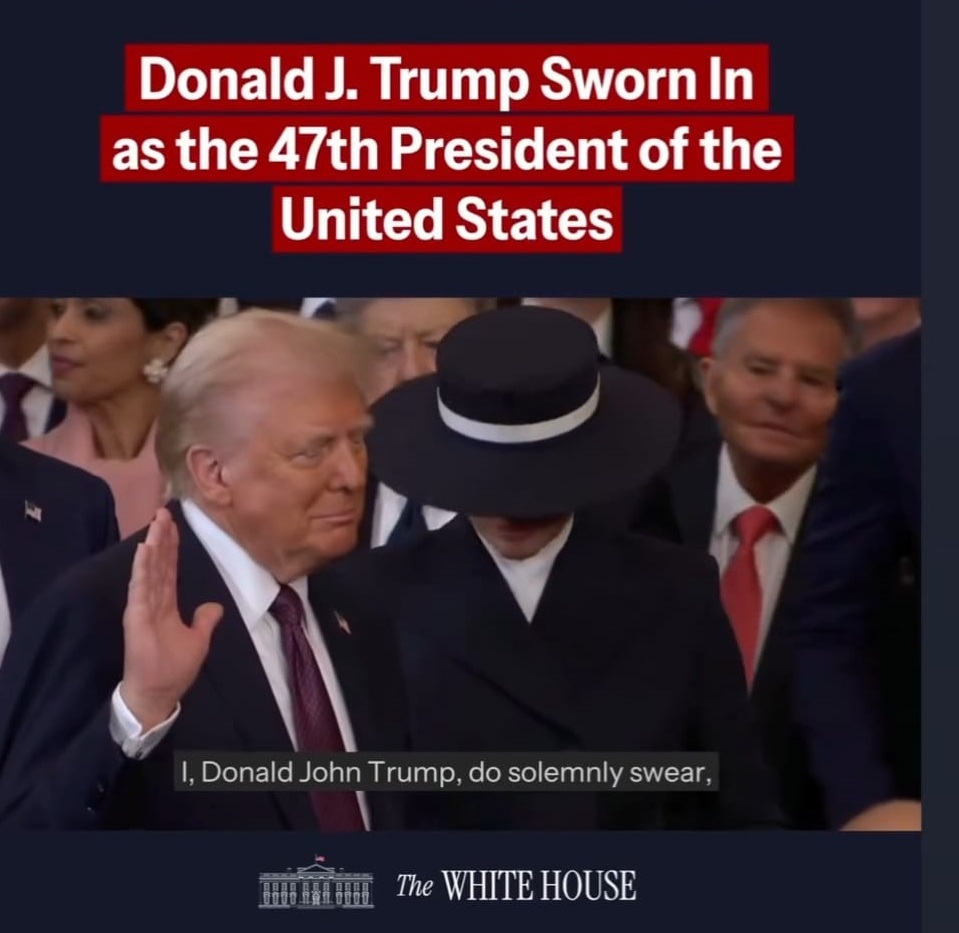
The January 20, 2025 inauguration of President Donald Trump has brought into sharp focus the turbulent and complex world society in which we live. As peacebuilders and citizens of the world, we face the same challenges as President Trump but with a different style and with far fewer resources at our command. We make plans but then are called to work for conflict resolution in unanticipated ways.

There are four policy challenges which face both President Trump and World Citizens: armed conflicts, currently ongoing and potential, persistent poverty in many areas, the erosion of international law and faith in multinational institutions, particularly the United Nations (UN), and the consequences of climate change.

The ongoing and potential armed conflicts are neither new nor unexpected. The Israeli-Palestinian tensions exist at least since 1936 and increased after the creation of the State of Israel. There may be some possibilities for negotiations in good faith. We must keep an eye open for possible actions.

Tensions with Iran are not new. The Soviet forces in part of Iran was the first conflict with which the UN had to deal in its early days. However, the rule by the Ayatollahs has made matters more complex.

The Russian-Ukrainian war grinds on with a large number of persons killed, wounded, and uprooted. Again, we must look to see if a ceasefire and negotiations are possible.

In Asia, the armed conflict in Myanmar between the military in power and the ethnic militias dates from the creation of the Burmese State at the end of the Second World War. A potential armed conflict between Mainland China and Taiwan dates from 1949 and the Nationalist government’s retreat to Taiwan. The potential armed conflict between the two Korean States dates from 1950 and the start of the Korean War.

The armed conflicts in Africa are no longer in the headlines, but they date from the early 1960s and the breakup of the European Empires: the Democratic Republic of Congo, Sudan, the States of the Sahel.

Thus, we all have a poor record of armed conflict prevention and mediation. Armed conflicts should remain at the top of both the governmental and nongovernmental agenda for action.

(C) U.S. Embassy France on Instagram

Persistent Poverty: Despite the UN Decades for Development, the Sustainable Development Goals, and Article 22 of the Universal Declaration of Human Rights which states that everyone is entitled to the economic, social, and cultural rights indispensable for his dignity and free development of his personality, persistent poverty exists in many parts of the world. One consequence of persistent poverty is migration from poorer to richer areas, both within countries and from poorer to richer States. Migration is a hotly debated issue in many countries, as right-wing nationalist groups make anti-migration their battle cry. Migration is likely to become an even more heated topic of debate as President Trump tries to carry out his proposal for a mass deportation of immigrants from the USA.

Linked to persistent poverty are trade issues and the protectionist trends in many countries. President Trump has proposed higher tariffs for good coming into the USA. This policy may set off tariff wars. Obviously to counter persistent poverty, world development policies must be improved – easier said than done!

The Erosion of International Law and Faith in Multinational Institutions: Armed conflicts and persistent poverty are closely related to the third issue: the receding United States (U.S.) involvement with the UN, the World Bank, the IMF, the World Court and other multinational organizations. Some of the foreign policy authorities appointed by President Trump are overtly critical of the UN and the International Criminal Court. There has already been an Executive Order to halt U.S. funding of the World Health Organization. However, there is no unifying vision of what a new world society would involve. The battle cry of “Make America Great Again”, if repeated by each State for itself, “Make Panama Great Again”, could be a loud concert but not conducive to positive decision making.

The Consequences of Climate Change: The fourth major group of issues concerns the consequences of climate change and the ways to lessen its impact. During the campaign for the presidency, Trump threatened to pull the USA out of the Paris Climate Agreement, and he has now signed an Executive Order doing so. The issue of climate change has been brought to the world agenda by scientists on the one hand, and by Nongovernmental Organizations and popular, often youth-led efforts, on the other hand. It is likely that these vital efforts related to climate change will continue despite climate policy resistance by some in the Trump administration.

President Trump said during his inaugural ceremony that “The Golden Age of America begins now… We stand on the verge of the four greatest years in American history.” We will have to watch closely and judge in four years. What is sure for peacebuilders and citizens of the world is that we stand on the verge of four more years of serious challenges. Thus, there is a need for cooperative and courageous action.

Prof. René Wadlow is President of the Association of World Citizens.

Reestablishing a Europe-wide Security Zone

In Conflict Resolution, Current Events, Europe, NGOs, Solidarity, The former Soviet Union, The Search for Peace, Track II, UKRAINE, United Nations on June 23, 2024 at 7:00 AM

By René Wadlow

On June 15, 2024, Russian Federation Foreign Minister Sergey Lavrov stated that “Russia will not view Western European countries as possible partners for at least one generation. The acute phase of the military-political confrontation with the West continues and is in full swing.” He was echoed in an interview by Deputy Foreign Minister Sergey Ryabkov who said that NATO is “a group in which we feel not an ounce of trust, which triggers political and even emotional rejection in Moscow.”

It is likely that the two Sergeys express a view held by many governmental decision-makers in Moscow. Where they are wrong is that the world cannot wait for one generation to reestablish a Europe-wide security zone but most start now. Given current governmental preoccupations, it is likely that nongovernmental organizations must take the lead.

In the 1960s, the idea of a European security conference was launched by the USSR followed in 1966 by a proposal of the Warsaw Pact Organization. After a good deal of discussion and some modifications of policies, especially the West German Ostpolitik, it was decided to convene a Conference on Security and Cooperation in Europe. At the invitation of the Finnish government, multilateral preparatory talks began near Helsinki in November 1972. There were numerous preparatory aspects, especially the subjects of such a conference.

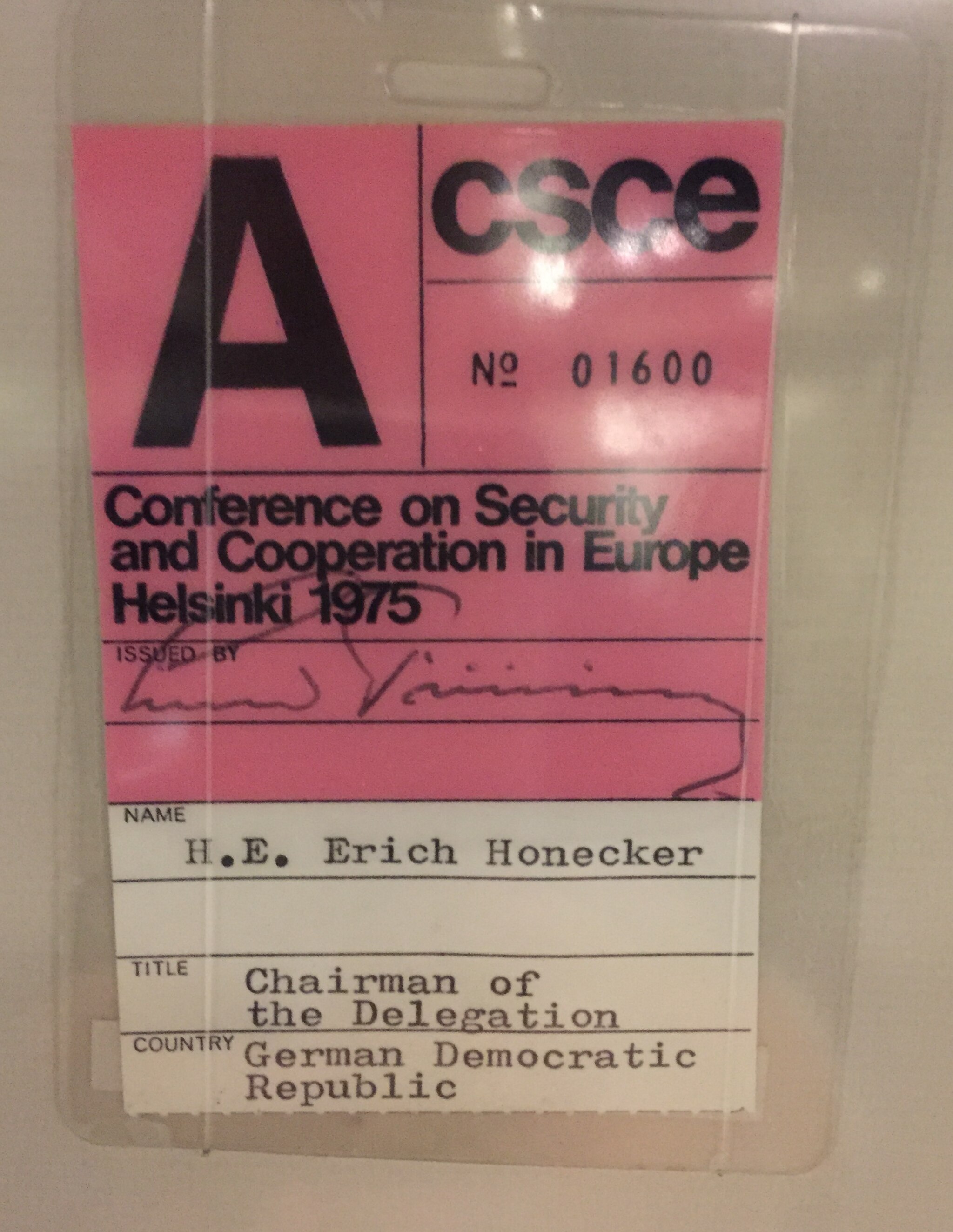
The admission card to the Conference for Security and Cooperation Meeting in Helsinki for Erich Honecker, the hardline Communist ruler of East Germany from 1971 to 1989
(C) Wikimedia Commons-HajjiBaba

Thus, the main issues of the conference were transferred for negotiation to Geneva, Switzerland to be undertaken by experts. During this period of negotiations in Geneva, nongovernmental organization (NGO) representatives in Geneva who were known for their activities at the United Nations (UN) were able to present proposals for possible consideration. The Association of World Citizens (AWC) was particularly active in presenting ideas on the resolution of conflicts and the possible use of arbitration as an appropriate means of dispute settlement. The Helsinki process later created an arbitration body in Geneva, but it is little used. The Association was also active with other NGOs in what was called the “human dimension” of the Helsinki agreement. The conference had deliberately not used a human rights vocabulary. The extensive participation of nongovernmental representatives is recognized in the text of the Final Act and encouraged to continue. The results of the Geneva negotiations led to the signature of the Final Act in Helsinki on August 1, 1975.

Today, it is likely that the Russia-Ukraine conflict starting with the 2014 annexation of Crimea has ended the effectiveness of the Organization for Security and Cooperation in Europe (OSCE). Thus, in many ways, we are “back to square one” in the organization of a Europe-wide security zone with many more States to be involved due to the breakup of the Soviet Union and Yugoslavia. There is also the issue of what has been called “The Phantom Republics”: Abkhazia and South Ossetia in Georgia, Transnistria in Moldova, Kosovo, formerly part of Serbia, and the disputed Donetsk and Luhansk People’s Republics in Ukraine. These are “ministates” economically fragile, potentially manipulated by more powerful States but which will not be reintegrated into their former State even if granted significant autonomy.

There is a rich heritage of efforts made within the OSCE. However, the OSCE has also very real limitations. It has a tight budget and a lack of specialized personnel. Much of the staff are diplomats seconded from national governments. This results in a high turnover of staff and a lack of primary loyalty to the organization. Nevertheless, the OSCE has been able to respond to situations which were not foreseen at its creation. Much of the future depends on the attitude of the Russian Federation which at present seems negative. New avenues are likely to be needed, and NGOs may again be able to play positive roles.

Prof. René Wadlow is President of the Association of World Citizens.

The Uprooted

In Being a World Citizen, Current Events, Europe, Human Rights, Humanitarian Law, Middle East & North Africa, Migration, NGOs, Refugees, Solidarity, The former Soviet Union, The Search for Peace, UKRAINE, United Nations, World Law on April 30, 2024 at 6:00 AM

By René Wadlow

Increasing numbers of people in countries around the world have been forced from their homes by armed conflicts and systematic violations of human rights. Those who cross internationally recognized borders are considered refugees and are relatively protected by the refugee conventions signed by most states. The 1951 Convention Relating to the Status of Refugees and its 1967 protocol give the United Nations (UN) High Commissioner for Refugees an international legal basis to ensure the protection of refugees.

However, those who are displaced within a country as is the case currently for many in the Gaza Strip and in Ukraine are not protected by the international refugee conventions. Thus, displacement within a State poses a challenge to develop international norms and ways to address the consequences of displacement and the possibility to reintegrate their homes, though in the case of Gaza many of the homes have been destroyed.

Refugees from Ukraine arrive in Poland (C) European Union

Armed conflicts within States often reflect a crisis of identity within the State. This can occur when a State becomes monopolized by a dominant group to the exclusion or marginalization of other groups. There is a need to provide protection and assistance to the uprooted. The UN High Commissioner for Refugees has been able to act in some cases as has been true also for the International Committee of the Red Cross (ICRC) which is mandated to protect civilians in war zones. The obligation to assist populations in immediate danger of starvation is largely recognized, and the UN World Food Program has been able to act. In some cases, nongovernmental humanitarian agencies have been able to be active. However, each situation requires new negotiations and results differ.

Thus, what is essential is that there be predictable responses in situations of internal displacement and that attention be paid not only to material assistance but also to the human rights of those displaced. To be effective, strategies to address mass displacement need to be broad and comprehensive. There is a need for political initiatives that seek to resolve the conflicts as the consequences often involve neighboring countries. Efforts must engage local groups, national institutions, and Nongovernmental Organizations (NGOs) to prevent situations that lead to persons being uprooted. As the representatives of NGOs, we have an opportunity to discuss with other NGOs the most appropriate next steps for action.

Prof. René Wadlow is President of the Association of World Citizens.

UN General Assembly Starts: “You don’t have to be a weatherman to know the way the wind is blowing”

In Being a World Citizen, Conflict Resolution, Current Events, Europe, Middle East & North Africa, NGOs, The former Soviet Union, The Search for Peace, Track II, UKRAINE, United Nations on September 18, 2023 at 6:38 PM

By René Wadlow

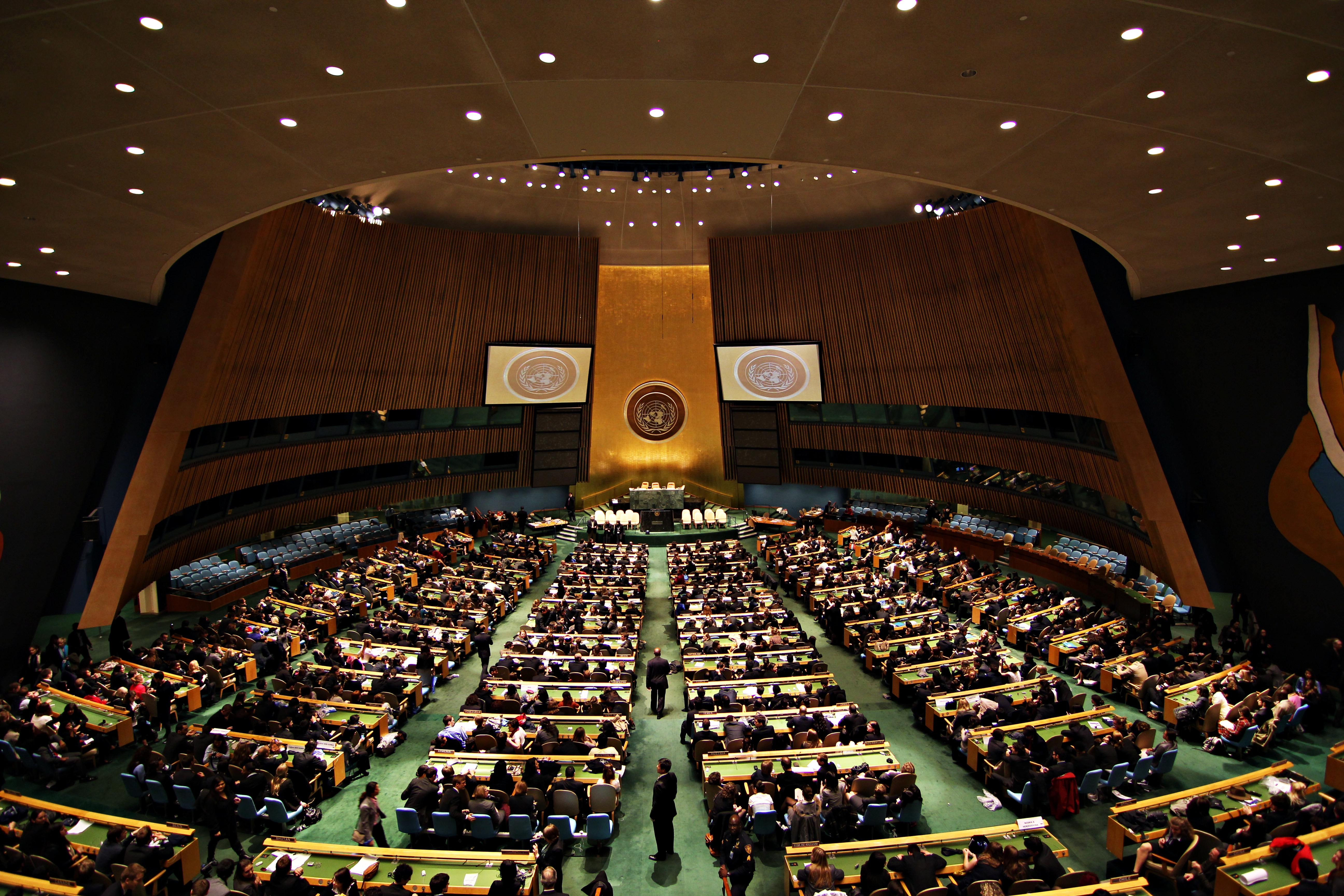
With the United Nations (UN) General Assembly starting on September 19, there is a good deal of reflection among governments and Nongovernmental Organizations (NGOs) as to the effectiveness of the UN to meet the challenges facing the world community.

In 1992, the then Secretary-General, Boutros Boutros-Ghali, outlined a post-Cold War Agenda for Peace. He built his Agenda on four key pillars for UN action: Preventive Diplomacy, Peacemaking, Peacekeeping, and Post-conflict Peacebuilding. Today, these four pillars remain the heart of UN action. What is new from 1992 is the increased role of NGOs and potentially of the international business community, both in preventive diplomacy and post-conflict peacebuilding.

Preventive diplomacy is the more important and requires creative action when there are signs of tensions which can develop into armed conflict unless preventive measures are taken on a variety of fronts. There were at least four months of protests and nonviolent efforts in Syria before the armed violence and counterviolence exploded. This period might have been used to see if needed reforms could be put into place.

(C) Basil D. Soufi/GPA Photo Archive

Likewise, signs of growing tensions between the Russian Federation and Ukraine were visible to many prior to the Russian attack. There had been the “Normandy Effort” – Russia, Ukraine, France, and Germany. There was no visible UN leadership and few NGO efforts to build on this mediation effort to create new constitutional structures within Ukraine.

Today, there are other tension situations that require preventive action: India-China frontier disputes, South China Sea delimitation issues, China-Taiwan tensions, increasing tensions within Myanmar which are already violent but can easily spread if things continue as they are going, the struggle for power in Sudan, and increased Israeli-Palestinian tensions.

For NGOs concerned with peacemaking, there is a need to create mediation teams which can act quickly and have already developed avenues of communication with the authorities, media, and significant actors in those countries where tensions are growing. The winds of violence usually give signs before they are full blown. Creative preventive diplomacy is urgently needed.

Prof. René Wadlow is President of the Association of World Citizens.

Ukraine and the Cluster Bombs Debate

In Conflict Resolution, Current Events, Europe, Humanitarian Law, NGOs, Solidarity, The former Soviet Union, The Search for Peace, Track II, UKRAINE, World Law on July 12, 2023 at 7:16 AM

By René Wadlow

Currently, there is at the highest foreign policy-making level in the USA a debate concerning the United States (U.S.) sending cluster bombs to Ukraine to support the ongoing counteroffensive. The Ukraine military forces have used most of the cluster bombs they had. It would take a good bit of time to manufacture new cluster weapons. Hence the request for cluster munitions from the U.S.A. However, cluster weapons have been outlawed by a Cluster Weapons Convention signed by many states.

In a remarkable combination of civil society pressure and leadership from a small number of progressive states, a strong ban on the use, manufacture and stocking of cluster bombs was agreed by 111 countries in Dublin, Ireland on May 30, 2008. However, bright sunshine casts a dark shadow. In this case, the dark shadow is the fact that the major makers and users of cluster munitions were deliberately absent from the agreement: Brazil, China, India, Israel, Pakistan, Russia, and the U.S.A.

As arms negotiations at the United Nations (UN) go, the cluster bomb ban has been swift. They began in Oslo, Norway in February 2007 and were often called the “Oslo Process.” The negotiations were a justified reaction to their wide use by Israel in Lebanon during the July-August 2006 conflict. The UN Mine Action Coordination Center working in southern Lebanon reported that their density there is higher than in Kosovo and Iraq, especially in built-up areas, posing a constant threat to hundreds of thousands of people as well as to UN peacemakers. It is estimated that one million cluster bombs were fired in south Lebanon during the 34 days of war, many during the last two days of war when a ceasefire was a real possibility. The Hezbollah militia also shot rockets with cluster bombs into northern Israel.

Cluster munitions are warheads that scatter scores of smaller bombs. Many of these sub-munitions fail to detonate on impact, leaving them scattered on the ground, ready to kill and maim when disturbed or handled. Reports from humanitarian organizations have shown that civilians make up the vast majority of the victims of cluster bombs, especially children attracted by their small size and often bright colors.

The failure rate of cluster munitions is high, ranging from 30 to 80 per cent. But “failure” may be the wrong word. They may, in fact, be designed to kill later. The large number of unexploded cluster bombs means that farmlands and forests cannot be used or used with great danger. Most people killed and wounded by cluster bombs in the 21 conflicts where they have been used are civilians, often young. Such persons often suffer severe injuries such as loss of limbs and loss of sight. It is difficult to resume work or schooling.

Discussions on a ban on cluster weapons had begun in 1979 during the negotiations in Geneva which led to the 1980 “Convention on Prohibition on the Use of Certain Conventional Weapons which May be Deemed to be Excessively Injurious or to Have Indiscriminate Effects.” The indiscriminate impact of cluster bombs was raised by the representative of the Quaker United Nations Office in Geneva and by myself for the Association of World Citizens. My Nongovernmental Organization text of August 1979 “Anti-Personnel Fragmentation Weapons” called for a ban based on the 1868 St. Petersbourg Declaration and recommended the creation of “permanent verification and dispute-settlement procedures which may investigate all charges of the use of prohibited weapons whether in inter-State or internal conflicts and that such a permanent body include a consultative committee of experts who could begin their work without a prior resolution of the UN Security Council.”

At the start of the review conference of the “Convention on Prohibition on the Use of Certain Conventional Weapons” then UN Secretary-General Kofi Annan called for a freeze on the transfer of cluster munitions – the heart of the current debate on U.S. transfers of cluster weapons to Ukraine.

There was little public outcry at the use by Ukrainian forces of cluster weapons since they were fighting against a stronger enemy. However, the debate in the U.S.A. may raise the awareness of the use of cluster weapons and lead to respect for the aim of the cluster weapon ban.

Prof. René Wadlow is President of the Association of World Citizens.

Protecting Cultural Heritage in Time of War

In Arts, Being a World Citizen, Conflict Resolution, Cultural Bridges, Current Events, Europe, Humanitarian Law, NGOs, Solidarity, The Search for Peace, Track II, UKRAINE, United Nations, War Crimes, World Law on May 18, 2023 at 7:56 AM

By René Wadlow

War and armed violence are highly destructive of the lives of persons, but also of works of art and elements of cultural heritage. The war in Ukraine has highlighted the destructive power of war in a dramatic way. Thus, this May 18, “International Museum Day”, we outline some of the ways in which UNESCO is working to protect the cultural heritage in Ukraine in time of war.

May 18 has been designated by UNESCO as the International Day of Museums to highlight the role that museums play in preserving beauty, culture, and history. Museums come in all sizes and are often related to institutions of learning and libraries. Increasingly, churches and centers of worship have taken on the character of museums as people visit them for their artistic value, even they do not share the faith of those who built them.

Knowledge and understanding of a people’s past can help current inhabitants to develop and sustain identity and to appreciate the value of their own culture and heritage. This knowledge and understanding enriches their lives. It enables them to manage contemporary problems more successfully.

It is widely believed in Ukraine that one of the chief aims of the Russian armed intervention is to eliminate all traces of a separate Ukrainian culture, to highlight a common Russian motherland. In order to do this, there is a deliberate destruction of cultural heritage and a looting of museums, churches, and libraries in areas when under Russian military control. Museums, libraries, and churches elsewhere in Ukraine have been targeted by Russian artillery attacks.

After the Second World War, UNESCO had developed international conventions on the protection of cultural and educational bodies in times of conflict. The most important of these is the 1954 Hague Convention for the Protection of Cultural Property in the Event of Armed Conflict. The Hague Convention has been signed by a large number of States including the USSR to which both the Russian Federation and Ukraine are bound.

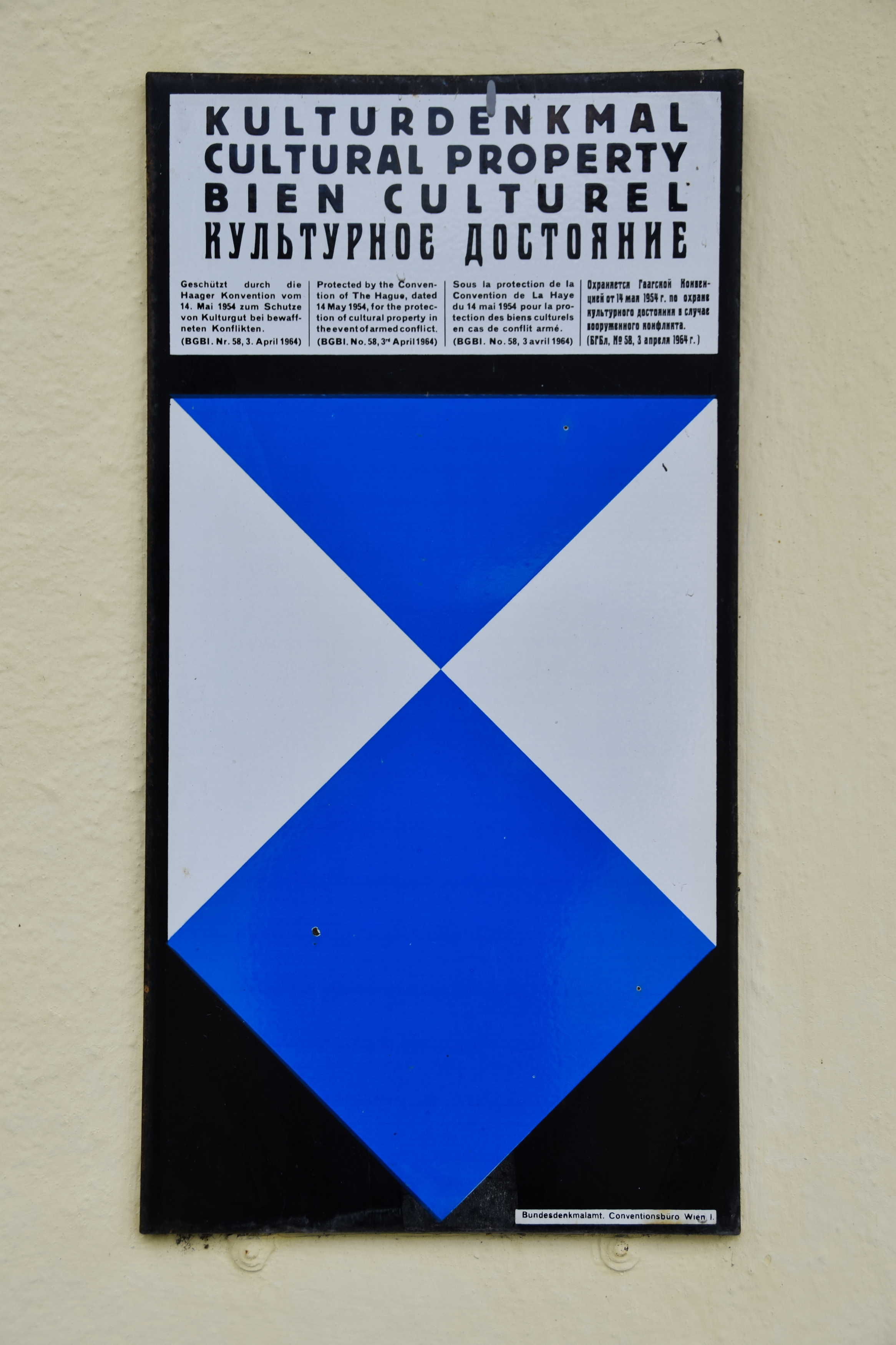
A Blue Shield in Vienna, Austria (C) Mosbatho, CC BY 4.0

UNESCO has designed a Blue Shield as a symbol of a protected site. Audrey Azoulay, Director-General of UNESCO, has brought a number of these Blue Shields herself to Ukraine to highlight UNESCO’s vital efforts.

The 1954 Hague Convention builds on the efforts of the Roerich Peace Pact signed on April 15, 1935 by 21 States in a Pan-American Union ceremony at the White House in Washington, D.C. In addition to the Latin American States of the Pan American Union, the following States also signed: Kingdom of Albania, Kingdom of Belgium, Republic of China, Republic of Czechoslovakia, Republic of Greece, Irish Free State, Empire of Japan, Republic of Lithuania, Kingdom of Persia, Republic of Poland, Republic of Portugal, Republic of Spain, Confederation of Switzerland, Kingdom of Yugoslavia.

At the signing, Henry A. Wallace, then U.S. Secretary of Agriculture and later Vice-President, said, “At no time has such an ideal been more needed. It is high time for the idealists who make the reality of tomorrow, to rally around such a symbol of international cultural unity. It is time that we appeal to that appreciation of beauty, science, education which runs across all national boundaries to strengthen all that we hold dear in our particular governments and customs. Its acceptance signifies the approach of a time when those who truly love their own nation will appreciate in addition the unique contributions of other nations and also do reverence to that common spiritual enterprise which draws together in one fellowship all artists, scientists, educators and truly religious of whatever faith. Thus we build a world civilization which places that which is fine in humanity above that which is low, sordid and mean, that which is hateful and grabbing.”

We still have efforts to make so that what is fine in humanity is above what is hateful and grabbing. However, the road signs set out the direction clearly.

Prof. René Wadlow is President of the Association of World Citizens.

When There Are No Governmental Negotiations: Build Stronger Track Two Networks

In Being a World Citizen, Conflict Resolution, Current Events, NGOs, Nonviolence, Solidarity, The Search for Peace, Track II, UKRAINE, United Nations, World Law on May 8, 2023 at 6:00 PM

By René Wadlow

The continuing armed conflict in Ukraine and the lack of any formal governmental negotiations forces us to ask if more can be done on the part of nongovernmental organizations (NGOs) to encourage negotiations in good faith. The same lack of formal governmental negotiations exists in the tension-filled relations between China and Taiwan.

On the Ukraine conflict, there have been efforts at mediation through the United Nations (UN) Secretary-General and leaders of individual States to encourage ceasefires and the start of negotiations, but without visible results for the moment.

These governmental efforts can be called Track One. Track One diplomacy is official government negotiations with backup resources of government research and intelligence agencies. There can also be Track One “back channels” of informal or unofficial contacts.

Track Two diplomacy is a non-official effort, usually by an NGO, academic institutions, sometimes business corporations. The use of non-official mediators is increasing as the recognition grows that there is a tragic disjuncture between the UN’s mandates to keep peace and its ability to intervene in internal conflicts within a State – often confrontations between armed groups and government forces and sometimes among different armed groups.

Track Two talks are discussions held by non-officials of conflicting parties in an attempt to clarify outstanding disputes and to explore the options for resolving them in settings that are less sensitive than those associated with formal negotiations. The participants usually include scholars, senior journalists, former government officials, and former military officers. They must be in close contact with national leaders and the secretariat of international organizations such as the UN who may be able to help in the peace process.

(C) SIWI/Shared Waters Partnership

As a study of Track Two efforts points out “Track Two talks can be defined by what they are not: neither academic conferences nor secret diplomacy conducted by government representatives… Track Two talks are convened specifically to foster informal interaction among participants regarding the political issues dividing their nations and to find ways of reducing the conflict between them… The purposes of Track Two talks vary, but they are all related to reducing tensions and facilitating the resolution of a conflict. At a minimum, Track Two talks are aimed at an exchange of views, perceptions, and information between the parties to improve each side’s understanding of the other’s positions and policies.” (1)

By informing contacts within government of the insights they have gained, participants may indirectly contribute to the formation of new national political priorities and policies. Much depends on the caliber and dedication of the participants and their relations with governmental leadership.

As Kenneth Boulding, the Quaker economist who often participated in Track Two efforts, wrote,

“When Track One will not do,
We have to travel on Track Two.
But for results to be abiding,
The Tracks must meet upon some siding.” (2)

Notes

(1) Hussein Agha, Shai Feldman, Ahmad Khalidi, Zeev Schiff, Track II Diplomacy: Lessons from the Middle East (Cambridge, MA: The MIT Press, 2003, 225 pp.)

(2) Quoted in John W. McDonald with Noa Zanolli, The Shifting Grounds of Conflict and Peacebuilding: Stories and Lessons (Lanham, MD: Lexington Books, 2008, 341 pp.)

Prof. René Wadlow is President of the Association of World Citizens.