The Official Blog of the

Archive for the ‘Conflict Resolution’ Category

Yemen: Positive Action Still Needed

In Being a World Citizen, Conflict Resolution, Current Events, Humanitarian Law, Middle East & North Africa, NGOs, Spirituality, The Search for Peace, Track II, United Nations, War Crimes, Women's Rights, World Law, Yemen on April 16, 2023 at 9:07 AM

By René Wadlow

March 25 is the anniversary date of the start of 28 days on continued bombing of Yemen in 2015 by the Saudi-Arabia-led coalition (Bahrain, Egypt, Jordan, Kuwait, Morocco, Qatar, Sudan, United Arab Emirates helped by arms and “intelligence” from the USA and the UK). The aggression by the Saudi coalition turned what had been an internal struggle for power going on from the “Arab Spring” of 2011 into a war with regional dimensions which brought Iran into the picture. The role of Iran has been exaggerated both by the Iranian government itself and by those hostile to Iran. Nevertheless, the Iranian role is real.
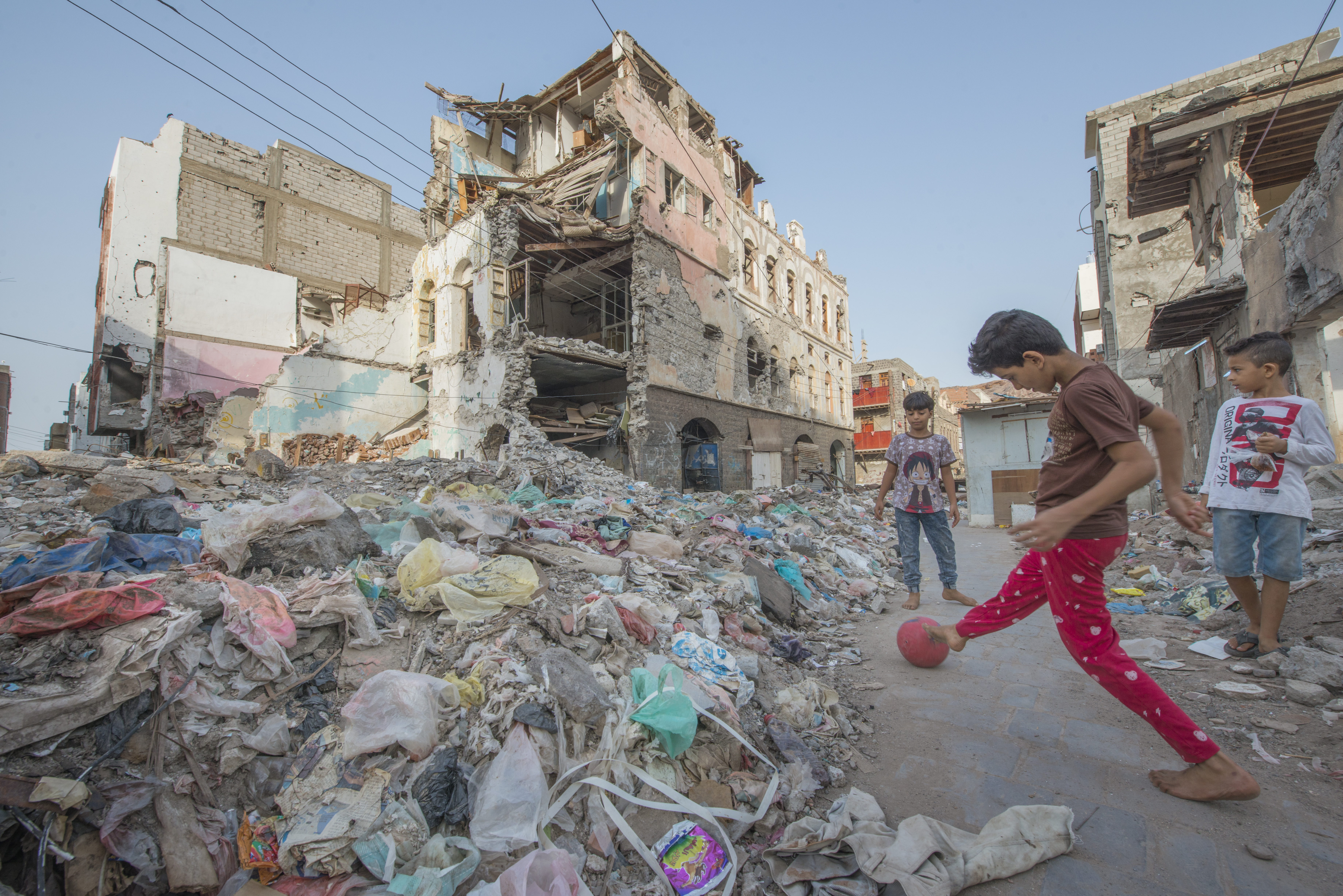
Yemeni children play in the rubble of buildings destroyed in an air raid. (C) Peter Biro/European Union

Since the Association of World Citizens (AWC) had been following possible constitutional developments in Yemen after the 2011 change of government, a couple of days after the March 25, 2015 bombing, the AWC sent to governmental missions to the United Nations (UN) an AWC Appeal for four steps of conflict resolution and negotiations in good faith:

1) An immediate ceasefire ending all foreign military attacks;
2) Humanitarian assistance, especially important for hard-to-reach zones;
3) A broad national dialogue;
4) Through this dialogue, the establishment of an inclusive unity government open to constitutional changes to facilitate better the wide geographic- tribal structure of the State.

While the constitutional form of the State structures depends on the will of the people of Yemen (provided they can express themselves freely), the AWC proposes consideration of con-federal forms of government which maintain cooperation within a decentralized framework. In 2014, a committee appointed by the then President, Abdu Rabbu Mansur Hadi, had proposed a six-region federation as the political structure for Yemen.
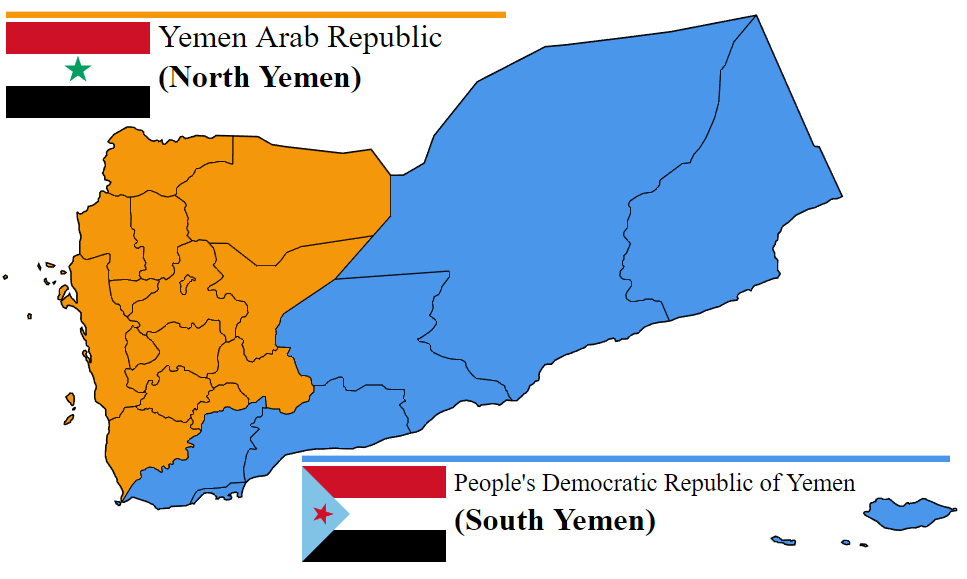
Until 1990, Yemen was two separate States: The People’s Democratic of Yemen in the south with Aden as the capital, and the Yemen Arab Republic in the north with Sana’a as its capital. In 1990, the two united to become the Republic of Yemen. The people in the south hoped that the union would bring the economic development which had been promised. Since, even before the Saudi-led war began, there had been very little economic and social development in the south, there started to grow strong “separatist” attitudes in the south. People of all political persuasions hoped to develop prosperity by ending unification and creating what some have started calling “South Arabia” Today, these separatist attitudes are very strong, but there is no agreement on what areas are to be included in a new southern state, and the is no unified separatist political leadership.

Very quickly after March 25, 2015, many governments saw the dangers of the conflict and the possible regional destabilization. Thus, there were UN-sponsored negotiations held in Geneva in June 2015. The AWC worked with other nongovernmental organizations (NGO) so that women should be directly involved in such negotiations. However, women have not been added to any of the negotiations and are largely absent from any leadership role in the many political factions of the country. There have been UN mediators active in trying to get ceasefires and then negotiations. There have been some temporary ceasefires, but no progress on real negotiations.

Today, the war continues with the country’s fragmentation, continued internal fighting and impoverishment leading to a disastrous humanitarian crisis. There is a glimmer of possible conflict resolution efforts due to the recent mutual recognition of Saudi Arabia and Iran under the sponsorship of the People’s Republic of China. However, creating a national society of individuals willing to cooperate will not be easy. Regional divisions will not be easy to bridge. There have already been divisions within the Saudi-led Coalition. Thus, positive action is still needed. NGOs should seek to have their voices heard.

Prof. René Wadlow is President of the Association of World Citizens.
Israel-Palestine: Tension-reduction Measures Urgently Needed

In Being a World Citizen, Conflict Resolution, Current Events, Human Rights, Middle East & North Africa, NGOs, Solidarity, The Search for Peace, Track II, United Nations, World Law on April 11, 2023 at 7:05 AM

By René Wadlow

The Association of World Citizens (AWC) calls for urgently needed tension-reduction measures in the Israel-Palestine-Lebanon area.

Tensions have led to a barrage of missiles from Gaza and Lebanon and rapid Israeli missiles in return aiming at weakening Hamas and Hezbollah.

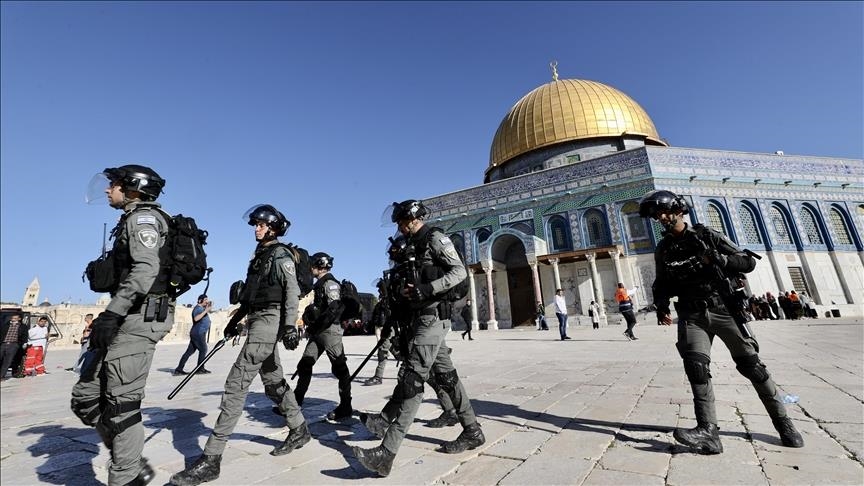
Growing tensions had led to Israeli police attacking Palestinian worshipers celebrating the holy month of Ramadan within the Al-Aqsa Mosque compound on April 5-6, 2023. The images of Israeli police firing teargas and beating worshipers were widely seen on social media outlets and other media.

Tensions in the area have been growing since the formation of the Netanyahu-led government with right-wing ministers. Government proposals for changes concerning the court system and the appointment of judges have led to strong and widespread protest demonstrations. However, Palestinian issues were not directly addressed by these demonstrations.

Tensions between Israel and Iran and Iranian-backed groups in Syria have also been growing. The dangers of further violence have been raised in the United Nations Security Council, but no positive actions were undertaken. United Nations peacekeeping forces in Lebanon are on “high alert”.

For the moment, there are no high-level public negotiations underway or planned. Thus, tension-reduction measures must be undertaken as unilateral measures by the government of Israel, the Palestinian Authority, and the government of Lebanon. Such tension-reduction measures are urgently needed but may be unlikely. Thus, the AWC calls upon civil society organizations and persons of good will to consider what measures can be taken immediately and what structures may be established so that tension-reduction processes continue. This is an urgent call for creative and courageous actions.

Prof. René Wadlow is President of the Association of World Citizens.
Confidence-building Measures in Asia-Pacific: Reversing the Slide to Violence

In Being a World Citizen, Conflict Resolution, Current Events, NGOs, Nonviolence, Solidarity, The Search for Peace, Track II, World Law on April 9, 2023 at 6:22 PM

By René Wadlow

With the United States (U. S.) and Chinese military engaged near Taiwan, a miscalculation could lead to armed violence. The armed conflict in Ukraine has heightened the debate on the possibility of armed conflict between China and Taiwan. Tensions between the two Korean states remain high. The border clash between Indian and Chinese forces in June 2020 has highlighted residual tensions between the two countries. One could add other tensions in the Asia-Pacific area to the list.

Less obvious are the possibilities of confidence-building measures that would reduce these tensions and might open doors to cooperation in the security, economic and social spheres.

There are confidence-building measures that can be undertaken by governments. Whereas we, outside of governmental positions, can make suggestions as to steps that governments could take, we nevertheless have little possibility to oblige action by them. Thus, we have to consider what confidence-building measures we as academics and nongovernmental organization activists can undertake.

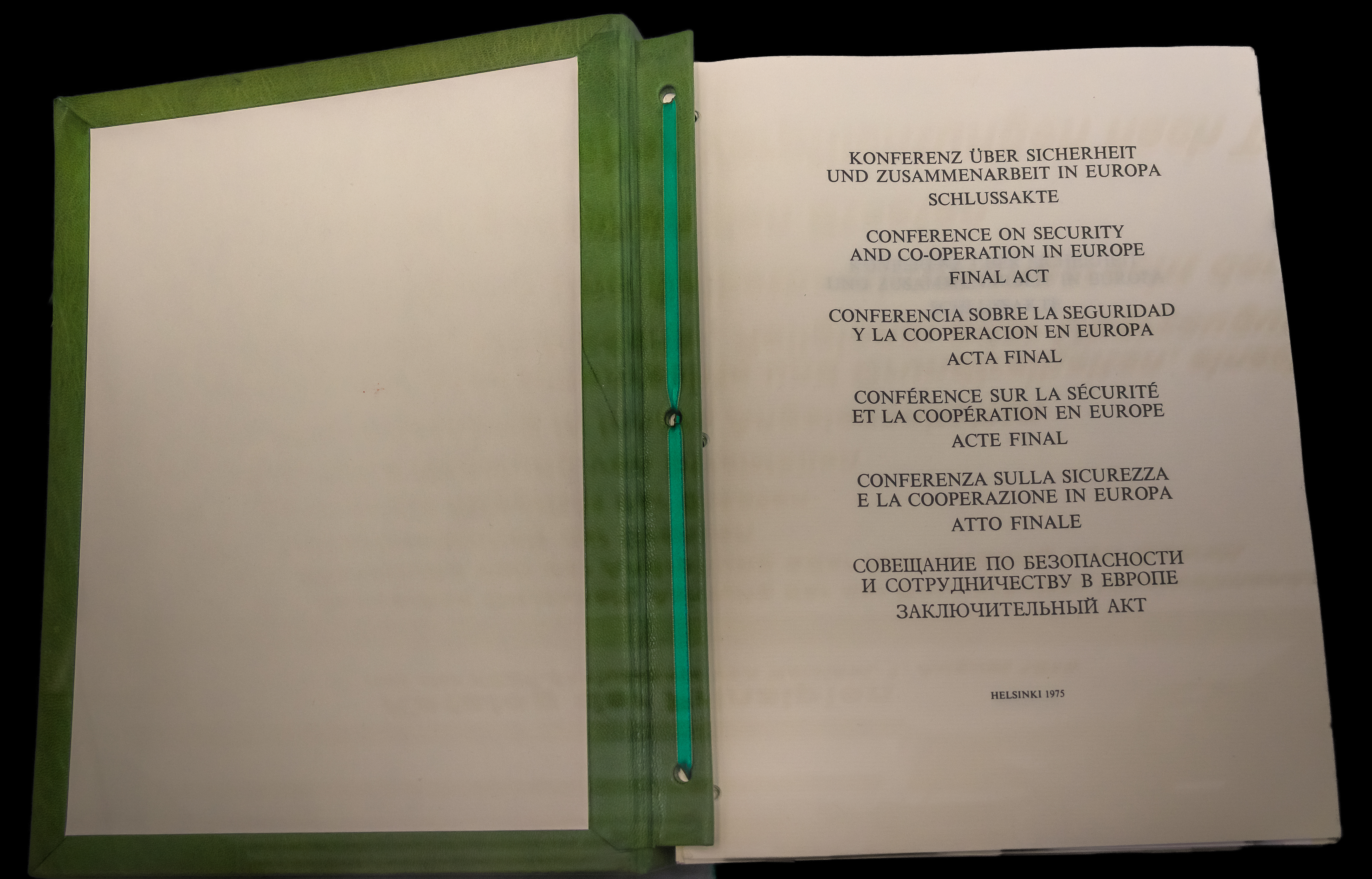
Fortunately, we have long experience of working to reduce the tensions between the USA and the Soviet Union (NATO and the Warsaw Pact) which led to the Helsinki Agreements and finally the end of the Cold War. Much of the analysis is still of value such as Mary Kaldor (Ed), Europe from Below (London: Verso: 1991). Many of the peace organizations that were involved are still in existence and could focus on Asia-Pacific issues.

There have also been efforts on confidence-building in the Israel-Palestine conflict and in the wider Middle East. Repeated efforts concerning tensions between India and Pakistan often focused on the tensions in Kashmir.

Today, there is a need to draw upon these experiences to impart conflict resolution skills to new individuals and groups, thereby building and expanding the constituencies working for conflict reduction measures. New participants can have backgrounds in psychology, religion, law and communications with experience in social movements and community action programs.

There is also a need to draw upon categories of people who were not directly involved in earlier efforts. Often women were marginalized not only in government negotiations but even in nongovernmental efforts. These processes of dialogue have a value in deepening understanding of a situation. However, the emphasis should be on developing proposals for confidence-building measures.

Tensions in the Asia-Pacific area are growing, and there is a need for concerted action to reduce the slide to violence. As Don Carlson and Craig Comstock point out in their book, Citizen Summitry: Keeping the Peace when it Matters Too Much to be Left to Politicians (Los Angeles: Jeremy P. Tacker, Inc. 1986),

“Nobody made a greater mistake than he who did nothing because he could only do a little.”

Prof. René Wadlow is President of the Association of World Citizens.
UN Highlights Rape as a War Weapon in Ukraine

In Being a World Citizen, Conflict Resolution, Current Events, Europe, Human Rights, Humanitarian Law, International Justice, NGOs, Solidarity, The former Soviet Union, The Search for Peace, UKRAINE, United Nations, War Crimes, Women's Rights, World Law on November 16, 2022 at 8:41 AM

By René Wadlow

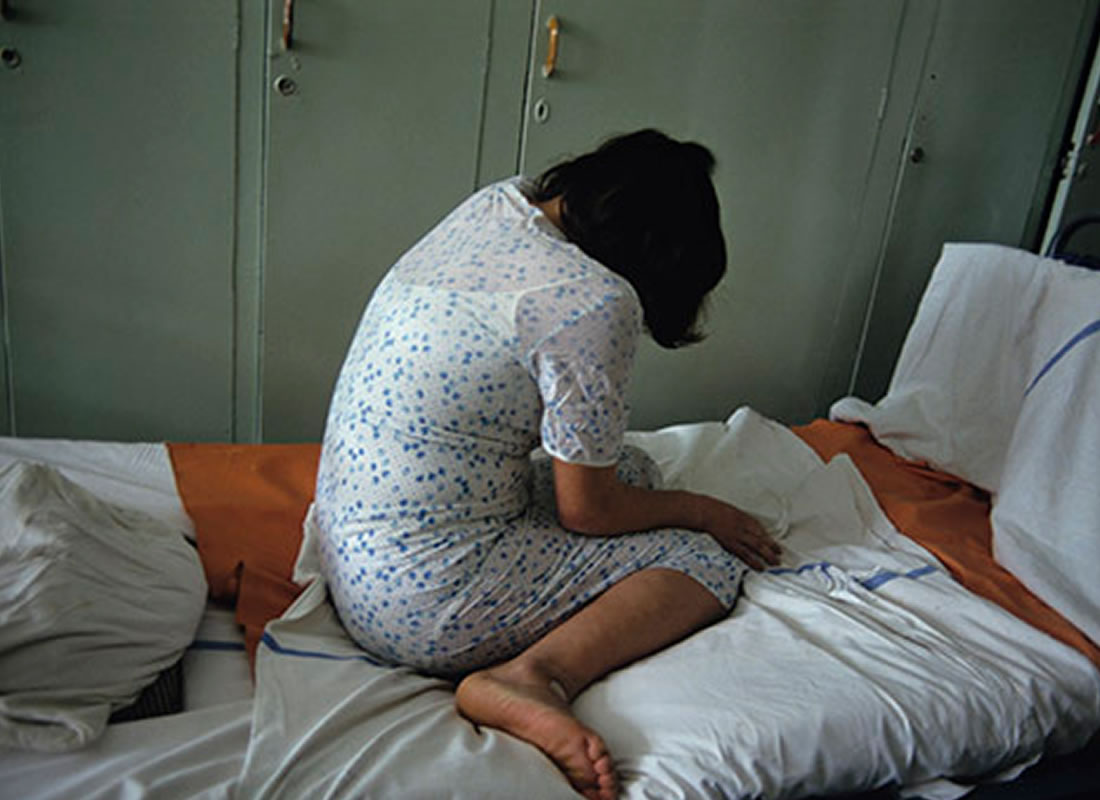
Pramila Patten, the United Nations (UN) Human Rights Council Special Rapporteur on sexual violence in times of conflict reported mid-October 2022 that rape is increasingly used in the armed conflict in Ukraine as a weapon to humiliate and discourage the populations. There had been an earlier September 27 report to the High Commissioner for Human Rights setting out many of the same facts and calling for international action.

In the past, sexual violence had often been dismissed as acts of individual soldiers, rape being one of the spoils of war for whom rape of women was an entitlement. However, with the 2001 trials of war crimes in former Yugoslavia by the International Criminal Tribunal for ex-Yugoslavia, the first convictions of rape as a crime against humanity and violations of the laws or customs of war were handed down against Bosnian Serb soldiers. Bosnian Serb fighters were charged with mass rape and forced prostitution involving dozens of Muslim women and girls, some only 12 years old. The case had taken five years of investigations and more than 30 witnesses for the prosecution. The three soldiers being tried were given a sentence of 12 years imprisonment.

Since then, we have seen patterns of systematic rape become part of International Humanitarian Law, and since 2002 one of the crimes that can be prosecuted within the International Criminal Court. (1)

There have been reports of systematic rape in Ukraine since 2014 with the creation of the People’s Republics of Donetsk and Luhansk by both Ukrainian and separatist soldiers. However, little international attention was given to these reports. It is only with the invasion of Ukraine by Russian troops on February 24, 2022 that international attention has focused on reports of rape especially in areas that were for a time under the control of the Russian military or the militias of the two People’s Republics. (2)

Unfortunately, it would seem that the armed conflict in Ukraine will drag on. There are few signs of a willingness for a negotiated settlement. International Humanitarian Law moves slowly. Rape as a war weapon is used in other armed conflicts such as those in the Democratic Republic of Congo, Darfur, Sudan, and Syria. Strong nongovernmental pressure is needed to keep governmental and UN efforts going on.

Notes

1) For a good overview of both specific armed conflicts and the slow but steady international response, see Carol Rittner and John K. Roth (Eds), Rape: Weapon of War and Genocide (St. Paul, MN: Paragon House, 2012)

2) See Amnesty International “Ukraine 2021”: http://www.amnesty.org, Secretary-General’s Report, Organization for Security and Cooperation in Europe, http://www.osce.org

Prof. René Wadlow is President of the Association of World Citizens.
Protecting the Environment in Time of War

In Africa, Being a World Citizen, Conflict Resolution, Current Events, Environmental protection, Human Rights, NGOs, Solidarity, Sustainable Development, The Search for Peace, Track II, United Nations, War Crimes, World Law on November 6, 2022 at 9:01 PM

By René Wadlow

November 6 is set by the United Nations (UN) General Assembly in Resolution A/RES/56/4 as the International Day for Preventing the Exploitation of the Environment in War and Armed Conflict. Throughout history, in armed conflicts, water wells have been poisoned, crops set on fire, forests cut down, and animals killed to gain military advantage. Today, many armed conflicts have been linked to the exploitation of natural resources such as timber, diamonds, and fertile land and water.

The Association of World Citizens (AWC) has stressed that protection of the environment needs to be an important part of conflict prevention. The resource base that people depend upon for their livelihood needs to be safeguarded. Most recently, the AWC has highlighted the deliberate destruction of food-related resources in the armed conflict between the Ethiopian federal forces and the opposition movements in Tigray.

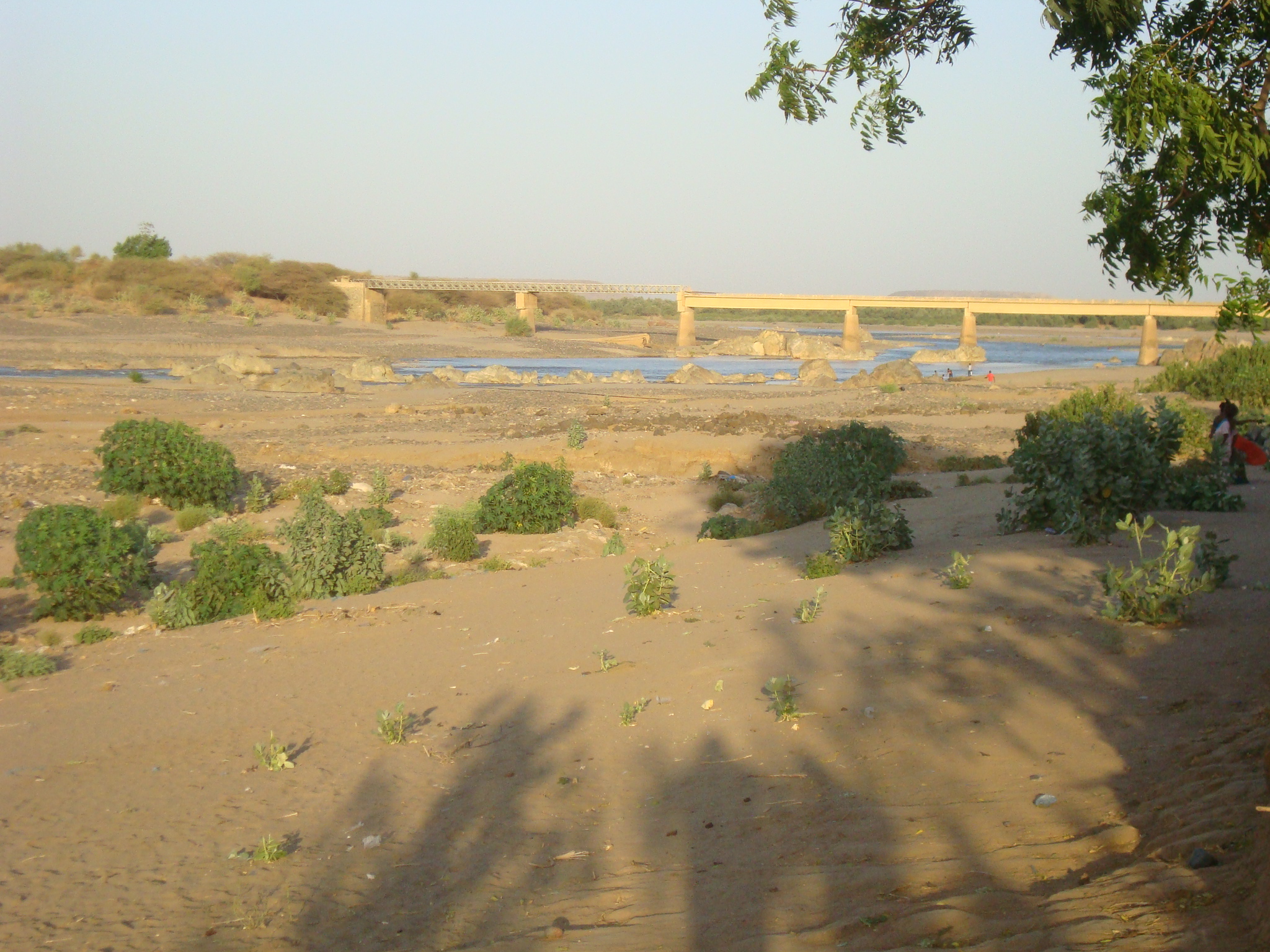
Humera in Tigray near the border with Sudan and Eritrea (C) Jnyssen

Since November 4, 2020, fighting has gone on in Tigray with the deliberate destruction of crops and agricultural infrastructures. UN-led humanitarian food relief was prevented from entering the area. Fortunately, at the start of November 2022, a ceasefire and a peace agreement facilitated by the African Union (AU) was signed in South Africa where the negotiations had been held. The AU has designated a team of 10 persons to follow up the process. However, the restoration of the agricultural infrastructure will be a lengthy process. It is not sure that all the factions involved will agree to the ceasefire. The situation merits a close watch.

There are currently other conflicts linked to natural resources, such as those in the Democratic Republic of Congo. The International Day must serve as a reminder, but efforts of protection need to be permanent. The AWC will continue its efforts.

Prof. René Wadlow is President of the Association of World Citizens.
Women as Peacemakers

In Being a World Citizen, Conflict Resolution, Cultural Bridges, Human Rights, NGOs, Nonviolence, Solidarity, The Search for Peace, Track II, United Nations, Women's Rights, World Law on November 1, 2022 at 6:10 PM

By René Wadlow

Seeing with eyes that are gender aware, women tend to make connections between the oppression that is the ostensible cause of conflict (ethnic or national oppression) in the light of another cross-cutting one: that of gender regime. Feminist work tends to represent war as a continuum of violence from the bedroom to the battlefield, traversing our bodies and our sense of self. We glimpse this more readily because as women we have seen that ‘the home’ itself is not the haven it is cracked up to be. Why, if it is a refuge, do so many women have to escape it to “refuges”? And we recognize, with Virginia Woolf, that ‘the public and private worlds are inseparably connected: that the tyrannies and servilities of one are the tyrannies and servilities of the other.

Cynthia Cockburn, Negotiating Gender and National Identities

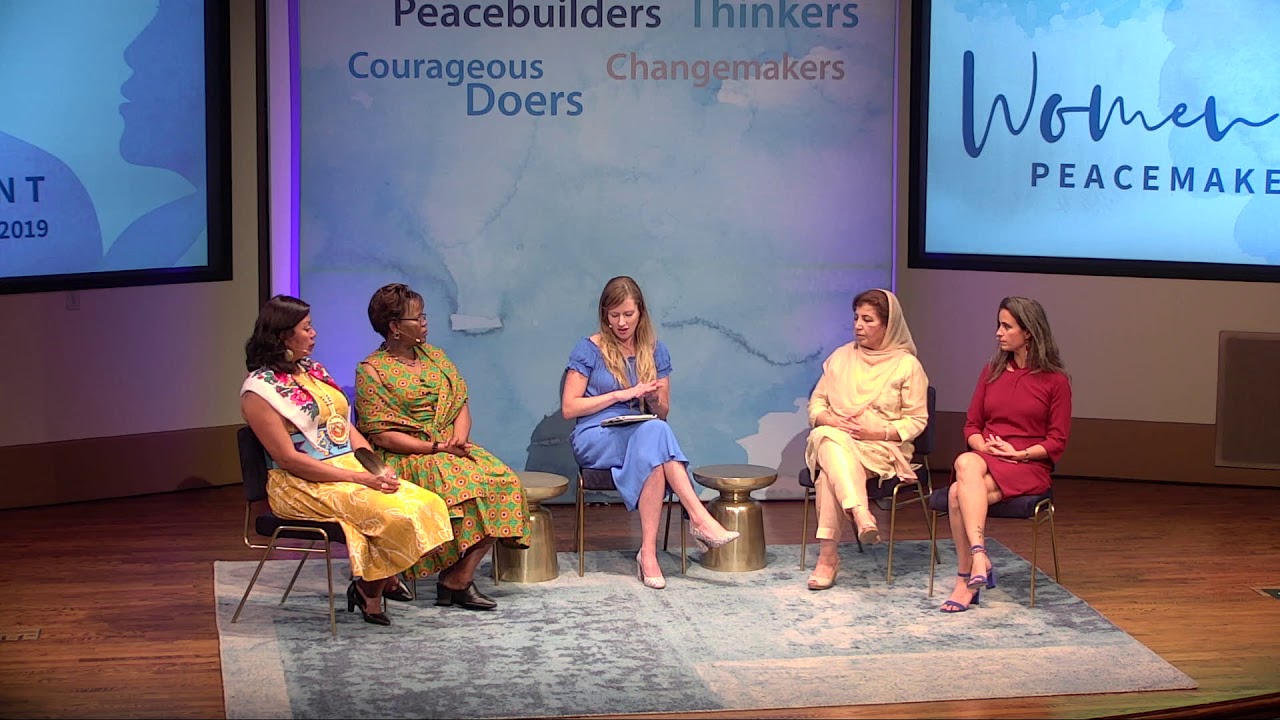
October 31 is the anniversary of the United Nations (UN) Security Council Resolution 1325 which calls for full and equal participation of women in conflict prevention, peace processes, and peacebuilding, thus creating opportunities for women to become fully involved in governance and leadership. This historic Security Council resolution 1325 of October 31, 2000 provides a mandate to incorporate gender perspectives in all areas of peace support. Its adoption is part of a process within the UN system through its World Conferences on Women in Mexico City (1975), in Copenhagen (1980), in Nairobi (1985), in Beijing (1995), and at a special session of the UN General Assembly to study progress five years after Beijing (2000).

Since 2000, there have been no radical changes as a result of Resolution 1325, but the goal has been articulated and accepted. Now women must learn to take hold of and generate political power if they are to gain an equal role in peace-making. They must be willing to try new avenues and new approaches as symbolized by the actions of Lysistrata.

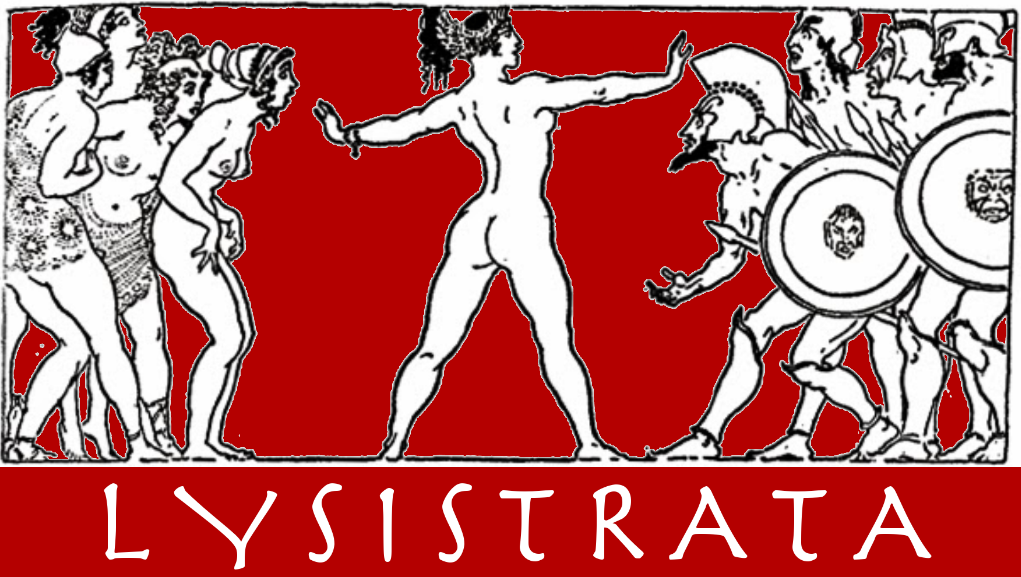
Lysistrata, immortalized by Aristophanes, mobilized women on both sides of the Athenian-Spartan War for a sexual strike in order to force men to end hostilities and avert mutual annihilation. In this, Lysistrata and her co-strikers were forerunners of the American humanistic psychologist Abraham Maslow who proposed a hierarchy of needs: water, food, shelter, and sexual relations being the foundation (see Abraham Maslow, The Farther Reaches of Human Nature). Maslow is important for conflict resolution work because he stresses dealing directly with identifiable needs in ways that are clearly understood by all parties and with which they are willing to deal at the same time.

Addressing each person’s underlying needs means that one moves toward solutions that acknowledge and value those needs rather than denying them. To probe below the surface requires redirecting the energy towards asking “What are your real needs here? What interests need to be serviced in this situation?” The answers to such questions significantly alter the agenda and provide a real point of entry into the negotiation process.

It is always difficult to find a point of entry into a conflict. An entry point is a subject on which people are willing to discuss because they sense the importance of the subject and all sides feel that “the time is ripe” to deal with the issue. The art of conflict resolution is highly dependent on the ability to get to the right depth of understanding and intervention into the conflict. All conflicts have many layers. If one starts off too deeply, one can get bogged down in philosophical discussions about the meaning of life. However, one can also get thrown off track by focusing on too superficial an issue on which there is relatively quick agreement. When such relatively quick agreement is followed by blockage on more essential questions, there can be a feeling of betrayal.

Since Lysistrata, women, individually and in groups, have played a critical role in the struggle for justice and peace in all societies. However, when real negotiations begin, women are often relegated to the sidelines. However, a gender perspective on peace, disarmament, and conflict resolution entails a conscious and open process of examining how women and men participate in and are affected by conflict differently. It requires ensuring that the perspectives, experiences and needs of both women and men are addressed and met in peace-building activities. Today, conflicts reach everywhere. How do these conflicts affect people in the society — women and men, girls and boys, the elderly and the young, the rich and poor, the urban and the rural?

There has been a growing awareness that women and children are not just victims of violent conflict and wars −’collateral damage’ − but they are chosen targets. Conflicts such as those in Rwanda, the former Yugoslavia and the Democratic Republic of Congo have served to bring the issue of rape and other sexual atrocities as deliberate tools of war to the forefront of international attention. Such violations must be properly documented, the perpetrators brought to justice, and victims provided with criminal and civil redress.

I would stress three elements which seem to me to be the ‘gender’ contribution to conflict transformation efforts:

1) The first is in the domain of analysis, the contribution of the knowledge of gender relations as indicators of power. Uncovering gender differences in a given society will lead to an understanding of power relations in general in that society, and to the illumination of contradictions and injustices inherent in those relations.

2) The second contribution is to make us more fully aware of the role of women in specific conflict situations. Women should not only be seen as victims of war: they are often significantly involved in taking initiatives to promote peace. Some writers have stressed that there is an essential link between women, motherhood and non-violence, arguing that those engaged in mothering work have distinct motives for rejecting war which run in tandem with their ability to resolve conflicts non-violently. Others reject this position of a gender bias toward peace and stress rather that the same continuum of non-violence to violence is found among women as among men. In practice, it is never all women nor all men who are involved in peace-making efforts. Sometimes, it is only a few, especially at the start of peace-making efforts. The basic question is how best to use the talents, energies, and networks of both women and men for efforts at conflict resolution.

3) The third contribution of a gender approach with its emphasis on the social construction of roles is to draw our attention to a detailed analysis of the socialization process in a given society. Transforming gender relations requires an understanding of the socialization process of boys and girls, of the constraints and motivations which create gender relations. Thus, there is a need to look at patterns of socialization, potential incitements to violence in childhood training patterns, and socially-approved ways of dealing with violence.

The Association of World Citizens has stressed that it is important to have women directly involved in peace-making processes. The strategies women have adapted to get to the negotiating table are testimony to their ingenuity, patience, and determination. Solidarity and organization are crucial elements. The path may yet be long, but the direction is set.

Prof. René Wadlow is President of the Association of World Citizens.
Saber Rattling With Nuclear Weapons

In Being a World Citizen, Conflict Resolution, Current Events, Europe, NGOs, Solidarity, The former Soviet Union, The Search for Peace, Track II, UKRAINE, United Nations, World Law on September 27, 2022 at 7:21 AM

By René Wadlow

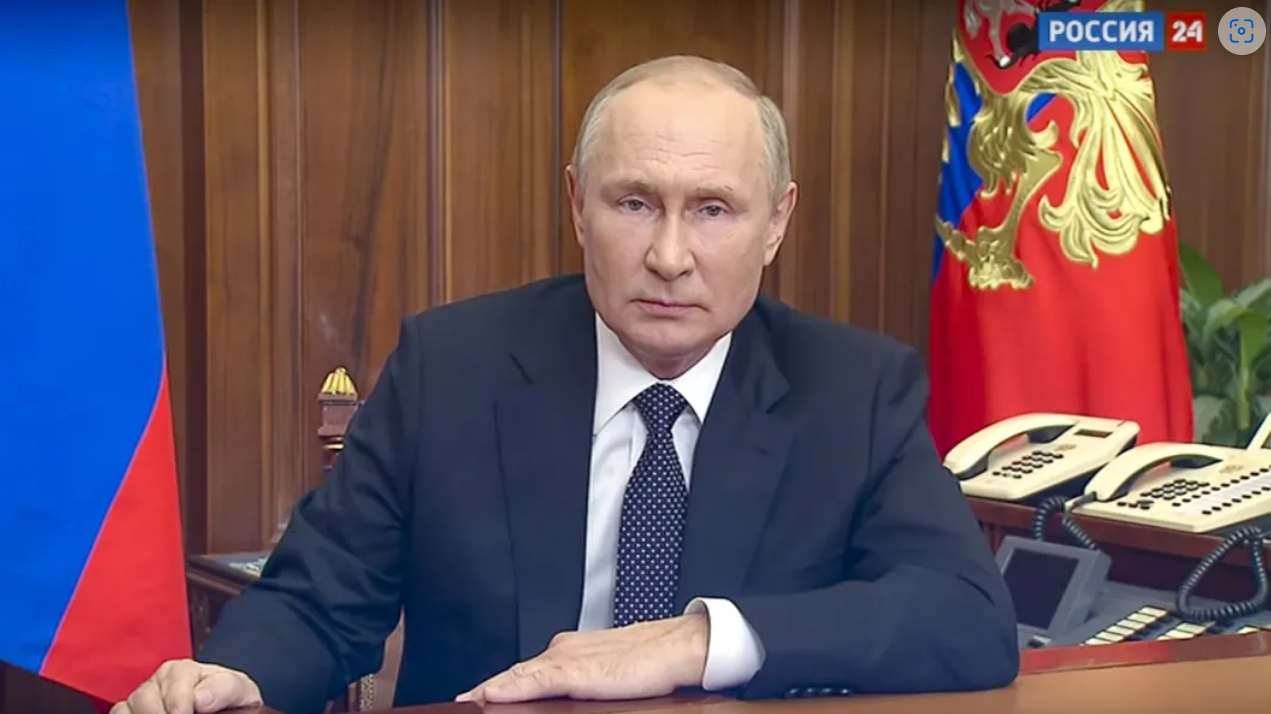
On September 21, the United Nations (UN)-designated Day of Peace, Vladimir Putin, President of the Russian Federation, said in an address to the nation,

“I am addressing you – all citizens of our country, people of different generations, ages and ethnicities, the people of our great Motherland, all who are united by the great historical Russia, soldiers, officers and volunteers who are fighting on the frontline and doing their combat duty, our brothers and sisters in the Donetsk and Lugansk People’s Republics, Kherson and Zaporazhye regions and other areas that have been liberated from the neo-Nazi regime.”

He set out the dangers facing the Federation,

“The goal of that part of the West is to weaken, divide and ultimately destroy our country. They are saying openly now that in 1991 they managed to split up the Soviet Union and now is the time to do the same to Russia, which must be divided into numerous regions that would be at deadly feud with each other … Washington, London and Brussels are openly encouraging Kiev to move hostilities to our territory. They openly say that Russia must be defeated on the battlefield by any means, and subsequently deprived of political, economic, cultural and any other sovereignty and ransacked.”

To meet these challenges, he ordered a “partial mobilization in the Russian Federation to defend our Motherland and its sovereignty and territorial integrity, and to ensure the safety of our people and people in the liberated territories.” Sergey Shoigu, the Russian Defense Minister, set out the details in a public statement just after Putin’s address. The mobilization will call up men below the age of 65 who have had military service. There are some 300,000 people in this category.

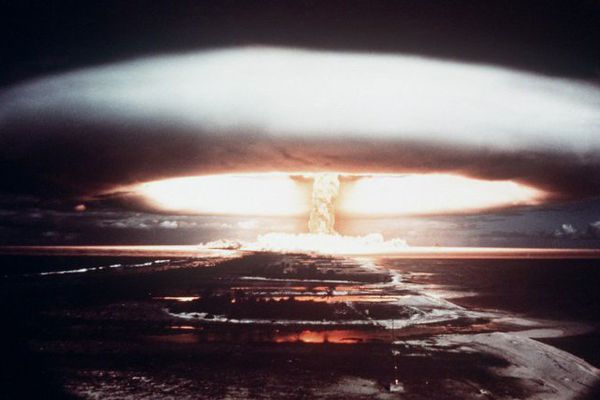
The nuclear saber rattling followed. Putin went on,

“I am referring to the statements made by some high-ranking representatives of the leading NATO countries on the possibility and admissibility of using weapons of mass destruction – nuclear weapons against Russia … In the event of a threat to the territorial integrity of our country and to defend Russia and our people, we will certainly use all weapon systems available to us. This is not a bluff.”

He ended by saying, “The citizens of Russia can rest assured that the territorial integrity of our Motherland, our independence and freedom will be defended – I repeat – by all the systems available to us.”

What makes the current situation more ambiguous and dangerous is that Vladimir Putin announced and confirmed by Sergey Shoigu that from September 23 to 27, 2022, there would be referendums in the Donetsk and Lugansk People’s Republics and in the areas under Russian control in the Kherson and Zaporazhye regions on joining the Russian Federation. People who are refugees in Russia from these areas will also be able to vote. A vote favorable to joining Russia is not in doubt. Thus, any future military operations by Ukraine forces in these areas could be considered by Russia as an attack on Russian territory.

It is impossible to know to what extent the nuclear weapon saber rattling is serious and goes beyond a justification for the mobilization of former military – not a popular policy. The situation calls for active efforts to decrease tensions on the part of the UN, national governments, and Nongovernmental Organizations. The next weeks may be crucial.

Prof. René Wadlow of the President of the Association of World Citizens.
Frantz Fanon: The New Humanism

In Africa, Anticolonialism, Being a World Citizen, Conflict Resolution, Democracy, Fighting Racism, Human Development, Human Rights, Literature, Middle East & North Africa, Solidarity, The Search for Peace on July 20, 2022 at 9:42 PM

By René Wadlow

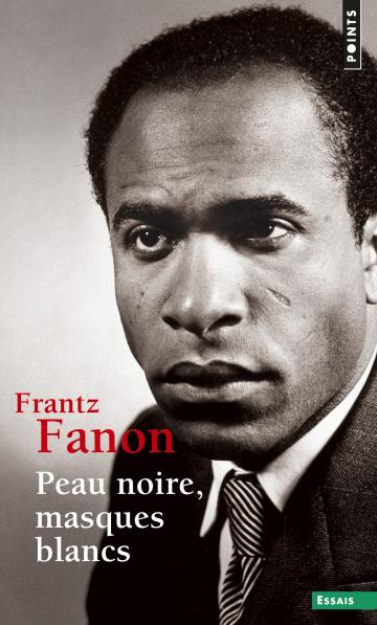
Frantz Fanon (1925-1961) whose birth anniversary we mark on July 20, was a French psychologist, writer, and participant in the Algerian struggle for independence (1954-1962). He was born in Martinique, then a French colony which now has the status of a Department of France. The bulk of the population are of African descent, having been brought to the West Indies as slaves. Although the basic culture is French, some in Martinique are interested in African culture, and as in Haiti, there are survivals of African religions, often incorporated into Roman Catholic rites.

In 1940, as France was being occupied by the German forces and a right-wing nationalist government was being created in the resort city of Vichy, sailors favorable to the Vichy government took over the island and created a narrow-nationalist, racist rule. Fanon, then 17, escaped to the nearby British colony of Dominica, and from there joined the Free French Forces led by General De Gaulle. Fanon fought in North Africa and then in the liberation of France.

Once the war over, he received a scholarship to undertake medical and then psychiatry training in Lyon. His doctoral thesis on racism as he had experienced it in the military and then during his medical studies was published in French in 1952 and is translated into English as Black Skin, White Masks.

In 1953, he was named to lead the Psychiatry Department of the Blida-Joinville Hospital in Algeria shortly before the November 1954 start of the war for independence in Algeria. He treated both Algerian victims of torture as well as French soldiers traumatized by having to carry out torture. He considered the struggle for independence as a just cause, and so in 1956 he resigned his position and left for Tunisia where the leadership of the independence movement was located. As a good writer, having already published his thesis followed by a good number of articles in intellectual journals, he was made the editor of the Algerian independence newspaper. There were a number of efforts by the French security services to kill him or to blow up the car in which he was riding. Although wounded a number of times, he survived.

In 1959, the British colony of the Gold Coast was granted independence and took the name of Ghana under the leadership of Kwame Nkrumah. Nkrumah was a pan-African, having participated in a number of pan-African congresses starting in the 1930s. He viewed the independence of the Gold Coast as the first step toward the liberation of all colonies in Africa, to be followed by the creation of African unity in some sort of federation. Ghana attracted a good number of activists of anti-colonial movements. Fanon was sent to Ghana to be the Algerian Independence Movement (Front de Libération Nationale, FLN) ambassador to Ghana and as the contact person toward other independence movements.

From his anti-colonial activity, he wrote his best-known study of colonialism, the mental health problems it caused, and the need for catharsis Les damnés de la terre, translated into English as The Wretched of the Earth. The title comes from the first line of the widely sung revolutionary song L’Internationale. For French readers, there was no need to write the first word of the song which is “Arise” as in “Arise, you Wretched of the Earth” (“Debout, les damnés de la terre”). The meaning of the book in English would have been clearer had it been called Arise, Wretched of the Earth.

Fanon was very ill with leukemia, and Les damnés de la terre was written by dictation to his French-born wife that he had married during his medical studies. He received in the hospital the first copies of his book three days before his death. He had been taken for treatment to a leading hospital just outside Washington, DC by the Central Intelligence Agency (CIA). The role of the CIA in support of, or just infiltrating for information, the Algerian independence movement is still not fully clear. Frantz Fanon was buried in a town in Algeria then held by the independence forces. The 1962 peace agreement with France granting independence followed shortly after his death. Fanon is recalled warmly in Algeria for his part in the independence struggle.

The final four pages of Les damnés de la terre are a vital appeal for a new humanism and for a cosmopolitan world society based on the dignity of each person. For Fanon, there is a need to overcome both resignation and oppression and to begin a new history of humanity.

Note

Two useful biographies of Fanon in English are David Caute, Frantz Fanon (New York: Viking Press, 1970), and Irene Gendzier, Frantz Fanon. A Critical Study (New York: Pantheon Books, 1973)

Prof. René Wadlow is President of the Association of World Citizens.
The Elimination of Sexual Violence in Conflict: Greater Awareness Building Needed

In Being a World Citizen, Conflict Resolution, Human Rights, Humanitarian Law, International Justice, NGOs, Solidarity, The Search for Peace, Track II, United Nations, War Crimes, Women's Rights, World Law on June 19, 2022 at 3:41 PM

By René Wadlow

The United Nations (UN) General Assembly has proclaimed June 19 of each year to be the International Day for the Elimination of Sexual Violence in Conflict in order to raise awareness of the need to put an end to conflict-related sexual violence and to honor the victims and the survivors of sexual violence around the world. The date was chosen to commemorate the adoption on June 19, 2008 of Security Council Resolution 1820 in which the Council condemned sexual violence as a tactic of war and as an impediment to peacebuilding.

For the UN, “conflict-related sexual violence” refers to rape, sexual slavery, forced prostitution, forced abortion, and any other form of sexual violence of comparable gravity perpetrated against women, men, girls, and boys, linked to a conflict. The term also encompasses trafficking in persons when committed in situations of conflict for purposes of sexual violence or exploitation.

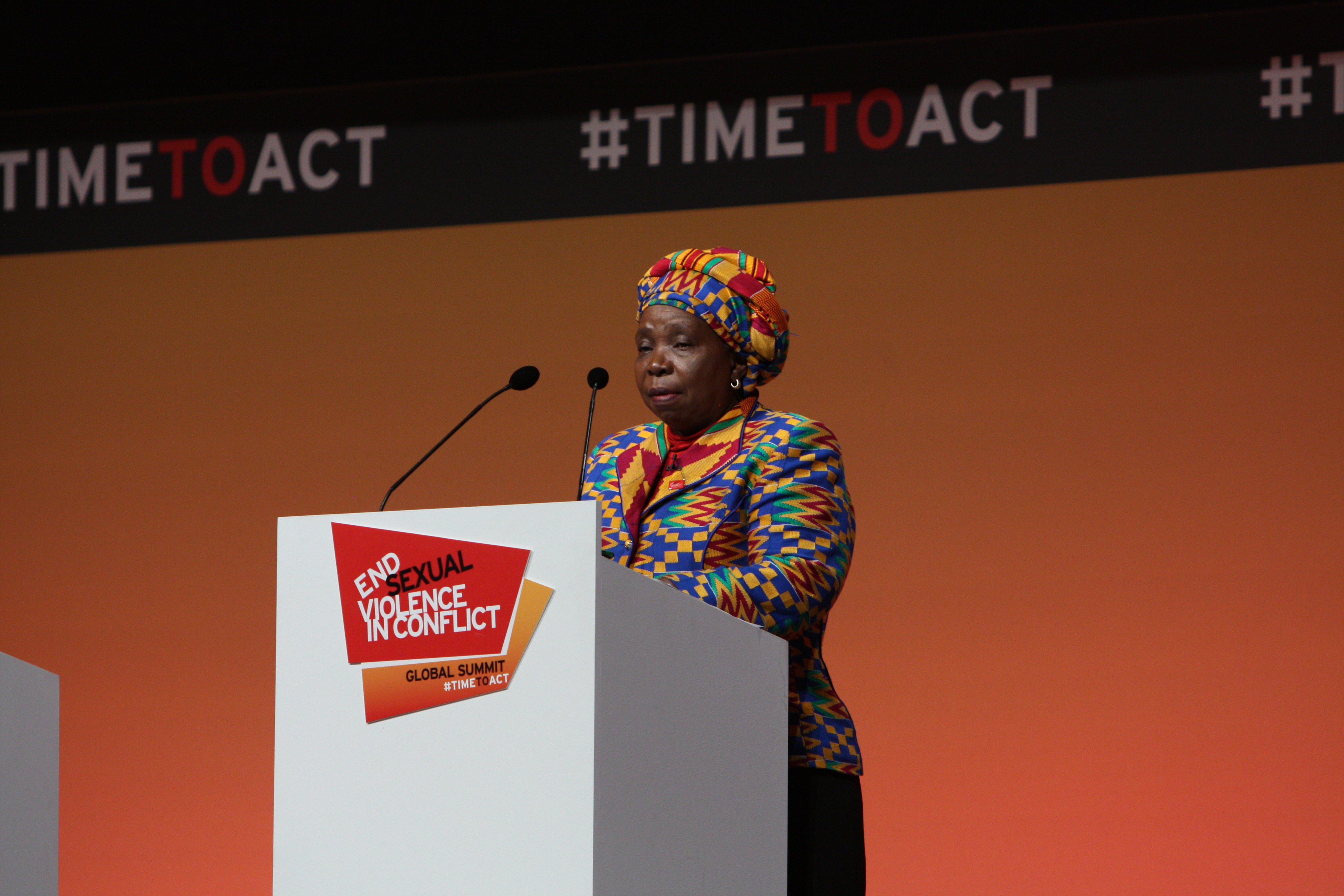
Dr. Nkosazuna Dlamini Zuma, Chairperson, African Union Commission speaking at the Global Summit to End Sexual Violence in Conflict, June 12, 2014. (C) Foreign and Commonwealth Office

There has been a slow growth of awareness-building trying to push UN Agencies to provide non-discriminatory and comprehensive health services including sexual and reproductive health services taking into account the special needs of persons with disabilities. A big step forward was the creation of the UN Special Representative of the Secretary-General on Sexual Violence in Conflict. The post is currently held since April 2017 by Under-Secretary-General Pramila Patten. She recently said “We see it too often in all corners of the globe from Ukraine to Tigray in northern Ethiopia to Syria and the Democratic Republic of Congo. Every new wave of warfare brings with it a rising tide of human tragedy including new waves of war’s oldest, most silenced and least-condemned crime.”

The Association of World Citizens (AWC) first raised the issue in the UN Commission on Human Rights in March 2001 citing the judgement of the International Court for Former Yugoslavia which maintained that there can be no time limitations on bringing the accused to trial. The tribunal also reinforced the possibility of universal jurisdiction that a person can be tried not only by his national court but by any court claiming universal jurisdiction and where the accused is present.

The AWC again stressed the use of rape as a weapon of war in the Special Session of the Commission on Human Rights on the Democratic Republic of Congo, citing the findings of Meredeth Turslen and Clotilde Twagiramariya in their book What Women Do in Wartime: Gender and Conflict in Africa (London: Zed Press, 1998), “There are numerous types of rape. Rape is committed to boast the soldiers’ morale, to feed soldiers’ hatred of the enemy, their sense of superiority, and to keep them fighting: rape is one kind of war booty; women are raped because war intensifies men’s sense of entitlement, superiority, avidity, and social license to rape: rape is a weapon of war used to spread political terror; rape can destabilize a society and break its resistance; rape is a form of torture; gang rapes in public terrorize and silence women because they keep the civilian population functioning and are essential to its social and physical continuity; rape is used in ethnic cleansing; it is designed to drive women from their homes or destroy their possibility of reproduction within or “for” their community; genocidal rape treats women as “reproductive vessels”; to make them bear babies of the rapists’ nationality, ethnicity, race or religion, and genocidal rape aggravates women’s terror and future stigma, producing a class of outcast mothers and children – this is rape committed with consciousness of how unacceptable a raped woman is to the patriarchal community and to herself. This list combines individual and group motives with obedience to military command; in doing so, it gives a political context to violence against women, and it is this political context that needs to be incorporated in the social response to rape.”

The prohibition of sexual violence in times of conflict is now part of international humanitarian law. However, there are two major weaknesses in the effectiveness of international humanitarian law. The first is that many people do not know that it exists and that they are bound by its norms. Thus, there is a role for greater promotional activities through education and training to create a climate conducive to the observance of internationally recognized norms. The second weakness is enforcement. We are still at the awareness-building stage. Strong awareness-building is needed.

Prof. René Wadlow is President of the Association of World Citizens.
Lifting the Odessa Blockade

In Being a World Citizen, Conflict Resolution, Current Events, Democracy, Europe, Human Rights, Humanitarian Law, NGOs, Solidarity, The former Soviet Union, The Search for Peace, Track II, UKRAINE, United Nations on June 6, 2022 at 3:19 PM

By René Wadlow

The Association of World Citizens (AWC) urges action to lift the blockade on Odessa and other Black Sea ports so that grain and other food resources can resume to flow. Ukraine has a vast agricultural base producing 46 percent of the world’s sunflower exports and 10 percent of the world’s wheat exports. The Middle East and Africa are Ukraine’s food export market. Odessa has a large grain terminal in which vast quantities of food exports are now stuck. It is not physically possible to transport large quantities of grain by rail and road.

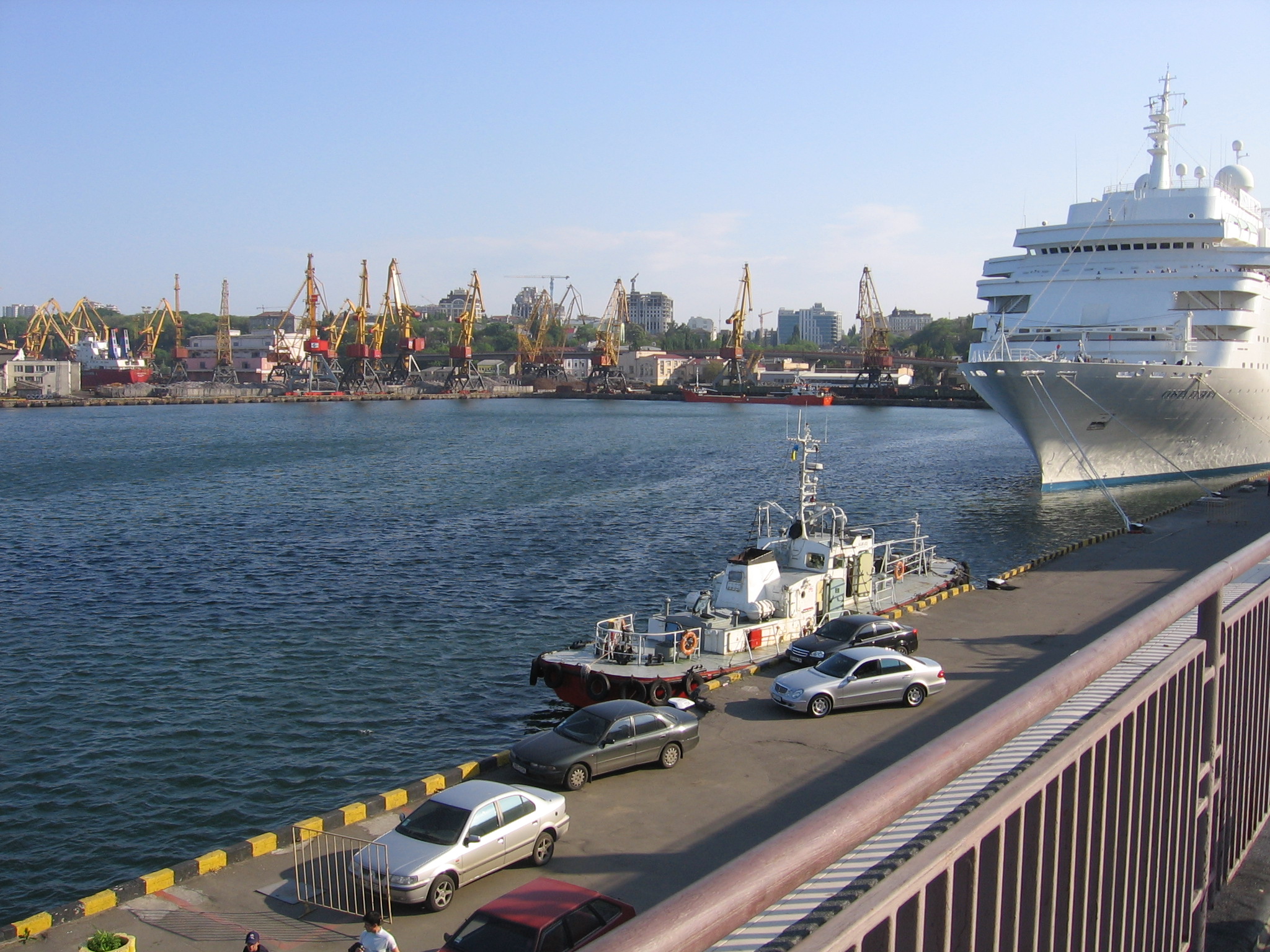
Odessa’s port, peaceful and flourishing, before the Russian invasion. (C) Raymond Zoller

In part due to this blockade, food prices for grain have risen some 20 percent, hitting especially the poor. In some parts of Africa, due to climate conditions and armed conflict, there are near famine conditions. New food supplies are urgent.

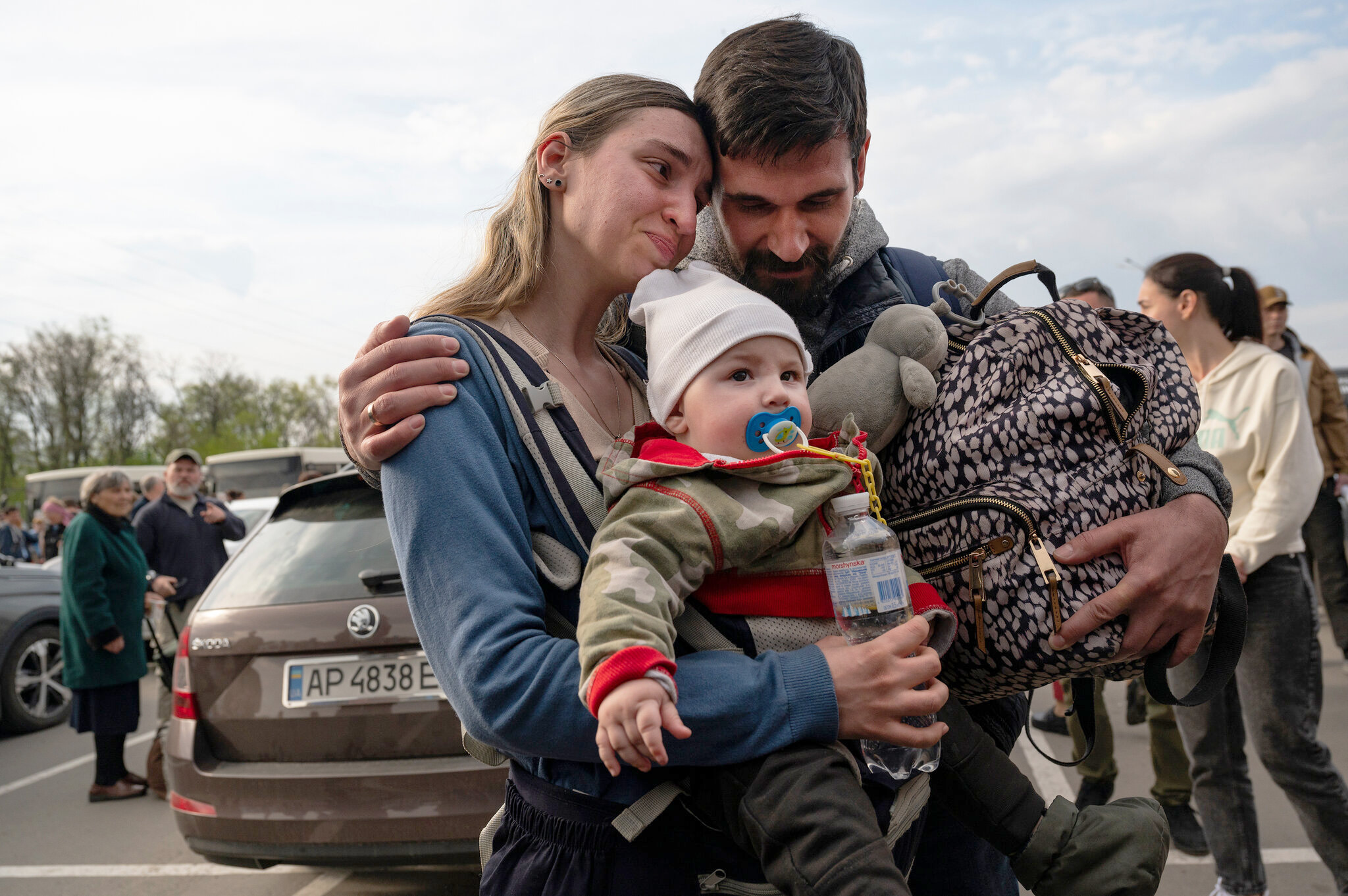
A Ukrainian family evacuated from Mariupol. (C) Lynsey Addario for The New York Times

Russian authorities have said that they were ready to provide a humanitarian corridor for ships carrying food, but only in return for the lifting of U. S. and Western European sanctions. However, the Western sanctions have a multitude of sources. The lifting of the Odessa blockade and renewed grain shipments must be treated as a single issue, although it is obviously colored by the whole armed conflict.

There are diplomatic efforts underway led by the African Union and the United Nations. It is urgent that speedy progress be made. Nongovernmental organizations may be able to play a creative role as many NGOs are already involved in ecologically-sound development projects in areas under agricultural and food stress. The AWC, concerned with the resolution of armed conflicts through negotiations in good faith, appeals for creative diplomatic measures so that the blockade is ended as soon as possible.

Prof. René Wadlow is President of the Association of World Citizens.