On March 6, 2025, the United Nations (UN) Children’s Fund (UNICEF) warned that many children in the conflicts among militias in Sudan are at risk of rape and other forms of sexual violence which are being used as weapons of war. In November 2024, the Association of World Citizens (AWC) had highlighted that rape was being used as a weapon of war in the Sudan conflicts and that strong counter measures are needed.
“There are numerous types of rape. Rape is committed to boast the soldiers’ morale, to feed soldiers’ hatred of the enemy, their sense of superiority, and to keep them fighting; rape is one kind of war booty; women are raped because war intensifies men’s sense of entitlement, superiority, avidity and social license to rape; rape is a weapon of war used to spread political terror; rape can destabilize a society and break its resistance; rape is a form of torture; gang rapes in public terrorize and silence women and force them to flee homes, families and communities; rape targets women because they keep the civilian population functioning and are essential to its social and physical continuity; rape is used in ethnic cleansing; it is designed to drive women from their homes or destroy the possibility of reproduction; genocidal rape treats women as reproductive vessels to make them bear babies of the rapists’ nationality, ethnicity, race or religion, and genocidal rape aggravates women’s terror and future stigma, producing a class of outcast mothers and children – this is rape committed with consciousness of how unacceptable a raped woman is to the patriarchal community and to herself. This list combines individual and group motives with obedience to military command; in doing so, it gives a political context to violence against women, and it is this political context that needs to be incorporated in the social response to rape.”
The AWC first raised the issue of rape as a weapon of war in the UN Commission on Human Rights in March 2001 after the judgement of the International Criminal Tribunal for the Former Yugoslavia (ICTY) maintained that there can be no time limitation on bringing an accused to trial. The Tribunal also reinforced the possibility of universal jurisdiction – that a person can be tried not only by his national court but by any court claiming universal jurisdiction and where the accused is present.
As Citizens of the World, we need to have a peace-building approach which asks: How does a political conflict degenerate into pervasive mass violence, generating new crises and new forms of violent conflict in the future? Even after a war ends, the effects of sexual violence continue in the form of unwanted pregnancies, sexually transmitted infections, discrimination and ostracizing of victims and often lasting psychological damage. Thus, we must ask how a community pulls itself out from the cycle of violence and creates new attitudes to promote human dignity and develop new institutions of conflict resolution.
Prof. René Wadlow is President of the Association of World Citizens.
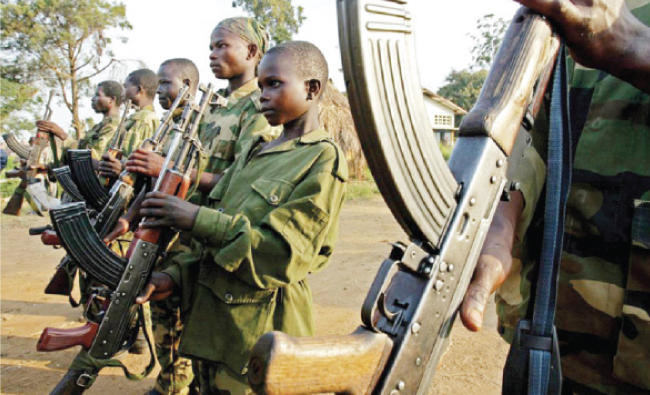
The conquest of the city of Goma, North-Kivu, a city of two million people in the Democratic Republic of Congo in November-December 2024, followed by the conquest by the same forces of Bukavu, the capital of South-Kivu in January-February 2025, a city of one million persons, has brought to attention the use of “child soldiers”, very young people mobilized to kill and destroy. The armed forces, the regular Army of the Democratic Republic of Congo, not having been paid in some time, faded away and left the fighting largely to militias organized along clanic or ethnic lines. There are real possibilities that the fighting will spread to Rwanda and Burundi, perhaps even Uganda.
The issue of child soldiers had gained attention in the ethnic-based fighting in Liberia. Young people had also been used in fighting in Colombia, South America. Child soldiers were often accused of sexual abuse, and there were difficulties in reintegrating the youth in their home villages when the fighting stopped.
Nongovernmental Organizations (NGOs) active in Geneva in the United Nations’ (UN’s) human rights bodies felt that action was needed on the issue of child soldiers and began to organize on the issue. In practice, what gives NGOs their influence is not what an individual NGO can do alone but what they can do collectively. “Networking” is a key method of progress. NGOs make networks which facilitate the trans-national movement of norms and information. Such networks tend to be temporary and highly personalized. However, at the UN, they are bound together in a common desire to protect the planet and advance the welfare of humanity.
In 1979 a Special Working Group on the Rights of the Child was created under the chairmanship of the Polish representative, the legal specialist Adam Lopatka. Government and NGO representatives worked together from 1979 to 1988 for one week each year in Geneva. There was a core group, including the Association of World Citizens (AWC), which worked steadily together. Representatives of the International Committee of the Red Cross and the International Labor Organization were brought into the sessions.
The Working Group managed to come to a consensus on a final version in time for the UN General Assembly to adopt the Convention on the Rights of the Child on November 20, 1989. By creating a common legal framework of world law, the Convention on the Rights of the Child has increased levels of government accountability, bringing about legislative and institutional reforms and increasing international cooperation. As James P. Grant, then UNICEF’s Executive Director, said at the time, “Transcending its detailed provisions, the Convention on the Rights of the Child embodies the fundamental principle that the lives and the normal development of children should have first call on society’s concerns and capacities and that children should be able to depend upon that commitment in good times and bad, in normal times and in times of emergency, in times of peace and in times of war, in times of prosperity and in times of recession.”
The Convention of the Rights of the Child has an important provision banning the recruitment and use in hostilities of persons under 15 years of age. The same provision has been placed in the Rome Statute creating the International Criminal Court. These international legal standards are tools which can be used. It is difficult to reach out to the armed militias active in Congo. However, we must try, as Citizens of the World, to make world law known and put into practice.
Prof. René Wadlow is President of the Association of World Citizens.
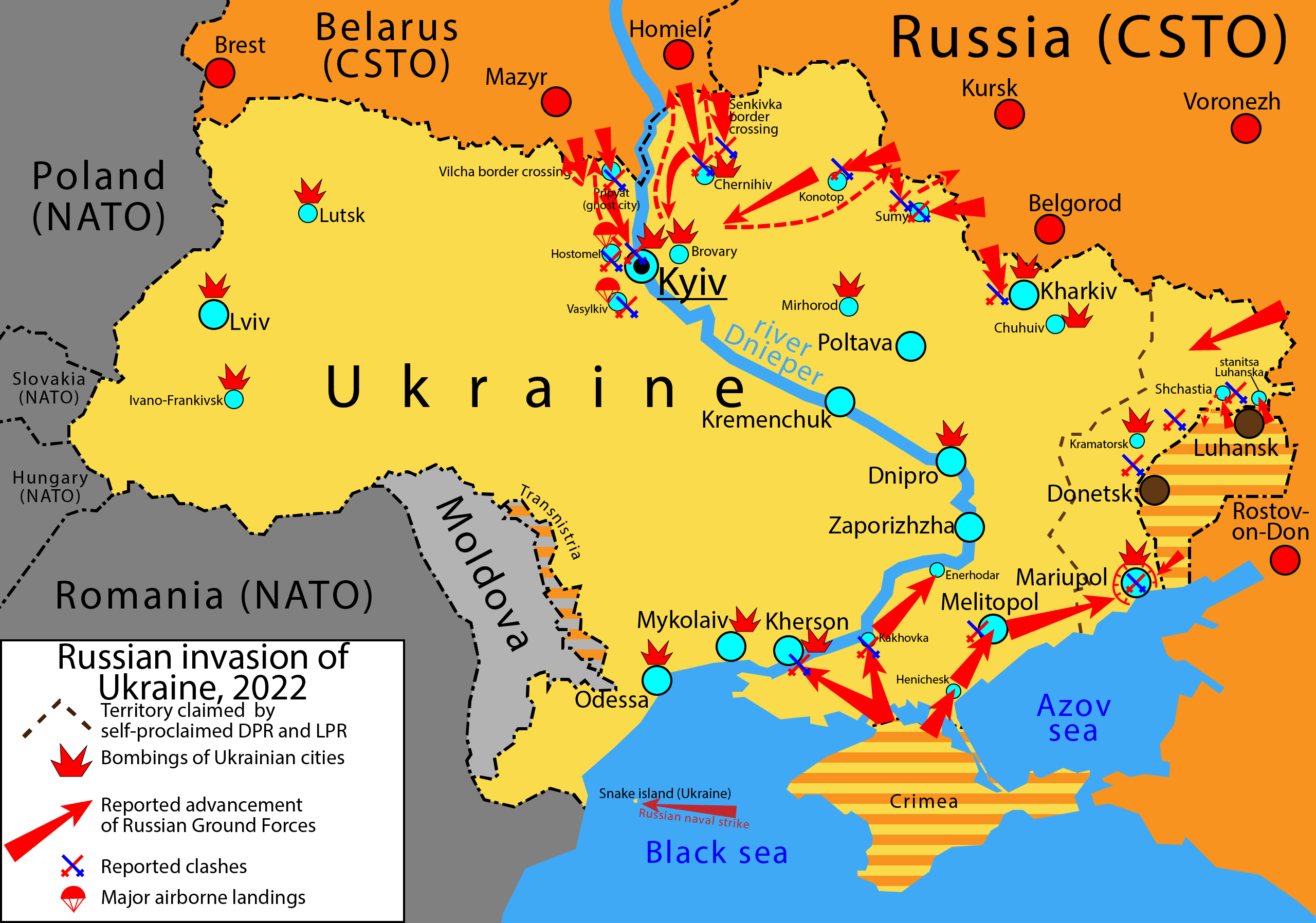
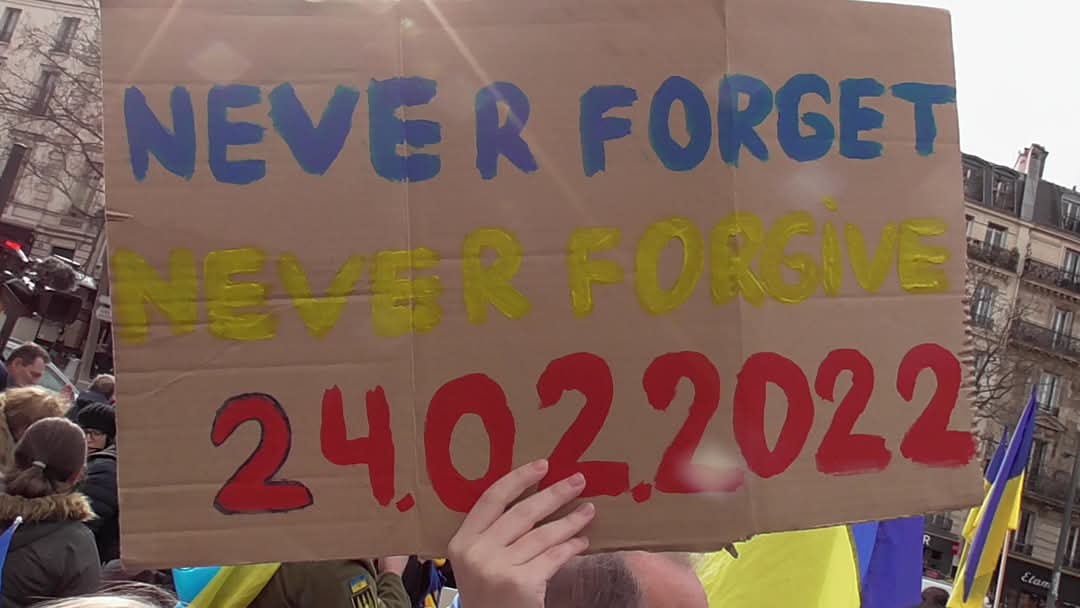
February 24 marks the anniversary of the start of the Russian “Special Military Operation” in Ukraine in 2022 which very quickly became a war with the large loss of life both military and civil, with the displacement of population, and a crackdown on opposition to the war. For three years, the war has continued, lap after lap. Although there were fears that the war might spread to neighboring countries, the fighting has been focused on Ukraine, and more recently on a small part of Russian territory attacked by Ukrainian forces. Can there be a realistic end to the armed conflict in sight?
On February 18, 2025, the United States (U.S.) Secretary of State, Marco Rubio, and the Russian Foreign Minister, Sergei Lavrov, met and discussed in part ending the armed conflict in Ukraine. They discussed a possible Putin-Trump summit that could be held in Saudi Arabia. Earlier, U.S. Army General Mark Milley had said, “There has to be a mutual recognition that military victory is probably, in the true sense of the word, not achievable through military means, and therefore, when there is an opportunity to negotiate, when peace can be achieved, seize it.”
However, the conflict is not one only between the USA and the Russian Federation; it also involves directly Ukraine. The Ukrainian President, Volodymyr Zelenskyy, has stressed strongly that the Ukraine government leadership wants to play a key role in any negotiations. Certain European countries such as France, Germany, Poland and Turkey have been involved in different ways in the conflict as well as in proposing possible avenues of negotiation to bring the conflict to an end. The bargaining process could be lengthy, but also it could be short as there is “handwriting on the wall.”
One key aspect concerns the fate of four Ukrainian areas “annexed” by Russia, Donetsk, Luhansk, Kherson, and Zaporizhzhia largely controlled by Russian troops. President Putin has said, “These regions had been incorporated by the will of the people into the Russian Federation. This matter is closed forever and is no longer a matter of discussion.” However, the status of Crimea and the Donetsk and Luhansk People’s Republics is at the core of what President Zelenskyy wants discussed.
(C) Homoatrox
“Made in War” is the mark of origin stamped upon nearly all States. Their size, their shape, their ethnic makeup is the result of wars. There are virtually no frontiers today that are not the results of wars: world wars, colonial struggles, annexations by victors, wars against indigenous populations. States were not created by reasonable negotiations based on ethnic or geographic characteristics. If frontiers can be modified only by the victors in wars, then there must be new imaginative transnational forms of cooperation. What is needed are not new frontiers but new states of mind.
From April 5 to 7, 2023, the President of France, Emmanuel Macron, was in China and urged that China could play a key role in bringing peace to the Russia-Ukraine conflict. President Xi Jinping had made a very general 12-point peace plan to resolve the Russia-Ukraine conflict – an indication that China is willing to play a peace-making role. China is probably the only country with the ability to influence Russian policymakers in a peaceful direction.
However, there are long historic and strategic aspects to the current armed conflict. Security crises are deeply influenced both by a sense of history and current perceptions. Thus, the Association of World Citizens (AWC) encourages the development of a renewed security architecture as was envisaged by the Helsinki Final Act and the creation of the Organization for Security and Cooperation in Europe (OSCE). There will be much to do to re-create an environment of trust and confidence that has been weakened by this conflict. Nongovernmental Organizations should play an active and positive role.
(C) Bernard J. Henry/AWC
Prof. René Wadlow is President of the Association of World Citizens.
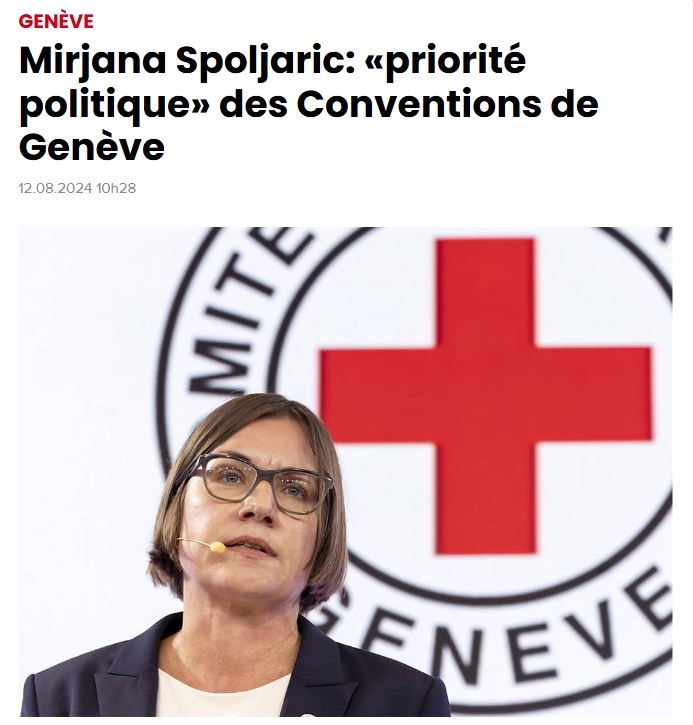
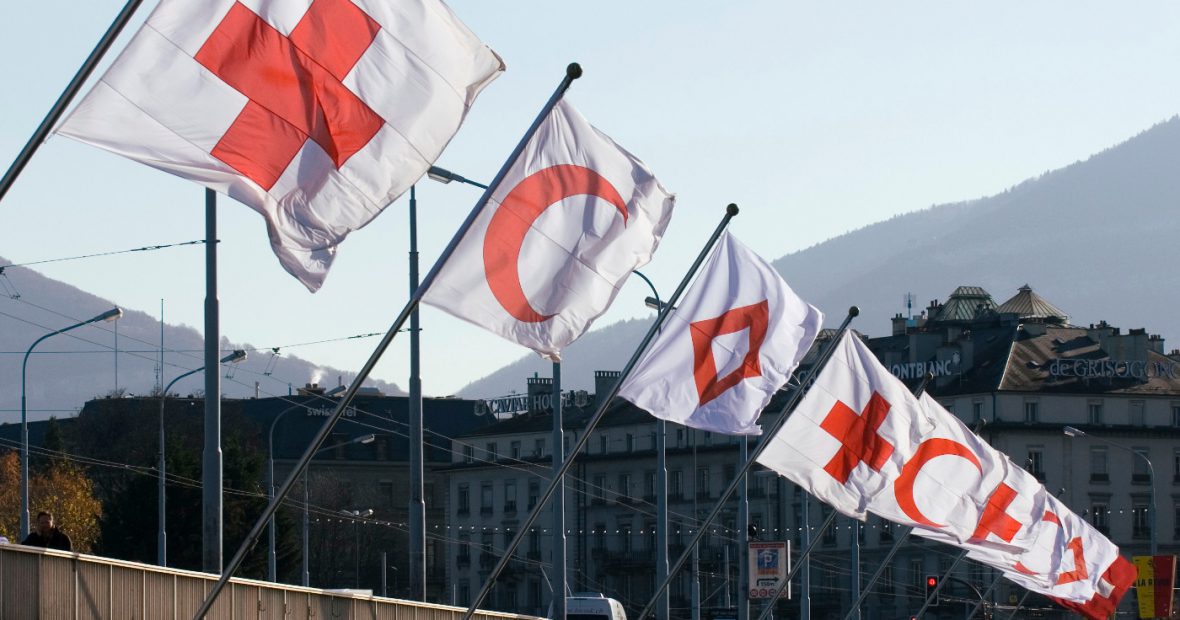
Mirjana Spoljaric, President of the International Committee of the Red Cross (ICRC), warned on February 6, 2025 that there is a serious erosion of respect for international humanitarian law. The ICRC is, through agreements signed with most governments, the chief agency for the respect of the Geneva Conventions, the heart of international humanitarian law.
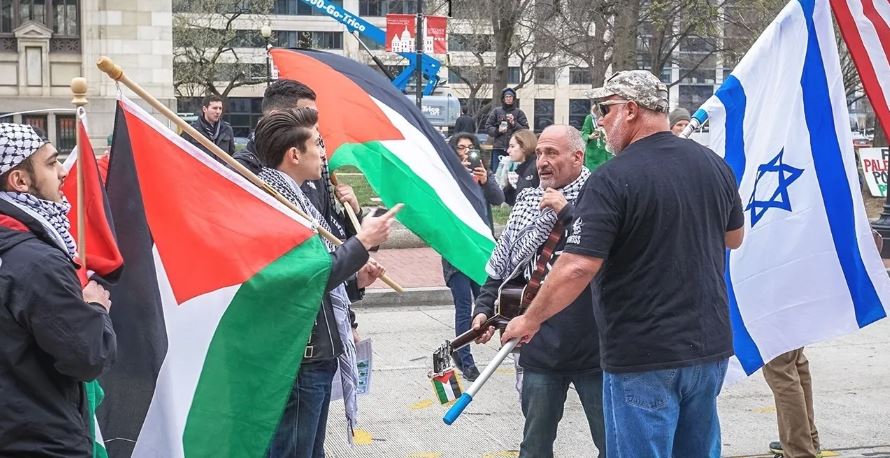
The armed conflict in Ukraine now spreading to a part of Russia and the conflict between Israelis and Palestinians, especially in the Gaza Strip, have led to the destruction of medical and educational facilities. Civilians have been directly targeted, prisoners of war abused, and hostages taken – all violations of international humanitarian law.
To this sad record of recent abuses must now be added the situation in Goma and the eastern area of the Democratic Republic of Congo. Humanitarian law should be respected by nongovernmental militias such as the M23 in Goma, but they have never signed an agreement to respect the Geneva Conventions. There have been discussions within the ICRC and other humanitarian aid agencies as to the role of nongovernmental militias with respect to international humanitarian law. These are vital discussions as the role of nongovernmental militias has become more frequent in armed conflicts.
The Association of World Citizens (AWC) played a key role in having a coalition of armed groups fighting in Burma to sign the Geneva Conventions. The signature was deposited with the Swiss Government which is the depository power for the Conventions. The signature was considered as only “symbolic” as not involving a government. However, the signature by the militias led to an exchange of prisoners showing that it was taken seriously by the Burmese government.
The AWC has strongly supported the strengthening of international humanitarian law. International humanitarian law is a central core of the broader body of world law. The strengthening of respect for humanitarian law develops a base for the application of international law and such institutions as the World Court.
As Mirjana Spoljaric, a Swiss diplomat before she became President of the ICRC, has stressed, the world society is at a crucial moment. There is a need to reaffirm respect for humanitarian law. Unfortunately, such reaffirmation is not a high priority for most Ministries of Foreign Affairs. Thus, as the AWC has urged, most recently through its appeals of March 2022, October 2023 and October 2024, there is a real possibility for NGOs to take the lead.
Prof. René Wadlow is President of the Association of World Citizens.
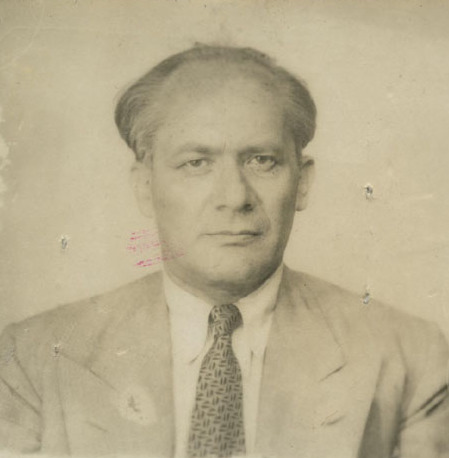
Genocide is the most extreme consequence of racial discrimination and ethnic hatred. Genocide has as its aim the destruction, wholly or in part, of a national, ethnic, racial, or religious group as such. The term was proposed by the legal scholar Raphael Lemkin, drawing on the Greek genos (people or tribe) and the Latin –cide (to kill) (1). The policies and war crimes of the Nazi German government were foremost on the minds of those who drafted the Genocide Convention, but the policy was not limited to the Nazis (2).
The Genocide Convention is a landmark in the efforts to develop a system of universally accepted standards which promote an equitable world order for all members of the human family to live in dignity. Four articles are at the heart of this Convention and are here quoted in full to understand the process of implementation proposed by the Association of World Citizens (AWC), especially of the need for an improved early warning system.
Article I
In the present Convention, genocide means any of the following acts committed with intent to destroy, in whole or in part, a national, ethnical, racial or religious group, as such:
(a) Killing members of the group;
(b) Causing serious bodily or mental harm to members of the group;
(c) Deliberately inflicting on the group conditions of life calculated to bring about its physical destruction in whole or in part;
(d) Imposing measures intended to prevent births within the group;
(e) Forcibly transferring children of the group to another group.
Unlike most humanitarian international law which sets out standards but does not establish punishment, Article III sets out that the following acts shall be punishable:
(a) Genocide;
(b) Conspiracy to commit genocide;
(c) Direct and public incitement to commit genocide;
(d) Attempt to commit genocide;
(e) Complicity in genocide
Article IV
Persons committing genocide or any of the other acts enumerated in article III shall be punished, whether they are constitutionally responsible rulers, public officials or private individuals.
Article VIII
Any Contracting Party may call upon the competent organs of the United Nations to take such action under the Charter of the United Nations as they consider appropriate for the prevention and suppression of acts of genocide or any of the other acts enumerated in article III.
Raphael Lemkin (C) Center for Jewish History, New York City
Numerous reports have reached the Secretariat of the United Nations (UN) of actual, or potential, situations of genocide: mass killings; cases of slavery and slavery-like practices, in many instances with a strong racial, ethnic, and religious connotation — with children as the main victims, in the sense of article II (b) and (c). Despite factual evidence of these genocides and mass killings as in Sudan, the former Yugoslavia, Rwanda, Burundi, the Democratic Republic of Congo, Sierra Leone and in other places, no Contracting Party to the Genocide Convention has called for any action under article VIII of the Convention.
As Mr. Nicodème Ruhashyankiko of the Sub-Commission on Prevention of Discrimination and Protection of Minorities wrote in his study of proposed mechanisms for the study of information on genocide and genocidal practices “A number of allegations of genocide have been made since the adoption of the 1948 Convention. In the absence of a prompt investigation of these allegations by an impartial body, it has not been possible to determine whether they were well-founded. Either they have given rise to sterile controversy or, because of the political circumstances, nothing further has been heard about them.”
Yet the need for speedy preventive measures has been repeatedly underlined by UN Officials. On December 8, 1998, in his address at UNESCO, UN Secretary-General Kofi Annan said “Many thought, no doubt, that the horrors of the Second World War — the camps, the cruelty, the exterminations, the Holocaust — could not happen again. And yet they have, in Cambodia, in Bosnia and Herzegovina, in Rwanda. Our time — this decade even — has shown us that man’s capacity for evil knows no limits. Genocide — the destruction of an entire people on the basis of ethnic or national origins — is now a word of our time, too, a stark and haunting reminder of why our vigilance must be eternal.”
In her address Translating words into action to the UN General Assembly on December 10, 1998, the then High Commissioner for Human Rights, Ms. Mary Robinson, declared “The international community’s record in responding to, let alone preventing, gross human rights abuses does not give grounds for encouragement. Genocide is the most flagrant abuse of human rights imaginable. Genocide was vivid in the minds of those who framed the Universal Declaration, working as they did in the aftermath of the Second World War. The slogan then was ‘never again’. Yet genocide and mass killing have happened again — and have happened before the eyes of us all — in Rwanda, Cambodia, the former Yugoslavia and other parts of the globe.”
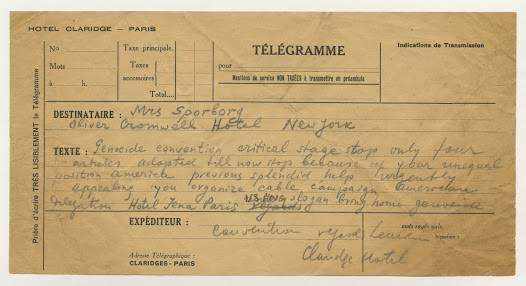
In a telegram sent from Paris in December 1948, Raphael Lemkin asked Ms. William Dick Sporberg, a member of the United States Committee for a United Nations (UN) Genocide Convention, to organize a cable campaign to persuade the United States Mission to the UN to support the adoption of the convention. Until the very last minute, no efforts were to be spared if the Genocide Convention was to come to existence and make the hopes of a whole generation traumatized by wide-scale extermination come true. (C) Google Cultural Institute/Center for Jewish History
We need to heed the early warning signs of genocide. Officially directed massacres of civilians of whatever numbers cannot be tolerated, for the organizers of genocide must not believe that more widespread killing will be ignored. Yet killing is not the only warning sign. The Convention drafters, recalling the radio addresses of Hitler and the constant flow of words and images, set out as punishable acts “direct and public incitement to commit genocide”. The Genocide Convention, in its provisions concerning public incitement, sets the limits of political discourse. It is well documented that public incitement — whether by Governments or certain non-governmental actors, including political movements — to discriminate against, to separate forcibly, to deport or physically eliminate large categories of the population of a given State, or the population of a State in its entirety, just because they belong to certain racial, ethnic, or religious groups, sooner or later leads to war. It is also evident that, at the present time, in a globalized world, even local conflicts have a direct impact on international peace and security in general. Therefore, the Genocide Convention is also a constant reminder of the need to moderate political discourse, especially constant and repeated accusations against a religious, ethnic, and social category of persons. Had this been done in Rwanda, with regard to the Radio Mille Collines, perhaps that premeditated and announced genocide could have been avoided or mitigated.
For the UN to be effective in the prevention of genocide, there needs to be an authoritative body which can investigate and monitor a situation well in advance of the outbreak of violence. As has been noted, any Party to the Genocide Convention (and most States are Parties) can bring evidence to the UN Security Council, but none has. In the light of repeated failures and due to pressure from nongovernmental organizations, the Secretary-General has named an individual advisor on genocide to the UN Secretariat. However, he is one advisor among many, and there is no public access to the information that he may receive.
Therefore, a relevant existing body must be strengthened to be able to deal with the first signs of tensions, especially “direct and public incitement to commit genocide.” The Committee for the Elimination of Racial Discrimination (CERD) created to monitor the 1965 International Convention on the Elimination of All Forms of Racial Discrimination would be the appropriate body to strengthen, especially by increasing its resources and the number of UN Secretariat members which service the CERD. Through its urgent procedure mechanisms, CERD has the possibility of taking early-warning measures aimed at preventing existing strife from escalating into conflicts, and to respond to problems requiring immediate attention. A stronger CERD more able to investigate fully situations should mark the world’s commitment to the high standards of world law set out in the Genocide Convention.
————————————————————————————–
Notes
1) Raphael Lemkin, Axis Rule in Occupied Europe (Washington: Carnegie Endowment for World Peace, 1944)
2) For a good overview, see: Samantha Power, A Problem from Hell: America and the Age of Genocide (New York: Basic Books, 2002)
3) E/CN.4/Sub.2/1778/416, Para 61
Prof. René Wadlow is President of the Association of World Citizens.
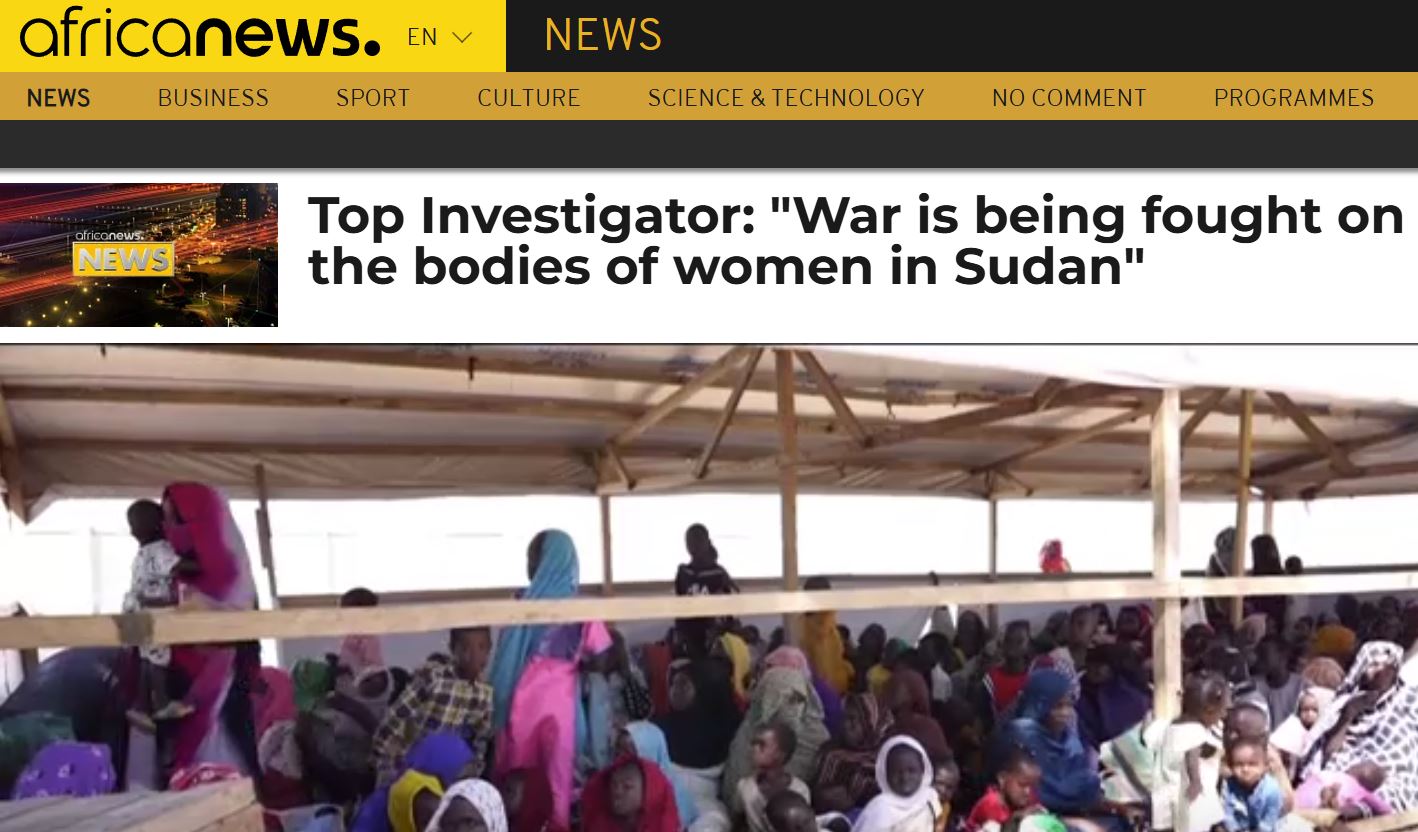
Sudan’s armed conflict which began on April 15, 2023 is between two former allies. On one side is General Abdel Fattah Al Burham of the Sudanese Armed Forces; on the other side is General Mohamed Hamdan Dagulo, known by his battle name of Hemedhi of the Rapid Support Forces. The conflict, which has spread to 14 of the 18 provinces of Sudan, has killed and wounded tens of thousands of civilians, displaced nearly 8 million people, and forced over two million to flee to neighboring countries. The agriculture of the country is disorganized, and many people face acute hunger.
There has been an appalling range of human rights and international humanitarian law violations including indiscriminate airstrikes and shelling against civilians, hospitals, and vital water services. The warring parties and their respective militia allies have made rape a weapon of war and have organized markets where women are sold for sexual slavery.
Rape harms not only the woman raped but also the whole family system. Often, the husband repudiates his wife. The whole family may scorn her. In a country where “the family” is a wide circle of people, the repudiated woman has few people to whom to turn for support. As was done by the “Islamic State” (IS, or Da’esh) in Iraq and Syria, sexual slave markets have been created where women are bought or exchanged.
So far, efforts by the United Nations (UN) and regional governments for a ceasefire and negotiations have not led to constructive action. Thus, the conflictual situation requires close cooperation among UN agencies, humanitarian and peace Nongovernmental Organizations.
Prof. René Wadlow is President of the Association of World Citizens.
War and armed violence are highly destructive of the lives of persons, but also of works of art and elements of cultural heritage. Knowledge and understanding of people’s past can help current inhabitants to develop their identity and to appreciate the value of their culture and heritage. Such knowledge and understanding enriches their lives and enables them to manage contemporary problems more successfully.
Since September 23, 2024, the armed conflict between the Israeli armed forces and the Hezbollah militia in Lebanon has led to increased air attacks by Israeli forces on different parts of Lebanon, resulting in deaths and the uprooting of a large number of people. Hezbollah had begun hostilities on October 8, 2023 by shelling Israeli positions in support of Hamas.
The Association of World Citizens (AWC) had called for a reduction of Israeli-Hezbollah tensions and has since called for a ceasefire and for the return of persons displaced in the areas on both sides of the Israel-Lebanon frontier. (See our Appeal of September 2024).
This AWC Appeal concerns the protection of cultural heritage as Israeli attacks have already harmed cultural heritage sites in Baalbek and Tyr as well as other culutral sites. Lebanon has a rich past going back to Biblical and Roman times.
After the Second World War, UNESCO had developed international conventions on the protection of cultural and educational bodies in time of armed conflict. The most important of these is the 1954 Hague Convention for the Protection of Cultural Property in the Event of Armed Conflict. The Hague Convention has been signed by a large number of States.
The 1954 Hague Convention builds on the Roerich Peace Pact first proposed by the Russian painter and champion of Asian culture, Nicholas Roerich. The Roerich Peace Pact was signed on April 15, 1935 by 21 States in a Pan American Union ceremony at the White House in Washington, D.C.
The Banner of Peace (Pax Cultura), as defined by the Roerich Pact of 1935 (C) Kwamikagami
At the signing, Henry A. Wallace, then United States (U.S.) Secretary of Agriculture and later Vice-President, said, “At no time has such an ideal been more needed. It is high time for the idealists who make the reality of tomorrow, to rally around such a symbol of international cultural unity. It is time that we appeal to that appreciation of beauty, science, education which runs across all national boundaries to strengthen all that we hold dear in our particular governments and customs. Its acceptance signifies the approach of a time when those who truly love their own nation will appreciate in addition the unique contributions of other nations and also do reverence to that common spiritual enterprise which draws together in one fellowship all artists, scientists, educators and truly religious of whatever faith. Thus we build a world civilization which places that which is fine in humanity above that which is low, sordid and mean, that which is hateful and grabbing.”
We still have efforts to make so that what is fine in humanity is above what is hateful and grabbing. The AWC strives so that a start will begin in Lebanon and spread to the wider Middle East.
Prof. René Wadlow is President of the Association of World Citizens.
The armed conflicts in the Middle East: Israel-Palestine, Lebanon, Syria, Iraq, Iran, Yemen have led to increased violations of International Humanitarian Law. Medical facilities and medical personnel have been attacked; civilians have been targeted, educational facilities destroyed. Therefore, the Association of World Citizens (AWC) makes an urgent call for the respect of International Humanitarian Law. This must be a joint effort of governments and Nongovernmental Organizations.
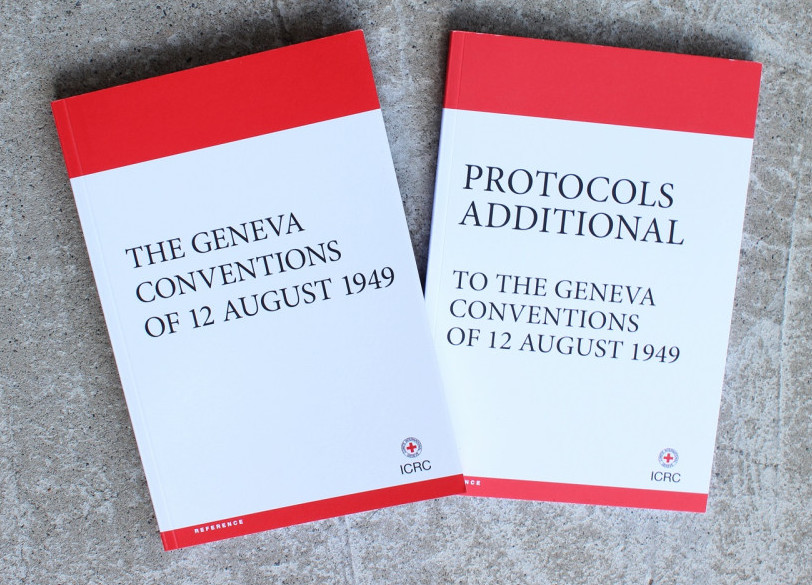
Regular military personnel of all countries are theoretically informed of the rules of the Geneva Conventions of August 12, 1949, and the Protocol Additional adopted in 1977.
When the 1949 Geneva Conventions were drafted and adopted, it was possible to spell out in considerable detail rules regarding prisoners of war and the protection of civilians, in particular Common Article 3 (so called because it is found in all four Conventions) provides that “each Party to the conflict shall be bound to apply, as a minimum, the following provisions: Persons taking no active part in the hostilities … shall in all circumstances be treated humanely without any adverse distinction founded on race, color, religion or faith, sex, birth or wealth, or any other similar criteria.”
The importance of Common Article 3 should not be underestimated. It sets out in straightforward terms important protections that all parties to a conflict must respect. In order to meet the need for additional protection, international humanitarian law has evolved to cover not only international armed conflict but also internal armed conflict. Today, international human rights standards are also considered part of international humanitarian law, thus providing additional protection for vulnerable population groups such as women, children, and minorities.
As situations of internal violence and strife proliferate, abuses committed by non-State actors, such as armed militias, are increasing concerns. Fundamental standards of international humanitarian law are intended to ensure the effective protection of human beings in all situations. The standards are clear. (1)
There are two major weaknesses in the effectiveness of international humanitarian law. The first is that many people do not know that it exists and that they are bound by its norms. Thus, there is an important role for greater promotional activities, the dissemination of information through general education, specific training of the military, outreach to armed militias, and cooperation with a wide range of nongovernmental organizations.
The second weakness is that violations of international humanitarian law are rarely punished. Governments too often tolerate these violations. Few soldiers are tried, or courtmartialed, for the violations of international humanitarian law. This weakness is even more true of nongovernmental militias and armed groups.
In fact, most violations of international humanitarian law are not actions of individual soldiers or militia members carried away by a sudden rush of anger, fear, a desire of revenge or a sudden sexual urge to rape a woman. Soldiers and militia members violating the norms of international humanitarian law are acting on orders of their commanders.
Thus, the only sold response is an act of conscience to refuse an order of a military or militia higher up and refuse to torture, to bomb a medical facility, to shoot a prisoner, to harm a child, and to rape a woman. Conscience, that inner voice which discerns what is right from wrong and encourages right action is the value on which we can build the defense of international humanitarian law. The defense of conscience to refuse unjust orders is a large task but a crucial action for moving toward a law-based world society.
Notes
(1) For useful guides to international humanitarian law see:
D. Schindler and J. Toman, The Laws of Armed Conflicts (Martinus Nihjoff Publishers, 1988)
H. McCoubrey and N.D. White, International Law and Armed Conflicts (Dartmouth Publishing Co., 1992)
Prof. René Wadlow is President of the Association of World Citizens.
October 7-8, 2024 will mark one year of armed conflict between Israeli forces and the Hamas militia – an armed conflict which grinds on and has spread.
On October 8, 2023, in light of the October 7 Hamas attack and the start of the Israeli response in the Gaza Strip, the Association of World Citizens called for five immediate steps that it hoped would create a climate of dialogue and the start of negotiations in good faith. The proposals were posted on the World Citizens’ website, sent to the Israeli Missions to the United Nations (UN) and to groups that might have avenues of communication with Hamas.
“As Citizens of the World, we call for a ceasefire in the Israeli-Palestinian armed conflict;
For the release of all hostages held by Hamas and other Palestinian groups;
For the release of all Palestinian prisoners held in Israeli jails, often under administrative detention without trial;
For preventing the extension of the conflict to the Lebanon frontier through negotiations with Hezbollah;
For preventing an increase in violence on the West Bank among Israeli settlers and Palestinian villages;
For the start of negotiations in good faith for a political solution that ensures freedom and the collective safety of Israelis and Palestinians.”
(C) Ted Eytan
A year later, the armed violence has increased: in Gaza with a high number of persons killed, wounded and displaced, on the West Bank, in Lebanon, has expanded to Iran and brought in elements of the conflict in Yemen.
There have been relevant resolutions of the UN General Assembly, of the International Court of Justice, and appeals for a ceasefire and negotiations from many Nongovernmental Organizations (NGOs).
Due to the spiraling growth of destruction, as NGOs we must continue and increase our efforts.
Prof. René Wadlow is President of the Association of World Citizens.
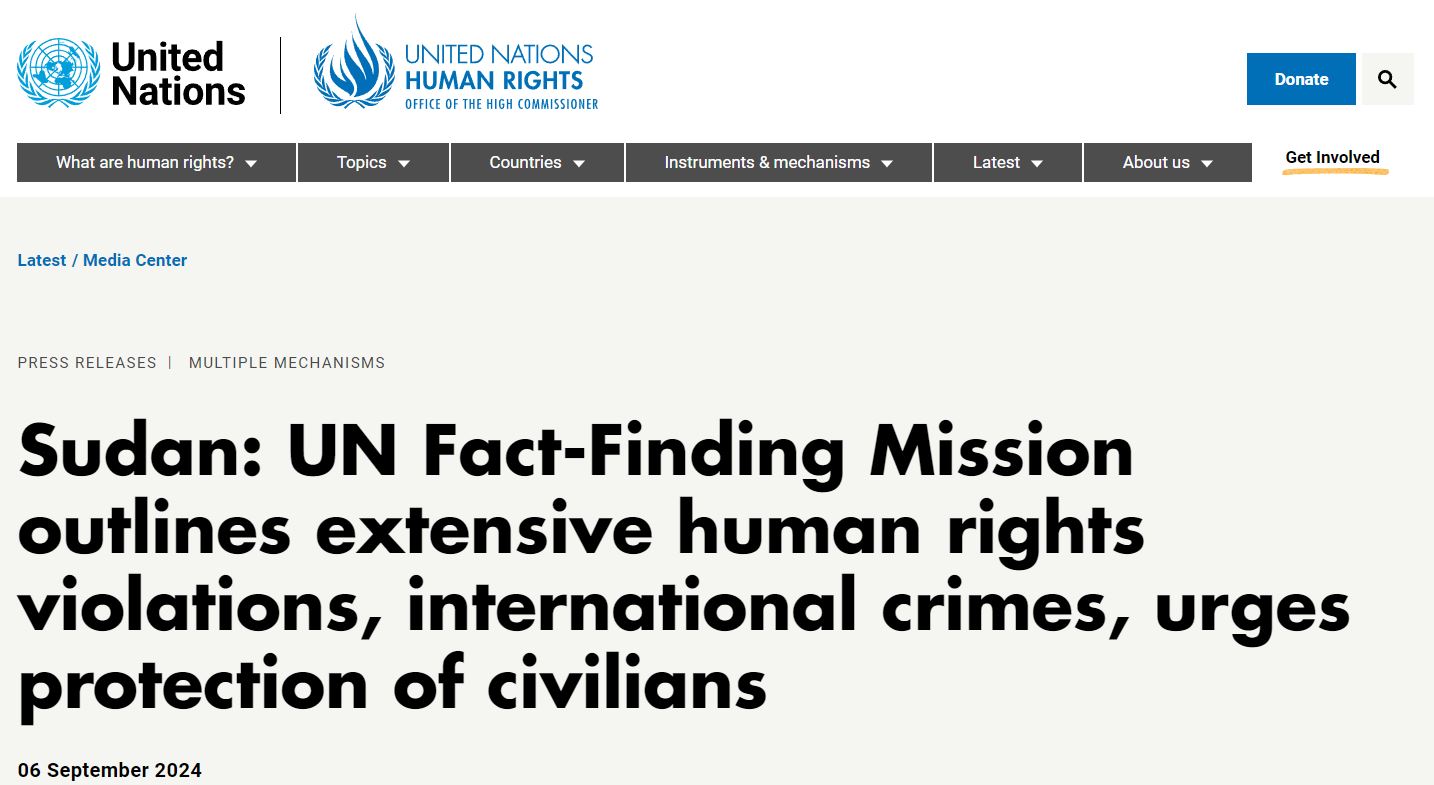
The United Nations (UN) Independent International Fact-Finding Mission for the Sudan chaired by Mohamed Chande Othman of Tanzania said, in its first Report of September 6, 2024, that Sudan’s warring parties, the Sudanese Armed Forces and the Rapid Support Forces as well as their respective militia allies, have committed an appalling range of human rights and international humanitarian law violations including indiscriminate airstrikes and shelling against civilians, schools, hospitals, and vital water services.
The current armed conflict which began on April 15, 2023 between two former allies is led, on the one side, by General Abdel Fattah Al Burham of the Sudanese Armed Forces and, on the other, by General Mohamed Hamdan Dagulo, known by his battle name of Hemedhi, of the Rapid Support Forces. The conflict, which has spread to 14 of the 18 provinces of Sudan, has killed and wounded tens of thousands of civilians, displaced nearly 8 million people and forced two million to flee to neighboring countries and beyond.
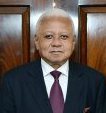
Mohamed Chamde Othman (C) U.S. Government
As the Fact-Finding Mission Report highlights, the warring parties targeted civilians through rape, sexual slavery and other forms of sexual violence, arbitrary arrest as well as torture and ill-treatment. Assaults have been carried out against ethnic minorities, in particular the Masalit in West Darfur.
The Fact-Finding Mission, mandated by the Human Rights Council in October 2023, carried out a wide range of discussions and interviews. As the Expert Member of the Mission Mona Rishmawi said, “These findings should serve as a wakeup call to the international community to take decisive action to support survivors, their families and affected communities and hold perpetrators accountable. A comprehensive approach to transitional justice is vital for addressing the root causes of the conflict and ensuring accountability.”
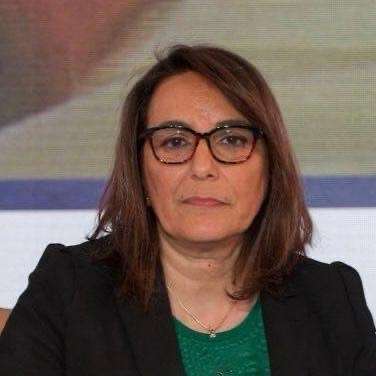
Mona Rishmawi
Efforts for a ceasefire and the start of negotiations by the Personal Envoy for the Sudan of the UN Secretary-General have led to no advances. Thus, wider action is needed. Mohamed Othman has said, “The international community must support the Sudanese aspiration for an inclusive and representative civilian government that respects the rights of all citizens, fostering a path toward equality, justice and sustainable peace in Sudan.” In light of the many difficulties, he has called for sending UN peacekeeping forces to Sudan. “Given the failure of the warring parties to spare civilians, it is imperative that an independent and impartial force with a mandate to safeguard civilians be deployed without delay. The protection of the civilian population is paramount, and all parties must comply with their obligations under international law and immediately and unconditionally cease all attacks on the civilian population.”
As the deployment of an independent and impartial force depends on the UN Security Council the focus for action shifts from the Human Rights Council to the Security Council. We appeal for vitally needed action now.
Prof. René Wadlow is President of the Association of World Citizens.

 Association of World Citizens