Increasing numbers of people in countries around the world have been forced from their homes by armed conflicts and systematic violations of human rights. Those who cross internationally recognized borders are considered refugees and are relatively protected by the refugee conventions signed by most states. The 1951 Convention Relating to the Status of Refugees and its 1967 protocol give the United Nations (UN) High Commissioner for Refugees an international legal basis to ensure the protection of refugees.
However, those who are displaced within a country as is the case currently for many in the Gaza Strip and in Ukraine are not protected by the international refugee conventions. Thus, displacement within a State poses a challenge to develop international norms and ways to address the consequences of displacement and the possibility to reintegrate their homes, though in the case of Gaza many of the homes have been destroyed.
Refugees from Ukraine arrive in Poland (C) European Union
Armed conflicts within States often reflect a crisis of identity within the State. This can occur when a State becomes monopolized by a dominant group to the exclusion or marginalization of other groups. There is a need to provide protection and assistance to the uprooted. The UN High Commissioner for Refugees has been able to act in some cases as has been true also for the International Committee of the Red Cross (ICRC) which is mandated to protect civilians in war zones. The obligation to assist populations in immediate danger of starvation is largely recognized, and the UN World Food Program has been able to act. In some cases, nongovernmental humanitarian agencies have been able to be active. However, each situation requires new negotiations and results differ.
Thus, what is essential is that there be predictable responses in situations of internal displacement and that attention be paid not only to material assistance but also to the human rights of those displaced. To be effective, strategies to address mass displacement need to be broad and comprehensive. There is a need for political initiatives that seek to resolve the conflicts as the consequences often involve neighboring countries. Efforts must engage local groups, national institutions, and Nongovernmental Organizations (NGOs) to prevent situations that lead to persons being uprooted. As the representatives of NGOs, we have an opportunity to discuss with other NGOs the most appropriate next steps for action.
Prof. René Wadlow is President of the Association of World Citizens.
On April 7, 2024, Paul Kagame, President of Rwanda, lit the memorial flame of the monument to the victims of the 1994 genocide during which some 800,000 persons, mostly ethnic Tutsi, were killed. In 1994, Paul Kagame was the head of a Tutsi-led militia, the Rwanda Patriotic Front, which put an end to the massacres in Rwanda. Many of the Hutu-led governmental forces of 1994 fled to what is today the Democratic Republic of Congo, where there were already established Hutu communities. Ethnic-tribal frontiers do not follow the same frontiers as those created by the colonial powers.
During the colonial period and also since independence, when speaking of Rwandan politics, politics was described as a struggle between Tutsi and Hutu. However, the conflictual cleavages were more complicated. There were a good number of “mixed marriages” between Tutsi and Hutu. Nevertheless, in times of tension, political leaders played upon the Hutu-Tutsi divide.
In 1994, as soon as Kagame’s forces took control of the capital, Kigali, he declared himself president and has held power since. His emphasis has been on economic stability, the development of tourism and the creation of an effective civil service. Because of the 1994 genocide, Rwanda has received a good deal of foreign aid and support. However, some 70 percent of the population are still in the rural areas and farm small plots of land.
A symbolic tombstone in memory of the Tutsi victims of the Rwandan genocide at the Père Lachaise cemetery in Paris, France (C) Pierre-Yves Beaudouin / Wikimedia Commons / CC BY-SA 4.0
The entry of Hutu militias into the Democratic Republic of Congo when defeated in Rwanda added to an already complicated situation in the administrative provinces of North and South Kivu. In mid-1994, more than one million Rwandan Hutu refugees poured into the Kivus. Many of these Hutu were still armed; among them were the “génocidaires” who, a couple of months earlier, were killing Tutsi and moderate Hutu. The “génocidaires” continued to kill Tutsi living in the Congo, many of whom had migrated there in the eighteenth century.
The people in eastern Congo have lived together for several centuries and had developed techniques of conflict resolution especially between the two chief agricultural lifestyles – that of agriculture and that of cattle herding. The Hutu were farmers and the Tutsi cattle raisers. However, a desire of others to control the wealth of the area – rich in gold, tin, and tropical timber – overburdened the local techniques of conflict resolution and opened the door to new negative forces interested only in making money and gaining political power. The inability to deal with land tenure and land use issues, the lack of social services and socio-economic development created the conditions which led to multiple forms of violence.
Land tenure issues have always been complex. Land is often thought of as belonging to the ethnic community and is given to clans or to individuals for their use, sometimes for a given period, sometimes for several lifetimes if the land is cultivated. The rules of land tenure often differ from one ethnic group to another even a small distance apart. Traditionally clan chiefs would be called upon to settle land disputes. However, with the large displacement of people, land disputes have become more frequent, and clan chiefs have often disappeared or lost their function as judges.
Into this disorder, in 1999, the United Nations (UN) sent peacekeepers but there was no peace to keep. The UN Stabilization Mission in the Democratic Republic of Congo (MONUSCO) was the largest of the UN peacekeeping forces, currently some 2,000 military, 180 police, and 400 civilian administrators.
Troops with the Ghanaian Battalion of MONUSCO marking their medal presentation day in Kinshasa on October 19, 2017 (C) MONUSCO Photos
The States which have provided the bulk of the UN forces in the Congo – India, Pakistan, Bangladesh, and Nepal – have other worries and few cultural affinities. Thus, these States have made no large effort to call world attention to the eastern Congo and to the very difficult situation the soldiers face. UN troops are not trained to deal with complex cultural issues – especially land tenure and land use issues which are the chief causes of the conflicts.
Thus, there is a popular frustration at the ineffectiveness. The troops are popularly called “tourists” who only watch what is going on. Despite the UN troops, there have been large-scale occurrences of violation of human rights and humanitarian law by all the many parties in the conflict with massive displacement of population, plundering of villages, systematic rape of women, summary executions and the use of child soldiers. Thus, the newly elected President, Felix Tshisekedi, has asked the UN to remove all its troops by the end of 2024. Troops are currently being removed.
One of some 200 armed groups in eastern Congo, the M23, is said to be backed by Rwanda, although the Rwanda government denies this. Today, there is a security vacuum, and the military of the Democratic Republic of Congo will have difficulty to create stable socioeconomic structures. Thus, the 1994 genocide is a stark reminder that violence has long range consequences.
Prof. René Wadlow is President of the Association of World Citizens.
The United Nations (UN) has recently drawn attention to situations of acute hunger in areas where there is armed conflict. Stephane Dujarric, the UN Spokesperson, stated that, in Sudan, there were 18 million people facing acute food insecurity with alarming reports of child deaths related to malnutrition. Sudan has been the victim of a year-long armed conflict between the leaders of the regular army and its rival, the Rapid Support Force. This conflict has been particularly acute in the Darfur Province which has been the scene of violence and massive displacement of population since 2004.
In Ethiopia, where there has been fighting, especially in the Tigray Province between the forces of the government and Tigray militias, there is widespread hunger. Many people have been displaced by the fighting, and thus food crops have not been planted. International relief efforts have been hindered by the disorganization of all governmental services and corruption. The hunger situation is also acute in Gezira Province, usually a “breadbasket” area of food crops.
The situation in the Gaza Strip has been front page news since October 8, 2023, when the bombing of the Strip began in the armed conflict between Israelis and Palestinians. The delivery of food aid has been a central issue of international concern. However, hunger persists and its consequences deepen. The economic and social infrastructure of the Gaza Strip has been largely destroyed and will take a long time to rebuild even when, and if, a political administration is reestablished. Beth Bechdol, Associate Director of the UN Food and Agriculture Organization (FAO) has said that the speed and degree of the food crisis in the Gaza Strip is unprecedented.
These examples, to which others could be added such as the eastern zones of the Democratic Republic of Congo, are an indication of the need to combine conflict resolution efforts with food support and other forms of relief. As long as violence continues, relief can only be uneven and temporary. Too often, as within the UN system, conflict resolution efforts and food relief are separated and not sufficiently coordinated. A holistic vision is necessary and combined efforts undertaken.
A Palestinian woman and her child facing starvation in northern Gaza (C) Libertinus
Prof. René Wadlow is President of the Association of World Citizens.
Aussi étonnant que cela puisse paraître à qui connaît mal le mouvement Citoyen du Monde, lorsqu’il s’est manifesté pour la première fois sous sa forme contemporaine pendant l’Assemblée générale de l’ONU au Palais de Chaillot, à Paris, en novembre 1948, ce fut sous la conduite de deux hommes qui avaient porté les armes de leurs pays respectifs, les Etats-Unis et la France, pendant la Seconde Guerre Mondiale.
Pour les Etats-Unis, c’était bien sûr Garry Davis, acteur et danseur à Broadway qui rêvait d’une carrière à Hollywood. Après la mort au combat de son frère Bud à Salerno, en Italie, dévasté par le chagrin puis embrasé par le désir de vengeance, le jeune artiste était devenu pilote de bombardier dans l’U. S. Air Force et, désormais sous-lieutenant, il avait participé à un raid sur la base allemande de Peenemünde où officiait Wernher von Braun qui, après la capitulation de l’Allemagne nazie, a joué un rôle majeur dans le programme spatial américain. En 1948, pris de remords d’avoir contribué à détruire des villes et bombarder des civils, Davis choisira de se rendre à Paris pour renoncer à son passeport américain et se proclamer Premier Citoyen du Monde.
Pour la France, c’était Robert Soulage, dit Sarrazac, instituteur de formation. A l’occasion de son service militaire comme élève-officier de réserve, le jeune Soulage avait fait la connaissance du lieutenant Henri Frenay qui, après le départ de l’armée de Soulage en 1942, l’avait entraîné avec lui dans la Résistance où il était devenu Sarrazac. Arrêté en janvier 1944, il était parvenu à s’évader et, ayant réintégré la Résistance, il avait organisé les maquis puis participé à la Libération. En 1947, il sera parmi les fondateurs du Front humain des Citoyens du Monde.
C’est ensemble que les deux anciens soldats, à présent unis dans une cause sans nation ni drapeau et, surtout, sans arme ni victime, interrompront l’Assemblée générale de l’ONU pour y lire à haute voix la Déclaration d’Oran écrite par Albert Camus.
Traditionnellement synonyme de pacifisme inconditionnel et de refus des frontières nationales, même si c’est là un résumé bien sommaire et réducteur de ce qu’elle représente – et, si on l’applique à l’AWC, une description si simpliste de son action qu’elle en serait tout simplement inexacte –, la Citoyenneté Mondiale contemporaine est donc bien issue de la Seconde Guerre Mondiale, plus spécifiquement de la lutte contre le nazisme. C’est aussi le cas des Nations Unies, organisation intergouvernementale par excellence depuis 1945 mais, auparavant, alliance militaire contre l’Axe, née du suprême paradoxe historique qui faisait du patriotisme armé de l’instant présent la condition sine qua non de l’universalisme pacifiste de l’avenir.
Qui, à l’époque, pouvait prétendre avoir le choix ? Pour ne parler que de l’Allemagne hitlérienne, le danger du fascisme tel qu’il se manifestait à travers l’Europe depuis les années 1930 et, dans un monde en guerre, l’horreur qu’inspirait l’idée d’un Axe vainqueur et dominant le monde pour un millier d’années, comme en rêvait Adolf Hitler, imposait de prendre les armes et, au besoin, de se joindre à un rival dont l’on se méfiait, comme s’y étaient résignés Churchill et de Gaulle, voire à son pire adversaire idéologique, comme l’avaient fait Roosevelt et Staline, pour vaincre un ennemi commun et empêcher à tout prix sa victoire. Les frontières ne comptaient plus, qu’elles soient nationales, idéologiques ou autres, face au péril fasciste.
Ce 21 février 2024, en France, un pays où l’extrême droite n’a jamais été politiquement aussi forte depuis la Libération d’août 1944 invite au Panthéon, lieu symbolique où reposent les plus grandes gloires du pays, un homme et son épouse qui sont deux symboles des plus vibrants de la lutte antifasciste de cette époque – Missak et Mélinée Manouchian, membres actifs de la Résistance, le premier ayant été pour cela fusillé voilà très précisément quatre-vingts-ans aujourd’hui. Un hommage aussi mérité et bienvenu qu’il est tardif, et qui ne peut que nous rappeler qu’aucun hommage au passé ne vaut s’il n’en sort un acte de vigilance pour le présent et l’avenir, tant éloigné que plus proche.
Manouchian, mort pour la France – qui ne voulait pas de lui
Né en 1906 dans l’actuelle Turquie, alors le siège de l’Empire ottoman, le jeune Missak a neuf ans lorsque son père tombe les armes à la main dans la résistance arménienne au génocide qui vient de débuter. Poussé vers l’exil avec sa mère et ses frères, devenu vite orphelin, Missak se retrouve en orphelinat d’abord en Turquie puis au Liban, confié avec son frère Garabed à des enseignants arméniens.
C’est en 1924 qu’il débarque en France, y rejoignant Garabed à Marseille où ils travaillent comme ouvriers. L’année suivante, les deux frères s’installent à Paris, économisant jusqu’à pouvoir faire venir à leurs côtés leur frère Haïg depuis la Syrie. Après avoir été brièvement interné en psychiatrie après le décès de Garabed en mars 1927 qu’il ne parvient pas à surmonter, Missak Manouchian, admirateur des Encyclopédistes inspirateurs de la Révolution française, athlète et poète tout à la fois, rencontre la Confédération générale du Travail (CGT), syndicat historiquement lié au Parti Communiste Français (PCF) auquel il adhère en 1934, encore sous le choc de la tentative de coup d’Etat des ligues fascistes du 6 février à Paris.
Missak Manouchian
Dans le même temps, Missak Manouchian devient membre de la section française du Comité de secours pour l’Arménie (Hay(astani) Oknoutian Gomidé ; HOG) et y fait la connaissance d’une jeune femme, Mélinée Assadourian. En 1935, les deux jeunes gens sont élus à la direction du HOG et, l’année suivante, ils se marient – plus exactement, ils obtiennent un «certificat de coutume en vue de mariage» car ils sont, l’un et l’autre, apatrides. Après la dissolution du HOG en 1937 et jusqu’en 1939, le rôle militant de Missak Manouchian s’accroît au sein du PCF, et pour la première fois en France, le jeune survivant du génocide arménien rencontre la répression.
Début septembre 1939, depuis le pacte germano-soviétique signé le mois précédent, les députés du PCF sont interdits de siéger, le parti et ses organisations connexes sont interdits et ses cadres sont en prison. Arrêté le 2, veille de la déclaration de la guerre, Missak Manouchian, qui a tenté en 1933 de devenir français mais sans succès, est libéré le mois suivant et, toujours apatride, il rejoint comme engagé volontaire une unité militaire en Bretagne, demandant une nouvelle fois sa naturalisation en janvier 1940 et essuyant un nouveau refus.
Après l’armistice de juin 1940, Missak Manouchian est maintenu de force en usine dans la Sarthe. C’est en 1941 qu’il s’en enfuit pour revenir à Paris, où le militant communiste jadis arrêté sous la République à cause du pacte germano-soviétique l’est de nouveau, cette fois par les autorités d’occupation, peu après la rupture du même pacte par l’Allemagne nazie et son invasion de l’URSS le 22 juin. Emprisonné à Compiègne, il est libéré sans charge et retrouve Mélinée à Paris.
Mélinée Assadourian Manouchian
En 1943, Missak Manouchian, désormais Michel, devient membre des Francs-tireurs et Partisans – Main-d’œuvre immigrée (FTP-MOI) de Paris, groupe de Résistance issu du PCF, où ses camarades sont pour l’essentiel des Juifs de Roumanie et de Hongrie ainsi que des Arméniens comme lui, quoique moins nombreux. En août, Michel Manouchian est promu Commissaire militaire de la Région parisienne des FTP-MOI, multipliant les actions contre l’occupant dans son secteur de juridiction en novembre. Mais le 16 au matin, la Police française, de longue date sur ses traces, l’arrête à la gare d’Évry Petit-Bourg avec son supérieur politique Joseph Epstein.
Torturé d’entrée, Michel Manouchian est traduit devant le Tribunal militaire allemand du Grand-Paris le 19 février 1944, lors d’un simulacre de procès mis en scène pour la presse collaborationniste qui se régale du lynchage de ceux de l’Affiche rouge, placardée à l’envi par les services de Vichy, reprenant les visages de Manouchian et des membres de son groupe, chacun y étant fustigé sur son origine étrangère et/ou sa judéité auxquelles sont accolés ses faits d’armes qualifiés d’«attentats», la question en haut de l’affiche «Des libérateurs ?» trouvant sa réponse en bas : «La Libération par l’armée du crime !».
L’Affiche rouge, recto-verso
Sans surprise, le tribunal condamne à mort vingt-trois des accusés. Et le 21 février 1944, à Suresnes, dans l’actuel Département des Hauts-de-Seine, au sein de la Forteresse du Mont Valérien, jadis symbole de la résistance du peuple français à l’armée allemande pendant la guerre de 1870 et, inéluctablement, sous contrôle ennemi depuis 1940, Michel Manouchian, qui a refusé d’avoir les yeux bandés devant le peloton d’exécution, tombe sous les balles du fascisme. Deux fois refusé à la naturalisation, Missak Manouchian, apatride né dans la communauté arménienne de l’Empire ottoman, mourait ainsi pour la France alors qu’elle n’avait jamais voulu de lui parmi les siens.
Le 11 avril, Joseph Epstein subira le même sort au même endroit.
En tout, ce sont plus d’un millier de combattants de la France Libre qui seront fusillés à la Forteresse du Mont Valérien. Le 18 juin 1960, Charles de Gaulle, général et chef de la France Libre devenu Président de la République en 1958, y inaugurera le Mémorial de la France Combattante. Chaque année à la même date, le chef de l’Etat français y retrouve les autorités locales pour un hommage au pied du sanctuaire orné d’une croix de Lorraine, symbole de la Résistance gaulliste, et d’une flamme entretenue jour et nuit dont il est écrit sur place que «la flamme de la Résistance ne doit pas s’éteindre et ne s’éteindra pas».
Le Mémorial de la France Combattante du Mont Valérien(C) Bernard J. Henry/AWC
En 1959, Léo Ferré, chanteur franco-monégasque aux idées anarchistes assumées, donc hostile tant au gaullisme qu’au communisme, met en musique les Strophes pour se souvenir de Louis Aragon parues quatre ans plus tôt, sous le titre L’Affiche rouge que reprendra en 1976 le cinéaste Frank Cassenti pour raconter sur grand écran l’histoire de Michel Manouchian et ses frères d’armes dans la Résistance. Malgré ces vibrants hommages artistiques, ce n’est qu’en novembre 1978 que la ville d’Ivry-sur-Seine, dans l’actuel Département du Val-de-Marne, érigera un monument à ceux de l’Affiche rouge et les y fera inhumer. Selon l’idéologie qui animait les Résistants français, toutes leurs mémoires ne se valaient pas.
Mélinée, veuve, biographe et gardienne de la mémoire
Quant à Mélinée, ayant d’abord pris la fuite avec l’aide d’une famille arménienne résistante de Paris, les Aznavourian, dont le fils Shahnourh deviendra plus tard le chanteur Charles Aznavour, elle poursuit la lutte au sein du milieu arménien de la Résistance. Après la Libération, elle publie un recueil des poèmes de feu son époux qu’elle a traduits de l’arménien.
En 1947, répondant à l’appel de l’URSS à ses anciens ressortissants pour venir œuvrer au repeuplement, elle part pour Erevan, capitale de l’Arménie soviétique, où elle enseigne le français. Mais son dégoût du stalinisme et un cancer mal soigné la poussent à vouloir revenir en France, ce qu’elle n’est autorisée à faire qu’en 1960 avec l’avènement de Nikita Khrouchtchev.
Première biographe de Missak Manouchian, elle consacrera sa vie à promouvoir sa mémoire et celle des Arméniens de la Résistance. Après une vive polémique dans les années 1980 avec la direction du PCF sur le rôle du parti dans la mise en danger de Missak Manouchian qu’elle avait alors cherché à protéger, Mélinée s’éteint en 1989. Inhumée à Ivry-sur-Seine près de son époux mais non avec lui, elle le rejoint finalement en 1994, cinquante ans après l’exécution au Mont Valérien.
Aujourd’hui, sur la décision du Président de la République française, Emmanuel Macron, c’est ensemble qu’ils entrent au Panthéon.
Une histoire personnelle
J’habite Suresnes depuis plus de quinze ans. Je suis né à Saint-Cloud, ville voisine, et suis originaire de Rueil-Malmaison, autre ville voisine, toutes deux situées en partie comme Suresnes et Nanterre sur le Plateau du Mont Valérien. L’histoire des fusillés de la forteresse occupée est dans ma vie depuis toujours. Si je ne suis pas arménien et n’ai pas une goutte de sang en commun avec Missak Manouchian, son histoire est aussi mon histoire, l’histoire de la France et, pour moi, une histoire personnelle.
Pendant l’Occupation, une partie de ma famille maternelle habitait Nanterre, et en cette époque de bruit urbain autrement moins important qu’aujourd’hui – amoindri plus encore par les restrictions de circulation des autorités allemandes – lorsqu’une exécution avait lieu au Mont Valérien, les coups de feu s’entendaient jusque chez eux, sur le Plateau. Pour ces immigrés du nord de l’Italie, eux aussi membres de la Résistance alors que certains n’avaient jamais pu obtenir la nationalité française du temps de la Troisième République, c’était aussitôt la pensée qu’un jour, peut-être, ce serait leur tour de se retrouver devant les fusils.
Même ceux d’entre eux qui étaient toujours italiens avaient porté les armes pour la France. Non mobilisés en 1939 puisque n’étant pas citoyens français, mais sujets du Royaume d’Italie qui vivait depuis octobre 1922 sous la terreur fasciste de Benito Mussolini, c’est pourtant vers l’armée qu’ils se sont tournés en octobre 1940, lorsque Rome a rejoint son allié allemand dans la guerre contre la France. Désormais ressortissants d’un État ennemi, ils se voyaient déjà soit internés dans un camp, l’un de ces camps d’étrangers créés par le gouvernement issu du Front populaire à partir de 1938, soit déportés vers cette Italie qu’ils avaient fuie. Unanimement, ils se sont engagés dans l’armée française où leur origine italienne leur a valu d’être versés dans les Chasseurs alpins pour aller, à la frontière sud-est du pays, tirer sur leurs compatriotes. Prisonniers de guerre, certains n’obtinrent finalement la nationalité française qu’en 1953, huit ans après la fin de la Seconde Guerre Mondiale. Et aucune décoration que je sache.
Durant son «procès» devant le Tribunal militaire allemand du Grand-Paris, Missak Manouchian a jeté à la face de ses juges «La nationalité française, vous l’avez héritée, et nous, nous l’avons méritée». Mes proches ancêtres à moi l’ont eue, au risque même de leurs vies, et pourtant, les Français qui l’ont «héritée» ne se sont jamais privés de leur faire remarquer qu’ils étaient au départ des étrangers. Entre qui voulait seulement défendre sa terre ancestrale passée sous la botte de l’ennemi héréditaire s’étant montré plus fort au combat et qui voulait défendre le pays incarnant à ses yeux une idée, une liberté et presque un droit, tout le monde en France n’avait pas rejoint la même Résistance.
L’histoire de Missak Manouchian et de ceux de l’Affiche Rouge, c’est aussi mon histoire à moi, celle de la migration ouvrière et de la résistance au fascisme par-delà les nationalités et les idéologies. L’histoire du pays qui envoie aujourd’hui même le couple Manouchian reposer parmi ses plus grands mais qui, ne serait-ce qu’à travers ses dirigeants, à coups de lois sur la migration à forte teneur xénophobe et de discours «de patience malvenue», comme le chante Louis Chedid dans Anne ma sœur Anne, affirme de plus en plus fort que les héritiers politiques des Français qui ont collaboré avec l’occupant allemand ne sont pas plus dangereux que ceux des Résistants, au risque de leur offrir bientôt le pouvoir et leur permettre y compris d’anéantir, ne serait-ce que de décharner, l’histoire de la Résistance au-delà de celle de Français n’ayant cherché qu’à chasser de chez eux un ennemi étranger, sans forcément dire non à une forme de fascisme «maison» à la place.
Tout le monde en France n’a pas, comme moi, la Résistance en héritage familial. Dans d’autres familles, c’est au contraire la collaboration avec l’Allemagne nazie qui forme le passif, ou bien encore l’absence de choix d’un camp, peut-être au profit du seul impératif de survie. Une chose est sûre toutefois : le pays où nous vivons, cette France libre et démocratique, c’est bel et bien l’œuvre des Manouchian, de Robert Sarrazac et de leurs camarades de la Résistance, ce n’est pas l’État français du Maréchal Pétain auquel auraient succédé les Quatrième puis Cinquième République, comme en Espagne où la monarchie a succédé au franquisme même sans en poursuivre les politiques fascistes, à l’inverse du Portugal voisin où la Révolution des Œillets avait marqué une rupture claire et nette avec le salazarisme. Renier ou minimiser l’héritage de la Résistance, le reléguer en quelque façon au rang de passé révolu tout juste digne de la cave ou du grenier, pour chaque Française ou Français, c’est scier la branche où l’on est assis.
Comment dès lors, et surtout pourquoi, chercher à honorer dans le passé ce que l’on démonétise dans le présent ? Les honneurs rendus aux Manouchian sont-ils le premier pas vers un changement plus qu’attendu, celui du retour aux «leçons de l’histoire» chères à Elie Wiesel et George Santayana, ou bien un solde de tout compte avant de dire pour de bon que la France d’aujourd’hui ne doit plus rien à la Résistance ?
Le monde reconnaissant ?
Bien sûr, la politique de l’oubli ne touche pas que la France. Avec Donald Trump, les Etats-Unis avaient eux aussi cédé à la tentation d’oublier les grands combats de leur histoire, qu’il s’agisse de la Guerre de Sécession ou de l’héroïsme des G.I. en Normandie voilà quatre-vingts ans, et le risque existe toujours de voir, en novembre prochain, un retour à ce choix de l’oubli après quatre ans d’administration démocrate. En Italie, les héritiers politiques de Mussolini ont conquis le pouvoir. En Argentine, un candidat d’inspiration semblable, Javier Milei, a pris la présidence, et aux Pays-Bas, le parti populiste de Geert Wilders a lui aussi remporté une majorité parlementaire mais sans pouvoir quant à lui former un gouvernement. Dans l’ancien monde communiste, la Hongrie, le Belarus et bien sûr la Russie se distinguent comme les plus tragiques exemples de l’abandon d’un extrême pour verser dans son opposé. La liste n’étant hélas pas exhaustive.
Les derniers témoins de la Seconde Guerre Mondiale, en ce compris de la Shoah en Europe, disparaissent. Ce temps était voué à arriver un jour ou l’autre. Mais leurs souvenirs, leurs récits, leurs mises en garde pour le présent, leurs avertissements pour l’avenir sont aussi nombreux qu’ils sont éternels. Que les témoins de l’horreur rejoignent le monde qui attend chacune et chacun au bout de l’existence, rien que de très normal. Mais qu’ils le fassent en un temps où leur héritage se voit si méprisé, voire dans certains cas contesté, cela ne peut que résonner comme un assourdissant signal d’alarme.
A Paris, le Panthéon porte en son fronton l’inscription «Aux grands hommes la Patrie reconnaissante», reliquat d’un temps où les femmes n’étaient pas jugées dignes de cette reconnaissance. Ce n’est qu’en 1995, avec Marie Curie, qu’une femme fut enfin admise au Panthéon, du moins pour ses mérites, la toute première ayant été, en 1907, Sophie Berthelot, l’épouse du chimiste Marcellin Berthelot qui n’avait fait que suivre le sort de son mari.
Le Panthéon à Paris (C) Guilhem Vellut
Parmi ces «grands hommes» et donc aussi désormais «grandes femmes» reposent déjà d’autres figures de la Résistance. En 1964, André Malraux y accueillait un autre ancien Résistant, légendaire préfet cadre puis martyr de la France libre, par ces mots devenus eux aussi légendaires, «Entre ici, Jean Moulin, avec ton terrible cortège», André Malraux qui rejoignit à son tour le Panthéon en 1996, où il prenait place aux côtés de deux autres figures de la Résistance, Félix Éboué et René Cassin, père de la Déclaration universelle des Droits de l’Homme. En 2015, quatre autres Résistants intégraient la crypte sacrée de la République – Pierre Brossolette, Geneviève de Gaulle-Anthonioz, Germaine Tillion et Jean Zay.
Ce n’est pas que «la Patrie», comme l’appellent les Français du haut du Panthéon, qui peut et doit leur être reconnaissante ainsi qu’aux Manouchian. C’est un monde qui, tout entier, jusqu’aux confins de la Cordillère des Andes dans une Amérique latine qui n’a jamais vu la Seconde Guerre Mondiale sur son sol, a été façonné par la lutte contre le fascisme et tout ce qu’elle a produit après la victoire.
Tout d’abord, la Déclaration universelle des Droits de l’Homme, promue par Cassin aux côtés d’Eleanor Roosevelt et que Garry Davis qualifiait, bien optimiste, de «reconnaissance politique de l’être humain». Ensuite, l’idée qu’il n’existait aucune raison pour qu’une partie du monde continue à s’approprier comme dans les temps anciens la terre, la population, les ressources et le travail de peuples en habitant d’autres, ce qui amena la fin du colonialisme occidental.
Enfin, le principe fondamental, mais si violemment bousculé depuis le début de la décennie, que la guerre de conquête et l’extermination de masse ne se justifient pas même par la guerre, ni dans les Sudètes, en Tchécoslovaquie ou en Pologne à l’époque, ni en Syrie, en Ukraine ou en Israël et dans les Territoires palestiniens aujourd’hui.
Le soldat français tué en tentant de défendre un village en mai 1940, le soldat anglais tué sur son sol natal lors du Blitz allemand, le soldat soviétique tué par la Wehrmacht dans l’ouest de la Russie après la rupture par Hitler de son pacte avec Staline, le soldat américain tué le 6 juin 1944 sur une plage de Normandie, le Résistant ou partisan tué au combat en France, en Italie ou ailleurs, tous ces héros inconnus et qui le resteront, tous méritent la reconnaissance. Mais aujourd’hui, Missak Manouchian est mis à l’honneur par celui des cinq Membres permanents du Conseil de Sécurité qui fut à la fois le plus meurtri en son territoire et le plus actif au combat contre l’Axe durant la Seconde Guerre Mondiale. C’est là un acte qui est tout autant à saluer qu’à interroger.
Quel exemple, quelle leçon, entend en tirer la France aux Nations Unies et dans sa politique étrangère – mais aussi, car le besoin en est réel, intérieure ? Quel engagement solennel, quel acte de vigilance pour l’avenir proche et lointain, viendra valider cet hommage au passé ? Quelle reconnaissance de la France, mais aussi du monde, à Missak Manouchian, «grand homme» à partir d’aujourd’hui, et à Mélinée Manouchian qui rejoint ainsi Simone Veil et Joséphine Baker, sortira de cette canonisation laïque si elle n’est un pur vœu pieux ?
La réponse se trouvera dans notre aptitude à, et/ou notre volonté de, savoir délaisser les congratulations officielles pour embrasser l’esprit et, c’est là que le mot convient le mieux, la lettre de ce qu’écrivait Missak, ou Michel, Manouchian dans son poème «Privation» :
«Quand j’erre dans les rues d’une métropole,
Toutes les misères, tous les dénuements,
Lamentation et révolte l’une à l’autre,
Mes yeux les rassemblent, mon âme les loge».
A Paris, au Quartier Latin, nous verrons passer Manouchian depuis son éternité, errant dans les rues de la métropole, et ses combats, nous les ferons nôtres. Ou bien, à Paris et partout dans le monde, enchaînés de plein gré dans notre ingratitude envers ces combats qui écrivirent toute son histoire, toute la nôtre, toute celle du monde, nous perdrons tout.
Bernard J. Henry est Officier des Relations Extérieures de l’Association of World Citizens.
February 1 marks the anniversary of the military coup which overthrew the government of Aung San Suu Kyi in 2021. She was in practice the leader of the government but could not take the title of “President”. An earlier military junta had passed a law with her in mind saying that a person married to a foreigner could not become president. Aung San Suu Kyi had married a British anthropologist, Michael Aris, a specialist on Tibet who died in 1989 of cancer. Aung San Suu Kyi represented a new spirit – partly because she had lived most of her life outside Burma and was not linked to existing political compromises.
On February 14, 2021, a protest in Myanmar against the military coup (C) MgHla
Her father, Aung San, who died when Aung San Suu Kyi was two years old, was one of the original “Thirty Comrades” – student nationalists who were inspired by Second World War Japanese propaganda which appealed for a common Asian struggle against Western imperialism. Aung San went to Tokyo to assist the Japanese conquest of Burma. However, by 1944, the “Thirty Comrades” had decided that the Japanese were not liberators, that the occupation of Burma was carried out for Japanese rather than Burmese aims, and that the Japanese might lose the war. In the last year of the war, the “Thirty Comrades” cooperated with Lord Mountbatten.
Thus, on January 27, 1947, British Prime Minister Clement Attlee and Aung San signed an agreement for full independence of Burma within a year. On July 19, 1947, Aung San was assassinated by a political rival. He became a legend of Burmese independence.
Aung San Suu Kyi was educated in India (where her mother served as ambassador of Burma) and at Oxford University. She only returned to Burma in 1988 to take care of her dying mother. Her dynamism, combined with the legend of her father, led her to being named secretary of the National League for Democracy.
On June 14, 2012, Aung San Suu Kyi welcomed at the International Labor Organization’s premises in Geneva (C) Violaine Martin/UN Geneva
Since the military junta has taken power, it has intensified the struggle against the ethnic minorities – the Mon, Kachen, Karen, Shan, Wa, the Arakan Muslims, and others. The ethnic minorities represent some 40 percent of the population, the Burmese, some 60 percent. However, population statistics are not based on real population surveys. Decades of self-imposed isolation, fabricated statistics and an absence of social and economic research have left even the authorities without an accurate appreciation of the distribution of the population. The military have destroyed villages along the frontiers with China, India, Thailand, and Bangladesh.
While we are critical of the military government and their repressive policies, we must not idealize the forces of the ethnic insurgencies. In 1992-1993, I was involved in getting the National Council of the Union of Burma created by the insurgencies and democratic Burmese who had taken refuge in the ethnic minority zones to sign the Geneva Conventions of August 12, 1947 and the protocols additional which provide the basic rules of international humanitarian law in armed conflict. The Union President, General Saw Bo Myn of the Karen National Union, and the three Vice Presidents signed in January 1993. While the signature is symbolic – only governments may sign the Geneva conventions – the signature was widely noted and led the Myanmar government to sign the conventions which they had always refused to do until then. The signature led to a mutual release of war prisoners – but not to a formal exchange as the two sides in the conflict refused direct contact at the time.
Burma, now renamed Myanmar after 1988, faces two basic and related issues: the installation of democratic government and a constitutional system which allows autonomy to the minority peoples. Both tasks are difficult. There is little democratic tradition or ethos upon which to structure a democratic government. While a federal or con-federal system would be the most suited for a multi-ethnic state, what leadership exists both in the junta and the insurgencies is motivated by personal and clan-centered interests. The leaders recruit allies similarly motivated. Only peace will allow new leadership to emerge with broader motivations and allow all citizens to participate in a renewed political process.
Prof. René Wadlow is President of the Association of World Citizens.
With the armed conflict in the Gaza Strip continuing to increase the number of dead, wounded, and displaced and the danger of the conflict spreading to other areas of the Middle East, renewed efforts of conflict resolution need to be made. The United Nations (UN) has been active especially in relief efforts, and many Nongovernmental Organizations (NGOs) have expressed their concern. NGOs have also been active in relief efforts. However, the inadequate amount of relief supplies that enter the Gaza Strip limits the impact of nongovernmental activity.
From the start of the Gaza conflict more than 100 days ago, NGOs such as the Association of World Citizens have been highlighting positive steps on the path to negotiations. They have stressed four major steps:
1) An immediate ceasefire;
2) Release of hostages held by Hamas and other Palestinian armed groups, release of Palestinian prisoners held in Israeli jails – often under administrative detention without trial;
3) Preventing the extension of the conflict to Lebanon’s frontier through negotiations with Hezbollah;
4) Preventing an increase in violence in the West Bank between Israeli settlers and Palestinian villages.
In October 2023, a building destroyed in Gaza (C) Ali Hamad/APAimages
The start of hearings on the charge of genocide at the International Court of Justice has added international attention to the Gaza Strip situation and more broadly to the Israel-Palestine drama.
The need for conflict resolution action is great. The proposals of NGOs hold a light of hope.
Prof. René Wadlow is President of the Association of World Citizens.
Antony Blinken, the United States (U.S.) Secretary of State, has been again in the Middle East working to prevent the violence of the Gaza Strip of spreading to much of the area. The Gaza Strip conflict has already spread to the West Bank with increased violence between Jewish settlers and Palestinian inhabitants. There is increased violence along the frontier of Lebanon with the activities of the armed faction Hezbollah and the displacement of Israeli villages. Negotiations in good faith seem far off, and political speeches grow more conflictual. Could there be a role for unarmed, non-governmental peace brigades to monitor frontiers and lessen tensions?
One possibility, inspired by the efforts of Shanti Sena (Peace Army) developed by followers of Mahatma Gandhi in India to deal with Hindu-Muslim violence is to place some nongovernmental teams on the frontier between antagonists in order to provide an opportunity for all parties to “cool off” and negotiate.
(C) Exotic India
One such effort in which I was directly involved was an effort to place a peace team on the Nicaraguan-Honduras frontier in 1981. At the time, it was thought that the 400 strong U.S. troops stationed in Honduras might cross the frontier to attack the Sandinista-leftest government in Nicaragua or to help actively the anti-Sandinista Contras to do so. A group of persons associated with the Santa Cruz Resource Center for Nonviolence in California and affiliated to the organization Peace Brigades International were able to put a team together and move to the Nicaragua-Honduras frontier on short notice. The group called itself “The Jalapa Brigade” after the small Nicaraguan city near the Honduran frontier where it was posted.
When the Jalapa Brigade was being put into place, the Ambassador of Nicaragua to the United Nations (UN) in Geneva was a former student of mine, and his brother, also a former student of mine, was the legal advisor to the President of Nicaragua. In fact, when the team arrived, Daniel Ortega, the President, introduced the team as “Friends of Humanity.”
Through the Ambassador, I was able to inform all the Central American Missions to the UN as to the aims and role of the Peace Brigade. In the end, the U.S. military did not cross the frontier. Perhaps it never intended to do so. It may also have been that the interposition of U.S. citizens with good organizational contacts helped to weigh in the U.S. military decision-making process. When the team left, the leader of the Protestant “Evangelical Committee for Development Aid” said “The proof of your triumph lies in the fact that no attacks were made while you were in the Jalapa area.”
There have been other such interposition efforts. One was the Gulf Peace Team created at the time of the 1990 Iraqi annexation of Kuwait. The aim of the 73-member Peace Team was to be an “international multicultural team working for peace and opposing any form of armed aggression by setting up one or more international peace camps between the opposing armed forces. Our object will be to withstand nonviolently any armed aggression by any party to the present Gulf dispute.” However, on January 27, 1991, the peace camp was closed by Iraq because the authorities had “decided that the continued presence of the camp was a security risk.”
Thus, the creation of interposition peace teams in the Israel-Palestine conflict would not be easy to create for political and logistic reasons. There are economic and logistic resources required and, more importantly, there is the need to raise enough volunteers who are mature, culturally sensitive, and analytically minded to achieve a critical mass that would make a difference in the decision-making of the conflicting parties. There is also the need to keep the unity of purpose within the teams if they have not worked together before. However, the current situation is very dangerous. The dangers are widely recognized. Therefore, all forms of conflict reduction need to be explored.
Prof. René Wadlow is President of the Association of World Citizens.
Voilà un mois tout juste, le 10 décembre dernier, la Déclaration universelle des Droits de l’Homme (DUDH) avait soixante-quinze ans. Pour le mouvement Citoyen du Monde, son adoption au Palais de Chaillot à Paris, qui accueillait cette année-là l’Assemblée générale de l’ONU, va de pair avec la venue de Garry Davis en France pour y renoncer à sa nationalité américaine puis tenter de venir camper sur le «territoire international» de l’ONU et, enfin, interrompre l’Assemblée générale avec Robert Sarrazac pour y exiger un gouvernement mondial et une assemblée des peuples. A l’autre bout du monde se créait la Société californienne des Citoyens du Monde d’où sortirait, en 1974, l’Association of World Citizens (AWC).
Un anniversaire, donc, mais pas une fête. Le pogrom antisémite du Hamas le 7 octobre dernier en Israël, la riposte entièrement démesurée du même Israël contre la population civile tout entière à Gaza, la répression toujours plus forte du régime de Vladimir Poutine en Russie à laquelle s’ajoute une campagne militaire déchaînée contre les civils dans son invasion de l’Ukraine, ainsi que les succès politiques en Europe, en Argentine et ailleurs de l’extrême droite, offrent à la vénérable doyenne du droit international des Droits Humains le bien triste cadeau de son oubli, du moins lorsqu’il s’agit de gouverner.
La veille, toutefois, avait déjà eu lieu un autre anniversaire, hélas passé inaperçu, celui d’une «proche parente» de la DUDH. Étaient-ce les soixante-quinze ans de la Convention pour la Prévention et la Répression du Crime de Génocide, adoptée le 9 décembre 1948 dans les mêmes murs du Palais de Chaillot ? C’est vrai aussi. Aînée d’un jour de la DUDH, la Convention a le mérite d’avoir su faire parler d’elle, jusqu’à aujourd’hui où, au milieu des accusations croissantes de «génocide» portées par la société civile palestinienne et internationale contre Israël au sujet de Gaza, d’aucuns se voient bien l’invoquer pour incriminer l’État hébreu devant les juridictions internationales. La «proche parente» dont l’anniversaire, qu’elle partage avec la Convention, a été oublié ou presque est autrement plus jeune, tout aussi essentielle à la société civile internationale que méconnue du grand public.
Née le 9 décembre 1998, soit un demi-siècle après la DUDH, à l’Assemblée générale des Nations Unies alors installée déjà de longue date en ses locaux attitrés de New York, elle porte un nom d’état-civil barbare : «Déclaration sur le droit et la responsabilité des individus, groupes et organes de la société de promouvoir et protéger les droits de l’homme et les libertés fondamentales universellement reconnus». Mais pour l’ONU elle-même, pour les juristes internationaux et pour les gens auxquels elle se destine, ces gens qui font partie de son nom même, elle s’appelle la Déclaration sur les Défenseurs des Droits de l’Homme (DDDH).
«Mieux vaut allumer une petite chandelle que maudire les ténèbres», affirme un proverbe chinois. Justement, en Chine, pour nombre de DDH persécutés, emprisonnés, parfois torturés par le pouvoir, qu’il s’agisse de Han, l’ethnie majoritaire à laquelle le monde résume souvent trop vite la population chinoise, ou de peuples envahis et occupés par la Chine comme les Tibétains ou les Ouïghours, la DUDH reste souvent cette dernière chandelle avant les ténèbres du désespoir sous les coups de la répression. En Chine d’où vient le proverbe, oui, «et, dans le monde, c’est partout pareil», comme le chantait Daniel Balavoine qui avait tant défendu les Droits Humains dans les textes de ses chansons.
Si la DUDH est une petite chandelle, alors, avec la DDDH, on en a deux et n’est-ce pas mieux encore ? Si, bien sûr. Et pourtant, la DDDH reste méconnue, dans l’ombre là où son illustre aînée demeure un phare même dans la pire nuit de tempête. C’est dommage. Tellement dommage, car, serait-elle tant soit peu mieux connue, la DDDH changerait bien des choses. Pour notre mouvement Citoyen du Monde, elle incarne notamment ce pour quoi les générations successives de nos militants se sont battues depuis Garry Davis – l’être humain, l’individu, libre de ses choix et responsable du bien commun au niveau du monde et de l’humanité.
La DDDH, inconnue parce qu’impuissante ?
Connaître mieux la DDDH commence par savoir déjà ce qu’elle est précisément. Une «déclaration» donc, adoptée par l’Assemblée générale de l’ONU en tant que résolution, tout comme la DUDH en son temps. Donc, un appel de pure portée symbolique et morale, et non une convention, un traité que signent et/ou ratifient des États qui, dans la théorie, rendent ainsi ses dispositions pour lui contraignantes, ces dispositions que l’État Partie s’engage à respecter et mettre en œuvre en vertu de sa propre loi. Toujours dans la théorie, la DDDH créerait donc moins d’obligations pour les États, donc moins de droits pour le citoyen, que, par exemple, la Convention européenne de Sauvegarde des Droits de l’Homme et des Libertés fondamentales (CEDH).
Pas si vite.
En Droits Humains, un texte écrit, autrement dit un instrument de «droit positif», n’a jamais suffi à créer un droit qui soit respecté dans les actes. Même les deux Pactes internationaux issus de la DUDH, relatifs pour l’un aux droits économiques, sociaux et culturels et, pour l’autre, aux droits civils et politiques, bien qu’étant des traités contraignants pour les États qui les ratifient, sont loin d’avoir jamais garanti le respect ou la mise en œuvre des droits qu’ils consacrent. A plus forte raison, de simples déclarations devraient être encore moins bien considérées et la DUDH n’aurait jamais dû être plus qu’un vœu pieux. Comment a-t-il pu en être autrement ?
Si le droit international est parfois décrié comme manquant de muscle, il faut en revanche lui reconnaître qu’il ne manque pas de tête. En l’absence de toute police ou force militaire spécialement chargée de faire respecter le droit international face aux violations les plus graves – sachant qu’un système international, centré sur la volonté politique des États, la rendrait de toute façon peu manœuvrable et que, quand bien même, sitôt cette force activée, d’aucuns auraient tôt fait de crier à la tyrannie ! – le droit international tire sa force, particulièrement en ce qui concerne les Droits Humains, de la coutume, celle qui voit les États se conformer, par leur seule volonté politique, à des règles auxquelles ils estiment devoir obéir car elles ont à leurs yeux une valeur contraignante.
Voilà pourquoi la DUDH n’est pas restée lettre morte, étant devenue tout au contraire la clé de voûte de tout le système juridique international en la matière. La DDDH, qui en est tout à la fois la cadette, l’héritière et la complémentaire, incarne ces mêmes règles de droit international qui n’ont pas au départ de caractère contraignant mais en revêtent un car les États le lui reconnaissent de leur propre initiative. La manière même dont elle a été adoptée par l’Assemblée générale de l’ONU le prouve, la DDDH étant devenue réalité non par un vote, comme l’avait fait la DUDH en 1948, mais par consensus, à savoir qu’il était tout simplement demandé aux États qui s’y opposaient de le faire savoir et aucun ne s’y est risqué. Par conviction profonde, magique de l’instant, de devoir respecter strictement ses dispositions ? Certainement beaucoup moins que par peur d’apparaître comme un État qui nie ouvertement toute importance aux DDH. C’est qu’un État, puissance souveraine ou pas, ça tient à son image …
Là où la DUDH avait été «élue» par l’Assemblée générale comme s’il s’était agi d’un parlement national, la DDDH a été «acceptée» selon une procédure quant à elle typique du droit international. Pour autant, sa nature est bien moins celle d’un instrument international que d’un texte de caractère mondial, car elle est née dans un monde lassé des nations toutes-puissantes et brûlant du désir de devenir un monde d’êtres humains.
La volonté du peuple du monde
Non, la DDDH n’est pas juste un cadeau d’anniversaire à une DUDH ayant atteint l’âge respectable de cinquante ans – respectable pour un texte de droit international, ses aïeux les traités de la Société des Nations pouvant la jalouser du fond de leurs tombes dans l’histoire du droit d’avoir eu autant de temps pour grandir. Elle est une enfant de son temps, une enfant de ces années 1990 où un monde sorti de la Guerre Froide découvrait que les atrocités de la Seconde Guerre Mondiale n’étaient pas si profondément enfouies dans l’histoire qu’il l’avait cru.
Un premier «réveil» avait eu lieu lors de la Conférence de Vienne en 1993, conférence sur les Droits Humains où le système en place jusqu’alors était apparu dans toute son inefficacité devant la purification ethnique en ex-Yougoslavie, cependant que la Somalie livrée au chaos et à la famine voyait l’opération internationale censée la secourir se transformer en une violente opération militaire contre le chef de l’une des factions de la guerre civile sur place.
Après la création du Tribunal pénal international pour l’ex-Yougoslavie le 25 mai, une première depuis les Tribunaux militaires internationaux de Nuremberg et de Tokyo, un pas important avait été franchi avec la création du poste de Haut Commissaire des Nations Unies pour les Droits Humains. Le choix du premier titulaire avait toutefois déçu, en la personne de l’ancien Ministre équatorien des Affaires Étrangères José Ayala Lasso, accusé d’avoir été jadis un acteur de la dictature militaire dans son pays.
Mais même ce faux départ ne pouvait étouffer une réalité criante, celle de la volonté du peuple du monde par-delà les langues, les religions, les cultures et les frontières politiques, celle de l’exigence d’institutions internationales qui défendent les droits de chaque être humain, ces droits nécrosés pendant tout un demi-siècle et qui, la Guerre Froide terminée, revenaient enfin à leurs titulaires et s’affirmaient même comme une criante urgence.
C’était encore sans compter sur les deux années à venir, avec le génocide du Rwanda et les massacres des forces serbes de Bosnie-Herzégovine à Srebrenica et Žepa. Dans le premier cas, un second Tribunal pénal international ad hoc allait être créé par l’ONU et, avec lui, l’idée ressurgissait du fond de son après-guerre d’un tribunal pénal international permanent et universel, évoquée après les procès de Nuremberg et Tokyo mais gelée elle aussi par cinquante ans de Guerre Froide.
Le Général Ratko Mladić (g.) et le Président de la Republika Srpska, Radovan Karadžić, qui furent inculpés par le TPIY pour le massacre de Srebrenica en juillet 1995. (C) TPIY
C’est pourtant non sans mal que le 17 juillet 1998, à l’issue de la Conférence diplomatique de Rome, fut adopté le Statut de la Cour pénale internationale (CPI) sous réserve de sa ratification par soixante États, survenue en 2002. L’idée d’une juridiction internationale forte des Droits Humains avait plié sous le poids des réticences des gouvernements, notamment ceux des Etats-Unis et de France sur fond d’accusations d’abus commis par les troupes américaines en Somalie et françaises au Rwanda, ainsi qu’en Bosnie-Herzégovine où les Casques bleus français s’étaient vus accusés de partialité au profit de la Republika Srpska, la république serbe sécessionniste de Radovan Karadžić. A Rome même, les Etats-Unis s’étaient contentés de signer le Statut de la Cour pénale internationale sans le ratifier – signature ensuite retirée par l’Administration Bush – et la France, bien que devenue État Partie, ne s’était pas privée de dire tout le mal que lui inspirait l’idée du jugement de ses soldats par une juridiction non nationale.
L’idée restait toutefois la même : après la fin d’un demi-siècle de Guerre Froide avec, à la clé, la menace permanente d’une destruction nucléaire totale du monde, l’humanité n’accordait plus de crédit aux États pour leurs abus en matière de Droits Humains, et de ces institutions internationales censées incarner un nouvel ordre basé sur des règles universelles contraignantes, elle exigeait d’obliger les responsables de tels abus à payer cash.
Lamberto Dini, Président du Conseil de la République italienne, signe le Statut de la CPI lors de la Conférence diplomatique de Rome. (C) Nations Unies
Avec cette évolution juridique et judiciaire de taille, un principe se voyait consacré qui venait s’inscrire en faux contre l’idée traditionnelle du droit international depuis le temps même de la Société des Nations, le principe qui faisait de l’État le seul sujet possible dudit droit international : désormais passible de poursuites pénales devant des juridictions internationales, l’individu devenait lui aussi sujet de droit international, quoique de la pire des manières et au pire titre qui soit. Il manquait une reconnaissance de l’individu qui lui soit favorable et positive dans son esprit. Cinq mois plus tard, elle était là.
Défendre les droits sans plus avoir à choisir un camp
Même avec l’adoption de la DUDH, dont Garry Davis avait déclaré de manière bien optimiste qu’elle constituait la reconnaissance politique de l’individu sur le plan mondial, le principe de l’État comme seul sujet possible de droit international n’était pas remis en question, car la Déclaration, simple résolution de l’Assemblée générale, ne créait aucune obligation envers les États. Plus encore, les États étant les destinataires des droits dont l’individu se voyait ainsi fait titulaire, la DUDH subordonnait précisément ces droits au bon vouloir des États. Les Pactes internationaux qui en ont découlé n’ont fait que renforcer encore ce principe, même les États les plus déterminés à les respecter ayant eu la possibilité de les ratifier en émettant des réserves, autrement dit, de les ratifier «à la carte» en omettant certaines de leurs dispositions qui, peut-être, ne les arrangeaient pas.
Comment, dès lors, penser que la DDDH, elle aussi simple résolution de l’Assemblée générale et que ne vient compléter pour l’heure aucun pacte international, apporterait une reconnaissance plus réelle, a fortiori plus importante, de l’individu au niveau mondial ? Tout simplement en sortant du seul champ du droit positif pour intégrer celui de l’histoire de la notion même de DDH.
Sous la Guerre Froide, qu’était-ce donc qu’un DDH ? Bien sûr, une personne qui s’employait à la défense des droits énoncés dans la DUDH, définition première du terme. Mais dans ce contexte d’affrontement entre deux blocs par pays interposés, l’une ou l’autre des deux grandes puissances tentant d’installer ici ou là un régime allié et, pour éviter qu’il cesse un jour de l’être, dictatorial – l’un des deux grands n’ayant parfois fait qu’y remplacer l’autre, comme l’URSS à Cuba et au Nicaragua où avaient été délogés des tyrans alliés de Washington – un DDH était plus souvent perçu comme quelqu’un qui, dans un État tyrannique, défendait les droits en s’adossant au modèle proposé par celle des grandes puissances dont la tyrannie locale ne dépendait pas.
A l’Est, l’image d’Alexandre Soljenitsyne, auteur du légendaire Archipel du Goulag et exilé aux Etats-Unis où il habitait le Vermont, et à l’Ouest, celle du Chilien Pablo Neruda, homme politique communiste et surtout poète de renom, mort douze jours après le coup d’État du 11 septembre 1973 qui ouvrit la voie à la dictature militaire du Général Augusto Pinochet, officiellement d’un cancer de la prostate mais, selon d’autres sources persistantes, empoisonné par la dictature pro-américaine, trônaient dans les imaginaires des partisans d’un camp ou de l’autre, pour lesquels défendre les Droits Humains voulait dire au premier plan fustiger le camp adverse. Les critiques «internes» dans chaque camp se faisaient autrement plus rares, comme lorsque dans la France des années 1980, le Parti communiste se refusait à toute condamnation du tyran roumain Nicolae Ceausescu sur la même base que celle de la dictature de Pinochet au Chili ou quand le Front National, parti emblématique de l’extrême droite professant un anticommunisme reaganien, refusait de condamner l’apartheid en Afrique du Sud et appelait au contraire à ne pas «juger la RSA [acronyme de Republic of South Africa] selon des critères occidentaux». En ce qui concerne ce second parti, l’incohérence était telle qu’on le voyait prendre fait et cause pour les Juifs d’URSS empêchés par Moscou de rejoindre Israël alors même qu’en France, il qualifiait la Shoah de «point de détail» de l’histoire de la Seconde Guerre Mondiale …
Quoi qu’il en soit, lorsque les DDH se voyaient persécutés et qu’il fallait agir auprès de leurs gouvernements nationaux afin de les aider, il n’existait aucun texte international qui permît de mettre en avant la légitimité de leur travail, notamment pas pour les différencier de militants politiques plus classiques. De là à laisser entendre que la défense des Droits Humains était une simple option politique, pas plus défendable que celle choisie par le gouvernement qui décidait ainsi de réprimer ses DDH, il n’y avait qu’un pas, souvent très vite franchi.
En 1991, lorsque l’URSS a disparu et la Guerre Froide avec, cette iconographie du DDH défendant les victimes de l’un des deux systèmes au nom des valeurs défendues par l’autre avait fait long feu. Dès 1988, dans un monde où le Mur de Berlin était toujours debout, l’assassinat au Brésil du militant syndical et écologiste Francisco Alves Mendes Filho, dit Chico Mendes, avait mis en lumière la réalité du droit à l’environnement, non pas seulement contre les États mais aussi contre les entreprises multinationales tentées de le sacrifier pour le profit. Quatre ans plus tard, en 1992, l’an zéro de l’après-Guerre Froide, le Prix Nobel de la Paix remis à la militante guatémaltèque Rigoberta Menchú inaugurait l’image nouvelle du DDH, défendant des droits concrets, dans des contextes concrets, pour des populations concrètes, un DDH au sens réellement international du terme, traitant des questions pouvant exister partout dans le monde, un DDH avec lequel la grille de lecture jusqu’alors en vigueur perdait tout son sens. Il n’en fallait pas davantage pour que la Conférence de Vienne ne puisse que constater, l’année suivante, en 1993, que les mécanismes interétatiques de défense des Droits Humains nés sous la Guerre Froide avaient fait leur temps.
C’est dans ce contexte et au bout de ce processus d’évolution qu’a été adoptée fin 1998 la DDDH, consacrant l’individu non comme un acteur souverain et distinct des États comme le concevait Garry Davis, mais comme un acteur légitime du droit international et, à sa manière, des relations internationales qui échappaient désormais aux seules interactions entre les nations pour créer davantage un «espace mondial» selon la formule de Bertrand Badie, libéré du chantage permanent et systématique aux droits et libertés de la Guerre Froide et consacrant la défense des Droits Humains comme ce qui serait désormais le principe moteur de la vie politique mondiale. La Déclaration se montre à ce sujet sans ambiguïté puisqu’adoptée, dans les termes mêmes de son Préambule, en «[c]onsidérant les liens qui existent entre la paix et la sécurité internationales, d’une part, et la jouissance des droits de l’homme et des libertés fondamentales, d’autre part, et consciente du fait que l’absence de paix et de sécurité internationales n’excuse pas le non-respect de ces droits et libertés».
La préséance donnée à l’être humain sur l’État et, par voie de conséquence, à l’intérieur du système international lui-même est énoncée on ne peut plus clairement dans les deux premiers articles :
«Article premier
Chacun a le droit, individuellement ou en association avec d’autres, de promouvoir la protection et la réalisation des droits de l’homme et des libertés fondamentales aux niveaux national et international.
Article 2
1. Chaque État a, au premier chef, la responsabilité et le devoir de protéger, promouvoir et rendre effectifs tous les droits de l’homme et toutes les libertés fondamentales, notamment en adoptant les mesures nécessaires pour instaurer les conditions sociales, économiques, politique et autres ainsi que les garanties juridiques voulues pour que toutes les personnes relevant de sa juridiction puissent, individuellement ou en association avec d’autres, jouir en pratique de tous ces droits et de toutes ces libertés.
2. Chaque État adopte les mesures législatives, administratives et autres nécessaires pour assurer la garantie effective des droits et libertés visés par la présente Déclaration».
Sous la houlette d’Eleanor Roosevelt et René Cassin, la DUDH proclamait que l’ordre international d’après la Seconde Guerre Mondiale aurait au cœur de ses principes les Droits Humains. Cinquante ans plus tard, la DDDH venait proclamer à son tour que l’ordre international de l’après-Guerre Froide serait celui de la défense des droits des individus par les individus, non pas en dehors ou au mépris de l’État, mais en ayant droit à son soutien.
Si, un quart de siècle plus tard, le constat en la matière ne peut certes être que triste en ce qui concerne les résultats, pour ce qui est de l’urgence de la cause, il ne peut être qu’alarmant.
La WENA, une lumière qui s’éteint ?
En un quart de siècle, à travers le monde, les DDH se sont élevés et imposés comme une force politique internationale incontournable. Plusieurs Organisations Non-Gouvernementales (ONG) comme FrontLine Defenders et l’International Service for Human Rights (ISHR) consacrent toute leur action à les défendre. Qu’il s’agisse des droits civils et politiques mais aussi des droits sociaux, économiques, culturels, des droits des peuples autochtones et minorités ethniques, des droits liés à l’orientation sexuelle et l’identité de genre, des droits liés à la migration, à l’environnement, au développement, mais aussi des droits des femmes qui se trouvent systématiquement violés dès que tous ces types de violations apparaissent, les DDH sont actifs partout, sur tous les continents, que ce soit à un niveau local, au niveau national voire sur le plan international. Seulement, si la DDDH s’adressait au départ aux pays extérieurs à la WENA (Western Europe and North America, Europe occidentale et Amérique du Nord), une génération plus tard, la région considérée historiquement comme le berceau des Droits Humains peut se voir opposer à son tour la Déclaration tant il n’y est plus acquis d’être un DDH sans devoir en payer le prix.
C’est vrai ne serait-ce que pour un type précis de droits, ceux liés à la migration. Que ce soit aux Etats-Unis, tant sous Donald Trump qu’avec l’administration actuelle de Joe Biden, au Royaume-Uni sous les gouvernements conservateurs et l’impulsion notamment de la ministre Suella Braverman, ou encore en France avec l’adoption récente d’une «loi immigration» fortement empreinte des thèses de l’extrême droite pourtant vaincue à l’élection présidentielle de 2022 et dans l’opposition au Parlement, mais aussi de par les récents succès électoraux de l’extrême droite aux Pays-Bas ou en Suisse, le rejet des migrants et la xénophobie sous toutes ses formes n’ont cessé de progresser dans la WENA. Le rejet des migrants, et avec lui, celui de quiconque les aide à titre humanitaire ou les soutient face à la justice et aux pouvoirs publics. Ces DDH n’échappent plus à la pénalisation, comme ce fut le cas en France pour Martine Landry d’Amnesty International, Loan Torondel, Cédric Herrou et ceux que l’on a surnommés «les 7 de Briançon».
Aux droits des migrants s’ajouteront peut-être bientôt, dans cette WENA oublieuse de ses principes historiques, les droits des femmes. C’est ce que semble démontrer le cas de Vanessa Mendoza Cortés, psychologue et présidente d’une association féministe en Andorre, que le gouvernement de la petite principauté blottie entre France et Espagne a traînée en justice pour être allée s’exprimer sur les droits des femmes devant les Nations Unies – la nouvelle «mode» en matière de représailles contre les DDH étant en effet de pénaliser celles et ceux qui coopèrent avec les agences de l’ONU sur des thématiques locales ou nationales dans leur pays. L’intervention de l’AWC en sa faveur fut la première qui nous vit utiliser, dans l’une de nos interpellations écrites aux gouvernements nationaux en matière de Droits Humains, la langue catalane qui est officielle en Andorre !
Capture d’écran Amnesty International France
Pour Paulo Coelho, «Le monde change par votre exemple et non par votre opinion». Dans une WENA dont les gouvernements sont souvent prompts à donner des leçons en matière de Droits Humains au reste du monde, non dans une moindre mesure aux BRICS dont les membres, issus du Global South ou «Sud Mondial», s’en veulent les porte-parole dans une alternative économique – et politique – à l’hégémonie de la même WENA, un exemple aussi diamétralement opposé à l’opinion professée sera difficilement de nature à impressionner les gouvernements mis en cause, ou a fortiori à rassurer des DDH locaux regardant vers la WENA pour trouver encore inspiration et courage face aux coups portés par leurs gouvernants.
Dans leur essai de 2020 intitulé en anglais The Light that Failed, d’après un ouvrage de Rudyard Kipling intitulé en français La lumière qui s’éteint, Ivan Krastev et Stephen Holmes analysent l’échec de la WENA comme modèle pour les démocraties nouvelles issues de la fin de l’URSS et, a contrario, l’inspiration que d’aucuns dans les pays concernés, à commencer par Viktor Orban en Hongrie, ont fournie aux tenants du populisme en WENA comme Donald Trump. N’en déplaise à ces derniers, si l’on peut tenter de forcer le présent à singer le passé, aucun dictateur, aussi implacable soit-il, ne pourra jamais retourner la flèche du temps vers l’arrière, pas plus que ne le pourra jamais le vote le plus démocratique qui soit. L’an zéro de l’après-Guerre Froide, l’année 1992, est loin derrière nous, comme le sont 1993 et la Conférence de Vienne. Impossible de repartir à zéro sur la base d’un espoir failli. Mais rien n’empêche d’en créer un nouveau, qui soit cette fois pour le monde entier, WENA comprise. Et depuis vingt-cinq ans, un instrument du droit international des Droits Humains existe pour nous y aider. Il serait temps que l’on s’en rende compte et que l’on en fasse bon usage.
L’incarnation en droit international de la Citoyenneté Mondiale
Lorsque la DDDH a été adoptée par l’Assemblée générale de l’ONU, dans ce qui est depuis 1952 sa résidence permanente sur l’East River à New York, l’histoire du mouvement Citoyen du Monde n’a pas retenu la présence de quiconque ayant tenté de camper devant les Nations Unies, ni d’une quelconque tentative d’interruption des débats pour lire une déclaration rédigée par un écrivain célèbre du moment. Tout s’est déroulé dans le calme le plus parfait, la procédure du consensus ayant même permis aux États les moins décidés, voire les plus réticents, de sauver tant soit peu la face. A vrai dire, la DDDH est même une œuvre anonyme, le temps des Roosevelt et des Cassin appartenant à l’histoire et les projets de résolutions étant désormais l’œuvre de professionnels spécialisés, qui sont et resteront donc, à la différence des légendaires promoteurs de la DUDH, des Inconnus dans la maison, pour reprendre le titre d’un ouvrage de Georges Simenon porté à l’écran en 1992 par Georges Lautner – dont ce fut la dernière réalisation – et où Jean-Paul Belmondo, jusqu’alors habitué aux films d’action et aux cascades, interprétait un rôle autrement moins exigeant sur le plan physique puisqu’il y incarnait un avocat.
«Inconnue dans la maison», celle des Citoyens du Monde, c’est ce qu’est la DDDH encore aujourd’hui. Elle qui, pourtant, incarne une forme de Citoyenneté Mondiale sans précédent dans l’histoire, celle d’une consécration de l’action civique individuelle en termes mondiaux, même à un pur niveau local, et de l’exigence de coopération signifiée aux autorités étatiques. Elle qui, à sa manière, incarne la Citoyenneté Mondiale telle que la conçoit l’AWC, «entièrement engagée» auprès des Nations Unies, selon les mots de feu notre Président-fondateur Douglas Mattern, et pour laquelle la Citoyenneté Mondiale se conçoit en plus de la citoyenneté nationale, non pas à la place, ce que rien ne prévoit non plus, du reste, au sein du système des Nations Unies. Elle qui, mieux connue et plus souvent revendiquée, ne pourrait que changer la vie publique pour le meilleur.
La DDDH ne crée pas d’immunité judiciaire ou diplomatique, elle n’est pas une charte de privilèges exonérant le citoyen de ses devoirs envers la communauté où il vit. Héritée du temps où le monde sortait d’une prise en otage permanente de son présent et de son avenir par deux pays le menaçant chacun d’un holocauste nucléaire, elle représente aujourd’hui la traduction en droit international public d’un droit devenu plus fondamental que jamais – celui de ne pas laisser aux seules autorités nationales la protection des droits de chaque personne et de prendre entre ses mains, pour elle-même et pour les autres, la défense de ces droits.
Invoquant lui aussi la Guerre Froide, alors qu’elle se profilait à l’horizon de l’automne 1948, ainsi que ce même droit de prendre sa vie et ses droits entre ses mains, Garry Davis était allé à l’ambassade américaine à Paris rendre sa nationalité et son passeport pour se déclarer Citoyen du Monde. Il s’attendait à être suivi de manière massive, mais si ses idées avaient en effet porté, les ambassades des divers États indépendants de la planète, autrement moins nombreux qu’aujourd’hui en ce temps-là, n’ont en revanche pas vu d’afflux de leurs citoyens venus leur rendre leurs passeports. Depuis un quart de siècle, la DDDH affirme que le civisme mondial n’implique aucune rupture avec l’État-nation et ne se définit pas par la seule possession d’une carte d’identité «mondiale» avec photo, mais par une prise de responsabilité altruiste et universaliste à la portée de toutes et tous.
En un mot, la Citoyenneté Mondiale existe déjà, non pas à titre symbolique mais en pur et vrai droit international. Et parce qu’elle la rend possible, la DDDH, l’inconnue dans la maison des Citoyens du Monde, mérite qu’on la connaisse plus. Et surtout mieux.
Bernard J. Henry est Officier des Relations Extérieures de l’Association of World Citizens.
The Association of World Citizens (AWC) first raised the issue of the use of sexual torture in time of violent conflicts in the United Nations (UN) Commission on Human Rights in March 2001, citing the judgement of the International Criminal Tribunal for the former Yugoslavia, which maintained that there can be no time limitations on bringing the accused to trial.
The AWC presentation highlighted sexual violence in the conflicts in what is today the Democratic Republic of Congo, formerly Zaire. Conflict related sexual violence refers to rape, sexual slavery, forced prostitution, forced abortion and other ways to humiliate. To the best of my knowledge, no person in Zaire/DRC was tried. Awareness building and enforcement measures develop slowly.
The UN Human Rights Council, the current incarnation of what was once the Commission on Human Rights, has developed a pattern of having Special Rapporteurs on specific topics or countries. The Special Rapporteur is not a UN or a national civil servant and is not paid, though work-related expenses are covered and UN Secretariat help is given. This independence, it is hoped, gives greater freedom to speak out. There has been a Special Rapporteur on Torture nearly from the start of Special Rapporteurs.
The current Special Rapporteur on Torture is Prof. Alice Jill Edwards, originally from Australia and now an academic research fellow in Geneva. She has worked in the past both for the UN and for Nongovernmental Organizations (NGOs). She has worked with rape victims in Bosnia-Herzegovina and has long argued that rape should qualify as a form of torture.
She was recently in Ukraine, a first mission in time of war. As she said,
“We are living in an era of war, and we have lost the art of mediation, compromise and acceptance of each other.”
While her findings have not yet been presented, she gave an overview of persons met and situations faced. She was concerned with the use of torture both by Russian military and by Ukrainian military and police. From her interviews in Ukraine, she holds that it is Russian state policy to use torture for military ends – whether to obtain intelligence, to humiliate and debase the enemy, and to keep the community in a state of fear.
The Ukrainian military and police are also willing to use torture on Russian prisoners of war as well as on alleged collaborators – Ukrainians who would have helped the Russian forces in different ways or who had administered areas that came under Russian control.
There are also NGO representatives who are collecting information, but many victims of torture have been traumatized and recalling accurately specific events is often difficult.
It is difficult to know what the state of justice will be once the armed conflict ends. In many cases, there is a reluctance to bring perpetrators to trial in order not to “open fresh wounds”. It is a vital issue that we must follow closely.
Prof. René Wadlow is President of the Association of World Citizens.
In this time when there are violent conflicts and real dangers, it is vital to come together to champion positive values and plan for common actions on this December 10: Human Rights Day.
Citizens of the World believe that building respect for human rights will help to ensure the dignity to which every individual is entitled. We are dedicated to the development of a global ethic and a consciousness of humanity as one community. Thus, we develop a deep awareness of the oneness of life.
It was in the ruins caused by the Second World War (1939-1945) that the Universal Declaration of Human Rights began to be written. The Declaration was presented to the world on December 10, 1948 from Paris, France where the United Nations (UN) General Assembly was meeting that year. In the first years of its existence, the General Assembly met in different cities until the UN had a permanent headquarters in New York.
The principle aim of the Universal Declaration of Human Rights was to create a framework for a world society that was in need of universal codes based on mutual consent in order to function. The early years of the UN were characterized by the division between the Western and the Communist conceptions of human rights. Neither side called into question the concept of universality. The debate centered on which rights – political, economic, and social – were to be included in the Universal Declaration.
It was Eleanor Roosevelt who helped to craft the Universal Declaration. She was appointed the United States (U.S.) representative to the UN Commission on Human Rights and was then chosen as its chairperson. Mrs. Roosevelt’s work as chairperson was critical in integrating the world’s ideologies into a truly universal conception of human rights. There were strong-minded representatives as key members of the Commission which wrote the Declaration: Dr. Peng-Chun Chang of China, Dr. Charles Malik of Lebanon, Professor René Cassin of France, Dr. John Humphrey of Canada, Dr. Alexander Bogonolov of the Soviet Union. Mrs. Roosevelt helped to bring together into one document the political and civil rights that are the core of the Western liberal tradition with the economic, social, and cultural rights that had been at the fore of the struggles for social justice in the 1920s and 1930s.
Eleanor Roosevelt holding the Universal Declaration of Human Rights
Today, human rights have become one of the pillars of the world society. People, no matter where they live, increasingly demand respect for their human rights. They judge the institutions of government by how well these institutions respond to a comprehensive vision of human rights. Food, shelter, employment, education, and access for health care go hand in hand with demands for equitable and effective justice, the right to participate in government, to express one’s thoughts freely, and to live by one’s own moral and spiritual convictions.
We know that there are many obstacles to the full enjoyment of human rights. However, on this UN Human Rights Day we rededicate ourselves to creative action. We know that humanity is advancing toward the full development of the person and that human rights serves as a strong goal.
Prof. René Wadlow is President of the Association of World Citizens.

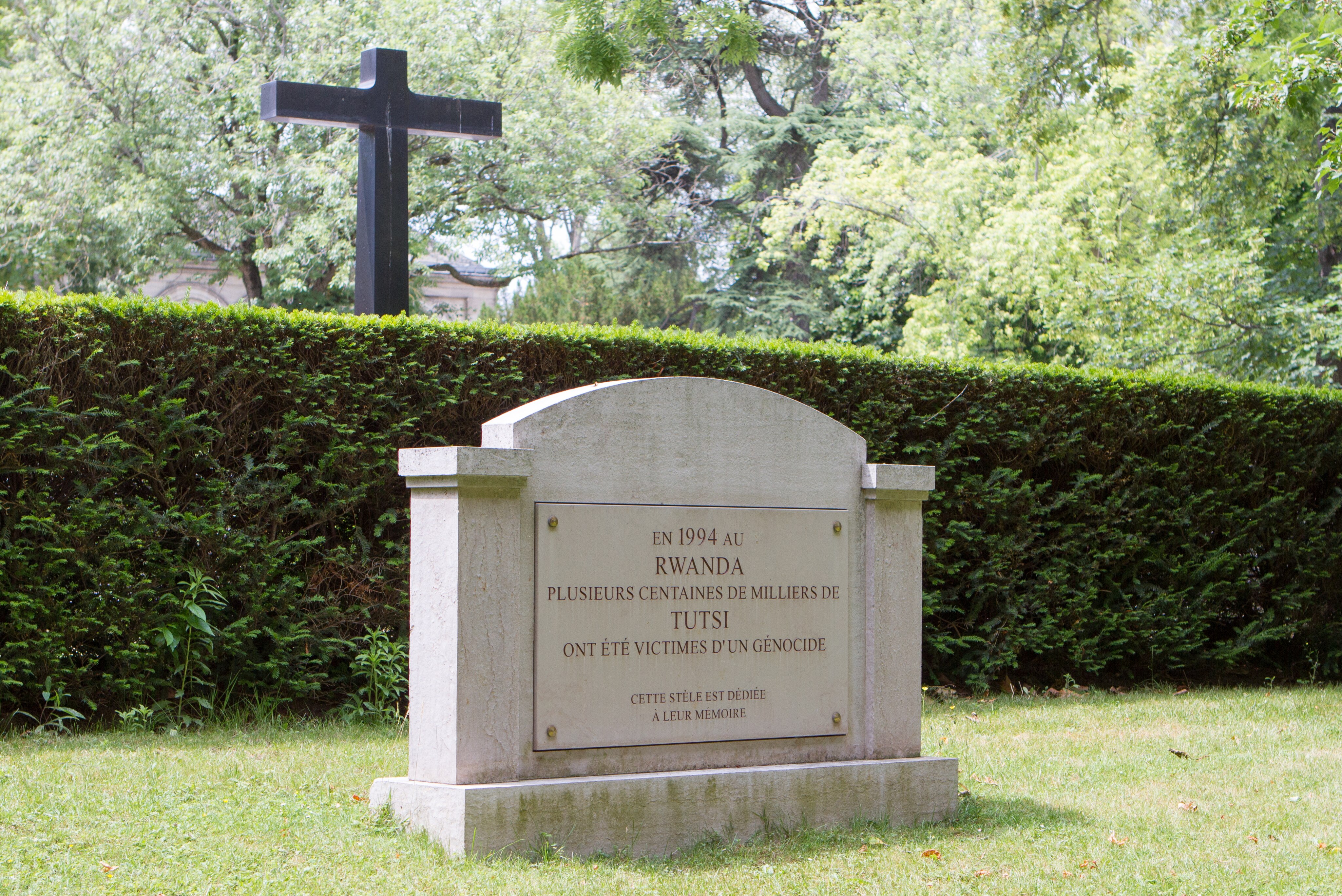
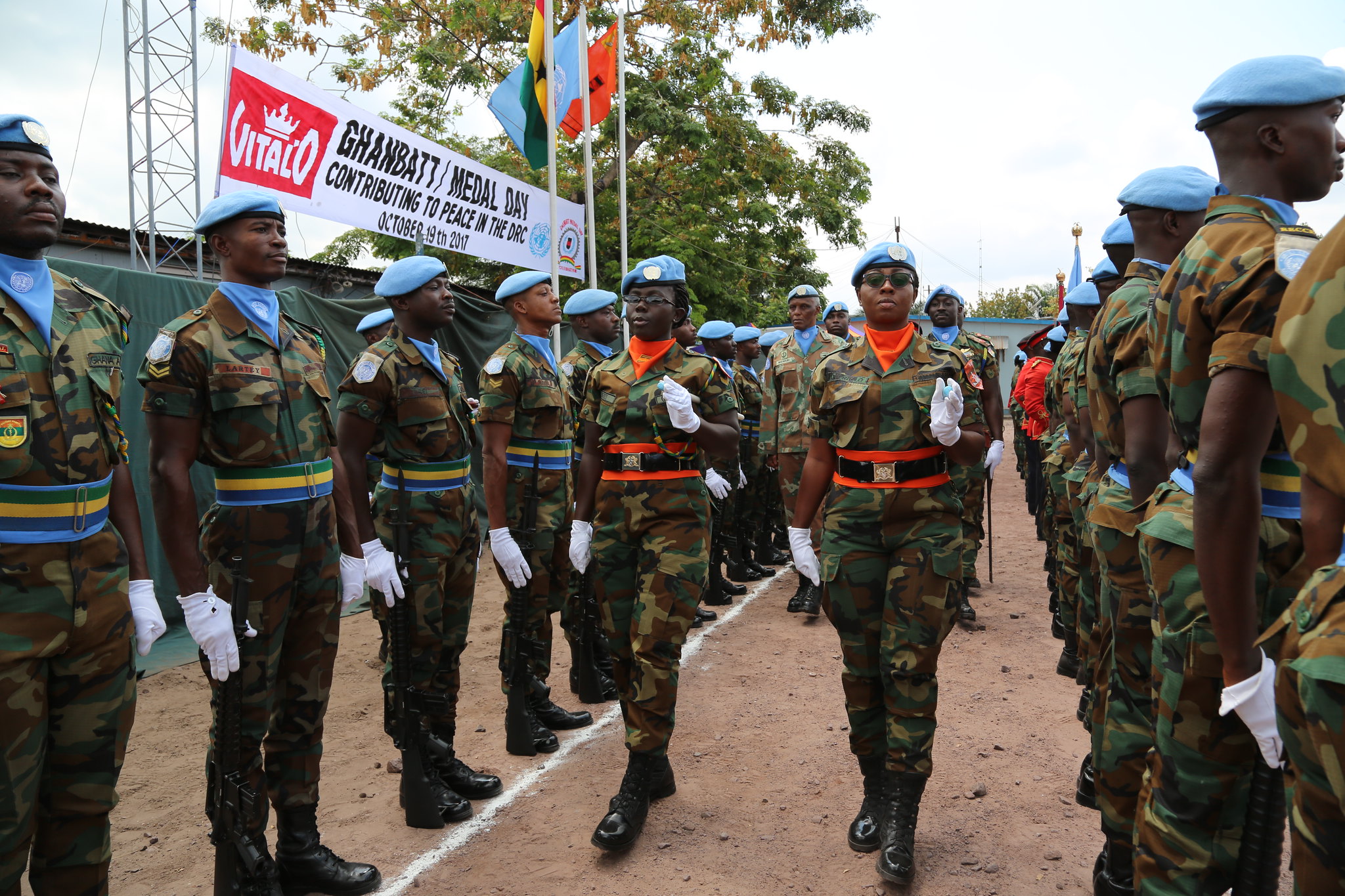
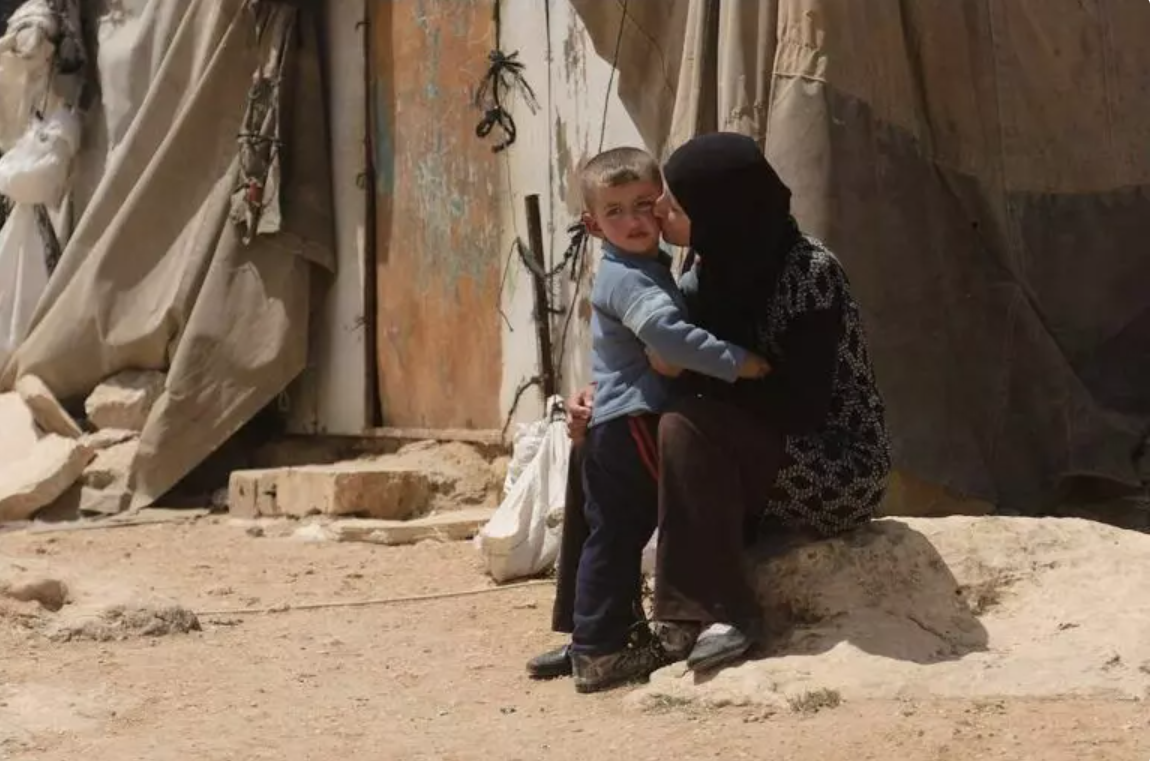


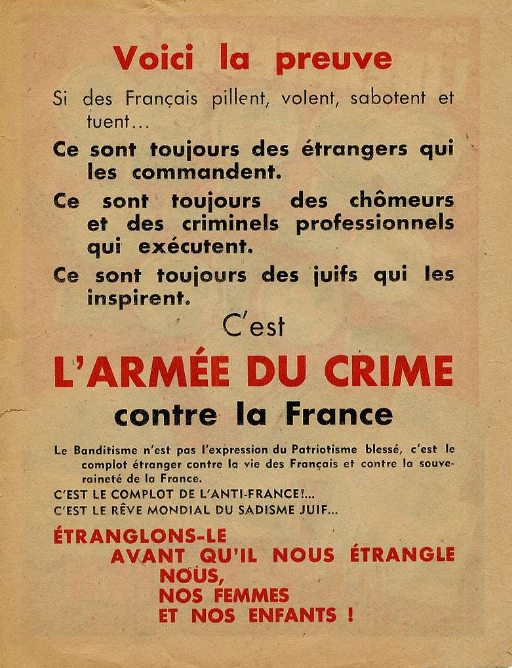
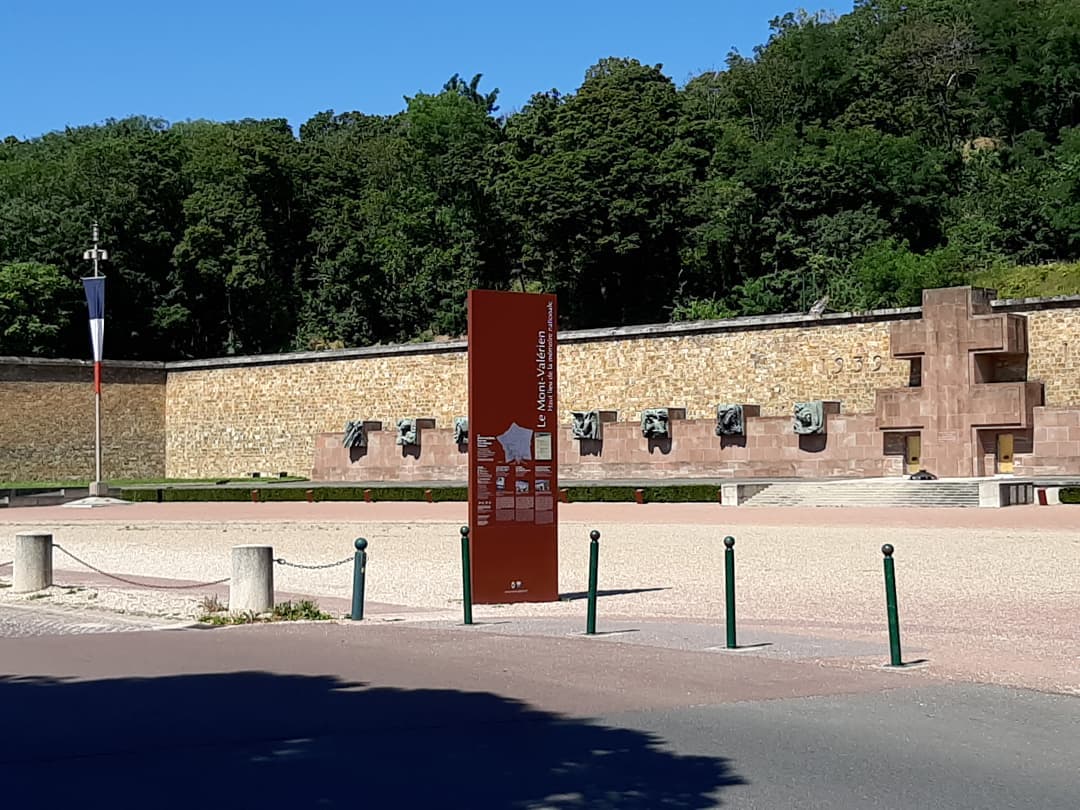
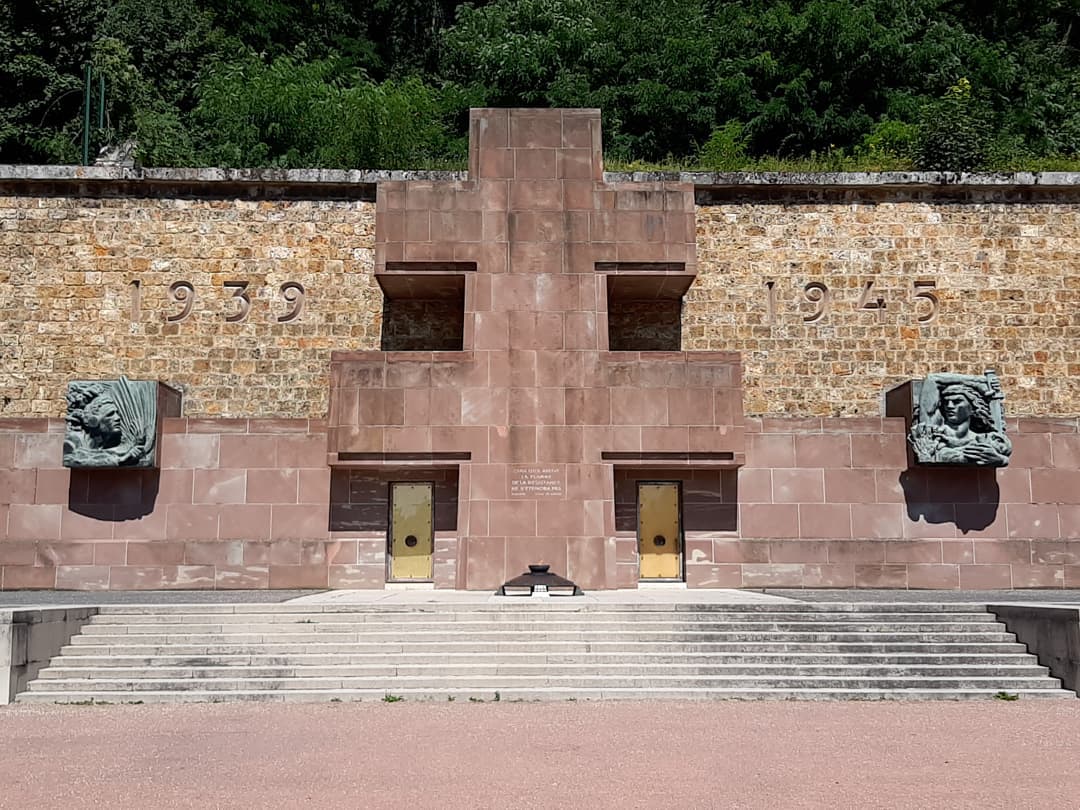

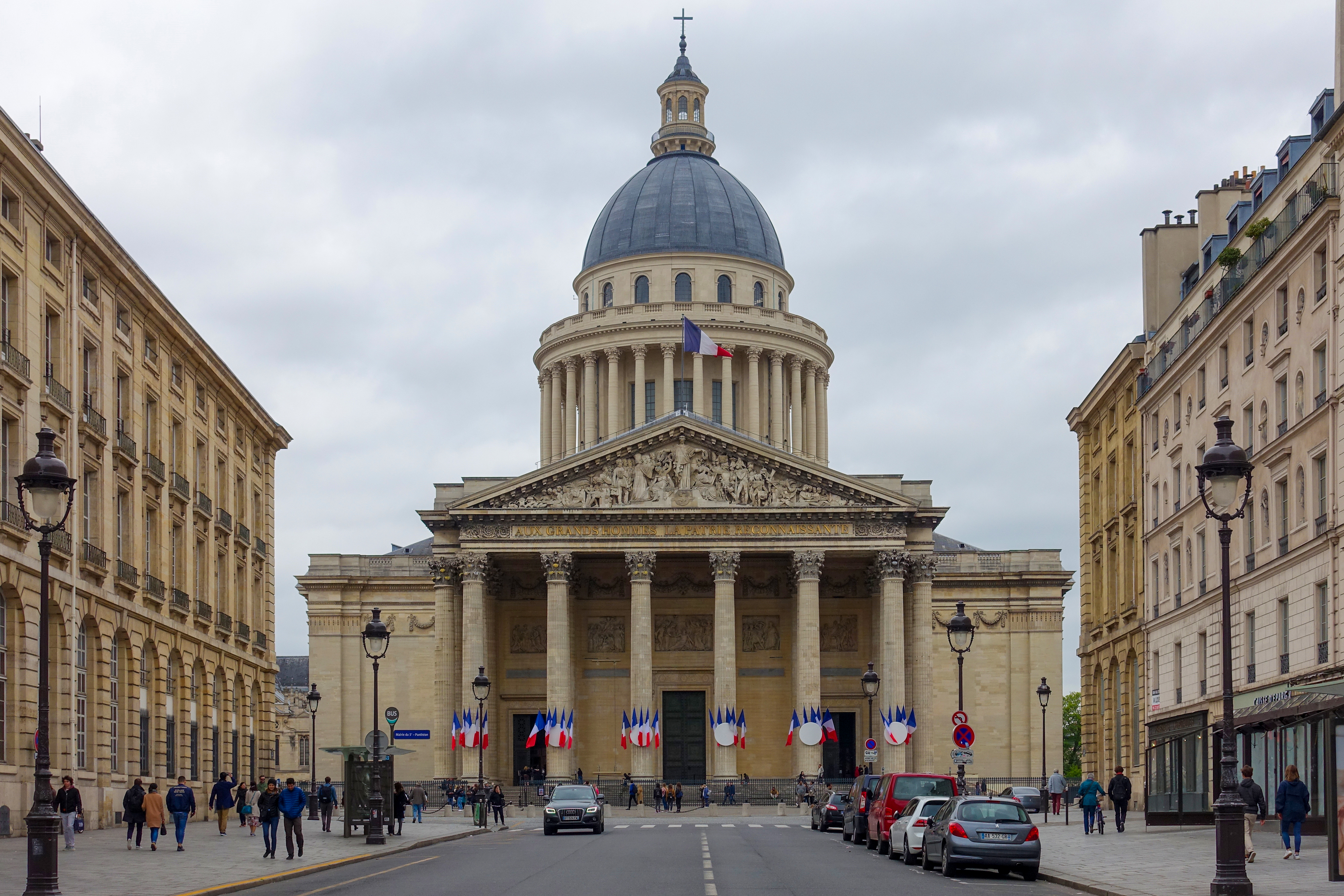
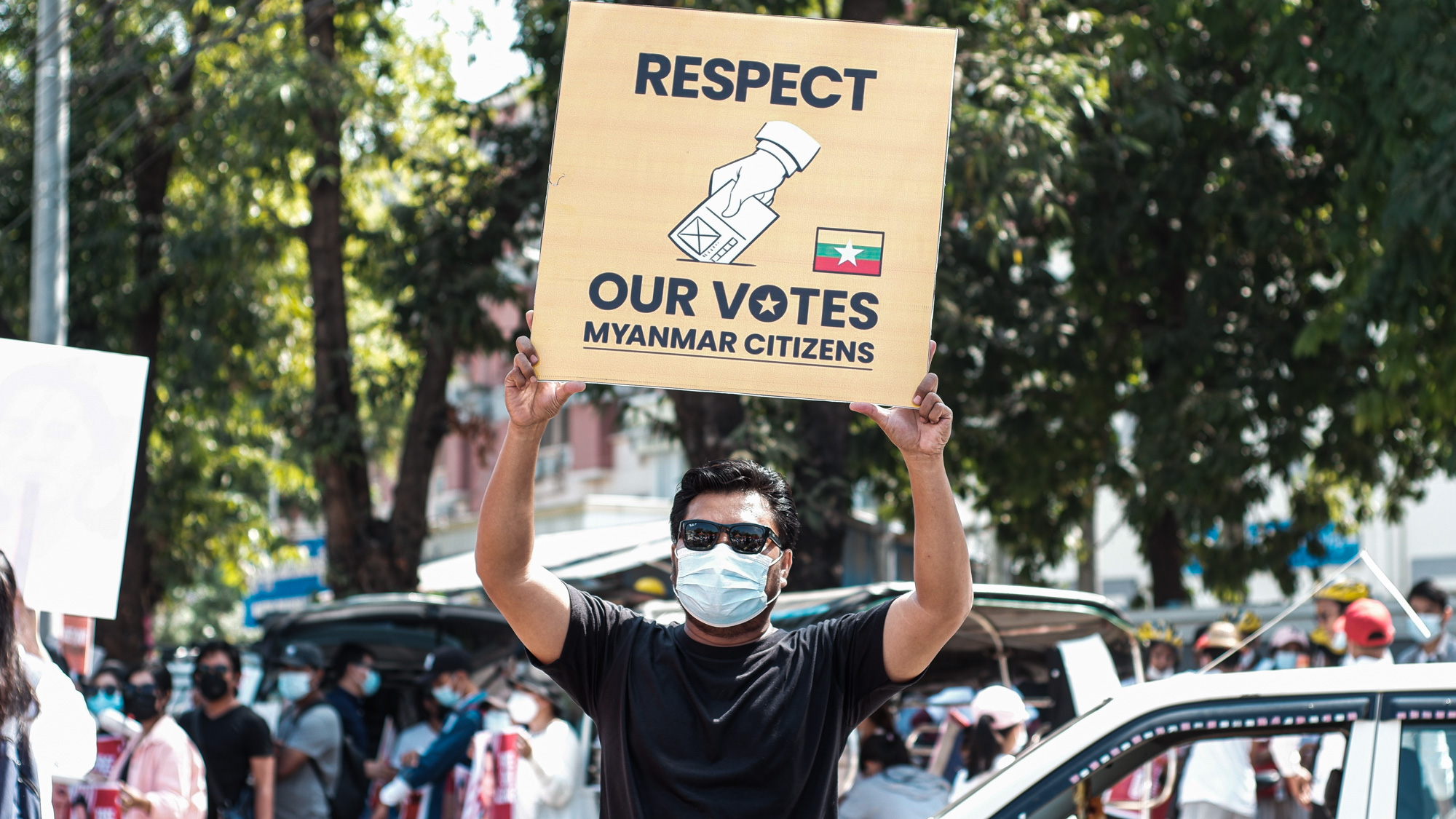

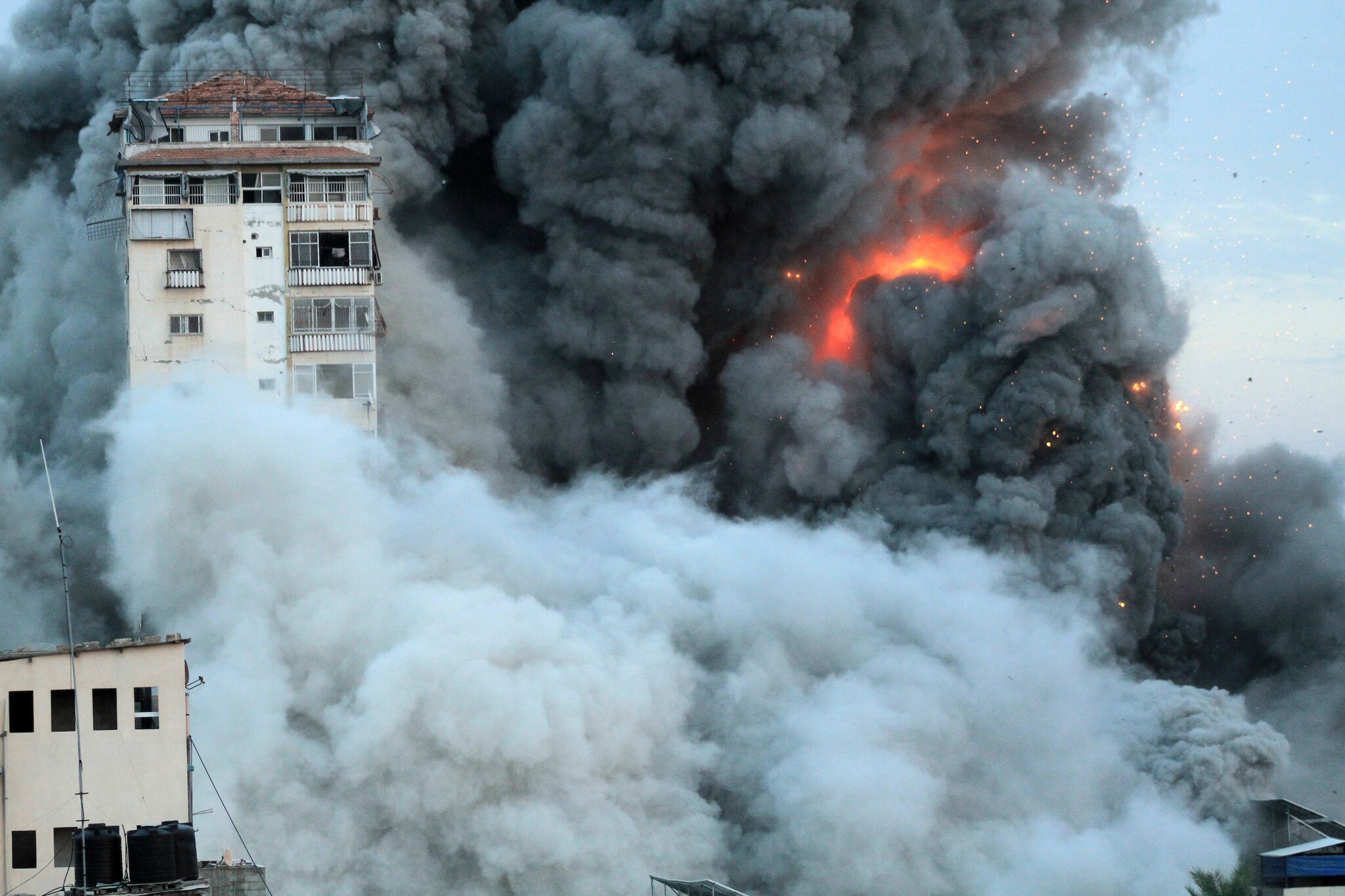
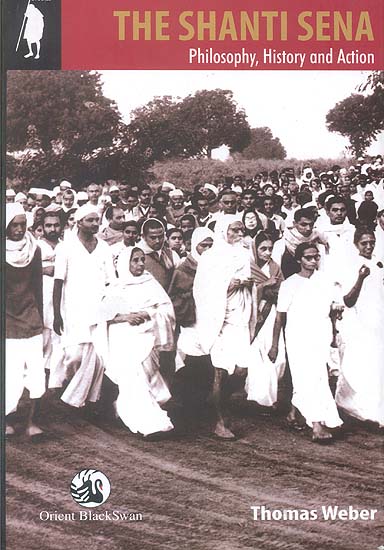
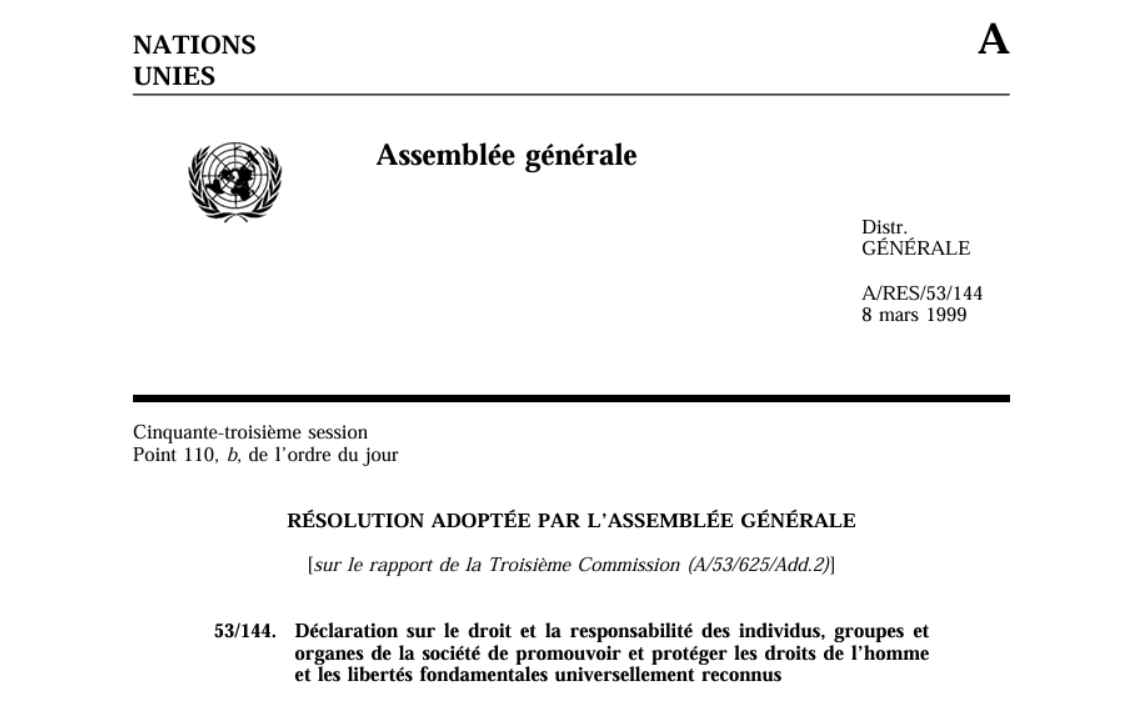
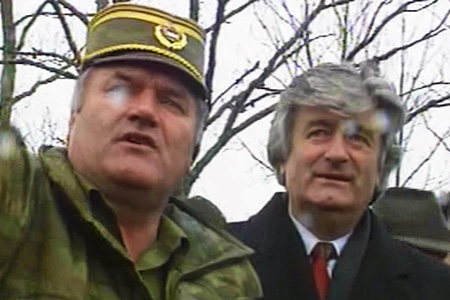
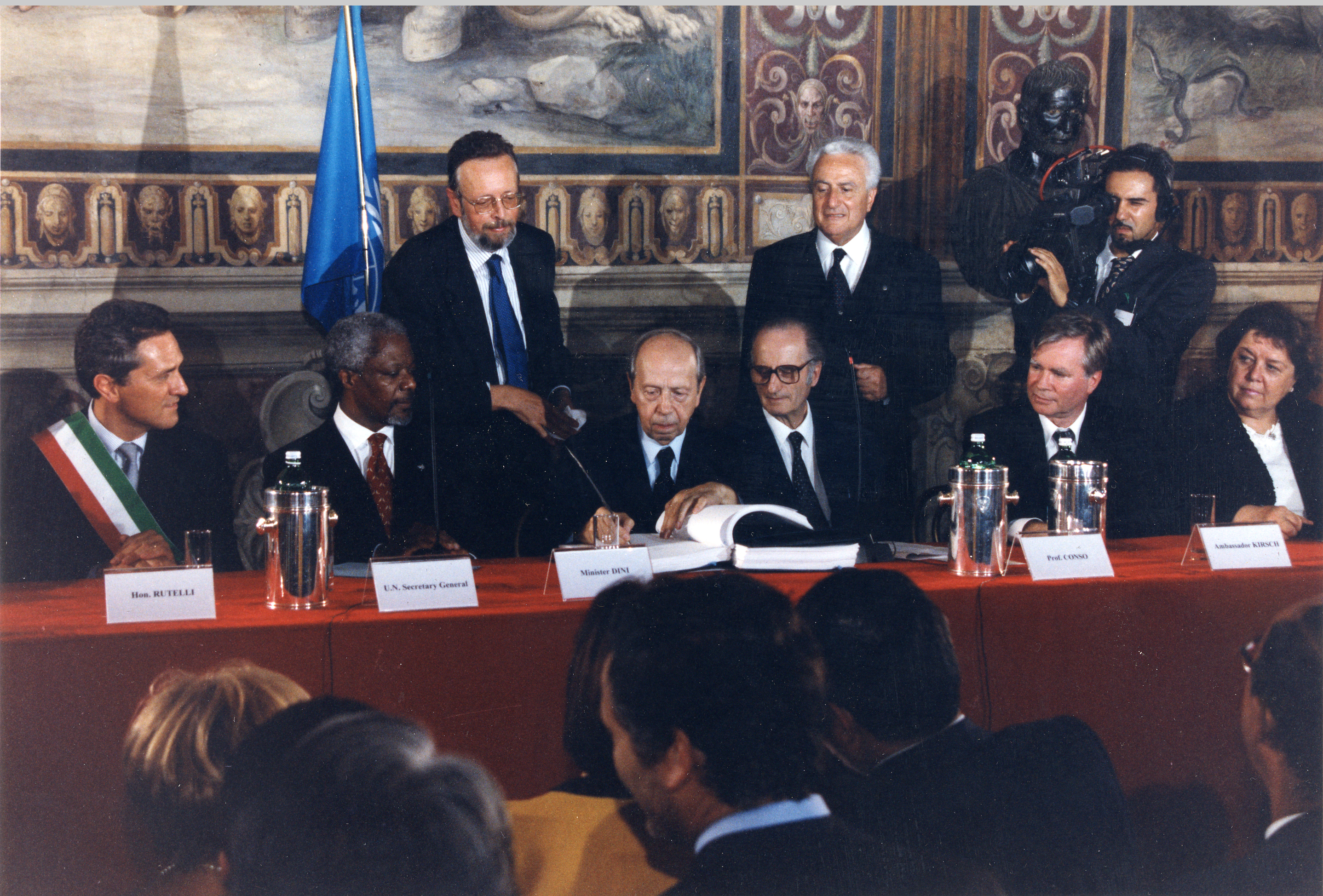
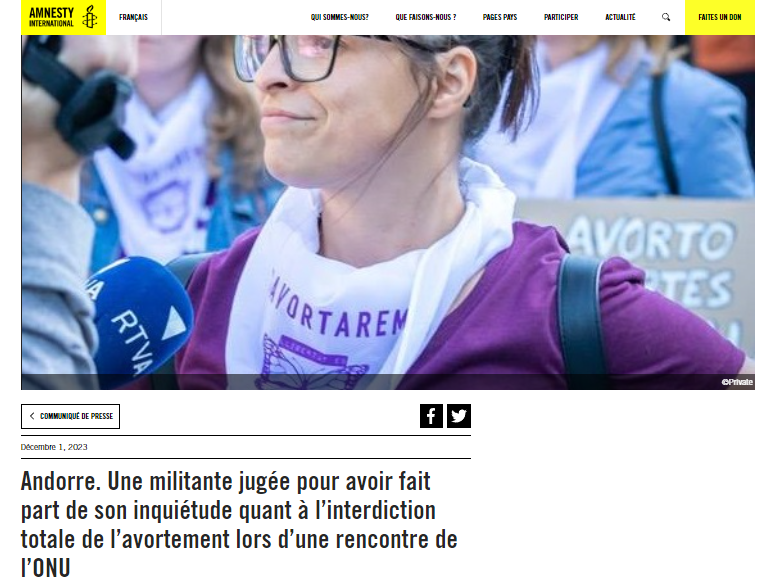
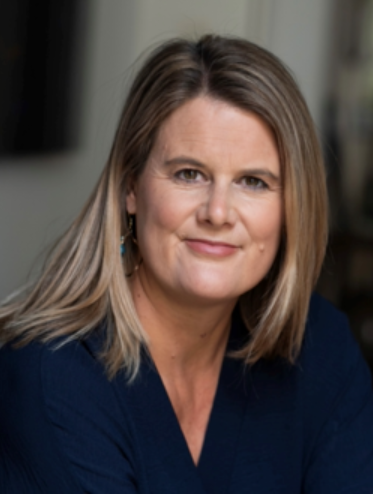
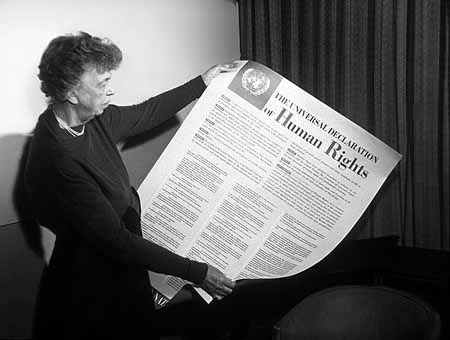
 Association of World Citizens