The Official Blog of the

Archive for the ‘Solidarity’ Category

UN-led International Day for the Total Elimination of Nuclear Weapons

In Being a World Citizen, Conflict Resolution, Human Rights, NGOs, Solidarity, The Search for Peace, Track II, United Nations, World Law on September 26, 2021 at 3:22 PM

By René Wadlow

The struggle against the nuclear weapon cult and threats it poses to the international peace, security and development, like all struggles against belief systems which have outlived their times, is going to be long and arduous.

K. Subrahmanyam. Nuclear Proliferation and International Security.

The United Nations (UN) General Assembly has designated September 26 as the International Day for the Total Elimination of Nuclear Weapons, being celebrated this year for the third time “to enhance public awareness and education about the threat posed to humanity by nuclear weapons and the necessity for their total elimination in order to mobilize international efforts toward achieving the common goal of a nuclear-weapon free world.”

Achieving global nuclear disarmament − or at least forms of nuclear arms control − is one of the oldest goals of the UN. Nuclear weapon control was the subject of the first resolution of the UN General Assembly and is the heart of Article VI of the Treaty on the Nonproliferation of Nuclear Weapons (NPT). “Each of the Parties to the Treaty undertakes to pursue negotiations in good faith on effective measures relating to cessation of the nuclear arms race at an early date and to nuclear disarmament, and on a treaty on general and complete disarmament under strict and effective international control.” A Review Conference on the Treaty has been held at the UN once every five years since 1975, and the representatives of nongovernmental organizations (NGOs) have constantly reminded governments of their lack of “good faith”. I chaired the NGO representatives at the 1975 and 1980 Review Conferences, and while our views were listened to with some interest, the Review Conferences have been a reflection of the status of world politics at the time not a momentum for change, as the 2015 Review showed.
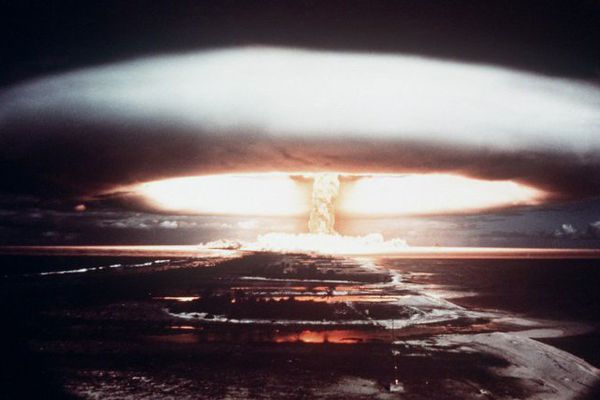
There are still some 16,000 nuclear weapons in the world, largely in the hands of the USA and the Russian Federation, some on “ready alert”. There are plans to “modernize” nuclear weapons, and there are at least seven other States with nuclear weapons: North Korea, Pakistan, India and China in Asia, Israel in the Middle East and France and the UK in Europe. The instability and tensions of current world politics merit that we look at the ways in which governments and NGOs have tried to deal with the existence of nuclear weapons, their control, and their possible abolition.

There have been four avenues proposed in the decades since 1945: presented, dropped, re-presented, combined with other proposals for political settlements, linked to proposals for general disarmament or focused on nuclear issues alone.
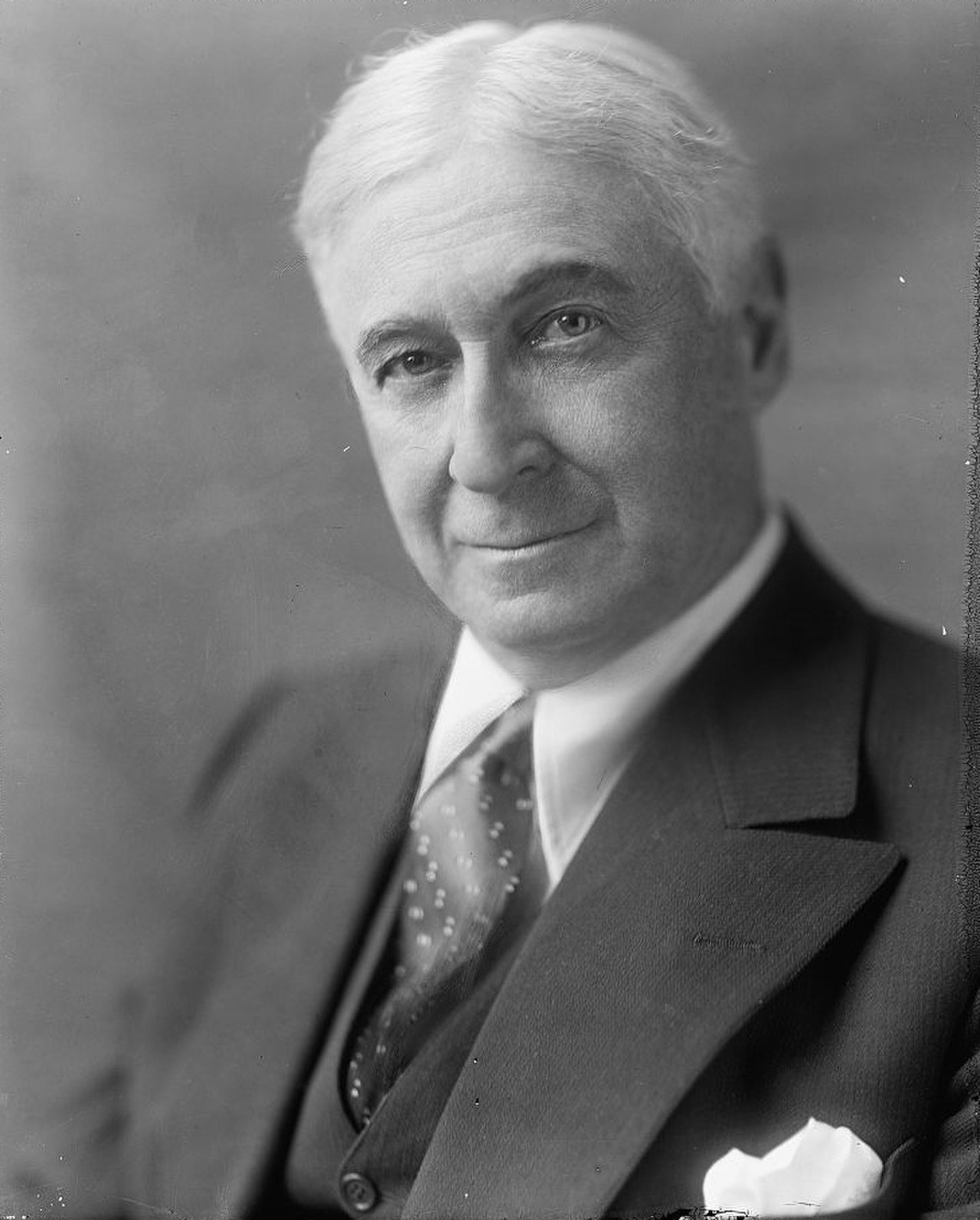
Bernard Baruch

1) The first avenue proposed was the Baruch Plan, named after Bernard Baruch, a financier, often advisors to U. S. Presidents going back to Woodrow Wilson and the First World War. He had been named a U. S. delegate to the UN in charge of atomic issues. At the time, the USA had a monopoly of the scientific knowledge and technology needed to produce the A-Bomb, but the scientists who were advisors to Baruch knew that it was only a matter of time before other States, in particular the USSR, would also have the knowledge and technology. Therefore, it seemed that the best hope of avoiding an arms race with nuclear weapons was to bring all the atomic energy industry under international UN control. The Baruch Plan proposed the creation of all International Atomic Development Agency which would have a monopoly of all activities connected with atomic research and development such as mining, ownership and management of refineries, and the construction of atomic reactors. The Agency staff would be internationally recruited and would be free from interference from national governments.

However, the Baruch Plan was proposed as the Cold War (1945-1990) was starting to heat up and become more structured. In 1949, the U. S. nuclear monopoly was broken by the explosion of the first Soviet bomb, and then in 1950, war started in Korea. The Korean War led to the next stage, the second and third avenues in nuclear arms policy, someone contradictory but proposed at the same time, and in the light of the Korean War experience.
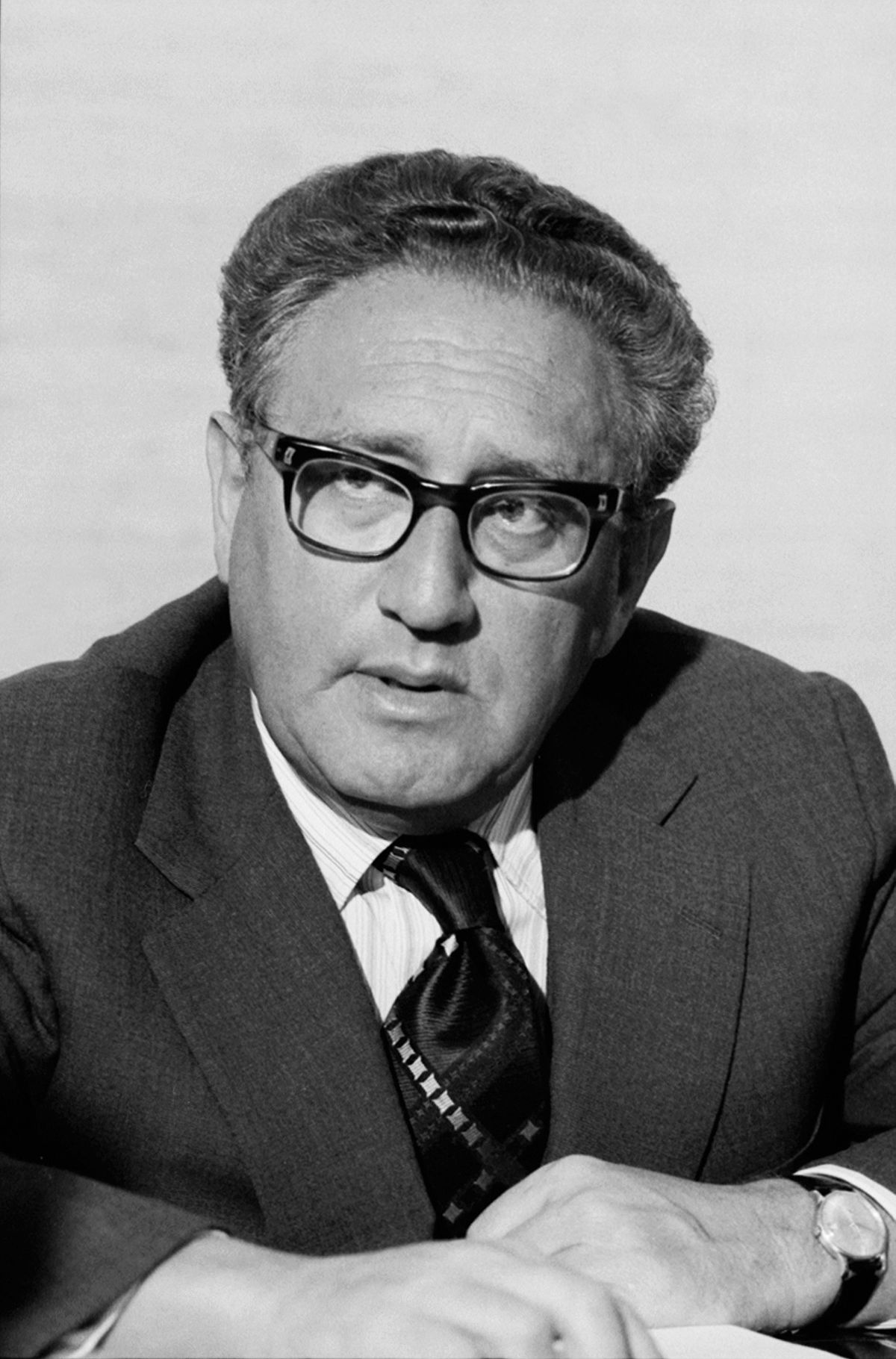
Henry Kissinger

2) Avenue two proposed that limited war could be carried out but with nuclear weapons that were smaller than the bomb dropped on Hiroshima and that would not necessarily lead to an all-out war between the USA and the USSR. This avenue is most closely associated with Henry Kissinger and his book Nuclear Weapons and Foreign Policy. (1) The 1950-1953 Korean War showed that war was a real possibility, due perhaps to political miscalculations, erroneous intelligence, and failure to see how a local situation could have a much broader impact. The Korean War stopped without a victor, leaving a divided Korea, a situation which has gone on until today. The Korean experience augmented by the French-Vietnamese War which ended in 1954 led strategic thinkers to reflect on the nature of limited war. At the same time that Henry Kissinger was writing his book, reflecting largely in similar ways, Robert Osgood of the University of Chicago was teaching a seminar on limited war in which I was one of his students. The seminar led to the widely-read book: Limited War: The Challenge to American Strategy. (2)

3) It was in Europe where the opposing NATO-Warsaw Pact forces faced each other most closely, that the third avenue was proposed: nuclear-weapon free zones. In October 1957, the Polish Minister of Foreign Affairs, Adam Rapacki, put forward a plan for creating a nuclear-weapon free and neutral zone in central Europe, usually known as the “Rapacki Plan”. The first stage would be the ‘freezing’ of nuclear armaments in Poland, Czechoslovakia, and the two German States. The second stage would consist of a reduction of conventional armaments and complete denuclearization of the four States.
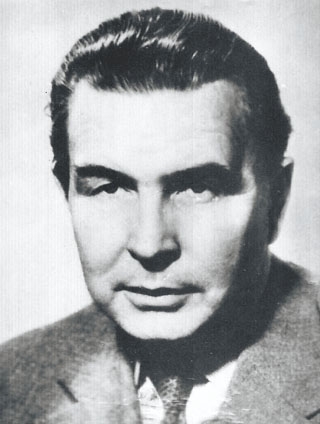
Adam Rapacki

Although there had been intense discussions within the Warsaw Pact States before the Rapacki proposal was made public, mutual mistrust and suspicion among NATO and Warsaw Pact countries was such that no negotiations were undertaken. The situation was made all the more complicated by the Western refusal to recognize the German Democratic Republic. However, Rapacki had given birth to the innovative idea of negotiated nuclear-weapon free zones coupled with confidence-building measures.

Nuclear-weapon free zones took shape after the 1962 Cuban missiles crisis. Even today, it is difficult to know how close to a war the 1962 nuclear missiles in Cuba brought the USA and the USSR. It was close enough that it worried leaders in Latin America. Led by the Ambassador of Mexico to the UN and later Nobel Laureate, Alfonso Garcia Robles, negotiations for a Latin American nuclear-weapon free zone were started, and in 1967, 21 Latin American States signed the Treaty of Tlatelolco. In Latin America, two of the largest countries, Argentina and Brazil have nuclear power industries and a potential capacity to develop nuclear weapons. Thus, the Treaty provides a confidence-building framework between these two regional powers, although the two States have none of the tensions between them that colored Warsaw Pact-NATO relations.

The Latin American nuclear-weapon free zone has led to other treaties creating nuclear-weapon free zones in the South Pacific, Africa and Central Asia.

4) The fourth avenue and the one most discussed at the UN these days is a convention to ban the possession and use of nuclear weapons on the lines of the conventions to ban chemical weapons, anti-personnel land mines and cluster munitions. These bans are based on the unacceptable humanitarian consequences of the use of nuclear weapons, the inability to distinguish between civilians and military and other violations of the principles of humanitarian law.

A Nuclear Weapons Convention has captured the imagination of many in the disarmament community, initially among NGOs but increasingly within the governments of non-nuclear weapon States and the diplomatic community. The Nuclear Weapons Convention is strongly modeled on the Chemical Weapons Convention. Having followed from the sidelines the decade-long negotiations in Geneva which led to the Chemical Weapons Convention, I see two major differences. First, there had not been the wide discussions of the strategic use of chemical weapons as there had been on the strategic use of nuclear weapons in limited war situations. The second difference which had its impact is that the major chemical companies in Western Europe and the USA did not want to get involved in making chemical weapons. The costs for securing the manufacture of such weapons was greater than what they could charge governments for chemical weapons. Western governments were also reluctant to construct government-owned factories for making chemical weapons, all the more so that there existed a 1925 Geneva Protocol against their use. However, there is still money to be made in the nuclear weapons field.

My own view is that effective nuclear-weapon control will come from a combined regional conflict resolution and nuclear-weapon free zone approach that was first set out in the Rapacki proposals. I believe that the Korean Peninsula holds the most potential for a settlement within a nuclear-weapon free zone. There are proposals for re-starting six-power talks, and there are some Track II-NGO efforts along this line. A Middle East nuclear-weapon free zone coupled with conflict resolution and security provisions would be the most necessary given the current tensions and armed conflicts. The recent agreement with Iran may be a step in this direction. India-Pakistan tensions have gone on so long that both States may know how not to push too hard, but there are always dangers of events slipping out of control.

September 26 serves as a reminder of the avenues proposed for nuclear disarmament, but disarmament diplomacy has stalled too often and inconsistent policies by governments have made the goal of complete elimination seem unreachable in the short term. Nevertheless we, as non-governmental peacebuilders, must continue to work creatively to generate the groundswell of opinion that will create a momentum of political will to move to a world without war and without nuclear weapons.

NOTES

(1) KISSINGER. H. (1957), Nuclear Weapons and Foreign Policy, New York: Harper.

(2) OSGOOD. R. (1957), Limited War: The Challenge to American Strategy, Chicago: University of Chicago Press.

Prof. René Wadlow is President and Representative to the United Nations, Geneva of the Association of World Citizens.
The AWC Reiterates its Appeal for Immediate Action to End the Fighting and Bring Relief to Populations at Risk in Ethiopia

In Africa, Being a World Citizen, Conflict Resolution, Current Events, Human Rights, Humanitarian Law, NGOs, Solidarity, Sudan, The Search for Peace, Track II, United Nations, World Law on September 14, 2021 at 8:46 PM

By René Wadlow

The Association of World Citizens (AWC) now reiterates its Appeal to the parties in the armed conflict in Ethiopia for negotiations in good faith to end the fighting and to deal with the deep consequences of the conflict, especially the widespread hunger. Mark Lowcock, the United Nations (UN) Undersecretary-General for Humanitarian Affairs, has warned that nearly five million of the six million population of the Tigray Province needed food assistance and the number grows as fighting spreads to other regions.

Shortly after fighting began on November 3, 2020, the AWC, knowing the fragile nature of the confederation of provinces which make up the Ethiopian state, had made a first Appeal for negotiations in good faith, although information on the fighting was very limited. Journalists were prevented from going to Tigray as were most humanitarian nongovernmental organizations (NGOs). However by February, enough information had been gathered from refugee sources for Amnesty International to present a first report on the extent of human rights violations, with multiple credible and widely corroborated reports of widespread atrocities involving mass killings, rapes and the abduction of civilians.

The fighting in Tigray becomes more complex each day as Ethiopian Defense Forces, Eritrean Defense Forces and ethnic militias face Tigrayan forces. There is a buildup of Sudanese government forces on the Ethiopian-Sudan border and refugees flee into Sudan. The whole Horn of Africa already fragile is in danger of greater destabilization.

For the moment all efforts for mediation proposed by the UN or the African Union have been refused by the Ethiopian central government. The former officials of Tigray Province have fled and it is not clear who is in a position to negotiate for the Tigray factions were negotiations to be undertaken. There may be possibilities for non-governmental initiatives. Hence the reiteration of our AWC Appeal.

Prof. René Wadlow is President of the Association of World Citizens.
We Must Protect the Rights of the Hazara Population in Afghanistan

In Asia, Being a World Citizen, Conflict Resolution, Current Events, Democracy, Fighting Racism, Human Rights, Middle East & North Africa, NGOs, Solidarity, The Search for Peace, United Nations, War Crimes, World Law on September 2, 2021 at 7:55 PM

By René Wadlow

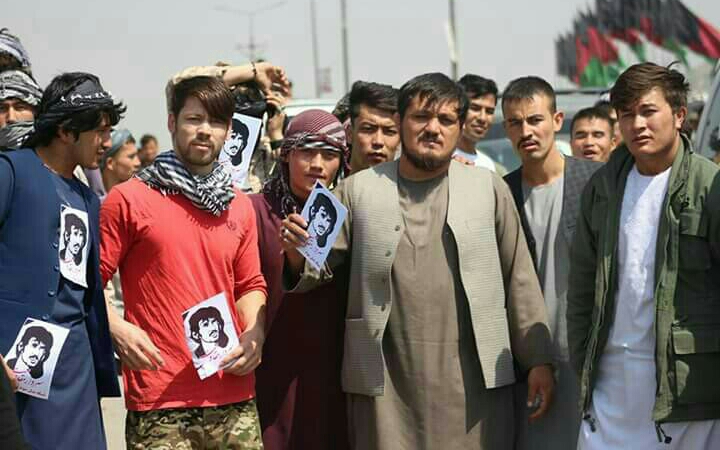
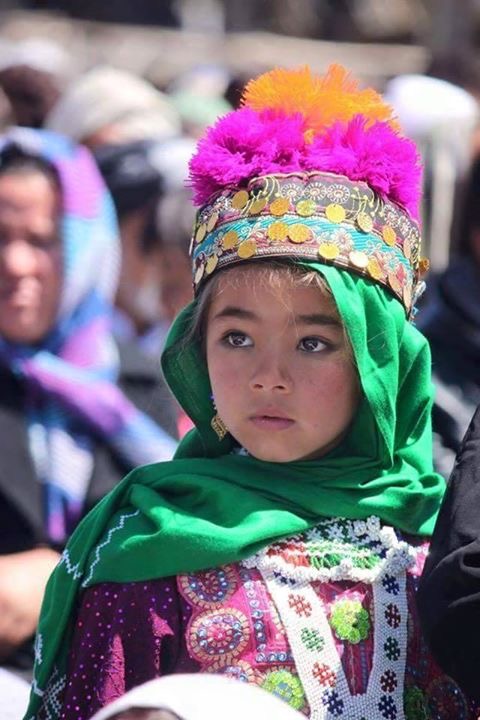
The Association of World Citizens (AWC) is strongly concerned by possible repression against the Hazara population in Afghanistan, repression of such an extent that it could be considered genocide. While it is still too early to know what the policies and practice of the Taliban toward minorities will be now, during the past Taliban rule (1996-2001) there was systematic discrimination against the Hazara and a number of massacres.

There are some three million Hazara whose home area is in the central mountainous core of Afghanistan, but a good number have migrated to Kabul, most holding unskilled labor positions in the city. The Hazara are largely Shi’a in religion but are considered as non-Muslim heretics or infidels by the Taliban as well as by members of the Islamic State in Khorasan (ISIS-K), now also an armed presence in Afghanistan.

In the past there was a genocidal period under the rule of Abdur Rahman Khan. During the 1891-1893 period, it is estimated that 60 percent of the Hazara were killed, and many others put into slavery-like conditions.

To understand fully the concern of the AWC for the Hazara, it is useful to recall Article II of the 1948 Convention against Genocide.

In the present Convention, genocide means any of the following acts committed with intent to destroy, in whole or in part, a national, ethnic, racial or religious group, as such:

* Killing members of the group;
* Causing serious bodily or mental harm to members of the group;
* Deliberately inflicting on the group conditions of life calculated to bring about the physical destruction in whole or in part;
* Imposing measures intended to prevent births within the group;
* Forcibly transferring children of the group to another group.

There have been repeated appeals to make the 1948 Genocide Convention operative as world law. The then United Nations Secretary-General, Kofi Annan, said in an address at UNESCO on December 8, 1998 “Many thought, no doubt, that the horrors of the Second World War – the camps, the cruelty, the exterminations, the Holocaust – could not happen again. And yet they have. In Cambodia, in Bosnia and Herzegovina, In Rwanda. Our time – this decade even – has shown us that man’s capacity for evil knows no limits. Genocide – the destruction of an entire people on the basis of ethnic or national origins – is now a word our out time too, a stark and haunting reminder of why our vigilance but be eternal.”

The 1948 Convention has an action article, Article VIII:

Any Contracting Party may call upon the competent organs of the United Nations to take such action under the Charter of the United Nations as they consider appropriate for the prevention and suppression of acts of genocide […]

Despite factual evidence of mass killings, some with the intent to destroy “in whole or in part”, no Contracting Party has ever called for any action under Article VIII. (1)

The criteria for mass killings to be considered genocide does not depend on the number of people killed or the percentage of the group destroyed but on the possibility of the destruction of the identity of a group. It is the identity of the Hazara and their religious base which is the key issue. Events need to be watched closely, and nongovernmental organizations must be prepared to take appropriate action.

Note
(1) For a detailed study of the 1948 Convention and subsequent normative development see: William A. Schabas, Genocide in International Law (Cambridge University Press, 2000, 624 pp.)

Prof. René Wadlow is President of the Association of World Citizens.
Concerted Efforts Against Trafficking in Persons

In Africa, Being a World Citizen, Current Events, Europe, Human Rights, Middle East & North Africa, Migration, Modern slavery, NGOs, Social Rights, Solidarity, The Search for Peace, Track II, United Nations, Women's Rights, World Law on July 30, 2021 at 10:01 AM

By René Wadlow

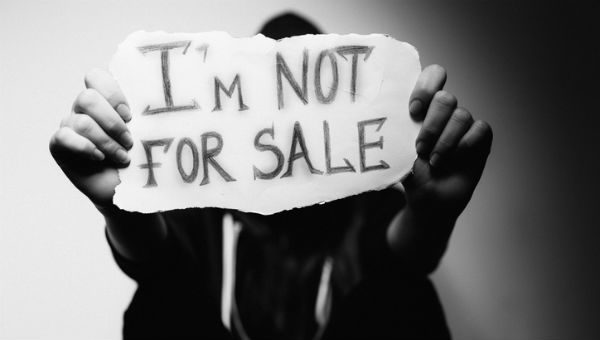
On July 30, there should be a worldwide concerted effort against trafficking in persons. The United Nations (UN) General Assembly in Resolution A/RES/68/192 in 2012 set out July 30 as a day to review and reaffirm the need for action against the criminal global networks dealing in trafficking of persons. The trafficking of human beings reveals the hunger of the global economy for human labor and the disrespect for human dignity. Drugs, guns, illegal immigration are the nightmare avenues of how the poor world becomes integrated into the global economy. These are intricate networks and are intertwined with interests in business and politics.

A recent UN report presented to the Commission on the Status of Women highlighted that human trafficking is one of the fastest growing criminal industries and one of the crucial human rights crises today.

From Himalayan villages to Eastern European cities – especially women and girls – are attracted by the prospects of a well-paid job as a domestic servant, waitress or factory worker. Traffickers recruit victims through fake advertisements, mail-order bride catalogues, casual acquaintances, and even family members. Children are trafficked to work in sweatshops, and men to work in the « three D jobs » – dirty, difficult and dangerous.

Despite clear international standards such as the UN Convention against Transnational Organized Crime and its Protocol to Prevent, Suppress and Punish Trafficking in Persons, Especially Women and Children, there is poor implementation, limited governmental infrastructure dedicated to the issue. There is also a tendency to criminalize the victims.

Since 2002, the UN Office on Drugs and Crime has collected information on trafficking in persons. The International Labor Organization, the World Health Organization – especially in the field of HIV/AIDS prevention – and the International Organization for Migration – all have anti-trafficking programs, but they have few «people on the ground» dealing directly with the issue.

Thus, real progress needs to be made through nongovernmental organizations (NGOs) such as the Association of World Citizens which has raised the issue in human rights bodies in Geneva. There are three aspects to this anti-trafficking effort. The first is to help build political will by giving accurate information to political leaders and the press. The other two aspects depend on the efforts of NGOs themselves. Such efforts call for increased cooperation among NGOs and capacity building.

The second aspect is research into the areas from which persons – especially children and women – are trafficked. These are usually the poorest parts of a country and among marginalized populations. Socio-economic and development projects must be directed to these areas so that there are realistic avenues for advancement.

The third aspect is psychological healing. Very often persons who have been trafficked have had a disrupted or violent family life. They may have a poor idea of their self-worth. The victim’s psychological health is often ignored by governments. Victims can suffer a strong psychological shock that disrupts their psychological integrity. Thus, it is important to create opportunities for individual and group healing, to give a spiritual dimention through teaching meditation and yoga. There is a need to create adult education facilities so that persons may continue a broken educational cycle.

We must not underestimate the difficulties and dangers which exist in the struggle against trafficking in persons nor the hard efforts which are needed for the psychological healing of victims. July 30 can be a rededication for our efforts.

Prof. René Wadlow is President of the Association of World Citizens.
Assault on Religious Liberty: July 20, 1937

In Being a World Citizen, Human Rights, NGOs, Religious Freedom, Solidarity, Spirituality, The Search for Peace, Track II, United Nations, World Law on July 20, 2021 at 3:17 PM

By René Wadlow

The Nazi Government of Germany had first moved against the Jews, considered as both a racial and a religious group. The Jews had long been a target of the Nazi movement and the attack on them came as no surprise. However, the July 20, 1937 banning of the theosophical movement and of others «theosophically related» in the Nazi ideology was a turning point in Nazi repression.

On July 20, 1937, the Theosophical Society and the related Anthroposophical Society which had been founded by Rudolf Steiner who had been president of the German section of the Theosophical Society were banned. The banning order was signed by Reichsführer Reinhard Heydrich who warned that “The continuation and new foundation of this as well as the foundation of disguised succession organizations is prohibited. Simultaneously I herewith state because of the law about confiscation of property hostile to people and state that the property of the abovementioned organizations was used or intended for the promotion of intentions hostile to people and state.” Thus, all offices and buildings were confiscated.

At the time there was little organized protest. The League of Nations, while upholding tolerance and freedom of thought in general had no specific declaration on freedom of religion and no institutional structures to deal with protests. Now, the United Nations (UN) has a specific Declaration on the Elimination of All Forms of Intolerance and Discrimination Based on Religion or Belief of November 25, 1981 which builds upon Article 18 of the Universal Declaration of Human Rights which states that “Everyone has the right to freedom of thought, conscience, and religion : this right includes freedom to change his religion or belief and freedom, either alone or in community with others and in public or private to manifest his religion or belief in teaching, practice, worship or observance.” As with all UN Instruments relating to freedom of religion, Article 18 represents a compromise. One of its achievements was the inclusion of the terms “thought” and “conscience” which quietly embraced atheists and non-believers. The most divisive phrase, however, was “freedom to change one’s religion”.

The Declaration on the Elimination of All Forms of Intolerance and of Discrimination Based on Religion or Belief took nearly 20 years of difficult negotiations to draft. Preparations for the Declaration had begun in 1962. One of the most difficult areas in drafting the Declaration concerned the rights of the child to have “access to education in the matter of religion or belief in accordance with the wishes of his parents and shall not be compelled to receive teaching on religion or belief against the wishes of his parents or legal guardians, the best interests of the child being the guiding principle.”

The Declaration goes on to state that “The child shall be protected from any form of discrimination on the grounds of religion or belief. He shall be brought up in a spirit of understanding, tolerance, friendship among peoples, peace and universal brotherhood, respect for freedom of religion or belief of others, and in full consciousness that his energy and talents should be devoted to the services of his fellow men.”

The Declaration highlights that there can be no doubt that freedom of thought, conscience, religion or belief and the elimination of intolerance and discrimination based on religion or belief are of a fundamental character and derive from the inherent dignity and worth of the human person.

The gradual evolution of UN norms on the issue of religious liberty has been a complex process and is often a reflection of bilateral relations among Member States. This was especially true during the 1980s – the last decade of the USA-USSR Cold War. However, the end of the Cold War did not end religious tensions as an important factor in internal and international conflicts.

The 1981 Declaration cannot be implemented by UN bodies alone. Effective implementation also requires efforts by nongovernmental organizations (NGOs). NGOs play a vital role in the development of the right to freedom of religion or belief, especially by advancing the cause of those still struggling to achieve this right.

Thus, the Association of World Citizens (AWC) had been active in the late 1970s when the UN Commission on Human Rights moved from New York to Geneva on the formulation of the 1981 Declaration. Since then, the AWC has worked closely with the Special Rapporteurs on Religious Liberty of the Commission (now the Human Rights Council). The AWC has also raised publicly in the Commission certain specific situations and violations. The AWC stresses the need for sound research and careful analysis. Citizens of the World have an important role to play in bringing spiritual and ethical insights to promote reconciliation and healing in many parts of the world.

Prof. René Wadlow is President of the Association of World Citizens.
Il faut sauver Le Kef, la ville au cœur de la Tunisie qu’on oublie

In Africa, Being a World Citizen, Current Events, Human Rights, Middle East & North Africa, NGOs, Solidarity, Track II, United Nations on July 18, 2021 at 8:21 AM

Depuis un an et demi, la pandémie de Covid-19 ravage la terre entière. Le coronavirus ne connaît aucune frontière, il se moque des limites entre États-nations tracées par l’être humain, il frappe partout où il le peut, comme il veut, quand il veut. Dans nombre de pays, les mesures-barrières préconisées par l’Organisation mondiale de la Santé sont appliquées de manière stricte : port du masque, distanciation physique, lorsque ce ne sont pas confinement et couvre-feu. Dans d’autres pays, hélas, les dirigeants ont choisi, pour de pures raisons politiques, d’ignorer le danger, et dans de tels pays, le peuple l’a payé cher mais aussi, bien souvent, les chefs d’État eux-mêmes.

En Tunisie, la première vague du début d’année 2020, causée par la souche originelle de Wuhan, avait été gérée de manière raisonnable. Aujourd’hui, le variant Delta submerge le système de santé, dépourvu d’équipement et de personnel, jusqu’aux vaccins de tous types, créant ainsi une véritable catastrophe sanitaire nationale et offrant à la Tunisie le triste record du taux de mortalité lié à la Covid-19 sur tout le continent africain.

A travers le monde, Tunis a fait appel à sa diaspora. Celles du Canada, de Belgique et de France ont répondu présentes. Mais pour tout le soulagement que leur aide apporte au pays, leur seule intervention sera loin de suffire pour sauver la Tunisie de ce péril imminent.

Et quand bien même. Pour l’heure, l’aide apportée se concentre sur les grandes villes de la Tunisie, que ce soit Tunis la capitale ou Kairouan, Sousse, Hammamet, les grandes villes mais aussi celles que l’étranger connaît le mieux, celles que les touristes aimaient visiter avant la pandémie.

Le monde sait qu’il faut soigner la Tunisie qu’il connaît. C’est bien. A présent, il lui faut soigner aussi la Tunisie qu’on oublie.

Au premier rang des villes oubliées du secours, il y a Le Kef, cette ville de montagne adossée à l’Algérie. Déjà oubliée de Tunis depuis même l’ère Bourguiba, aujourd’hui, Le Kef se débat avec une situation sanitaire devenue intenable. Le seul hôpital de la ville est submergé de patients qu’il ne peut traiter, et face au variant Delta, les mesures de restriction devenues habituelles que sont confinement et couvre-feu ne suffiront pas.

Tant de la diaspora que des autorités sur place, une mobilisation en oxygène et en vaccins au moins égale à celle en faveur des grandes villes est indispensable au Kef. Recueillir de l’aide en masse est bien sûr essentiel, mais sans une répartition équitable, jamais cette aide ne sera suffisante. Ecarter une partie du pays de la solidarité internationale ne pourra qu’avoir des conséquences incalculables. Les blessures ainsi causées s’avéreront sans nul doute encore plus longues et difficiles à soigner que la pandémie. Déjà aux prises avec un héritage introuvable de la révolution de 2011, la Tunisie prend peut-être la direction d’un chaos qui aura raison y compris de la raison.

«Et quiconque sauve un seul homme, c’est comme s’il avait sauvé tous les hommes», dit le Coran. Les autorités politiques actuelles de la Tunisie sont venues au pouvoir en mettant l’Islam au cœur de leurs aspirations politiques. Pourquoi alors n’appliqueraient-elles pas ce principe ? Sauver tous les Tunisiens, n’est-ce pas d’abord sauver un seul Tunisien, quelle que soit la région du pays d’où il vient ?

Depuis le début de ce nouvel épisode de crise, les ambassades tunisiennes à travers le monde reçoivent et centralisent l’aide médicale et humanitaire. A présent, il appartient à leurs supérieurs à Tunis, à l’Etat dont ces diplomates tirent leurs ordres, de veiller à la bonne et due utilisation du soutien mondial à la Tunisie. Et ce soutien n’aura de valeur et d’efficacité que s’il n’oublie personne, notamment pas Le Kef, l’oubliée par excellence au cœur de sa montagne. S’il le chante avec ironie dans Noé, c’est au sens littéral que Tunis doit désormais entendre ces paroles de Julien Clerc :

«Il ne sauve rien,
Celui qui ne sauve pas tout»
.

* * *

Prof. René Wadlow
Président

Bernard J. Henry
Officier des Relations Extérieures

Cherifa Maaoui
Officier de Liaison,
Afrique du Nord & Moyen-Orient

The United Nations Peacekeeping Forces, Weak but Necessary

In Being a World Citizen, Conflict Resolution, NGOs, Solidarity, The Search for Peace, Track II, Uncategorized on May 29, 2021 at 9:53 PM

By René Wadlow

“I am confident that if we work together and champion truly bold reforms, the United Nations will emerge as a stronger, more effective, more just and greater force for peace and harmony in the world.”
U. S. President Donald Trump, September 18, 2017.

The deployment of UN peacekeeping forces is only one aspect of conflict resolution and peace building. However, UN peacekeeping forces are the most visible (and expensive) aspect of the UN peacebuilding efforts. Thus, our attention must be justly given to the role, the financing, and the practice of UN peacekeeping forces.

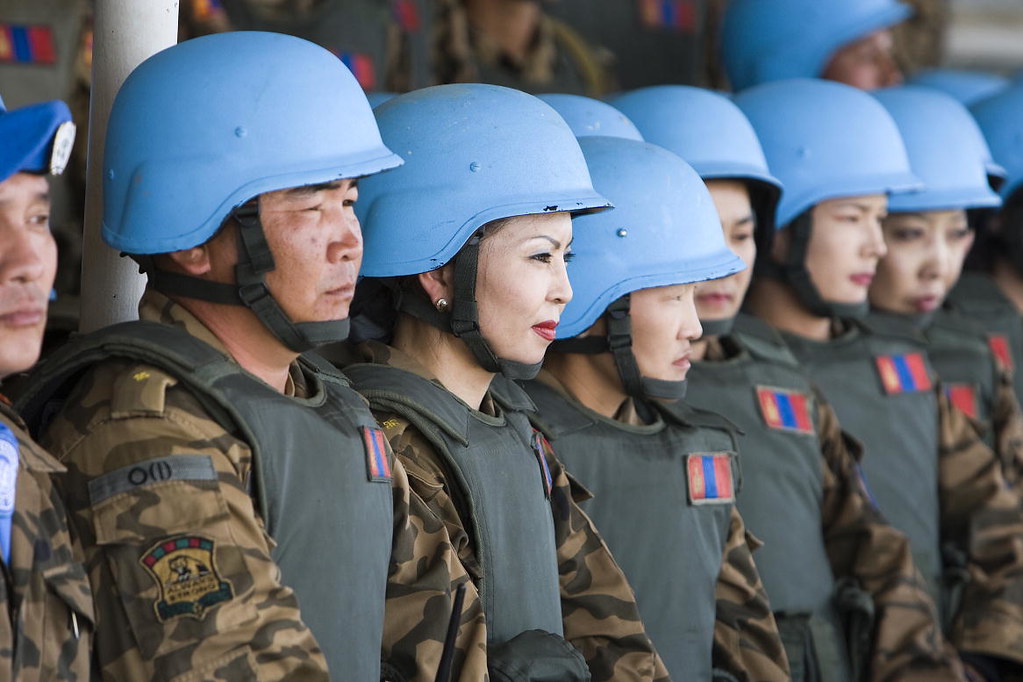
May 29 is the International Day of the United Nations (UN) Peacekeepers. The day was chosen in memory of the creation of the first UN interposition force in the Middle East. In the years since, 3,800 have lost their lives. Today there are 14 operations. The most difficult are in Africa where there has been large scale breakdown of State structures such as the Central African Republic, South Sudan, and the Democratic Republic of Congo.

How effective are UN peacekeeping operations in preventing and stopping violence? Are there alternatives to the ways that UN and regional organizations currently carry out peacekeeping operations? How effective are peacekeeping operations in addressing the root causes of conflicts? How does one measure the effectiveness of peacekeeping operations? We must ask questions of their effectiveness and if these military personnel should not be complemented by other forms of peacebuilding.

There have been reports of UN Peace operations in the eastern part of the Democratic Republic of Congo and in South Sudan which highlight the systematic rape of women in the area and the inability or unwillingness of UN troops to stop the rapes which have become standard practice in the areas on the part of both members of the armed insurgencies as well as by members of the regular army. There are also other examples when “failure” is the key word in such evaluations of UN forces.

The first reality is that there is no permanent UN trained and motivated troops. There are only national units loaned by some national governments but paid for by all UN Member States. Each government trains its army in its own spirit and values, though there is still an original English ethos as many UN troops come from India, Pakistan, Bangladesh, Nepal, Sri Lanka, Malaysia, and Nigeria. Now China is starting to provide troops with a non-English tradition.

There have been proposals by some governments and nongovernmental representatives such as the Association of World Citizens (AWC) for the creation of a permanent UN standby force. This has been rejected, usually on grounds of cost (although it would be only a fraction of what is now spent on national armies). There has also been an alternative proposal of creating within national armies specially-trained forces for UN use. Because the great majority of UN troops come from south Asia, speak English and were originally formed in an English tradition, the creation of such units ready for quick use is a real possibility.

Moreover, there is no such thing as consistency and predictability in UN actions o preserve order. The world is too complex, and the UN Security Council resolutions are voted based on national interest and political power considerations. UN “blue helmet” operations have grown both in numbers and complexity. Even with the best planning, the situation in which one deploys troops will always be fluid, and the assumption on which the planning was based may change.

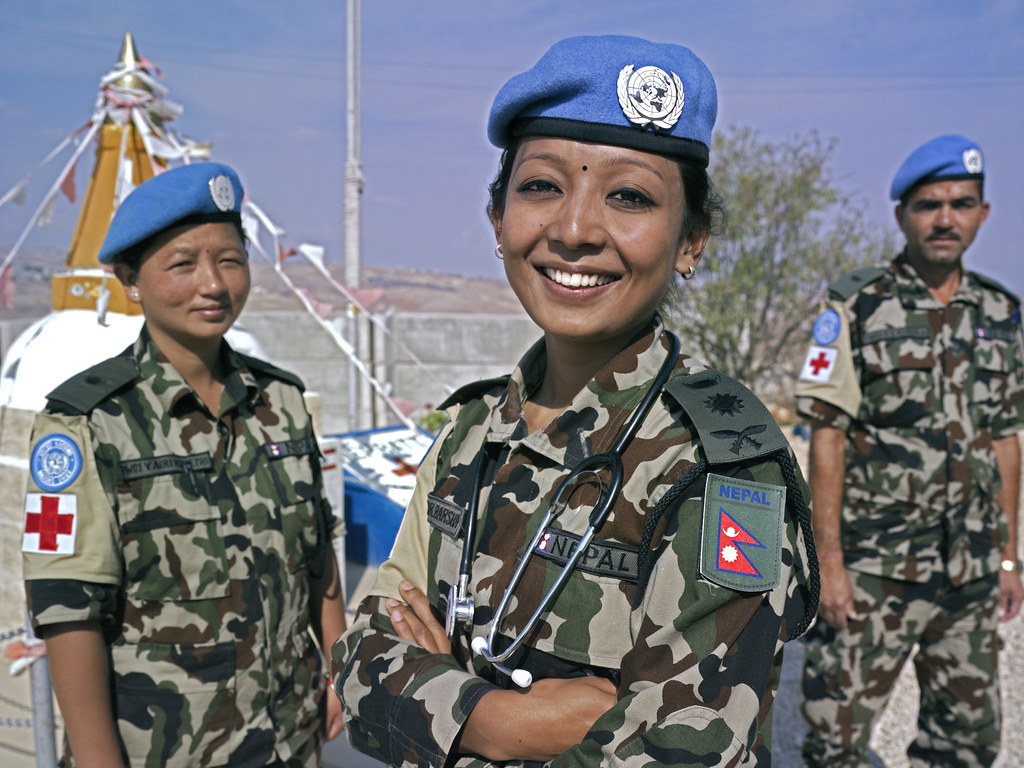
Peacekeeper Cpt. Dr. Barsha Bajracharya photographed with two of her nurses team mates at UN Post 8-30, Nepalese Headquarters, near the town of Shakra, South Lebanon. October 10, 2012 (C) Pasqual Gorriz/UNIFIL

To be successful, UN peacekeeping operations need to have clear objectives, but such objectives cannot be set by the force commanders themselves. Peacekeeping forces are temporary measures that should give time for political leaders to work out a political agreement. The parties in conflict need to have a sense of urgency about resolving the conflict. Without that sense of urgency, peacekeeping operations can become eternal as they have in Cyprus and Lebanon.

UN forces are one important element in a peacemaker’s toolkit, but there needs to be a wide range of peacebuilding techniques available. There must be concerted efforts by both diplomatic representatives and nongovernmental organizations to resolve the conflicts where UN troops serve. Policemen, civilian political officers, human rights monitors, refugee and humanitarian aid workers and specialists in anthropology all play important roles along with the military. Yet non-military personnel are difficult to recruit.

In addition, it is difficult to control the impact of humanitarian aid and action as it ripples through a local society and economy because powerful factors in the conflict environment such as the presence of armed militias, acute political and ethnic polarization, the struggle over resources in a war economy will have unintended consequences.

As we honor the International Day of UN peacekeepers, we need to put more effort on the prevention of armed conflicts, on improving techniques of mediation, and creating groups which cross the divides of class, religion, and ethnicity.

Prof. René Wadlow is President of the Association of World Citizens.
En Colombie, la guerre contre la coca décime la terre et les espoirs de paix

In Being a World Citizen, Conflict Resolution, Current Events, Environmental protection, Human Rights, Latin America, NGOs, Social Rights, Solidarity, The Search for Peace, Track II, United Nations, World Law on May 16, 2021 at 8:23 PM

Par Bernard J. Henry

La Colombie vivra-t-elle un jour en paix ? Les événements actuels, la révolte sociale contre un projet de taxation du Président Ivan Duque qui l’a depuis abandonné, n’incitent qu’au pessimisme, dans un pays déjà longuement marqué par le conflit entre le Gouvernement et la rébellion des Forces Armées Révolutionnaires de Colombie – Armée du Peuple (Fuerzas Armadas Revolucionarias de Colombia – Ejército del Pueblo ; FARC-EP) ainsi que par le narcoterrorisme des grands cartels de la drogue comme ceux de Cali et de Medellín. Aucune comparaison possible entre les trois, certes – mais seul le résultat compte.

Comme si déjà les affrontements entre êtres humains n’éprouvaient pas assez le pays, le Président Ivan Duque ouvre aujourd’hui un nouveau front, contre le dernier ennemi que devrait se donner quelque Etat que ce soit. Car la nouvelle ennemie de Bogota, c’est sa terre. Sa terre nourricière.

Coca veut-il toujours dire cocaïne ?

La déclaration de guerre, c’est le Décret 380, signé le 12 avril dernier par Ivan Duque et autorisant la reprise de la pulvérisation aérienne de glyphosate, herbicide produit au départ par la seule firme Monsanto sous la marque Roundup et dont le brevet appartient depuis 2000 au domaine public, pour l’éradication des cultures illicites. Sans surprise, c’est d’abord la coca qui est visée, et à travers elle, la culture de cocaïne. C’est oublier que cette plante, cultivée depuis plusieurs millénaires dans les Andes, représente bien davantage dans la culture locale.

Le mate de coca (C) Getty Images-iStockphoto

Jadis élément rituel des croyances incas de la Colombie jusqu’au Chili, toujours présentes dans les rites chamaniques, les feuilles de coca sont aujourd’hui consommées en infusion, le mate de coca. Elles sont riches en minéraux essentiels, en vitamines, en protéines et en fibres. Les âges leur ont aussi découvert des vertus médicinales contre le vertige, en anesthésiant, en analgésique ou en coagulant, leur taux élevé de calcium les ayant rendues tout aussi efficaces contre les fractures osseuses, parmi les nombreuses vertus que même la médecine moderne leur reconnaît.

C’est ainsi que la coca représentait, en 2012, 0,2% du Produit Intérieur Brut colombien. Mais de nos jours, pour Bogota, coca ne veut plus dire que cocaïne. Or, ce nom ne désigne pas forcément ce que l’on croit.

Sitôt le mot prononcé, «cocaïne» évoque une drogue dure. Or, ce n’est pas le sens premier du terme. La cocaïne est un alcaloïde, une substance parfaitement naturelle contenue dans les feuilles de coca. Elle est naturellement ingérée lorsque l’on consomme le mate ou, c’est son usage le plus courant, lorsque l’on en mâche les feuilles, comme le font les Andins depuis des milliers d’années. La coca agit ainsi comme un remède à la faim, la soif, la douleur ou la fatigue. Sous cette forme, elle ne crée aucune addiction.

Transformée en un produit stupéfiant, le chlorhydrate de cocaïne, puis «sniffée» en «rails», la cocaïne devient un psychotrope et crée une addiction particulièrement dangereuse sur le plan psychique. C’est là qu’elle devient une «culture illicite» car alimentant les économies des cartels mais aussi ceux de groupes paramilitaires, dont jadis les FARC-EP.

Le glyphosate de Monsanto, vendu sous la marque Roundup

Mais si la coca détient le problème, elle renferme aussi la solution. Pour les cocaïnomanes, la consommation des feuilles telles quelles, bénéfique et non addictive, offre un moyen de se désaccoutumer et guérir.

Bien que ne pouvant l’ignorer, pas plus qu’ignorer que de nombreuses communautés paysannes dépendent de la culture de la coca comme seul moyen d’existence, Bogota a décidé de l’éradiquer par la force, envoyant l’armée détruire cent trente mille hectares au risque même d’affamer sa population campesina et rallumer les feux mal éteints de la guerre civile.

Pour qui aurait cru que l’urgence sanitaire liée à la COVID-19, confinement compris comme dans tant d’autres pays du monde, aurait arrêté ou du moins suspendu les ambitions guerrières gouvernementales, comme la société civile colombienne qui demandait une suspension, peine perdue. Au moins sept départements colombiens ont vu l’armée mener pendant ce temps-là sa guerre à mort contre la coca. Une guerre d’autant plus inquiétante que le front en est proche, par trop proche, de celui de l’ancienne guerre contre les FARC-EP.

FARC-EP : Un accord de paix en danger

Dans les années 1980, dernière décennie de la Guerre Froide, donc du système international de Droits Humains antérieur à la Conférence de Vienne en 1993, plusieurs groupes d’opposition armés avaient été identifiés à travers le monde comme violateurs des Droits Humains au même titre que les gouvernements, parfois le gouvernement même qu’ils entendaient combattre. Parmi eux, les Khmers Rouges au Cambodge, le Parti des Travailleurs du Kurdistan (PKK) en Turquie, le Sentier Lumineux (Sendero Luminoso) au Pérou et, en Colombie, les FARC-EP.

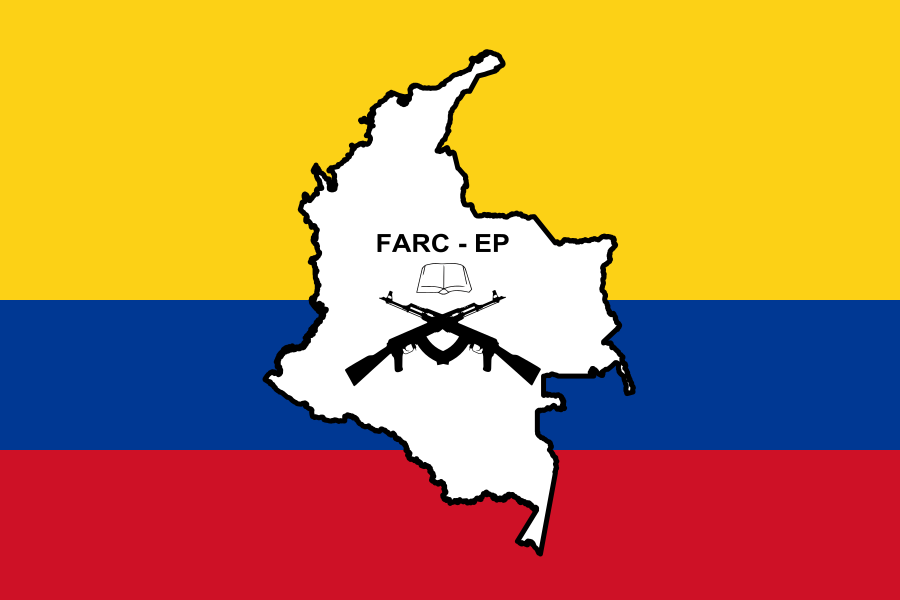
L’emblème des FARC-EP

Pur produit de la Guerre Froide, apparues en 1964, les FARC-EP présentaient une idéologie marxiste-léniniste, prônant un système agrarien et anti-impérialiste en Colombie. Composées de plusieurs dizaines de milliers d’hommes et de femmes, les FARC-EP usaient de techniques militaires variées mais aussi du terrorisme, à l’image de l’ETA au Pays basque espagnol qui les soutenait ouvertement. Leur économie de guerre se fondait sur l’extraction minière illégale, le racket économique, l’enlèvement contre rançon – ainsi de la Sénatrice Ingrid Betancourt en 2002, qui demeura leur otage jusqu’en 2008 – et le trafic de stupéfiants.

En mars 2008, le décès du leader des FARC-EP Manuel Marulanda Vélez marqua un tournant dans l’histoire du groupe armé. Les désertions se multiplièrent et, bien que poursuivant leurs attaques terroristes contre la police, l’armée et le secteur de l’énergie, des FARC-EP jadis redoutables apparurent désormais craintives et fatiguées.

Un processus de paix fut lancé qui aboutit, en juin 2016, à la signature d’un cessez-le-feu entre le Président Juan Manuel Santos et les FARC-EP à La Havane. En août, Santos annonça un accord de paix formel, qu’il soumit à référendum en octobre mais qui fut rejeté de peu par l’électorat. Le mois suivant, un accord révisé fut signé puis finalement ratifié. Un an après le cessez-le-feu, en juin 2017, les FARC-EP prononcèrent leur dissolution en tant que groupe armé, remettant leur armement aux équipes des Nations Unies sur place et devenant, comme le prévoyait l’accord de paix, un parti politique.

Quelques milliers d’irréductibles poursuivirent la lutte armée et le trafic de drogue. En août 2019, plusieurs leaders des anciennes FARC-EP annoncèrent à leur tour y revenir, bientôt mis hors d’état de nuire par les troupes colombiennes. L’accord de paix perdura donc, dont les quatre premiers points montraient une volonté concrète de combattre à la fois le conflit et ses causes originelles – une réforme rurale exhaustive, la participation politique des membres des anciennes FARC-EP, une fin définitive des affrontements et, en Point 4, une «solution aux drogues illicites».

Un rapport parlementaire colombien rendu l’an dernier montrait que, si la culture du coca était en recul, non moins de quinze mille hectares ayant été perdus en un an, celle de cocaïne connaissait en revanche un regain de 15%. Peu surprenant dans la mesure où les solutions prévues par l’accord de paix, l’éradication manuelle et la mise en place de cultures de substitution, ont été largement ignorées par les autorités. Écarter ainsi les accords conclus et les solutions de bon sens qui les composent, c’était offrir un boulevard aux tenants du glyphosate, parmi lesquels le Ministre de la Défense Carlos Holmes Trujillo, qui ont donc fini par l’emporter.

Outre la santé, l’économie et l’écosystème des communautés campesinas, et malgré la victoire militaire sur la tentative de résurgence armée d’une partie des FARC-EP, le glyphosate met donc bel et bien en danger y compris l’accord de paix lui-même, au mépris de l’ancien groupe armé et de ses efforts vers la paix, mais aussi des décisions judiciaires et, rien de moins, des recommandations internationales.

La justice colombienne et l’ONU l’avaient dit

Une première fois pourtant, la Colombie avait mis fin à la pulvérisation aérienne. En 2015, l’impact avéré de cette pratique sur l’environnement et les Droits Humains, notamment le droit à la santé, avait amené Bogota à renoncer à en faire usage. Deux ans plus tard, c’était la Cour constitutionnelle (Corte Constitucional) qui se saisissait du sujet et se prononçait en son Arrêt T-236-17.

Pour la juridiction suprême, le glyphosate était indubitablement une substance toxique à même d’entraîner diverses maladies, dont le cancer. Elle ordonnait ainsi que la pulvérisation aérienne ne soit utilisée qu’en dernier ressort, après l’échec de toute substitution volontaire ou éradication manuelle. Et surtout, la Cour, sortant du pur plan agricole ou scientifique, investissait aussi le champ politique en appelant le Gouvernement à résoudre le problème en tenant compte du Point 4 des Accords de Paix avec les FARC-EP. Mais faute d’application crédible des programmes de substitution volontaire, bien que ceux-ci soient un pilier des accords de paix, il leur a été préféré l’éradication forcée.

L’ONU elle-même s’en est indignée et le 17 décembre dernier, dix de ses experts indépendants écrivaient à Ivan Duque en lui demandant de renoncer à la pulvérisation aérienne, porteuse « d’énormes risques » pour l’environnement mais aussi d’une possible atteinte aux engagements internationaux colombiens en matière de Droits Humains. Appel donc resté lettre morte.

La pulvérisation aérienne au glyphosate en action

Sans paix avec la terre, aucune paix pour l’avenir

Avec Carlos Holmes Trujillo, la «ligne dure», sans mauvais jeu de mots sur la cocaïne au demeurant, a gagné. Qu’importe si, à cause d’elle, des Colombiens vont se trouver démunis, et/ou malades, qu’importe si l’écosystème se trouve irrémédiablement endommagé, qu’importe si la terre devient stérile. Leur guerre totale contre d’anciens ennemis qu’ils veulent soumis plus que partenaires a dégénéré en guerre contre la terre colombienne elle-même, la Pachamama, «Terre-Mère» comme la désigne la cosmogonie andine depuis des temps anciens où, déjà, l’on mâchait la coca.

A l’instar d’autres organisations non-gouvernementales, l’Association of World Citizens (AWC) a pris attache avec le Gouvernement colombien en demandant que le Président Ivan Duque renonce à la pulvérisation aérienne de glyphosate, au profit des solutions préconisées par l’accord de paix avec les FARC-EP, éradication manuelle et substitution volontaire, telles que les demande aussi la Cour constitutionnelle.

«A moins d’étendre le cercle de sa compassion à tout ce qui vit, l’homme ne pourra lui-même trouver la paix», disait Albert Schweitzer, auteur du concept de Révérence envers la Vie et lui-même référence naturelle de l’AWC. Le drame colombien du glyphosate illustre on ne peut mieux cette pensée. Heureusement, il n’est pas trop tard.

Bernard J. Henry est Officier des Relations Extérieures de l’Association of World Citizens.

Appel Urgent à Cesser la Violence dans la Région de Jérusalem et Gaza

In Being a World Citizen, Conflict Resolution, Current Events, Human Rights, Humanitarian Law, Middle East & North Africa, NGOs, Solidarity, The Search for Peace, Track II, War Crimes on May 13, 2021 at 2:01 PM

L’Association of World Citizens, qui s’emploie à mettre fin aux conflits armés par des négociations de bonne foi, adresse un Appel Urgent à toutes les parties pour mettre fin à la violence dans la région de Jérusalem et Gaza. Dans cette situation hautement inflammable, tout instant ouvre la voie à une montée du conflit. La violence peut entraîner une violence encore plus importante et s’étendre à d’autres endroits encore, une indication en étant les récentes violences dans la ville de Lod.

L’Association of World Citizens en appelle à toutes les parties afin de s’abstenir de toute action provocatrice. Comme le disait le Citoyen du Monde et psychologue Bruno Bettelheim, «La violence est le comportement de quelqu’un d’incapable d’imaginer d’autres solutions aux problèmes qui se présentent». En conséquence, l’Association of World Citizens en appelle à une pensée créatrice pour trouver de nouvelles approches en vue d’une vie en commun coopérative et harmonieuse entre Israéliens et Palestiniens.

Le Professeur René WADLOW est Président de l’Association of World Citizens.
Urgent Appeal to Halt Violence in the Jerusalem-Gaza Area

In Being a World Citizen, Conflict Resolution, Current Events, Human Rights, Humanitarian Law, Middle East & North Africa, NGOs, Solidarity, The Search for Peace, Track II, War Crimes on May 13, 2021 at 2:01 PM

The Association of World Citizens, devoted to ending armed conflicts through negotiations in good faith, addresses an Urgent Appeal to all parties to halt violence in the Jerusalem-Gaza area. In this highly inflammatory situation, there can be an escalation to the conflict at any point. Violence can lead to ever greater violence and can spread to other areas, an indication of which is the recent violence in the city of Lod.

The Association of World Citizens calls upon all parties to refrain from provocative action. As World Citizen and psychologist Bruno Bettelheim wrote, “Violence is the behavior of someone incapable of imagining other solutions to the problems at hand.” Therefore, the Association of World Citizens calls for creative thinking for new approaches to cooperative and harmonious living together of Israelis and Palestinians.

Prof. René Wadlow is President of the Association of World Citizens.