The Official Blog of the

Archive for the ‘Europe’ Category

BOOK REVIEW: David Cortright, “Peace: A History of Movements and Ideas”

In Current Events, Solidarity, Conflict Resolution, The Search for Peace, Being a World Citizen, Europe, NGOs, Track II, Peacebuilding, Book Review on January 6, 2026 at 8:00 AM

By René Wadlow

David Cortright, Peace: A History of Movements and Ideas

Cambridge: Cambridge University Press, 2008, 376pp.
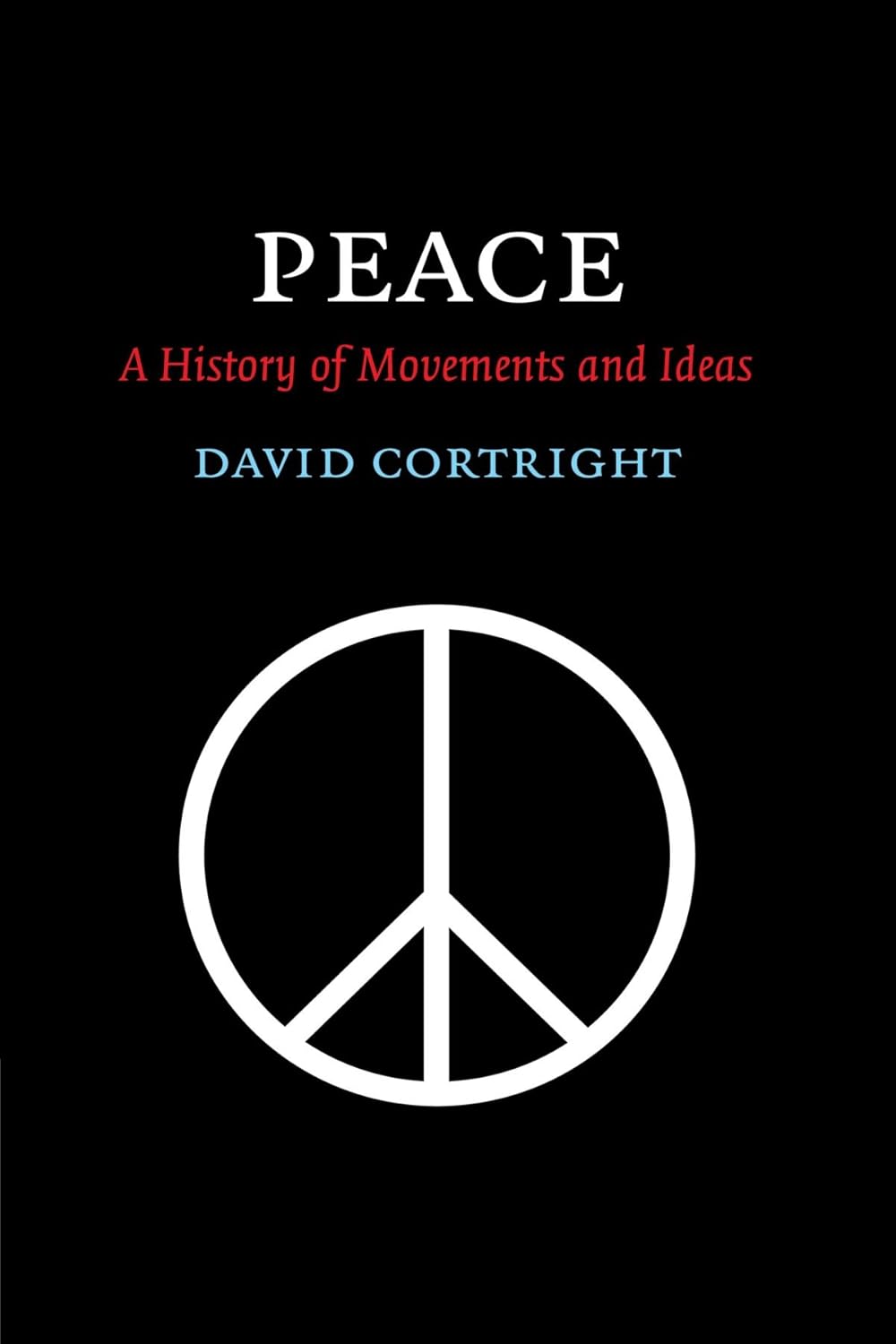
Peacemaking has always been an art rather than a science. As with painting, there is a pallet with a range of colors, and it is up to the artist to know how to combine these colors, sometimes in pure form and at other times mixed together to paint a picture, sometimes of a peaceful field and at other times a scene of revolt. David Cortright, Director of Policy Studies at Notre Dame’s Kroc Institute for International Peace Studies and an activist especially on nuclear arms issues, has set out a clear and up-to-date history of the ideas and movements that make up the colors on the peace pallet. While the book has been out for some time, I review it now as a first-rate overview of peace efforts and ideologies.

As with colors in art, there are a limited number of ideas which can be used, sometimes alone and sometimes in combinations. Likewise, there are a limited number of people in the peace brigades, and they are usually found in different campaigns, often the same people in different uniforms. Open conflicts provide us with test cases of how ideas concerning peace and conflict resolution can be put together, and we see how the peace brigades will form themselves to meet the challenge.

Cartright gives us a good overview of the development of nineteenth century peace societies. They were born in the USA and England from the success of collective action against slavery and the slave trade. If the age-old institution of slavery could be abolished by a combination of law, religious concern and changing public opinion, could not war be abolished in the same way? Religious-motivated action, work to influence public opinion, and legal restraints on war have continued to be the chief colors of the peace pallet.

The Hague Peace Conferences of 1899 and 1907 were milestones in the development of world law, of faith in the power of mandatory arbitration, and for the need of world courts. The Hague legal spirit was most prominently displayed slightly later by President Woodrow Wilson who had long espoused arbitration, the strengthening of international law and multilateral cooperation. The League of Nations and the United Nations are the embodiment of the Wilsonian vision. As H.G. Wells wrote in The Shape of Things to Come, “For a brief interval Wilson stood alone for humankind…in that brief interval there was a very extraordinary and significant wave of response to him throughout the earth.”

Wilson remains the ‘father figure’ of peace through law and multilateral governmental action just as Mahatma Gandhi does for nonviolent action. As Martin Luther King Jr. wrote, “Gandhi was probably the first person in history to lift the love ethic of Jesus above mere interaction between individuals to a powerful and effective social force on a large scale.”

Peace efforts require images for a complex set of ideas, and Wilson and Gandhi provide that image of the heroes of peace. Wilson and Gandhi represent the two steady sources of inspiration for peace workers — those working for the rule of law and human rights and those working to translate religious insights into political action. It is not always easy to get the two traditions to work together.

As Cortright notes, “In May 1999, nearly 10,000 peace advocates from around the world gathered in Holland for the Hague Appeal for Peace, one of the largest citizen peace conferences in history…The 1999 Hague Appeal was intended to launch a new era of citizen-initiated peacemaking. As preparations for the conference took place, however, NATO forces launched a bombing campaign against Serbia to force its withdrawal from Kosovo. While the official conference proceedings unfolded, hundreds of activists gathered in basement conference rooms for impromptu sessions to debate the pros and cons of NATO intervention. It was a heated discussion in which colleagues who had worked together for disarmament in the 1980s found themselves on opposite sides of the question of intervention in Kosovo”.

Today, as the conflicts in Syria and Iraq, as well as with the Islamic State (ISIS) terrorist group, grow in intensity and spill over to influence Turkey and Lebanon, we face many of the same issues that faced peace workers in the conflicts of former Yugoslavia: what are the sources of legitimate government and when does a government cease to be legitimate? Is there really a ‘duty to protect’ and when does this duty become only a cover for power politics as usual? How do peace workers act in “far-away places” in which both legal and moral issues are not clear.

Peace remains a painting in process; the colors are often the same, the shapes painted change. David Cortright has given us a good history, but there are no ‘how to’ guides for action.

Prof. René Wadlow is President of the Association of World Citizens.
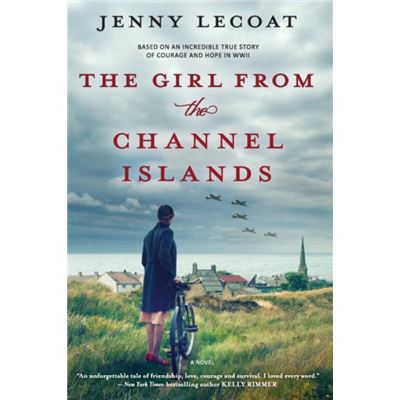
BOOK REVIEW: Jenny Lecoat, “The Girl from the Channel Islands”

In Antisemitism, Being a World Citizen, Book Review, Europe, Fighting Racism, Human Rights, Literature, Middle East & North Africa, Solidarity, Spirituality, War Crimes, World Law on January 5, 2026 at 8:00 AM

By Raphael Cohen-Almagor

Jenny Lecoat, The Girl from the Channel Islands.
New York: Graydon House, 2021, 304pp.

It is hard to stay human when wolves rule your world. It is harder still to hold on to your values when those very values might cost you your life. Most people, when faced with terror and deprivation, bend to the wind of fear. Compassion becomes a luxury, conscience an inconvenience. They retreat into the narrow shelter of survival.

But now and then, there are exceptions—rare, luminous moments when the human spirit refuses to break. Jenny Lecoat’s Hedy’s War tells one such story: a story of love and courage that endures amid the ruins of occupied Europe.

The novel is based on true events that unfolded on the island of Jersey during the Nazi occupation. Hedy, a Jewish woman who fled Vienna in search of safety, finds herself trapped once more under Nazi rule, this time on British soil. The irony is cruel, almost unbearable. And yet, against all odds, kindness finds her.

Anton, a man the regime calls Aryan, sees beyond race and propaganda. To him, Hedy is not an enemy or an inferior being but a friend—someone worth risking his life for. Dorothea, a local Jersey woman, shares his instinctive decency. She befriends Hedy not out of ideology but from an uncalculated sense of humanity, a natural warmth that refuses to be extinguished by fear.

Then comes Kurt, a German officer, who is drawn to Hedy’s quiet strength and beauty without knowing her origins. When the truth is revealed, he feels betrayed not by her identity, but by the lie their world demands they live. He rejects the Nazi myth of blood and purity, and instead chooses love—a dangerous, almost impossible act in his position.

Together, these three—Anton, Dorothea, and Kurt—form a fragile circle of protection around Hedy. They risk everything for her, defying a regime built on suspicion and cruelty. That she survived at all is a miracle; that she did so because of their compassion is a testament to the stubborn endurance of the human heart.

Hedy’s War is, above all, a story about moral clarity in an age of confusion. It reminds us that decency can survive even in the shadow of atrocity, that friendship and love can outlast the machinery of hate.

Hedy’s story is rare—precisely because most did not act this way. Most looked away, stayed silent, survived by doing nothing. But this book honours those who did not. It pays tribute to the small, unrecorded acts of goodness that saved lives, and to the few who kept their humanity when the world around them had lost its soul.

Jenny Lecoat captures, with quiet strength, the moral choices of ordinary people confronted by extraordinary evil. Her novel reminds us that even in an age of darkness, there were those who defied hatred, who chose decency over obedience, and love over fear. Lecoat writes with restraint and grace, allowing the quiet heroism of her characters to shine through the fog of occupation.

A moving and deeply humane story of courage, compassion, and moral integrity sustained against impossible odds.

Dorothea Weber who hid Hedwig Bercu from German forces occupying Jersey was posthumously awarded the “Righteous Among the Nations” honour for showing “extraordinary courage” during the holocaust.

The True Story Behind Hedy’s War

Hedwig Bercu (1919–2018) was an Austrian Jewish woman who fled Vienna after the Nazi annexation in 1938. She found refuge on the British island of Jersey, hoping to rebuild her life far from persecution. But in 1940, the Nazis invaded the Channel Islands—the only British territory they would occupy during the war.

Hedwig, known to her friends as Hedy, was trapped once more under Nazi rule. She worked as a translator for the German authorities, her fluency in languages allowing her a precarious survival. When her Jewish identity was discovered, she faced arrest and likely deportation to a concentration camp.

It was then that Dorothea Le Brocq (later Weber), a young local woman who worked with her, chose to act. Defying the occupation authorities, Dorothea and her future husband, Anton Weber, a German soldier disillusioned with the regime, hid Hedy in their home in St Helier. For eighteen months, the couple risked their lives daily to protect her.

Several accounts also identify Kurt Newmann, a German officer stationed on the island, as a further — and deeply complicating — presence. Reportedly drawn to Hedy’s intelligence and dignity, Newmann rejected the racial doctrines he was ordered to enforce. His attitude, whether motivated by conscience, love, or both, ultimately translated into intervention at critical moments: misdirecting inquiries, softening official scrutiny, and risking censure for showing leniency. Where many officers obeyed doctrine, Newmann’s conduct — as reported — helped enlarge the circle of protection around Hedy.

Hedy lived in a secret space within their house, emerging only at night. Neighbours suspected nothing. Dorothea and Kurt brought her food and company, while Anton used his position within the occupying forces to divert attention and suspicion. Their courage was not just an act of resistance—it was an act of profound humanity.

When liberation finally came in 1945, Hedy survived, against all odds. Her story remained largely untold for decades, overshadowed by the larger tragedy of the Holocaust. But her survival, thanks to Dorothea and Anton, stands as one of the Channel Islands’ most remarkable accounts of friendship and moral courage under occupation.

In 2016, Yad Vashem recognised Dorothea Weber as Righteous Among the Nations for saving Hedy Bercu—a belated but deeply deserved honour.

Jenny Lecoat’s novel Hedy’s War (2020) fictionalises this true story, capturing its emotional depth and moral resonance. Lecoat herself grew up in Jersey, the daughter of islanders who lived through the occupation, giving her account both intimacy and authenticity.

Prof. Raphael Cohen-Almagor is an Israeli-British academic.

BOOK REVIEW: Giles Milton, “The Stalin Affair: The Impossible Alliance That Won the War”

In Being a World Citizen, Book Review, Democracy, Europe, Fighting Racism, The former Soviet Union on January 5, 2026 at 8:00 AM

By Raphael Cohen-Almagor

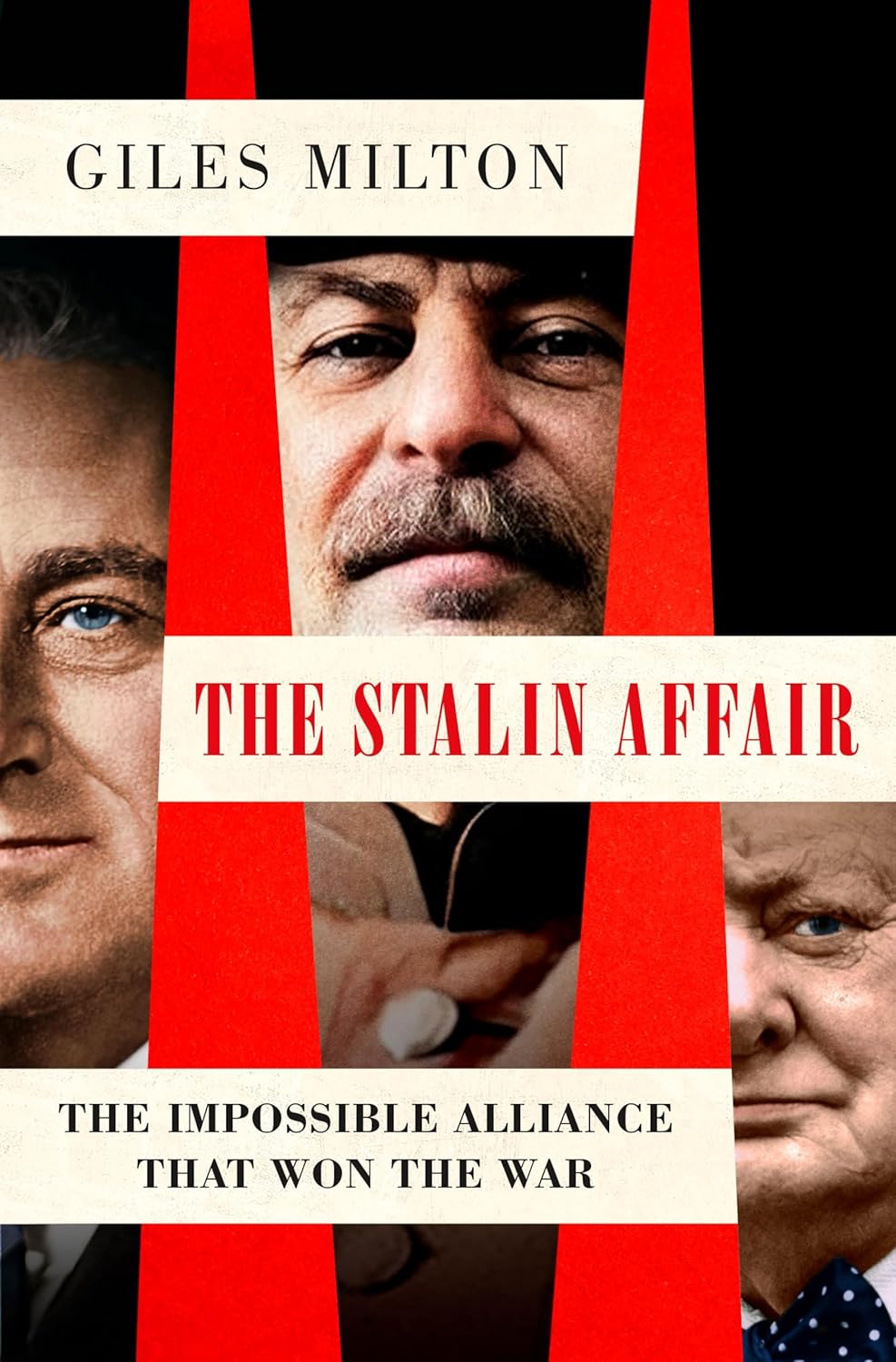
Giles Milton, The Stalin Affair: The Impossible Alliance That Won the War.
New York: Henry Holt and Co., 2024, 336pp.

This is a gripping narrative of the uneasy partnership between Churchill, Roosevelt and Stalin during World War II. Drawing on unpublished diaries, letters, and secret reports, Milton reveals how a diverse cast of diplomats and political figures—including U.S. billionaire envoy W. Averell Harriman, his charming daughter Kathy and Archibald “Archie” Clark Kerr, the British ambassador to the Soviet Union—worked to manage Stalin’s volatile temperament and secure Soviet cooperation against Hitler.

The book explores how Churchill, despite his deep mistrust of Stalin, recognized the strategic necessity of alliance after Hitler’s invasion of the Soviet Union. It also details the internal resistance in both Britain and the U.S., where many preferred isolationism or hoped the two dictators would destroy each other. The turning point came with Japan’s attack on Pearl Harbor and Hitler’s declaration of war on the United States, forcing a reluctant unity.

The book is filled with many small stories, impressions, romantic affairs and anecdotes that shed light on historic events and on the personalities of the three leaders who came together to fight Nazism – Churchill out of conviction, Stalin as a result of Hitler’s betrayal, and Roosevelt due to the Japanese surprise attack on the American navy in Hawaii. The colourful descriptions are captivating. Of particular interest is the story of Churchill’s “naughty document”. Officially known as the Percentages Agreement, this informal pact was struck between Winston Churchill and Joseph Stalin during the Fourth Moscow Conference in October 1944. On a simple scrap of paper, Churchill proposed dividing postwar influence in Eastern Europe by percentages—essentially carving up the region into spheres of control. The document suggested to divide post-war countries between the Soviet Union and Britain, behind Roosevelt’s back. The countries and percentages were: Romania: 90% Soviet, 10% others; Greece: 90% British (in accord with the U.S.), 10% Soviet; Yugoslavia: 50/50; Hungary: 50/50, and Bulgaria: 75% Soviet, 25% others. Churchill famously referred to it as his “naughty document” because he knew how blunt and imperialistic it appeared. He even remarked that the Americans would be “shocked” by its crudeness. Stalin reportedly ticked the paper in approval, and the agreement was honoured in some cases—most notably in Greece, where Britain retained dominant influence even during civil unrest. The document was later published in Churchill’s memoirs and has since become a symbol of the realpolitik that shaped the postwar order.

Milton paints vivid scenes of nervous negotiations, clashing personalities, festive dinners and the fragile diplomacy that held the alliance together long enough to defeat Nazi Germany—though it ultimately could not survive the postwar tense reality. The book offers both sweeping historical insight and intimate character studies, making it a compelling read for anyone interested in the political complexities behind wartime strategy.

Prof. Raphael Cohen-Almagor is an Israeli-British academic.

Helsinki Process: Need for Renewal

In Being a World Citizen, Conflict Resolution, Current Events, Europe, Human Rights, NGOs, OSCE, Peacebuilding, Solidarity, The former Soviet Union, The Search for Peace, Track II, UKRAINE, World Law on August 28, 2025 at 6:00 PM

By René Wadlow

The difficulties to begin negotiations on an end to the Russia-Ukraine armed conflict has highlighted the need for a renewal of the Helsinki process of Pan-European dialogue and action. The Helsinki process which began in 1973 led over time to the creation of the Organization for Security and Cooperation in Europe (OSCE).

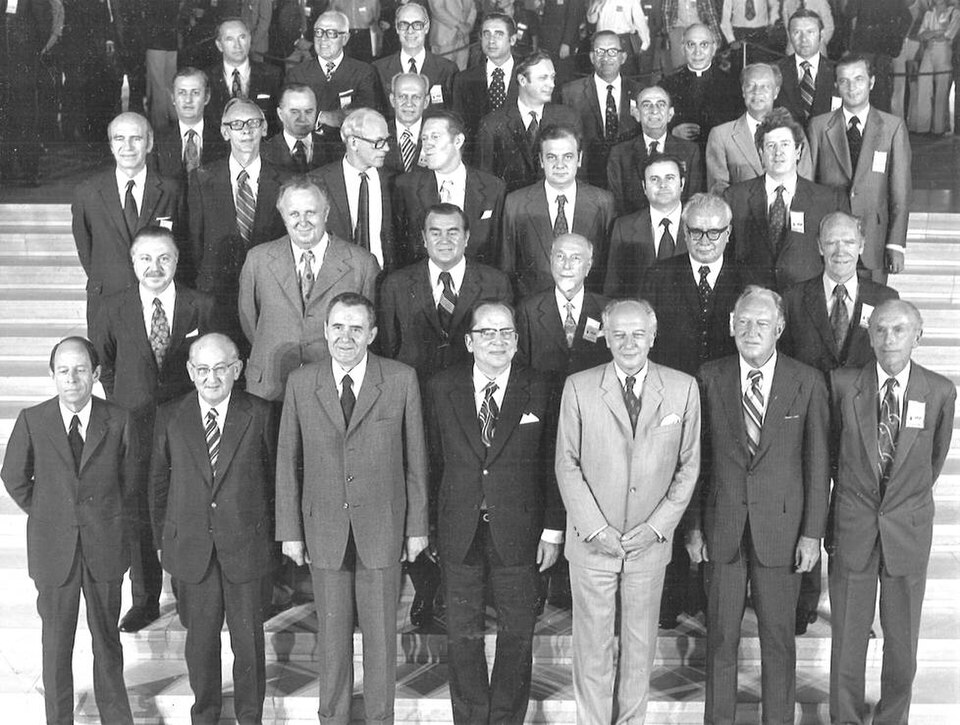
Government leaders met in Helsinki in July 1973, sensing a need for some form of permanent discussion on European security issues beyond the ad hoc meetings among some states, which was then the current pattern. From September 1973 to July 1975, the discussion on structures and efforts to be undertaken moved to Geneva and was carried out by diplomats stationed there. Although the representatives of Nongovernmental Organizations (NGOs) were not asked to participate, many of us who were NGO representatives to the United Nations in Geneva knew the European diplomats involved and were able to make suggestions as to the priorities – human rights and arms control.

The foreign ministers taking part in the CSCE conference in Helsinki in 1973 (C) Pentti Koskinen

In August 1975, the Geneva discussions terminated, the government leaders met again in Helsinki and signed the Helsinki Agreement. Relatively quickly, a series of meetings on crucial topics was organized, often in Geneva. NGO representatives were invited to participate and played an important role in developing confidence-building measures.

Although there were tensions among OSCE states in the past such as the Soviet intervention in Afghanistan in 1979 and the martial law crackdown in Poland, the divisions were never as strong as they are today, linked to the Russia-Ukraine conflict. The OSCE has been weakened, and some see a death sentence in a near future. Thus, there is a need for a renewal of the OSCE and a revival of the Helsinki spirit. Non-governmental organizations may have to take a lead, given the current governmental divisions.

Members of the OSCE’s Special Monitoring Mission deployed in eastern Ukraine (C) OSCE Special Monitoring Mission to Ukraine

In the 1980s, NGOs had played an important role in “détente from below” in creating opportunities for discussions among activists from Eastern and Western Europe. Today we must find avenues of action to meet the current complex and dangerous situation. Representatives of the Association of World Citizens have participated in meetings of the OSCE and will be active in this renewal process.

Prof. René Wadlow is President of the Association of World Citizens.
Dangerous Arms Control Withdrawal

In Being a World Citizen, Conflict Resolution, Current Events, Europe, Human Rights, Humanitarian Law, International Justice, NGOs, Peacebuilding, Solidarity, The Search for Peace, Track II, United Nations, World Law on April 7, 2025 at 6:30 AM

By René Wadlow

Early April 2025, Finland’s Prime Minister announced the state’s intention to withdraw from the 1997 Convention on the Prohibition of Anti-Personnel Mines, called for short the Ottawa Convention – reflecting the vital role that Canada played in its creation.

The Convention, which came into force on March 1, 1999, prohibits the use, production, stockpiling, and transfer of anti-personnel landmines. Over the decades, such anti-personnel mines have caused civilian harm, often of children, long after the hostilities have ended as they can be set off many years after they have been placed. The Convention has also advanced mine clearing operations, thus significantly reducing landmine-related harm and bolstered assistance for survivors.

As of March 2025, 165 states have ratified or acceded to the Convention. However, some major military powers including the USA, China, the Russian Federation, India, and Pakistan are still outside the treaty. Given the armed conflict in Ukraine, some states which have a land frontier with the Russian Federation have also indicated that they have started a withdrawal process: Finland with 1,340 km of frontier with the Russian Federation, Estonia with 294 km, Latvia with 284 km, Lithuania with 297 and Poland with 232 km.

In the same spirit as the Landmine Convention, a combination of progressive states such as Norway and Ireland and a combination of Nongovernmental Organizations (NGOs) including the Association of World Citizens (AWC) worked for the creation of the Convention on Cluster Munitions which came into force in August 2010. This Convention bans the use, production, and transfer of cluster munitions and sets deadlines for stockpile destruction and clearance of contaminated land.

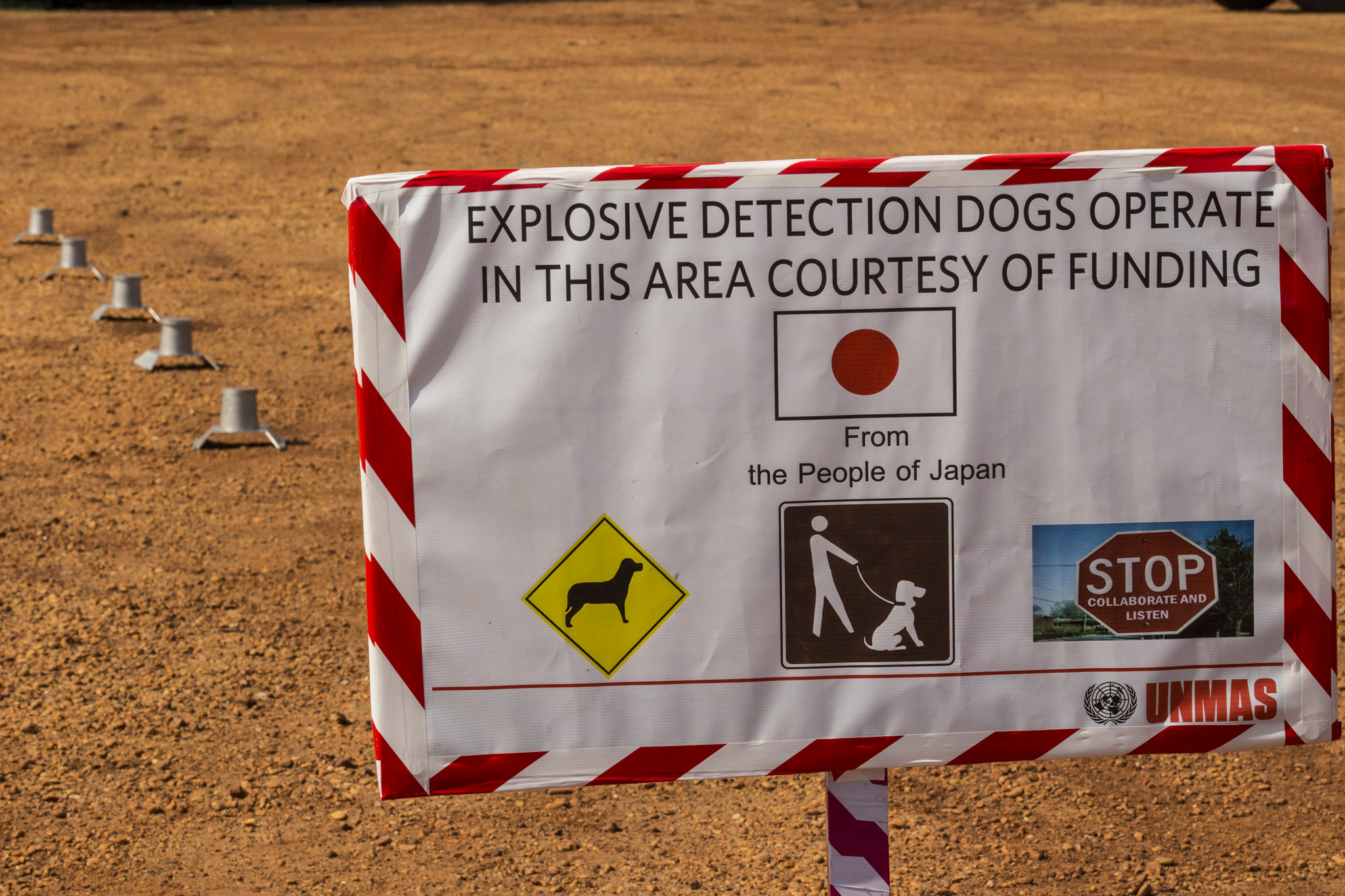
Landmines and explosive remnants of a war site in South Sudan (C) UNMISS

Cluster munitions are warheads that scatter scores of smaller bombs. Many of these sub-munitions fail to detonate on impact, leaving them scattered on the ground ready to kill or maim when disturbed or handled. Reports from humanitarian organizations and mine-clearing groups have shown that civilians make up the vast majority of the victims of cluster bombs, especially children attracted by their small size and often bright colors.

The issue of the indiscriminate impact of cluster bombs was raised by the representative of the Quaker United Nations (UN) Office in Geneva and by me for the Association of World Citizens, starting in 1979. (1) Many of the same NGOs active on anti-personnel mines were also active on the cluster bomb issue – a combination of disarmament and humanitarian groups.

The withdrawal of states from the Landmine Convention is a dangerous weakening of an important arms control effort. Thus, as Citizens of the World, we ask states tempted to withdraw from the Convention on Landmines to reconsider their position. We call upon the government of Canada to reaffirm its support for the Ottawa Convention.

Note

(1) See René Wadlow, “Banning Cluster Bombs: Light in the Darkness of Conflicts”, Journal of Humanitarian Medicine, Palermo, Italy, July-September 2010.

Prof. René Wadlow is President of the Association of World Citizens.
Citizens of the World Strive Against Rape as a Weapon of War

In Africa, Being a World Citizen, Children's Rights, Current Events, Europe, Human Rights, Humanitarian Law, International Justice, NGOs, Peacebuilding, Solidarity, Sudan, The Balkan Wars, The Search for Peace, Track II, United Nations, War Crimes, Women's Rights, World Law on March 8, 2025 at 6:45 PM

By René Wadlow

On March 6, 2025, the United Nations (UN) Children’s Fund (UNICEF) warned that many children in the conflicts among militias in Sudan are at risk of rape and other forms of sexual violence which are being used as weapons of war. In November 2024, the Association of World Citizens (AWC) had highlighted that rape was being used as a weapon of war in the Sudan conflicts and that strong counter measures are needed.

As Meredeth Turshen and Clotilde Twagiramariya point out in their book What Women Do in Wartime: Gender and Conflict in Africa (London: Zed Press, 1998),

“There are numerous types of rape. Rape is committed to boast the soldiers’ morale, to feed soldiers’ hatred of the enemy, their sense of superiority, and to keep them fighting; rape is one kind of war booty; women are raped because war intensifies men’s sense of entitlement, superiority, avidity and social license to rape; rape is a weapon of war used to spread political terror; rape can destabilize a society and break its resistance; rape is a form of torture; gang rapes in public terrorize and silence women and force them to flee homes, families and communities; rape targets women because they keep the civilian population functioning and are essential to its social and physical continuity; rape is used in ethnic cleansing; it is designed to drive women from their homes or destroy the possibility of reproduction; genocidal rape treats women as reproductive vessels to make them bear babies of the rapists’ nationality, ethnicity, race or religion, and genocidal rape aggravates women’s terror and future stigma, producing a class of outcast mothers and children – this is rape committed with consciousness of how unacceptable a raped woman is to the patriarchal community and to herself. This list combines individual and group motives with obedience to military command; in doing so, it gives a political context to violence against women, and it is this political context that needs to be incorporated in the social response to rape.”

The AWC first raised the issue of rape as a weapon of war in the UN Commission on Human Rights in March 2001 after the judgement of the International Criminal Tribunal for the Former Yugoslavia (ICTY) maintained that there can be no time limitation on bringing an accused to trial. The Tribunal also reinforced the possibility of universal jurisdiction – that a person can be tried not only by his national court but by any court claiming universal jurisdiction and where the accused is present.

As Citizens of the World, we need to have a peace-building approach which asks: How does a political conflict degenerate into pervasive mass violence, generating new crises and new forms of violent conflict in the future? Even after a war ends, the effects of sexual violence continue in the form of unwanted pregnancies, sexually transmitted infections, discrimination and ostracizing of victims and often lasting psychological damage. Thus, we must ask how a community pulls itself out from the cycle of violence and creates new attitudes to promote human dignity and develop new institutions of conflict resolution.

Prof. René Wadlow is President of the Association of World Citizens.
Russia-Ukraine Armed Conflict: Start of the Last Lap?

In Being a World Citizen, Conflict Resolution, Current Events, Europe, Human Rights, Humanitarian Law, NGOs, Peacebuilding, Refugees, Solidarity, The former Soviet Union, The Search for Peace, Track II, UKRAINE, United States, War Crimes, World Law on February 22, 2025 at 9:45 AM

By René Wadlow

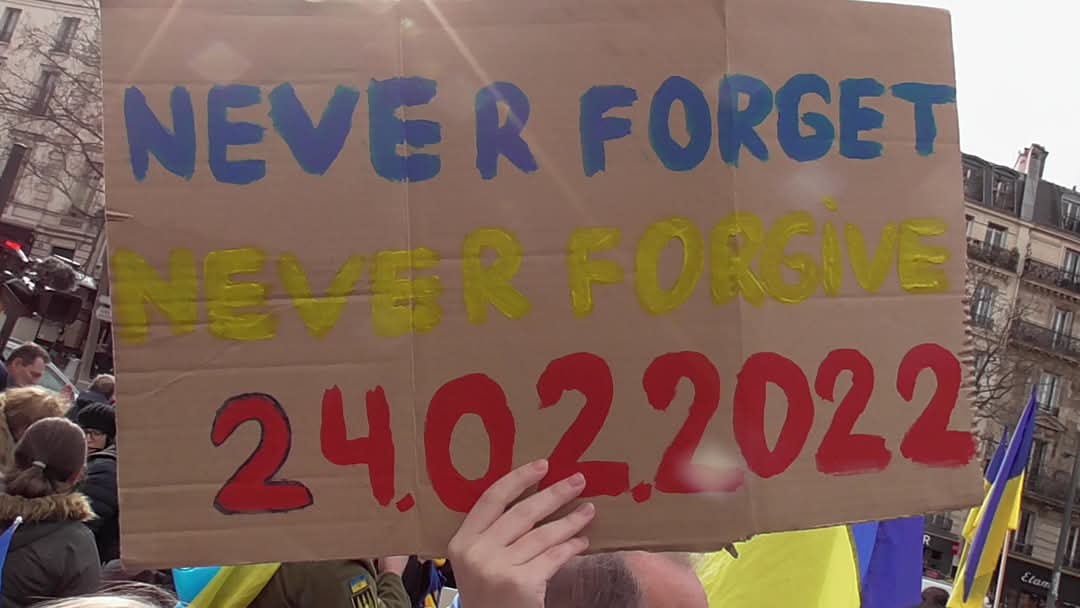
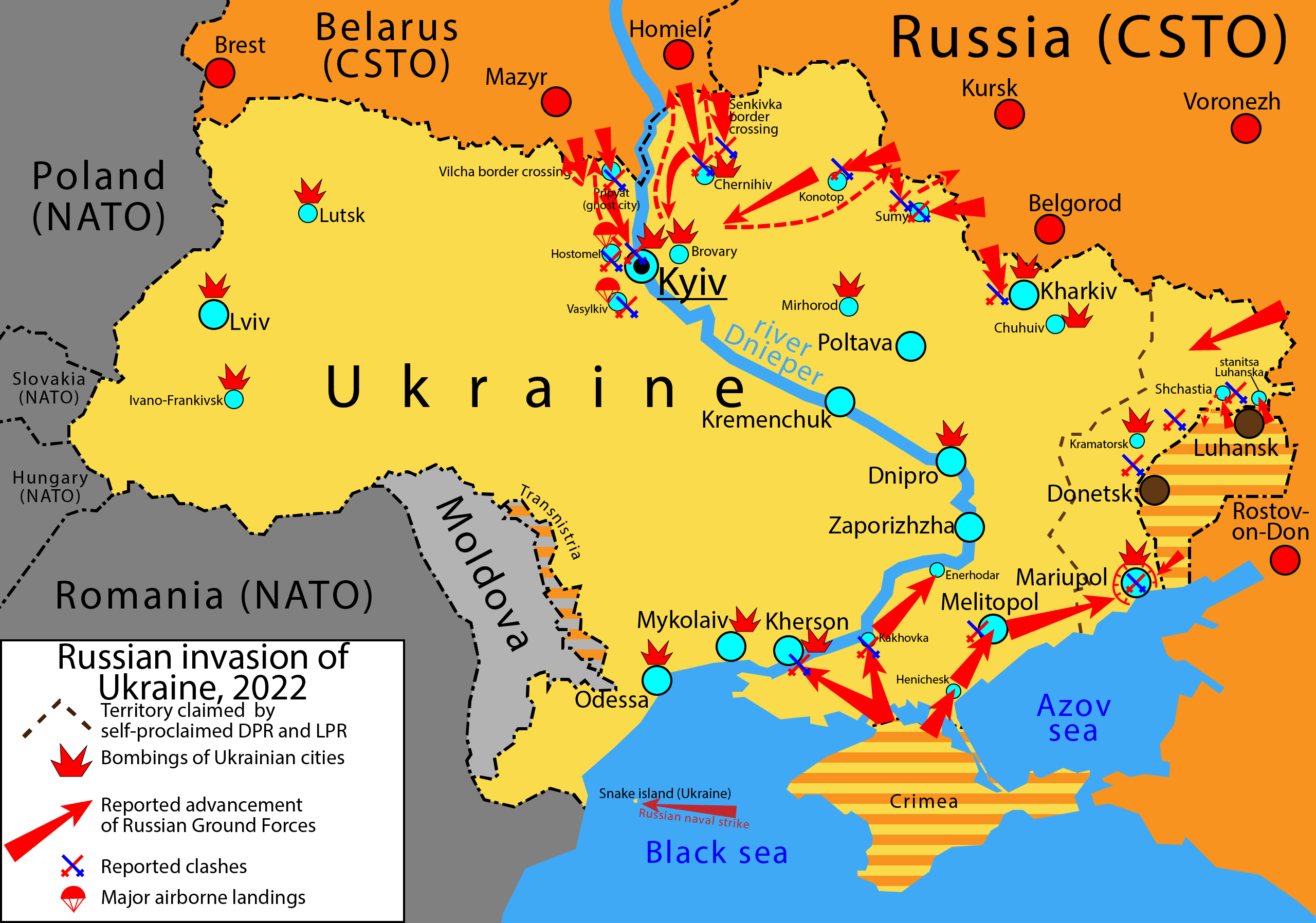
February 24 marks the anniversary of the start of the Russian “Special Military Operation” in Ukraine in 2022 which very quickly became a war with the large loss of life both military and civil, with the displacement of population, and a crackdown on opposition to the war. For three years, the war has continued, lap after lap. Although there were fears that the war might spread to neighboring countries, the fighting has been focused on Ukraine, and more recently on a small part of Russian territory attacked by Ukrainian forces. Can there be a realistic end to the armed conflict in sight?

On February 18, 2025, the United States (U.S.) Secretary of State, Marco Rubio, and the Russian Foreign Minister, Sergei Lavrov, met and discussed in part ending the armed conflict in Ukraine. They discussed a possible Putin-Trump summit that could be held in Saudi Arabia. Earlier, U.S. Army General Mark Milley had said, “There has to be a mutual recognition that military victory is probably, in the true sense of the word, not achievable through military means, and therefore, when there is an opportunity to negotiate, when peace can be achieved, seize it.”

However, the conflict is not one only between the USA and the Russian Federation; it also involves directly Ukraine. The Ukrainian President, Volodymyr Zelenskyy, has stressed strongly that the Ukraine government leadership wants to play a key role in any negotiations. Certain European countries such as France, Germany, Poland and Turkey have been involved in different ways in the conflict as well as in proposing possible avenues of negotiation to bring the conflict to an end. The bargaining process could be lengthy, but also it could be short as there is “handwriting on the wall.”

One key aspect concerns the fate of four Ukrainian areas “annexed” by Russia, Donetsk, Luhansk, Kherson, and Zaporizhzhia largely controlled by Russian troops. President Putin has said, “These regions had been incorporated by the will of the people into the Russian Federation. This matter is closed forever and is no longer a matter of discussion.” However, the status of Crimea and the Donetsk and Luhansk People’s Republics is at the core of what President Zelenskyy wants discussed.

(C) Homoatrox

“Made in War” is the mark of origin stamped upon nearly all States. Their size, their shape, their ethnic makeup is the result of wars. There are virtually no frontiers today that are not the results of wars: world wars, colonial struggles, annexations by victors, wars against indigenous populations. States were not created by reasonable negotiations based on ethnic or geographic characteristics. If frontiers can be modified only by the victors in wars, then there must be new imaginative transnational forms of cooperation. What is needed are not new frontiers but new states of mind.

From April 5 to 7, 2023, the President of France, Emmanuel Macron, was in China and urged that China could play a key role in bringing peace to the Russia-Ukraine conflict. President Xi Jinping had made a very general 12-point peace plan to resolve the Russia-Ukraine conflict – an indication that China is willing to play a peace-making role. China is probably the only country with the ability to influence Russian policymakers in a peaceful direction.

However, there are long historic and strategic aspects to the current armed conflict. Security crises are deeply influenced both by a sense of history and current perceptions. Thus, the Association of World Citizens (AWC) encourages the development of a renewed security architecture as was envisaged by the Helsinki Final Act and the creation of the Organization for Security and Cooperation in Europe (OSCE). There will be much to do to re-create an environment of trust and confidence that has been weakened by this conflict. Nongovernmental Organizations should play an active and positive role.

(C) Bernard J. Henry/AWC

Prof. René Wadlow is President of the Association of World Citizens.
Reestablishing a Europe-wide Security Zone

In Conflict Resolution, Current Events, Europe, NGOs, Solidarity, The former Soviet Union, The Search for Peace, Track II, UKRAINE, United Nations on June 23, 2024 at 7:00 AM

By René Wadlow

On June 15, 2024, Russian Federation Foreign Minister Sergey Lavrov stated that “Russia will not view Western European countries as possible partners for at least one generation. The acute phase of the military-political confrontation with the West continues and is in full swing.” He was echoed in an interview by Deputy Foreign Minister Sergey Ryabkov who said that NATO is “a group in which we feel not an ounce of trust, which triggers political and even emotional rejection in Moscow.”

It is likely that the two Sergeys express a view held by many governmental decision-makers in Moscow. Where they are wrong is that the world cannot wait for one generation to reestablish a Europe-wide security zone but most start now. Given current governmental preoccupations, it is likely that nongovernmental organizations must take the lead.

In the 1960s, the idea of a European security conference was launched by the USSR followed in 1966 by a proposal of the Warsaw Pact Organization. After a good deal of discussion and some modifications of policies, especially the West German Ostpolitik, it was decided to convene a Conference on Security and Cooperation in Europe. At the invitation of the Finnish government, multilateral preparatory talks began near Helsinki in November 1972. There were numerous preparatory aspects, especially the subjects of such a conference.

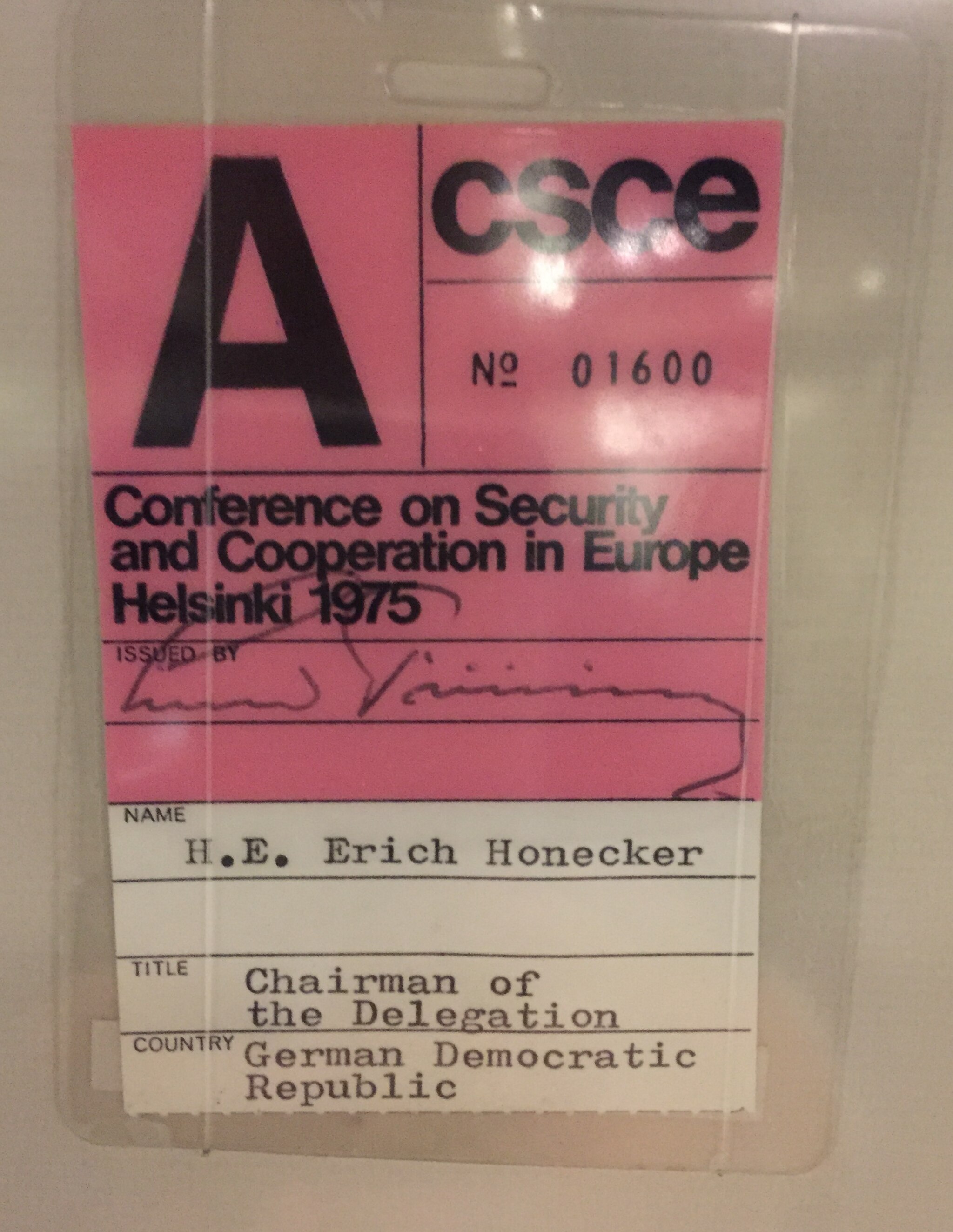
The admission card to the Conference for Security and Cooperation Meeting in Helsinki for Erich Honecker, the hardline Communist ruler of East Germany from 1971 to 1989
(C) Wikimedia Commons-HajjiBaba

Thus, the main issues of the conference were transferred for negotiation to Geneva, Switzerland to be undertaken by experts. During this period of negotiations in Geneva, nongovernmental organization (NGO) representatives in Geneva who were known for their activities at the United Nations (UN) were able to present proposals for possible consideration. The Association of World Citizens (AWC) was particularly active in presenting ideas on the resolution of conflicts and the possible use of arbitration as an appropriate means of dispute settlement. The Helsinki process later created an arbitration body in Geneva, but it is little used. The Association was also active with other NGOs in what was called the “human dimension” of the Helsinki agreement. The conference had deliberately not used a human rights vocabulary. The extensive participation of nongovernmental representatives is recognized in the text of the Final Act and encouraged to continue. The results of the Geneva negotiations led to the signature of the Final Act in Helsinki on August 1, 1975.

Today, it is likely that the Russia-Ukraine conflict starting with the 2014 annexation of Crimea has ended the effectiveness of the Organization for Security and Cooperation in Europe (OSCE). Thus, in many ways, we are “back to square one” in the organization of a Europe-wide security zone with many more States to be involved due to the breakup of the Soviet Union and Yugoslavia. There is also the issue of what has been called “The Phantom Republics”: Abkhazia and South Ossetia in Georgia, Transnistria in Moldova, Kosovo, formerly part of Serbia, and the disputed Donetsk and Luhansk People’s Republics in Ukraine. These are “ministates” economically fragile, potentially manipulated by more powerful States but which will not be reintegrated into their former State even if granted significant autonomy.

There is a rich heritage of efforts made within the OSCE. However, the OSCE has also very real limitations. It has a tight budget and a lack of specialized personnel. Much of the staff are diplomats seconded from national governments. This results in a high turnover of staff and a lack of primary loyalty to the organization. Nevertheless, the OSCE has been able to respond to situations which were not foreseen at its creation. Much of the future depends on the attitude of the Russian Federation which at present seems negative. New avenues are likely to be needed, and NGOs may again be able to play positive roles.

Prof. René Wadlow is President of the Association of World Citizens.
Start to Dangerous Regression of Liberty in Georgia: A Situation to Watch Closely

In Being a World Citizen, Conflict Resolution, Current Events, Democracy, Europe, Human Rights, NGOs, Solidarity, The former Soviet Union, Track II, World Law on May 16, 2024 at 7:00 PM

By René Wadlow

Despite strong protests from Georgian Nongovernmental Organizations (NGOs) and street protests for three weeks in the capital Tbilisi, the Georgian Parliament adopted on May 14, 2024 the controversial law on “foreign influence”. The vote was 84 in favor and 30 opposed. The law is likely to be vetoed by the Georgian President, Salomé Zourabichvili, a former French diplomat, but there are probably enough favorable votes in the Parliament to override the veto.

The law is very close to a similar law of 2012 in the Russian Federation used to hinder NGOs often considered to be “enemy agents” voicing opposition to the government. The law obliges NGOs and media to publish all financing from foreign governments, foundations, and individuals if it amounts to 20 or more percent of the funds of the organization. The law has been strongly opposed by officials of the European Union and the United States. Georgia has a candidate status for joining the European Union.

(C) Euronews

The former Prime Minister and leader of the Georgian Dream Party in power for the last 12 years, Bidzina Ivanichvili, has attacked those opposed to the law as “people without a country” – a term used in the Soviet Union in the 1930s. He has been playing with a fear among some in power in Georgia that NGOs with foreign funding could create a “color revolution” to overthrow the government as was done elsewhere.

In the days prior to the vote, there was strong government pressure against journalists and NGO representatives, some being beaten and many threatened by telephone calls. As Citizens of the World concerned with the role of NGOs and freedom of the press, we need to watch developments in Georgia closely.

Prof. René Wadlow is President of the Association of World Citizens.
The Uprooted

In Being a World Citizen, Current Events, Europe, Human Rights, Humanitarian Law, Middle East & North Africa, Migration, NGOs, Refugees, Solidarity, The former Soviet Union, The Search for Peace, UKRAINE, United Nations, World Law on April 30, 2024 at 6:00 AM

By René Wadlow

Increasing numbers of people in countries around the world have been forced from their homes by armed conflicts and systematic violations of human rights. Those who cross internationally recognized borders are considered refugees and are relatively protected by the refugee conventions signed by most states. The 1951 Convention Relating to the Status of Refugees and its 1967 protocol give the United Nations (UN) High Commissioner for Refugees an international legal basis to ensure the protection of refugees.

However, those who are displaced within a country as is the case currently for many in the Gaza Strip and in Ukraine are not protected by the international refugee conventions. Thus, displacement within a State poses a challenge to develop international norms and ways to address the consequences of displacement and the possibility to reintegrate their homes, though in the case of Gaza many of the homes have been destroyed.

Refugees from Ukraine arrive in Poland (C) European Union

Armed conflicts within States often reflect a crisis of identity within the State. This can occur when a State becomes monopolized by a dominant group to the exclusion or marginalization of other groups. There is a need to provide protection and assistance to the uprooted. The UN High Commissioner for Refugees has been able to act in some cases as has been true also for the International Committee of the Red Cross (ICRC) which is mandated to protect civilians in war zones. The obligation to assist populations in immediate danger of starvation is largely recognized, and the UN World Food Program has been able to act. In some cases, nongovernmental humanitarian agencies have been able to be active. However, each situation requires new negotiations and results differ.

Thus, what is essential is that there be predictable responses in situations of internal displacement and that attention be paid not only to material assistance but also to the human rights of those displaced. To be effective, strategies to address mass displacement need to be broad and comprehensive. There is a need for political initiatives that seek to resolve the conflicts as the consequences often involve neighboring countries. Efforts must engage local groups, national institutions, and Nongovernmental Organizations (NGOs) to prevent situations that lead to persons being uprooted. As the representatives of NGOs, we have an opportunity to discuss with other NGOs the most appropriate next steps for action.

Prof. René Wadlow is President of the Association of World Citizens.