The Association of World Citizens (AWC) calls for an urgent ceasefire in the renewed armed conflict between Thailand and Cambodia which flared up again on December 8, 2025 with the Thai military launching airstrikes on Cambodia.
A ceasefire had been agreed to in July 2025 in negotiations led by U.S. mediators. There is a 500-mile frontier between the two countries. The frontier was drawn when Cambodia was under French rule. Thailand contests the frontier lines.
Prasat Preah Vihear, the temple claimed by both Thailand and Cambodia (C) PsamatheM
The decades-long dispute has already displaced many persons on both sides of the frontier. The frontier area on both sides has a large number of landmines planted making the whole area unsafe. The disputed area contains a Buddhist temple which should be a symbol of peace and harmony but is now a factor in the dispute.
The AWC stresses that urgent measures of conflict resolution should be undertaken. Nongovernmental Organizations may be able to play a positive role in such efforts. Contacts should be undertaken now.
Prof. René Wadlow is President of the Association of World Citizens.
Transformed by the People: Hayat Tahrir Al-Sham’s Road to Power in Syria.
London: C.Hurst and Co, 2025, 331pp.
In December 2024, Ahmad al-Sharaa (formerly known by his battle name of Abu Muhammad al-Jolani) and his armed militia, Hayat Tahrir Al-Sham (HTS), took control of most of Syria. Bashar al-Assad and his close circle left for Moscow on December 8, 2024 after nearly fourteen years of destructive civil war. A convergence of disorganization, low morale in the al-Assad forces, and international disengagement as Russia was focused on Ukraine ultimately facilitated the takeover of Damascus by Ahmad al-Sharaa.
Earlier, between 2016 and 2024, al-Sharaa and the HTS had been in control of Idlib, a rural province in northwest Syria. There, the HTS clamped down on its more radical commanders, severed ties with global jihad movements, and created the Salvation Government to administer the province. Important local figures and Islamist actors unconnected to HTS continued to pursue their own agendas.
In Idlib, the HTS was faced with many aspects of governance as there were many different factions, ideological, religious and professional present. This response to the local social and religious environment – what can be called a process of localization – modified deeply the HTS, “transformed by the people”, the title of the book. Now the process of localization must be applied to the whole of Syria – a more complex challenge than in Idlib. The authors deal in detail with the policies put in place in Idlib and the difficulties faced.
Now, al-Sharaa faces the strong presence of the Alawites – some 15 percent of the population – a religious-ethnic group of which the al-Assad family were members. There have been revenge killings against the Alawites, some of whom have fled to Lebanon and Turkey. In addition to the Alawites, there is an active Druze community – some three percent of the population – also a religious-ethnic movement. There is also a Christian community. Christians make up about ten percent of the population with significant communities in Damascus, Aleppo, Homs and Latakia.
In addition to the strong ethnic-religious communities which must be integrated into a new Syrian society, there are women who represent at least half of the population. Over the past decade, Syrian women sought to integrate into the new power structures as they emerged in different parts of the country. There was also a distinct feminist mobilization aimed at the empowerment of individuals in all aspects of life. Western Nongovernmental Organizations provided training sessions and workshops for women. Women still play a minor role in public life. They hold few positions within administrative and policy circles. The role of women is an issue to be watched closely.
The authors have highlighted the crucial issues in this period of transition. Their book is a useful guide to fast-moving events and will be of real use to all who wish to influence events in Syria in a positive direction.
Prof. René Wadlow is President of the Association of World Citizens.
In response to the reports of mass killings earlier this month, including persons in hospital beds in El-Fasher, Sudan, by members of the Rapid Support Forces (RSF), the Association of World Citizens (AWC) has called for strong UN efforts to mediate an end to the civil war in Sudan.
A civil war has gone on since April 2023 in Sudan between the Rapid Support Forces led by General Mohamed Hamdan, known by his battle name of Hemedti, and the Sudanese Armed Forces then led by General Abdul Fattah al-Burham. Each of the two generals has created local militias which rob, torture, rape, and create conditions of disorder. Many of these militias use child soldiers in violation of UN treaties on the protection of children. The civil war has led to some 150,000 persons killed and 10 million displaced.
The capture of El-Fasher came after more than 500 days of siege. Already on June 13, 2024, the UN Security Council called for an end to the siege of El-Fasher, capital of the North Darfur Province of Sudan. The Council requested all parties to enable lifesaving aid to enter El-Fasher, the center of the most vicious fighting in the province. Unfortunately, the Security Council appeal fell on deaf ears.
The AWC does not underestimate the difficulties of mediation to end the Sudan Civil War. There has been armed conflict in Sudan since the eve of independence in the mid-1950s. These conflicts were organized along ethnic and religious lines. The conflicts led to the creation of a new state, South Sudan, where tensions are also strong.
Mediation efforts should be carried out under UN responsibility. However, Nongovernmental Organizations (NGOs) may play a positive role.
Mediation is about men and women, and the attitudes that make for conflict between them. The attempt to bring about a change in understanding will include continual interpretation of what the others are saying, explanations of their attitudes, and exposure of false rumors – roles which NGOs can play.
Prof. René Wadlow is President of the Association of World Citizens.
C’est ce que chantait Guy Béart en 1968, alors que la révolte politique grondait en France et ailleurs. Au départ inspiré pour sa chanson La vérité par l’une des premières anecdotes sur le dopage dans le cyclisme, Béart a élargi sa chanson à l’assassinat de John F. Kennedy, à la répression des écrivains en URSS et même au calvaire de Jésus-Christ, rendant hommage aux victimes du refus de la liberté d’expression et, in fine, se mettant lui-même en scène en tant que victime potentielle des «murmures» et des «tomates mûres» de son public qu’il voyait déjà, à son tour, l’exécuter ! Heureusement non, pas plus qu’après Les couleurs du temps l’année passée, chanson qui est pour moi un hymne personnel.
Aujourd’hui hélas, les autorités de l’Iran, où l’assassinat de la jeune Masha Jina Amini par les Gardiens de la Révolutions (Pasdaran) en septembre 2022 a fait naître des revendications de liberté sous le slogan «Femme, Vie, Liberté» qui, même réprimées, ne se sont jamais tues, semblent avoir pris ce refrain de Guy Béart au pied de la lettre puisqu’elles entendent précisément exécuter un poète, Peyman Farahavar.
De la part de la théocratie chiite de Téhéran, rivale par excellence de celle sunnite d’Arabie saoudite qui est aussi pour elle une solide concurrente en termes de violations des Droits Humains, rien de bien surprenant, certes. Qui croit tirer son pouvoir politique de la parole divine n’admet aucune œuvre de l’esprit humain. Pourtant, Peyman Farahavar a bien d’autres raisons, en fait toutes les raisons, de déplaire au régime des mollahs.
(C) Iran Human Rights
Trop croyant pour devenir théocrate
Quand une idéologie de libération fonde un système politique qui, lui-même, évolue ou plutôt dégénère en dictature, il y a toujours des gens qui, même soutenant le système, s’accrochent aux idéaux et aux principes de la libération rêvée en croyant les pérenniser par leur adhésion à l’institution. Certains resteront fidèles au système quoi qu’il arrive, persuadés de pouvoir le changer de l’intérieur par leur seule intégrité – et bien souvent voués à rester déçus –, tandis que d’autres, poussés au bout du dégoût, le quitteront s’ils le peuvent. Dans la défunte Tchécoslovaquie, un Alexander Dubček rêvant d’un «communisme à visage humain» avait tôt fait d’irriter les tenants moscovites d’un communisme répressif, puis de voir s’abattre sur son Printemps de Prague, en plein cœur de l’été, l’hiver des chars.
Promis à un avenir de mollah réprimant lui aussi son peuple, au nom d’un chiisme vidé de sa substance pour devenir l’instrument pérenne du totalitarisme, Peyman Farahavar s’y est refusé. Aux yeux du pouvoir de Téhéran, première faute.
A trente-sept ans, Peyman Farahavar, également prénommé Amin, originaire de la province de Gilan bordée par la Mer Caspienne et voisine de l’Azerbaïdjan, n’a pas toujours été le primeur de rue et père de famille comme tant d’autres qu’il est aujourd’hui. Comme le révèle IranWire, il était au départ séminariste. Comme son gouvernement, il avait fait de la religion et du culte des martyrs de la révolution islamique les piliers de sa vie. A la ville, il portait les robes des dignitaires chiites que la République islamique érige en aristocratie. A cette différence près que Peyman Farahavar, religieux dans l’âme, ne voyait pas le chiisme comme un instrument d’oppression.
Ecœuré par la manière dont les autorités de Téhéran avaient transformé la religion et la mémoire de la révolution en un «business», il s’était défroqué et avait abandonné sa vie cléricale pour devenir vendeur de rue, primeur spécialiste des fruits, travaillant chaque jour avec son frère pour gagner sa vie et nourrir son petit garçon de dix ans.
Il fustigeait désormais sans concession ces autorités qu’il en était venu à détester, s’opposant farouchement à l’oppression du peuple qu’il reprochait à ces gens auxquels son parcours le vouait au départ à ressembler. La robe des mollahs était devenue pour lui symbole de cette oppression. Pour lui, plus question de la porter encore, et l’enlever voulait dire rejeter non pas la religion, mais le régime qui se faisait oppresseur en son nom.
Devenu voix des sans-voix, Peyman Farahavar criblait sur ses réseaux sociaux «la supériorité autoproclamée du clergé chiite en Iran», ainsi que l’exploitation par le gouvernement «du sang et de la religion des martyrs». Il s’était indigné publiquement du sort de la jeune Mardak Maryaneh, jeune fille de seize ans qui, arrêtée et détenue, s’était suicidée après sa libération.
La prison, Peyman Farahavar allait la découvrir lui-même en mai 2022, avant que l’Iran ne résonne du slogan «Femme, Vie, Liberté». Arrêté une nouvelle fois le 18 août 2024 à Racht, capitale du Gilan, Peyman Farahavar fut détenu vingt-six jours au secret avant d’être transféré à la Section de sécurité de la Prison de Lakan, toujours à Racht. Avant même sa condamnation à mort, il allait bientôt être arraché violemment au monde des vivants.
Une poésie belle et forte à mourir
Dans des prisons iraniennes dont la réputation de barbarie n’est plus à faire, encore moins à ignorer, Peyman Farahavar n’avait aucune chance d’échapper au sort le plus barbare, dont les autorités, pénitentiaires et autres, comptaient sur le fait qu’il demeure aussi le sort le plus ignoré. Par bonheur, pari perdu.
Les sources d’IranWire évoquent des tortures si extrêmes qu’un jour, Peyman Farahavar en a perdu connaissance pendant vingt-quatre heures, mais aussi des saignements gastro-intestinaux persistants, des dérèglements lymphatiques provoquant des furoncles douloureux sur tout le corps, et pas le moindre traitement médical qu’il se voit constamment refuser. Au-delà du corps, l’esprit et le cœur souffrent aussi, de l’absence d’un fils auquel il n’est jamais permis de voir son père, ce qui serait voulu, poursuit IranWire, par une ex-belle-famille vindicative adossée aux Gardiens de la Révolution.
A bien y réfléchir, pourquoi les autorités ménageraient-elles Peyman Farahavar alors que, tout au contraire, elles s’acharnent sur lui pour des aveux ? A coups de «graves tortures psychologiques et physiques», elles exigent qu’il avoue. Avouer ? Mais quoi, au juste ? Qu’il aurait, comme l’en accusent les autorités, déclenché un incendie volontaire sur un chantier ? En pareil cas, Peyman Farahavar n’aurait pas été autant interrogé sur ses écrits, littérale obsession de ses geôliers.
«Le crayon sera sa clé, les feuilles son issue», chantait la regrettée Teri Moise dans Les poèmes de Michelle, son hommage aux enfants travailleurs en un temps où l’on n’en parlait encore que peu. Les Gardiens de la Révolution islamique, redoutables miliciens théocrates de Téhéran, ont bien compris que c’est aussi le cas de Peyman Farahavar, insupportablement libre même dans sa cellule, puisqu’ils se sont employés à détruire ses carnets de notes où figuraient ses poèmes, même lisibles de ses seuls codétenus, car c’était apparemment déjà trop.
Vivant de peu, suivi par seulement quelques centaines de personnes sur Instagram, Peyman Farahavar n’en a pas moins fait suffisamment peur à l’Etat, comme le relève IranWire, pour se retrouver frappé d’une peine de mort. Ces fameux Gardiens de la Révolution, il leur avait fait un sort dans un poème que l’un de ses anciens codétenus décrit comme «très implacable et très beau», lui qui se souvient de Peyman Farahavar comme d’un poète doué pour la satire contestataire et, surtout, pour l’improvisation, à tel point qu’il suffisait d ’ «attiser» en lui la verve poétique pour qu’elle explose en bouquets de vers subversifs d’un savoureux vitriol.
Rien ni personne n’était épargné parmi ce qui révoltait l’ancien mollah en devenir. Incendiaire, oui, il l’était sur la corruption enracinée dans les institutions, les questions liées à l’environnement, mais aussi la fierté culturelle de la population du Gilan. Peyman Farahavar fustigeait les ventes, devenues monnaie courante, de terres agricoles du Gilan à des Iraniens d’autres parties du pays, ainsi que le gaspillage des ressources naturelles de la province par les sociétés immobilières. Jaloux de son identité provinciale, il proclamait son admiration pour les héros locaux, dont Mirza Kuchik Khan, homme politique et chef militaire du début du vingtième siècle. Voix des sans-voix, remarque encore IranWire, Peyman Farahavar portait celle d’un peuple oublié, celle des pauvres, celle des villageois dont la souffrance n’intéressait pas Téhéran.
Pour les mollahs, voilà bien de quoi vouloir exécuter un poète, la peine prononcée contre Peyman Farahavar ayant été confirmée y compris par la Cour suprême iranienne le 24 septembre.
Ecrivez sa liberté
«A quoi sert une chanson si elle est désarmée ?», demandait Julien Clerc en 1993 dans Utile, citant une expression chilienne, «La chanson sans armes ne sert à rien, la chanson sans balles n’affronte pas le fusil». La chanson, Maurice Druon y voyait la «forme moderne de la poésie», bien que la forme traditionnelle n’ait jamais cessé d’exister. Dix ans avant Julien Clerc, Daniel Balavoine évoquait la torture d’un poète dans Frappe avec ta tête. Neuf ans auparavant encore, Michel Delpech ouvrait la voie en unissant poésie et chanson dans Rimbaud chanterait, imaginant un Arthur Rimbaud ayant vécu à cette époque et qui, là où le dix-neuvième siècle l’a vu poète, aurait été chanteur, «lui, l’homme fou, l’ami, le déserteur».
A quoi servait à Guy Béart de chanter La vérité en 1968 ? Les étudiants français en révolte contre le système savaient tout au moins à quoi leur servait la chanson, qu’ils entonnaient parfois dans leurs meetings face à un pouvoir politique en lequel ils voyaient un ultime censeur.
Aujourd’hui, le poète qui a «dit la vérité» se nomme Peyman Farahavar, et dans une illustration insupportablement littérale des vers de Guy Béart, Téhéran entend l’exécuter, sous des motifs fantoches, pour sa seule poésie. Une poésie qui n’a pas besoin de dire à quoi elle sert, car les actes parlent, comme les mots dérangent.
Même pour qui n’est pas poète, un langage poli et un ton décidé suffisent pour dire non au massacre d’un innocent. Il y a toujours une ambassade iranienne, ou bien une mission auprès des Nations Unies à New York, Genève ou Vienne, dans le pire des cas une délégation permanente à l’UNESCO, à contacter. Il serait dommage de priver d’un tel soutien Peyman Farahavar, ainsi que de s’en priver soi-même lorsque l’on peut écrire et dire la vérité sans craindre d’être, comme Téhéran le lui promet, exécuté.
Bernard J. Henry est Officier des Relations Extérieures de l’Association of World Citizens.
On October 15, 2025, the Foreign Ministers of the Non-Aligned Movement issued a statement of solidarity with Venezuela at their meeting in Uganda, the current chair of the Non-Aligned Movement. Voices of alarm, especially that of the Venezuelan External Relations Minister Yvan Gil, have also been heard at the United Nations (UN) General Assembly currently in session in New York.
Tensions between the United States (U.S.) administration led by Donald Trump and the Venezuelan government led by Nicolas Maduro have been growing. U.S. war ships have moved closer to the coast of Venezuela where they have sunk small speed boats suspected of transporting drugs. 27 people on these small speed boats have been killed despite growing questions over the legality of striking these boats under international law. Under the international rules that govern armed conflict, you cannot target civilians unless they are actually engaged in hostilities against you.
In addition to the conflict on the Caribbean, President Trump publicly stated that the Central Intelligence Agency (CIA) has been authorized to carry out covert operations within Venezuela. As the CIA operates within many countries without public authorization, the publicity concerning CIA efforts within Venezuela increases the tensions. The awarding of the 2025 Nobel Peace Prize to Ms. Maria Corina Machado, a 58-year-old Venezuelan opposition leader living in Venezuela but in hiding, has drawn wide public attention to Venezuela.
The Venezuelan government which was already a repressive regime as concerns human rights, on September 30, 2025 proclaimed what in practice is a “state of emergency” for the first time, giving the government very broad powers to act. There is increasing discussion on whether the U.S. government is planning for regime change in Venezuela.
The Association of World Citizens believes that urgent peacebuilding measures must be undertaken to reduce tensions between the two countries so that peaceful relations are restored. There can be Track Two, informal discussions organized by Nongovernmental Organizations to see on what issues there can be useful negotiations. There may be possibilities for mediation on the part of Latin American governments so that peaceful and stable socioeconomic structures can be developed.
Time for positive action is now before greater tensions develop.
Prof. René Wadlow is President of the Association of World Citizens.
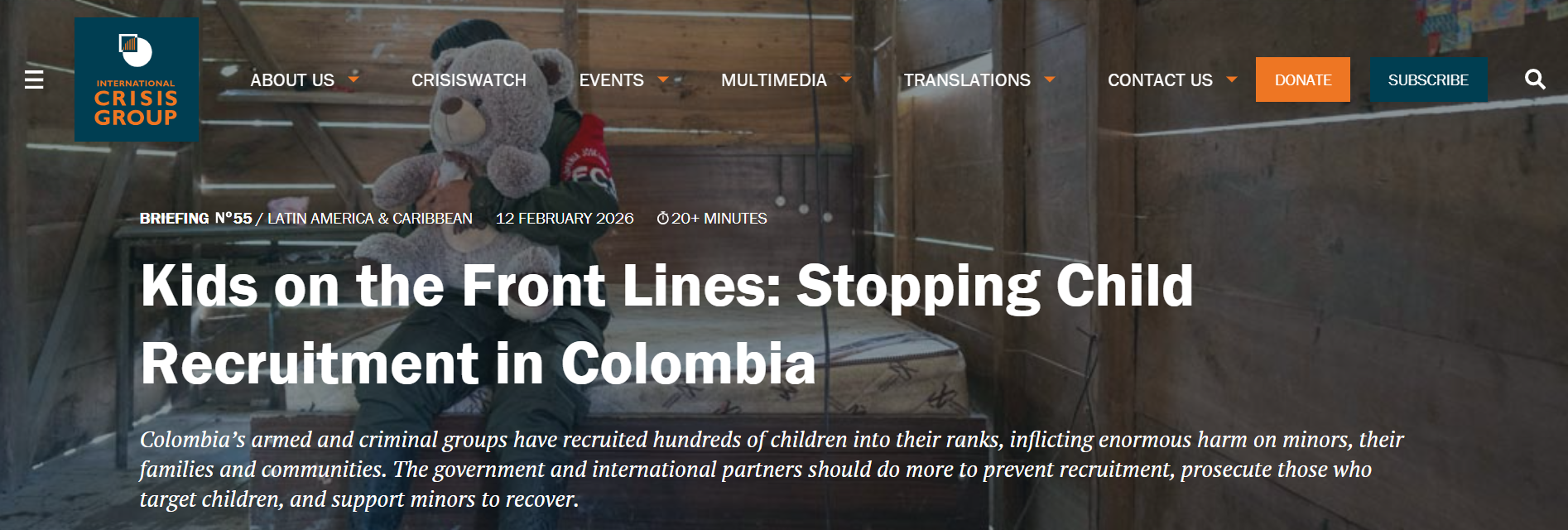
Close attention needs to be focused on the deadly and destructive conflict in the Gaza Strip and the multi-party negotiations being held in the Egyptian city of Sharm El-Sheikh. The elite of Middle East diplomacy are in Sharm El-Sheikh these days, including Steve Withoff and Jared Kushner from the USA, the Israeli Strategic Affairs Minister Ron Derner, Khalil Al-Hayya, the head of the Hamas negotiation team, and Mohammed Al-Hindi of the Palestinian Islamic Jihad which holds some of the 20 living Israeli hostages.
The exchange of Israeli hostages – 20 living and the bodies of 28 who have died – and some 2,000 Palestinian prisoners held in Israeli jails and army camps is the first order of business. The exchange should take place on Monday, October 13. President Donald Trump should go first to Israel and then Egypt on Monday to start multi-party negotiations with implications for the wider Middle East.
The negotiations are being held against a politically unstable situation in Israel and the USA where in both there are deep divisions among political parties. The armed conflict in the Gaza Strip could start again with “We tried negotiations and they failed” as a battle theme.
As the representatives of UN Consultative Status NGO, we must see how we can build on these advances toward a stable peace. There is much at stake, and we must be ready to take action.
Prof. René Wadlow is President of the Association of World Citizens.
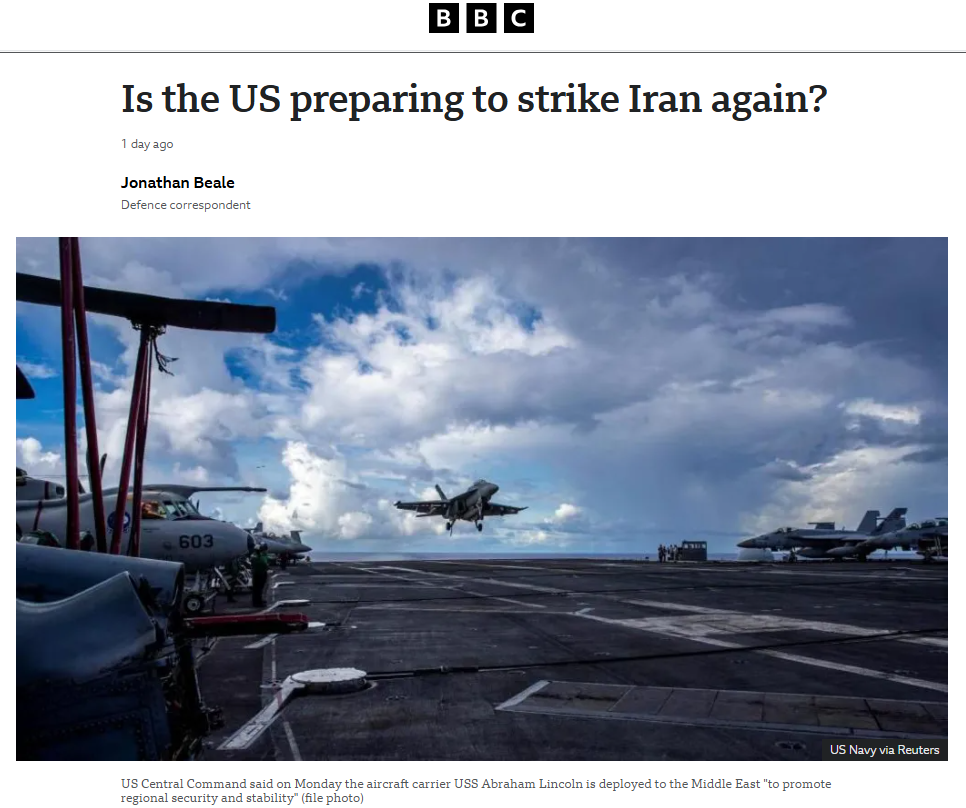
On September 29, 2025, United States (U.S.) President Donald Trump presented his 20-point Peace Plan for the Gaza Strip which sets out a ceasefire, a release of hostages held by the Palestinian Islamic Resistance Movement (Hamas) and its armed allies, a dismantling of Hamas’ military structures, the withdrawal of Israeli troops, and the creation of an international “Board of Peace” to supervise the administration of the Gaza Strip with President Trump as chair and former British Prime Minister Tony Blair as the chief administrator. Relief supplies to meet human needs would be facilitated. The plan concerns only the Gaza Strip and does not deal directly with the West Bank where tensions are strong.
The plan has been presented to the Israeli Prime Minister, Benyamin Netanyahu who was in Washington, D.C. and to Arab leaders who were at the United Nations in New York. The plan has been given to Hamas’ leaders through intermediaries, but Hamas’ leadership has been severely weakened by deaths. Thus, it is not clear how decision-making will be done by Hamas. The plan has also been presented to the Palestinian Authority (PA) in Ramallah, led by Mahmoud Abbas, but the PA would play no part in the Gaza Strip’s future. The plan is being widely discussed, but no official decisions have been announced.
The Gaza Peace Plan has some of the approach of the Transcend proposals (1) with, in addition, the possibility of violence if the Gaza Peace Plan is not carried out. Threats of violence are not among Transcend’s tools. One of the distinctive aspects of Transcend and the broader peace research movement is to present specific proposals for transcending current conflicts through an analysis of the roots of the conflict, the dangers if the conflict continues as it is going, and then the measures to take. (2) The Israeli-Palestinian conflict is one which presents dangers to the whole region if creative actions are not taken very soon. We must act now. We cannot wait for President Trump to do it for us.
Notes:
(1) Transcend Media Service, “The Time Has Arrived for a Comprehensive Middle East Peace”, Jeffrey D. Sachs and Sybil Fares, July 7, 2025. (2) See: Johan Galtung, The True Worlds (New York/The Free Press/1980/469pp) John Paul Lederach, Preparing for Peace (Syracuse, NY/Syracuse University Press/1995/133pp)
Prof. René Wadlow is President of the Association of World Citizens.
Three years have passed since protests began in Iran at the announcement of the death in police custody of 22-year-old Mahsa (Jina) Amini, having been arrested by the “morality police” for having some of her hair beyond the hijab (veil). She was an ethnic Kurd. The protests began on September 3, 2022 in the Kurdish areas of Iran but soon spread to all ethnic groups and to many parts of the country.
Women have been a central focus of the social policy of the Iranian Islamic government. Even before coming to power in 1979, Ayatollah Khomeini from his exile in France had said that the overly great liberty of women was a chief obstacle to his policies. Repressive policies against women with compulsory veiling laws were quickly put into place once he came into power.
On Mare Street in Hackney, London, UK, a Mahsa Jina Amini mural painted by artist Sophie Mess in collaboration with Peachzz. (C) Loco Steve
“Woman, Life, Liberty” became the battle cry of the 2022 protests, and the refusal to have a hijab was the external symbol of the protests. Although the protests were harshly repressed, the Iranian people’s courage could not be silenced. Since 2022, Iranian society has been significantly modified. There is an increased defiance of women who refuse to wear the mandatory hijab in public. Unveiled women are seen walking through stores and banks. Government leaders have appeared on posters with unveiled women as “martyrs” killed in the recent bombing by Israel and the USA.
There are some policymakers in the government of President Masoud Pezeshkian who cautiously propose reforms while hardliners double down on restrictions, and people are arrested, accused of “propaganda against the state”. The many socioeconomic currents present in Iran today merit being watched closely.
Prof. René Wadlow is President of the Association of World Citizens.
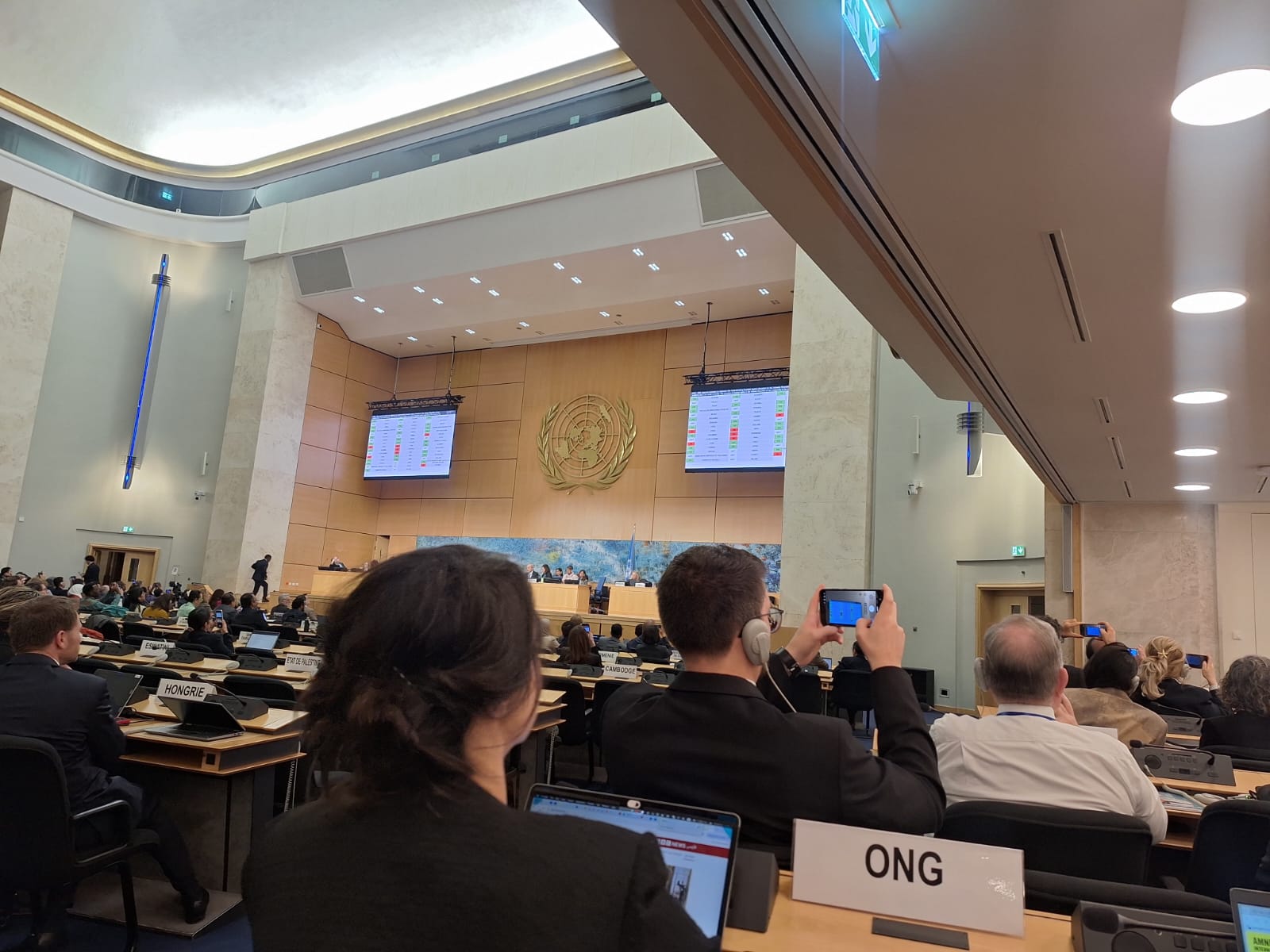
As the 2025 United Nations (UN) General Assembly continues, there is a need for a greater input of Nongovernmental Organizations (NGOs). There are some 6,400 NGOs in consultative status with the UN. Many, however, have consultative status with the UN only to strengthen their standing at the national level. The number of NGOs which engage actively in the UN procedures is much smaller. Some deal with specific UN Specialized Agencies such as UNESCO, the ILO, and the FAO.
Others, such as the Association of World Citizens (AWC), are active on a wider range of issues, especially those with representatives active at the UN in New York and Geneva. It is among this smaller number of NGOs that active measures for cooperation need to be undertaken.
A leading role of the UN since its establishment has been to lay the foundations for a culture of peace with respect for human rights, and economic and social development. There needs to be innovation, responses to new challenges, and a role for intellectual leadership to give a sense of direction. There should be forged from the varied, often contradictory views of governments, a sense of common purpose.
NGOs can help to provide a sense of direction and ways for the pursuit of common interests. The UN must look outward and work with renewed vigor. This is also true for NGOs. Cooperation among NGOs has been growing. Now, faced with strong challenges in the world society, efforts for NGO cooperation are a vital need.
Prof. René Wadlow is President of the Association of World Citizens.
Robin Yassin-Kassab and Leila Al-Shami, Burning Country – Syrians in Revolution and War.
London, Pluto Press, 2016, 262pp.
Although this overview of Syrian society was written before the January 2025 flight of Bashar al-Assad to Moscow and the coming to power of Ahmed al-Sharaa as “interim” President, the book is a useful guide to many of the current issues in Syria today.
As Khalil Gibran wrote in The Garden of the Prophet, thinking of his home country, Lebanon, but it can also be said of the neighboring Syria, “Pity the nation divided into fragments, each fragment deeming itself a nation.” The fragments, ethnic and religious to which are added deep social divisions, make common action difficult. The Druze, the Alaouites, the Kurds, all play an important role but are often fearful of each other. Some of the Alaouites have fled to Lebanon. At the same time, there is a slow return of Syrians who have been in exile in Turkey and western Europe – especially Germany.
The divisions were made deeper by the years of violent conflict against the government of Bashar al-Assad which began in March 2011 with youth-led demonstrations appealing for a Syrian republic based on equality of citizenship, the rule of law, respect for human rights, and political pluralism.
After some months of non-violent protests, members of the military deserted, taking their weapons with them. The Syrian conflict became militarized. A host of armed militias were formed, often hostile to each other.
From late 2013 to February 2014, there were negotiations for a ceasefire held at the United Nations (UN), Geneva. Representatives of the Association of World Citizens (AWC) met with the Ambassador to the UN of Syria, as well as with the representatives of different Syrian factions who had come to Geneva. Unfortunately, Syrian politics has been that of “winner takes all” with little spirit of compromise or agreed-upon steps for the public good. The AWC called for a broad coming together of individuals who believe in non-violence, equality of women and men, ecologically-sound development, and cooperative action for the common good. The need to work together for an orderly creation of the government and the development of a just and pluralistic Syrian society is still with us.
Robin Yassin-Kassab’s book is a useful guide to the forces that must come together and cooperate today.
Prof. René Wadlow is President of the Association of World Citizens.