With the
administrative-political situation in Libya badly stalemated and a meeting for
negotiations to be held April 14-16 unlikely to make progress, on Thursday, April
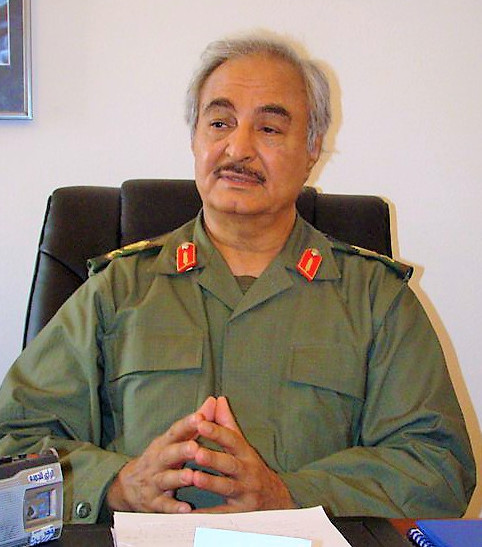
4, 2019, General Khalifa Haftar, one of the key players in the drama decided to
start a “March on Tripoli” and to take overall power by force.
Most of the
significant buildings in Libyan cities were built by Italians during the
Fascist period, when Libya was an Italian colony. Thus, General Haftar has
patterned himself on Mussolini’s 1922 “March on Rome”. In 1922, the diplomats
of most States looked away when Mussolini marched or the diplomats took it as a
domestic affair.
In 2019, the “March
on Tripoli” has drawn more international attention and concern. The United Nations
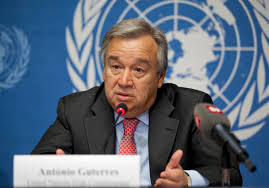
(UN) Secretary-General, Antonio Guterres, met with Haftar a few hours before
the March began. Guterres was in Libya to facilitate the April 14-16 meeting on
which his Special Representative, Ghassan Salamé, has been working for some
time in the hope of drawing a road map for long-delayed elections. On Friday,
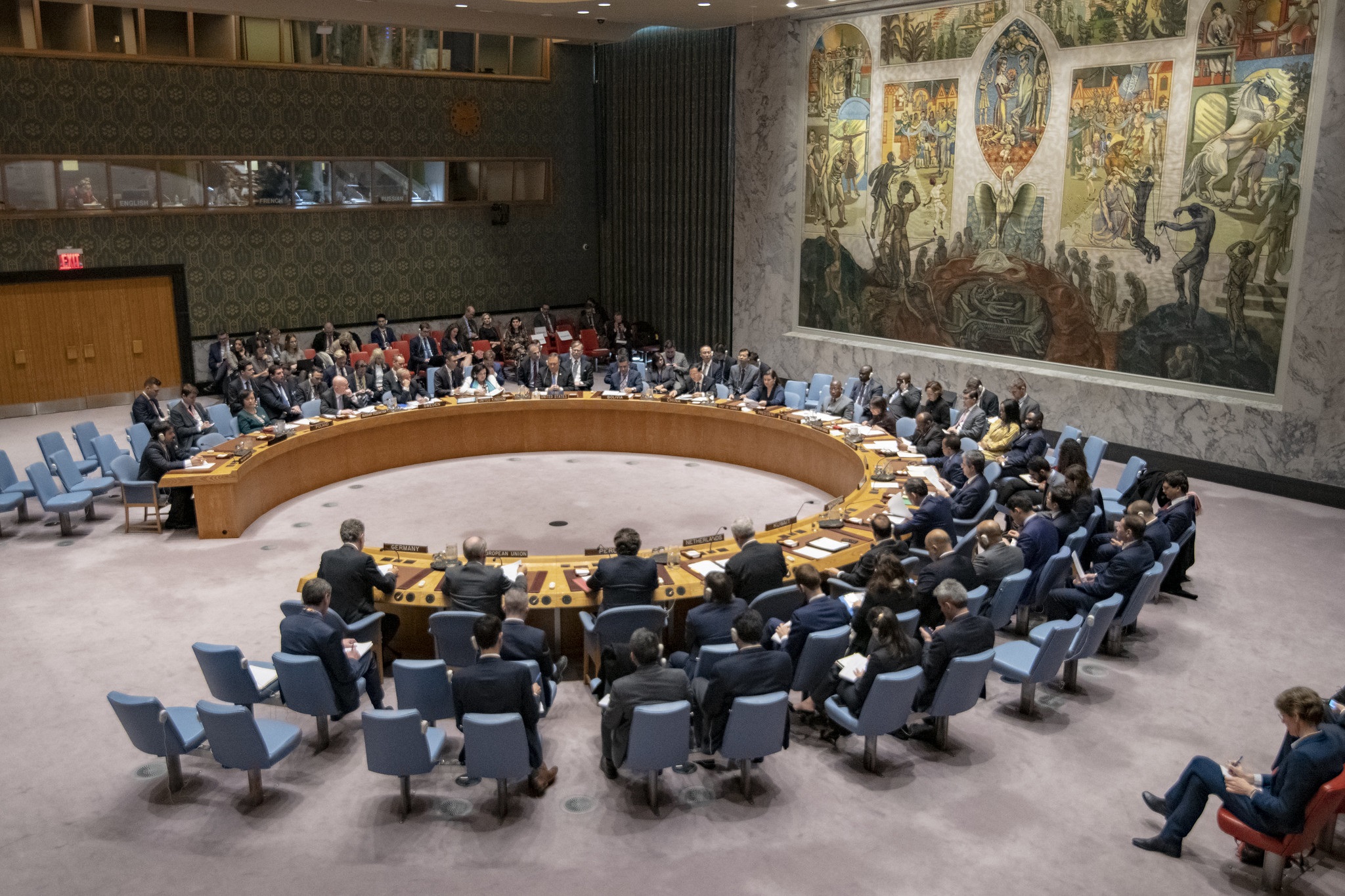
April 5, the UN Security Council held a closed-door emergency meeting. The
Security Council called for a halt to the March on Tripoli and the de-escalation
of the growing armed conflict.
The Security
Council recognized the real possibilities of broader armed conflict and its
consequences on the civilian population. In the recent past, the Libyan armed
factions have violated the laws of war and have a sad record of abuses against
civilians.
We will now have
to see if Khalifa Haftar is more open to international appeals than was Benito
Mussolini. My impression is that the goal of holding overall power is stronger
than the respect of international law. However, even a successful “March on
Tripoli” will not create the conditions for an administration of a culturally
and geographically-diverse country. New and appropriate constitutional
structures must be developed.
There cannot be a
return to the earlier Italian colonial structures, nor to the forms of
government at independence developed by King Idris al Sanussi which depended
largely on his role as a religious leader using religious orders, nor the
complicated pattern of “direct democracy” developed by Muammar al-Qadhafi.
The Association of World Citizens has proposed the possibility of con-federal
structures.
The post 2011
Libyan society faces large and complex issues. Resolving the institutional,
economic and political issues is urgent and cannot be settled by elections
alone. There are three distinct regions which must have some degree of
autonomy: Tripolitania and Cyrenaica both bordering the Mediterranean and
Fezzan in the southern Sahara. Within each of the three regions there are
differing and often rival tribal societies which are in practice more kinship
lines than organized tribes. (1) There are differing economic interests and
there are differing ideologies ranging from “Arab Socialism” to the
Islamist ideology of the Islamic State which has spread from its Syrian-Iraqi
base.
The situation is
critical, and the next few days may be crucial for the future of the country.
Note
1) See J. Davis. Libyan Politics, Tribes and Revolution (London: I. B. Tauris, 1987)
Prof. René Wadlow is President of the Association of World Citizens.
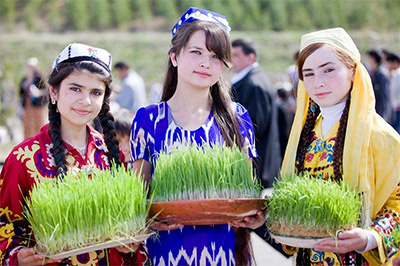
Navroz, usually
celebrated on March 21 in Iran and Central Asia, is the “New Day”, the end of
the old year with its hardships and deceptions and the start of the New Year to
be filled with hope and optimism. With each periodical festival, the
participants find the same sacred time – the same that had been manifested in
the festival of the previous year or the festival of a century earlier. It is a
day for spiritual renewal and physical rejuvenation and is usually a time for
reciting devotional poetry, presenting food with symbolic meaning to guests,
and visits among family and close friends.
Navroz, which
coincides with the Spring Equinox, is related to myths focused on the sun and
thus symbolizes the connections of humans to Nature. In some of the myths, Navroz
is considered as symbolizing the first day of creation − thus a time when all
can be newly created. It is a day between times − old time has died; new time
will start the day after Navroz. In this one-day period without time, all is
possible. The seeds are planted for a new birth. Among some who celebrate
Navroz, real seeds are planted, usually in seven pots with symbolic meanings of
virtues. Their growth is an indication of how these virtues will manifest
themselves in the coming year. Among those influenced by Islam and
Christianity, Navroz is the day when God will raise the dead for the final
judgment and the start of eternal life.
Navroz has an
ancient Persian origin, related to Abura Mazda, the high god who was symbolized
by the sun and manifested by fire. Navroz is also related to the opposite of
fire, that is, water. However, water can also be considered not as opposite but
as complementary, and thus fire-water can become symbols of harmony. Fire – as
light, as an agent of purification, as a manifestation of the basic energy of
life − played a large role in Zoroastrian thought and in the teachings of
Zarathoustra. Thus, we find fire as a central symbol and incorporated into
rituals among the Parsis in India, originally of Iranian origin.
From what is today
Iran, Zoroastrian beliefs and ritual spread along the “Silk Road” through
Central Asia to China, and in the other direction to the Arab world. As much of
this area later came under the influence of Islam, elements of Navroz were
given Islamic meanings to the extent that some today consider Navroz an
“Islamic holiday”. Navroz is also celebrated among the Alawites in Syria, the
Baha’i, the Yezidis, and the Kurds, each group adapting Navroz to its spiritual
framework.
In Turkey, for
many years, Navroz was officially banned as being too related to the Kurds and
thus to Kurdish demands for autonomy or an independent Kurdistan. I recall a
number of years ago being invited to participate in a non-violent Kurdish
protest in Turkey on Navroz to protest the ban. I declined as the idea of going
from Geneva to be put in a Turkish jail was not on top of my list of
priorities. Fortunately, for the last few years, the ban has been lifted.
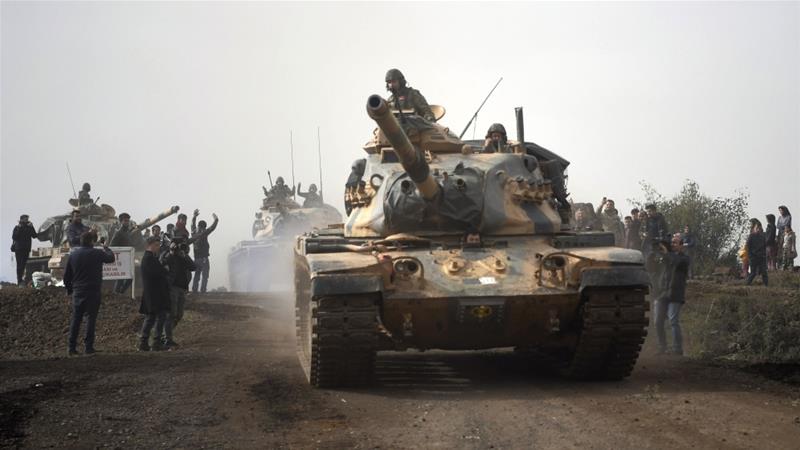
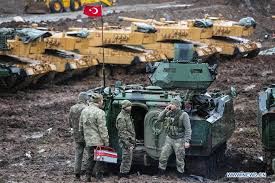
Navroz was marked
in 2018 in the Syrian Kurdish area of Afrin by the arrival of Turkish troops
and their Syrian allies. One of the first acts of the Turkish troops was to
pull down and destroy a statue of Kawa, a mythological founder of the Kurdish
people. In the myth, Kawa is a blacksmith who melted iron to make swords and
liberate the people from an evil ruler who had been helped by spirits.
2018 Navroz was also the end of a seven-year cycle begun in March 2011, the uprising and then war in Syria. Seven years in many traditions is a significant number.
Thus, Navroz as a day outside of time can be a moment of reflection on the armed conflict in Syria, and on our inability as peace makers to facilitate negotiations in good faith. Now, a new cycle of secular time has begun, made even more complex by the arrival of Turkish troops.
The armed conflict
in Syria is complex with outside official players: Iran, Russia, USA, Turkey,
the United Nations, the Arab League and more shadowy characters: the Islamic
State, a host of intelligence agencies, money and fighters from a variety of
sources. We find some of the same players in the war in Yemen. There is,
however, agreement among all that killing those who disagree is the only
realistic policy. It is a very old and wide-spread idea found in most cultures.
The techniques of killing have become more sophisticated – drones and car bombs
– but the idea has remained the same and is easily understood.
In contrast, ideas
of conflict reduction through changes in structure are more complex: broadening
the base of the Syrian government by bringing in individuals from groups
largely excluded, creating con-federal forms of association among the Kurds
without necessarily creating a separate State, creating a cosmopolitan,
humanist society which meets the basic needs of all. Moreover, we on the
outside can suggest approaches, but the effort will have to be made by local
people.
Those who advocate (and carry out) killing have funds and staff which conflict resolution nongovernmental organizations lack. Yet conflict resolution efforts must continue and grow stronger. A new, even more complex cycle of time has started. The old approach of killing those who disagree remains strong. Yet, I believe that there are possibilities of renewal and cooperative action for a more peaceful and just wider Middle East.
Prof. René Wadlow is President of the Association of
World Citizens.
World law, as World Citizens use the term, is more
than current international law. World law has, as its base, universally-recognized
international law but also the human rights declarations and standards, the
oft-repeated declarations of the United Nations (UN) General Assembly as well
as the international legal bodies such as the World Court and the International
Criminal Court (ICC). The International Criminal Court is the most recent of
the world courts, and its Rome Status has not been ratified by all UN Member
States, the United States (U. S.) being a significant holdout.
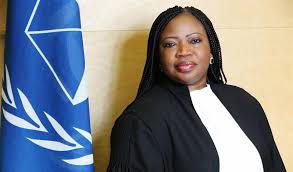
ICC Prosecutor Fatou Bensouda
Some States have withdrawn from the ICC and other
States do not cooperate with it, such as the Sudan. The ICC can act only after
the relevant national courts have acted or when national courts are unable to
act (the case of some ‘failed States’) or when there is an unjustified
unwillingness of national courts to act when crimes against humanity have been
committed.
The Association of World Citizens (AWC) has repeatedly
stressed that humanitarian law (international law in times of war, primarily
the Geneva Conventions) are being systematically violated and that there should
be a UN-led World Conference for the Re-affirmation of Humanitarian Law.
In the armed conflicts in Afghanistan, there have been
repeated violations of humanitarian law by all sides: violations in the
treatment of prisoners of war, violation of the prohibition of torture,
prohibition of attacking medical facilities and medical personnel. The ICC has
undertaken preliminary investigations to collect evidence. Among those who have
violated humanitarian law are U. S. troops, and thus evidence should be
collected.
Although most evidence could be collected within
Afghanistan itself, it would be useful to interview persons who had served in
Afghanistan but now have returned to the U. S. and to see written reports no
longer stored in Afghanistan. Thus, the ICC plans to send investigators to the
U. S. to interview and collect documentation.
However, Secretary of State Mike Pompeo announced on
March 15, 2019 that the U. S. will revoke or deny visas to ICC personnel
investigating allegations of torture or other war crimes committed in the
conflicts in Afghanistan. Pompeo also announced that the U. S. will consider
imposing financial sanctions and restrictions on “persons who take or have
taken action to request or further such ICC investigation”. He could have
added imprisonment if we recall those who provided evidence of war crimes in
Iraq.
Unfortunately, Pompeo sends the wrong message to all
other parties that torture, rape, attacks on medical facilities will not be
tried. Pompeo helps to undermine further international humanitarian law.
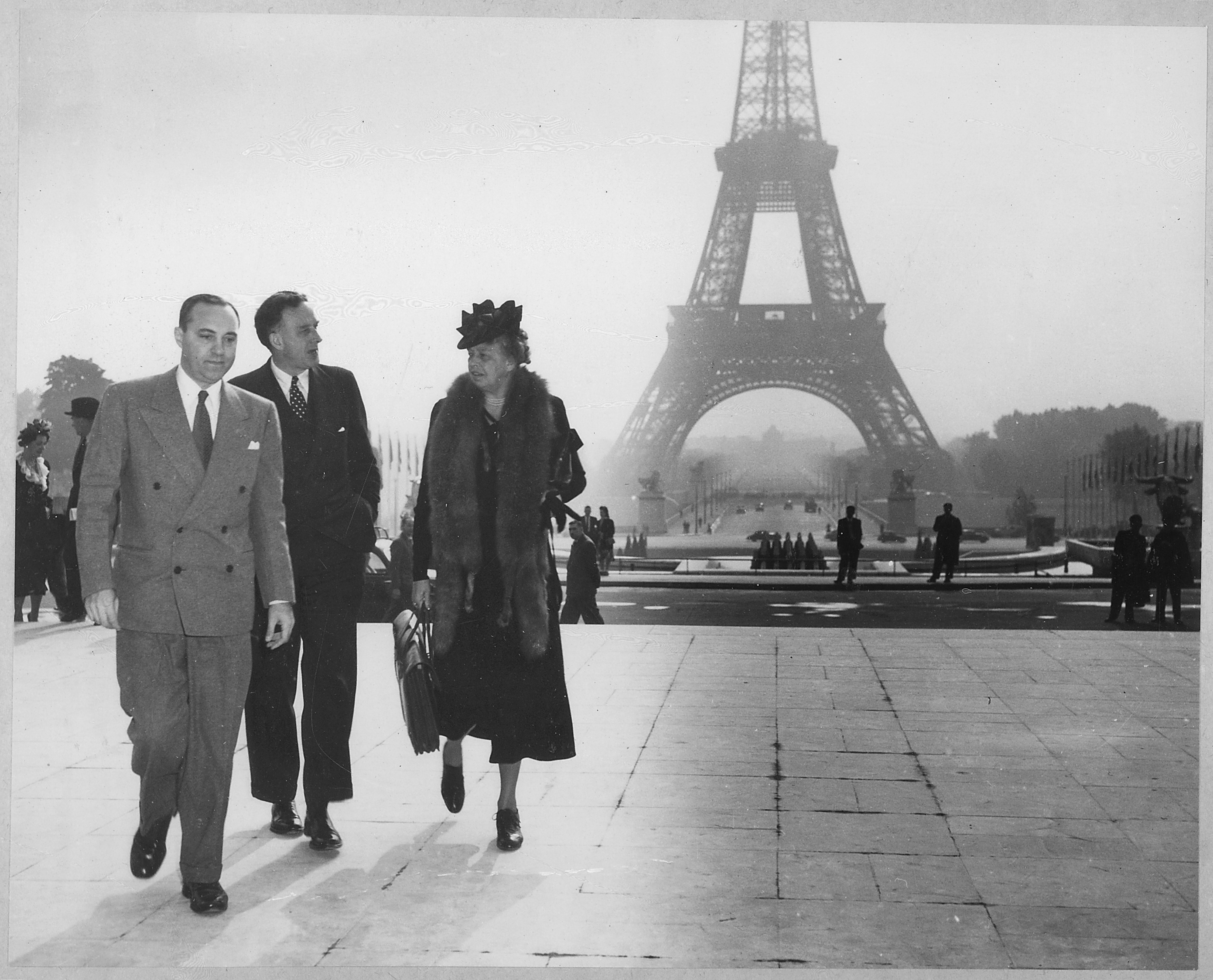
We have to think back to 1947-1948 and the leadership
of Mrs. Eleanor Roosevelt as chair of the UN Commission on Human Rights to
recall any U.S. leadership on world law. Unfortunately, law has never been part
of U. S. culture. The lone cowboy taking the law into his own hands by shooting
it out on a dusty street seen in many films remains the U. S. ideal.
As mentioned, most of the necessary evidence can be
found in Afghanistan itself. Bringing anyone from any party to trial for crimes
in Afghanistan seems to me unlikely. Nevertheless, as world citizens, we need
to keep the standards of world law in mind. These standards should be clear. Thus,
our repeated call for a UN-led conference on the re-affirmation of
international humanitarian law.
Prof. René Wadlow is
President of the Association of World Citizens.
March 15 is widely used as the date on which the conflict in Syria began. March 15, 2011 was the first “Day of Rage” held in a good number of localities to mark opposition to the repression of youth in the southern city of Daraa, where a month earlier young people had painted anti-government graffiti on some of the walls, followed by massive arrests.
I think that it is important for us to look at why organizations that promote nonviolent action and conflict resolution in the US and Western Europe were not able to do more to aid those in Syria who tried to use nonviolence during the first months of 2011. By June 2011, the conflict had largely become one of armed groups against the government forces, but there were at least four months when there were nonviolent efforts before many started to think that a military “solution” was the only way forward. There were some parts of the country where nonviolent actions continued for a longer period.
There had been early on an effort on the part of some Syrians to develop support among nonviolent and conflict resolution groups. As one Syrian activist wrote concerning the ‘Left’ in the US and Europe but would also be true for nonviolent activists “I am afraid that it is too late for the leftists in the West to express any solidarity with the Syrians in their extremely hard struggle. What I always found astonishing in this regard is that mainstream Western leftists know almost nothing about Syria, its society, its regime, its people, its political economy, its contemporary history. Rarely have I found a useful piece of information or a genuinely creative idea in their analyses “(1)
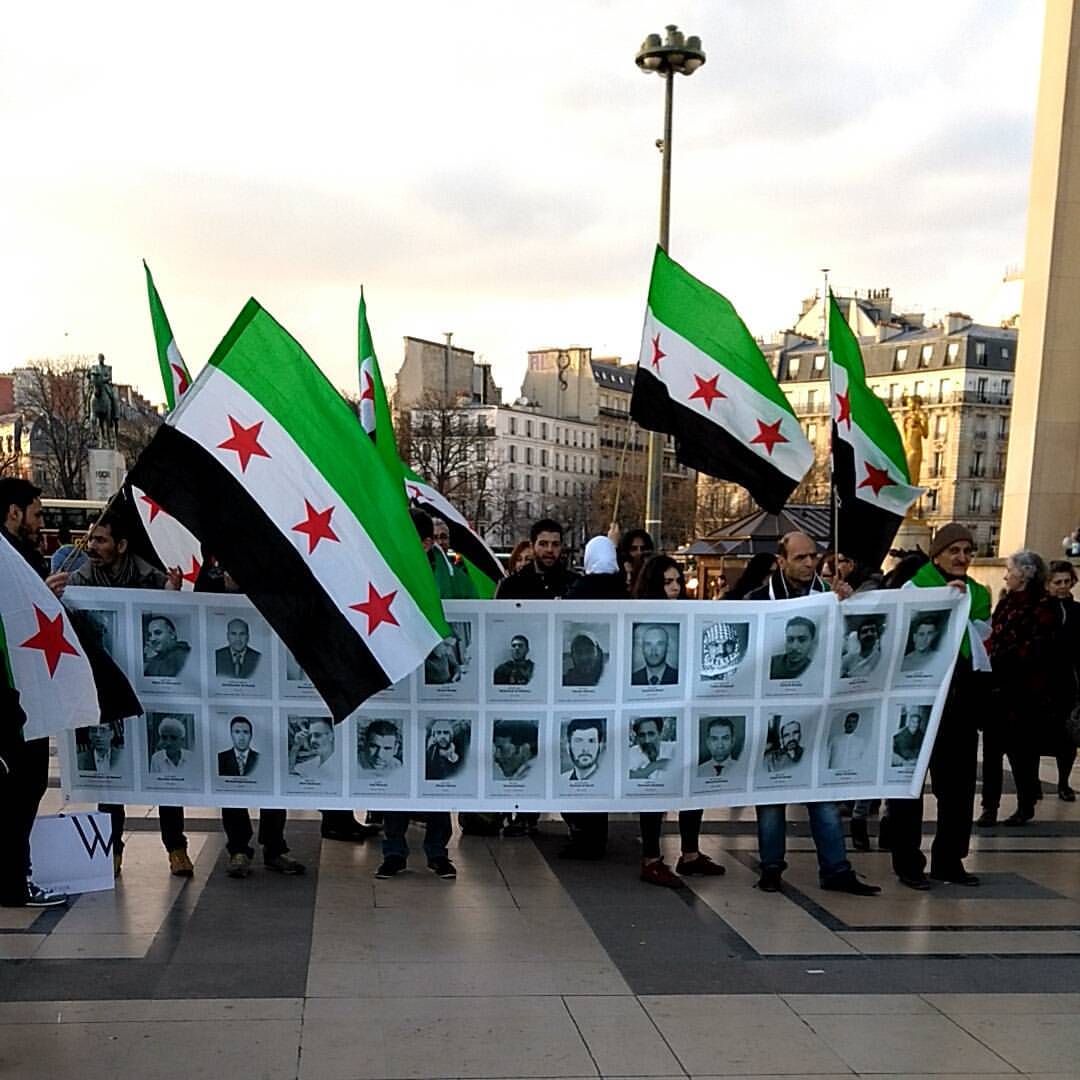
A Syrian opposition rally in Paris (C) Bernard J. Henry/AWC
In December 2011, there was the start of a short-lived Observer Mission of the League of Arab States. In a February 9, 2012 message to the Secretary General of the League of Arab States, Ambassador Nabil el-Araby, the Association of World Citizens (AWC) proposed a renewal of the Arab League Observer Mission with the inclusion of a greater number of non-governmental organization observers and a broadened mandate to go beyond fact-finding and thus to play an active conflict resolution role at the local level in the hope to halt the downward spiral of violence and killing. In response, members from two Arab human rights nongovernmental organizations (NGO) were added for the first time. However, opposition to the conditions of the Arab League Observers from Saudi Arabia let to the end of the Observer Mission.
On many occasions since, the AWC has indicated to the United Nations (UN), the Government of Syria and opposition movements the potentially important role of NGOs, both Syrian and international, in facilitating armed conflict resolution measures.
In these years of war, the AWC, along with others, has highlighted six concerns:
1) The widespread violation of humanitarian law (international law in time of war) and thus the need for a UN-led conference for the re-affirmation of humanitarian law.
2) The widespread violations of human rights standards.
3) The deliberate destruction of monuments and sites on the UNESCO World Heritage list.
4) The use of chemical weapons in violation of the 1925 Geneva Protocol signed by Syria at the time, as well as in violation of the more recent treaty banning chemical weapons.
5) The situation of the large number of persons displaced within the country as well as the large number of refugees and their conditions in Turkey, Lebanon, and Jordan. In addition, there is the dramatic fate of those trying to reach Europe.
6) The specific conditions of the Kurds and the possibility of the creation of a trans-frontier Kurdistan without dividing the current States of Syria, Iraq, Turkey and Iran.
These issues have been raised with diplomats and others participating in negotiations in Geneva as well as with the UN-appointed mediators. In addition, there have been articles published and then distributed to NGOs and others of potential influence.
The Syrian situation has grown increasingly complex since 2011 with more death and destruction as well as more actors involved and with a larger number of refugees and displaced persons. Efforts have been made to create an atmosphere in which negotiations in good faith could be carried out. Good faith is, alas, in short supply. Efforts must continue. An anniversary is a reminder of the long road still ahead.
Notes:
(1) Yassin al-Haj Saleh in Robin Yassin-Kassal and Leila Al-Shami, Burning Country, Syrians in Revolution and War (London: Pluto Press, 2015, p. 210)
Prof. René Wadlow is President of the Association of World Citizens.
When the drums of war start beating, can cooler heads prevail and negotiations in good faith start? Vijay Mehta has written a useful overview of efforts to create a Department of Peace within governments so that there would be an institutionalized official voice proposing other avenues than war. (1)
Such proposals are not new. In 1943, Alexander Wiley, a liberal Republican senator had proposed to President Franklin Roosevelt that he establish a cabinet-level post of Secretary of Peace as there was already a Secretary of War. The Secretary of War has now been renamed Secretary of Defense, but the function has not radically changed.
A Secretary of Peace in Wiley’s vision would be charged with preempting conflicts before they exploded into violence and proposing peaceful resolutions. In the USA after the end of the Second World War, in a “never again” atmosphere, other members of Congress suggested the creation of such a Department of Peace. However, such a vision was never transformed into a reality.
As the Cold War took up ever more energy and funds, a compromise was reached in 1984 at the time that Ronald Reagan was President. The United States (U. S.) Institute of Peace was created and has produced some useful publications and does some conflict resolution training for diplomats and mediators. However, the leadership of the Institute of Peace has not played a visible role in foreign policy formation. One must look elsewhere for cooler voices to cover the beat of the war drums.
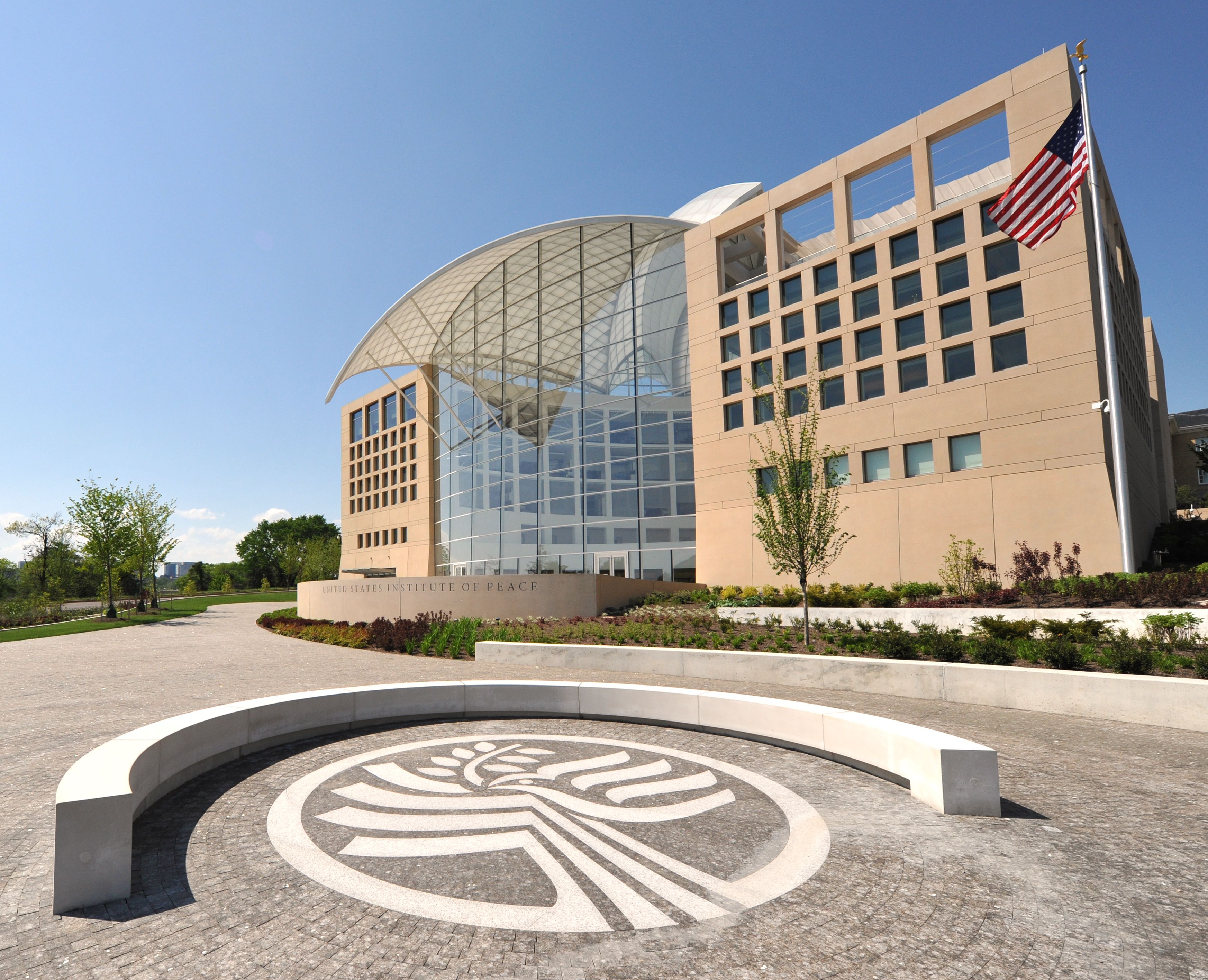
The headquarters of the United States Institute of Peace in Washington, D. C.
There is currently a test in real time as the situation in Venezuela grows more complex. There are real possibilities of armed violence, ranging from armed violence within the country to the creation of armed militias operating from Colombia and Brazil as the Contras had in the Nicaragua case, to an old-fashioned intervention by U. S. troops. All these “cards are on the table”. There is no Secretary of Peace officially in the U. S. Government (nor in that of Venezuela either) The influence of national security advisors to the U. S. President has grown, and they have the advantage of frequent personal contact.
Latin America has often been considered as a U. S. “zone of influence”. Unlike current situations in the Middle East which are of direct concern to European States, Latin America has never been a priority of European countries with the exception of Soviet-Cuban relations. Spain has a cultural and economic interest in Latin America but does not try to influence U. S. policy toward individual States. The current U. S. administration seems largely indifferent to the views of the United Nations (U. N.). On the Venezuela crisis the U. N. Secretary-General has called for calm and restraint but has made no specific proposals.
In the U. S. there are a good number of “Think Tanks” devoted to policy making as well as university departments and programs with a geographic – area studies – orientation. As I am not a specialist on Latin America (most of my academic focus has been Africa and the Middle East), I do not know which have strong policy impact. I have seen relatively few public statements coming from academic Latin American specialists, though there is probably outreach to representatives in Congress.
Thus, we must watch the policy-making process closely. Obviously, my hope is that the cooler minds will win out and compromises made, such as holding new elections with international election monitors. This is a test in real time of Vijay Mehta’s aim How Not to Go to War.
Note: (1) Vijay Mehta. How Not to Go to War: Establishing Departments for Peace and Peace Centres Worldwide (Oxford: New Internationalist Publications, 2019)
Prof. René Wadlow is President of the Association of World Citizens.
What is an “uncontacted tribe”? Come on, you’ve heard of them. These are native communities living in their traditional forest or island habitat, following their millennia-old, nature-based lifestyle and refusing contact with the outside world. Since Jair Bolsonaro, the far-right candidate for the presidency of Brazil, won the election on October 28, the future of Brazilian uncontacted tribes lies in the balance as Bolsonaro pledged during his campaign to have all these tribes wiped out.
One would assume that an uncontacted tribe is logically a people living in one single place, not a group scattered throughout the world, thus being more appropriately called an “uncontacted diaspora”, although the expression wouldn’t make much sense. If that’s what you think, then, think again.
This world of ours is indeed home to a global uncontacted tribe. The tribe has a name – disabled people. And I happen to be one of them. You may be glad that you’re not.
The Real Wretched of the Earth
If you have the firm belief that you could never live with a single one of your rights being violated or not properly implemented, then, indeed, be glad you’re not of our own. Disabled people, currently one billion people making up 15 per cent of the world’s population,are the largest minority in the world and, indignantly enough, the category of human beings whose rights are the most blatantly ignored and violated.
Poverty hits us hard, as, according to the World Health Organization (WHO), eighty per cent of persons with disabilities live in developing countries and studies by the Organization for Economic Cooperation and Development (OECD) show that disability rates are significantly higher among groups with lower educational attainment in OECD member states. Among the world’s poorest people, says the World Bank, 20 percent have some form of disability and their communities view them as the most disadvantaged.
Disability doesn’t even spare women and children. A 2004 survey in Orissa, India, found that virtually all the women and girls with disabilities were beaten at home, 25 per cent of women with intellectual disabilities had been raped and 6 per cent of women with disabilities had been forcibly sterilized. The United Nations Children’s Fund (UNICEF) reports that 30 per cent of street youths are in some way disabled. Mortality for disabled children may be as high as 80 per cent in countries where underage mortality has, overall, decreased below 20 per cent, says the United Kingdom’s Department for International Development, adding that, in some cases, it seems as if children are being “weeded out”. Due to malnutrition, diseases, child labor and other causes, disabled children in developing countries are projected to increase over the next thirty years.
When not faced with ignorance, as the OECD says an average 19 per cent of less educated people have disabilities, compared to 11 per cent among the better educated, we must cope with the consequences of armed conflict and violence. The WHO estimates that, for every child killed in warfare, three are injured and left with a permanent form of disability. In some countries, up to a quarter of disabilities result from injuries and violence.
While local uncontacted tribes strive to keep away from “civilization”, we, the global uncontacted tribe, try to fit in but get pushed back by everyone, everywhere. Being a global tribe, the issues we face can rightly be called global issues. But seldom are found global solutions, let alone sought to begin with.
A Global People with No Global Rights
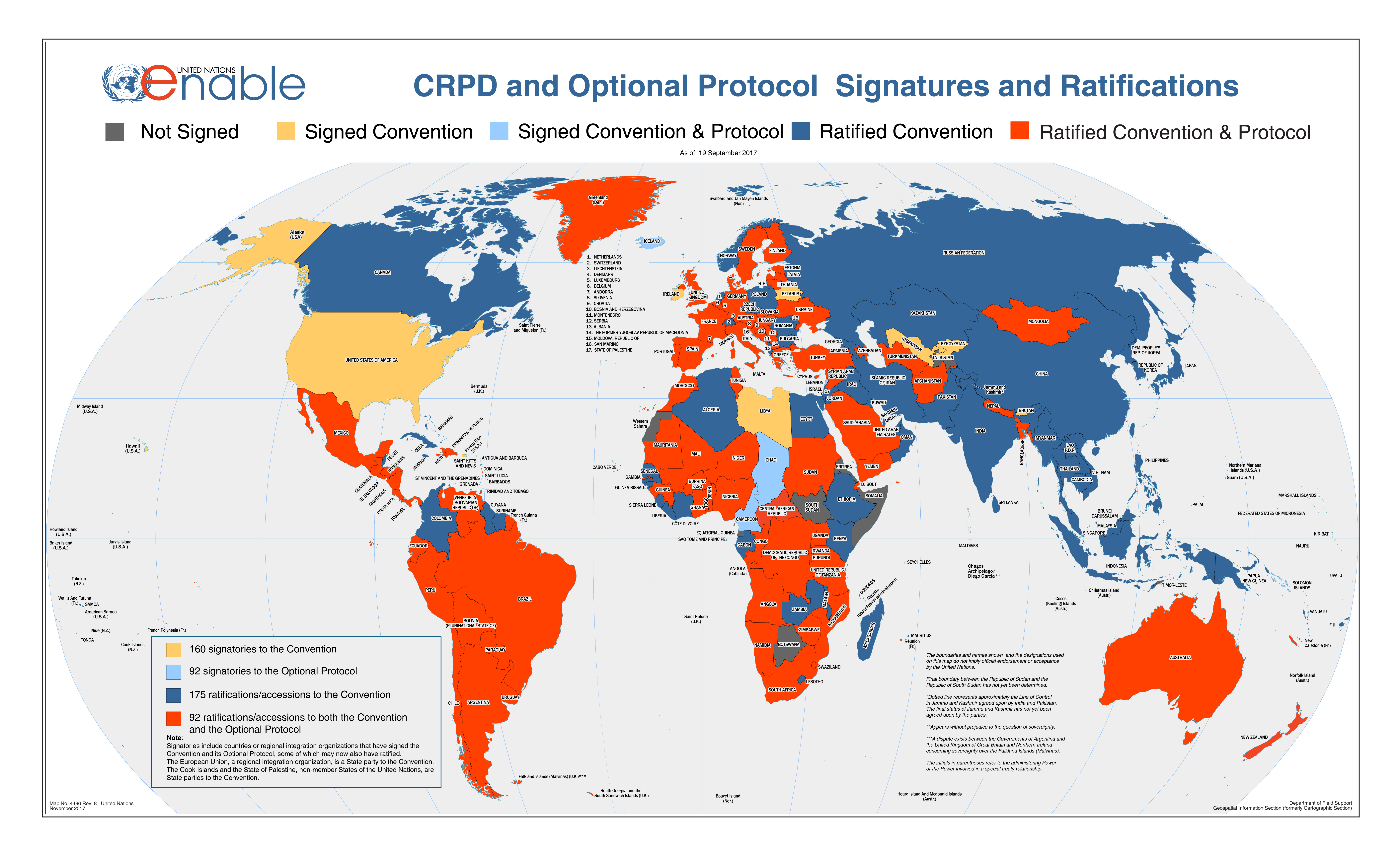
It wasn’t until 2006 that a billion inhabitants of planet Earth saw their rights formally enshrined in a binding treaty – the Convention on the Rights of Persons with Disabilities, signed on March 30, 2007. The Convention came into force on May 3, 2008 and, to date, 177 countries are States Parties. A specifically-dedicated United Nations (UN) agency, UN Enable, is tasked to ensure that the Convention is respected and enforced throughout the world. And even obtaining that didn’t come easy.
In 2004, the U. S. Administration, then led by President George W. Bush and at odds with much of the world over the Iraq war, opposed the Convention with all its might and argued that national laws within individual countries would always be better than a world treaty. Save that only 45 countries have anti-discrimination and other disability-specific laws, whose background varies heavily from country to country and makes it impossible to have a common global pattern of law emerge from domestic legislation.
In the U. S., disabled people were part of the civil rights movement in the 1960s, which landed them laws granting formal rights binding on federal, state, and local government and courts. By contrast, in France, disabled people started to gain specific rights after World War I, when so many veterans returned from the battlefield with injuries for life, needing either specific welfare pensions or assistance in finding a job. In the latter case, French disabled people had to wait until 1975 for a broader law, which was itself succeeded only in 2005 by a more thorough law, in both instances thanks to the determination of one man – Jacques Chirac, who was Prime Minister in 1975 and President in 2005, and whose daughter Laurence, who died in 2016, was gravely disabled. France is a State Party to the Convention, while the U. S. is only a signatory.
The Convention does not allow UN Enable to recognize and register persons as disabled people in the absence of a national framework, in the style of UNHCR which registers refugees in those countries without a national asylum agency. A shameful instance of national sovereignty without the limitations that would guarantee the greater good for everyone. Making us, disabled people, even more of a global uncontacted tribe.
We
Are World Citizens – Sometimes World Leaders, Too
Are we doomed to remain forever global outcasts, a global uncontacted tribe as no one wants to contact us, at least without being judgmental and paternalistic toward us? Can we ever fit into society? To borrow a quote from Mark Twain, some of us “did not know it was impossible, so they did it”. And their names may just astound you.
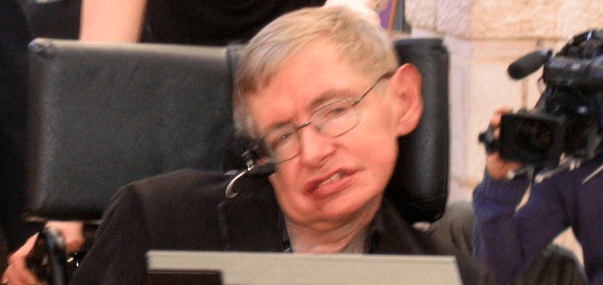
Stephen Hawking, the British theoretical physicist. John Nash, the American mathematician, whose life inspired the movie A Beautiful Mind. Vincent Van Gogh. Ludwig van Beethoven. Frida Kahlo. Tom Cruise. Robin Williams. Stevie Wonder. Ladyhawke, the New Zealand singer and musician who became world famous in 2008 with her worldwide hit Paris is Burning. To name but a few.
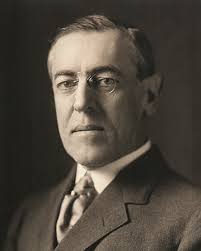
Others still made it to top government posts. Joaquin Balaguer, former President of the Dominican Republic. Wolfgang Schaüble, several times a Federal Minister and now Speaker of Germany’s Federal Assembly (Bundestag). Gordon Brown, former Prime Minister of the United Kingdom. In the United States, Robert Dole, a longtime Senator from Kansas and the Republican presidential candidate in 1996, as well as his recently-deceased fellow Senator and former Republican presidential nominee John McCain of Arizona – and, most importantly, two former Presidents, both Democrats, Woodrow Wilson and Franklin Delano Roosevelt, no less.
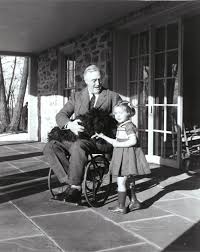
The latter won four presidential elections, got his country out of a major economic and social crisis, won World War II and created the United Nations – having done all that from a wheelchair. For an uncontacted tribe, we may not be deemed a completely useless portion of the world’s population.
Don’t Look at Our Name – Look at Our Selves
Even the name “disabled people”, coined by the non-disabled to refer to us, seems to have become more than this world can bear. Some are now using the name “differently abled”, at the very risk of stressing how different we are while we need to be recognized for our specificities but also for our similarities to the so-called “able” people. What’s in a name? Too much.
Disabled people need to be considered for what they are – people forced to live with a disability that requires special attention from society, while each of them retains his or her own self, skills and, unlike what our name suggests, abilities.
December 3 was proclaimed International Day of Disabled Persons in 1992, through UN General Assembly Resolution 47/3. Every year, the same question is asked of the people of the world: Why are you so afraid of the global uncontacted tribe? What makes you think they cannot be but a burden to society? Wouldn’t it be better for both you and them if you would only choose a more inclusive lifestyle that creates equal opportunities, regardless of (dis)ability?
And the world continues to wonder. It sees the global uncontacted tribe. It talks to us. But it uses a language we cannot understand, for its words cannot convey our own thoughts. And uncontacted we remain.
If you really want to contact us, just start by realizing that what you call “disability” originates in your own minds. We, the global uncontacted tribe, hold fortunes in knowledge and experience, different from yours. Please let us help you make this world a better place.
Bernard J. Henry is
the External Relations Officer of the Association of World Citizens.
The co-laureate of the 2018 Nobel Peace Prize, Denis Mukwege, has become an eloquent spokesperson for the effort to outlaw the use of rape as a weapon of war. Rape has often been considered as a nearly normal part of war. When an army took a city or town, the rape of women followed, a reward to brave soldiers. Military commanders turned a blind eye.
However, whatever may have been past practice, rape has now become a weapon of war, often an effort at genocide. Women’s reproductive organs are deliberately destroyed with the aim of preventing the reproduction of a group – one of the elements of genocide set out in the 1948 Genocide Convention.
Denis Mukwege has created a clinic near Bukavu in South Kivu, Democratic Republic of Congo – a country that is democratic only in name. He and a number of younger doctors whom he was trained try to care for women who have undergone rape by multiple men, one after the other, often in public in front of family members and others who know the woman. Known rape, even by a single person, can be a cause of family breakup, lasting shame, and an inability to continue living in the same village. There are also negative attitudes toward children born of a rape. Multiple rape is often followed by deliberate destruction of the reproductive organs.
The eastern area of Congo is the scene of fighting at least since 1998 – in part as a result of the genocide in neighboring Rwanda in 1994. In mid-1994, more than one million Rwandan Hutu refugees poured into the two Kivu states, fleeing the advance of the Tutsi-led Rwandan Patriotic Front now become the government of Rwanda. Many of these Hutu were still armed, among them the “genocidaire” who a couple of months before had led the killings of some 800,000 Tutsi and moderate Hutu in Rwanda. They continued to kill Tutsi living in the Congo, many of whom had migrated there in the 18th century.
The influx of a large number of Hutu led to a desire to control the wealth of the area – rich in gold, tropical timber and rare minerals such as those used in mobile telephones. In the Kivu, many problems arise from land tenure issues. With a large number of new people, others displaced, and villages destroyed, land tenure and land use patterns need to be reviewed and modified.
However, violence in the eastern Congo is not limited to fighting between Hutus and Tutsis. There are armed bands from neighboring countries – Rwanda, Burundi, Uganda – who have come on the scene attracted by possible wealth from timber and mines of rare minerals. In addition, local commanders of the Congolese Army, far from the control of the Central Government, have created their own armed groups, looting, raping, and burning village homes.
????????????????????????????????????
There is a United Nations (U. N.) peacekeeping force in the Congo, the U. N.’s largest peacekeeping mission. However, its capacity has reached its limit. Its operations are focused on areas with roads, leaving villages on small paths largely unguarded.
There has been a growing international awareness of the use of rape as a weapon of war. The issue was raised during the conflicts which followed the breakup of Yugoslavia as well as cases brought to the International Criminal Court. The Association of World Citizens has raised the issue in U. N. human rights bodies in Geneva.
Yet there is much yet to be done to make the outlawing of rape as a norm of humanitarian law and, especially, to prevent its practice. The Nobel Peace Prize to Denis Mukwege should be a strong step forward in this effort.
Prof. René Wadlow is President of the Association of World Citizens.
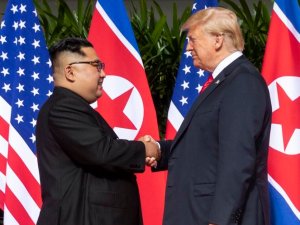
Sunday, September 9 was the 70th anniversary of the creation of North Korea. As has been usual in recent years there was a very highly-structured ceremonial parade. Such mass events are used to convey policy priorities to its citizens and to the outside world. This year, the parade was less aggressively military than in the past and might be interpreted as placing an emphasis on socio-economic development.
It is never easy from the outside to decipher North Korean symbolism. It may even be difficult for North Korean citizens to understand the message. There will be later in September another summit meeting with the President of South Korea and we may see more clearer then if advances in tension reduction can be made.
In the meantime, those of us involved in tension reduction work must keep knowing on doors to see if any will open or to put messages in bottles to see if any will reach decision-makers. The Association of World Citizens (AWC) has stressed that there may be a possibility of small steps that build confidence between the two Korean States and that do not overly worry the USA and China who watch events closely and who may do more than watch. It is unlikely that any progress will be made in the foreseeable future concerning demilitarization of the Korean Peninsula or unification. Small steps are probably the ‘order of the day’. However, Track II – informal discussions which are not negotiations but a clarification of possible common interests and areas of joint action – can be helpful.
Track II efforts have not been on a scale to quell tensions over North Korea’s nuclear weapons and missile advances, and the saber rattling of governments has done nothing to reduce tensions. “Fire and fury like the world has never seen” is probably not the vocabulary that leads to negotiations.
It is hard to know how seriously to take the saber rattling, but the sound is loud enough and the sabers are sharp enough that calmer spirits need to propose confidence-building measures. The AWC had proposed to the then Secretary-General of the United Nations (U. N.), Ban Ki-Moon to have a U.N.-led conference to transform the Korean War Armistice of 1953 into a Korean Peace Treaty. Such a Peace Treaty would confirm the international legitimacy of the two Korean States while not preventing at a later date a con-federation or other form of re-unification. Such a conference and Peace Treaty could play an important role in reducing regional tensions. However, such a conference would require a good deal of negotiations as all conditions would have to be agreed upon in advance. Diplomatic conferences “bless” efforts made before in private. A successful diplomatic conference rarely starts from zero.
Another avenue of confidence-building measures is what the University of Illinois psychology professor Charles Osgood called GRIT – Graduated Reciprocation in Tension Reduction. He recommended an incremental series of conciliatory unilateral initiatives. They should be varied in nature, announced ahead of time without bargaining and continued only in response to comparable actions from the other party – a sort of “arms race in reverse”. Unilateral initiatives should, whenever possible, take advantage of mutual self-interest, mutual self-restraints and opportunities for cooperative enterprise.
As Osgood wrote, “the real problem is not the unavailability of actions that meet the criterion of mutual self-interest, but rather the psychological block against seeing them that way. The operation of psycho-logic on both sides makes it difficult for us to see anything that is good for them as being anything other than bad for ourselves. This is the familiar ‘if they are for it, we must be against it’ mechanism” (1)
Osgood directed his proposals for dealing with tension reduction so as to ease fear, foster more circumspect decisions in which many alternatives are considered, and modify the perceptual biases that fan the flames of distrust and suspicion. The most favorable feature of the GRIT approaches that it offers a means whereby one party can take the initiative in international relations rather than constantly reacting to the acts of others.
GRIT efforts were carried out concerning Korea in the early 1990s between Presidents of the USA and North Korea but rarely since. Currently, the governments of Russia and China have proposed a GRIT-type proposal of a “double freeze” – a temporary freeze on North Korea’s nuclear and missile tests in return for a sharp reduction of U. S. military presence in South Korea.
A “double freeze” may be too large a shift at this stage. The AWC has proposed such steps as increased family contacts, cultural exchanges, increased food aid to the Democratic People’s Republic, a lessening of economic sanctions and an increase in trade.
There is a need to halt the automatic reaction to every provocation, and to “test the waters” for a reduction of tensions. Real negotiations may take some time to put into place, but GRIT-type unilateral measures are a possibility worth trying.
(1) Charles E. Osgood. An Alternative to War or Surrender (Urbana, IL: University of Illinois Press, 1962)
Prof. René Wadlow is President of the Association of World Citizens.
“Over the years we have come to realize that it is not enough to send peacekeeping forces to separate warring parties. It is not enough to engage in peace-building efforts after societies have been ravaged by conflicts. It is not enough to conduct preventive diplomacy. All of this is essential work, but we want enduring results. We need, in short, a culture of peace.”
Kofi Annan.
The homage which World Citizens can give to the memory of Kofi Annan, the former Secretary-General of the United Nations (UN), is to carry on his efforts for worldwide security and the resolution of armed conflicts through negotiations with the presence of skilled mediators. As he wrote, “We must seek new common ground for our collective efforts.” World Citizens believe that UN Member States owe an obligation to each other to make good faith efforts to reach agreements consistent with the highest principles of world law. The UN was conceived to do more than to clear away the rubble of conflicts that it was unable to prevent.
Kofi Annan saw that the concept of a global society is growing piece by piece shaped by new possibilities of communication, transport, trade and finance. An effort must be made to find the aspirations of people to hold what they have in common and to express these world citizen values in ways that many can recognize and accept.
The relations between security, conflict resolution and respect for human rights have now assumed a more dynamic form than at any other time since the creation of the UN. Thus, there is a need for concerted attention and action of States and Nongovernmental Organizations (NGOs).
Kofi Annan was always sensitive to the role that NGOs could play in building a culture of peace. In 1997, he said that the UN should be “a bridge between civil society and governments.” He stressed that the role of NGOs was becoming increasingly important. The UN’s peacekeeping mandate had changed in that armed conflicts are increasingly taking place within rather than between States. Thus, peacekeeping efforts can involve electoral assistance, humanitarian aid, administrative support, and the protection of human rights.
There are at least three areas in which NGOs can cooperate effectively with the UN:
1) Fact-finding and early warning. In preventive diplomacy, NGOs, because of their familiarity with local situations are well placed to play a part in early warning by drawing the attention of governments to budding and emerging conflicts. Yet more must be done to coordinate activities to stop violence before it spreads. Coalition building can have a multiplier effect on the ability to understand the complexities of conflict before violence happens. Consultative mechanisms should be developed to enable NGOs to provide early warning information and to receive information from the UN.
2) Lines of communication. Diplomacy to keep channels of communication open between opponents is a difficult yet necessary task. Often one side will break contact which is then difficult to reestablish. Given its importance, better ways must be developed to communicate and, if desired, to pass on communications from one side to another.
3) Training. There is a need to utilize the mobilizing power of NGOs both in terms of people (networking) and resources, especially money. There is a need to develop networks among university-based specialists, NGOs and the conflicting parties themselves.
Kofi Annan was a model of calm networking and keeping lines of communication open.
We need to continue in his spirit.
Prof. René Wadlow is President of the Association of World Citizens.
In an article “The Fuse: A Chain of Nations in Conflict” in the Bulletin of Peace Proposals (Number 2, 1980), Alan and Hanna Newcombe compared adjacent States in conflict to a fuse of a bomb which would be a wider or more violent armed conflict.
“The diffusion of war from nation to nation along the chain is facilitated by certain properties of the chain: geographic adjacency, high military preparedness, substantive conflicts between successive neighbors and a chain of two against one alliance which cause each nation to see itself surrounded by enemies.”
There is now a danger of creating such a chain of two against one alliance which would institutionalize the current divides among States in the wider Middle East. Tentatively set for October 12-13, President Trump plans to bring Arab allies to the White House to forge a military alliance against Iran. Officially known as the Middle East Strategic Alliance, it is often called the “Arab NATO” – a Saudi-led effort that includes the Gulf Cooperation Council, Egypt and Jordan.
Such a formal military-political alliance could be the match that sets the fuse burning. The wider Middle East is the scene of rapid socioeconomic change and political flux. Factions from this Arab-Islamic heartland are considered prime movers of terrorism, both within the heartland and reaching out to Europe and the USA. Countries from outside the heartland zone of instability, in particular the USA, Russia, and Western Europe consider this zone of Middle East important to their national interests.
Moreover, the Arab-Islamic heartland which includes Israel is by far the largest importer of major conventional weapons and associated military services. Hostility is the order of the day. “My enemy’s enemy is my friend” is the first rule of the conflict game.
Efforts by the United Nations (UN) to foster negotiations in good faith in the armed conflicts of Yemen, Syria, and Libya have not been successful. The withdrawal of the USA from the Iran Nuclear Accord has seriously weakened the Accord. Negotiations on Yemen are to start at the UN in Geneva in early September, but there are few signs that the parties in this conflict are willing to compromise. Negotiation among Israelis and Palestinians, at least in public, are at a dead point, and tensions are growing.
A wider awareness of the fuse effect should lead to a wider vision of the issues. The lack of this wider vision is one of the major weakness of the policy making of States. A wider vision would stress three inter-related aspects:
– the wide geographic area and the impact of extra-regional States;
– the many regional factors that interact: the social structures, the economic production, ethnic loyalties, religious convictions, political power struggles, external influences;
– the longtime dimension which has created the institutions and the attitudes now present.
Thus, there is a need for what is likely to be a slow and difficult reweaving of the social fabric of the Arab-Islamic heartland: a social weave that will include many different ethnic groups and religious currents, a weave that will integrate people at very different stages of modernization. This weave of a new society will have to integrate Israel which is a regional power in the same way that Israel will have to integrate the Arab-Islamic culture as a legitimate component of Israeli society. The weave of a new Arab-Islamic society will contain three types of strands:
– new attitudes;
– new institutions of consultation, compromise and cooperation;
– new governmental policies based on compromise and cooperation.
The Association of World Citizens has for a good number of years proposed a Conference for Security and Cooperation in the Middle East with full recognition of all States in the region, with steps toward a Middle East Common Market, and cooperation on water issues. Such a Middle East Conference is based on the Helsinki Conference of 1973-1975.
Some seeds for a Middle East version of the Helsinki process were planted but have not yet sprouted. The 1975 Helsinki Final Act has a chapter entitled “Questions relating to security and cooperation in the Mediterranean”. The link between security in Europe and the Mediterranean has been formalized starting in 1994 with the Mediterranean Partners for Cooperation: Algeria, Morocco, Tunisia, Egypt, Jordan, Israel. It is theoretically possible for leadership from these six states to propose an enlargement. Libya and Lebanon can also be considered Mediterranean. One could also start with a totally new process – inspired by the example of the Helsinki process but with no organic link.
Thus, it is not an “Arab NATO” which is called for but a Conference on Security and Cooperation in the Middle East that is needed.
Prof. René Wadlow is President of the Association of World Citizens.