The Official Blog of the

Archive for February, 2025|Monthly archive page

Child Soldiers: From International Norms to Local Practice

In Africa, Being a World Citizen, Children's Rights, Conflict Resolution, Current Events, Human Rights, Humanitarian Law, International Justice, NGOs, Peacebuilding, Solidarity, The Search for Peace, Track II, United Nations, War Crimes, World Law on February 28, 2025 at 10:00 AM

By René Wadlow

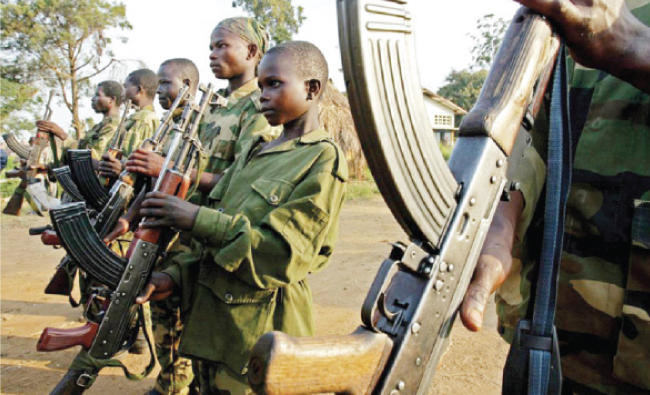
The conquest of the city of Goma, North-Kivu, a city of two million people in the Democratic Republic of Congo in November-December 2024, followed by the conquest by the same forces of Bukavu, the capital of South-Kivu in January-February 2025, a city of one million persons, has brought to attention the use of “child soldiers”, very young people mobilized to kill and destroy. The armed forces, the regular Army of the Democratic Republic of Congo, not having been paid in some time, faded away and left the fighting largely to militias organized along clanic or ethnic lines. There are real possibilities that the fighting will spread to Rwanda and Burundi, perhaps even Uganda.

The issue of child soldiers had gained attention in the ethnic-based fighting in Liberia. Young people had also been used in fighting in Colombia, South America. Child soldiers were often accused of sexual abuse, and there were difficulties in reintegrating the youth in their home villages when the fighting stopped.

Nongovernmental Organizations (NGOs) active in Geneva in the United Nations’ (UN’s) human rights bodies felt that action was needed on the issue of child soldiers and began to organize on the issue. In practice, what gives NGOs their influence is not what an individual NGO can do alone but what they can do collectively. “Networking” is a key method of progress. NGOs make networks which facilitate the trans-national movement of norms and information. Such networks tend to be temporary and highly personalized. However, at the UN, they are bound together in a common desire to protect the planet and advance the welfare of humanity.
In 1979 a Special Working Group on the Rights of the Child was created under the chairmanship of the Polish representative, the legal specialist Adam Lopatka. Government and NGO representatives worked together from 1979 to 1988 for one week each year in Geneva. There was a core group, including the Association of World Citizens (AWC), which worked steadily together. Representatives of the International Committee of the Red Cross and the International Labor Organization were brought into the sessions.

The Working Group managed to come to a consensus on a final version in time for the UN General Assembly to adopt the Convention on the Rights of the Child on November 20, 1989. By creating a common legal framework of world law, the Convention on the Rights of the Child has increased levels of government accountability, bringing about legislative and institutional reforms and increasing international cooperation. As James P. Grant, then UNICEF’s Executive Director, said at the time, “Transcending its detailed provisions, the Convention on the Rights of the Child embodies the fundamental principle that the lives and the normal development of children should have first call on society’s concerns and capacities and that children should be able to depend upon that commitment in good times and bad, in normal times and in times of emergency, in times of peace and in times of war, in times of prosperity and in times of recession.”

The Convention of the Rights of the Child has an important provision banning the recruitment and use in hostilities of persons under 15 years of age. The same provision has been placed in the Rome Statute creating the International Criminal Court. These international legal standards are tools which can be used. It is difficult to reach out to the armed militias active in Congo. However, we must try, as Citizens of the World, to make world law known and put into practice.

Prof. René Wadlow is President of the Association of World Citizens.
Russia-Ukraine Armed Conflict: Start of the Last Lap?

In Being a World Citizen, Conflict Resolution, Current Events, Europe, Human Rights, Humanitarian Law, NGOs, Peacebuilding, Refugees, Solidarity, The former Soviet Union, The Search for Peace, Track II, UKRAINE, United States, War Crimes, World Law on February 22, 2025 at 9:45 AM

By René Wadlow

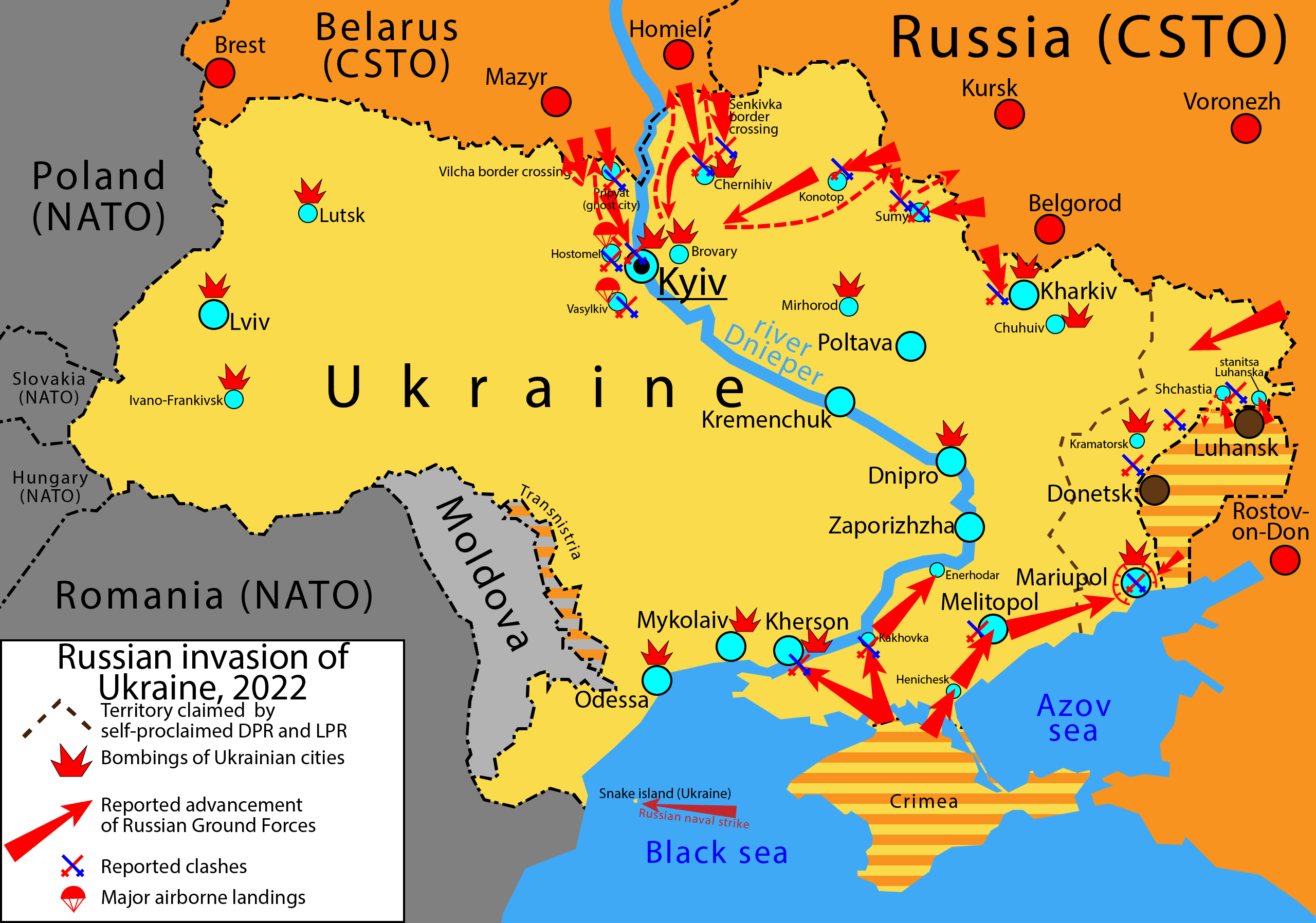
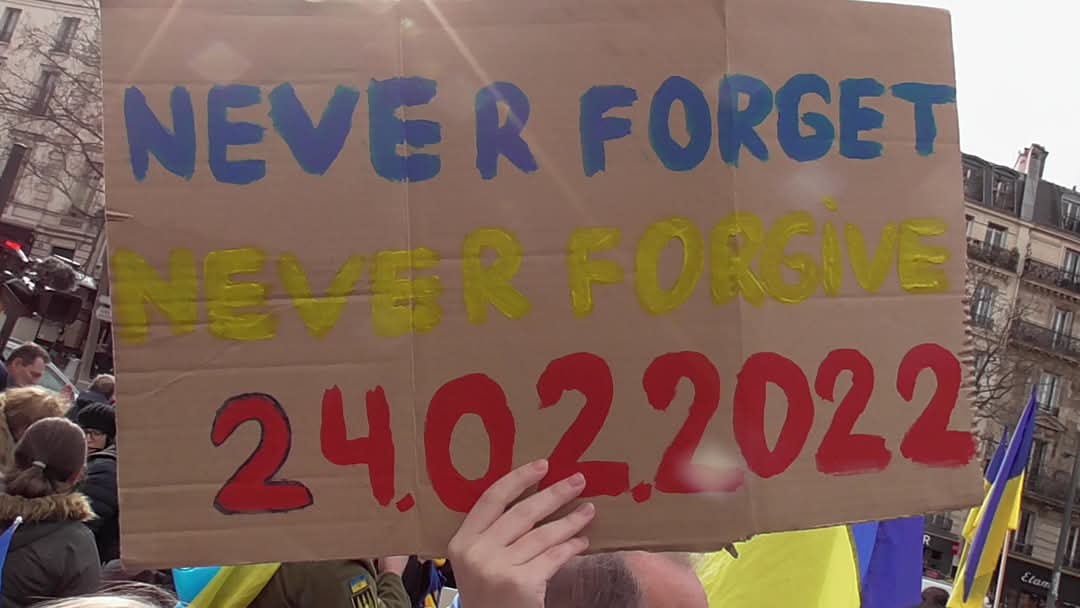
February 24 marks the anniversary of the start of the Russian “Special Military Operation” in Ukraine in 2022 which very quickly became a war with the large loss of life both military and civil, with the displacement of population, and a crackdown on opposition to the war. For three years, the war has continued, lap after lap. Although there were fears that the war might spread to neighboring countries, the fighting has been focused on Ukraine, and more recently on a small part of Russian territory attacked by Ukrainian forces. Can there be a realistic end to the armed conflict in sight?

On February 18, 2025, the United States (U.S.) Secretary of State, Marco Rubio, and the Russian Foreign Minister, Sergei Lavrov, met and discussed in part ending the armed conflict in Ukraine. They discussed a possible Putin-Trump summit that could be held in Saudi Arabia. Earlier, U.S. Army General Mark Milley had said, “There has to be a mutual recognition that military victory is probably, in the true sense of the word, not achievable through military means, and therefore, when there is an opportunity to negotiate, when peace can be achieved, seize it.”

However, the conflict is not one only between the USA and the Russian Federation; it also involves directly Ukraine. The Ukrainian President, Volodymyr Zelenskyy, has stressed strongly that the Ukraine government leadership wants to play a key role in any negotiations. Certain European countries such as France, Germany, Poland and Turkey have been involved in different ways in the conflict as well as in proposing possible avenues of negotiation to bring the conflict to an end. The bargaining process could be lengthy, but also it could be short as there is “handwriting on the wall.”

One key aspect concerns the fate of four Ukrainian areas “annexed” by Russia, Donetsk, Luhansk, Kherson, and Zaporizhzhia largely controlled by Russian troops. President Putin has said, “These regions had been incorporated by the will of the people into the Russian Federation. This matter is closed forever and is no longer a matter of discussion.” However, the status of Crimea and the Donetsk and Luhansk People’s Republics is at the core of what President Zelenskyy wants discussed.

(C) Homoatrox

“Made in War” is the mark of origin stamped upon nearly all States. Their size, their shape, their ethnic makeup is the result of wars. There are virtually no frontiers today that are not the results of wars: world wars, colonial struggles, annexations by victors, wars against indigenous populations. States were not created by reasonable negotiations based on ethnic or geographic characteristics. If frontiers can be modified only by the victors in wars, then there must be new imaginative transnational forms of cooperation. What is needed are not new frontiers but new states of mind.

From April 5 to 7, 2023, the President of France, Emmanuel Macron, was in China and urged that China could play a key role in bringing peace to the Russia-Ukraine conflict. President Xi Jinping had made a very general 12-point peace plan to resolve the Russia-Ukraine conflict – an indication that China is willing to play a peace-making role. China is probably the only country with the ability to influence Russian policymakers in a peaceful direction.

However, there are long historic and strategic aspects to the current armed conflict. Security crises are deeply influenced both by a sense of history and current perceptions. Thus, the Association of World Citizens (AWC) encourages the development of a renewed security architecture as was envisaged by the Helsinki Final Act and the creation of the Organization for Security and Cooperation in Europe (OSCE). There will be much to do to re-create an environment of trust and confidence that has been weakened by this conflict. Nongovernmental Organizations should play an active and positive role.

(C) Bernard J. Henry/AWC

Prof. René Wadlow is President of the Association of World Citizens.
Kuan Yin: She Who Hears the Cries of the World

In Asia, Cultural Bridges, Solidarity, Spirituality, The Search for Peace on February 19, 2025 at 8:10 AM

By René Wadlow

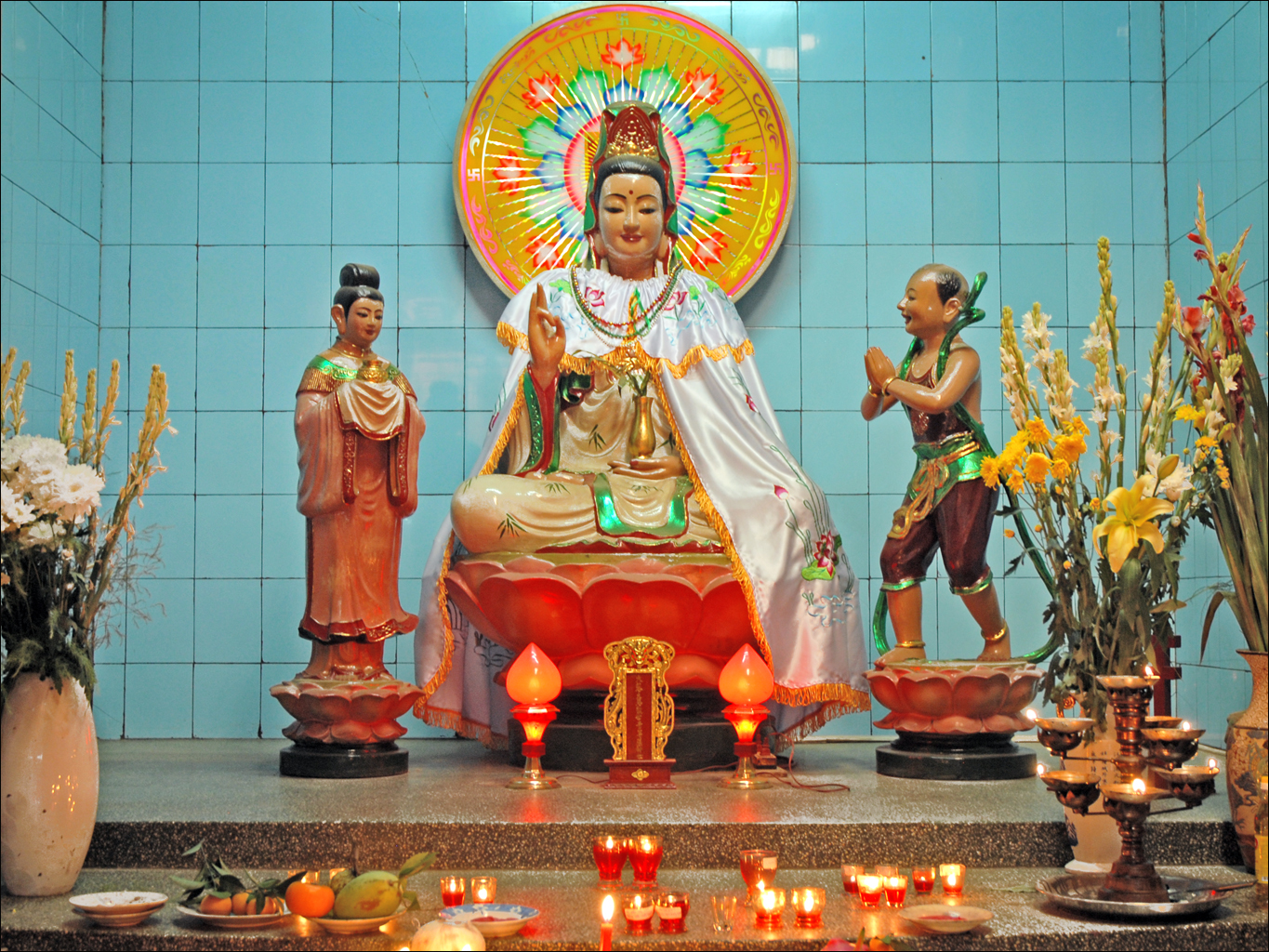
February 19, in countries influenced by Chinese culture, is a day devoted to honoring Kuan Yin, a feminine symbol, the Goddess of Compassion, “She who hears the cries of the world and restores harmony.” In Chinese culture, on February 19, offerings of incense are made to Kuan Yin, along with tea for wisdom and fruit for prosperity.

Today, at a time when humanity is increasingly working together to meet ecological challenges and to overcome ideological-led strife, the spirit of Kuan Yin presents us with an important call for a cultural renaissance based on the concept of harmony with visions of a better future. First, we must look carefully at the present. As the Taoist philosopher Huai Nan Tsu wrote, “The sage responds to everything with an unbiased mind, with a mind free from suppositions. He approaches all events and investigates the laws which govern them.”

At Ông Temple, Can Tho, Vietnam (C) Jean-Pierre Dalbéra

For Kuan Yin, her spirit leads to harmony which includes tolerance and forgiveness of past pains and conflicts. Kuan Yin embodies the virtues of karuna (compassion) and metta (loving kindness). In this way she strengthens the broad currents moving toward gentleness, kindness and inner peace. Kuan Yin, aware of the suffering caused by hateful speech, encourages loving speech and deep listening in order to bring joy and happiness to others and relieve them of their suffering.

Thus, on this February 19, we rededicate ourselves to the spirit of Kuan Yin. We strive to listen to the cries of the world and find ways to develop harmony.

Prof. René Wadlow is President of the Association of World Citizens.
China’s Taoists: Slipping Out of Control?

In Asia, Cultural Bridges, Human Rights, Literature, Religious Freedom, Solidarity, Spirituality on February 17, 2025 at 8:00 AM

By René Wadlow

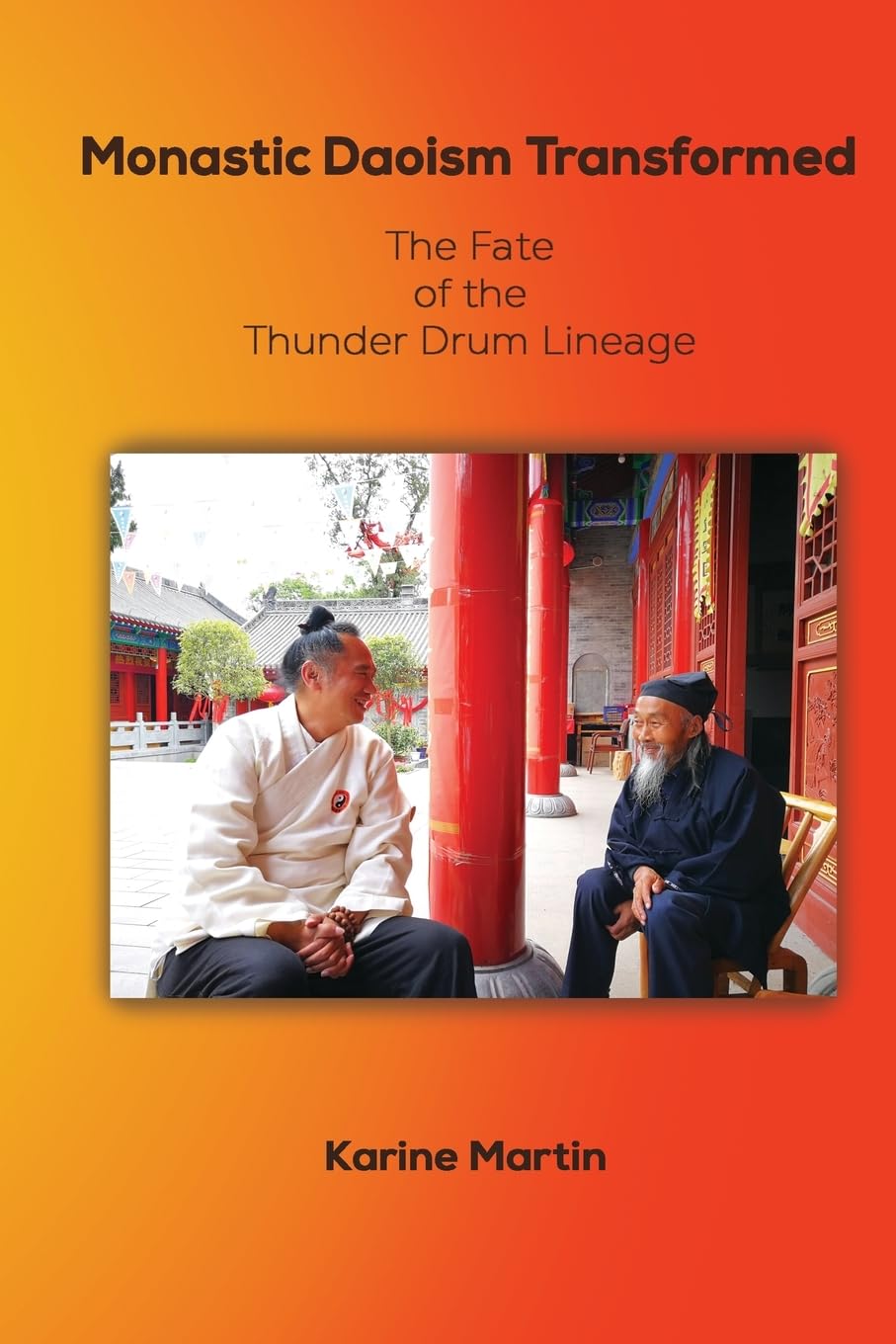
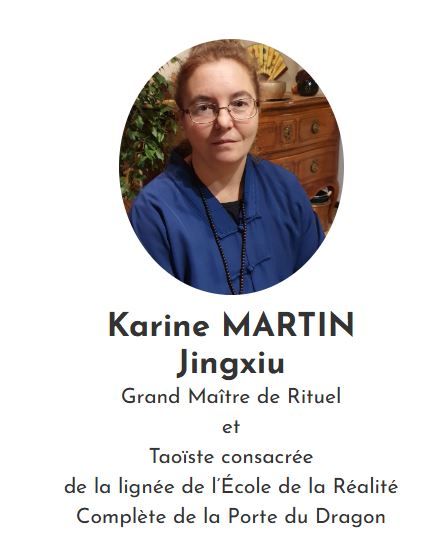
A review of Monastic Daoism Transformed: The Fate of the Thunder Drum Lineage by Karine Martin (Three Pines Press, 2025, 177 pages)

Since 2017 there has been a Chinese government policy called “Sinicization” in keeping with Xi Jinping’s Thought on Socialism with Chinese Characteristics for a New Era.

Sinicization requires all religious organizations to modify their doctrines and activities so that they match what is considered Han Chinese culture. Authorities have removed crosses from Christian churches and demolished minarets from Islamic mosques. Clergy from all religions are required to attend indoctrination courses on a regular basis. Chinese governments, both Nationalist and Communist, officially recognized five religions: Daoism, Buddhism, Islam, Catholicism and Protestantism.

Some religious groups are considered subversive and are outlawed and their members persecuted such as Falun Gong. During the “Cultural Revolution” (1966 to 1976, ending with the death of Chairman Mao Zedong), religion as such was considered to be one of the “four olds” to be destroyed. Churches and temples were closed. In Tibet, there was widespread destruction of temples. Monks were forced into civilian life. Today, the current policy is to keep religious organizations but to make sure that they do not slip out if control.

Karine Martin is a Western member of the Daoist monastic clergy (Taoism is now more often written as Daoism). In 2023, she was able to travel widely in China visiting more than 100 Daoist temples, especially those of the Thunder Drum lineage to which she belongs. As she writes,

“Everywhere I went, I found temples in a state of decline and disarray. There were no devotees, much fewer clergy, and minimal activities. Buildings were in disrepair, and there was very little renovation and construction. The overall atmosphere was one of desolation and despair… Temple websites – so strongly developed just a decade ago – now only speak about Xi Jinping Thought and ways of complying with government guidelines… Since all clergy were forced to rejoin secular society during the Cultural Revolution, many got married and had children yet later returned to their monasteries. The marriages often continued, if at long distance, allowing priests to fulfill their spiritual calling while yet having families. Now this is no longer possible, and monks either have to leave the monastery or produce a document that they have obtained a divorce and are properly celebrate.”

Karine Martin has written a very complete picture of monastic Daoism, a development of her Ph.D. thesis based on field observations. However, there is a cultural Daoism which colors Chinese life, its folk religious practices with village shrines – all difficult to control. Daoism places much emphasis on dreams during which the dreamer encounters immortals and advanced masters. Dreams are by their nature difficult to control from outside. The interpretation of the dream is also individual. Dreams can also lead to forms of deep personal meditation in order to understand the significance of the dreams.

Daoism also stresses good health and long life. Deep breathing, massages, herbal remedies and yoga-style movements such as Taijjiquan and Qigong can be carried out without belonging to a Daoist organization.

Daoism also places an emphasis on the appreciation of nature, especially mountains, rivers, forests and well-structured gardens. An ecological concern is growing in China without a specific link to organized Daoism.

While the government may try to control organized Daoist organizations, its cultural manifestations are ever slipping out of control and may one day be manifested in political terms.

Prof. René Wadlow is President of the Association of World Citizens.
Syria: What New Structures of the State Are Needed?

In Being a World Citizen, Conflict Resolution, Cultural Bridges, Current Events, Democracy, Human Rights, Middle East & North Africa, Solidarity, Syria, The Search for Peace on February 17, 2025 at 8:00 AM

By René Wadlow

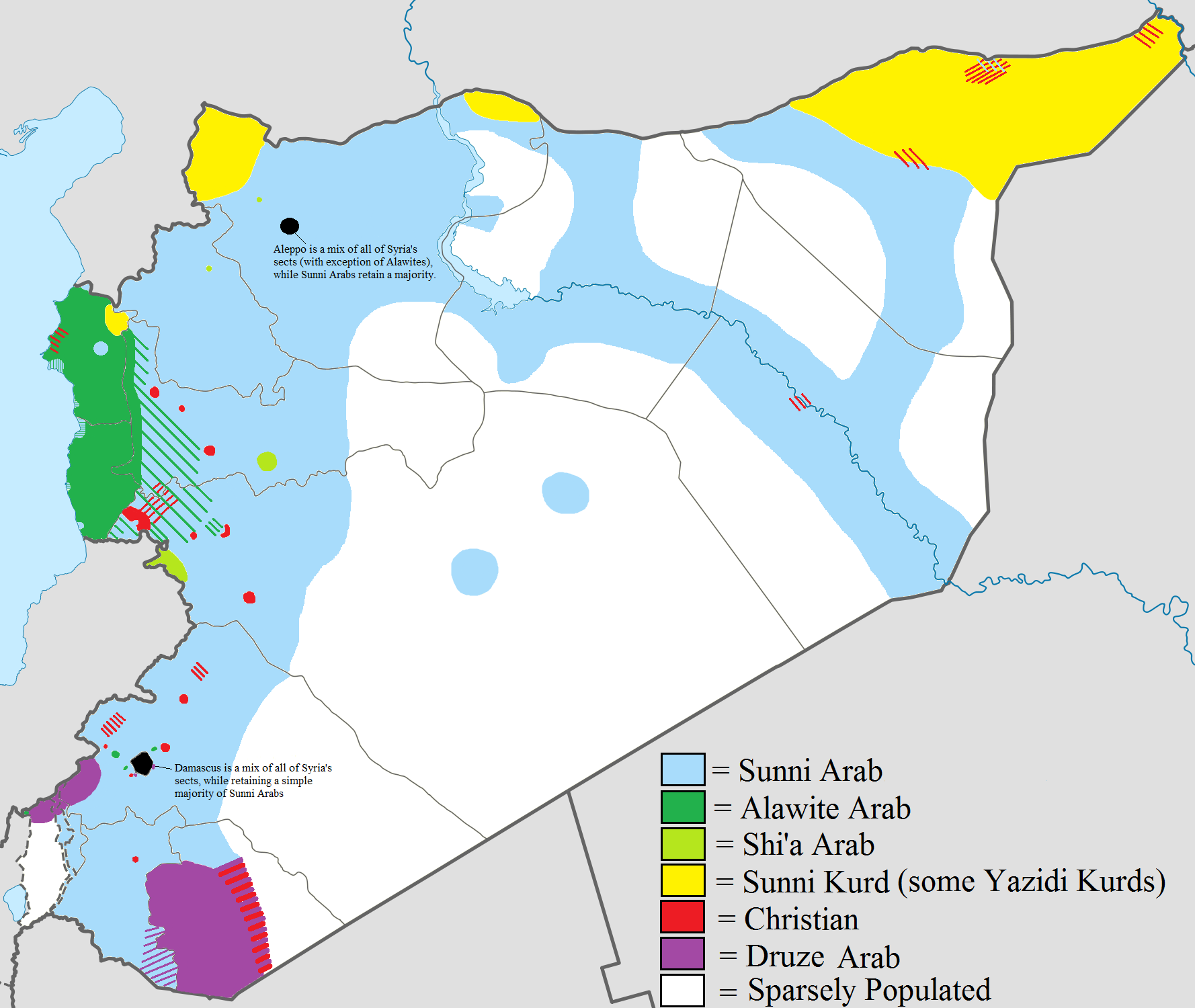
With the end of the long dictatorship of Bachar al-Assad and the naming of Ahmed al-Sharaa, leader of the militia Hayat Tahrir al-Sham (HTS), as President, there is a need for the Syrians to consider the structures of the state. Like its neighbor Lebanon, Syria is home to a number of religious and ethnic groups, sometimes mixed, especially in the major cities. In other places, one group is dominant and usually controls both the economic and political life of the area. Thus, there have been suggestions that Syria should be re-structured as a federal or confederal state.

On March 17, 2016, the “federal democratic system of Rojava” (a Kurdish term for northern Syria) was proclaimed officially. Some 150 representatives of Kurdish, Arab, and Assyrian (largely Christian) groups met in the city of Rmeilan in northeast Syria and voted in favor of the union of three ‘cantons’ largely populated by Kurds − the cantons of Afrin, Kobani, and Jezireh.

The government as well as a major opposition group stated their refusal of a federalist system which they saw as a first step to the breakup of Syria.

While the Kurdish issues in Turkey have attracted international attention, and the largely autonomous Kurdish region of Iraq is a major player in Iraqi politics, the Kurds in Syria have been less discussed.

The Kurds of Syria had not been as visible a factor as other ethnic or sectarian groups. As Michael Gunter, a specialist on the Kurdish world, writes,

On July 19, 2012, the previously almost unheard Syrian Kurds suddenly emerged as a potential game changer in the Syrian civil war and what its aftermath might hold for the future in the Middle East when in an attempt to consolidate their increasingly desperate position, government troops were abruptly pulled out of the major Kurdish areas. The Kurds in Syria had suddenly become autonomous, a situation that also gravely affected neighboring Turkey and the virtually independent Kurdistan Regional Government in Iraq. Indeed, the precipitous rise of the Kurds in Syria bid to become a tipping point that might help change the artificial borders of the Middle East established after the First World War following the notorious Sykes-Picot Agreement. (1)

In a hope of keeping the Kurds out of the growing armed conflict, shortly after the March 15, 2011 start of the Syrian armed conflict, in April 2011, Bashar al-Assad had granted Syrian citizenship to some 220,000 Kurds that had been long waiting to be considered as citizens or who had been stripped of their citizenship in a 1962 census.

However, armed conflict spread, and the Islamic State started to control territory near Kurdish majority areas. Some observers saw the Kurds as “objective allies” of Bashar as they had many of the same enemies.

Working with the regime had largely saved the Kurdish areas from government bombardment and allowed Kurdish leadership to build alternative forms of government. Gunter discusses in some detail the influence among some Kurdish leaders in Turkey and Syria of the writings of Murray Bookchin (1921-2006) and his views of ecologically-sound autonomous governance – “democratic autonomy”.

In the first years of the French mandate of Syria after the First World War, the French had created a form of ‘federal’ administration.

It is very unlikely that the Kurdish propositions will be on the agenda for new governmental structures in Syria now in 2025. The current Syrian leadership is heavily influenced by the government of Turkey, strongly opposed to anything Kurdish. The future development of the Syrian state is an issue to watch closely.

Prof. René Wadlow is President of the Association of World Citizens.
Notes

(1) Michael M. Gunter, Out of Nowhere: The Kurds of Syria in Peace and War (London: Hurst and Co, 2014, p.1)

(2) Damian White, Bookchin: A Critical Appraisal (London: Pluto Press, 2008)

Strengthening Respect for International Humanitarian Law

In Africa, Being a World Citizen, Current Events, Human Rights, Humanitarian Law, International Justice, Middle East & North Africa, NGOs, Solidarity, The former Soviet Union, The Search for Peace, Track II, UKRAINE, War Crimes, World Law on February 10, 2025 at 8:00 AM

By René Wadlow

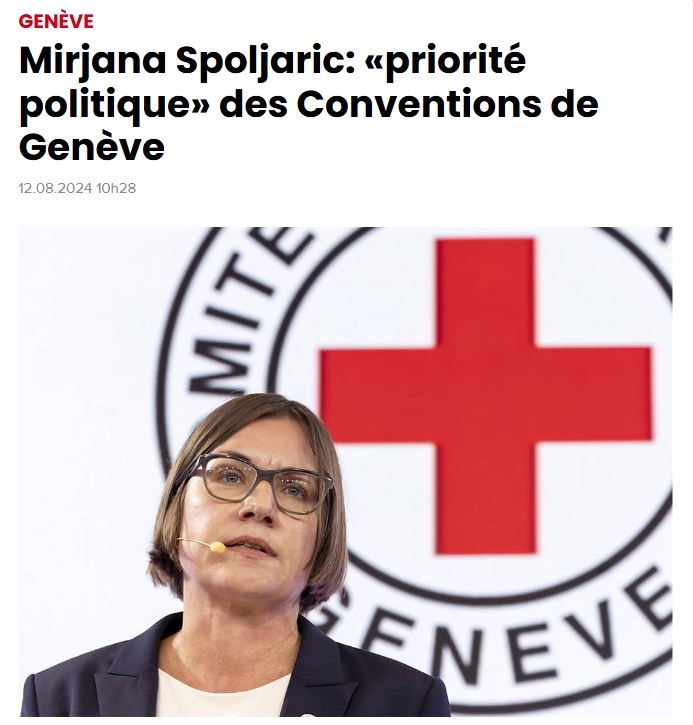
Mirjana Spoljaric, President of the International Committee of the Red Cross (ICRC), warned on February 6, 2025 that there is a serious erosion of respect for international humanitarian law. The ICRC is, through agreements signed with most governments, the chief agency for the respect of the Geneva Conventions, the heart of international humanitarian law.

The armed conflict in Ukraine now spreading to a part of Russia and the conflict between Israelis and Palestinians, especially in the Gaza Strip, have led to the destruction of medical and educational facilities. Civilians have been directly targeted, prisoners of war abused, and hostages taken – all violations of international humanitarian law.

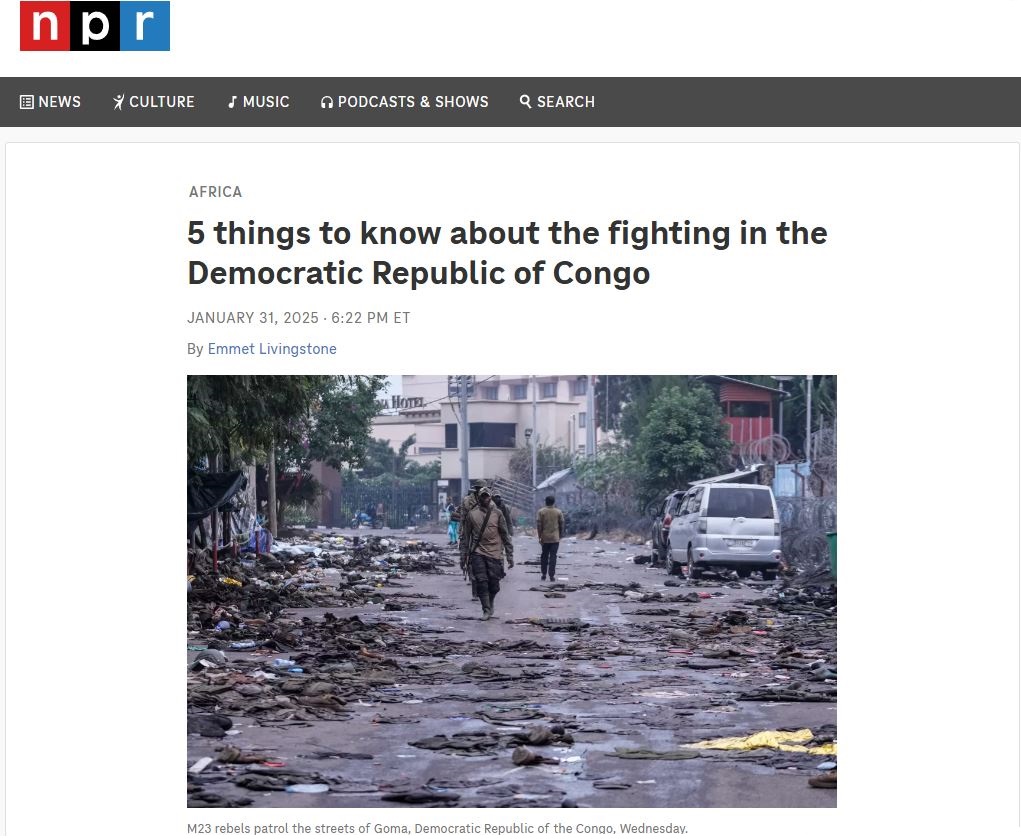
To this sad record of recent abuses must now be added the situation in Goma and the eastern area of the Democratic Republic of Congo. Humanitarian law should be respected by nongovernmental militias such as the M23 in Goma, but they have never signed an agreement to respect the Geneva Conventions. There have been discussions within the ICRC and other humanitarian aid agencies as to the role of nongovernmental militias with respect to international humanitarian law. These are vital discussions as the role of nongovernmental militias has become more frequent in armed conflicts.

The Association of World Citizens (AWC) played a key role in having a coalition of armed groups fighting in Burma to sign the Geneva Conventions. The signature was deposited with the Swiss Government which is the depository power for the Conventions. The signature was considered as only “symbolic” as not involving a government. However, the signature by the militias led to an exchange of prisoners showing that it was taken seriously by the Burmese government.

The AWC has strongly supported the strengthening of international humanitarian law. International humanitarian law is a central core of the broader body of world law. The strengthening of respect for humanitarian law develops a base for the application of international law and such institutions as the World Court.

As Mirjana Spoljaric, a Swiss diplomat before she became President of the ICRC, has stressed, the world society is at a crucial moment. There is a need to reaffirm respect for humanitarian law. Unfortunately, such reaffirmation is not a high priority for most Ministries of Foreign Affairs. Thus, as the AWC has urged, most recently through its appeals of March 2022, October 2023 and October 2024, there is a real possibility for NGOs to take the lead.

Prof. René Wadlow is President of the Association of World Citizens.
Congo: Dangerous Disintegration

In Africa, Being a World Citizen, Conflict Resolution, Current Events, Peacebuilding, Solidarity, The Search for Peace, United Nations, World Law on February 2, 2025 at 8:00 AM

By René Wadlow

On January 26, 2025, we published an article “Goma: Cry of the Imburi” on the possible attack on Goma, the capital of North Kivu Province of the Democratic Republic of Congo. The forces of the M23 (short for Movement of March 23) militia and some three to four thousand regular military of Rwanda were advancing toward Goma. Two days later, on January 28, Goma fell to M23. There were one million inhabitants in Goma and another million living in nearby camps as refugees. They had fled from violence in the neighboring area.

There are a multitude of armed militias, each with their own interests which they advance violently. One grouping of militias, known as the Wazalendo, a term for “patriots” in Swahili, is opposed to M23 but is not part of the regular Democratic Republic military. There has been a great amount of sexual and gender-based violence.

Demonstrators linked to President Félix Tshisekedi’s party in power have demonstrated in the capital Kinshasa, some 2,000 miles away, in front of the embassies of France, Belgium, the United Kingdom, and the U.S.A. for having done nothing to prevent Goma from being attacked. The European governments have replied, as did the French Foreign Minister Jean-Noel Barrot, that they deplore the violence and are in solidarity with the Democratic Republic of Congo.

The United Nations (UN) Security Council met in an emergency session and called for a ceasefire, but no follow-up measures were made public. The UN already has peacekeepers in the area (Monusco) with the aim of stabilizing the mineral-rich region. However, there is no peace to keep. The UN troops are called by the local population “the tourists”. They come only to watch what is going on. In reality, the UN forces are national military and police “lent” to the UN by member governments. The military and police come nearly all from developing countries trained in the British way: Pakistan, Nepal, Bangladesh, Nigeria and Ghana. They have no desire to be killed in armed conflicts which do not concern their country.

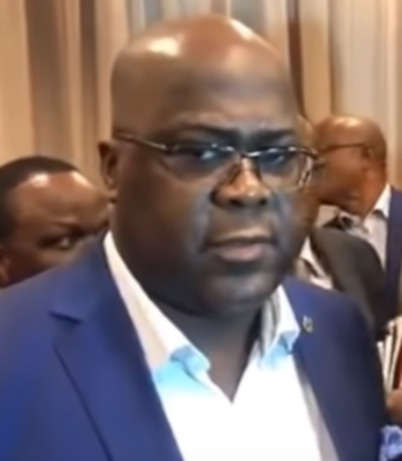
DRC President Félix Tshisekedi

There have been African-led efforts at mediation. In 2022, the African Union asked Angola’s President to mediate which led to a short-lived ceasefire in July 2024, but the ceasefire collapsed shortly after. At this stage, the dangerous disintegration of the Democratic Republic of Congo – democratic in name only – is likely to continue as there is not only armed violence but also a constitutional crisis as President Tshisekedi is trying to change the constitution so that he can stay longer in power. The restoration of legitimate authority and effective stabilization may still be in an unknown future.

Prof. René Wadlow is President of the Association of World Citizens.