The Official Blog of the

Archive for the ‘Track II’ Category

Tension Reduction on the India-China Himalaya Frontier

In Asia, Being a World Citizen, Conflict Resolution, Cultural Bridges, Current Events, NGOs, Solidarity, The Search for Peace, Track II, United Nations on October 28, 2024 at 7:30 AM

By René Wadlow

On October 21, 2024, prior to the meeting of the Indian leader, Narendra Modi, and the Chinese leader, Xi Jinping, the Indian Minister of Foreign Affairs, Subrahmanyam Juishankar, announced that an accord had been reached between Indian and Chinese authorities for a reduction of tensions along the 3,500-kilometer frontier between the two countries.

In 2020, there had been exchanges of fire between Indian and Chinese forces in the Tibet-Ladakh frontier area. There then seemed to be real possibilities that the violence would escalate. Thus, the Association of World Citizens (AWC) had made an Urgent Appeal, posted in July 2020 on its website and sent widely to contacts that might be helpful in reducing tensions. Today, the AWC is pleased with the new agreement and re-publishes its original 2020 Appeal.

* * *

Can Track II Efforts Reduce China-India Frontier Tensions?

July 3, 2020 at 7:52 AM

By René Wadlow

In a June 24, 2020 message to the Secretary General of the Shanghai Cooperation Organization, Mr. Vladimir Novov, the Association of World Citizens (AWC) expressed its active concern with the June 15 death of Indian and Chinese military in the Galwan River Valley in Ladakh on the India-China frontier and the possibility that the tensions will increase. While there have been brief discussions among Indian and Chinese authorities to prevent escalation, there have been no real negotiations. Negotiation is a basic political decision-making process, to facilitate compromise without loss of essential objectives.

33465091301_7d4f34b432_o

The Indian Ministry of External Affairs said on June 25 that since early May, the Chinese have been amassing a large contingent of troops and arms along the Line of Actual Control (LAC). Also, within India, there has been a good deal of media attention, highly critical of China, given to the events. In addition, there have been calls for a boycott of Chinese goods, and some Chinese products have been removed from Indian shops. Both Indian and Chinese spokespersons have made references to the 1962 war during which some 2,000 persons were killed.

The AWC believes that there is a need for prompt measures as the India-China tensions add to existing tensions between the USA and China as well as boundary issues with Asian States in the South China Sea.

There may be a role for “Track II” nongovernmental efforts and exchanges. Track I is official government to government diplomacy among instructed representative of States, usually diplomats from the Foreign Ministry. However, governments have a range of officials on whom to call: intelligence agencies, the military, and “friends of the President” – trusted individuals within the executive entourage.

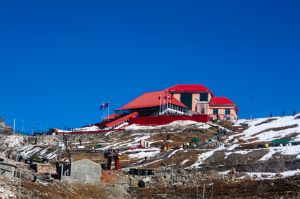
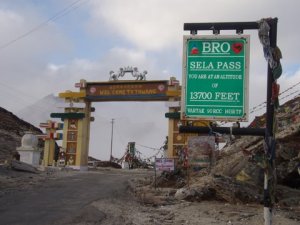
Nathu_La_-_Indo_China_Border

Track II efforts are organized through nongovernmental organizations and sometimes by academic institutions. Such efforts can entail informal, behind the scene communications that take place in the absence of formal communication channels. The term “Track II” was coined by the U. S. diplomat Joseph Montville in The Arrow and the Olive Branch: A Case for Track II Diplomacy.

Track II efforts have grown as there is increasing recognition that there is a tragic disjunction between the United Nations tension-reduction mandate and its ability to intervene in conflicts when called upon. As Adam Curle, experienced in Quaker mediation efforts has written “In general governments achieve their results because they have power to influence events, including the ability to reward or to punish. Paradoxically, the strength of civilian peacemakers resides specifically in their lack of power. They are neither feared nor courted for what they can do. Instead, they are trusted and so may sometimes be enabled to play a part in peacemaking denied to most official diplomats.”

Those involved in Track II efforts must, nevertheless, have ready access to governmental decision-makers and Track I diplomats. As the World Citizen and Quaker economist Kenneth Boulding in a little verse writes,

“When Track One will not do,
We have to travel on Track Two
But for results to be abiding,
The Tracks must meet upon some siding”.

OLYMPUS DIGITAL CAMERA

In the China-India frontier tensions, both sides must be convinced that there is a considerable sentiment for peace among their own supporters. In this conflict, which could slip into greater violence, there is an understandable tendency to look for short term answers. Yet there is also a need for some involved in Track II efforts to have an over-all integrated perspective for both short as well as long-term transformation. Thus, there needs to be a “pool” of people with experience, skills and the ability to move fast when the need or the opportunity is there?

We are sure that there are groups in India and China which can rise to meet this challenge.

Prof. René Wadlow is President of the Association of World Citizens.
A Gaza Development Corporation

In Being a World Citizen, Conflict Resolution, Current Events, Middle East & North Africa, NGOs, Solidarity, Sustainable Development, The Search for Peace, Track II, United Nations, World Law on October 15, 2024 at 6:00 AM

By René Wadlow

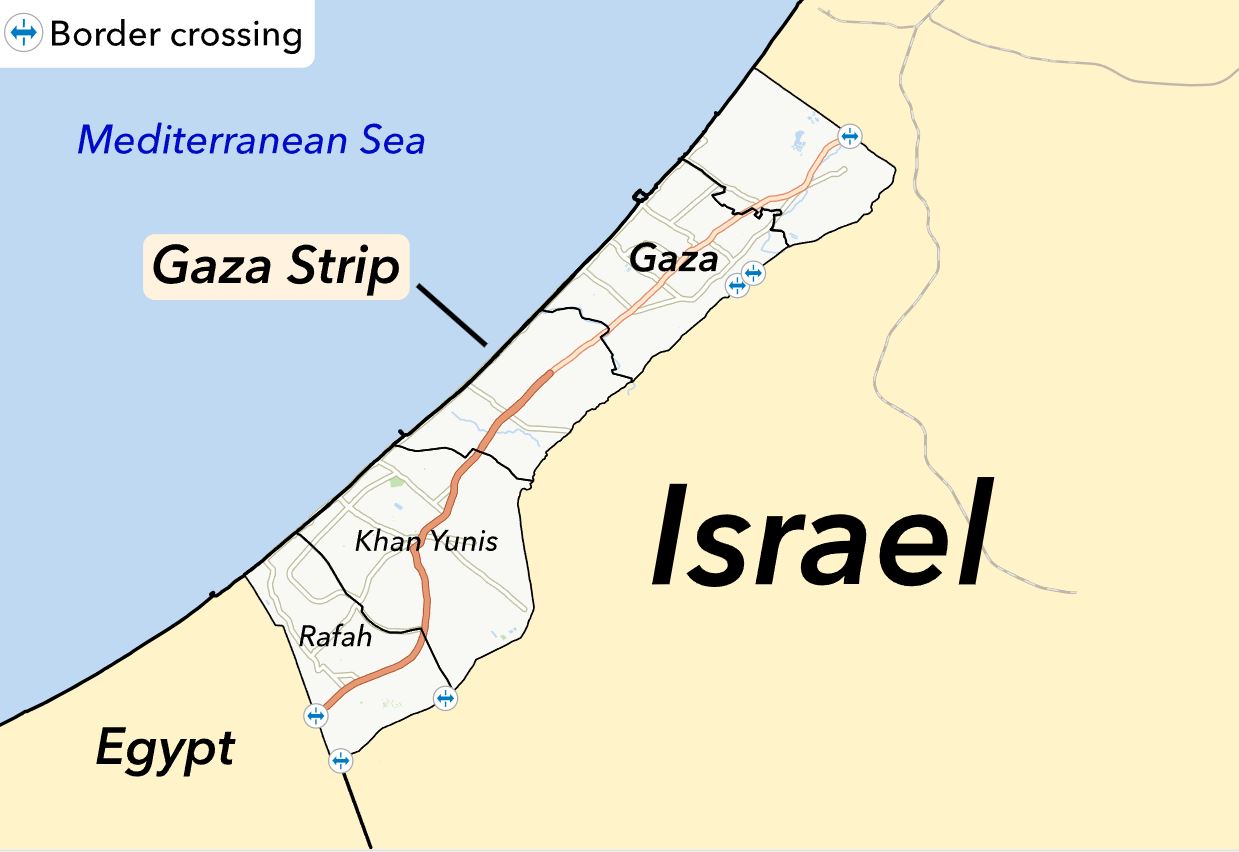
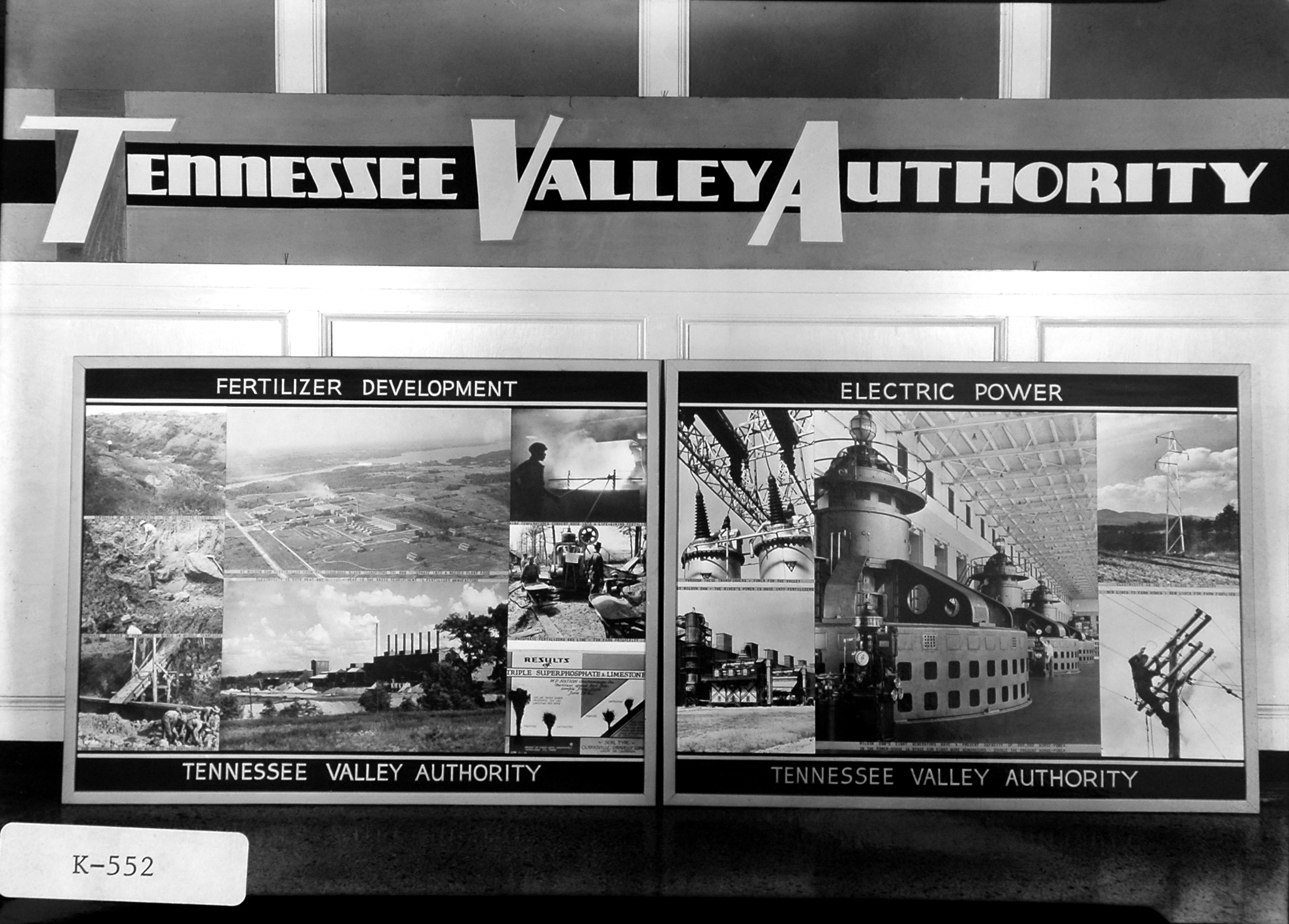
There is increasing discussion concerning the Gaza Strip, its relation to the West Bank, and “the day after” when there is a ceasefire, people return to their home area, and reconstruction begins. The Association of World Citizens (AWC) had proposed in a written text to the United Nations (UN) Human Rights Council (A/HRC/5-12/NGO /1, October 14, 2009) the creation of a Gaza Development Corporation, a strong, future-oriented positive vision influenced by the Tennessee Valley Authority (TVA) of the “New Deal” of the USA and a Jordan Valley Authority proposed in the early 1950s.

The AWC proposal had been first submitted to the representatives of governments and the UN Secretariat for an international funding conference for the Palestinian Authority held in Paris in December 2007. At the funding conference, the World Bank representative, much in the spirit of the AWC proposal, stressed the need to integrate an economically vigorous Palestine into the wider geographic context. Such a wider economic zone would include Israel, Palestine, Lebanon, Syria, and Jordan. The World Bank representative highlighted that prosperity depends on liberating the economic potential of the Palestinian refugees and their descendants.

(C) Isochrone

Unfortunately, the Gaza Development Corporation was not acted upon at the Paris funding meeting, nor in its follow up phase. Creating a framework and institutions to help the people of the Gaza Strip and the wider region will not be easy. However, difficult times call for political creativity. Thus, the AWC re-proposes for consideration the creation of a Gaza Development Corporation.

The TVA was created in May 1933 to help overcome the deep economic depression in the USA. President Franklin Roosevelt, in his message to Congress, suggested that the Authority should be a “corporation clothed with the power of Government but possessed of the flexibility and initiative of a private enterprise. It should be charged with the broadest duty of planning for the proper use, conservation and development of the natural resources of the Tennessee River drainage basin and its adjoining territory for the general social and economic welfare of the Nation… This in a true sense is a return to the spirit and vision of the pioneer. If we are successful here, we can march on, step by step, in the development of other great natural territorial units.”

(1935) Midsouth Fair Exhibit (C) Tennessee Valley Authority

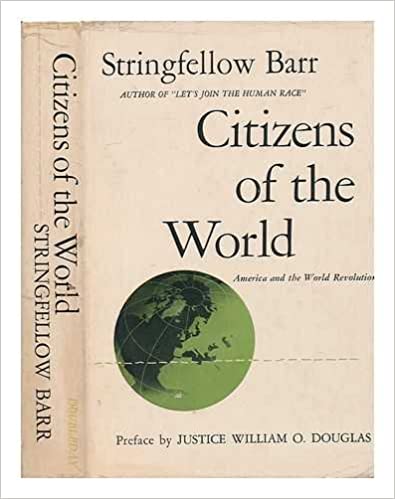
The central idea of the TVA was that it should do many things, all connected with each other. To do all these activities well, it had to be a public corporation, public because it served the public interest, a corporation rather than a government department, so that it could initiate the flexible, responsive management of a well-run private business. As Stringfellow Barr wrote in his book Citizens of the World (New York: Doubleday and Co, 1952, 285 pp), “The great triumph of the TVA was not the building of dams. Great dams had been built before. The greatest triumph was that it not only taught the Valley people but insisted on learning from them too. It respected persons.”

Strong socioeconomic structures are needed which can be maintained during periods of inevitable future tensions. As Jean Monnet, one of the fathers of the European Common Market has said, “Men take great decisions only when crisis stares them in the face.” Just as the first steps of the European Common Market had to overcome the deep wounds of the Second World War, so the situation in the Gaza Strip and the wider area needs to break the strong psychological barriers with cooperative economic measures from which many can benefit and negotiations in good faith”.

Prof. René Wadlow is President of the Association of World Citizens.
One Year of Israeli-Hamas Armed Conflict

In Being a World Citizen, Conflict Resolution, Current Events, Humanitarian Law, International Justice, Middle East & North Africa, NGOs, Nonviolence, Solidarity, The Search for Peace, Track II, United Nations, War Crimes, World Law on October 6, 2024 at 5:30 PM

By René Wadlow

October 7-8, 2024 will mark one year of armed conflict between Israeli forces and the Hamas militia – an armed conflict which grinds on and has spread.

On October 8, 2023, in light of the October 7 Hamas attack and the start of the Israeli response in the Gaza Strip, the Association of World Citizens called for five immediate steps that it hoped would create a climate of dialogue and the start of negotiations in good faith. The proposals were posted on the World Citizens’ website, sent to the Israeli Missions to the United Nations (UN) and to groups that might have avenues of communication with Hamas.

“As Citizens of the World, we call for a ceasefire in the Israeli-Palestinian armed conflict;

For the release of all hostages held by Hamas and other Palestinian groups;

For the release of all Palestinian prisoners held in Israeli jails, often under administrative detention without trial;

For preventing the extension of the conflict to the Lebanon frontier through negotiations with Hezbollah;

For preventing an increase in violence on the West Bank among Israeli settlers and Palestinian villages;

For the start of negotiations in good faith for a political solution that ensures freedom and the collective safety of Israelis and Palestinians.”

(C) Ted Eytan

A year later, the armed violence has increased: in Gaza with a high number of persons killed, wounded and displaced, on the West Bank, in Lebanon, has expanded to Iran and brought in elements of the conflict in Yemen.

There have been relevant resolutions of the UN General Assembly, of the International Court of Justice, and appeals for a ceasefire and negotiations from many Nongovernmental Organizations (NGOs).

Due to the spiraling growth of destruction, as NGOs we must continue and increase our efforts.

Prof. René Wadlow is President of the Association of World Citizens.

Pact for the Future: A Partly Open Door for NGO-UN Cooperation

In Being a World Citizen, Conflict Resolution, Cultural Bridges, Current Events, Human Development, Human Rights, NGOs, Refugees, Religious Freedom, Social Rights, Solidarity, Sustainable Development, The Search for Peace, Track II, United Nations, World Law on October 4, 2024 at 6:00 AM

By René Wadlow

The Pact for the Future was accepted by the United Nations (UN) General Assembly in a three-stage process. The first stage was a nearly year-long drafting of the document with many small revisions in the 56 paragraphs setting out the goal of a renewed UN better able to guarantee peace and development. The second stage was a last moment motion by the Russian Federation which asked for a vote, finding some of the wording, especially on human rights, too strong. The Russian motion was put to a vote with 143 States voting for the text of the Pact, 15 abstentions, and 7 opposed (Russia, Belarus, North Korea, Iran, Syria, Sudan, and Nicaragua.)

After this vote, the President of the General Assembly called for a vote by acclamation. Everyone applauded, some more vigorously than others. Thus, the Pact was adopted by consensus.

The Pact should be seen as a springboard for action rather than as an end point. With the 193 UN members potentially involved in drafting the document, there was a need for compromises and general ideas rather than any new specific proposals. The Pact is a reaffirmation of the goals and processes of the UN system, but it also notes the need for constant renewal. In paragraph 6, the Pact states, “We recognize that the multilateral system and its institutions, with the United Nations and its Charter at the center, must be strengthened to keep pace with a changing world. They must be fit for the present and the future – effective and capable, prepared for the future, just, democratic, equitable and representative of today’s world, inclusive, interconnected and financially stable.”

Paragraph 9 states, “We also reaffirm that the three pillars of the United Nations – sustainable development – peace and security, and human rights – are equally important, interlinked and mutually reinforcing. We cannot have one without the others.”

In practice, it was easier to stress sustainable development since the 2030 Sustainable Development Goals had already been set out, through progress is very uneven. For peace and security, there are Articles 25 and 26 stating that, “We will advance the goal of a world free of nuclear weapons. We will uphold our disarmament obligations and commitments.” A culture of peace is mentioned in a number of places, but no specific steps are set out.

For two days prior to the governments’ discussion and voting on the Pact, there was what were called “Action Days” to which were invited Nongovernmental Organizations (NGOs), academics working on UN issues, and the representatives of business corporations involved in international trade. The two days were certainly a time for networking if not for “action”.

The Pact is a partially open door for UN cooperation with NGOs stating in a general way the “participation of relevant stakeholders in appropriate formats.” More specifically, the Pact calls to “Facilitate more structured, meaningful and inclusive engagement of nongovernmental organizations in consultative status with the Economic and Social Council in the activities of the Council in line with ECOSOC resolution 1996/21”. The door of the Pact was most open to youth calling for an increase in the representation of youth, which can only be via NGOs. We will have to see what, as NGO representatives, we can make of the partly open door.

Prof. René Wadlow is President of the Association of World Citizens.
Strong Measures Needed to Prevent Escalation of Israeli-Hezbollah Conflict

In Being a World Citizen, Conflict Resolution, Current Events, Human Rights, Humanitarian Law, Middle East & North Africa, NGOs, Solidarity, The Search for Peace, Track II, United Nations, World Law on September 26, 2024 at 7:05 AM

By René Wadlow

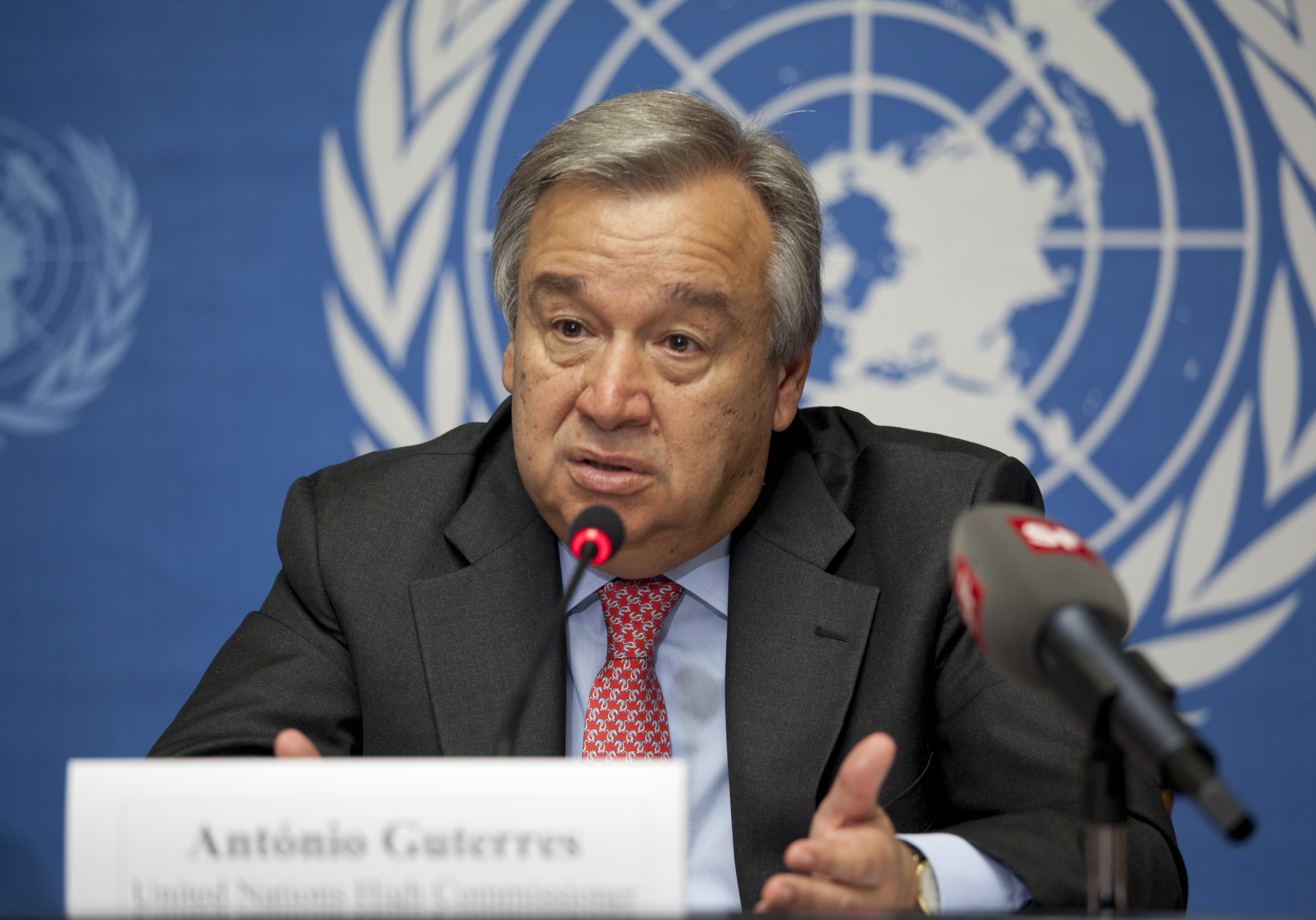
Antonio Guterres, the United Nations (UN) Secretary General, said in his opening remarks to the UN General Assembly on September 24, 2024, “Gaza is a nonstop nightmare that threatens to take the entire region with it. Look no further than Lebanon. We should all be alarmed by the escalation. Lebanon is on the brink. The people of Lebanon – the people of Israel – and the people of the world – cannot afford Lebanon to become another Gaza.”

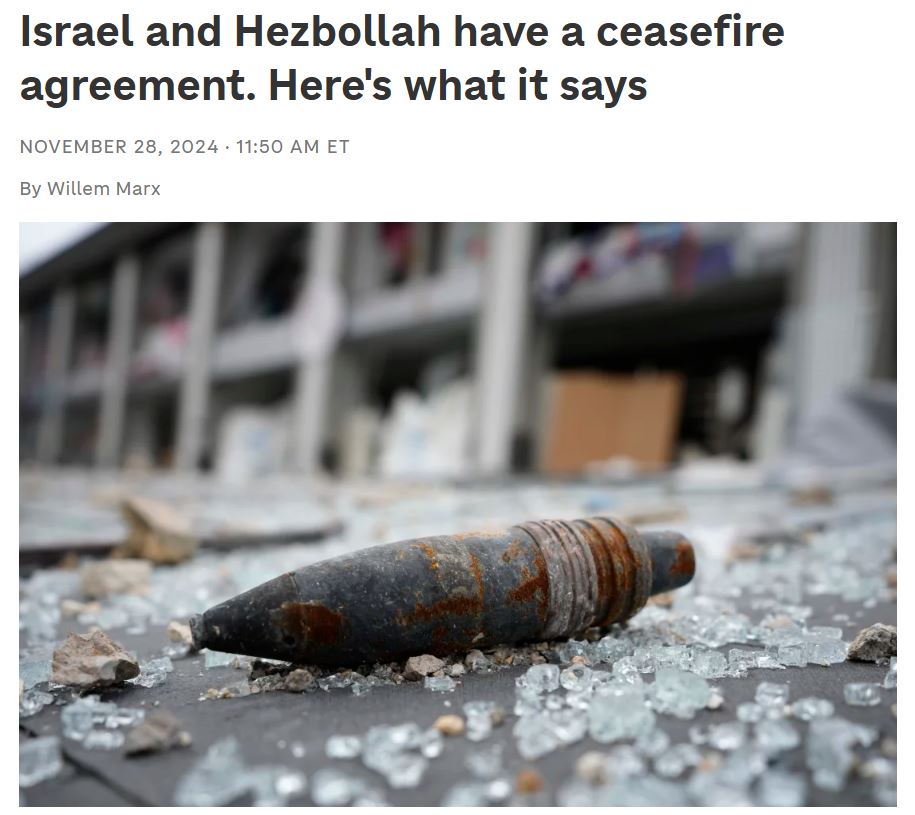
Lebanon may have already moved over the brink. Israeli strikes on Lebanon on September 23 killed at least 356 people and injured more than 1,200 others. Hezbollah deputy chief Naim Qassem has just said, “We have entered a new phase – an open-ended battle of reckoning.” Until now, Hezbollah has designed its attacks to stay below the threshold of a full-scale conflagration, but these deadly exchanges of fire carry a high risk of miscalculation, spiraling violence upward.

A rapid escalation in recent days, starting with the attack on Hezbollah members via booby-trapped pagers and walkie-talkies followed by Israeli bombardments, has raised the specter of a new phase in the conflict with a possible ground invasion by Israeli troops as in 1982 and 2006. There are fears that Iran could be drawn into the fighting. The new Iranian President, Masoud Pezeshkian, speaking at the UN General Assembly also on September 24, demanded a global response to the Lebanon situation, “not to allow Lebanon to become another Gaza.”

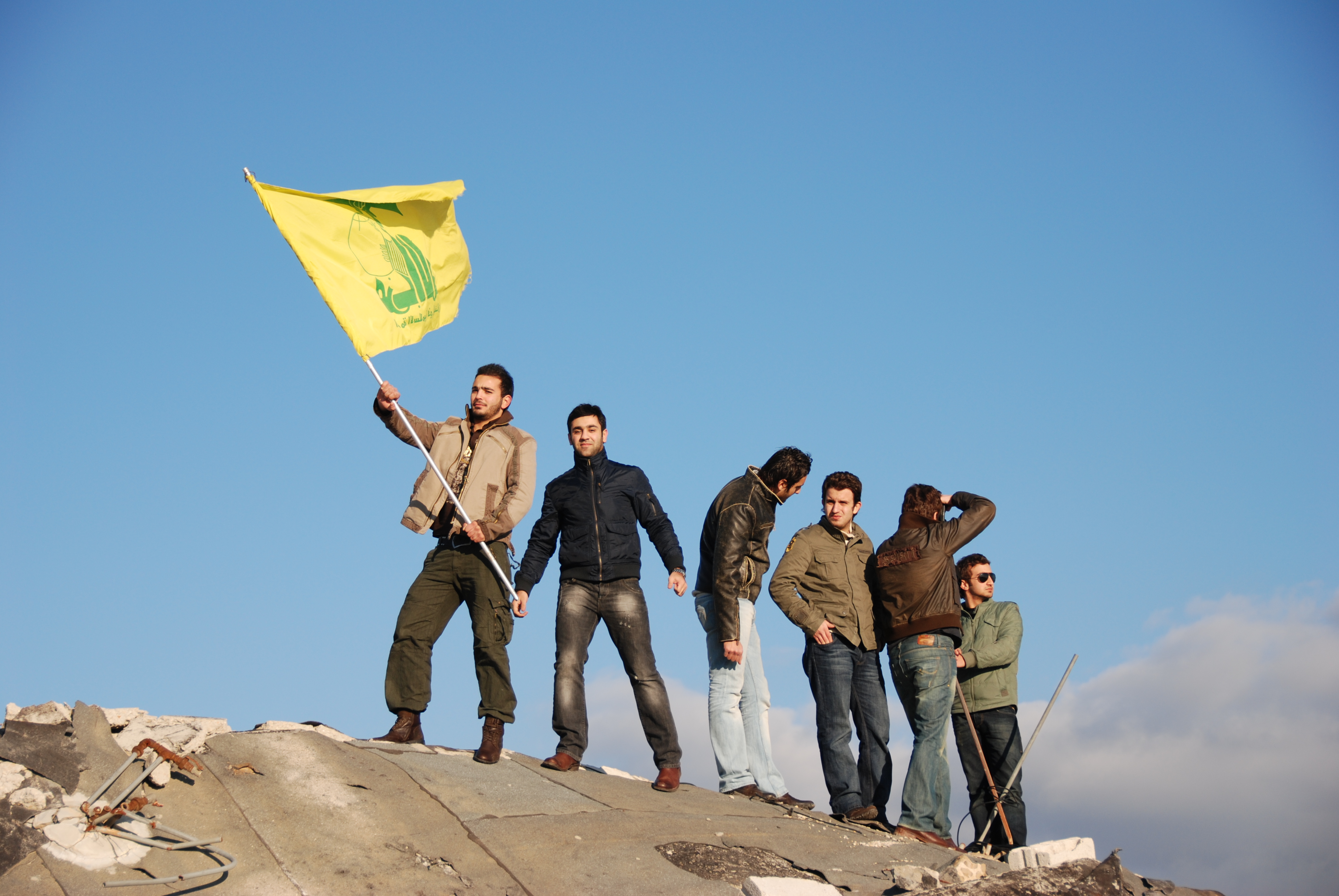
In 2007, young people from Beirut posing with a Hezbollah flag on the ruins of the Khiam prison formerly run by the pro-Israeli South Lebanon Army (C) Paul Keller

Hezbollah is supported by Iran but not fully under Iranian control. Hassan Nasrallah, the Secretary-General of Hezbollah, has in recent days made widely watched television talks attacking Israeli politics and indicating continuing Hezbollah support for the Palestinians in Gaza, saying that a ceasefire in Gaza was necessary before any negotiations with Hezbollah could take place. Since negotiations for a ceasefire in Gaza seem unlikely for the moment, Hezbollah’s current campaign is likely to continue. In addition, recent tensions in the West Bank between Israeli settlers, Israeli soldiers and Palestinians in settled villages have added more heat to the general tensions in the area.

The issue is what can be done now to prevent escalation and reduce tensions. A first step is to stress respect for international humanitarian law – often cited by the Association of World Citizens (AWC). Hospitals, medical facilities, educational institutions have been destroyed in the exchanges of fire. There is a need for resolute action on the violations of humanitarian law. Regular military personnel of all countries are theoretically informed of the Geneva Conventions of August 12, 1949 and the Protocol Additional adopted in 1977 in light of the experiences of the war in Vietnam. Today, international human rights standards are also considered part of international humanitarian law, thus providing additional protection for vulnerable population groups such as women, children and minorities.

A possible second phase is the “good offices” function of the UN Secretary-General. It is certain that the UN Secretariat is concerned, but their ability for action may be very limited.

UN Secretary-General Antonio Guterres

It is not clear what governments at the UN can do. The Security Council has been blocked on many issues by the veto. The resolutions of the General Assembly are “recommendations” with little follow up in practice.

A 21-day ceasefire proposal has just been set out at the UN by France and the USA but rejected by Israel.

There may be some role for non-official mediation carried out by groups representing religious, academic, or charitable organizations. One advantage of non-official mediation is that all concerned are aware that such mediation is genuinely impartial seeking only a reduction of suffering caused by the conflicts. The disadvantage is that non-official mediators lack the resources, political, economic or military on which governmental mediators can draw.

It is certain that strong measures are needed to prevent escalation. Vision and creativity are important factors. The role of nongovernmental organizations in consultative status with the UN such as the AWC may be able to play a role in these dangerous times.

Prof. René Wadlow is President of the Association of World Citizens.
September 21, Day of Peace: Action Needed!

In Being a World Citizen, Conflict Resolution, Current Events, NGOs, Nonviolence, Solidarity, The Search for Peace, Track II, United Nations on September 21, 2024 at 7:17 PM

By René Wadlow

September 21 is the United Nations (UN) designated International Peace Day, set out in 1981 by a UN General Assembly resolution as being a day close to the start of the General Assembly. The Day is devoted to creating a culture of peace through dialogue in a spirit of mutual understanding and a consciousness of the unity of humanity. As the psychoanalyst Erick Fromm wrote, “I believe that the One World which is emerging can come into existence only if a new man comes into being – a man who has emerged from the archaic ties of blood and soil, who feels himself to be a Citizen of the World, whose loyalty is to the human race and to life.”

This year, September 21 is one of the two Action Days of the Summit for the Future being held at the UN in New York. We are all aware that in many parts of the world there is armed conflict, political rivalries and growing tensions. The current heavily State-centered approaches to world politics hampers the effectiveness of the UN and its Specialized Agencies. In these times of insecurity when many people feel uncertain about the future, when anxieties and fears are promoted and then exploited by political populists, old-fashioned nationalists and religious fundamentalists, we need to present a positive vision and to build bridges of understanding over the current divides of nationalism, ethnicity and social classes.

Today, the revolutionary character of our times is recognized by many observers. Those who live in the midst of swift social change confront the upheaval of their way of life. We are entering a period of change for which there are no blueprints. Therefore, it is essential that we learn to work together. We celebrate our similarities rather than our differences. Thus, on this Day of Peace, we are called to new levels of creativity and constructive action.

Prof. René Wadlow is President of the Association of World Citizens.
Victims of Enforced Disappearances: Continued Action Needed

In Being a World Citizen, Current Events, Democracy, Human Rights, International Justice, NGOs, Solidarity, Track II, United Nations, World Law on August 30, 2024 at 6:00 AM

By René Wadlow

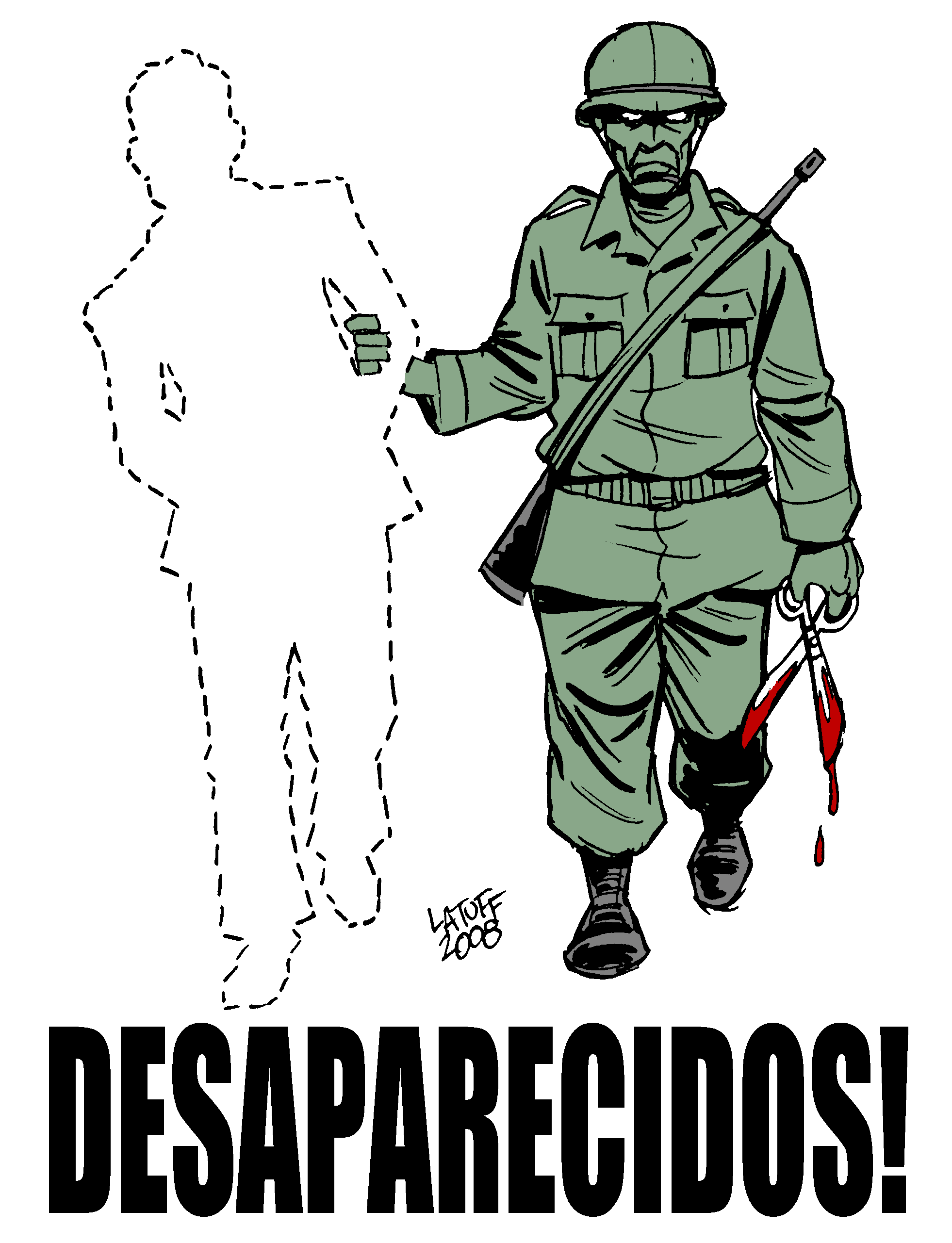
August 30 each year is the International Day of the Victims of Enforced Disappearances. The Day highlights the United Nations (UN) General Assembly Declaration on the Protection of All Persons from Enforced Disappearances of December 18, 1992.

In a good number of countries, there are State-sponsored “death squads” – persons affiliated to the police or to the intelligence agencies who kill “in the dark of the night”, unofficially. These deaths avoid a trial which might attract attention. A shot in the back of the head is faster. In many cases, the bodies of those killed are destroyed. Death is suspected but not proved. Family members hope for a return. In addition to governments, nongovernmental armed groups and criminal gangs have the same practices.

Disappearances was one of the first issues to be raised, largely by Nongovernmental Organizations (NGOs) such as the Association of World Citizens (AWC), when the UN Secretariat for Human Rights with a new director, Theo van Boven, moved from New York to Geneva in 1977.

In 1976, Argentina’s military seized power and set out to kill opposition figures. This situation was quickly raised in the UN human rights bodies in Geneva. In 1980 a UN Working Group on Enforced or Involuntary Disappearances was created and has done important work.[i] However, continued action is needed by both the UN and national NGOs.

Prof. René Wadlow is President of the Association of World Citizens.

[i] See Iain Guest, Behind the Disappearances: Argentina’s Dirty War Against Human Rights and the United Nations (Philadelphia: University of Pennsylvania Press, 1990). Iain Guest was the Geneva UN correspondent for the International Herald Tribune. He had access to Argentine confidential documents once the military left power. He interviewed many diplomats and NGO representatives active in Geneva-based human rights work. This book is probably the most detailed look at how human rights efforts are carried out in the UN Geneva-based human rights bodies.

World Humanitarian Day: A Call for Creative Action

In Being a World Citizen, Conflict Resolution, Human Rights, Humanitarian Law, Middle East & North Africa, NGOs, Solidarity, The Search for Peace, Track II, United Nations, World Law on August 19, 2024 at 7:55 AM

By René Wadlow

The United Nations (UN) General Assembly has designated August 19 each year as “World Humanitarian Day” to pay tribute to aid workers in humanitarian service in difficult and often dangerous conditions. August 19 was designated in memory of the August 19, 2003 bombing of the UN office building in Baghdad, Iraq, in which Sergio Vieira de Mello, UN High Commissioner for Human Rights, and at the time Special Representative of the UN Secretary General, was killed along with 21 UN staff members. Over 200 UN employees were injured. The exact circumstances of the attack are not known, and why UN security around the building was not tighter is still not clear. A truck with explosives was able to drive next to the building and then blew itself up.

Sergio Vieira de Mello had spent his UN career in humanitarian efforts, often with the Office of the High Commissioner for Refugees and at other times as Special Representative of the UN Secretary General. As a Nongovernmental Organization (NGO) representative to the UN in Geneva and active on human rights issues, I knew him during his short 2002-2003 tenure as High Commissioner for Human Rights. Many of us had high hopes that his dynamism, relative youth (he was 54), and wide experience in conflict resolution efforts would provide new possibilities for human rights efforts. His death along with the death of others who had been Geneva-based was a stark reminder of the risks that exist for all engaged in humanitarian and conflict resolution work.

Sergio Vieira de Mello (C) UN Photo/Patrick Bertshmann

The laws of war, now more often called humanitarian law, have two wings. One wing, dealing with the treatment of medical personnel in armed conflicts, the military wounded, prisoners of war and the protection of civilians is set out in the Geneva (Red Cross) Conventions. The second wing, often called the Hague Conventions, limits or bans outright the use of certain categories of weapons. These efforts began at the Hague in 1900 and have continued with the recent limitations on land mines, cluster weapons and certain chemical weapons. The Association of World Citizens was one of the NGOs leading the campaign against cluster weapons.

The current situation concerning refugees and internally-displaced persons can also be considered as part of humanitarian law. To prevent and alleviate suffering, to protect life and health, and to ensure respect for the human person, these are the core values of humanitarian law which we strongly reaffirm on World Humanitarian Day.

Prof. René Wadlow is President of the Association of World Citizens.
Nonproliferation of Nuclear Weapons: Need for New Common Security Approaches

In Being a World Citizen, Current Events, Latin America, Middle East & North Africa, NGOs, Nuclear weapons, Spirituality, The former Soviet Union, The Search for Peace, Track II, United Nations, World Law on July 23, 2024 at 6:00 AM

By René Wadlow

Hiroshima, Japan, August 6, 1945.

Government representatives and some Nongovernmental Organizations (NGOs) are participating from July 22 to August 2, 2024 in Geneva, Switzerland in the Preparatory Session for the Review Conference on the Treaty on the Nonproliferation of Nuclear Weapons. As the political and strategic situation in the world can evolve over time, the Treaty on the Nonproliferation of Nuclear Weapons (NPT) had as one of its provisions (Article VIII) that a review conference be held every five years to judge the situation and to see if new elements should be added. At the end of each Review a “Chairman’s Statement” must be agreed upon by all the States present.

The NPT, which had taken 10 years to negotiate, was proclaimed in 1970, and the first Review Conference was held in Geneva in 1975. As the Review Conference was a meeting of the States Party to the Treaty and not a regular United Nations (UN) disarmament negotiation, NGO representatives had more opportunity for interaction with governments. NGO texts were considered as “official documents” and were printed and distributed by the conference secretariat. I was asked to chair the group of NGO participants, which I did both in 1975 and 1980. As a result of my chairing the NGOs at the 1975 Review, I was invited to Moscow to discuss with Soviet military and arms control specialists. I have remained concerned with the issues ever since.

Each Review Conference has been concerned with the three fundamental aspects of the Treaty: non-proliferation, promotion of the peaceful uses of nuclear energy, and the disarmament initiatives of the five nuclear-weapon States when the Treaty was signed: the USA, USSR, the United Kingdom, France, and China as set out in Article VI.

To make matters more complicated but politically realistic, the policies of nuclear-weapon States which have not signed the NPT – India, Pakistan, Israel, North Korea – color the discussions of each Review. Iran is a State Party to the NPT, but questions have been raised about the effectiveness of the control of the International Atomic Energy Agency (IAEA) on Iran’s peaceful nuclear activities and if nuclear material is being enriched to weapon-production levels.

The nuclear weapons of Israel and their meaning for Middle East policies have long been “an elephant in the room” – too large not to notice but too dangerous to deal with if anything else in the Review process is to be done. In 1995, there was an annex to the final Chairman’s Statement of the Review proposing that a conference on a potential nuclear-weapon-free Middle East should be called. In practice, “the time was never ripe”, but the concept is still there.

The concept of nuclear-weapon-free zones has been an important concept in disarmament and regional conflict-reduction efforts. A nuclear-weapon-free zone was first suggested by the Polish Foreign Minister, Adam Rapacki, at the UN General Assembly in October 1957 – just a year after the crushing of the uprising in Hungary. The crushing of the Hungarian revolt by Soviet troops and the unrest among Polish workers at the same time showed that the East-West equilibrium in Central Europe was unstable with both the Soviet Union and the USA in possession of nuclear weapons, and perhaps a willingness to use them if the political situation became radically unstable. The Rapacki Plan, as it became known, called for the denuclearization of East and West Germany, Czechoslovakia and Poland.

The Plan went through several variants which included its extension to cover reduction of armed forces and armaments, and as a preliminary step, a freeze on nuclear weapons in the area. The Rapacki Plan was opposed by the NATO powers, in part because it recognized the legitimacy of the East German State. It was not until 1970 and the start of what became the 1975 Helsinki Conference on Security and Cooperation in Europe (CSCE) that serious negotiations on troop levels and weapons in Europe began. While the Rapacki Plan never led to negotiations on nuclear-weapon policies in Europe, it had the merit of restarting East-West discussions which were then at a dead point after the Hungarian uprising.

Adam Rapacki

The first nuclear-weapon-free zone to be negotiated – the Treaty of Tlatelolco – was a direct aftermath of the Cuban missile crisis of October 1962. It is hard to know how close to a nuclear exchange between the USA and the USSR the Cuban missile crisis was. It was close enough so that Latin American leaders were moved to action. While Latin America was not an area in which military confrontation was as stark as in Europe, the Cuban missile crisis was a warning that you did not need to have standing armies facing each other for there to be danger.

Mexico, under the leadership of Ambassador Alfonso Garcia-Robles at the UN, began immediately to call for a denuclearization of Latin America. There were a series of conferences, and in February 1067 the Treaty for the Prohibition of Nuclear Weapons in Latin America was signed at Tlatelolco, Mexico. For a major arms control treaty, the Tlatelolco was negotiated in a short time, due partly to the fear inspired by the Cuban missile crisis but especially to the energy and persistence of Garcia-Robles and the expert advice of William Epstein, the UN’s Director of Disarmament Affairs. The Treaty established a permanent and effective system of control which contains a number of novel and pioneering elements as well as a body to supervise the Treaty.

Alfonso Garcia Robles (C) Marcel Antonisse

On September 8, 2006, the five States of Central Asia – Kazakhstan, Kyrgyzstan, Uzbekistan, Tajikistan, and Turkmenistan – signed a treaty establishing a nuclear-weapon-free zone. The treaty aims at reducing the risk of nuclear proliferation and nuclear-armed terrorism. The treaty bans the production, acquisition, deployment of nuclear weapons and their components as well as nuclear explosives. Importantly, the treaty bans the transportation of nuclear weapons as both Russia and the USA have established military airbases in Central Asia where nuclear weapons could have been placed in times of crisis in Asia.

Superman is not coming to rid the world of nuclear weapons. World Citizens need to take the problem to UN delegates by themselves. Or own Quest for Peace deserves a happy ending too.

It is an unfortunate aspect of world politics that constructive, institution-building action is usually undertaken only because of a crisis. Perhaps the growing pressures in the Middle East could lead to concerted leadership for a Middle East nuclear-weapon-free zone. The IAEA has the technical knowledge for putting such a zone in place. Now there needs to be leadership from within the Middle East as well as from the broader international community. There are urgent needs for new common security approaches.

Prof. René Wadlow is President of the Association of World Citizens.
World Court: Focus on Palestinian Territories

In Being a World Citizen, Conflict Resolution, Current Events, Humanitarian Law, International Justice, Middle East & North Africa, NGOs, Solidarity, The Search for Peace, Track II, United Nations, War Crimes, World Law on July 22, 2024 at 11:00 AM

By René Wadlow

At a time when Palestinians in the Occupied West Bank and the Gaza Strip are under violent tensions, on July 19, the International Court of Justice (the World Court), published an Advisory Opinion, “Legal Consequences Arising from Policies and Practices of Israel in the Occupied Palestinian Territory Including East Jerusalem”. The request for an Advisory Opinion came from the United Nations (UN) General Assembly in 2023. The drafting by the World Court judges followed the oral hearings in February 2024 of the representatives of 50 States, the written statement of the Israeli authorities, and a voluminous dossier submitted by the UN Secretary-General on UN investigations and peacemaking efforts.

The international law framework concerns the standards set for the administration of occupied territories and the duties of an occupying power. The Advisory Opinion sets out the legal consequences for Israel, the legal consequences for other States, and the legal consequences for the UN.

(C) International Court of Justice

The Advisory Opinion does not offer new information. Nongovernmental Organizations (NGO), both in Israel and internationally, have documented in sad detail much of the violence against Palestinians, the destruction of homes by Israeli military forces, the increased presence of Israeli settlers in the West Bank, and many other forms of discrimination. The World Court considers this information reliable, and the information can serve as the basis of its deliberation without asking for new investigations.

The question which is now open is “What will be the consequences of the Advisory Opinion?” The World Court has no enforcement provisions for its decisions. The impact of the World Court depends for the most part on what national governments decide to do and on what pressure NGOs can develop. The tensions in the wider Middle East are real, and the Advisory Opinion may provide an impetus for action. The Association of World Citizens is devoted to strengthening international law and will follow these efforts with strong interest.

Prof. René Wadlow is President of the Association of World Citizens.