The Official Blog of the

Archive for the ‘The Search for Peace’ Category

Education for Global Citizenship

In Being a World Citizen, Conflict Resolution, Human Development, Human Rights, Korean Peninsula, NGOs, Solidarity, Spirituality, The Search for Peace, Track II, United Nations, World Law on April 22, 2020 at 7:59 PM

By René Wadlow

The United Nations Educational, Scientific, and Cultural Organization (UNESCO) has taken a lead in Education for Global Citizenship, starting in 2013 with the UNESCO Forum of Global Citizenship Education. Global Citizenship refers to a sense of belonging to the broader community of humanity. Global Citizenship emphasizes political, economic, social, and cultural interconnectedness between the local, the national, and the global. Education for Global Citizenship aims to develop an education based on creative and critical thinking that enables all people to contribute actively to political and development processes in a complex global society.

While it is important that Global Citizenship Education be implemented in the school system at all levels, Global Citizenship must also be carried out by those who are not directly part of the school programs such as nongovernmental organizations (NGOs). Thus, the United Nations Department of Public Information’s yearly conference for NGOs in 2016 was devoted to Education for Global Citizenship. The conference was held in the city of Gyeongju which had been the first capital in 900 AD of a unified Korea. The conference was able to draw on a larger-than-usual Asian NGOs.

The Association of World Citizens (AWC) which supports fully the Global Citizenship Education process was able to play an active role and continues its efforts.
93869502_2584407668464869_3191430403399352320_n.jpg

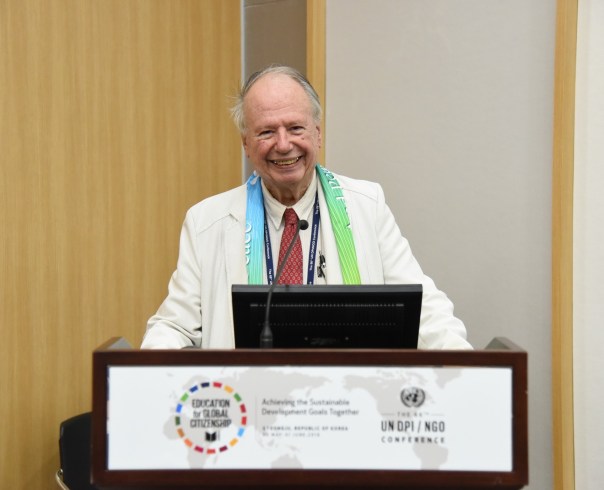
Prof. René Wadlow, President of the Association of World Citizens, addressing the UN DPI/NGO conference in Gyeongju.

Education for Global Citizenship is an essential strategy to address global challenges as well as to promote gender equality, facilitate the eradication of poverty and hunger, build skills, eliminate corruption, and prevent violence. Education for Global Citizenship promotes truly sustainable production and consumption, mitigating climate change and its effects, protecting our waters and biodiversity.

The AWC stresses that Education for Global Citizenship needs to highlight the importance of the human spirit in educational philosophy and practice. World Citizens hold that there are inter-acting dimensions of existence from the physical to the mental and to the dimension of the spirit. Education should consider all these dimensions and not just the physical and mental which is today the focus of most education systems.

We are still at an early stage in the creation of an Education for Global Citizenship. (1)  Education for Global Citizenship is part of a long-term process to build the defenses of peace in the minds of women and men. The Constitution of UNESCO states “Since wars begin in the minds of men, it is in the minds of men that the defenses of peace must be constructed.”

Education for Global Citizenship often means changing deep-set attitudes and behavior. Yet there is much on which we can build. There is a rich body of knowledge and experience which helps students gain in self-confidence and harmony within themselves, harmony with Nature and harmony with their fellow humans.

Education for Global Citizenship requires a comprehensive system of education and training for all groups of people at all age levels, both formal and non-formal education. This is a process of awakening a sense of responsibility for the destiny of humanity as a whole.

The AWC stresses that our oneness with humanity and our acceptance of the whole planet as our home involves a process of change both in the attitudes of individuals and in the politics of States. Humanity is clearly moving towards participation in the emerging World Society. An awareness of the emerging World Society and preparation for full and active participation in this World Society is a necessary element of Education for Global Citizenship at all levels from primary schools though university and adult education.

The AWC highlights that a World Citizen is one:

– Aware of the wider world and has a sense of his role as a world citizen;

– Respects and values diversity;

– Has an understanding of how the world works economically, politically, socially, and culturally, and is willing to act to make the world a more equitable and sustainable place;

– Participates in and contributes to the community at a range of levels from the local to the global.

Note

(1) See Luis Cabrera. The Practice of Global Citizenship (Cambridge University Press, 2016)

Prof. René Wadlow is President of the Association of World Citizens.

A Day of Mother Earth: Living in Harmony with Nature

In Being a World Citizen, Environmental protection, Human Development, Human Rights, NGOs, Social Rights, Solidarity, Spirituality, The Search for Peace, Track II, United Nations, World Law on April 22, 2020 at 7:45 PM

By René Wadlow


International Mother Earth Day on April 22 each year was established by the United Nations (UN) General Assembly in 2009. Its aim is to promote living in harmony with Nature and to achieve a just balance among the economic, social, and environmental needs of present and future generations. The concept of living in harmony with Nature was seen by the UN delegates as a way “to improve the ethical basis of the relationship between humankind and our planet.”

The term “Mother Earth” is an expression used in different cultures to symbolize the inseparable bonds between humans and Nature. Pachamama is the term used in the Andean cultures of South America. The Earth and the ecosystem are our home. We need to care for them as a mother is supposed to care for her children and the children to show love and gratitude in return. However, we know from all the folk tales of the evil stepmother as well as the records of psychoanalytic sessions that mother-children relations are not always relations of love, care, and gratitude. Thus, to really live in harmony with Nature requires deep shifts in values and attitudes, not just “sustainable development” projects.

MotherEarth.png

The UN began its focus on ecological issues with the preparations for the 1972 Conference in Stockholm and has continued with the 1992 Rio Declaration followed by the Rio plus 20 conference 20 years later. However, the concept of living in harmony with Nature is relatively new as a UN political concept. Yet it is likely to be increasingly a theme for both governmental policy making and individual action.

Rodney Collin wrote in a letter “It is extraordinary how the key-word of harmony occurs everywhere now, comes intuitively to everyone’s lips when they wish to express what they hope for. But I feel that we have hardly yet begun to study its real meaning. Harmony is not an emotion, an effect. It is a whole elaborate science, which for some reason has only been fully developed in the realm of sound. Science, psychology and even religion are barely touching it as yet.” (1)

Resolutions in the UN General Assembly can give a sense of direction. They indicate that certain ideas and concepts are ready to be discussed at the level of governments. However, a resolution is not yet a program of action or even a detailed framework for discussion. “Living in harmony with Nature” is at that stage on the world agenda. Since the start of the yearly observation of Mother Earth Day in 2010, there have been useful projects proposed around a yearly theme. The 2018 theme is to reduce pollution from plastics. The exponential growth of plastics is now a real threat by injuring marine life, littering beaches and landfills and clogging waste systems. There is a need to reduce the single use of plastic objects by reusing and recycling plastic objects.

However, reducing pollution from plastic objects, while useful, is not yet living in harmony with Nature. There are still efforts to be made to spell out the ethical base and the necessary shifts in attitudes and actions.

8572612414_2f1c322d58_c.jpg

Notes

(1) His letters have been assembled after his death by his wife into a book:

Rodney Collin, The Theory of Conscious Harmony (Boulder, CO: Shambhala, 1958)


Prof. René Wadlow is President of the Association of World Citizens.

Conscience: The Inner Voice of the Higher Self

In Being a World Citizen, Human Development, Human Rights, Humanitarian Law, International Justice, NGOs, Solidarity, Spirituality, The Search for Peace, Track II, United Nations on April 5, 2020 at 8:30 AM

By René Wadlow


The United Nations (UN) has designated April 5 as the International Day of Conscience. The first celebration is this year 2020. An awakened conscience is essential to meeting the challenges which face humanity today as we move into the World Society. The great challenge which humanity faces today is to leave behind the culture of violence in which we find ourselves and move rapidly to a culture of peace and solidarity. We can achieve this historic task by casting aside our ancient national, ethnic, and social prejudices and begin to think and act as responsible Citizens of the World.

The useful press kit prepared by the UN Information section for the April 5 International Day of Conscience highlights earlier UNESCO and then UN General Assembly efforts for the Decade of the Culture of Peace and Non-Violence. A culture of peace gives the broad social framework in which the conscience of each individual can be a guide.

images.jpg

An awakened conscience makes us sensitive to hearing the inner voice that warns and encourages. We have a conscience so that we may not let ourselves be lulled to sleep by the social environment in which we find ourselves but will remain alert to truth, justice, and reason. As the Universal Declaration of Human Rights says in Article 1, “All human beings are endowed with reason and conscience and should act towards one another in a spirit of brotherhood.”

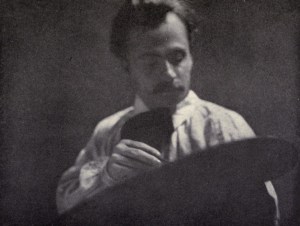
There is a need to build networks and bridges among Companions of Conscience. As the Lebanese poet Khalil Gibran wrote, “I believe that there are groups of people and individuals the world over who are kin, regardless of race. They are in the sme realm of awareness. This is kinship, only this.”

Companions of Conscience create a ground for common discourse and thus a ground for common, life-affirming action. The circle of Companions of Conscience is growing worldwide, and Conscience-based actions are increasingly felt.

Portrait_of_Kahlil_Gibran

Khalil Gibran

Prof. René Wadlow is President of the Association of World Citizens.

Libya: The Fairy Godmothers Hoping to Bless a New State Structure Meet in Berlin

In Being a World Citizen, Conflict Resolution, Current Events, Humanitarian Law, International Justice, Libya, Middle East & North Africa, NGOs, Refugees, Solidarity, The Search for Peace, Track II, United Nations, World Law on January 22, 2020 at 9:16 PM

By René Wadlow

The Fairy Godmothers of world politics met in Berlin on January 19, 2020 to assist at the birth of a State structure arising from the currently deeply divided factions of Libya: German Chancellor Angela Merkel and United Nations (UN) Secretary-General Antonio Guterres were the co-hosts with the Turkish Recep Tayyip Erdogan, Russia’s Vladimir Putin, France’s Emmanuel Macron, the United Kingdom’s Boris Johnson, the USA’s Mike Pompeo as well as the less easily recognized officials – the Prime Minister of Italy, Giuseppe Conte, and the representatives of China, Egypt, Algeria, and the United Arab Emirates. There were also representatives of the major intergovernmental organizations involved in Libya: the UN, the European Union, the African Union and the League of Arab States.

The Final Document of the Berlin Conference is an effort to please all participants, but, in fact, on the crucial issue of the creation of a functioning administration for Libya, there was only a broad vision of a desirable future: a single, unified, inclusive, and effective Libyan government that is transparent, accountable, fair with equitable distribution of public wealth and resources between different Libyan geographic areas, including through decentralization and support for municipalities, thereby removing a central grievance and cause of recrimination.

The creation of such State structures has been the chief issue since 1945 when the Allies – Britain, the USA and the USSR – agreed that the Italian colonies should not be returned to Italy, although Italian settlers were encouraged to stay. The Allies did not want to create the structures of the new State believing that this task should be done by the Libyans themselves. Also, the three Allies disagreed among themselves as to the nature of the future State.

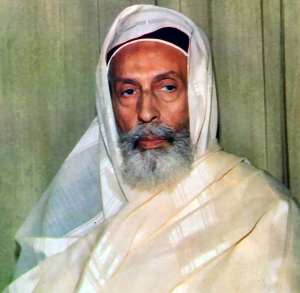
King Idris I of Libya

By 1950-1951 with more crucial geopolitical issues elsewhere, the Allies were ready for the creation of a Libyan State. It seemed that a monarchy was the most appropriate form of government as there were no structured political parties that could have created a parliamentary government. Thus in 1951, Idris was made the King of the State. Idris was the head of the Senussi Sufi Order created by his father. The Senussi Sufi Order had branches in most parts of the country. Idriss ruled the country as if it were a Sufi order and did little to structure non-religious political structures. Idris ruled until September 1969 when he was overthrown by Muammar Qaddafi.

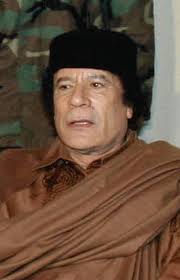
Qaddafi was also not interested in creating permanent political parties which, he feared, might be used against him. He called himself “the Guide of the Revolution” not “President” and Libya became the Libyan Jamahiriya, that is, the authority of the people. The closest model to Qaddafi’s vision is a Quaker Meeting, where decisions are taken by consensus and compromise at the local level. These decisions are then sent as recommendations to the next higher level where by consensus and compromise again a decision is taken. Ultimately, these decisions reach to the top of Libya, and the “Guide” sees how they can be carried out.

Muammar Qaddafi

The problem with the governance of Libya was that not everyone was a member of a Sufi order where the search for enlightenment in a spirit of love was the way decisions were to be made. Moreover, there were hardly any Libyan Quakers, and compromise was not the chief model for the tribal and clanic networks which was how the country was structured under Qaddafi.

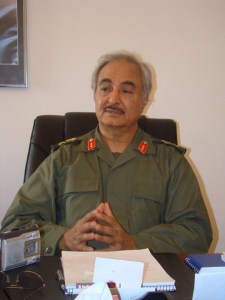
Since the overthrow and death of Qaddafi in 2011, there has been no agreement on how the country should be structured. The model which is most likely to be followed is that of General Khalifa Haftar, who now likes to be addressed as “Field Marshal”. The model is a military-based dictatorship with a small number of civilians as “window dressing”. The model is well represented through the world although not always held up as a model form of government. Haftar holds a good bit of the Libyan territory, although his hope of a quick victory over the “national unity” government in the capitol Tripoli has not been successful for the moment.

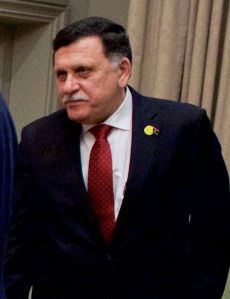
Faiez Sarraj

The National Unity Government of Faiez Sarraj is a civilian-led government but heavily dependent for its survival on tribal militias. The model for the government is that of Recep Tayyip Erdogan of Turkey with a certain ideological coloring from the Islamic Brotherhood, originally from Egypt but whose ideology has spread. What type of structures can be created between these two major models is not known. I would expect to see a Khalifa Haftar-led government with a few civilians brought in from the National Unity Government.

General Khalifa Haftar

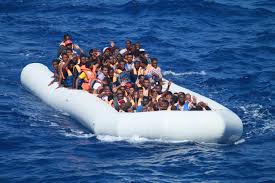
The only geographic area outside of the current Tripoli-centered conflict between Faiez Sarraj and Khalifa Haftar is the area known as the Fezzan – the southwestern part of the country on the edge of the Sahara. The area was associated with the rest of the country during the period of King Idriss as there were a number of branches of his Sufi order in the oases where most of the 200,000 people in the area live, mostly date palm farmers. Gaddafi largely left the area alone as there was little possibility of developing organized opposition. However, today, the governmental neglect has opened the door to wide-spread smuggling of people, weapons and drugs. The Italian government in particular has drawn international attention to the lack of administration in the Fezzan as many of the African migrants who end up in Italy have passed through the Fezzan on their way to Europe.

The creation of highly decentralized governmental structures in Libya will not be easy. Nevertheless, such decentralized administration is key to the future, and a challenge to all of us who want to see a peaceful and relatively just Libya.

Prof. René Wadlow is President of the Association of World Citizens.
A Vibrant World Civil Society

In Being a World Citizen, Conflict Resolution, Democracy, Europe, Human Rights, NGOs, Solidarity, The Search for Peace, Track II on January 4, 2020 at 11:21 PM

By René Wadlow

The term “civil society” came into extensive use especially in Europe in the mid -1970s as efforts to bridge the East-West divide and prevent the dangers of war in Europe. As Mary Kalder writes “A group of us launched the European Nuclear Disarmament (END) Appeal for a nuclear-free Europe. The Appeal attracted thousands of signatures from all over Europe and beyond and was one of the mobilizing documents of the new peace movement which sprang up in Western Europe in the early 1980s. The Appeal called for nuclear disarmament through unilateral, bilateral, and multilateral means, but it was also an appeal to end the Cold War. It accorded responsibility in the Cold War to both the United States and the Soviet Union and insisted on the link between disarmament and democracy.” (1)

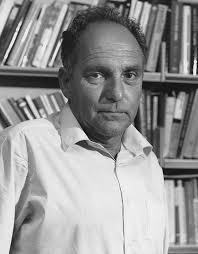
Ernest Gellner

The END Appeal looked to positive action from “civil society” within the Soviet bloc which was starting to be vocal outside of the government-controlled peace organizations which largely reflected Soviet government policy in their interaction with Western peace-disarmament non-governmental organizations. As Ernest Gellner writes, “Civil Society is the idea of institutional and ideological pluralism, which prevents the established monopoly of power and truth and counterbalances those central institutions which though necessary, might otherwise acquire such monopoly. The actual practice of Marxism had led, wherever it came to be implemented to what might be called Caesaro-Papism-Mannonism to the near total fusion of the political, ideological, and economic hierarchies. The state, the church-party, and the economic managers were all parts of one single nomenclature… Civil Society is that set of diverse nongovernmental institutions which is strong enough to counterbalance the state and, while not preventing the state from fulfilling its role as keeper of the peace and arbitrator between major interests, can nevertheless prevent it from dominating and atomizing the rest of society.” (2)

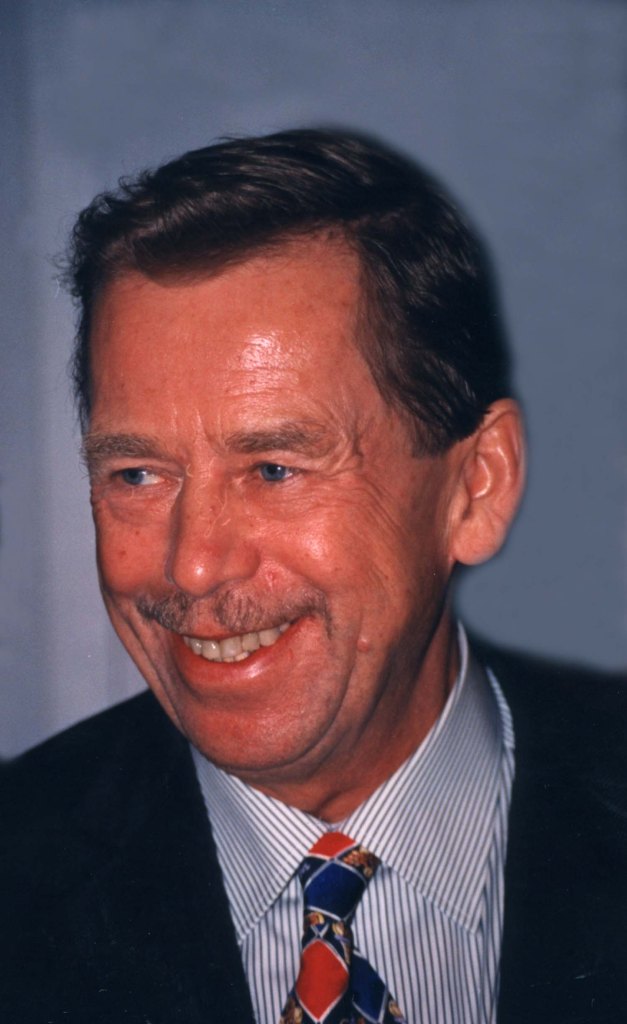
Vaclav Havel

Vaclav Havel, although he later became president of a State, was a valuable symbol of the efforts to develop a civil society. “We emphasized many times that the struggle we had taken on had little in common with what is traditionally understood by the expression ‘politics.’ We discussed such concepts as non-political politics, and stressed that we were interested in certain values and principles and not in power and position. We emphasized the importance of the spirit, the importance of truth and said that even spirit and truth embody a certain kind of power.” (3)

Today, more than in the recent past, we are faced with a revival of the Caesaro-Papism-Mannonism States whose interactions, especially in the wider Middle East, could lead to armed conflicts. In addition to the Caesaro-led States, the world society faces terrorism as movements with goals, gurus, ideologues, myths and martyrs. Thus there is a need to develop and structure a world-wide civil society. The concept of civil society is probably the platform for future progressive action. The global civil society is a ‘power shift’ of potentially historic dimensions with bonds of trust, shared values and mutual obligations which cross national frontiers. With the war drums starting to beat, creative action is needed now.

Notes

1) Mary Kaldor (Ed.), Europe from Below (London: Verso, 1991)
2) Ernest Gellner, Conditions of Liberty: Civil Society and its Rivals (London: Penguin Books, 1996)
3) Vaclav Havel in Mary Kalder (Ed.), Europe from Below.

Prof. René Wadlow is President of the Association of World Citizens.
Migration and Awareness of Trafficking in Persons

In Africa, Asia, Being a World Citizen, Conflict Resolution, Current Events, Environmental protection, Europe, Fighting Racism, Human Rights, Middle East & North Africa, Migration, NGOs, Refugees, Solidarity, The Search for Peace, Track II, United Nations, World Law on October 28, 2019 at 12:40 PM

By René Wadlow

On October 23, 2019, 39 people, 8 women and 31 men, were found dead in a refrigerated trailer truck coming from Belgium in the last leg of its journey. The truck was at a parking lot in Essex, near London, England. The identity of the persons is still in the process of being investigated. They may be Vietnamese having traveled through China, or Chinese. The victims draw sad attention to the process of trafficking in persons.

The United Nations (UN) Global Compact for Safe, Orderly and Regular Migration has drawn attention to the positive aspects of migration. However, there are also negative aspects so that we are also concerned with migration that is not safe such as trafficking in persons. A UN report presented to the Commission on the Status of Women highlighted that human trafficking is one of the fastest growing criminal industries and one of the biggest human rights crises today. The vast majority of victims trafficked are for sexual exploitation, while others are exploited for forced labor and forced marriage.

One aspect of migration issues is the issue of the trans-frontier trafficking in persons. Awareness has been growing, but effective remedies are slow and uncoordinated. Effective remedies are often not accessible to victims of trafficking owing to gaps between setting international standards, enacting national laws and then implementation in a humane way.

The international standards have been set out in the United Nations Convention against Transnational Organized Crime and its Protocol to Prevent, Suppress and Punish Trafficking in Persons, Especially Women and Children. The Convention and the Protocol standards are strengthened by the International Convention on the Protection of the Rights of All Migrant Workers and Members of their Families. The worldwide standards have been reaffirmed by regional legal frameworks such as the Council of Europe Convention on Action against Trafficking in Human Beings.

Despite clear international and regional standards, there is poor implementation, limited government resources and infrastructure dedicated to the issue, a tendency to criminalize victims and restrictive immigration policies in many countries.

Trafficking in persons is often linked to networks trafficking in drugs and arms. Some gangs are involved in all three; in other cases agreements are made to specialize and not expand into the specialty of other criminal networks.

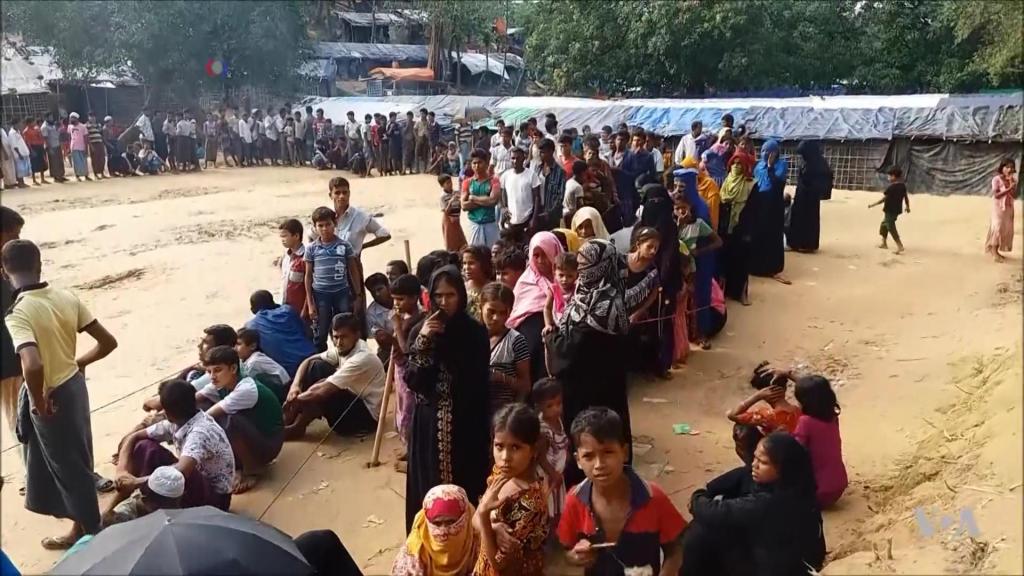
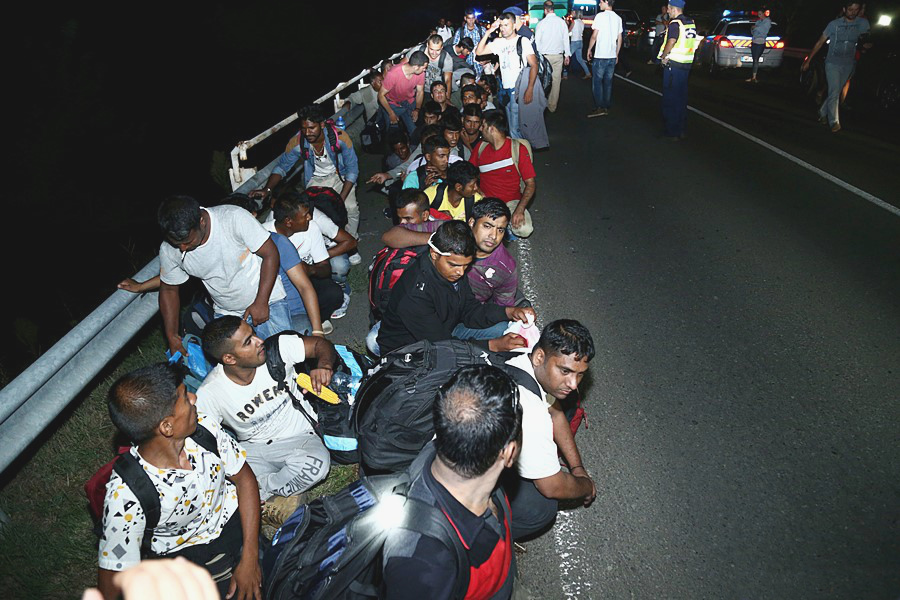
Basically, there are three sources of trafficking in persons. The first are refugees from armed conflicts. Refugees are covered by the Refugee Conventions supervised by the UN High Commissioner for Refugees (UNHCR) in the country of first asylum. Thus, Syrian refugees are protected and helped by the UNHCR in Lebanon, but not if they leave Lebanon. As 25% of the population of Lebanon are now refugees from the conflicts in Syria, the Lebanese government is increasingly placing restrictions on Syrian’s possibility to work in Lebanon, to receive schooling, medical services, proper housing etc. As a result, many Syrians try to leave Lebanon or Turkey to find a better life in Western Europe. Refugees from Iraq, Afghanistan, Sudan follow the same pattern.

The second category are people leaving their country for economic reasons − sometimes called “economic refugees.” Migration for better jobs and a higher standard of living has a long history. Poverty, ethnic and racial discrimination, and gender-based discrimination are all factors in people seeking to change countries. With ever-tighter immigration policies in many countries and with a popular “backlash” against migrants in some countries, would-be migrants turn to “passers” − individuals or groups that try to take migrants into a country, avoiding legal controls.

A third category − or a subcategory of economic migration − is the sex trade, usually of women but also children. As a Human Rights Watch study of the Japanese “sex-entertainment” businesses notes “There are an estimated 150,000 non-Japanese women employed in the Japanese sex industry, primarily from other Asian countries such as Thailand and the Philippines. These women are typically employed in the lower rungs of the industry either in ‘dating’ snack bars or in low-end brothels, in which customers pay for short periods of eight or fifteen minutes. Abuses are common as job brokers and employers take advantage of foreign women’s vulnerability as undocumented migrants: they cannot seek recourse from the police or other law enforcement authorities without risking deportation and potential prosecution, and they are isolated by language barriers, a lack of community, and a lack of familiarity with their surroundings.” We find similar patterns in many countries.

The scourge of trafficking in persons will continue to grow unless strong counter measures are taken. Basically, police and governments worldwide do not place a high priority on the fight against trafficking unless illegal migration becomes a media issue. Therefore, real progress needs to be made through nongovernmental organizations (NGOs), such as the Association of World Citizens, which has raised the issue in the UN Human Rights bodies in Geneva. There are four aspects to this anti-trafficking effort. The first is to help build political will by giving accurate information to political leaders and the press. The other three aspects depend on the efforts of the NGOs themselves. Such efforts call for increased cooperation among NGOs and capacity building.

The second aspect is research into the areas from which children and women are trafficked. These are usually the poorest parts of the country and among marginalized populations. Socioeconomic and educational development projects must be directed to these areas so that there are realistic avenues for advancement.

The third aspect is the development of housing and of women’s shelters to ensure that persons who have been able to leave exploitive situations have temporary housing and other necessary services.

The fourth aspect is psychological healing. Very often women and children who have been trafficked into the sex trades have a disrupted or violent family and have a poor idea of their self-worth. This is also often true of refugees from armed conflict. Thus, it is important to create opportunities for individual and group healing, to give a spiritual dimension to the person through teaching meditation and yoga. There are needs for creating adult education facilities so that people may continue a broken education cycle.

There are NGOs who are already working along these lines. Their efforts need to be encouraged and expanded.

Prof. René Wadlow is President of the Association of World Citizens.
Harvin Khalaf : Une lumière s’est éteinte, mais la réconciliation reste à faire

In Being a World Citizen, Conflict Resolution, Cultural Bridges, Current Events, Democracy, Human Rights, Humanitarian Law, International Justice, Middle East & North Africa, Solidarity, Syria, The Search for Peace, War Crimes, World Law on October 22, 2019 at 12:16 PM

Par René Wadlow

Le 12 octobre 2019, Havrin Khalaf, Co-secrétaire générale du Parti de l’Avenir de la Syrie, a été abattue à un barrage routier par la milice Ahrar al-Shargiya soutenue par la Turquie. Le Parti de l’Avenir de la Syrie avait été formé en mars 2018 à Raqqa afin de créer «une Syrie démocratique, pluraliste et décentralisée». Le Parti était actif au sein de l’Administration autonome du Nord et de l’Est de la Syrie – région souvent désignée par les Kurdes en tant que Rojava. La région présente une haute diversité, tant de par les groupes qui la peuplent que par les religions qui y sont représentées. Le Parti de l’Avenir de la Syrie cherchait donc à bâtir des ponts de compréhension entre Kurdes, Arabes, Turkmènes et tous les autres groupes, ainsi qu’entre Musulmans, Chrétiens et Yézidis. L’espoir était que cet effort pour bâtir des passerelles devienne un exemple pour tout le reste de la Syrie.

Avant même le début des combats en Syrie en 2011, la société syrienne était divisée selon des critères ethniques et religieux. Les hostilités, le déplacement de populations, la montée de l’Etat islamique (Daesh) n’ont fait qu’accroître les divisions ethniques et religieuses. Dans de nombreux cas, la confiance entre les groupes a été brisée, et même la coopération a minima qui se manifestait à travers des liens économiques a volé en éclats. Rebâtir la coopération, et c’était l’un des buts principaux du Parti de l’Avenir de la Syrie, s’avérera difficile. L’incursion des forces turques et de leurs alliés syriens au nord-est de la Syrie va rendre la coopération par-delà les divisions ethniques et religieuses encore plus ardue.

A elle seule, Havrin Khalaf symbolisait cet effort de réconciliation. Elle était également un symbole de la quête pour l’égalité entre femmes et hommes. Femme kurde, elle avait pour Co-secrétaire général du Parti de l’Avenir de la Syrie un homme arabe. Femme dotée d’une solide éducation – elle avait été diplômée de l’Université d’Alep en 2009 – elle était particulièrement active en matière d’autonomie et de renforcement des femmes. Elle avait souvent officié comme porte-parole auprès de diplomates, journalistes, et travailleurs humanitaires en visite dans la région. Jouissant d’une haute visibilité, elle n’a pu être tuée que de manière délibérée. En même temps qu’elle, le chauffeur de la voiture du Parti à bord de laquelle elle se déplaçait a trouvé la mort.

Le danger est réel de voir de tels assassinats se multiplier avec l’avancée des troupes turques et l’expansion permanente de leur contrôle sur ce qu’ils appellent, non sans ironie, une « zone de sécurité ». Déjà dans un passé récent, l’occupation turque de la région d’Afrin a entraîné des déplacements de population, des pillages, des prises d’otages et des tortures. Il est également à craindre que les territoires du nord-est de la Syrie récemment repassées sous le contrôle du Gouvernement syrien ne soient pas épargnées par les crimes de vengeance, ni par les violations des Droits Humains ou du droit humanitaire international pour des motifs politiques.

Avec le décès de Havrin Khalaf à trente-quatre ans, une lumière vient de s’éteindre. Mais la réconciliation reste à faire. Il faut des voix nouvelles. Nous qui vivons en dehors de la Syrie, nous devons voir ce que nous pouvons faire pour faciliter ce rôle vital de construction de ponts entre les êtres humains.

Le Professeur René Wadlow est Président de l’Association of World Citizens.

Havrin Khalaf: A Light Has Gone Out But The Tasks of Reconciliation Remain

In Being a World Citizen, Conflict Resolution, Cultural Bridges, Current Events, Democracy, Human Rights, Humanitarian Law, International Justice, Middle East & North Africa, Solidarity, Syria, The Search for Peace, War Crimes, World Law on October 22, 2019 at 10:02 AM

By René Wadlow

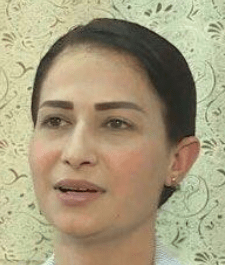
On October 12, 2019, Havrin Khalaf, the Co-Secretary-General of the Future Syria Party was shot to death at a roadblock by the Turkish-backed militia, Ahrar al-Shargiya. The Future of Syria Party had been formed in March 2018 in Raqqa with its aim of a “democratic, pluralistic, and decentralized Syria.” The Party was active in the Autonomous Administration of North and East Syria — an area often referred to by the Kurds as Rojava. The area is highly diverse in both population groups and religions. Thus, the Future Syria Party wanted to build bridges of understanding among Kurds, Arabs, Turkmen, and other ethnic groups as well as among Muslims, Christians and Yezidis. The hope was that this bridge-building effort would become a model for all of Syria.

Even before the fighting began in Syria in 2011, the Syrian society was divided along ethnic and religious lines. The fighting, the displacement of people, the rise of the Islamic State (ISIS) has increased ethnic and religious divisions. In many cases, trust among groups has been broken, and even minimal cooperation through economic links has been broken. Rebuilding cooperation, a chief aim of the Future Syria Party, will be difficult. The move of Turkish forces and their Syrian allies into northeast Syria will make cooperation across ethnic and religious divides even more difficult.

Havrin Khalaf was a symbol of this reconciliation effort. She was also a symbol of the quest for equality between women and men. As a Kurdish woman she had an Arab man as Co-Secretary-General of the Party. As an educated woman – she received a degree from the University of Aleppo in 2009 – she was particularly active for the empowerment of women. She often served as spokesperson for visiting diplomats, journalists, and aid workers. As a highly visible person, her killing was deliberate. The driver of the Party car she was in was also killed at the same time.

There is a real danger that such killings increase as Turkish troops advance and control an ever-larger part of what the Turks have ironically called “the safe zone.” Earlier Turkish occupation of the Efrin area has led to the displacement of people, looting, hostage-taking and torture. We can also fear that areas in northeast Syria newly under the control of the Syrian Government will not be free from revenge killings and politically-motivated violations of human rights and international humanitarian law.

With the death of Havrin Khalaf at the age of 34, a light has gone out. The tasks of reconciliation remain. New voices are needed. We outside of Syria must see how best we can facilitate this vital role of bridge-building.

Prof. René Wadlow is President of the Association of World Citizens.
Avec l’avancée des troupes turques, les dangers échappent à tout contrôle

In Being a World Citizen, Conflict Resolution, Current Events, Human Rights, Humanitarian Law, International Justice, Middle East & North Africa, NGOs, Solidarity, Syria, The Search for Peace, Track II, United Nations, War Crimes, World Law on October 13, 2019 at 2:59 PM

Par René Wadlow

Le 9 octobre, confirmant des suspicions déjà anciennes, les troupes turques ont lancé une attaque contre les Forces démocratiques syriennes, milice opérant sous commandement kurde au nord-est de la Syrie. L’opération kurde a pour nom de code «Opération Printemps de Paix», mais le danger est réel de voir la situation tourner à une «Opération Hiver de Violence» alors que les habitants de la région fuient en nombre les attaques aériennes et les bombardements de l’artillerie.

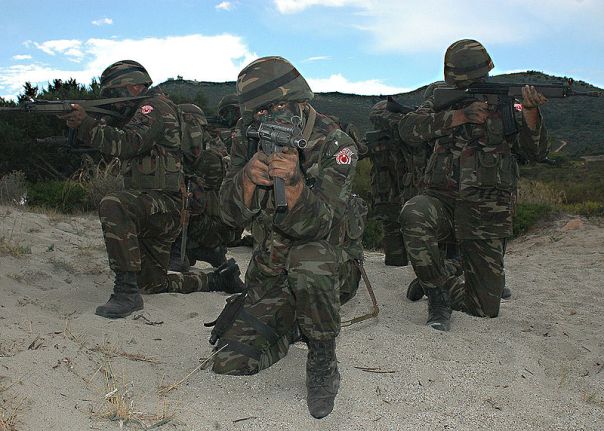
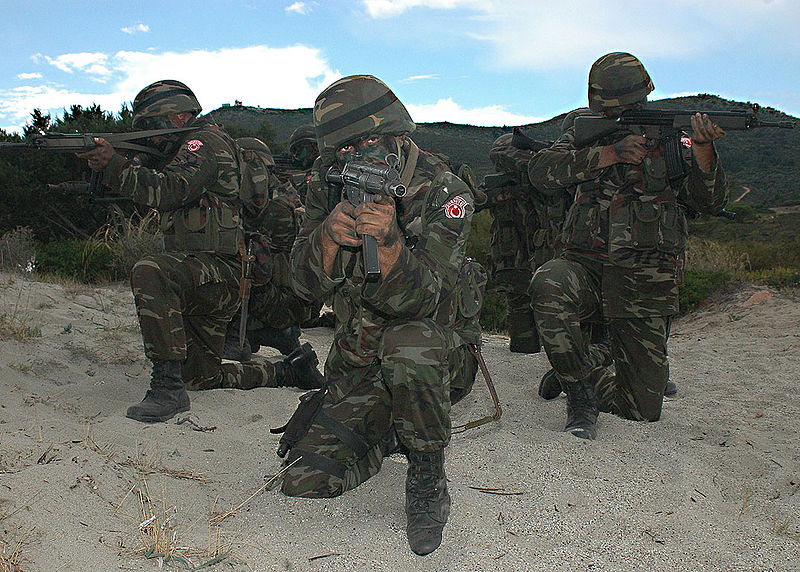
Soldats turcs en action

En conséquence, dans un message adressé le 10 octobre aux ambassadeurs turcs auprès de l’ONU à New York et Genève, ainsi qu’à l’ambassadeur turc auprès de l’UNESCO à Paris, l’Association of World Citizens (AWC) a exprimé sa préoccupation devant les opérations militaires auxquelles se livrent les forces armées turques et leurs alliés syriens au nord-est de la Syrie. L’AWC a appelé à une solution politique permettant de réconcilier les intérêts tout à la fois de la Turquie et de l’Administration autonome de la Syrie du Nord et de l’Est, région largement désignée par les Kurdes sous le nom de Rojava. Il s’agit d’une région multiethnique peuplée de Kurdes, d’Arabes et d’Assyriens, des groupes plus circonscrits de Turkmènes, d’Arméniens et de Circassiens l’habitant également. Avec le temps, les relations entre ces groupes se sont envenimées du fait du conflit en Syrie et de la création de l’Etat islamique (Daesh).

L’Appel Citoyen du Monde se poursuivait ainsi : «Un cycle de violence dans la région serait à même d’entraîner des conséquences funestes pour les civils qui y vivent, et ils sont plus de deux millions dans ce cas. L’Association of World Citizens appelle le Gouvernement turc à entreprendre des négociations de bonne foi avec l’Administration autonome de la Syrie du Nord et de l’Est, ainsi qu’avec les autres parties concernées, afin de parvenir dès que possible à un cessez-le-feu. Nous tenons également à ce que les forces armées turques se conforment à leurs obligations en droit humanitaire international, ce qui consiste notamment à s’abstenir de toute attaque contre des civils, ainsi que de toute attaque aveugle ou disproportionnée ».

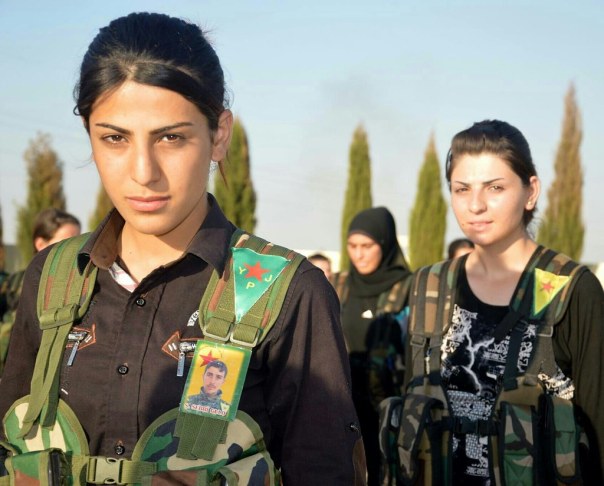
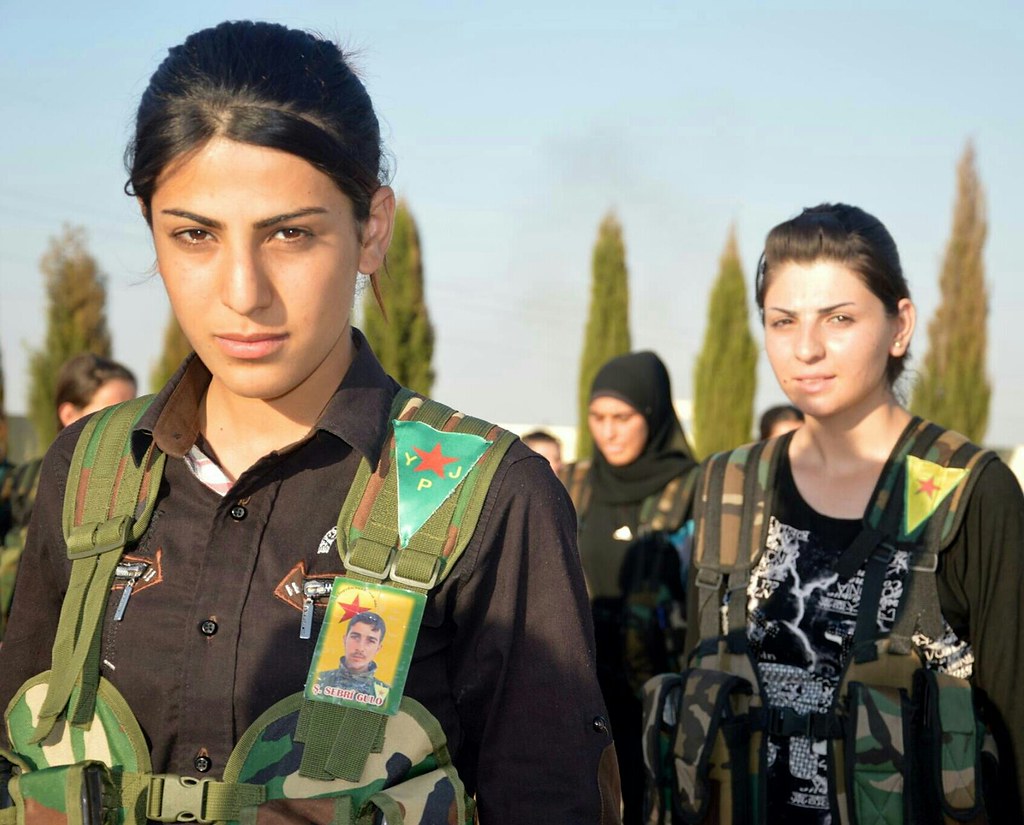
Combattantes kurdes de Syrie

Les guerres d’Irak et de Syrie ont toutes deux entraîné de nombreuses violations du droit humanitaire international. A bien des égards, le droit humanitaire international est le fondement du système de droit mondial que promeut l’AWC.

Pour l’heure, les discussions à huis clos qui se sont tenues au Conseil de Sécurité des Nations Unies n’ont mené à aucune déclaration que tous aient pu soutenir. Les divers Etats concernés présentent en la matière des politiques très diverses. La Russie se targue de pouvoir faciliter d’éventuelles discussions entre les factions kurdes et le gouvernement d’Assad. Le Président Trump a laissé entendre qu’il pouvait servir de médiateur entre Turcs et Kurdes. La position qu’affichent les Etats européens membres du Conseil de Sécurité semble voisine de celle de l’AWC, puisqu’ils appellent à un cessez-le-feu. La direction de l’OTAN ainsi que l’ambassadeur chinois à l’ONU appellent tous deux à la «retenue».

C’est pourquoi, alors que la situation actuelle peut prendre tous les chemins possibles vers le pire, les organisations non-gouvernementales doivent faire preuve d’un leadership clair et dynamique. Il faut un appel aussi large que possible au cessez-le-feu ainsi que des négociations de bonne foi, de manière à pouvoir commencer à satisfaire les intérêts communs aux diverses parties dans une société qui soit à présent en paix.

Le Professeur René Wadlow est Président de l’Association of World Citizens.
As Turkish Troops Advance, Dangers Escalate

In Being a World Citizen, Conflict Resolution, Current Events, Human Rights, Humanitarian Law, International Justice, Middle East & North Africa, NGOs, Solidarity, The Search for Peace, Track II, United Nations, War Crimes, World Law on October 13, 2019 at 2:57 PM

By René Wadlow

On October 9, Turkish troops began a long-anticipated cross-border assault against the Syrian Democratic Forces, a Kurdish-led militia in northeastern Syria. The Turkish operation is code-named “Operation Peace Spring”. There is a real danger that the situation turns into “Operation Violent Winter” as many flee from the air attacks and artillery bombardments.

Therefore, in an October 10 message to the Turkish Ambassadors to the United Nations in New York and Geneva and to the Turkish Ambassador to UNESCO in Paris, the Association of World Citizens (AWC) expressed its concern at the military operations carried out by the Turkish armed forces and their Syrian allies in northeast Syria. The AWC called for a political solution that would reconcile the interests of both Turkey and the Autonomous Administration of North and East Syria – an area often referred to by the Kurds as Rojava. The area is a multi-ethnic region with Kurds, Arab and Assyrian populations and smaller groups of Turkmen, Armenians, and Circassians. Relations among these groups have grown tense as a result of the conflict in Syria and the creation of the Islamic State (ISIS).

Turkish army soldiers

The World Citizen Appeal continued “A cycle of violence may induce dreadful consequences for civilians in the area, nearly two million people. Therefore, the Association of World Citizens calls on the Turkish Government to enter negotiations in good faith with the Autonomous Administration of North and East Syria as well as other stakeholders with a view of securing a prompt ceasefire. In addition, we are concerned that the Turkish military lives up to its obligations under international humanitarian law including refraining from carrying out attacks on civilians as well as indiscriminate and disproportionate attacks.”

The wars in both Iraq and Syria have produced numerous violations of international humanitarian law. In many ways, international humanitarian law is the basis of the system of world law which the AWC promotes.

Syrian Kurdish fighters

For the moment, closed-door discussions in the United Nations (UN) Security Council have not led to a statement on which all can agree. States have a range of policies. Russia proposes that it can facilitate discussions between the Kurdish factions and the al-Assad government. President Trump suggested that he could mediate between the Turks and the Kurds. The position of the European States members of the Security Council is close to that of the AWC. They call for a ceasefire. NATO leadership as well as the Chinese Ambassador at the UN call for “restraint”.

Therefore, as the current situation may grow worse, clear and dynamic leadership from non-governmental organizations is required. There should be a broad call for a ceasefire and negotiations in good faith so that common interests in a peaceful society can be put into practice.

Prof. René Wadlow is President of the Association of World Citizens.