The armed conflicts in the Middle East: Israel-Palestine, Lebanon, Syria, Iraq, Iran, Yemen have led to increased violations of International Humanitarian Law. Medical facilities and medical personnel have been attacked; civilians have been targeted, educational facilities destroyed. Therefore, the Association of World Citizens (AWC) makes an urgent call for the respect of International Humanitarian Law. This must be a joint effort of governments and Nongovernmental Organizations.
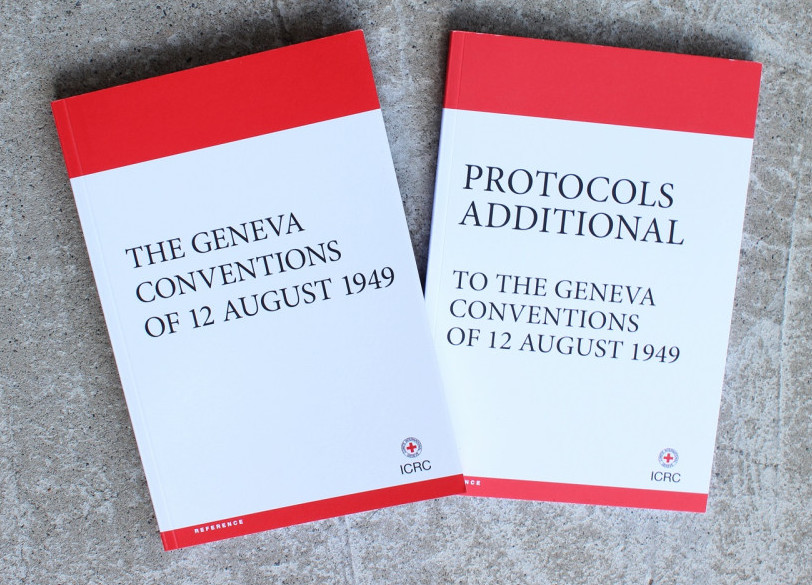
Regular military personnel of all countries are theoretically informed of the rules of the Geneva Conventions of August 12, 1949, and the Protocol Additional adopted in 1977.
When the 1949 Geneva Conventions were drafted and adopted, it was possible to spell out in considerable detail rules regarding prisoners of war and the protection of civilians, in particular Common Article 3 (so called because it is found in all four Conventions) provides that “each Party to the conflict shall be bound to apply, as a minimum, the following provisions: Persons taking no active part in the hostilities … shall in all circumstances be treated humanely without any adverse distinction founded on race, color, religion or faith, sex, birth or wealth, or any other similar criteria.”
The importance of Common Article 3 should not be underestimated. It sets out in straightforward terms important protections that all parties to a conflict must respect. In order to meet the need for additional protection, international humanitarian law has evolved to cover not only international armed conflict but also internal armed conflict. Today, international human rights standards are also considered part of international humanitarian law, thus providing additional protection for vulnerable population groups such as women, children, and minorities.
As situations of internal violence and strife proliferate, abuses committed by non-State actors, such as armed militias, are increasing concerns. Fundamental standards of international humanitarian law are intended to ensure the effective protection of human beings in all situations. The standards are clear. (1)
There are two major weaknesses in the effectiveness of international humanitarian law. The first is that many people do not know that it exists and that they are bound by its norms. Thus, there is an important role for greater promotional activities, the dissemination of information through general education, specific training of the military, outreach to armed militias, and cooperation with a wide range of nongovernmental organizations.
The second weakness is that violations of international humanitarian law are rarely punished. Governments too often tolerate these violations. Few soldiers are tried, or courtmartialed, for the violations of international humanitarian law. This weakness is even more true of nongovernmental militias and armed groups.
In fact, most violations of international humanitarian law are not actions of individual soldiers or militia members carried away by a sudden rush of anger, fear, a desire of revenge or a sudden sexual urge to rape a woman. Soldiers and militia members violating the norms of international humanitarian law are acting on orders of their commanders.
Thus, the only sold response is an act of conscience to refuse an order of a military or militia higher up and refuse to torture, to bomb a medical facility, to shoot a prisoner, to harm a child, and to rape a woman. Conscience, that inner voice which discerns what is right from wrong and encourages right action is the value on which we can build the defense of international humanitarian law. The defense of conscience to refuse unjust orders is a large task but a crucial action for moving toward a law-based world society.
Notes
(1) For useful guides to international humanitarian law see:
D. Schindler and J. Toman, The Laws of Armed Conflicts (Martinus Nihjoff Publishers, 1988)
H. McCoubrey and N.D. White, International Law and Armed Conflicts (Dartmouth Publishing Co., 1992)
Prof. René Wadlow is President of the Association of World Citizens.
October 7-8, 2024 will mark one year of armed conflict between Israeli forces and the Hamas militia – an armed conflict which grinds on and has spread.
On October 8, 2023, in light of the October 7 Hamas attack and the start of the Israeli response in the Gaza Strip, the Association of World Citizens called for five immediate steps that it hoped would create a climate of dialogue and the start of negotiations in good faith. The proposals were posted on the World Citizens’ website, sent to the Israeli Missions to the United Nations (UN) and to groups that might have avenues of communication with Hamas.
“As Citizens of the World, we call for a ceasefire in the Israeli-Palestinian armed conflict;
For the release of all hostages held by Hamas and other Palestinian groups;
For the release of all Palestinian prisoners held in Israeli jails, often under administrative detention without trial;
For preventing the extension of the conflict to the Lebanon frontier through negotiations with Hezbollah;
For preventing an increase in violence on the West Bank among Israeli settlers and Palestinian villages;
For the start of negotiations in good faith for a political solution that ensures freedom and the collective safety of Israelis and Palestinians.”
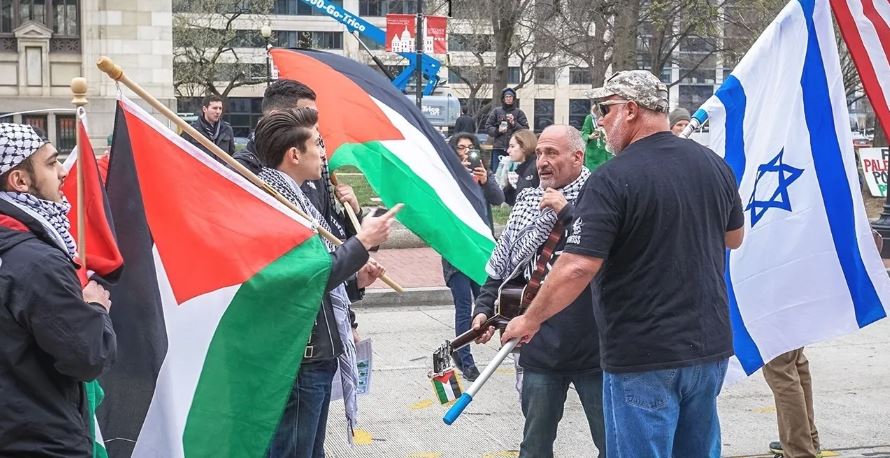
(C) Ted Eytan
A year later, the armed violence has increased: in Gaza with a high number of persons killed, wounded and displaced, on the West Bank, in Lebanon, has expanded to Iran and brought in elements of the conflict in Yemen.
There have been relevant resolutions of the UN General Assembly, of the International Court of Justice, and appeals for a ceasefire and negotiations from many Nongovernmental Organizations (NGOs).
Due to the spiraling growth of destruction, as NGOs we must continue and increase our efforts.
Prof. René Wadlow is President of the Association of World Citizens.
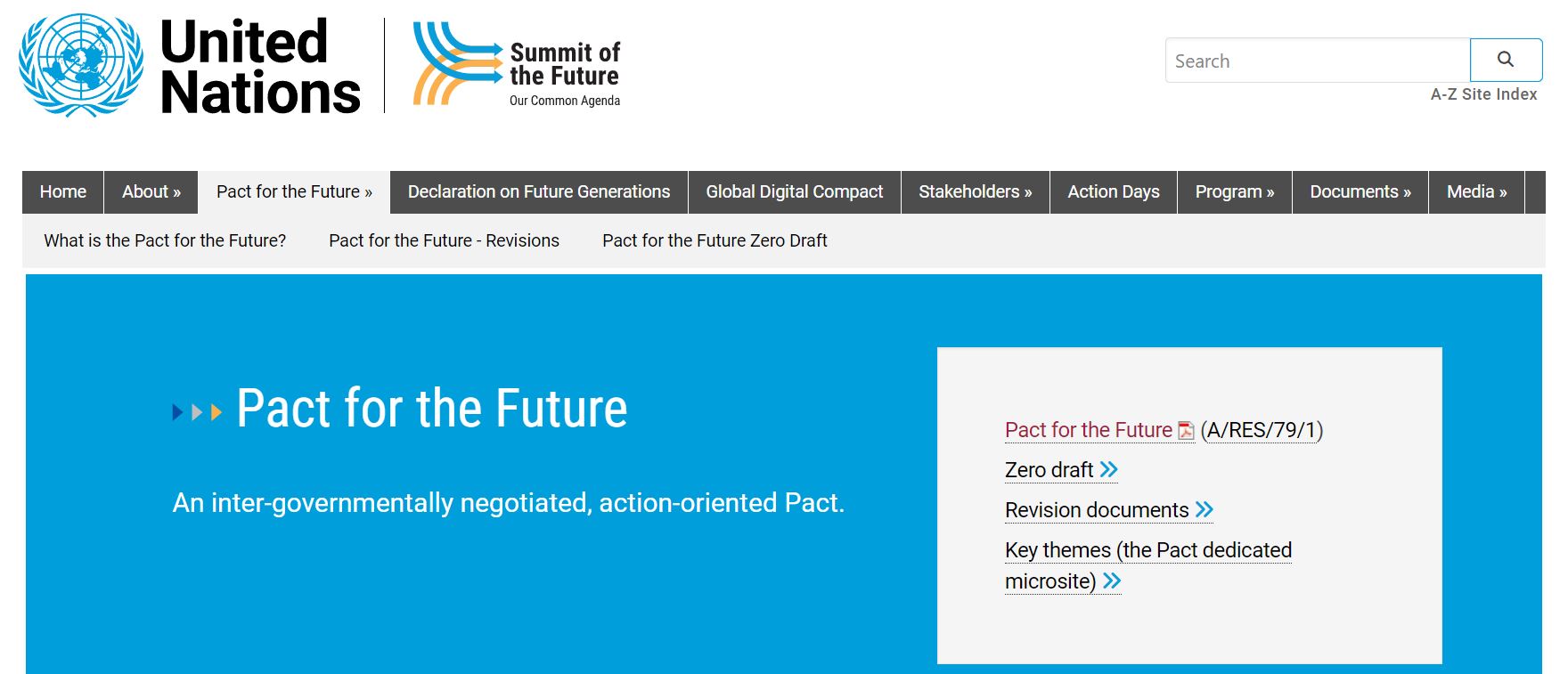
The Pact for the Future was accepted by the United Nations (UN) General Assembly in a three-stage process. The first stage was a nearly year-long drafting of the document with many small revisions in the 56 paragraphs setting out the goal of a renewed UN better able to guarantee peace and development. The second stage was a last moment motion by the Russian Federation which asked for a vote, finding some of the wording, especially on human rights, too strong. The Russian motion was put to a vote with 143 States voting for the text of the Pact, 15 abstentions, and 7 opposed (Russia, Belarus, North Korea, Iran, Syria, Sudan, and Nicaragua.)
After this vote, the President of the General Assembly called for a vote by acclamation. Everyone applauded, some more vigorously than others. Thus, the Pact was adopted by consensus.
The Pact should be seen as a springboard for action rather than as an end point. With the 193 UN members potentially involved in drafting the document, there was a need for compromises and general ideas rather than any new specific proposals. The Pact is a reaffirmation of the goals and processes of the UN system, but it also notes the need for constant renewal. In paragraph 6, the Pact states, “We recognize that the multilateral system and its institutions, with the United Nations and its Charter at the center, must be strengthened to keep pace with a changing world. They must be fit for the present and the future – effective and capable, prepared for the future, just, democratic, equitable and representative of today’s world, inclusive, interconnected and financially stable.”
Paragraph 9 states, “We also reaffirm that the three pillars of the United Nations – sustainable development – peace and security, and human rights – are equally important, interlinked and mutually reinforcing. We cannot have one without the others.”
In practice, it was easier to stress sustainable development since the 2030 Sustainable Development Goals had already been set out, through progress is very uneven. For peace and security, there are Articles 25 and 26 stating that, “We will advance the goal of a world free of nuclear weapons. We will uphold our disarmament obligations and commitments.” A culture of peace is mentioned in a number of places, but no specific steps are set out.
For two days prior to the governments’ discussion and voting on the Pact, there was what were called “Action Days” to which were invited Nongovernmental Organizations (NGOs), academics working on UN issues, and the representatives of business corporations involved in international trade. The two days were certainly a time for networking if not for “action”.
The Pact is a partially open door for UN cooperation with NGOs stating in a general way the “participation of relevant stakeholders in appropriate formats.” More specifically, the Pact calls to “Facilitate more structured, meaningful and inclusive engagement of nongovernmental organizations in consultative status with the Economic and Social Council in the activities of the Council in line with ECOSOC resolution 1996/21”. The door of the Pact was most open to youth calling for an increase in the representation of youth, which can only be via NGOs. We will have to see what, as NGO representatives, we can make of the partly open door.
Prof. René Wadlow is President of the Association of World Citizens.
Antonio Guterres, the United Nations (UN) Secretary General, said in his opening remarks to the UN General Assembly on September 24, 2024, “Gaza is a nonstop nightmare that threatens to take the entire region with it. Look no further than Lebanon. We should all be alarmed by the escalation. Lebanon is on the brink. The people of Lebanon – the people of Israel – and the people of the world – cannot afford Lebanon to become another Gaza.”
Lebanon may have already moved over the brink. Israeli strikes on Lebanon on September 23 killed at least 356 people and injured more than 1,200 others. Hezbollah deputy chief Naim Qassem has just said, “We have entered a new phase – an open-ended battle of reckoning.” Until now, Hezbollah has designed its attacks to stay below the threshold of a full-scale conflagration, but these deadly exchanges of fire carry a high risk of miscalculation, spiraling violence upward.
A rapid escalation in recent days, starting with the attack on Hezbollah members via booby-trapped pagers and walkie-talkies followed by Israeli bombardments, has raised the specter of a new phase in the conflict with a possible ground invasion by Israeli troops as in 1982 and 2006. There are fears that Iran could be drawn into the fighting. The new Iranian President, Masoud Pezeshkian, speaking at the UN General Assembly also on September 24, demanded a global response to the Lebanon situation, “not to allow Lebanon to become another Gaza.”
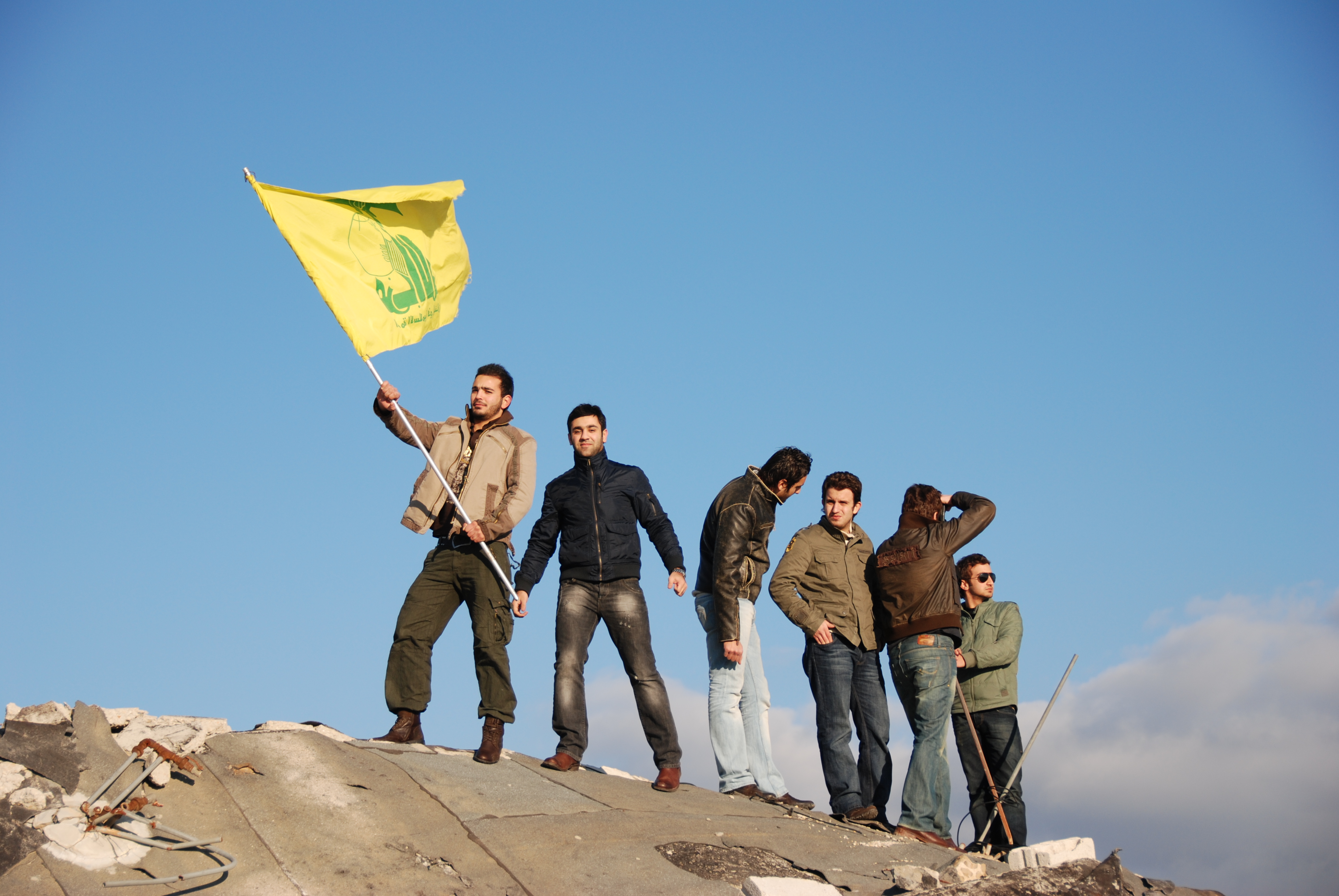
In 2007, young people from Beirut posing with a Hezbollah flag on the ruins of the Khiam prison formerly run by the pro-Israeli South Lebanon Army (C) Paul Keller
Hezbollah is supported by Iran but not fully under Iranian control. Hassan Nasrallah, the Secretary-General of Hezbollah, has in recent days made widely watched television talks attacking Israeli politics and indicating continuing Hezbollah support for the Palestinians in Gaza, saying that a ceasefire in Gaza was necessary before any negotiations with Hezbollah could take place. Since negotiations for a ceasefire in Gaza seem unlikely for the moment, Hezbollah’s current campaign is likely to continue. In addition, recent tensions in the West Bank between Israeli settlers, Israeli soldiers and Palestinians in settled villages have added more heat to the general tensions in the area.
The issue is what can be done now to prevent escalation and reduce tensions. A first step is to stress respect for international humanitarian law – often cited by the Association of World Citizens (AWC). Hospitals, medical facilities, educational institutions have been destroyed in the exchanges of fire. There is a need for resolute action on the violations of humanitarian law. Regular military personnel of all countries are theoretically informed of the Geneva Conventions of August 12, 1949 and the Protocol Additional adopted in 1977 in light of the experiences of the war in Vietnam. Today, international human rights standards are also considered part of international humanitarian law, thus providing additional protection for vulnerable population groups such as women, children and minorities.
A possible second phase is the “good offices” function of the UN Secretary-General. It is certain that the UN Secretariat is concerned, but their ability for action may be very limited.
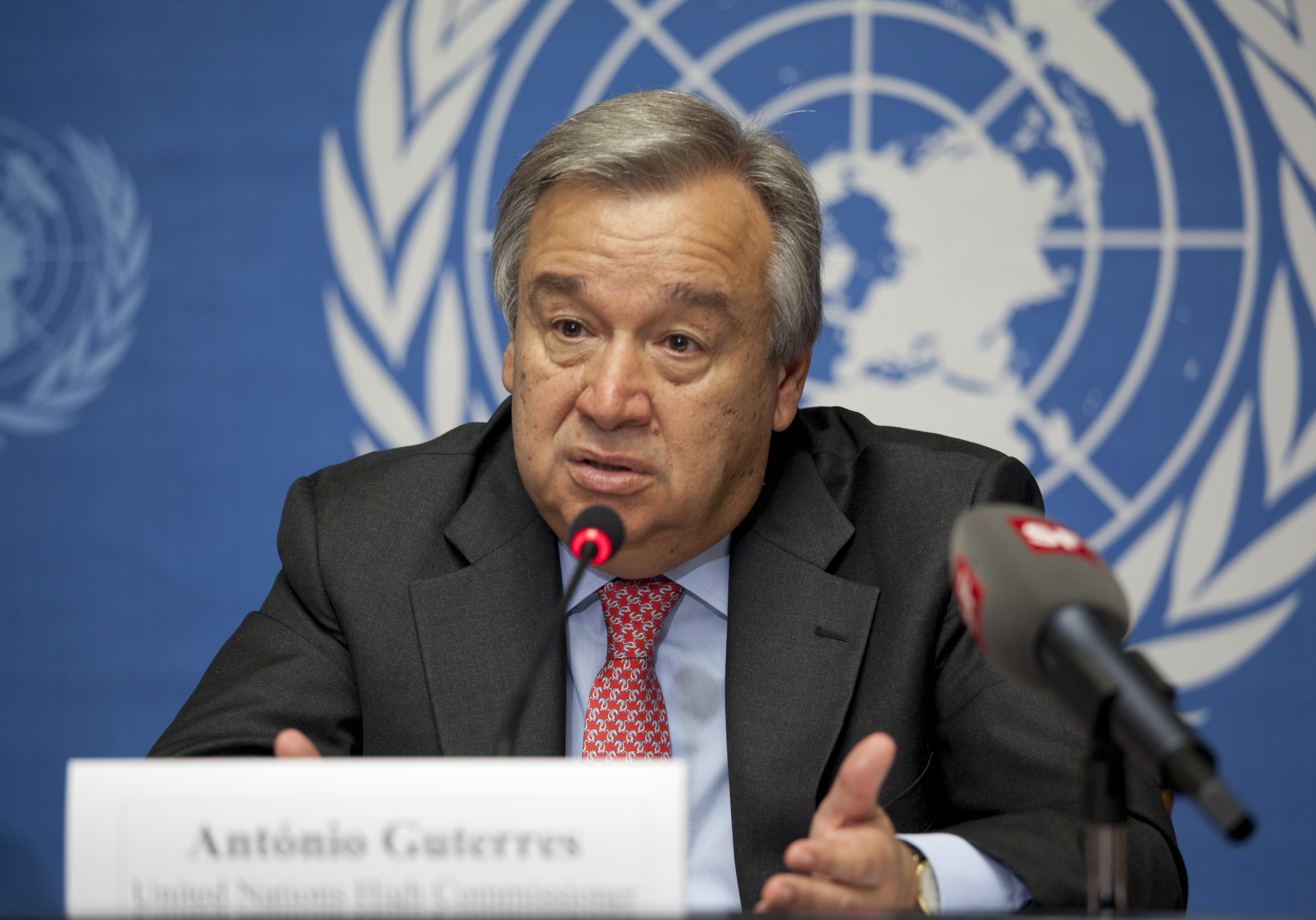
UN Secretary-General Antonio Guterres
It is not clear what governments at the UN can do. The Security Council has been blocked on many issues by the veto. The resolutions of the General Assembly are “recommendations” with little follow up in practice.
A 21-day ceasefire proposal has just been set out at the UN by France and the USA but rejected by Israel.
There may be some role for non-official mediation carried out by groups representing religious, academic, or charitable organizations. One advantage of non-official mediation is that all concerned are aware that such mediation is genuinely impartial seeking only a reduction of suffering caused by the conflicts. The disadvantage is that non-official mediators lack the resources, political, economic or military on which governmental mediators can draw.
It is certain that strong measures are needed to prevent escalation. Vision and creativity are important factors. The role of nongovernmental organizations in consultative status with the UN such as the AWC may be able to play a role in these dangerous times.
Prof. René Wadlow is President of the Association of World Citizens.
September 21 is the United Nations (UN) designated International Peace Day, set out in 1981 by a UN General Assembly resolution as being a day close to the start of the General Assembly. The Day is devoted to creating a culture of peace through dialogue in a spirit of mutual understanding and a consciousness of the unity of humanity. As the psychoanalyst Erick Fromm wrote, “I believe that the One World which is emerging can come into existence only if a new man comes into being – a man who has emerged from the archaic ties of blood and soil, who feels himself to be a Citizen of the World, whose loyalty is to the human race and to life.”
This year, September 21 is one of the two Action Days of the Summit for the Future being held at the UN in New York. We are all aware that in many parts of the world there is armed conflict, political rivalries and growing tensions. The current heavily State-centered approaches to world politics hampers the effectiveness of the UN and its Specialized Agencies. In these times of insecurity when many people feel uncertain about the future, when anxieties and fears are promoted and then exploited by political populists, old-fashioned nationalists and religious fundamentalists, we need to present a positive vision and to build bridges of understanding over the current divides of nationalism, ethnicity and social classes.
Today, the revolutionary character of our times is recognized by many observers. Those who live in the midst of swift social change confront the upheaval of their way of life. We are entering a period of change for which there are no blueprints. Therefore, it is essential that we learn to work together. We celebrate our similarities rather than our differences. Thus, on this Day of Peace, we are called to new levels of creativity and constructive action.
Prof. René Wadlow is President of the Association of World Citizens.
The United Nations (UN) Independent International Fact-Finding Mission for the Sudan chaired by Mohamed Chande Othman of Tanzania said, in its first Report of September 6, 2024, that Sudan’s warring parties, the Sudanese Armed Forces and the Rapid Support Forces as well as their respective militia allies, have committed an appalling range of human rights and international humanitarian law violations including indiscriminate airstrikes and shelling against civilians, schools, hospitals, and vital water services.
The current armed conflict which began on April 15, 2023 between two former allies is led, on the one side, by General Abdel Fattah Al Burham of the Sudanese Armed Forces and, on the other, by General Mohamed Hamdan Dagulo, known by his battle name of Hemedhi, of the Rapid Support Forces. The conflict, which has spread to 14 of the 18 provinces of Sudan, has killed and wounded tens of thousands of civilians, displaced nearly 8 million people and forced two million to flee to neighboring countries and beyond.
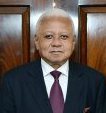
Mohamed Chamde Othman (C) U.S. Government
As the Fact-Finding Mission Report highlights, the warring parties targeted civilians through rape, sexual slavery and other forms of sexual violence, arbitrary arrest as well as torture and ill-treatment. Assaults have been carried out against ethnic minorities, in particular the Masalit in West Darfur.
The Fact-Finding Mission, mandated by the Human Rights Council in October 2023, carried out a wide range of discussions and interviews. As the Expert Member of the Mission Mona Rishmawi said, “These findings should serve as a wakeup call to the international community to take decisive action to support survivors, their families and affected communities and hold perpetrators accountable. A comprehensive approach to transitional justice is vital for addressing the root causes of the conflict and ensuring accountability.”
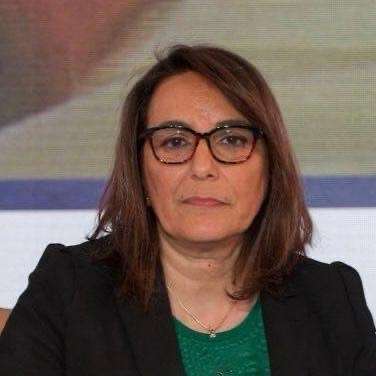
Mona Rishmawi
Efforts for a ceasefire and the start of negotiations by the Personal Envoy for the Sudan of the UN Secretary-General have led to no advances. Thus, wider action is needed. Mohamed Othman has said, “The international community must support the Sudanese aspiration for an inclusive and representative civilian government that respects the rights of all citizens, fostering a path toward equality, justice and sustainable peace in Sudan.” In light of the many difficulties, he has called for sending UN peacekeeping forces to Sudan. “Given the failure of the warring parties to spare civilians, it is imperative that an independent and impartial force with a mandate to safeguard civilians be deployed without delay. The protection of the civilian population is paramount, and all parties must comply with their obligations under international law and immediately and unconditionally cease all attacks on the civilian population.”
As the deployment of an independent and impartial force depends on the UN Security Council the focus for action shifts from the Human Rights Council to the Security Council. We appeal for vitally needed action now.
Prof. René Wadlow is President of the Association of World Citizens.
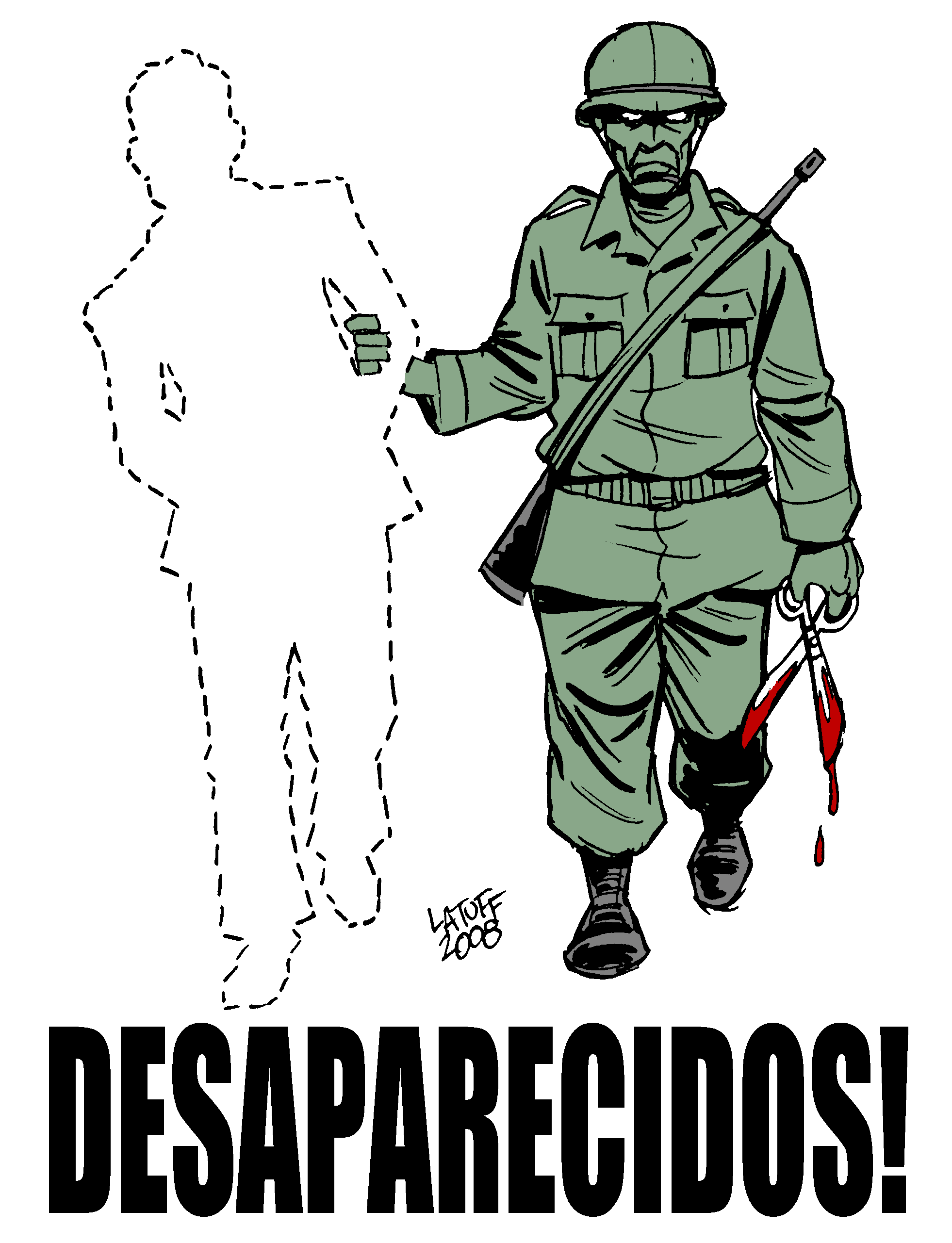
August 30 each year is the International Day of the Victims of Enforced Disappearances. The Day highlights the United Nations (UN) General Assembly Declaration on the Protection of All Persons from Enforced Disappearances of December 18, 1992.
In a good number of countries, there are State-sponsored “death squads” – persons affiliated to the police or to the intelligence agencies who kill “in the dark of the night”, unofficially. These deaths avoid a trial which might attract attention. A shot in the back of the head is faster. In many cases, the bodies of those killed are destroyed. Death is suspected but not proved. Family members hope for a return. In addition to governments, nongovernmental armed groups and criminal gangs have the same practices.
Disappearances was one of the first issues to be raised, largely by Nongovernmental Organizations (NGOs) such as the Association of World Citizens (AWC), when the UN Secretariat for Human Rights with a new director, Theo van Boven, moved from New York to Geneva in 1977.
In 1976, Argentina’s military seized power and set out to kill opposition figures. This situation was quickly raised in the UN human rights bodies in Geneva. In 1980 a UN Working Group on Enforced or Involuntary Disappearances was created and has done important work.[i] However, continued action is needed by both the UN and national NGOs.
Prof. René Wadlow is President of the Association of World Citizens.
[i] See Iain Guest, Behind the Disappearances: Argentina’s Dirty War Against Human Rights and the United Nations (Philadelphia: University of Pennsylvania Press, 1990). Iain Guest was the Geneva UN correspondent for the International Herald Tribune. He had access to Argentine confidential documents once the military left power. He interviewed many diplomats and NGO representatives active in Geneva-based human rights work. This book is probably the most detailed look at how human rights efforts are carried out in the UN Geneva-based human rights bodies.
Où est-il ? Où est ce «monde d’après» que l’on nous annonçait tel un Grand Soir durant le Premier Confinement lié à la pandémie de Covid-19 en France, en cette époque où un tiers de la planète devait rester enfermé chez lui et, pour certains dirigeants mal avisés comme Donald Trump et Jair Bolsonaro, il n’était pas question de le décréter même alors que la vie même de leur peuple en dépendait ? Où est cette ère nouvelle où l’être humain, confronté à une Troisième Guerre Mondiale qui n’opposait finalement pas deux blocs militaires mais toute l’humanité à un coronavirus, devait connaître enfin la paix et la solidarité comme n’auraient jamais osé en rêver même les fondateurs du mouvement Citoyen du Monde après 1945 ? Où est-il donc, le «monde d’après» ?
Aujourd’hui débutent à Paris les Jeux Paralympiques 2024, après des Jeux Olympiques inoubliables au cours desquels ont volé en éclats les préjugés sexistes et où les nationalités politiques ont été balayées au profit des seuls exploits sportifs. Les premières Olympiades depuis la fin officielle de l’urgence médicale mondiale liée à la Covid-19 l’an dernier seraient-elles donc vraiment celles du «monde d’après» ? Mieux vaut ne pas s’habituer à le croire.
Pas d’athlètes russes ou bélarusses, car depuis février 2022, la Russie agresse militairement l’Ukraine et le Bélarus d’Alexandre Loukachenko, voisin et meilleur élève de Vladimir Poutine, lui apporte son soutien actif ; pas de place pour l’un ou l’autre des deux pays agresseurs aux Olympiades. Une délégation israélienne malmenée par des spectateurs et une délégation palestinienne à laquelle il manquait des membres, tués avant d’avoir pu concourir, double résultat de l’atroce attaque terroriste commise en Israël par le Hamas palestinien le 7 octobre 2023 puis de la campagne militaire meurtrière à Gaza de l’armée israélienne en représailles, chaque jour sans discontinuer depuis l’attentat, l’horreur répondant à l’horreur comme trop souvent au Proche-Orient mais cette fois dans des proportions plus que jamais encore inhumaines et inacceptables.
En France même, le pays hôte, une crise politique et constitutionnelle avec un gouvernement démissionnaire qui jouait les prolongations du fait d’élections législatives anticipées convoquées dans un mouvement de vexation malvenue par le Président Emmanuel Macron et qui, sans un sursaut républicain de l’électorat, auraient vu s’installer au pouvoir l’extrême droite raciste et xénophobe – entre autres fléaux qu’elle a choisi de promouvoir. Le Nouveau Front Populaire, coalition des partis de gauche, l’a finalement emporté contre toute attente mais, dans un ultime acte de déni, le chef de l’État battu au Parlement a refusé de nommer tout de suite un nouveau gouvernement, contraignant ses ministres démissionnaires à retarder sine die leur départ.
Et la guerre qui fait rage une nouvelle fois au Soudan, la dictature qui ronge le Venezuela au point d’avoir jeté le quart de son peuple sur les routes, l’extrême droite nationaliste aux affaires en Argentine, en Italie, en Inde et ailleurs, le virus Mpox qui menace l’Afrique et potentiellement aussi l’Europe …
Le «monde d’après» ? On en regretterait presque le «monde d’avant» !
Alors que débutent ces Jeux Paralympiques, le «monde d’après» ne me paraît guère plus rassurant que son devancier pour une personne handicapée, sachant combien la pandémie était devenue une épreuve plus qu’olympique pour quiconque devait déjà, à chaque moment de sa vie, aller chercher la victoire contre les effets dans sa vie du handicap – et les Nations Unies ne s’y sont pas trompées, ayant su informer et guider pour agir au sujet de la maladie qui, en notre temps, aura sans nul doute engendré le plus de mensonge et de désinformation, au risque même de la vie de qui aura voulu y croire.
«Et ma grande raison», comme l’écrivait Molière, de m’en inquiéter, c’est que je suis moi-même une personne handicapée. Dans le «monde d’avant», j’en avais parlé ici même, le 3 décembre 2018, Journée internationale des Personnes handicapées, pas seulement de moi mais de nous toutes et tous à travers le monde. Et c’est lié. La Citoyenneté Mondiale que promeut l’Association of World Citizens (AWC) en est une qui, plutôt que d’être exclusivement idéologique comme dans d’autres mouvements, doit revêtir pour qui la proclame un sens personnel. Pour nous, écrire «je», ce n’est donc pas un acte d’arrogance mais une preuve, la plus importante même, celle que l’on est Citoyen(ne) du Monde y compris lorsqu’il faut plus que des mots.
Les Agitos, symboles paralympiques internationaux
Paris, le 3 décembre 2018
Qu’est-ce qu’une «tribu isolée» ? Allez, vous en avez entendu parler. C’est une communauté autochtone vivant dans son habitat traditionnel forestier ou insulaire, suivant un mode de vie millénaire fondé sur la nature et refusant tout contact avec le monde extérieur. Depuis que Jair Bolsonaro, le candidat d’extrême droite à la présidence du Brésil, a remporté les élections du 28 octobre, l’avenir des tribus isolées brésiliennes est en jeu, car Bolsonaro s’est engagé lors de sa campagne à éliminer toutes ces tribus[i].
On supposerait qu’une tribu isolée est en toute logique un peuple vivant dans un seul et même endroit, et non un groupe dispersé à travers le monde, ce qui lui vaudrait alors d’être appelé «diaspora isolée», même si l’expression n’aurait guère de sens. Si c’est ce que vous pensez, alors détrompez-vous.
Notre monde abrite en effet une tribu isolée mondiale. La tribu a un nom : les personnes handicapées. Et il se trouve que j’en fais partie. Si ce n’est pas votre cas, alors estimez-vous heureux.
Les damnés de la terre, les vrais
Si vous êtes convaincu que vous ne pourriez jamais vivre avec un seul de vos droits violé ou mal appliqué, alors réjouissez-vous de ne pas être des nôtres. Les personnes handicapées, qui représentent actuellement un milliard de personnes, soit 15% de la population mondiale, constituent la plus grande minorité au monde et, dans l’indignité la plus entière, la catégorie d’êtres humains dont les droits sont les plus ouvertement ignorés et bafoués.
La pauvreté nous frappe de plein fouet car, selon l’Organisation mondiale de la santé (OMS), 80% des personnes handicapées vivent dans des pays en développement, et les études de l’Organisation pour la Coopération et le Développement Économiques (OCDE) montrent que les taux d’invalidité sont nettement plus élevés parmi les groupes de population les moins éduqués dans les États membres de l’OCDE. Selon la Banque mondiale, parmi les personnes les plus pauvres au monde, 20% souffrent d’une forme de handicap et leur communauté elle-même les considère comme les plus défavorisés de ses membres.
Le handicap n’épargne pas même les femmes et les enfants. Une enquête réalisée en 2004 à Orissa, en Inde, a révélé que pratiquement toutes les femmes et filles handicapées étaient violentées au sein du foyer, que 25% des femmes présentant un handicap intellectuel avaient été violées et que 6% des femmes handicapées avaient été stérilisées de force. Le Fonds des Nations Unies pour l’Enfance (UNICEF) rapporte que 30% des jeunes des rues sont handicapés d’une manière ou d’une autre. La mortalité des enfants handicapés peut atteindre 80% dans les pays où, globalement, la mortalité des mineurs est pourtant tombée sous les 20%, affirme le Ministère britannique du Développement international, ajoutant que dans certains cas, les enfants sont «arrachés» comme les mauvaises herbes d’un jardin. A cause de la malnutrition, des maladies, du travail des enfants et pour d’autres raisons encore, le nombre d’enfants handicapés dans les pays en développement devrait augmenter au cours des trente prochaines années.
Lorsque l’on ne nous condamne pas à l’ignorance, l’OCDE estimant qu’en moyenne, 19% des personnes les moins instruites sont handicapées contre 11% parmi les personnes les plus instruites, nous restons sans défense contre les conséquences des conflits armés et de la violence. L’OMS estime que, pour chaque enfant tué au cours d’une guerre, trois autres sont blessés et conservent une forme permanente de handicap. Dans certains pays, jusqu’à un quart des handicaps résultent de blessures et de violences.
Alors que les tribus isolées ici et là s’efforcent de rester à l’écart de la «civilisation», nous, la tribu isolée mondiale, nous essayons de nous intégrer mais sommes repoussés par tout le monde, partout. En tant que tribu mondiale, les problèmes auxquels nous sommes confrontés peuvent à juste titre être qualifiés de problèmes mondiaux. Mais il est rare que des solutions mondiales soient trouvées, encore moins recherchées au départ.
Un peuple mondial sans droits mondiaux
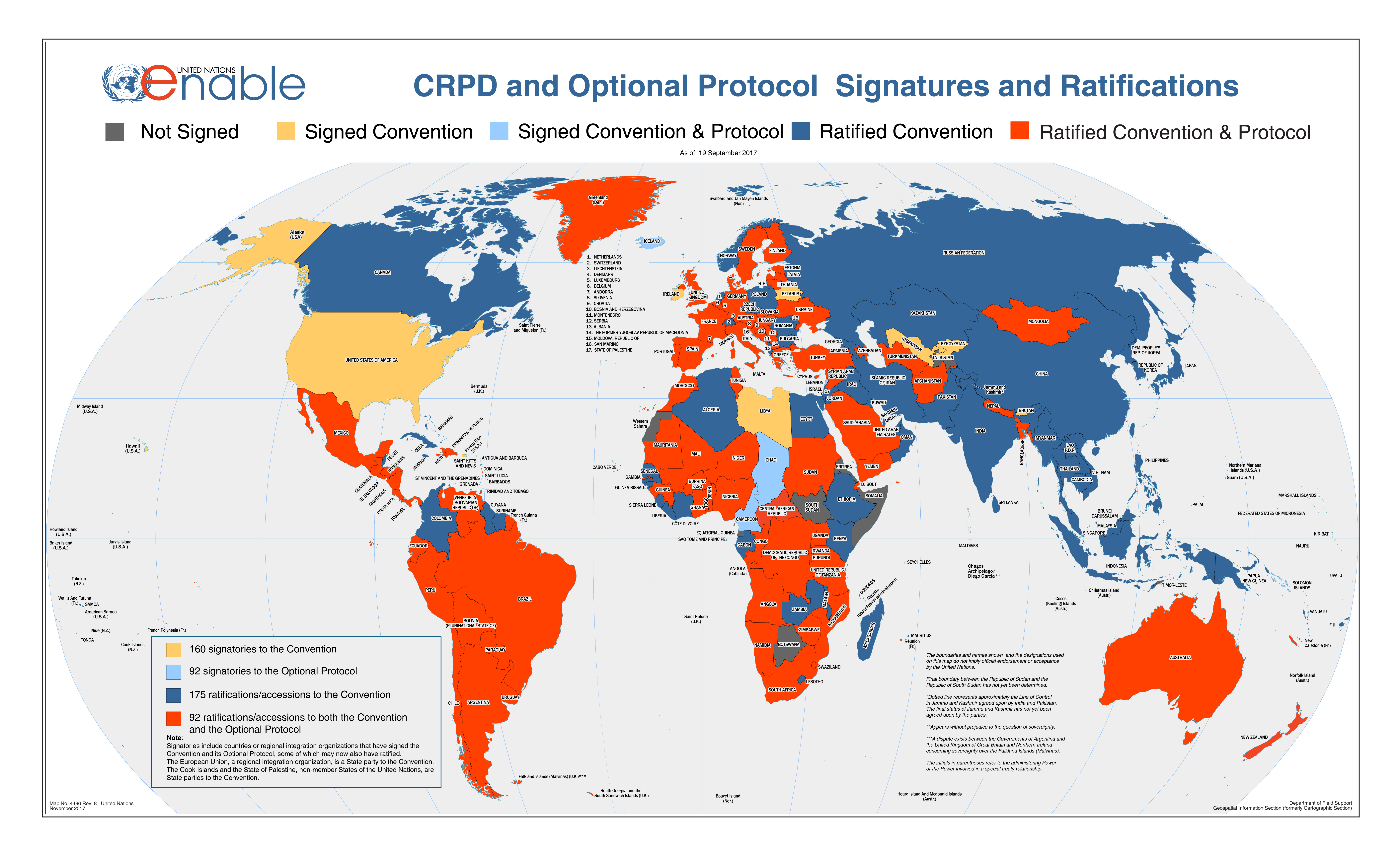
Ce n’est qu’en 2006 qu’un milliard d’habitants de la planète Terre ont vu leurs droits formellement consacrés dans un traité légalement contraignant : la Convention relative aux Droits des Personnes handicapées, signée le 30 mars 2007. La Convention est entrée en vigueur le 3 mai 2008 et, à ce jour, 177 pays y sont États Parties. Une agence des Nations Unies (ONU) spécifiquement dédiée, UN Enable, est chargée de veiller à ce que la Convention soit respectée et appliquée dans le monde entier. Et même en arriver à ce résultat fut tout sauf évident.
En 2004, l’Administration américaine, alors dirigée par le Président George W. Bush et en froid avec la majeure partie du monde du fait de sa guerre en Irak, s’était opposée de toutes ses forces à la Convention, soutenant que les lois nationales de chaque pays seraient toujours meilleures qu’un traité mondial. A ceci près que seuls quarante-cinq pays disposent de lois anti-discrimination et autres lois spécifiques au handicap, dont le contexte varie considérablement d’un pays à l’autre et rend impossible l’émergence d’un modèle juridique mondial commun à partir des législations nationales.
Aux États-Unis, les personnes handicapées ont participé au mouvement des droits civiques dans les années 1960, ce qui leur a valu des lois qui leur accordent des droits formels contraignants pour les gouvernements et tribunaux fédéraux, de chaque Etat et au niveau local. En France, en revanche, les personnes handicapées ont obtenu de premiers droits spécifiques au lendemain de la Première Guerre Mondiale, lorsque de nombreux soldats sont revenus du champ de bataille criblés de blessures à vie, ayant désormais besoin soit de pensions sociales spécifiques soit d’une aide pour trouver un emploi. Dans ce second cas, les personnes handicapées françaises ont dû attendre 1975 pour qu’apparaisse une loi plus large, à laquelle a succédé seulement en 2005 une loi plus complète encore, les deux fois grâce à la détermination d’un seul homme – Jacques Chirac, Premier Ministre en 1975 et Président en 2005, dont la fille Laurence, décédée en 2016, était gravement handicapée. La France est un État partie à la Convention, alors que les États-Unis n’en sont que signataires.
La Convention ne confère pas à l’ONU le pouvoir de reconnaître et d’enregistrer des individus comme personnes handicapées lorsqu’il n’existe pas de cadre légal national, à la manière du HCR qui enregistre les réfugiés dans les pays dépourvus d’une agence nationale de l’asile. Un honteux exemple de ce qui se passe lorsque la souveraineté nationale ignore les limitations à lui apporter pour garantir le plus grand bien de toutes et tous. Et qui nous isole davantage encore, nous, personnes handicapées, la tribu isolée mondiale.
Nous sommes des Citoyens du Monde – et parfois même ses dirigeants
Sommes-nous condamnés à rester à jamais des exclus du monde, une tribu isolée mondiale puisque personne ne veut nous contacter, du moins sans porter de jugement ou se montrer paternaliste à notre égard ? Pourrons-nous un jour nous intégrer pleinement dans la société ? Pour emprunter une citation de Mark Twain, certains d’entre nous «ne savaient pas que c’était impossible, alors ils l’ont fait». Et leurs noms pourraient bien vous étonner.
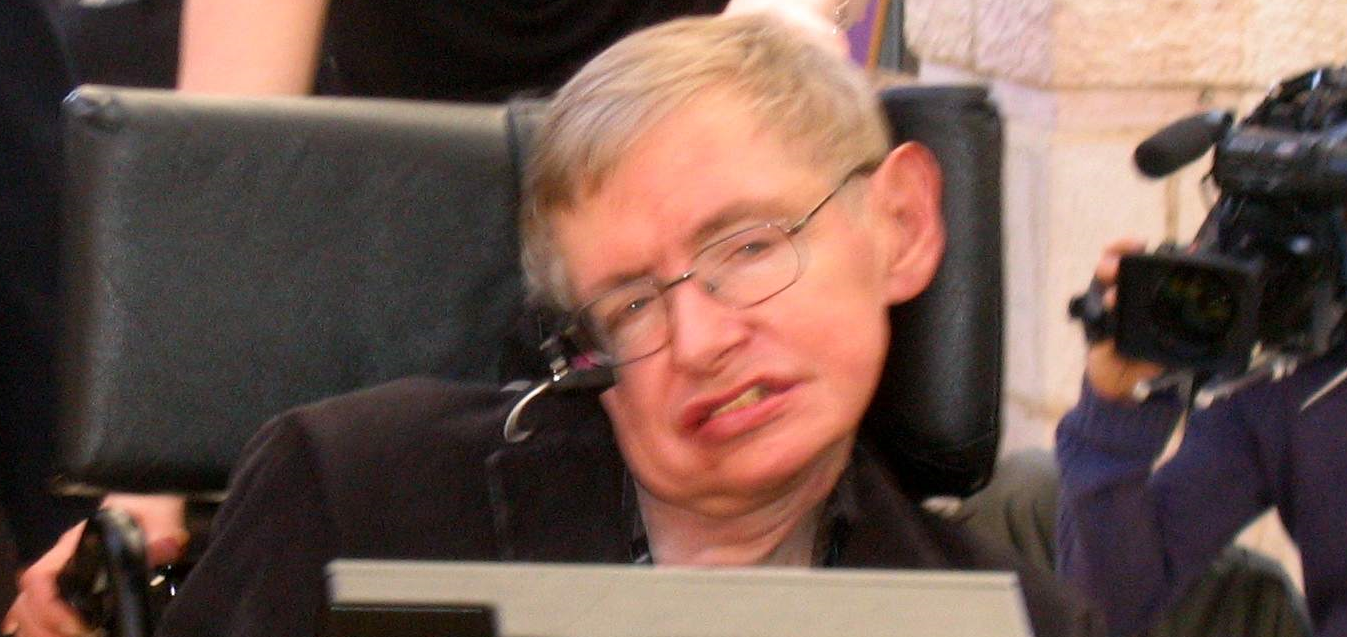
Stephen Hawking, légende britannique de la physique théorique. John Nash, mathématicien américain dont la vie a inspiré le film Un homme d’exception (A Beautiful Mind). Vincent Van Gogh. Ludwig van Beethoven. Frida Kahlo. Tom Cruise. Robin Williams. Stevie Wonder. Ladyhawke, chanteuse et musicienne néo-zélandaise devenue mondialement célèbre en 2008 avec son tube mondial Paris is Burning. Pour n’en citer que quelques-uns.
D’autres encore ont gravi les échelons jusqu’au sommet du pouvoir politique. Joaquín Balaguer, ancien Président de la République dominicaine. Wolfgang Schaüble[ii], plusieurs fois ministre fédéral et aujourd’hui Président de l’Assemblée fédérale allemande (Bundestag). Gordon Brown, ancien Premier Ministre du Royaume-Uni. Aux États-Unis, Robert Dole, longtemps Sénateur du Kansas et candidat républicain à la présidentielle de 1996, ainsi que son collègue récemment décédé[iii], lui aussi Sénateur et ancien candidat républicain à la présidence, John McCain, de l’Arizona – et, plus important encore, deux anciens Présidents, tous deux issus du Parti Démocrate, Woodrow Wilson et Franklin Delano Roosevelt, rien de moins.
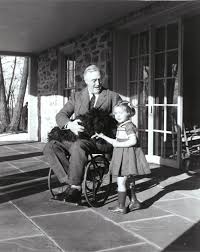
Ce dernier a remporté quatre élections présidentielles, sorti son pays d’une crise économique et sociale majeure, gagné la Seconde Guerre Mondiale et créé les Nations Unies – tout cela depuis un fauteuil roulant. Alors, pour une tribu isolée, difficile de nous considérer pour autant comme une partie totalement inutile de la population mondiale !
Ne regardez pas notre nom – regardez nos êtres
Même le terme «personnes handicapées», inventé par les non-handicapés pour nous désigner, semble être devenu plus que ce monde peut supporter. Certains utilisent désormais l’appellation «d’une aptitude différente» (en anglais, differently abled), au risque même de souligner combien nous sommes différents alors que nous avons besoin d’être reconnus, oui, pour nos spécificités, mais aussi pour nos similitudes avec les personnes dites «valides». Quelle importance peut revêtir un nom ? Celle qu’il ne devrait pas.
Les personnes handicapées doivent être vues comme elles sont : des personnes contraintes de vivre avec un handicap qui nécessite une attention particulière de la part de la société, tandis que chacune d’elles conserve sa propre personnalité, ses compétences et, contrairement à ce que notre nom indique, sa validité individuelle.
Le 3 décembre a été proclamé Journée internationale des Personnes handicapées en 1992, à travers la Résolution 47/3 de l’Assemblée générale des Nations Unies. Chaque année, la même question est posée au peuple du monde : pourquoi avez-vous si peur de la tribu isolée mondiale ? Qu’est-ce qui vous fait penser qu’elle ne peut être qu’un fardeau pour la société ? Ne vaudrait-il pas mieux pour vous et pour elle de choisir un mode de vie plus inclusif qui créât l’égalité des chances, quelle que soit votre (in)validité ?
Et le monde s’interroge encore. Il nous voit, nous, la tribu isolée mondiale. Il nous parle. Mais dans une langue que nous ne pouvons comprendre, car ses mots ne peuvent pas porter ce que nous, nous pensons. Et nous restons donc isolés.
Si vous voulez vraiment nous contacter, commencez par admettre l’idée que ce que vous appelez «handicap» est une création de votre propre esprit. Nous, la tribu isolée mondiale, renfermons des fortunes de connaissance et d’expérience, différentes des vôtres et qui vous restent inconnues. Alors, laissez-nous donc vous aider à faire de ce Monde un endroit meilleur pour ses Citoyen(ne)s – toutes et tous, mais cette fois, vraiment.
Bernard J. Henry est Officier des Relations Extérieures de l’Association of World Citizens.
[i] Jair Bolsonaro a quitté ses fonctions le 1er janvier 2023 après sa défaite électorale contre Luiz Inácio ‘Lula’ da Silva.
[ii] Wolfgang Schaüble a quitté son poste le 26 octobre 2021. Il est décédé le 26 décembre 2023.
LA AWC LLAMA A LAS AUTORIDADES DE NICARAGUA A DEROGAR LA PROHIBICIÓN ANUNCIADA DE 1.500 ORGANIZACIONES NO GUBERNAMENTALES
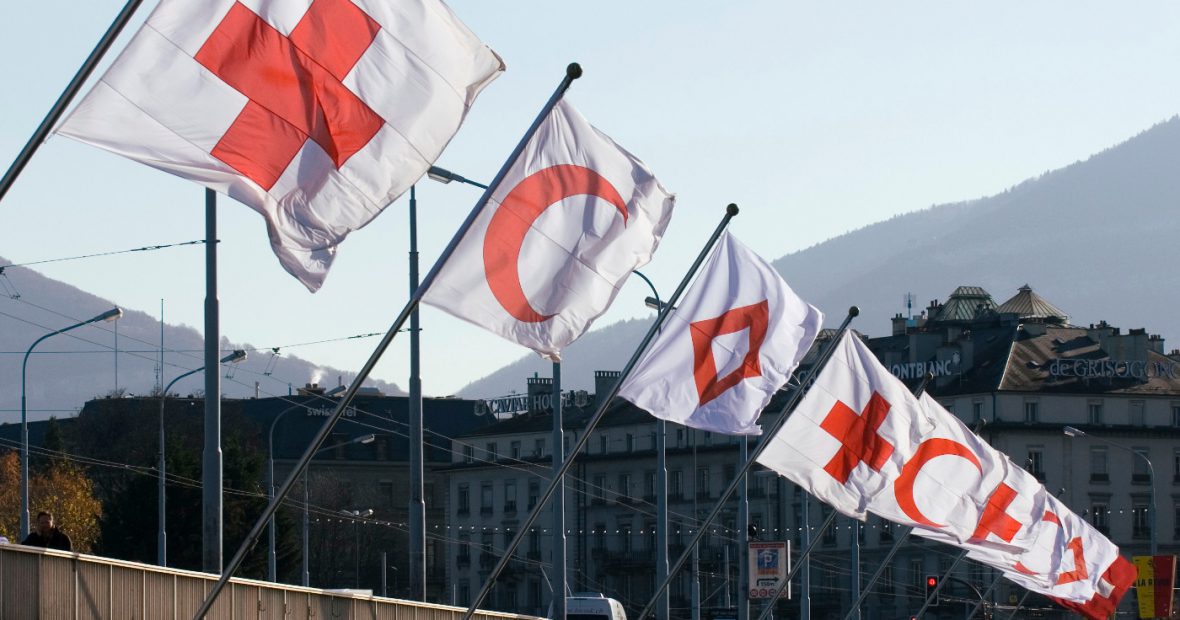
La Association of World Citizens (Asociación de Ciudadanos del Mundo; AWC) expresa su alarma al aprender que las autoridades de la República de Nicaragua anunciaron el 19 de agosto la prohibición de 1.500 organizaciones no gubernamentales (ONG), la mayoría de ellas organizaciones de beneficencia católicas romanas, aunque, lamentablemente, la medida también ha afectado a la Cruz Roja Nicaragüense.
Desde abril de 2018, el Gobierno encabezado por el Presidente Daniel Ortega ha adoptado un cariz abiertamente autoritario, tras las protestas cuya violenta represión, según las Naciones Unidas (ONU), ha dejado más de 300 muertos. En este contexto, casi todos los opositores políticos han sido encarcelados o forzados al exilio.
En cuanto a los grupos de la sociedad civil, esta última medida eleva a 5.000 el número de ONG prohibidas por las autoridades en los últimos seis años. Todos los grupos prohibidos han visto sus bienes confiscados por el Gobierno. Aunque la razón oficial esgrimida es que estas ONG no han declarado sus ingresos, la semana pasada se aprobó una normativa que obliga a las ONG a establecer “alianzas de asociación” con las autoridades, con lo que prácticamente se acaba su carácter “no gubernamental”.
La Oficina del Alto Comisionado de las Naciones Unidas para los Derechos Humanos ha pedido “a las autoridades nicaragüenses que dejen de imponer restricciones severas a los espacios cívicos y democráticos del país y que garanticen el respeto de los derechos humanos, de conformidad con las obligaciones internacionales de Nicaragua en materia de derechos humanos”.
La AWC respalda sin reservas este llamamiento, instando al Gobierno de Nicaragua a rescindir de inmediato su prohibición anunciada y a restablecer a todas las ONG ilegalizadas desde 2018 su estatus jurídico y financiero inicial, garantizando además que sean libres de operar como consideren conveniente, un requisito básico para cualquier país que pretenda defender el Estado de derecho.
THE AWC CALLS ON THE AUTHORITIES OF NICARAGUA TO RESCIND THEIR ANNOUNCED BAN ON 1,500 NONGOVERNMENTAL ORGANIZATIONS
The Association of World Citizens (AWC) is alarmed to hear that the authorities of the Republic of Nicaragua announced on August 19 that they were banning 1,500 Nongovernmental Organizations (NGOs), most of them Roman Catholic charities – even though, regrettably, the Nicaraguan Red Cross has been struck by the measure too.
Since April 2018, the Government led by President Daniel Ortega has taken an openly authoritarian turn, after protests whose violent repression the United Nations (UN) claims left more than 300 people dead. In this context, nearly all political opponents have been jailed or forced into exile.
As for civil society groups, this latest move brings to 5,000 the number of NGOs banned by the authorities over the last six years. All groups thus banned have had their assets seized by the Government.
Even though the official reason put forward is that these NGOs have failed to declare their income, last week, a regulation was passed requiring NGOs to enter “partnership alliances” with the authorities, therefore practically ending their “nongovernmental” nature.
The Office of the UN High Commissioner for Human Rights has called “on the Nicaraguan authorities to stop imposing severe restrictions on civic and democratic spaces in the country, and to ensure that human rights are respected, in line with Nicaragua’s international human rights obligations.”
The AWC unreservedly endorses this call, urging the Nicaraguan Government to rescind immediately its announced ban and restore all NGOs outlawed since 2018 to their initial legal and financial status, further ensuring that they are free to operate as they see fit, a basic requirement for any country which claims to be upholding the rule of law.
 Association of World Citizens