The Association of World Citizens (AWC) calls upon the military authorities of Pakistan and Afghanistan to uphold international humanitarian law, in particular the protection of medical and health installations.
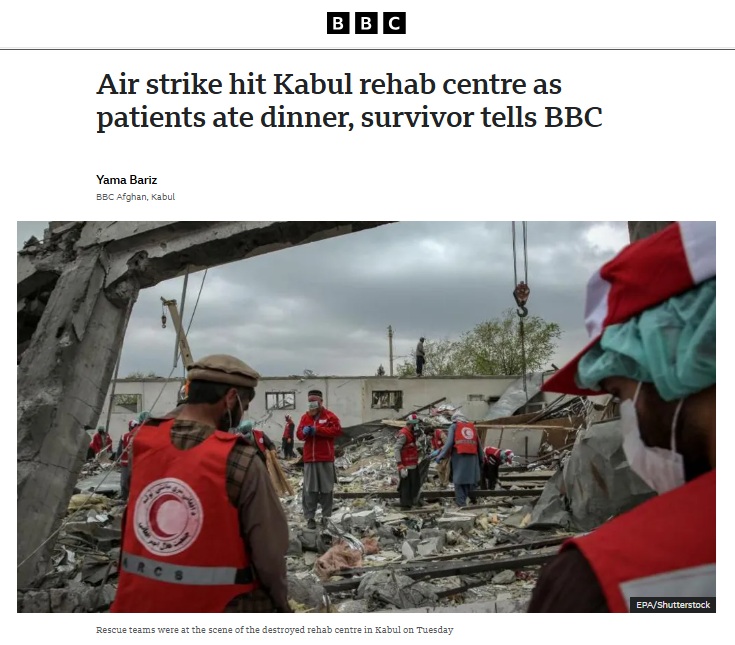
More than 400 people were killed and at least 265 others were injured in a Pakistani airstrike on a drug rehabilitation center, Camp Phoenix, in Kabul, Afghanistan on March 15, 2026. Camp Phoenix, known locally as Omid Camp – Camp of Hope – has been for over a decade a drug treatment center. Afghanistan has a good number of people who have become dependent on the use of drugs. Thus, the drug treatment center meets a real need.
Pakistan declared war on Afghanistan in late February 2026 for harboring Pakistani Taliban, a militant group which has repeatedly attacked Pakistani security forces. Over the past three weeks, Pakistani forces have hit Afghan military installations, residential areas, and civilian infrastructures, including more than 20 health care facilities. Afghan troops have responded with drone strikes and border raids. For the moment, a negotiated end to the armed conflict seems unlikely. Violence may expand.
Thus, there is a need to uphold international humanitarian law, of which the protection of medical centers and medical workers is a core element. The AWC welcomes others who also facilitate international humanitarian law in these critical times.
Prof. René Wadlow is President of the Association of World Citizens.
At this time when there is armed conflict and strong political tensions in world society, broadly-based efforts are needed to develop a harmonious political culture based on world law. A political culture is a set of attitudes and beliefs which give order and meaning to a political process. Such a positive political culture is a product of both the collective history of a political system and the life histories of the members of that system.
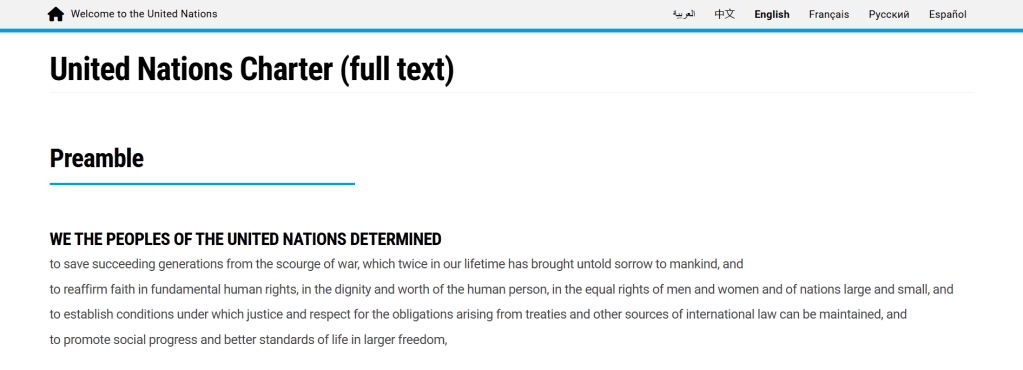
“To establish conditions under which justice and the respect for the obligations arising from treaties and other sources of international law can be maintained” is one of the four objectives of the United Nations (UN) as set out in the preamble to the Charter, firmly related to the three other aims: the prevention of war, respect for human rights, and social progress. The phrasing of the aims rightly stresses not the enactment of international law but rather the need to “establish conditions” under which justice and respect for international law is possible.
Respect for international law should place limitations upon the number of options open to a government in choosing how to carry out a policy in foreign affairs. The most fundamental limitation is the prohibition on using military action except in self-defense against aggression.
When abuse of State power, denial of human rights, corruption, and the absence of participation in decision-making are the daily routine, people look upon law as a method to establish justice. The rule of law at both the international and national level must be based on a social consensus.
Nongovernmental Organizations (NGOs) can play a vital role in developing this social consensus on the rule of law. NGOs have proven that they can respond effectively to the challenges faced by today’s world society. Thus, there is a growing role for NGOs within the UN system in the making and implementation of policies. NGOs are involved more than ever before in global policy-making and project implementation. They bring citizens’ concerns to governments and advocate specific policies.
Today, with armed violence ongoing in many parts of the world, cooperative peacebuilding efforts are urgently needed. NGOs are playing an increasing role in such peacebuilding efforts and must be encouraged.
Prof. René Wadlow is President of the Association of World Citizens.
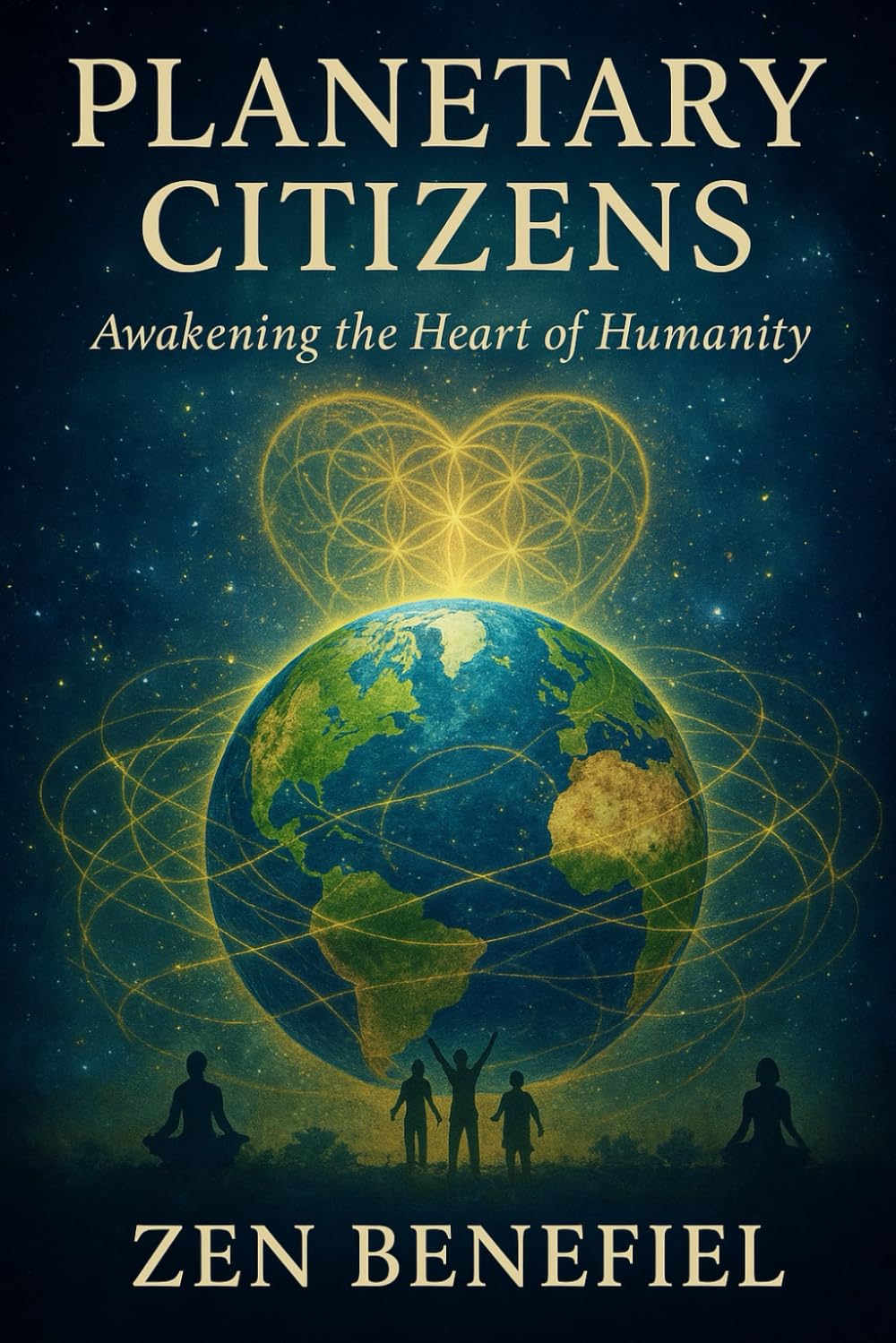
Zen Benefiel, Planetary Citizens: Awakening the Heart of Humanity.
Chandler, AZ: Be The Dream Publishing, 2025, 126pp.
“I believe that the mark of the truly educated and imaginative person facing the twenty-first century is that he feels himself to be a Planetary Citizen.”
U Thant, former Secretary General, United Nations.
The current effort of Planetary Citizens is a reincarnation of a movement led by Donald Keys active from the mid-1970s to the mid-1980s. I was a member of the Planetary Citizens Advisory Board and Donald Keys was the United Nations (UN) editor for Transnational Perspectives, a journal I edited. Thus, Donald Keys and I were in close touch and cooperated on many projects.
The first objective of Planetary Citizens was to help people in as many countries as we could reach to cross the threshold of consciousness from a local and national perspective to the inclusive and global view required in this planetary era.
The office of Planetary Citizens in the Church Center for the UN, was directly across the street from the UN. The Center housed a good number of non-governmental organizations in consultative status with the UN. Thus, the focus of Planetary Citizens was on issues which were discussed at the UN in New York. Cooperation was close with other Nongovernmental Organizations (NGOs) such as the Baha’i UN Office which shared a vision of world unity. Planetary Citizen identity cards were issued to those who requested it and affirmed their responsibility to a just world society. Some 200,000 people joined the effort, 60,000 in Japan.
The major effort of Planetary Citizens was the preparation and then the holding of a major conference held in Toronto, Canada, in June 1983. Some 500 people gathered to draft the “Declaration on the World We Choose” facing the challenges of a world with violence, human rights violations and persistent poverty. The Declaration identified three aims:
1) Self-Realization: The opportunity for achieving the individual human potential and realizing the essential spiritual identity of each person giving rise to oneness with all life, the assumption of responsibility and initiative in a spirit of cooperation.
2) Human Community: There is a natural progression from self-realization to the creation of vibrant communities capable of demonstrating cooperation and stewardship.
3) A United World: A cooperative world order characterized by membership in the family of humanity and by global governance based on justice. A result will be true international security.
Unfortunately, soon after the Toronto Conference, Donald Keys became ill and was unable to continue in a leadership role. As with many NGOs, too much responsibility rested on one person. When he/she is no longer there, the organization becomes weak and can shut down. This is what took place with the first incarnation of Planetary Citizens. All its papers and reports are now in the Peace Library of Swarthmore College near Philadelphia.
Zen Benefiel has revived much of the thinking and spirit of the original Planetary Citizens. As he notes, “The path ahead is not easy. It will take courage, collaboration, and commitment.” There is a need for bridge-building among the many groups working for the well-being of the Earth. There is a need for new kinds of leadership that feels comfortable with networking and nurtures creativity in others.
We wish the new incarnation all the best in the effort to create a just global society.
Prof. René Wadlow is President of the Association of World Citizens.
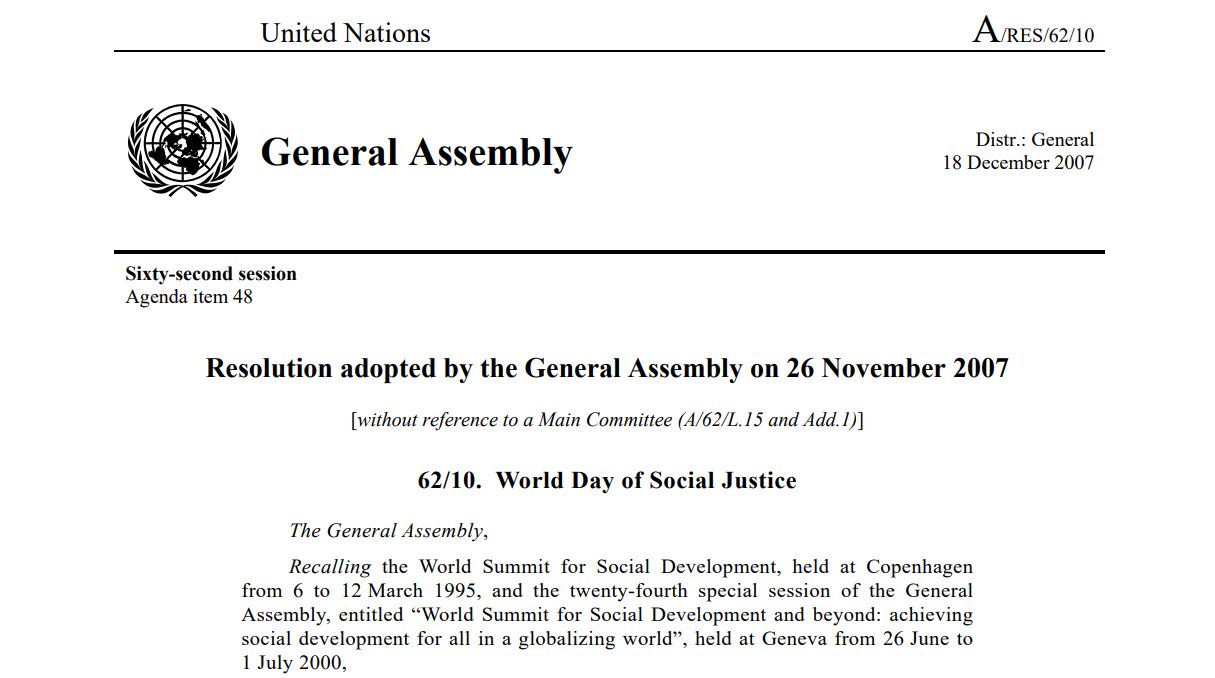
The United Nations (UN) General Assembly by Resolution 62/10 set February 20 of each year as the World Day of Social Justice. Today, as Citizens of the World, we can highlight world-wide gains in education, the reduction of extreme poverty, and the reduction of child labor.
Nevertheless, there are strong threats to social justice with inaction and apathy toward human misery. There is famine in parts of the world, armed conflicts, and uprooted and displaced populations.
The UN system is called upon to respond to these very diversified situations, often involving provisions of crucial direct aid to people in deep distress. At the national level, there is a need to place social justice at the core of policy making and to provide universal social protection.
A particular aspect of the lack of social protection is the fate of small rural farmers. There is an increasing amount of rural productive land that is falling under the control of urban elites, sometimes urban elites in other countries. Land ownership inevitably involves the distribution of power within a society. One answer to why the rural poor stay poor is that they are rarely well organized. The least powerful among the rural poor – the tenant farmers, the landless laborers, the members of tribal societies – are the least well organized, the most easily divided and blocked.
Thus, there is a need for renewed efforts for social justice carried out by persons with a long-range holistic vision able to see trends and the links between different social situations. There is a need for long-term cooperation among universities, religious groups, and Nongovernmental Organizations. The World Day of Social Justice is a time for a rededication for positive action.
Prof. René Wadlow is President of the Association of World Citizens.
The Association of World Citizens (AWC) has worked actively in the United Nations (UN) human rights bodies against the use of child soldiers in armed conflicts. The Association has also made direct Appeals to governments and militias that use child soldiers.
During the Iran-Iraq war (1980-1985) tens of thousands of Iranian youth, tied into groups to prevent their escape, threw themselves onto barbed wire or walked straight into Iraqi mine fields and faced machine gun fire. In at least twenty-one armed conflicts in different parts of the world, child soldiers have been used.
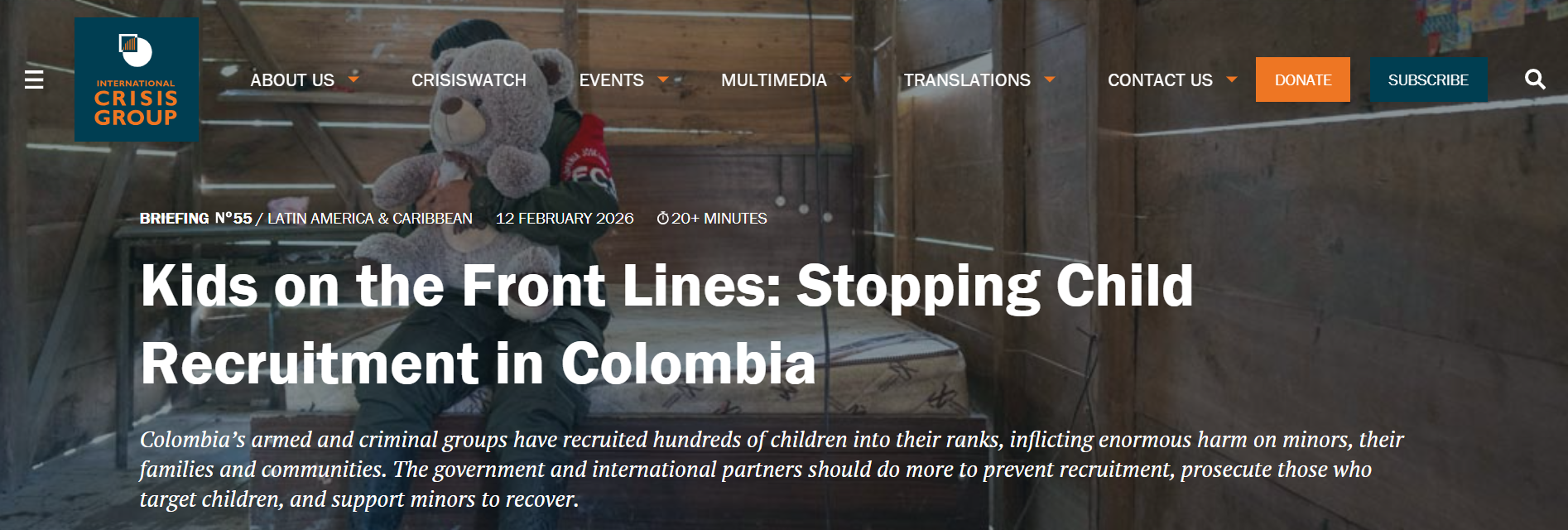
February 12 has been set by the UN General Assembly as the International Day Against the Use of Child Soldiers. Thus, the Association of World Citizens along with the International Crisis Group with its headquarters in Belgium focused on the use of youth by militias, often involved in the drug trade, in Colombia where youth are forced into militias. There had been in 2016 a ceasefire agreement between the government of Colombia and the Revolutionary Armed Forces of Colombia (FARC), the largest of the armed groups active in the country. This agreement has led many of those in the FARC ranks to be integrated into civil society. However, smaller armed groups have continued to be active. They are often involved in the drug trade as a way to finance their activities.
Thus, strong social action is needed, especially in those parts of the country inhabited by indigenous populations. Events in Venezuela also have an impact on Colombia and thus merit watching closely.
Prof. René Wadlow is President of the Association of World Citizens.
A new phase of tensions between the USA and the Islamic Republic of Iran is unfolding, shaped by external military pressure from the USA and internal, political, and economic instability within Iran. Iranian security forces’ lethal response to demonstrations with civilian deaths and mass arrests has further eroded public trust in the Iranian leadership.
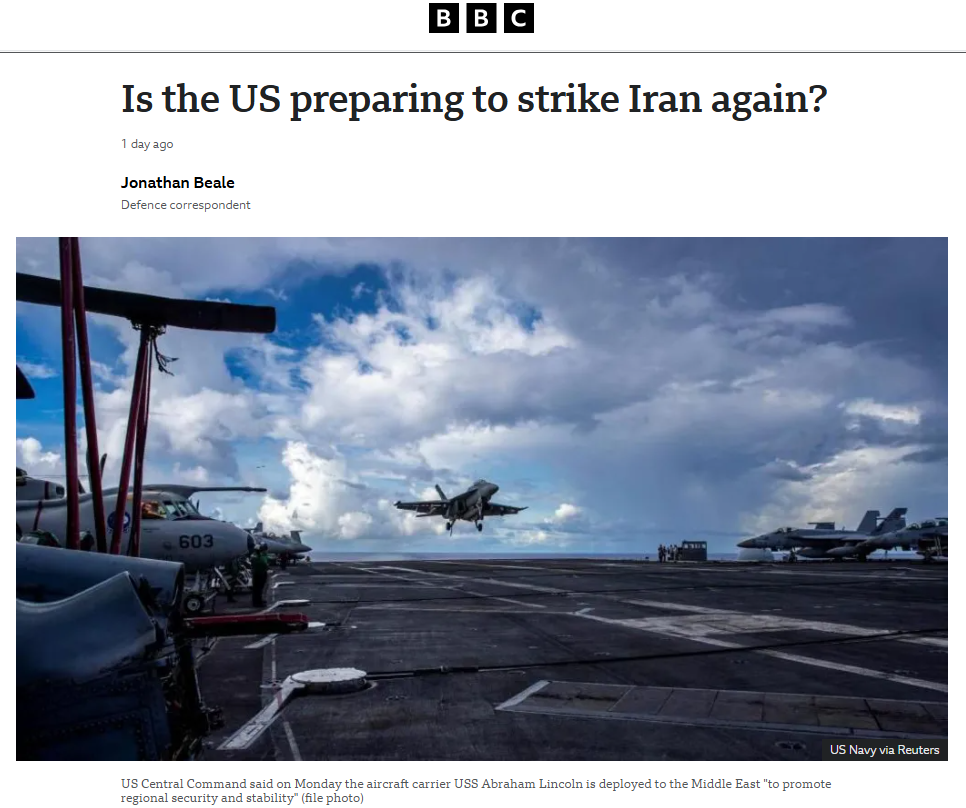
United States (U.S.) President Donald Trump has announced that an armada led by the aircraft carrier Abraham Lincoln is moving toward Iran. The U.S. Air Force has reported that its exercises across the Middle East indicates its readiness and escalation dominance. Tehran can retaliate with missile strikes – alone or through proxies – against U.S. bases in the Middle East. The situation is unstable and thus vulnerable to accidents and miscalculations.
It is said that indirect mediation efforts are being undertaken by diplomats from Türkiye, Egypt, and Qatar. The next few days may be crucial. Nongovernmental organizations may have a role to play in encouraging negotiations in good faith.
Prof. René Wadlow is President of the Association of World Citizens.
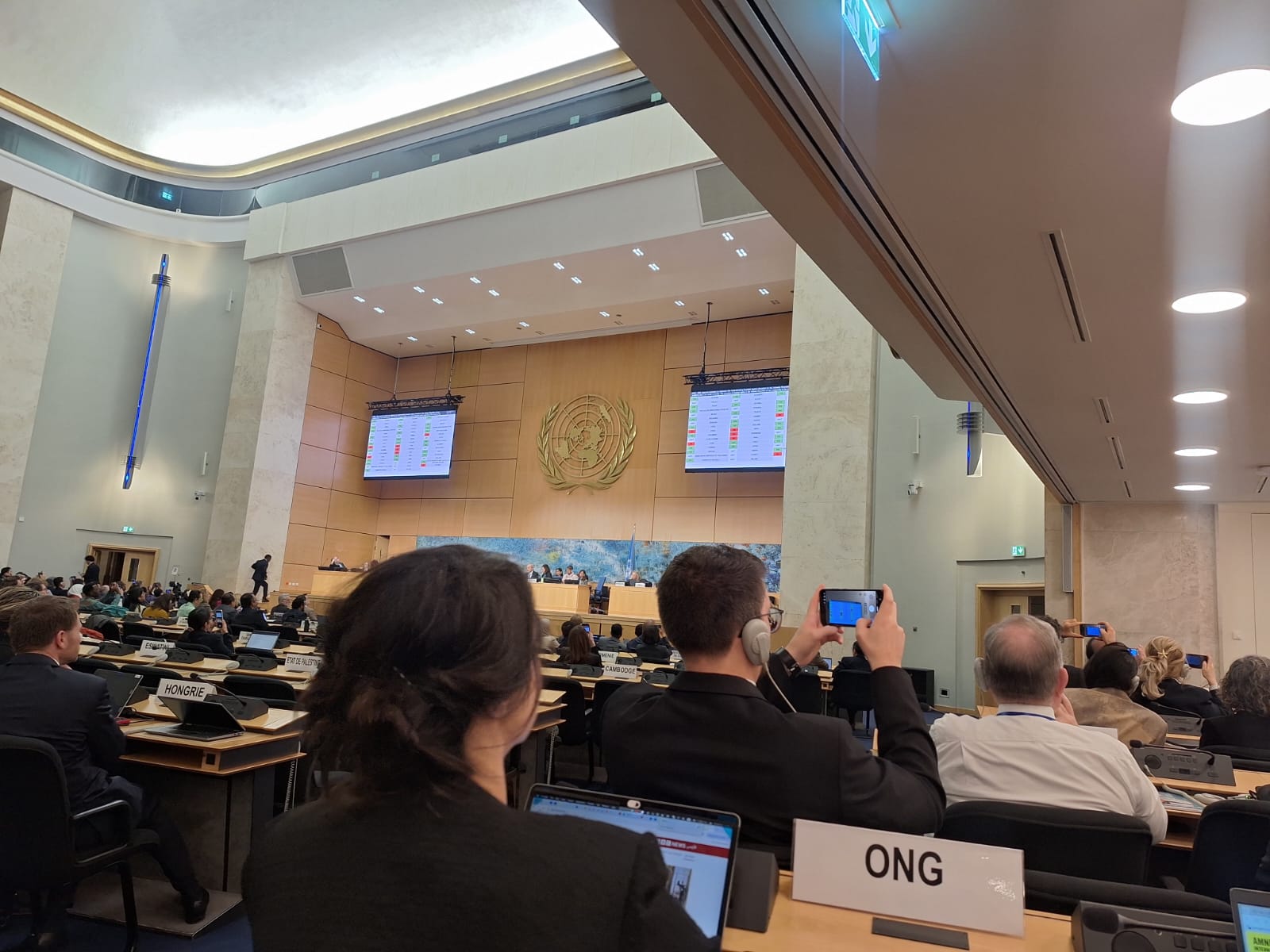
On January 23, 2026, the 47 members of the United Nations (UN) Human Rights Council met in Geneva, Switzerland in a Special Session devoted to the violent repression of protests in the Islamic Republic of Iran. The session began with a call by Volker Türk, UN High Commissioner for Human Rights, for the release of detainees, a halt to the implementation of death sentences, and the adoption of serious steps in response to human rights violations. He stressed that “these protests are the latest in a long line of heartfelt calls by the Iranian people for change, met by a long line of violent repression by the Iranian authorities”.
Ms. Mai Sato, the UN Special Rapporteur on Iran, highlighted the large number of protesters killed, including youth and children. She called upon the authorities of Iran to act in compliance with international human rights standards. She voiced alarm about “the unprecedented scale of the violent crackdown on peaceful protesters by security forces”.
A number of government representatives noted the difficulties of following the current situation due to the cutting of the Internet and other forms of communication.
The Iranian Ambassador, Ali Bahreini, said that the Special Session of the Council had been “politicized” and that Iran rejected the discussion as “external interference in internal affairs”.
Iceland’s Ambassador, Einar Gunnarsson, presented the resolution of the Session saying that “the victims and survivors deserve truth, justice, and accountability”. The resolution which extends the mandate for two years of the UN Fact-Finding Mission, first established after the 2022 protests, was accepted with 25 States in favor, 7 against (China, India, Pakistan, Indonesia, Vietnam, Cuba, Iraq) and 14 abstentions.
From an NGO’s point of view (C) Assia Tanner/AWC
Assia Tanner, Representative for Diplomatic Relations at the Geneva Office of the Association of World Citizens (AWC), attended the session on our behalf. “Demonstrating is a human right, yet the regime has killed demonstrators and hanged innocent Iranians, resorting to the death penalty which is a serious human rights violation”, she reported. “The UN asked Iran to respect human rights, engage in dialogue, end the violence, and stop terrorizing the population. While The Netherlands called the Iranian regime a terrorist state, some Arab countries called for dialogue as they fear consequences from Tehran. Some African countries called for peaceful support instead of a formal condemnation.”
Nonetheless, the general feeling was definitely one of outrage. “In a session that lasted from 2PM to 6PM with no break whatsoever, all Council members were saying the same thing: Iran must be condemned”, Tanner added. “I felt they were holding the same discourse as all human rights organizations”.
Precisely, Nongovernmental Organizations (NGOs) now have the difficult task of calling on the Iranian government to stop arbitrary arrests, enforced disappearances, and extrajudicial killings. The situation in Iran must be watched as closely as possible and encouragement given to good faith negotiations.
Prof. René Wadlow is President of the Association of World Citizens.
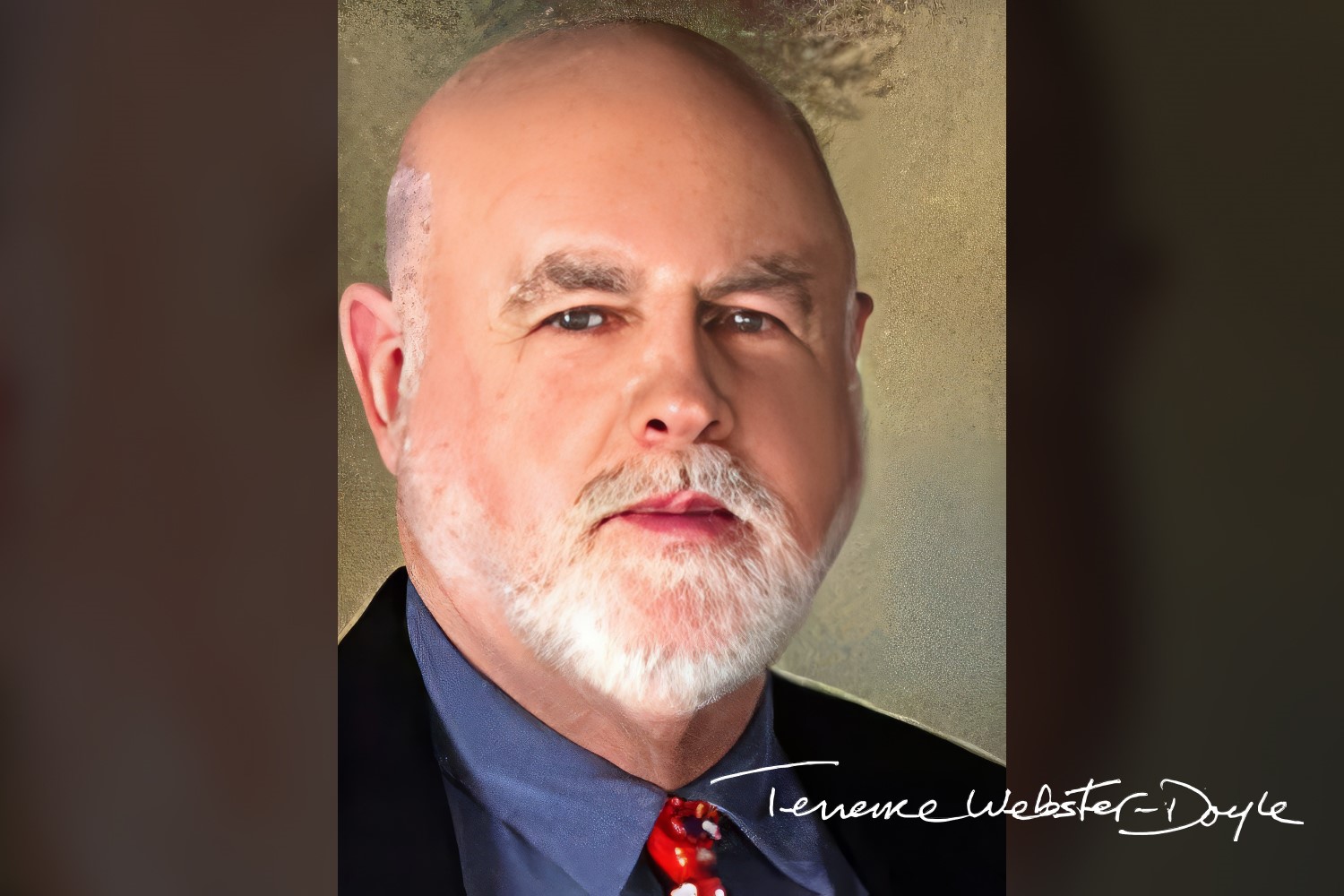
One of the most renowned authors and educators in the field of peace education, Dr. Terrence Webster-Doyle, passed away at noon on Friday, June 16, 2023, in Paonia, Colorado, USA. He was 83.
Dr. Terrence Webster-Doyle (1940-2023) was the founder and director of the Atrium Peace Institute and the Brave New Child Peace Museum Exhibits. He had a sixth-degree black belt in martial arts and was a co-founder of the Martial Arts for Peace Safety Awareness Response System Program (MAP STARS). Holding a Ph.D. in Health and Human Services, a Master’s Degree in Humanistic Psychology, he taught at Sonoma State University and Santa Rosa Community College in California.
He was the author of more than 150 scientific and methodological works, including 15 monographs, 20 textbooks and 23 curricula; the developer of a series of conflict resolution courses for adolescents; a ten-time recipient of the Benjamin Franklin Lifetime Achievement Award for excellence in independent publishing. He was awarded the Robert Burns Medal by the Albert Schweitzer Society of Austria for outstanding service in promoting peace. Recipient of the Benjamin Franklin Gold Medal for his book “Fighting the Invisible Enemy. Understanding the Effects of Conditionality”.
Dr. Terrence Webster-Doyle’s books have been widely recognized by the professional community as an important resource in conflict prevention and resolution. He is the author of the first seminal book on bullying “Why Is Everybody Always Picking on Me? A Guide to Handling Bullies”. Dr. Webster-Doyle is credited to have given a human face back to the culture of peace.
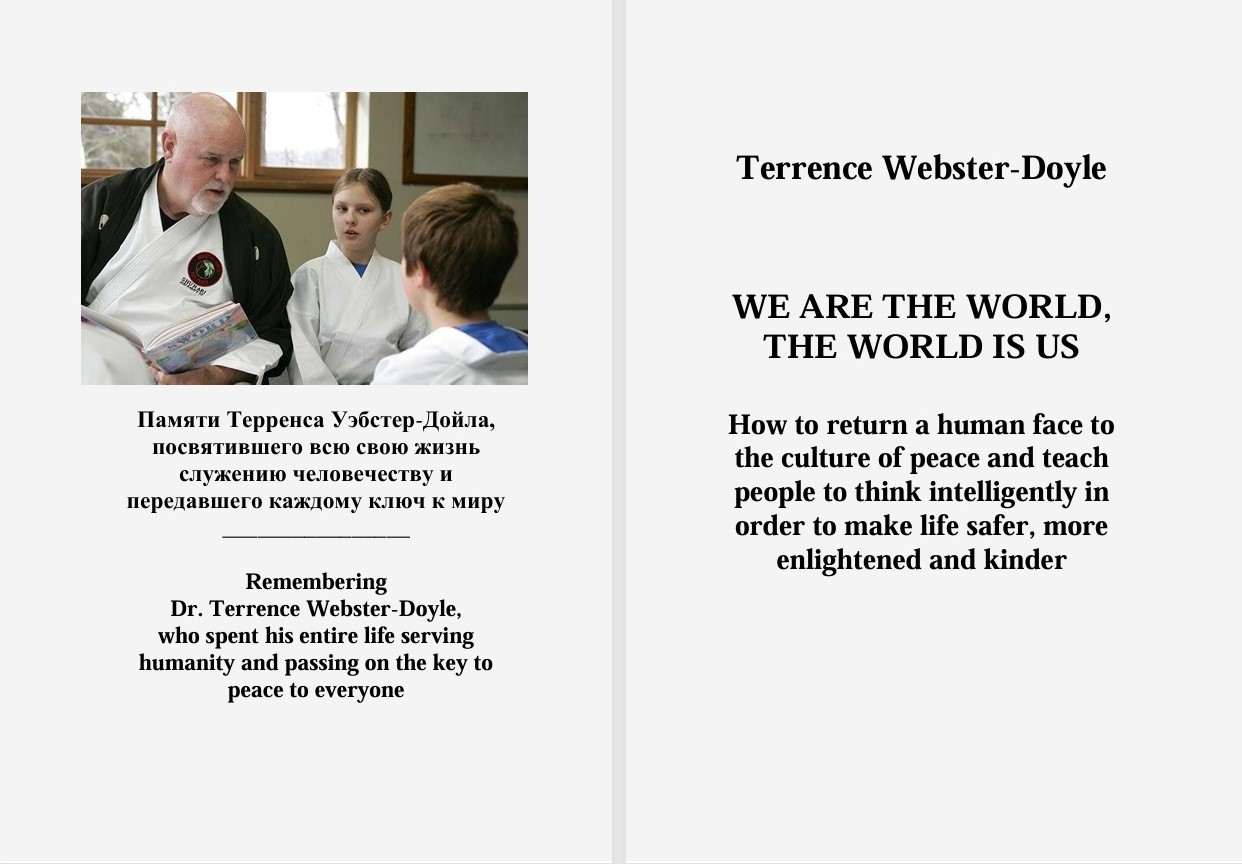
A two-page spread of Terrence Webster-Doyle’s last book, We are the World, the World is Us (Samara, 2024. – 236 p.)
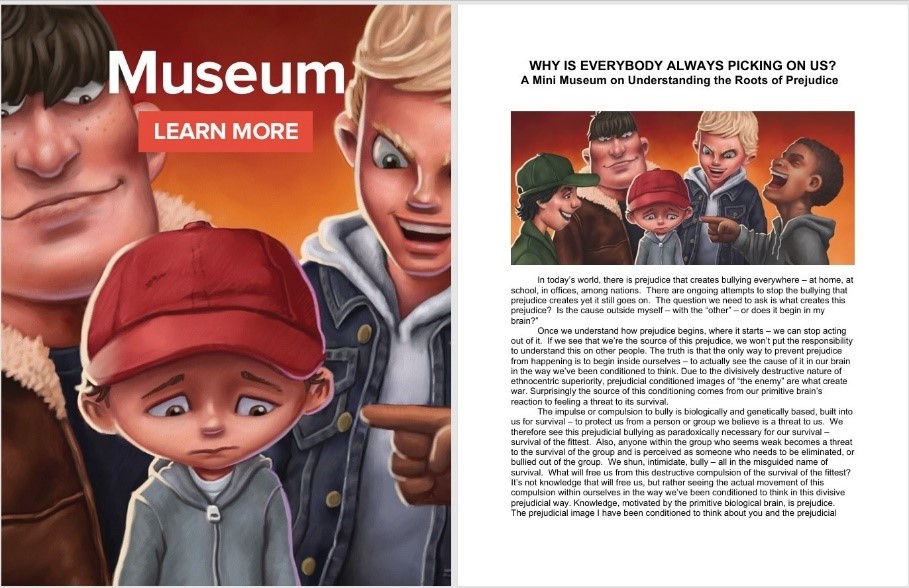
In one of his latest books, A Mini Museum on Understanding the Roots of Prejudice and Discord. Learn More about How to Make Life Safer and Kinder (Samara, 2022), T. Webster-Doyle invites young people to take a fascinating page-by-page museum tour through the illustrated ideas, images, and stories in the book, and learn more about the anthropological, psychological, historical, and social roots of reprehensible thinking and hostility between people, cultures, and nations. The author thrives to show that freeing oneself from prejudice and understanding the root causes of fear and violence in human life is the way to make life better, more peaceful and kinder.
A two-page spread of the book Museum: Learn More. Why is Everybody Always Picking on Us? A Mini Museum on Understanding the Roots of Prejudice (English Edition, Atrium Society Publications, USA, 2019. – 75 p.)
In his writings, Webster-Doyle sought to show that all the best in a person is tied to peace. To achieve peace, we must understand what hinders it, and what hinders it is our very predisposition to ethno- and sociocentrism. The origins of conflicts lie in our prehistory, in the biological predisposition of our brain to protect itself from external threats – imaginary and real. Sometimes a person does not notice how he/she himself/herself becomes a victim of his/her own prejudices. No image. No enemy. No war. It is important to be able to observe and recognize situations that challenge us based on cultural resistance and behavioral stereotypes, and not succumb to outbursts of intolerance, hostility, and aggression.
Once in a conversation with me, T. Webster-Doyle shared the thought that “peace is a given, but only as a premise, a potential, under attack every time by prejudice and preconceptions. Peace requires a true awakening of the mind, here and now, but peace does not require multiple and endless theoretical constructions. Therefore, it is important to understand what creates it, and how one can achieve a real, rather than an imaginary peace”.
Т. Webster-Doyle thought a lot about why people cannot create a lasting peace and find harmony with each other. He began to ask questions: how to bring cultures closer together, to deal with mistrust and enmity, to learn how to build peace on the basis of reasonable, virtuous and humanistic principles. In my search for answers to these questions, I began to use the training materials he developed on peacebuilding pedagogy.
Terrence Webster-Doyle never ceased to remind people that “understanding is the key to peace”. But how can we find the key to understanding itself? Maybe it is the works of T. Webster-Doyle that could become such a key, opening the doors to dialogue, peace and harmony among peoples, cultures and nations.
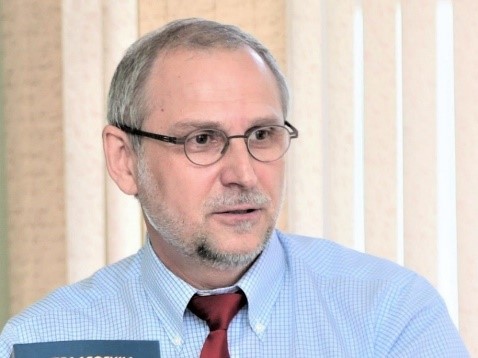
Vladimir Ionesov, Doctor of Cultural Studies, Candidate of Historical Sciences, Professor with the Department of Cultural Studies, Museology and Art History at Samara State Institute of Culture. Developer of the concept of cultural transformation and models of civilization viability in transition. Full member of the European Academy of Sciences and Arts. Deputy Chairperson, Research Advisory Council, “Personality. Culture. Peace” Scientific and Enlightening Center of Samarkand International University of Technology (SIUT).
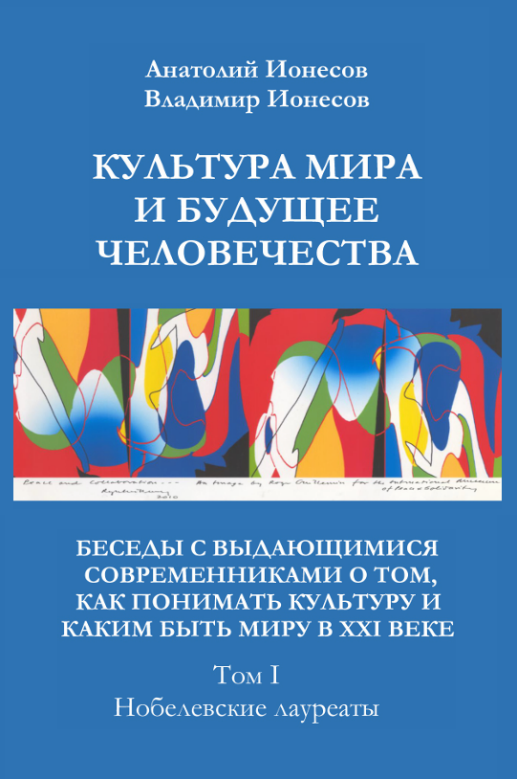
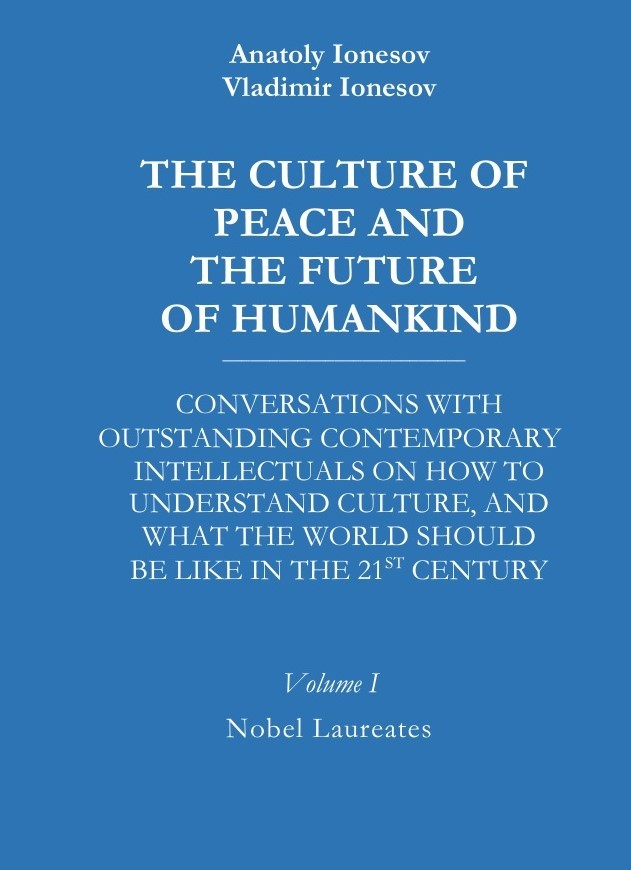
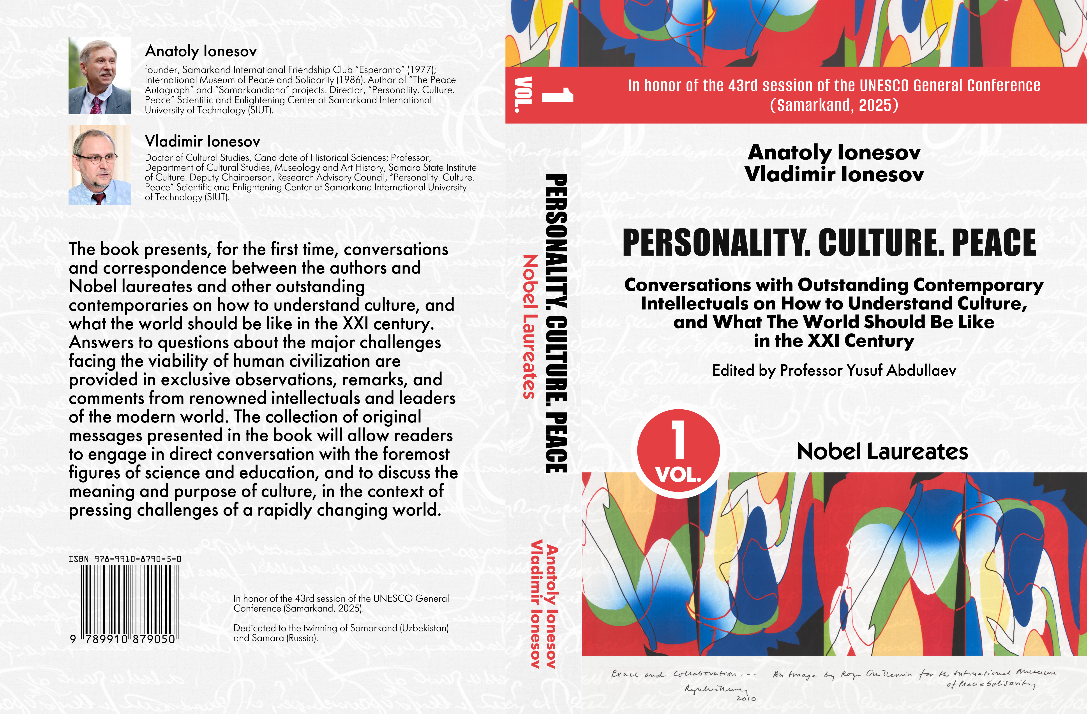
Anatoly I. Ionesov & Vladimir I. Ionesov, The Culture of Peace and the Future of Humankind: Conversations with Outstanding Contemporary Intellectuals on How to Understand Culture, and What the World Should Be Like in the 21st Century
Vol. I-IV. [Volume I. Nobel Laureates]
Samara-Samarkand: Samara Scientific Center, 2025. 500 p.
The real essence of life is not in what it has,
But in what one believes there should be.
Iosif A. Brodsky (1940-1996)
This new book by Anatoly and Vladimir Ionesov contains and presents in four volumes the authors’ extensive materials on the culture of peace and citizen diplomacy, formed on the basis of direct conversation, correspondence, meetings and idea exchanges with outstanding intellectuals of our time. For 40 years, the authors have developed and maintained a dialogue with recognized global leaders in science, education, art, business, politics and sports. This has resulted in a diverse collection of unique written messages and tangible artifacts that have been designed as an International Archives of the Culture of Peace.
The Samarkand International Friendship Club “Esperanto” (Uzbekistan) and the Samara Society for Cultural Studies “Artefact – Cultural Diversity” (Russia), both led by the authors of this publication, created this archive through the organizations’ long-term activities. On the Samarkand site, the International Museum of Peace and Solidarity (1986) was established, and the Peace Autograph Project was initiated; while on the second – Samara city site, the project “Culture of Peace Personalities: People Who Changed the World” (1994) was conceived, launched and implemented. The latter was in direct dialogue on pressing issues of the philosophy of peacemaking and the viability of modern civilization with recognized experts in the field.
Thanks to these joint projects and other types of partnership activities, it was possible to include the two sister cities – Samarkand, the ancient pearl of the East, and Samara, the ‘Space Capital’ of Russia, in the dialogue with the wider world. Through correspondence, interviews, meetings, conversations, creative projects, scientific connections, educational exchange, and other cultural practices of citizen diplomacy, communication was established with contemporaries who, through their ideas, visions, achievements, and professional experience, showed how life can be changed for the better. The authors, using the example of these personalities, their spoken or written word, proposed thoughts, insightful intuition and skillfully embodied deeds, sought to testify to unique examples of personal selfless devotion in culture. And, thereby, convey their main message: any individual may cope with the challenges of the changing world if he or she relies on knowledge, creativity, morality, humanism and free thinking.
At different stages of the project, participants in dialogue with the authors included thousands of individuals. Their visions for solving the most pressing challenges help to better understand how to build and promote a culture of peace, a philosophy of nonviolence and tolerance in the multicultural diversity of humankind. This way we discussed multiple problems the world is facing today with the people who have probably managed to implement those principles into life most fully.
The participants in the direct conversation were a variety of personalities from a Nobel Prize laureate to a simple teacher of a provincial school, from an outstanding politician to an ordinary citizen, from a famous preacher to an inconspicuous volunteer, from a professional traveler and explorer to an ordinary wanderer and creator. Each of them has their own view of the world, their own visions, interests, values, preferences. Their answers to questions, remarks and comments are unequal, as are their biographies and professional activities. In short, they are as varied as life itself.
The materials included in each volume of this publication are divided into two main sections 1. Answers to Questions, Letters and Reflections and 2. Remarks, Comments, Greetings, and two Appendices. The personal messages are placed in alphabetical order without chronological sequence. Each separate block consists of three parts: information about the person, a photo with an autograph or gift inscription, and the text of the reply. All correspondence is represented by original texts – personal messages addressed to the authors in Samarkand or Samara. The Appendix provides a consolidated list of Nobel Prize laureates who have sent their feedback (messages, etc.) to the authors and a small photo chronicle.
The first volume consists of replies, letters, remarks and comments of 72 Nobel Prize laureates representing 20 countries of the world (Argentina, Belgium, Great Britain, East Timor (Timor Leste), China (territory of Tibet), Egypt, Finland, France, Germany, India, Ireland, Japan, Mexico, Nigeria, Netherlands, Russia, former USSR, South Africa, Switzerland, USA). All the authors of the messages placed in the book are arranged in alphabetical order.
Our interlocutors are distinguished intellectuals in the field of scientific research whose works have changed the world for the better through revolutionary inventions and major contributions to the culture and development of society. Among the intellectual leaders of our time included in this volume who have shared with the authors their visions on how to understand culture and what the world should be like in the twenty-first century are Nobel Prize laureates in Chemistry (19), Physics (15), Physiology or Medicine (11), Economics (7), Literature (4), and for promoting world Peace (16).
The authors of the book are grateful to their distinguished interlocutors, who, in addition to answering questions, have also kindly provided the texts of their articles and other materials as expanded commentary on a given topic for translation and inclusion in this edition.
The book concludes with a list of all Nobel laureates who responded to the dialogue with the authors, including the names of those whose comments and greetings, although not included in this edition, have become an important and inspiring part of the project.
In total, responses were received from 253 Nobelists in six fields (including three scientists who were awarded this prize twice): 49 laureates in chemistry, 68 – in physics, 63 – in physiology or medicine, 30 – in economics, 13 – in literature and 30 participants of the project were awarded the Nobel Peace Prize.
It should be noted that the “Culture of Peace Personalities” project, launched and implemented by the authors, inspired the creation and suggested the name of the newly established “Personality. Culture. Peace” Scientific and Enlightening Center at Samarkand International University of Technology (SIUT). It is gratifying that it was the Center that became the main venue for the completion of such a significant book project.
The authors consider this publication as another step in strengthening partnership and twinning between Samarkand and Samara. They hope that their work will contribute to the development of not only the two sister cities, but also of the Commonwealth of Independent States (CIS). In this regard, it is noteworthy that by the decision of the CIS Council of Heads of State, Samarkand has acquired another landmark status for itself – becoming the cultural capital of the Commonwealth in 2024.
When the first volume was ready to go to press, the authors of the book received a message from a Canadian scientist, Nobel Laureate in Physics (2015) Arthur B. McDonald (b. 1943). It contained remarkable words that insightfully reflect the main idea behind this publication: “The openness and international cooperation between basic scientists seeking and understanding of the world we live in can be a model for everyone and a direction for world peace”. – Arthur B. McDonald, March 23, 2023, Canada.
It remains to be hoped that an interested reader, within the dialogue space with the authors and participants of this edition, will find useful answers to pressing questions and gain clarity on complex issues in the current agenda of our turbulent times.
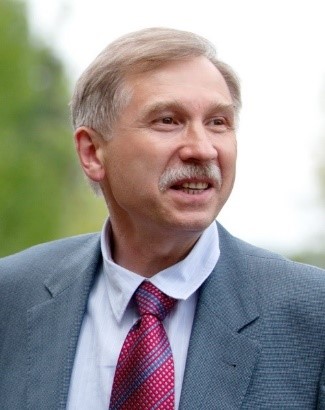
Anatoly Ionesov, founder, Samarkand International Friendship Club “Esperanto” (1977); International Museum of Peace and Solidarity (1986). Author of “The Peace Autograph” and “Samarkandiana” projects. Director, “Personality. Culture. Peace” Scientific and Enlightening Center of Samarkand International University of Technology (SIUT).
Vladimir Ionesov, Doctor of Cultural Studies, Candidate of Historical Sciences; Professor, Department of Cultural Studies, Museology and Art History, Samara State Institute of Culture. Developer of the concept of cultural transformation and models of civilization viability in transition. Full member of the European Academy of Sciences and Arts. Deputy Chairperson, Research Advisory Council, “Personality. Culture. Peace” Scientific and Enlightening Center of Samarkand International University of Technology (SIUT).
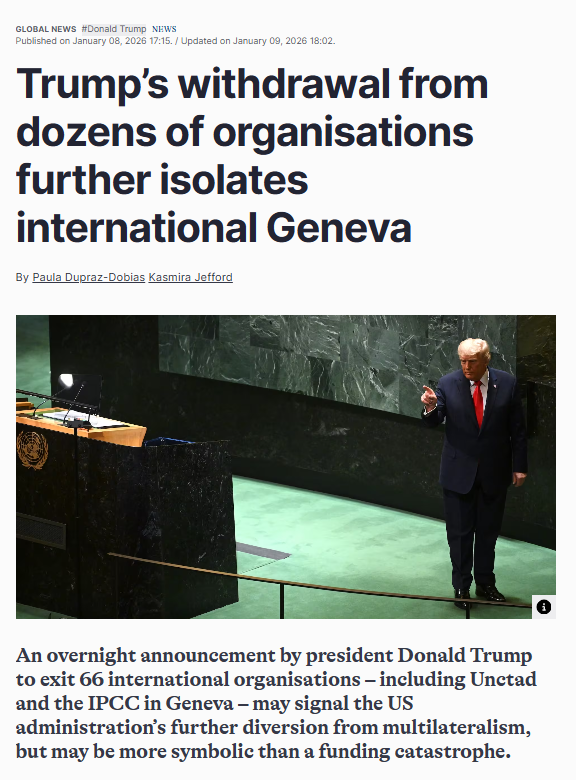
On January 7, 2026, the United States (U.S.) government announced that it was withdrawing from membership (and thus financial contribution) to 31 United Nations (UN) bodies and programs. According to U.S. Secretary of State Marco Rubio, these institutions and programs are “redundant in their scope, mismanaged, unnecessary, wasteful, poorly run and captured by the interests of actors advancing their own agendas contrary to our own.” He added, “Many of these bodies promote radical climate policies, global governance and ideological programs that conflict with U.S. sovereignty and economic strength.”
The U.S. withdrawal comes at a time when the UN as a whole (the 193 member States) is in the process of evaluating UN structures and programs (UN 80). The results of this evaluation should be presented later this year.
A good number of the programs from which the United States of America (USA) is withdrawing are based or have activities in Geneva, Switzerland. As an NGO representative to the UN in Geneva, I have interacted with many of these programs and the Secretariat members. At this time when there are real challenges in the world society, the withdrawal of the USA weakens the UN system as a whole. The representatives of Nongovernmental Organizations (NGOs) in consultative status will increase their activities so that the intellectual dynamics will not be weakened, but NGOs cannot fill the financial gap.
One of the bodies marked for withdrawal is the International Law Commission. A colleague from Egypt who taught international law at the University of Geneva was a leading member of the Commission and had a deep understanding of Middle East culture. Stronger respect for international law in the Middle East remains a real need.
Another institution is the Geneva-based International Trade Center where I had a good friend in the Secretariat. The Trade Center helped developing countries negotiate contracts with transnational corporations. These corporations usually have sophisticated lawyers to write contracts, not the case for many developing countries. Thus, the work of the Trade Center filled a real need.
The UN Institute for Training and Research has its headquarters in New York, but many of its activities were Geneva-based and so the Secretariat cooperated with Geneva-based NGOs. The same holds true for the UN University with headquarters in Japan but with many Geneva-based activities.
The USA is withdrawing from support for the Office of the Special Representative for Children in Armed Conflict, from the UN Entity for Gender Equality, and from the Special Representative on Sexual Violence in Conflict – all issues on which the Association of World Citizens has been active. The USA is leaving the UN Alliance of Civilizations at a time when cross-cultural understanding is a vital need.
Many of the UN activities which the USA is leaving have dedicated U.S. citizens in the Secretariat. I am not sure what their status will be once the withdrawal is complete.
The USA is also withdrawing from the UN Framework Convention on Climate Change, the key instrument on climate change issues. The consequences of climate change are being increasingly felt, and U.S. action would be needed.
As I noted, the representatives of NGOs will have to increase sharply their activities in the UN bodies and programs. The challenges facing us are heavy, and constructive action is urgently needed.
Prof. René Wadlow is President of the Association of World Citizens.
 Association of World Citizens