The Official Blog of the

Archive for the ‘The former Soviet Union’ Category

«Pour toi Arménie» le monde doit faire cesser le blocus du Haut-Karabakh

In Being a World Citizen, Conflict Resolution, Current Events, Europe, Fighting Racism, Human Rights, Humanitarian Law, International Justice, NGOs, Spirituality, The former Soviet Union, The Search for Peace, United Nations, World Law on September 14, 2023 at 7:16 AM

Par Bernard J. Henry

«Même si tu maudis ton sort,

Dans tes yeux, je veux voir,

Arménie, une lueur d’espoir,

Une flamme, une envie

De prendre ton destin entre tes mains,

A bras le corps …»

Ces paroles écrites par Charles Aznavour, né Sharnough Aznavourian, font partie de Pour toi Arménie, la chanson dont il était l’auteur avec son beau-frère et complice musical de toujours Georges Garvarentz en 1988. Cet hommage amoureux à la terre de ses racines familiales, le plus célèbre des artistes franco-arméniens ne l’avait pas écrit seulement par un élan du cœur. Cette chanson était une urgence – l’urgence d’aider son Arménie frappée par un tremblement de terre meurtrier et dont la population déjà démunie s’était trouvée abandonnée à son sort.

Le 7 décembre 1988, la ville de Spitak, au nord de ce qui était alors la République socialiste soviétique d’Arménie au sein de l’URSS vivant la perestroïka de Mikhaïl Gorbatchev, à 11H41 très précises, un séisme de 6,9 sur l’échelle de Richter dévaste la ville. Dans cette Union soviétique qui avoue désormais ses faiblesses, les services de secours ne parviennent à sauver que quatre-vingts personnes des ruines des immeubles effondrés, tandis que vingt-cinq à trente mille personnes trouvent la mort, plus de quinze mille en sortent blessées et cinq cent trente mille n’ont désormais plus nulle part où vivre. Moscou et son affidée d’alors Erevan dépassées par l’ampleur du drame, la diaspora arménienne prend le relais et l’aide à la terre d’origine meurtrie s’organise – en dehors de l’Arménie.

Suivant l’exemple américain de Harry Belafonte, Quincy Jones et Lionel Richie en 1985 avec We Are the World pour l’Ethiopie, Aznavour rassemble quatre-vingt-huit autres chanteurs, acteurs et personnalités de la télévision avec lesquels il enregistre Pour toi Arménie en annonçant que tous les profits du 45 tours, en cette époque sans le streaming et où l’on achète encore des disques vinyles, iront à l’aide humanitaire sur place. Et le public répond présent, le 45 tours entrant directement premier au Top 50, le classement national hebdomadaire des ventes, dont il gardera la première place pendant plusieurs semaines. C’est Aznavour lui-même qui conclut la chanson par le nom de l’Arménie dans la langue nationale, «Hayastan !», tant en français qu’en italien et même en anglais, dans une version américaine que sa notoriété internationale lui permet d’enregistrer avec le soutien de nombreuses célébrités des écrans, grand et petit, ainsi que de la chanson comme Dionne Warwick.

Le 1er octobre prochain verra les cinq ans de la disparition de Charles Aznavour, artiste de légende, humanitaire mais aussi ambassadeur d’Arménie à l’UNESCO puis au Palais des Nations, dont l’Association of World Citizens (AWC) a un jour croisé le chemin pour venir en aide à une habitante de Erevan chassée de son domicile par des violences conjugales. S’il était encore des nôtres, comment réagirait-il au drame que vit actuellement l’Arménie, drame qui, contrairement à celui de Spitak en 1988, n’est pas le fait de la nature mais d’un ennemi bien plus dangereux encore pour l’être humain – lui-même ?

La seule absence de combat ne sera jamais la paix

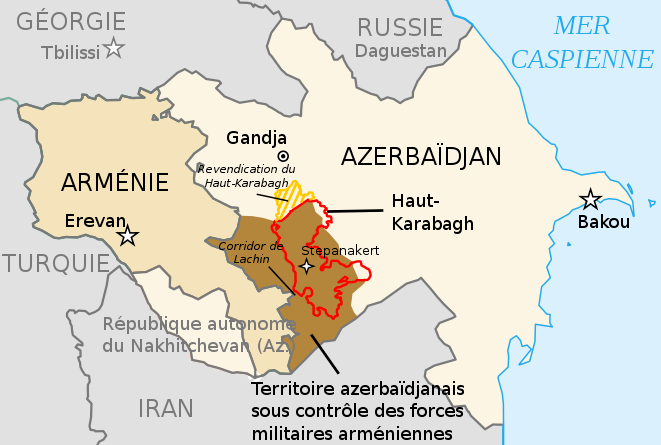
Entre 1988 et 1994, l’Arménie et son voisin de l’est, l’Azerbaïdjan, républiques soviétiques avant de devenir indépendantes à la faveur de la disparition de l’Union soviétique fin 1991, se sont affrontées militairement autour d’un territoire voisin de l’Arménie, peuplé pour l’essentiel d’Arméniens mais appartenant juridiquement à l’Azerbaïdjan – le Haut-Karabakh, ou Nagorno-Karabakh, sur une partie duquel se tient la République d’Artsakh reconnue par Erevan. Soutenu par Gorbatchev du temps de l’URSS, l’Azerbaïdjan avait refusé tout transfert de souveraineté du Haut-Karabakh à l’Arménie, position qu’il a maintenue en tant qu’État souverain et maintient encore aujourd’hui.

(C) Bourrichon

En 1992, après plusieurs années d’un conflit dominé par l’Azerbaïdjan doté d’un large soutien du monde musulman, l’Arménie remporte de premières victoires décisives. Deux ans plus tard, en mai, c’est un Azerbaïdjan désormais épuisé par une nette domination militaire arménienne qui accepte une trêve, qui ne règle pas le conflit du Haut-Karabakh mais le «gèle» sans solution, laissant le territoire indépendant de facto mais non reconnu sur le plan international. Au cours des années, les liens avec l’Arménie vont se resserrer, culminant avec l’élection en 2008 d’un natif du Haut-Karabakh, Serge Sarkissian, à la présidence de l’Arménie qu’il occupera pendant dix ans. Entre l’Arménie et le Haut-Karabakh, un seul lien terrestre direct : le corridor de Latchine, large de quelques cinq kilomètres et long de soixante-cinq. Au-delà, l’Azerbaïdjan vaincu, rêvant d’une revanche au détour de l’histoire.

Fin septembre 2020, après le traumatisme d’une année marquée par la pandémie de Covid-19 et qui verra le monde quasi mis à l’arrêt, avec un tiers de la population de la planète confinée à son domicile, l’Azerbaïdjan prend de court une communauté internationale encore sous le choc en lançant une violente offensive contre le Haut-Karabakh. Cette fois, Bakou garde l’ascendant du début à la fin des hostilités, qui vient le 10 novembre avec un cessez-le-feu conclu à l’issue d’une médiation de la Fédération de Russie, avec de lourdes pertes de territoire pour l’Arménie qui doit de céder un tiers du Haut-Karabakh et en retirer ses troupes, Moscou déployant les siennes pour maintenir le cessez-le-feu. Pour les civils arméniens, c’est le temps de l’exil, non sans avoir pour beaucoup d’entre eux brûlé leur maison plutôt que de la voir accueillir des Azerbaïdjanais.

A Latchine, ce sont les forces de maintien de la paix russes qui prennent position, l’Arménie conservant le droit d’utiliser le passage terrestre avec le Haut-Karabakh. Seulement, à partir de février 2022, les mêmes forces armées russes qui maintiennent la paix entre Arménie et Azerbaïdjan deviennent aussi les forces d’invasion de l’Ukraine, qui vaut à Moscou une vaste et légitime condamnation internationale. Qui peut prétendre assurer la paix entre deux belligérants qui, dans le même temps, envahit son voisin ? L’Azerbaïdjan ne va pas tarder à le comprendre. Et dans cette paix qui n’en était pas une depuis la trêve de 1994, l’étant encore moins depuis le cessez-le-feu de 2020, Bakou va en tirer parti. De la pire manière qui soit.

En novembre 2020, des Yazidis se portent volontaires pour rejoindre les forces armées arméniennes et combattre au Haut-Karabakh (C) Armenian Army Media

L’arme de la faim et la «guerre sale» de Bakou

En cet automne 2020, entre Arménie et Azerbaïdjan, sur le Haut-Karabakh, match nul. Le bon moment, sans doute, pour entamer des discussions de paix entre les deux pays qui savent désormais chacun ce que c’est que d’être vainqueur et vaincu. Mais personne ne s’y aventure, et tout comme en 1994, la situation semble gelée sans espoir d’un dénouement définitif du conflit après plus de trente ans. Lorsque survient, du côté de l’Azerbaïdjan, l’impensable.

Le 12 décembre 2022, des Azerbaïdjanais se présentant comme des «militants écologistes» prennent position à l’entrée du corridor de Latchine, entendant bloquer une «exploitation illégale» de minerais locaux. Niant tout lien avec ces «militants écologistes» chez lesquels les slogans pour l’environnement cohabitent avec le drapeau azerbaïdjanais, le Président Ilham Aliyev se montre envers eux étonnamment indulgent par rapport à ses habitudes envers la société civile, habitudes dont nombre de militants ont payé le prix en cellule. Et pour cause, la société civile, la vraie, détient les preuves du lien direct entre ces «militants écologistes» et Bakou.

La preuve ultime, c’est justement Bakou qui la fournira lui-même, le 11 juillet dernier. Ce jour-là, ses propres troupes, drapeaux en main, bloquent désormais officiellement Latchine, accusant la Croix-Rouge de «contrebande» à l’occasion de ses livraisons d’aide humanitaire au Haut-Karabakh. L’organisation nie farouchement l’accusation, en effet de mauvaise foi puisque l’Azerbaïdjan prend pour prétexte les méfaits de quatre chauffeurs extérieurs à la Croix-Rouge qui, dans leurs véhicules personnels, ont tenté de faire passer «des marchandises commerciales» au Haut-Karabakh, bien sûr à l’insu de l’institution humanitaire qui a aussitôt mis fin à leurs contrats.

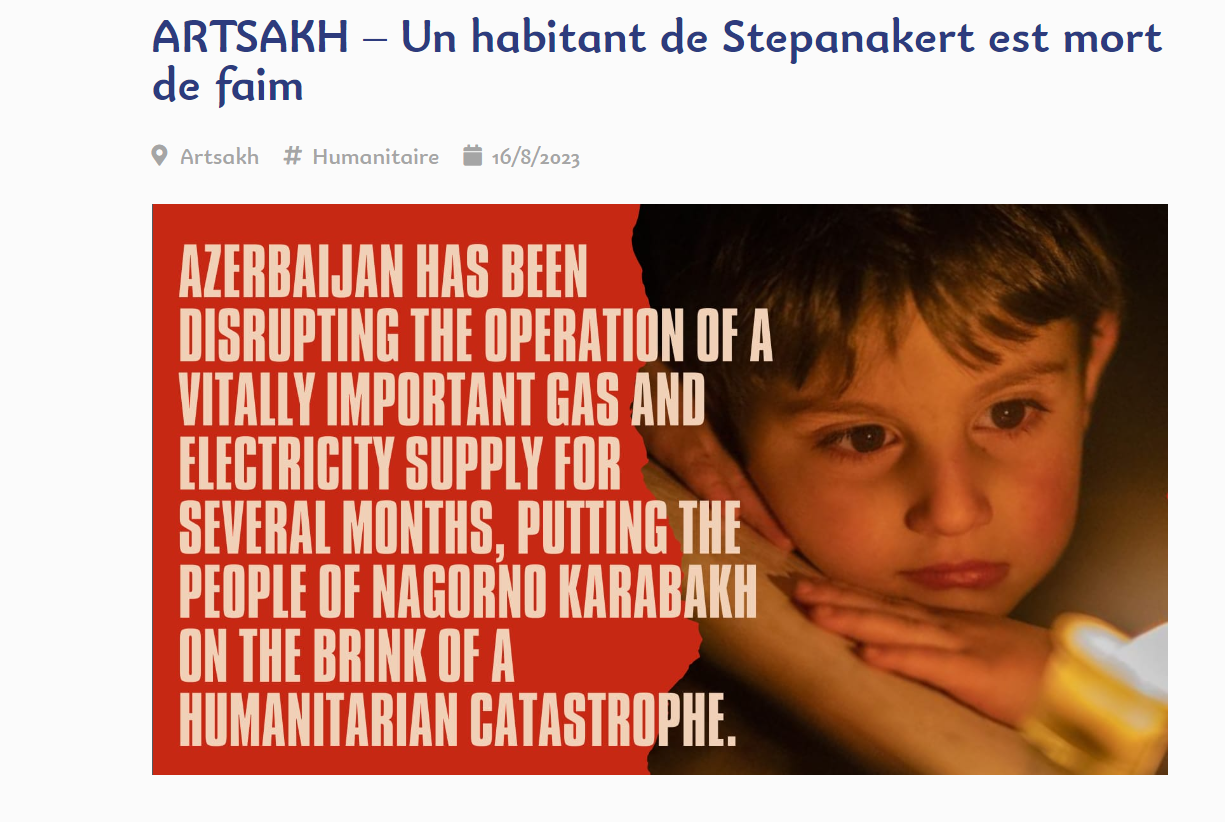
Mais, pour avoir tenté de réaliser un profit dérisoire, ces quatre malfaiteurs se voient toujours moins punis que le sont les Arméniens du Haut-Karabakh. Le territoire arménien en terre d’Azerbaïdjan se trouve désormais soumis à un blocus total, contraint à un rationnement de la nourriture et du gaz, et tout transfert médical d’urgence de patients vers Erevan est devenu impossible. Après avoir vaincu l’Arménie par les armes conventionnelles, l’Azerbaïdjan use désormais sans complexe contre les Arméniens de l’arme ultime, plus impitoyable encore que l’arme nucléaire qui abrégerait en quelques secondes les souffrances de celles et ceux qu’elle frapperait – l’arme de la faim.

Sous peu, le monde entier s’indigne. Fin août, un convoi humanitaire emmené par plusieurs élus politiques français de diverses tendances idéologiques, à l’exception notable et habituelle de l’extrême droite, se présente à Latchine en tentant de faire route vers le Haut-Karabakh. Pas de surprise – refoulé. Depuis l’Arménie, les dirigeants d’un think tank en appellent à la mise en place d’un pont aérien, à l’image de celui créé par les Alliés durant le blocus de Berlin en 1949. Fait exceptionnel, encore plus depuis le début de l’invasion de l’Ukraine en février 2022, Washington et Moscou se voient unanimes dans leur demande à Bakou en vue d’une levée du blocus du corridor de Latchine.

Au-delà de la politique, c’est le droit qui ne tarde pas à se manifester, le droit international pénal qui sait tout ce que le nom de l’Arménie signifie pour lui et pour son histoire.

D’un litige sur la souveraineté d’un territoire donné, le conflit prend soudain un goût amer de déjà-vu. Entre les Azerbaïdjanais descendants des Ottomans d’avant la Première Guerre Mondiale et les Arméniens victimes du génocide ottoman en 1915, c’est maintenant le souvenir du génocide qui se rallume dans les esprits, en Arménie et au Haut-Karabakh bien sûr mais, plus encore, dans le reste du monde.

Ronald Suny, professeur de science politique à l’Université du Michigan, cité par CNN, déclare : «Maintenant qu’il a gagné la guerre de 2020 contre l’Arménie, l’Azerbaïdjan a pour but ultime de chasser les Arméniens d’Artsakh hors de l’Azerbaïdjan. Mais plutôt que de recourir directement à la violence, qui susciterait les condamnations à l’étranger, Bakou est décidée à rendre la vie impossible aux Arméniens, les affamer et faire pression sur eux pour qu’ils partent». Pour l’International Association of Genocide Scholars (IAGS), aucun doute, le blocus du Haut-Karabakh engendre un risque de génocide.

Quant à Luis Moreno Ocampo, le premier Procureur de la Cour pénale internationale à sa création en 2002, dans une Opinion d’Expert datée du 7 août, il monte encore d’un cran en écrivant d’entrée «Il est en train de se produire un génocide contre 120 000 Arméniens vivant au Nagorno-Karabakh, également connu sous le nom d’Artsakh».

Sur le blog Social Europe, le spécialiste gréco-arménien des relations internationales George Meneshian appelle enfin l’Europe à «se réveiller» à la réalité du conflit entre l’Arménie et l’Azerbaïdjan, sous peine de devenir «complice de génocide».

Vouloir vaincre son adversaire en affamant sa population civile, c’est déjà en soi inhumain et lâche, surtout lorsqu’une victoire militaire nette vous place en position de force pour négocier un accord de paix. De la part de l’Azerbaïdjan, pourtant, ce n’est même pas le pire. Parler de génocide, c’est parler de la volonté d’exterminer un peuple, et qui parle d’exterminer un peuple parle d’une notion simple et claire – le racisme.

Capture d’écran de Nor Haratch, publication en ligne arménienne basée en France.

Contre le racisme envers les Arméniens d’Azerbaïdjan, l’arme du droit

Dans son argumentaire expert de vingt-huit pages, Luis Moreno Ocampo, montrant qu’il se souvient que la juridiction dont il a été le premier procureur est née de l’expérience aussi douloureuse qu’indispensable des Tribunaux pénaux internationaux pour l’ex-Yougoslavie (TPIY) et le Rwanda (TPIR), cite une abondance jurisprudence de l’un et de l’autre pour établir que, parce que le génocide ne s’avoue jamais, il peut et doit donc se déduire des actes du génocidaire, actes qu’il écrit reconnaître dans le blocus par l’Azerbaïdjan du corridor de Latchine.

Mais le magistrat sait aussi mettre un nom sur le premier mal qui frappe les Arméniens, sur la première faute de l’Azerbaïdjan, sur les premiers fondements de cette guerre de la faim. Un mal «prenant naissance dans l’esprit des hommes», dans les mots de l’Acte constitutif de l’UNESCO, tout comme le droit prend naissance dans l’esprit de l’être humain et, selon l’adage romain, ubi societas, ibi jus, là où il y a la société, il y a le droit. Et dans une société où sévit, voire règne, le racisme, il faut bien qu’il y ait le droit, celui de la Société Humaine Universelle que définit Olivier de Frouville, contre celui de la Société des Etats Souverains qu’il lui oppose et qui, comme jadis par exemple en Afrique du Sud, peut décider que le racisme est loi.

Bien que l’Arménie revendique le Haut-Karabakh et que la République d’Artsakh se veuille arménienne, techniquement et juridiquement parlant, les Arméniens du Haut-Karabakh demeurent des habitants de l’Azerbaïdjan, derrière le corridor de Latchine qui, sous blocus, ne peut plus jouer son rôle de lien terrestre unique avec l’Arménie. Derrière la rhétorique guerrière de Bakou et l’exemple qu’elle constitue de «création de l’ennemi» au sens que lui donne John Paul Lederach, ce que voient les instances internationales, à commencer par l’ONU, c’est bel et bien du racisme, celui des Azéris majoritaires en Azerbaïdjan contre les Arméniens de ce même pays qui demeurent, aux yeux de la communauté internationale, des Azerbaïdjanais. Et sur le racisme que subissent ces Azerbaïdjanais arméniens de la part de leurs compatriotes azéris, ce ne sont ni les faits ni les réactions qui manquent.

Le 21 avril 2023, le Représentant permanent de l’Arménie auprès du Siège des Nations Unies écrivait au Secrétaire Général, Antonio Guterres, en rappelant l’un des épisodes les plus tragiques de l’histoire des Arméniens d’Azerbaïdjan. Il parlait du massacre de Soumgaït, ville où, alors que l’Arménie soviétique commençait à revendiquer le Haut-Karabakh, un pogrom azéri avait décimé la population arménienne locale, causant des dizaines de morts, encore plus de blessés, des viols, des pillages et des destructions, toujours contre les mêmes – les Arméniens. Il rappelait les multiples condamnations de l’Azerbaïdjan, morales ou judiciaires, de la part des instances internationales, établissant un lien entre Soumgaït et la haine raciale contemporaine contre les Arméniens.

Et de la part de Erevan, il ne s’agissait pas de lawfare, de cette guerre judiciaire que l’on mène lorsque les armes n’ont pu vous apporter la victoire. Le racisme d’Etat azerbaïdjanais contre les Arméniens n’est pas une simple proclamation politique ; il est une réalité de terrain, et pour Bakou, il s’est mué en une excuse commode pour employer une arme sale, l’arme de la faim, contre le Haut-Karabakh.

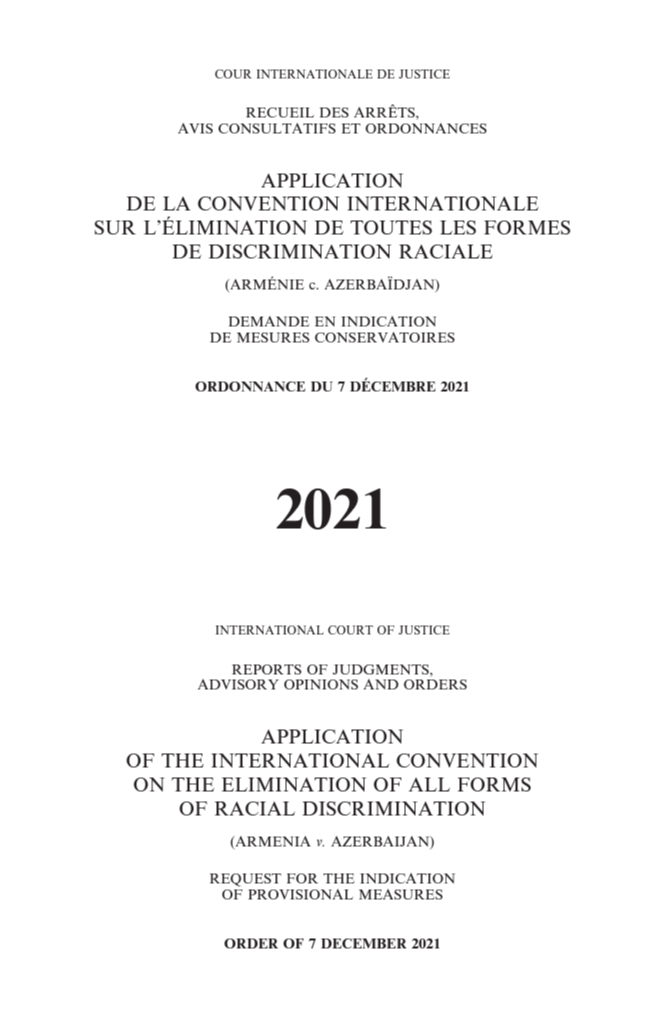
Le 7 décembre 2021, à peine plus d’un an après la reprise des combats et la défaite arménienne, la Cour internationale de Justice statuait, saisie par l’Arménie, sur une demande de mesures conservatoires pour le respect de la Convention internationale sur l’Élimination de Toutes les Formes de Discrimination raciale (CIEDR), Erevan demandant à la Cour d’ordonner à l’Azerbaïdjan de changer d’attitude

«— en s’abstenant de se livrer à des pratiques de nettoyage ethnique contre les Arméniens ;

— en s’abstenant de commettre, de glorifier, de récompenser ou de cautionner des actes de racisme contre les Arméniens, y compris les prisonniers de guerre, les otages et d’autres détenus ;

— en s’abstenant de tenir ou de tolérer des discours haineux visant les Arméniens, y compris dans les ouvrages pédagogiques ;

— en s’abstenant de bannir la langue arménienne, de détruire le patrimoine culturel arménien ou d’éliminer de toute autre manière l’existence de la présence culturelle historique arménienne, ou d’empêcher les Arméniens d’avoir accès à celle‑ci et d’en jouir ;

— en punissant tout acte de discrimination raciale contre les Arméniens, qu’il soit commis dans la sphère publique ou privée, y compris lorsqu’il est le fait d’agents de l’État ;

— en garantissant aux Arméniens, y compris les prisonniers de guerre, les otages et d’autres détenus, la jouissance de leurs droits dans des conditions d’égalité ;

— en adoptant la législation nécessaire pour s’acquitter des obligations que lui fait la CIEDR ;

— en garantissant aux Arméniens un traitement égal devant les tribunaux et tout autre organe administrant la justice ainsi qu’une protection et une voie de recours effectives contre les actes de discrimination raciale ;

— en s’abstenant d’entraver l’enregistrement et les activités des ONG et d’arrêter, de détenir et de condamner les militants des droits de l’homme ou toute autre personne œuvrant pour la réconciliation avec l’Arménie et les Arméniens; et

— en prenant des mesures efficaces pour combattre les préjugés contre les Arméniens et des mesures spéciales pour assurer comme il convient le développement de ce groupe».

Dans sa décision, la Cour internationale de Justice avait finalement estimé que

«1) La République d’Azerbaïdjan doit, conformément aux obligations que lui impose la convention internationale sur l’élimination de toutes les formes de discrimination raciale,

a) Par quatorze voix contre une,

Protéger contre les voies de fait et les sévices toutes les personnes arrêtées en relation avec le conflit de 2020 qui sont toujours en détention et garantir leur sûreté et leur droit à l’égalité devant la loi ;

b) A l’unanimité,

Prendre toutes les mesures nécessaires pour empêcher l’incitation et l’encouragement à la haine et à la discrimination raciales, y compris par ses agents et ses institutions publiques, à l’égard des personnes d’origine nationale ou ethnique arménienne ;

c) Par treize voix contre deux,

Prendre toutes les mesures nécessaires pour empêcher et punir les actes de dégradation et de profanation du patrimoine culturel arménien, notamment, mais pas seulement, les églises et autres lieux de culte, monuments, sites, cimetières et artefacts ;

2) A l’unanimité,

Les deux Parties doivent s’abstenir de tout acte qui risquerait d’aggraver ou d’étendre le différend dont la Cour est saisie ou d’en rendre le règlement plus difficile».

La haute juridiction onusienne reconnaissait ainsi que la question du Haut-Karabakh n’était pas, ou n’était plus, seulement celle de la souveraineté sur ce territoire de l’un ou de l’autre des deux pays qui le réclamait. Il s’agissait bien, au-delà d’une simple dispute territoriale, de racisme.

Et comme le relève Luis Moreno Ocampo dans son Opinion d’Expert, le 22 septembre 2022, dans ses Observations finales concernant le rapport de l’Azerbaïdjan valant dixième à douzième rapports périodiques, le Comité CIEDR fustigeait le pays pour «[l’]incitation à la haine raciale et la propagation de stéréotypes racistes à l’encontre de personnes d’origine nationale ou ethnique arménienne, notamment sur Internet et dans les médias sociaux, ainsi que par des personnalités publiques et des hauts responsables, et le manque d’informations détaillées sur les enquêtes, les poursuites, les déclarations de culpabilité et les sanctions liées à de tels actes». Une constante de racisme par trop voyante pour que Bakou puisse réduire le blocus du Haut-Karabakh à une simple protestation d’écologistes ou, aujourd’hui, à une mesure devant empêcher la contrebande, excuses si faciles qu’elles en deviennent insultantes.

Notre époque a appris, et Luis Moreno Ocampo a bien compris que c’était là qu’il fallait frapper d’entrée, à oublier les génocides, du moins à les minimiser. Là où jadis, l’évocation de la Shoah juive, du Samudaripen rom ou, justement, du génocide arménien amenait une autorité morale au propos tenu, aujourd’hui, sous prétexte de «point Godwin», il devient quasi disqualifiant d’y faire référence. Admettons, entendu, soulever un génocide, c’est un pathos alarmiste. Mais alors, que dire de l’effroyable niveau de racisme contre les Arméniens constaté et condamné plus d’une fois par l’ONU en Azerbaïdjan, sinon qu’il est la meilleure preuve que le blocus du corridor de Latchine représente, si ce n’est un génocide en soi, du moins son ultime prélude ?

Une certaine conception de l’humanité mise à l’épreuve

S’il s’était parfois mis dans la peau des losers, comme dans Je m’voyais déjà, Poker et Je ne peux pas rentrer chez moi, Charles Aznavour chantait aussi pour dénoncer l’injustice, chantant Comme ils disent en 1972 alors que l’homosexualité est en France réprimée comme un délit, Mourir d’aimer sur l’affaire Gabrielle Russier et Les émigrants en pleine ascension du Front National et de ses thèses xénophobes. Légitime à écrire et produire Pour toi Arménie, il ne l’était pas du seul fait d’être arménien d’origine mais parce que son travail d’artiste parlait pour lui. Autrement, qui sait si l’initiative aurait rencontré le même succès ?

De même que Pour toi Arménie n’avait rien d’un phénomène «de fait», ici le fait d’un chanteur français d’origine arménienne, il n’existe aucune paix «de fait» après un conflit, la paix se construisant, sinon avant la fin des hostilités, du moins dès qu’elle intervient puis sans cesse jusqu’à ce que les belligérants comprennent qu’un accord, ou traité, formel doit sceller pour toujours leur bonne volonté et ouvrir la voie à l’avenir. Ce travail réalisé en 1994, l’offensive azerbaïdjanaise de 2020 serait devenue bien moins probable, et avec elle, cette guerre de la faim d’aujourd’hui.

En Ukraine se joue la survie d’une certaine conception du droit international, celle qui veut que l’agresseur ne soit pas récompensé de sa conduite contre l’agressé, sanctions de divers ordres à l’appui contre Moscou. Plus au nord, au Haut-Karabakh, l’enjeu n’a pas besoin pour se définir d’un manuel de droit. Lorsque l’arme choisie contre l’ennemi désigné est la faim, c’est bien une certaine conception de l’humanité qui est mise à l’épreuve, une conception qui transcende les frontières des États, qu’elles soient ou non reconnues par les autres États, une conception qui accorde toute sa valeur au droit, même s’il ne produit pas d’effet immédiat car il n’en incarne pas moins les principes qui guident une conscience. Cette conception, soit le monde agit pour la défendre au Haut-Karabakh, soit il s’expose à ce qu’elle ne soit plus garantie nulle part.

Bernard J. Henry est Officier des Relations Extérieures de l’Association of World Citizens.
Ukraine and the Cluster Bombs Debate

In Conflict Resolution, Current Events, Europe, Humanitarian Law, NGOs, Solidarity, The former Soviet Union, The Search for Peace, Track II, UKRAINE, World Law on July 12, 2023 at 7:16 AM

By René Wadlow

Currently, there is at the highest foreign policy-making level in the USA a debate concerning the United States (U.S.) sending cluster bombs to Ukraine to support the ongoing counteroffensive. The Ukraine military forces have used most of the cluster bombs they had. It would take a good bit of time to manufacture new cluster weapons. Hence the request for cluster munitions from the U.S.A. However, cluster weapons have been outlawed by a Cluster Weapons Convention signed by many states.

In a remarkable combination of civil society pressure and leadership from a small number of progressive states, a strong ban on the use, manufacture and stocking of cluster bombs was agreed by 111 countries in Dublin, Ireland on May 30, 2008. However, bright sunshine casts a dark shadow. In this case, the dark shadow is the fact that the major makers and users of cluster munitions were deliberately absent from the agreement: Brazil, China, India, Israel, Pakistan, Russia, and the U.S.A.

As arms negotiations at the United Nations (UN) go, the cluster bomb ban has been swift. They began in Oslo, Norway in February 2007 and were often called the “Oslo Process.” The negotiations were a justified reaction to their wide use by Israel in Lebanon during the July-August 2006 conflict. The UN Mine Action Coordination Center working in southern Lebanon reported that their density there is higher than in Kosovo and Iraq, especially in built-up areas, posing a constant threat to hundreds of thousands of people as well as to UN peacemakers. It is estimated that one million cluster bombs were fired in south Lebanon during the 34 days of war, many during the last two days of war when a ceasefire was a real possibility. The Hezbollah militia also shot rockets with cluster bombs into northern Israel.

Cluster munitions are warheads that scatter scores of smaller bombs. Many of these sub-munitions fail to detonate on impact, leaving them scattered on the ground, ready to kill and maim when disturbed or handled. Reports from humanitarian organizations have shown that civilians make up the vast majority of the victims of cluster bombs, especially children attracted by their small size and often bright colors.

The failure rate of cluster munitions is high, ranging from 30 to 80 per cent. But “failure” may be the wrong word. They may, in fact, be designed to kill later. The large number of unexploded cluster bombs means that farmlands and forests cannot be used or used with great danger. Most people killed and wounded by cluster bombs in the 21 conflicts where they have been used are civilians, often young. Such persons often suffer severe injuries such as loss of limbs and loss of sight. It is difficult to resume work or schooling.

Discussions on a ban on cluster weapons had begun in 1979 during the negotiations in Geneva which led to the 1980 “Convention on Prohibition on the Use of Certain Conventional Weapons which May be Deemed to be Excessively Injurious or to Have Indiscriminate Effects.” The indiscriminate impact of cluster bombs was raised by the representative of the Quaker United Nations Office in Geneva and by myself for the Association of World Citizens. My Nongovernmental Organization text of August 1979 “Anti-Personnel Fragmentation Weapons” called for a ban based on the 1868 St. Petersbourg Declaration and recommended the creation of “permanent verification and dispute-settlement procedures which may investigate all charges of the use of prohibited weapons whether in inter-State or internal conflicts and that such a permanent body include a consultative committee of experts who could begin their work without a prior resolution of the UN Security Council.”
At the start of the review conference of the “Convention on Prohibition on the Use of Certain Conventional Weapons” then UN Secretary-General Kofi Annan called for a freeze on the transfer of cluster munitions – the heart of the current debate on U.S. transfers of cluster weapons to Ukraine.

There was little public outcry at the use by Ukrainian forces of cluster weapons since they were fighting against a stronger enemy. However, the debate in the U.S.A. may raise the awareness of the use of cluster weapons and lead to respect for the aim of the cluster weapon ban.

Prof. René Wadlow is President of the Association of World Citizens.
June 4: Memories of Tiananmen Square

In Asia, Being a World Citizen, Democracy, Europe, Human Rights, NGOs, Nonviolence, Solidarity, The former Soviet Union, Track II on June 4, 2023 at 4:55 PM

By René Wadlow

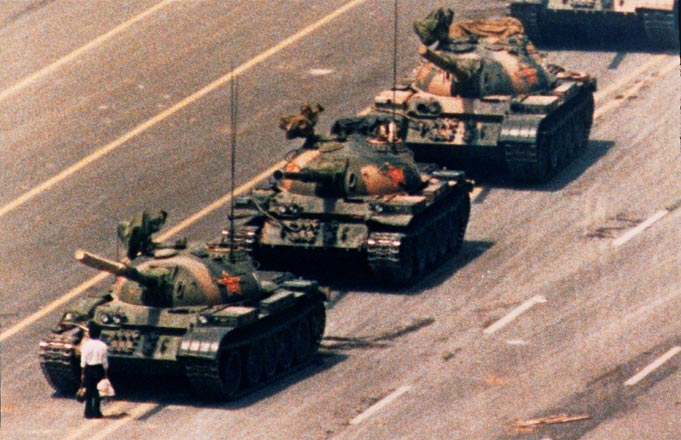
June 4 makes the security forces in China somewhat uneasy, especially in Hong Kong where, in the past, there were large memorial meetings to remind people of June 4, 1989, when the military and police moved against those who had been protesting publicly for over a month. Students from colleges and universities in China’s capital initiated protests after the death of the former General Secretary of the Communist Party, Hu Yaobang, on April 15, 1989 who was considered a liberal reformer. The movement then spread over a number of weeks to most of the major cities. Students made numerous demands, among them were calls for an end to government corruption, increased funding for education, and freedom of the press. As the movement went on, students were increasingly joined by industrial workers.

There were differences of opinion within the ruling government circle as to how to deal with the protests. As the protests continued, there was more and more international media attention, especially as there were an increasing number of journalists in Beijing in advance of the visit of the Soviet leader, Mikhail Gorbachev, with a large delegation of Soviet officials.

(C) Jeff Widener/Associated Press

Students and intellectuals started writing petitions setting out demands that were signed by more and more people. The decentralized structure of power and decision-making among groups in Tienanmen Square allowed for tactical innovation as each group was free to act as it desired and stress the symbols it wanted. Thus, art school students created the Goddess of Democracy, largely based on the Statue of Liberty in New York harbor. The growth in support for the student-led protests led the more anti-reformist faction in the government to order a crackdown by the military and the police. The tanks started to move into Tiananmen Square.

Since June 1989 there have been reforms within China – what we might call “democratization from below” but without large scale, highly visible public protests. ‘Stability’ and ‘harmony’ have been the stated government policy aims, colored by the breakup of the Soviet Union and fundamental changes in Eastern Europe. So, democratization needs to proceed quietly and gradually. Such democratization requires long-term vision and skillful leadership. Democratization is basically linked to individualization, to an ever-larger number of people thinking for themselves, creating their own lifestyles and ‘thinking outside the box’. It can be a slow process and repressive forces within the government watch events closely. However, it is likely that the direction of individualism is set and cannot be reversed.

Prof. René Wadlow is President of the Association of World Citizens.
UN Highlights Rape as a War Weapon in Ukraine

In Being a World Citizen, Conflict Resolution, Current Events, Europe, Human Rights, Humanitarian Law, International Justice, NGOs, Solidarity, The former Soviet Union, The Search for Peace, UKRAINE, United Nations, War Crimes, Women's Rights, World Law on November 16, 2022 at 8:41 AM

By René Wadlow

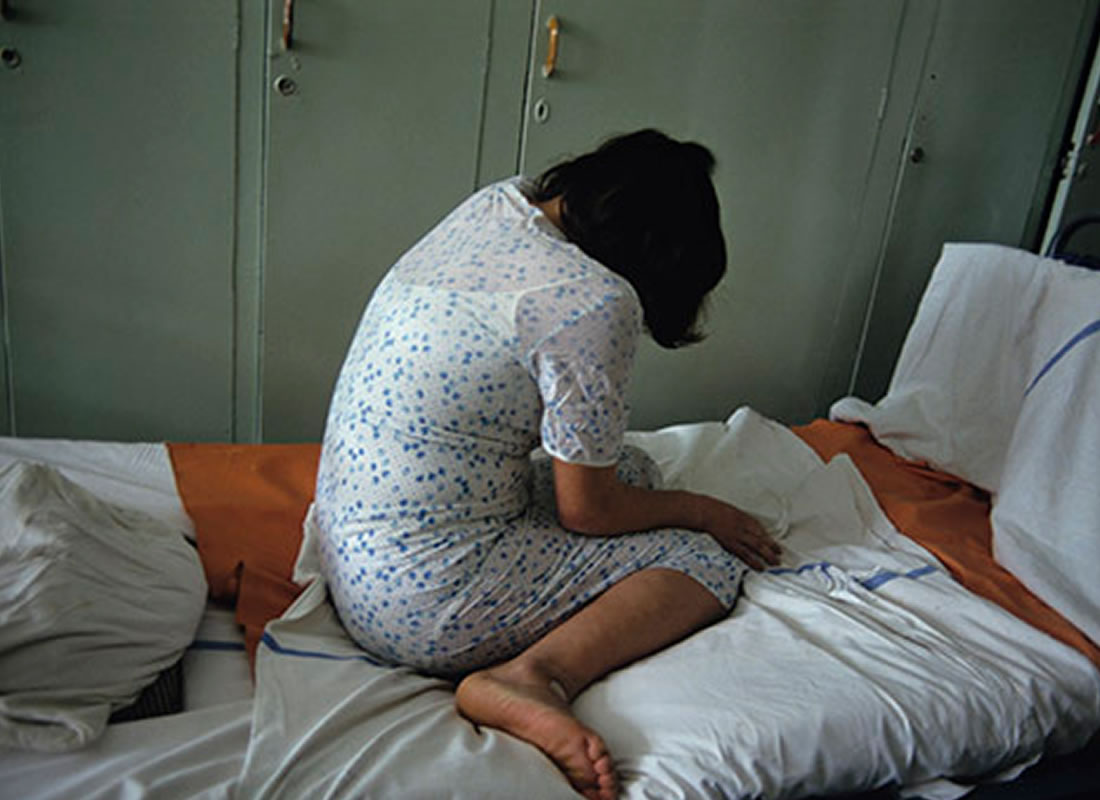
Pramila Patten, the United Nations (UN) Human Rights Council Special Rapporteur on sexual violence in times of conflict reported mid-October 2022 that rape is increasingly used in the armed conflict in Ukraine as a weapon to humiliate and discourage the populations. There had been an earlier September 27 report to the High Commissioner for Human Rights setting out many of the same facts and calling for international action.

In the past, sexual violence had often been dismissed as acts of individual soldiers, rape being one of the spoils of war for whom rape of women was an entitlement. However, with the 2001 trials of war crimes in former Yugoslavia by the International Criminal Tribunal for ex-Yugoslavia, the first convictions of rape as a crime against humanity and violations of the laws or customs of war were handed down against Bosnian Serb soldiers. Bosnian Serb fighters were charged with mass rape and forced prostitution involving dozens of Muslim women and girls, some only 12 years old. The case had taken five years of investigations and more than 30 witnesses for the prosecution. The three soldiers being tried were given a sentence of 12 years imprisonment.

Since then, we have seen patterns of systematic rape become part of International Humanitarian Law, and since 2002 one of the crimes that can be prosecuted within the International Criminal Court. (1)

There have been reports of systematic rape in Ukraine since 2014 with the creation of the People’s Republics of Donetsk and Luhansk by both Ukrainian and separatist soldiers. However, little international attention was given to these reports. It is only with the invasion of Ukraine by Russian troops on February 24, 2022 that international attention has focused on reports of rape especially in areas that were for a time under the control of the Russian military or the militias of the two People’s Republics. (2)

Unfortunately, it would seem that the armed conflict in Ukraine will drag on. There are few signs of a willingness for a negotiated settlement. International Humanitarian Law moves slowly. Rape as a war weapon is used in other armed conflicts such as those in the Democratic Republic of Congo, Darfur, Sudan, and Syria. Strong nongovernmental pressure is needed to keep governmental and UN efforts going on.

Notes

1) For a good overview of both specific armed conflicts and the slow but steady international response, see Carol Rittner and John K. Roth (Eds), Rape: Weapon of War and Genocide (St. Paul, MN: Paragon House, 2012)

2) See Amnesty International “Ukraine 2021”: http://www.amnesty.org, Secretary-General’s Report, Organization for Security and Cooperation in Europe, http://www.osce.org

Prof. René Wadlow is President of the Association of World Citizens.
Saber Rattling With Nuclear Weapons

In Being a World Citizen, Conflict Resolution, Current Events, Europe, NGOs, Solidarity, The former Soviet Union, The Search for Peace, Track II, UKRAINE, United Nations, World Law on September 27, 2022 at 7:21 AM

By René Wadlow

On September 21, the United Nations (UN)-designated Day of Peace, Vladimir Putin, President of the Russian Federation, said in an address to the nation,

“I am addressing you – all citizens of our country, people of different generations, ages and ethnicities, the people of our great Motherland, all who are united by the great historical Russia, soldiers, officers and volunteers who are fighting on the frontline and doing their combat duty, our brothers and sisters in the Donetsk and Lugansk People’s Republics, Kherson and Zaporazhye regions and other areas that have been liberated from the neo-Nazi regime.”

He set out the dangers facing the Federation,

“The goal of that part of the West is to weaken, divide and ultimately destroy our country. They are saying openly now that in 1991 they managed to split up the Soviet Union and now is the time to do the same to Russia, which must be divided into numerous regions that would be at deadly feud with each other … Washington, London and Brussels are openly encouraging Kiev to move hostilities to our territory. They openly say that Russia must be defeated on the battlefield by any means, and subsequently deprived of political, economic, cultural and any other sovereignty and ransacked.”

To meet these challenges, he ordered a “partial mobilization in the Russian Federation to defend our Motherland and its sovereignty and territorial integrity, and to ensure the safety of our people and people in the liberated territories.” Sergey Shoigu, the Russian Defense Minister, set out the details in a public statement just after Putin’s address. The mobilization will call up men below the age of 65 who have had military service. There are some 300,000 people in this category.

The nuclear saber rattling followed. Putin went on,

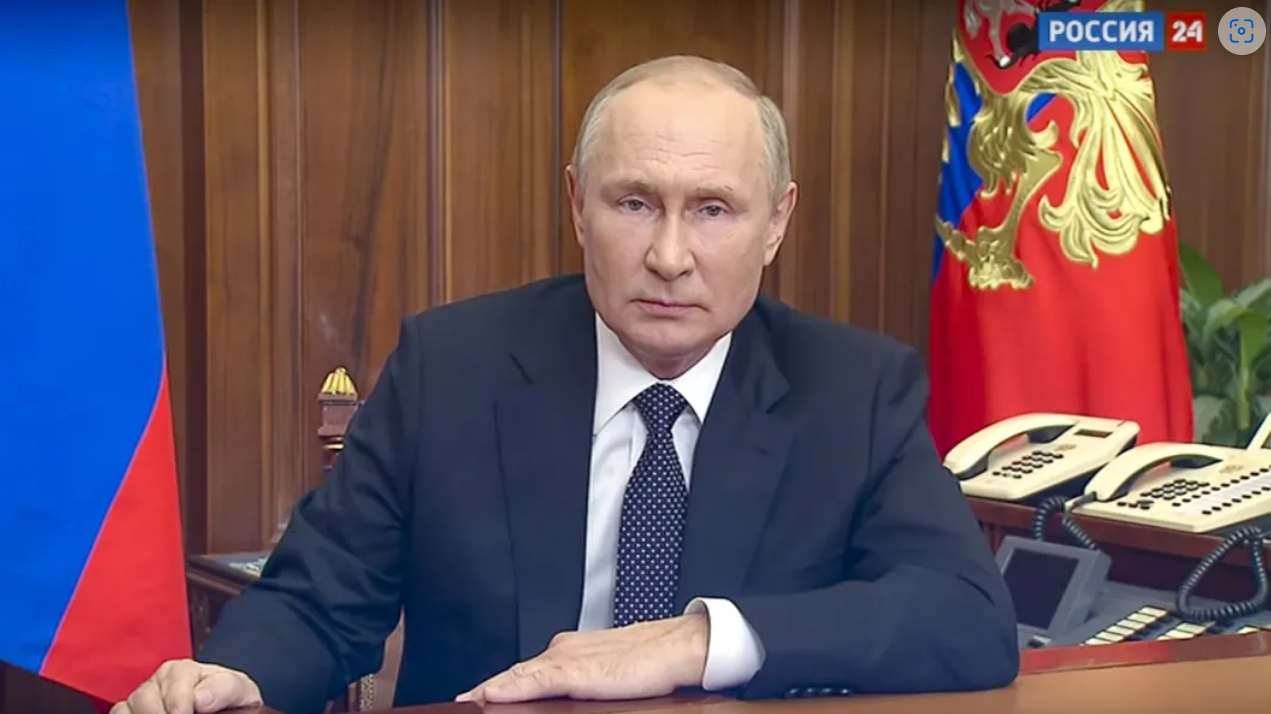
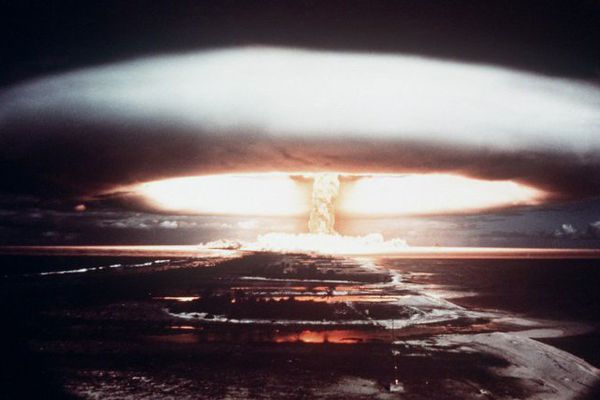
“I am referring to the statements made by some high-ranking representatives of the leading NATO countries on the possibility and admissibility of using weapons of mass destruction – nuclear weapons against Russia … In the event of a threat to the territorial integrity of our country and to defend Russia and our people, we will certainly use all weapon systems available to us. This is not a bluff.”

He ended by saying, “The citizens of Russia can rest assured that the territorial integrity of our Motherland, our independence and freedom will be defended – I repeat – by all the systems available to us.”

What makes the current situation more ambiguous and dangerous is that Vladimir Putin announced and confirmed by Sergey Shoigu that from September 23 to 27, 2022, there would be referendums in the Donetsk and Lugansk People’s Republics and in the areas under Russian control in the Kherson and Zaporazhye regions on joining the Russian Federation. People who are refugees in Russia from these areas will also be able to vote. A vote favorable to joining Russia is not in doubt. Thus, any future military operations by Ukraine forces in these areas could be considered by Russia as an attack on Russian territory.

It is impossible to know to what extent the nuclear weapon saber rattling is serious and goes beyond a justification for the mobilization of former military – not a popular policy. The situation calls for active efforts to decrease tensions on the part of the UN, national governments, and Nongovernmental Organizations. The next weeks may be crucial.

Prof. René Wadlow of the President of the Association of World Citizens.
Lifting the Odessa Blockade

In Being a World Citizen, Conflict Resolution, Current Events, Democracy, Europe, Human Rights, Humanitarian Law, NGOs, Solidarity, The former Soviet Union, The Search for Peace, Track II, UKRAINE, United Nations on June 6, 2022 at 3:19 PM

By René Wadlow

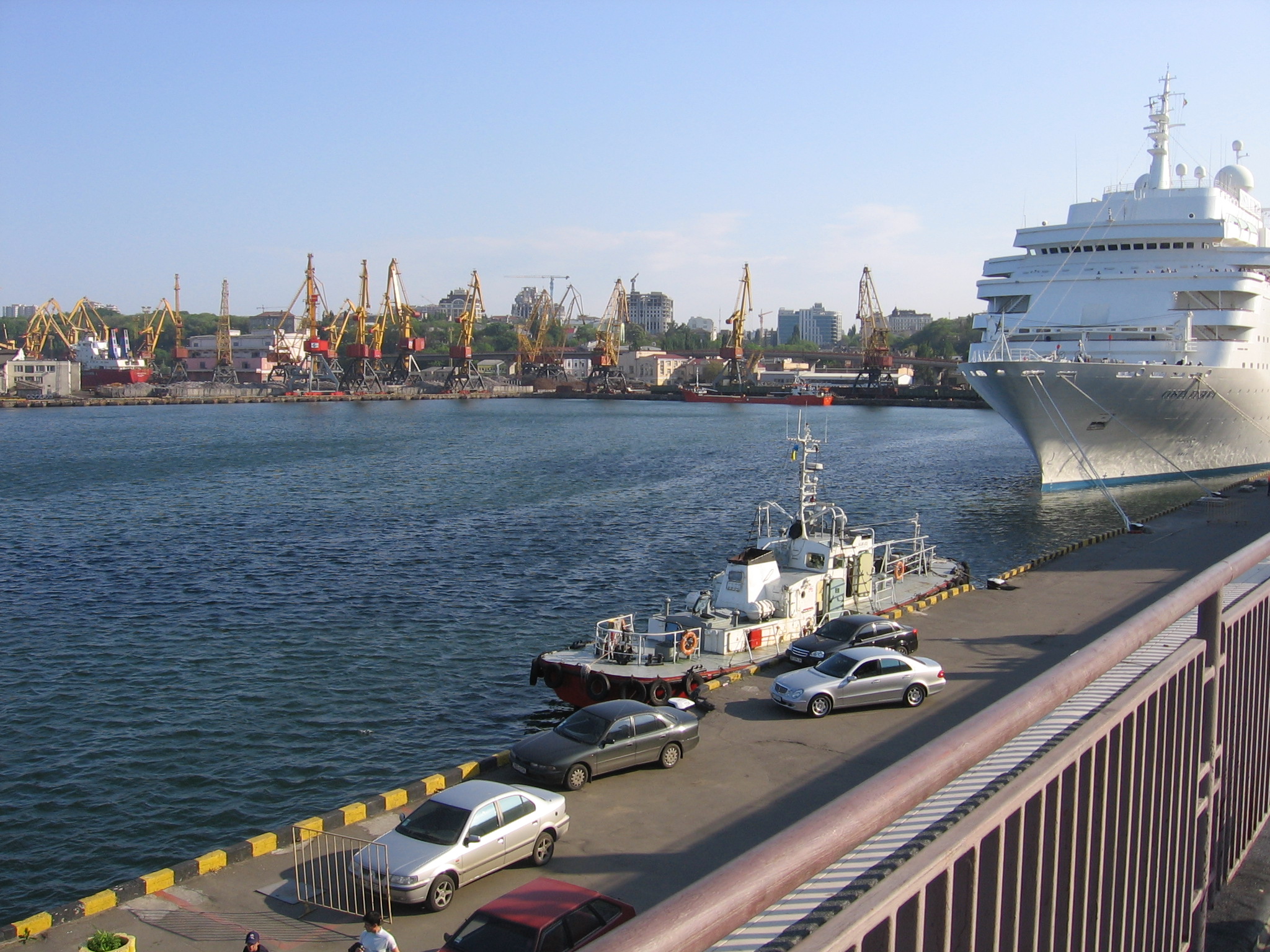
The Association of World Citizens (AWC) urges action to lift the blockade on Odessa and other Black Sea ports so that grain and other food resources can resume to flow. Ukraine has a vast agricultural base producing 46 percent of the world’s sunflower exports and 10 percent of the world’s wheat exports. The Middle East and Africa are Ukraine’s food export market. Odessa has a large grain terminal in which vast quantities of food exports are now stuck. It is not physically possible to transport large quantities of grain by rail and road.

Odessa’s port, peaceful and flourishing, before the Russian invasion. (C) Raymond Zoller

In part due to this blockade, food prices for grain have risen some 20 percent, hitting especially the poor. In some parts of Africa, due to climate conditions and armed conflict, there are near famine conditions. New food supplies are urgent.

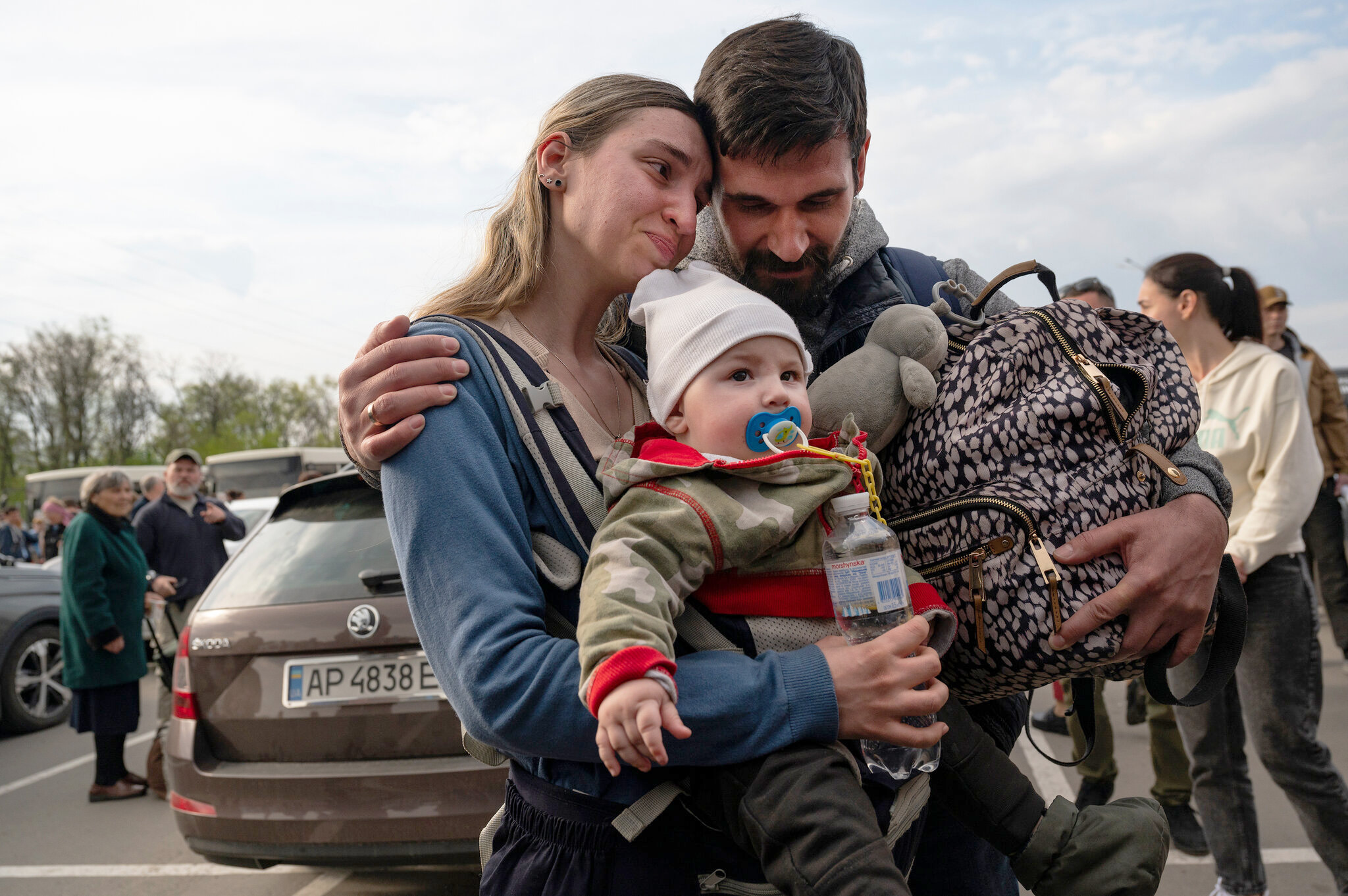
A Ukrainian family evacuated from Mariupol. (C) Lynsey Addario for The New York Times

Russian authorities have said that they were ready to provide a humanitarian corridor for ships carrying food, but only in return for the lifting of U. S. and Western European sanctions. However, the Western sanctions have a multitude of sources. The lifting of the Odessa blockade and renewed grain shipments must be treated as a single issue, although it is obviously colored by the whole armed conflict.

There are diplomatic efforts underway led by the African Union and the United Nations. It is urgent that speedy progress be made. Nongovernmental organizations may be able to play a creative role as many NGOs are already involved in ecologically-sound development projects in areas under agricultural and food stress. The AWC, concerned with the resolution of armed conflicts through negotiations in good faith, appeals for creative diplomatic measures so that the blockade is ended as soon as possible.

Prof. René Wadlow is President of the Association of World Citizens.
Kenneth Waltz: The Passing of the Second Generation of the Realists

In Conflict Resolution, The former Soviet Union, United States on May 16, 2022 at 7:00 AM

By René Wadlow

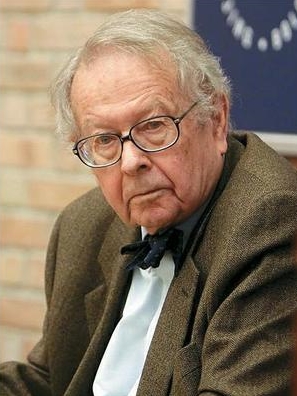
The death of Professor Kenneth Waltz on May 12, 2013 in New York City at the age of 88 marks the start of the passing of the second generation of the realist school in the study of international relations. The first generation was a trio marked by the politics of Europe between the two world wars: E. H. Carr (1), Frederick L. Schuman (2) and Hans Morgenthau (3). The second generation, also a trio, is marked by the start of the Cold War and a bi-polar balance-of-power: Kenneth Waltz (4), Henry Kissinger (5), and Stanley Hoffmann (6).

Waltz was often referred to as a “neorealist” to distinguish him from the writers of the first generation, especially from Hans Morgenthau, but the difference was more a question of age and formative experience than a real difference of approach, although Waltz was critical of Morgenthau’s ‘Germanic’ emphasis on ‘the will to power’ which motivates everyone but especially those in control of state policy.

Kenneth Waltz

Waltz called himself a “structural realist” — a better term for his emphasis on the behavior of states as determined by the structures of the world society rather than by domestic motivations or the personality of state leaders. Waltz attacks “reductionist theories” which explain the foreign policy behavior of states exclusively in terms of causes at the national level of analysis, for example, Lenin’s theory of imperialism because it explains expansionist behavior in terms of the accumulation dynamics of national capitalism.

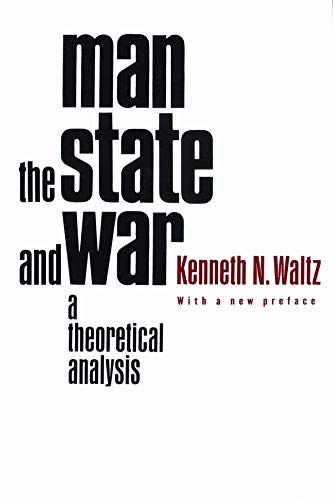
Because structures change slowly and impose limits to choice, international relations are characterized by continuity. As he notes in the introduction to his Man, The State, and War, “Social scientists, realizing from their studies how firmly the present is tied to the past and how intimately the parts of a system depend upon each other, are inclined to be conservative in estimating the possibilities of achieving a radically better world.” By ‘social scientists’ he was referring particularly to himself. He was critical of those who were arguing that international relations were undergoing a radical transformation because of the growing interdependence of the international economy or the fear of a nuclear war. He maintained that states operate under severe constraints created by the position of a small number of “Great Powers” and thus a balance-of-power system.

Unlike his second-generation colleagues, Henry Kissinger who became an active political actor and Stanley Hoffmann who wrote extensively on current political events, Waltz was nearly exclusively concerned with working on the theoretical implications of the distribution of power and of the resulting balance-of-power. Waltz was critical of those who saw Soviet policy as motivated by Communist ideology or by the personality of its leaders. Waltz stressed that the requirements of state action are imposed by the circumstances in which all states exist. “A theory of international politics can leave aside variations in the composition of states and in the resources and technology they command because the logic of anarchy does not vary with its content.”

Nevertheless, Waltz held that world institutions and institutionalized methods of altering and adjusting interests are important. He placed an emphasis on the skills of diplomats, their ability to analyse situations and to propose adjustments.

For those like myself whose emphasis is on the emerging world society and a world citizen ideology, Waltz’s approach is a constant reminder of the importance of structures which determine processes, world politics as a “self-sustaining system.” I think that we are moving beyond the realpolitik so often linked to a balance-of-power approach. I believe that he underestimated the role of ideas and ideology in world politics and thus largely failed to see the importance of the growth of a cosmopolitan spirit as expressed by world citizens. Nevertheless, Waltz was an important voice during the Cold War years in which U. S. policy makers too often became the ideological mirrors of the Soviets, stressing the need to expand ‘democracy’ and ‘the free world’ as opposed to the Soviets’ ‘socialism’.

Notes

1) E. H. Carr’s most influential work is The Twenty Years’ Crisis (1939). For a good biography of Carr, his approach and also his later work on the history of the Soviet Union, see Charles Jones, E. H. Carr and International Relations (1998).

2) Frederick L. Schuman, International Politics, first published in 1933, with many later editions, constantly revised to take in current events, especially the start of World War II. For his analysis of the world citizen/world federalist movement see his The Commonwealth of Man.

3) Hans J. Morgenthau, Politics Among Nations, first published in 1948 also was revised to highlight events but the basic analysis remained the same. For a good biography with an emphasis on his early years in Germany and Switzerland before World War II, see Christoph Frei, Hans J. Morgenthau: An Intellectual Biography (2001).

4) Kenneth Waltz’s two major theoretical works, written 20 years apart are Man, The State and War (1959) and Theory of International Politics (1979).

5) Henry Kissinger’s theoretical writings are overshadowed by his political activities which he sets out in White House Years (1979) and Years of Upheaval (1982). For a combination of theory and analysis of then current world events, it would be worth reading the editorials in the 1950s that he wrote in Confluence published by Harvard University. It was as editor of Confluence that we exchanged correspondence. I have always thought that he was a first-rate editor.

6) Stanley Hoffmann’s most theoretical work is The State of War (1965). For his combination of theory and analysis of current policies see Gulliver’s Trouble or The Setting of American Foreign Policy (1968) and Dead Ends: American Foreign Policy in the New Cold War (1983).

Prof. René Wadlow is President of the Association of World Citizens.
Dangers and Conflict Resolution Efforts in Moldova

In Being a World Citizen, Conflict Resolution, Current Events, Europe, NGOs, Solidarity, The former Soviet Union, The Search for Peace, Track II, UKRAINE on May 3, 2022 at 8:45 PM

By René Wadlow

Recent statements by Russian military authorities such as General Roustan Minnekaiev involved in the Ukraine conflict have drawn attention to what was often considered as a “frozen conflict” in Moldova. The situation of the Transnistrian region in Moldova has been considered as a frozen conflict due to its unresolved but static condition since the violent confrontation in June 1992.

Transnistria is de facto independent with many state-like attributes and calls itself officially the Moldovan Republic of Dniestr. However, no other state, including the Russian Federation, has recognized it as an independent state. There are, however, some 1,500 Russian military permanently present in Transnistria. Transnistria had some 706,000 inhabitants in 1991 at the time of the breakup of the Soviet Union. Today, there are some 450,000 – probably less. Many, especially young people, have left to study or work abroad. Many in Transnistria have Russian passports in order to travel. The Transnistrian economy is in the hands of a small number of persons closely linked to the government.

There have been a number of negotiations between representatives of the government of Moldova and those of the government of Transnistria, but which have led to no agreement as to a possible reintegration of Transnistria. Official negotiations have been complemented by Track II efforts, informal discussions in which members of civil society also participated. The newly elected, in November 2020, President of Moldova, Ms. Maia Sandu, has been actively speaking of the reintegration of Transnistria into Moldova. Her position has been strongly supported by the government of Ukraine which sees the parallel with their situation concerning the two People’s Republics – the People’s Republic of Donetsk and the People’s Republic of Luhansk.

Presidents Maia Sandu (left) and Volodymyr Zelensky of Ukraine (right)

There is a danger that the frozen conflict of Moldova begins to melt. Russian military authorities involved in the Ukraine conflict have spoken of a possible creation of a land route between Crimea and Transnistria. In addition, there have been recently a number of rocket attacks, possibly by Ukrainian forces, on to Transnistria damaging radio-TV towers used by Russian broadcasting. While it is unlikely that the fighting in Ukraine spreads to Transnistria and Moldova, the situation must be closely watched and preventive discussions put into place.

Prof. René Wadlow is President of the Association of World Citizens.

Upholding International Humanitarian Law in Times of Armed Conflict: A World Citizen Appeal

In Being a World Citizen, Conflict Resolution, Current Events, Europe, Human Rights, Humanitarian Law, International Justice, NGOs, Solidarity, The former Soviet Union, The Search for Peace, UKRAINE, United Nations, War Crimes, World Law on March 2, 2022 at 8:24 AM

By René Wadlow

The invasion by Russian troops into Ukraine has raised in a dramatic way the issue of the respect of international humanitarian law. There have been reports of the use of cluster munitions fired into civilian areas. The Association of World Citizens (AWC) was very active on efforts which led to the convention banning cluster weapons.

Regular military personnel of all countries are theoretically informed of the rules of the Geneva Conventions of August 12, 1949, and the Protocol Additional adopted in 1977.

When the 1949 Geneva Conventions were drafted and adopted, it was possible to spell out in considerable detail rules regarding prisoners of war and the protection of civilians, in particular Common Article 3 (so called because it is found in all four Conventions) provides that “each Party to the conflict shall be bound to apply, as a minimum, the following provisions: Persons taking no active part in the hostilities…shall in all circumstances be treated humanely without any adverse distinction founded on race, color, religion or faith, sex, birth or wealth, or any other similar criteria.”

The importance of Common Article 3 should not be underestimated. It sets out in straightforward terms important protections that all parties to a conflict must respect. In order to meet the need for additional protection, international humanitarian law has evolved to cover not only international armed conflict but also internal armed conflict. Today, international human rights standards are also considered part of international humanitarian law, thus providing additional protection for vulnerable population groups such as women, children, and minorities.

As situations of internal violence and strife proliferate, abuses committed by non-State actors, such as armed militias, are increasing concerns. Fundamental standards of international humanitarian law are intended to ensure the effective protection of human beings in all situations. The standards are clear. (1)

There are two major weaknesses in the effectiveness of international humanitarian law. The first is that many people do not know that it exists and that they are bound by its norms. Thus, there is an important role for greater promotional activities, the dissemination of information through general education, specific training of the military, outreach to armed militias, and cooperation with a wide range of nongovernmental organizations.

The second weakness is that violations of international humanitarian law are rarely punished. Governments too often tolerate these violations. Few soldiers are tried, or court-martialed, for the violations of international humanitarian law. This weakness is even more true of non-governmental militias and armed groups.

In fact, most violations of international humanitarian law are not actions of individual soldiers or militia members carried away by a sudden rush of anger, fear, a desire of revenge or a sudden sexual urge to rape a woman. Soldiers and militia members violating the norms of international humanitarian law are acting on orders of their commanders.

Thus, the only sold response is an act of conscience to refuse an order of a military or militia higher up and refuse to torture, to bomb a medical facility, to shoot a prisoner, to harm a child, and to rape a woman. Conscience, that inner voice which discerns what is right from wrong and encourages right action is the value on which we can build the defense of international humanitarian law. The defense of conscience to refuse unjust orders is a large task but a crucial action for moving toward a law-based world society.

Notes

(1) For useful guides to international humanitarian law see:

D. Schindler and J. Toman, The Laws of Armed Conflicts (Martinus Nihjoff Publishers, 1988)

H. McCoubrey and N.D. White, International Law and Armed Conflicts (Dartmouth Publishing Co., 1992)

Prof. René Wadlow is President of the Association of World Citizens.

Vital Autonomy for the People’s Republic of Donetsk and the People’s Republic of Luhansk: The Way Ahead

In Being a World Citizen, Conflict Resolution, Current Events, Europe, NGOs, Solidarity, The former Soviet Union, The Search for Peace, Track II, UKRAINE, United Nations, United States, World Law on February 9, 2022 at 8:52 AM

By René Wadlow

There are many dimensions to the current tensions on the Ukraine-Donbas-Russia frontiers, both geopolitical and domestic considerations. There are long historic and strategic aspects to the current crisis. Security crises are deeply influenced both by a sense of history and by current perceptions. There have been bilateral discussions between United States (U. S.) and Russian authorities, between Russian and French leaders, between Russian and Chinese leaders, between the Ukrainian leader and a number of others and multilateral discussions within the Organization for Security and Cooperation in Europe (OSCE), within NATO, at the United Nations (UN) Security Council, and within the European Union. For the moment, there has been no de-escalation of tensions nor a lowering of troop levels.

Currently, there is only one permanent structure for multilateral negotiations on the Ukraine tensions – the “Normandy Format” which brings together the representatives of Ukraine and Russia, France, and Germany primarily to negotiate on the status of the separatist People’s Republics.

The Minsk II Agreement of February 12, 2015 agreed that the areas covered by the Donetsk and Luhansk People’s Republics would not be separated from Ukraine but would be given a “Special Status” set out in a new Ukrainian Constitution. However, beyond some rather vague discussion on decentralization, the nature of the Special Status has not been agreed upon, and no Ukrainian government administrative measures have been put into place.

In the period since 2015, the socioeconomic situation in the two People’s Republics has gotten worse. Many people have left either for Ukraine or Russia. There are constant violations of the ceasefire agreements which are monitored by observers of the OSCE. Thus, in their December 15, 2021 report, the OSCE monitors noted that between December 10-12, there were 444 ceasefire violations in the Donetsk region and 104 in the Luhansk region. However, the freedom of movement of the OSCE observers is restricted. The number of violations, usually exchanges of small arms fire, is probably higher.

Solving the Donbas aspect of the conflict on the basis of a real and vital autonomy and trans-frontier cooperation should be a top priority for action. The Association of World Citizens has always stressed the importance of developing appropriate forms of government as a crucial aspect of the resolution of armed conflicts. The Association has particularly highlighted the possibilities of con-federalism and the need for transfrontier cooperation. The Association was involved at the start of the Abkhazia-Georgia conflict in August 1992 and the first efforts at negotiations carried out in Geneva with representatives from Abkhazia who were in Geneva and officials from the UN and the International Committee of the Red Cross. Thus, we know how a cycle of action-reaction can deepen a conflict and how difficult it is to reestablish structures of government once separation has been established.

The need to progress on the structure of Ukraine stands out sharply at this time when there are real possibilities of escalatory risks. There is a need for confidence-building measures reaching out to different layers of society in a cumulative process. Advances on the Special Status would be an important step in the deescalation of tensions. Discussions on the Special Status must be carried out by those living in Ukraine. However, government representatives as well as nongovernmental organizations in Russia, Germany, and France can also contribute actively. The new German Foreign Minister, the ecologist Annalena Baerbach, coming from a federalist-structured State with many local initiatives possible, may bring new visions to these discussions which are increasingly under way.

Prof. René Wadlow is President of the Association of World Citizens.