The Official Blog of the

Archive for the ‘Arts’ Category

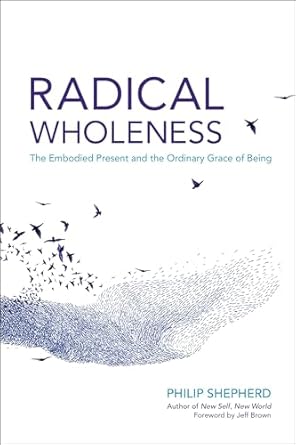
BOOK REVIEW: Philip Shepherd, “Radical Wholeness: The Embodied Present and the Ordinary Grace of Being”

In Arts, Being a World Citizen, Book Review, Cultural Bridges, Solidarity, Spirituality, The Search for Peace on August 5, 2025 at 7:00 AM

Philip Shepherd, Radical Wholeness: The Embodied Present and the Ordinary Grace of Being.

Berkeley: North Atlantic Books, 2017, 328 pp.
By Sarah Stewart-Brown

Philip Shepherd is unusual; at the age of 18, he relinquished a place to read physics at the University of Toronto, took a cheap flight to London, bought himself a bike and pedalled to Japan. For a year or more, he lived outside, sleeping rough, attuning to the natural world and the different cultures he passed through. What made him go was clarity that there was something wrong with the values, habits and behaviours of the culture he had grown up in, and what made him head for Japan was an experience of Noh Theatre – a timeless, deeply spiritual style of acting.

He returned home with an ability to see the way the Western world’s view of the meaning of life blinds and binds us; in particular, the way we have valued the contribution or our ‘head centres’ over those of our ‘belly centres’ and ‘masculine’ attributes and aptitudes over ‘feminine’. Together with an ability to experience the world through the body, this gave him a radically different view of reality, one in which the wholeness and interconnectedness of everything was a given. He calls this ability Holosapience. Working as an actor and carpenter, raising his family in Toronto, he devoured books, spoke with many wise people and developed workshops in which he experimented with ways to pass on the abilities he had honed for himself.

This book, published in 2017 when he was in his 60s, is his second. It sets out his thesis and his solutions including some of the key practices of his workshops. His first book New Self, New World describes the journey to Japan and his discoveries in more detail. Philip’s thesis is that people who grow up in the Western world learn to live in their heads, prioritising cognitive intelligence over intelligence experienced in the body, exalting autonomy, independence, objectivity and the scientific method, and valuing knowledge over experience. He quotes the anthropologist who studied the Anlo Ewe peoples of West Africa because they seemed to be describing abilities Philip had developed on his journey. Teaching their children to ‘feel, feel at flesh inside’ they experience themselves as porous, feeling the world passing through them and changing them from moment to moment.

Such experiences reveal the essential fallacy of independence.

He goes on to describe the ways in which severing ourselves from the body’s intelligences has led us down paths that are destructive to life, ours and that of ‘all our relations’ a term indigenous Americans use to refer to the non-human world. His understanding of embodiment is different from that offered by other ‘embodiment’ teachers who invite us to ‘listen to the body’ and often to ‘direct the breath into the belly’. This, Philip would say, is not compatible with wholeness because it requires a separate part to be doing the listening and interpreting what it hears, and taking charge of the breath. Embodiment, he says, enables us to listen to the world through the body, attuning ourselves to the world through the body’s sensitivity and intelligence. We don’t develop this ability by doing, but by surrendering to the essential fluidity of the present. Embodiment enables self-knowledge, a world-centred, experiential understanding of self which promotes a sense of wonder, ease and humility, in contrast to objective knowledge which promotes a self-centred sense of accomplishment, power and entitlement.

Philip recognises that individuals may be born with different sensitivities with the implication that we may have different abilities, but he suggests that we can’t have too much sensitivity. The issue with sensitivity is reactivity. If we are able to receive and experience the world without reactivity, all sensitivity is valuable. So in learning to experience radical wholeness we need, he says, to develop the capacity to integrate the neuromuscular contractions and psychological defences from which the ego derives, so that we can receive and experience without reactivity. The pathway involves breathwork, learning to allow breath that moves the back and sides and is initiated by a release of the pelvic floor. It involves the experience of rest, where the opposite of rest is not movement but internal conflict. It teaches the development of receptivity in a world where doing is valued and receiving is not. And it involves the capacity to integrate contractions, defences and reactivity by becoming grounded.

Philip’s work, unlike other embodiment practices, goes beyond the belly centre (Hara, Tonden, Dan Tien or Kath of the spiritual traditions) and shines a light on the perineum, the small circular muscle at the centre of the pelvic floor, as the powerhouse of integration. His workshops show participants how to enable the energies of contraction to soften, dropping down to the pelvic bowl, and ultimately to the perineum and the feet. Key practices are described. Written with fluidity and clarity this book is inspirational and a delight to read.

Sarah Stewart-Brown is an Emeritus Professor of Public Health at University of Warwick.

AWC Lebanon Appeal: Protecting Cultural Heritage in Time of War

In Arts, Being a World Citizen, Conflict Resolution, Cultural Bridges, Current Events, International Justice, Middle East & North Africa, Nonviolence, Solidarity, The Search for Peace, War Crimes, World Law on November 18, 2024 at 8:00 AM

By René Wadlow

War and armed violence are highly destructive of the lives of persons, but also of works of art and elements of cultural heritage. Knowledge and understanding of people’s past can help current inhabitants to develop their identity and to appreciate the value of their culture and heritage. Such knowledge and understanding enriches their lives and enables them to manage contemporary problems more successfully.

Since September 23, 2024, the armed conflict between the Israeli armed forces and the Hezbollah militia in Lebanon has led to increased air attacks by Israeli forces on different parts of Lebanon, resulting in deaths and the uprooting of a large number of people. Hezbollah had begun hostilities on October 8, 2023 by shelling Israeli positions in support of Hamas.

The Association of World Citizens (AWC) had called for a reduction of Israeli-Hezbollah tensions and has since called for a ceasefire and for the return of persons displaced in the areas on both sides of the Israel-Lebanon frontier. (See our Appeal of September 2024).

This AWC Appeal concerns the protection of cultural heritage as Israeli attacks have already harmed cultural heritage sites in Baalbek and Tyr as well as other culutral sites. Lebanon has a rich past going back to Biblical and Roman times.

After the Second World War, UNESCO had developed international conventions on the protection of cultural and educational bodies in time of armed conflict. The most important of these is the 1954 Hague Convention for the Protection of Cultural Property in the Event of Armed Conflict. The Hague Convention has been signed by a large number of States.

The 1954 Hague Convention builds on the Roerich Peace Pact first proposed by the Russian painter and champion of Asian culture, Nicholas Roerich. The Roerich Peace Pact was signed on April 15, 1935 by 21 States in a Pan American Union ceremony at the White House in Washington, D.C.

The Banner of Peace (Pax Cultura), as defined by the Roerich Pact of 1935
(C) Kwamikagami

At the signing, Henry A. Wallace, then United States (U.S.) Secretary of Agriculture and later Vice-President, said, “At no time has such an ideal been more needed. It is high time for the idealists who make the reality of tomorrow, to rally around such a symbol of international cultural unity. It is time that we appeal to that appreciation of beauty, science, education which runs across all national boundaries to strengthen all that we hold dear in our particular governments and customs. Its acceptance signifies the approach of a time when those who truly love their own nation will appreciate in addition the unique contributions of other nations and also do reverence to that common spiritual enterprise which draws together in one fellowship all artists, scientists, educators and truly religious of whatever faith. Thus we build a world civilization which places that which is fine in humanity above that which is low, sordid and mean, that which is hateful and grabbing.”

We still have efforts to make so that what is fine in humanity is above what is hateful and grabbing. The AWC strives so that a start will begin in Lebanon and spread to the wider Middle East.

Prof. René Wadlow is President of the Association of World Citizens.

Protecting Cultural Heritage in Time of War

In Arts, Being a World Citizen, Conflict Resolution, Cultural Bridges, Current Events, Europe, Humanitarian Law, NGOs, Solidarity, The Search for Peace, Track II, UKRAINE, United Nations, War Crimes, World Law on May 18, 2023 at 7:56 AM

By René Wadlow

War and armed violence are highly destructive of the lives of persons, but also of works of art and elements of cultural heritage. The war in Ukraine has highlighted the destructive power of war in a dramatic way. Thus, this May 18, “International Museum Day”, we outline some of the ways in which UNESCO is working to protect the cultural heritage in Ukraine in time of war.

May 18 has been designated by UNESCO as the International Day of Museums to highlight the role that museums play in preserving beauty, culture, and history. Museums come in all sizes and are often related to institutions of learning and libraries. Increasingly, churches and centers of worship have taken on the character of museums as people visit them for their artistic value, even they do not share the faith of those who built them.

Knowledge and understanding of a people’s past can help current inhabitants to develop and sustain identity and to appreciate the value of their own culture and heritage. This knowledge and understanding enriches their lives. It enables them to manage contemporary problems more successfully.

It is widely believed in Ukraine that one of the chief aims of the Russian armed intervention is to eliminate all traces of a separate Ukrainian culture, to highlight a common Russian motherland. In order to do this, there is a deliberate destruction of cultural heritage and a looting of museums, churches, and libraries in areas when under Russian military control. Museums, libraries, and churches elsewhere in Ukraine have been targeted by Russian artillery attacks.

After the Second World War, UNESCO had developed international conventions on the protection of cultural and educational bodies in times of conflict. The most important of these is the 1954 Hague Convention for the Protection of Cultural Property in the Event of Armed Conflict. The Hague Convention has been signed by a large number of States including the USSR to which both the Russian Federation and Ukraine are bound.

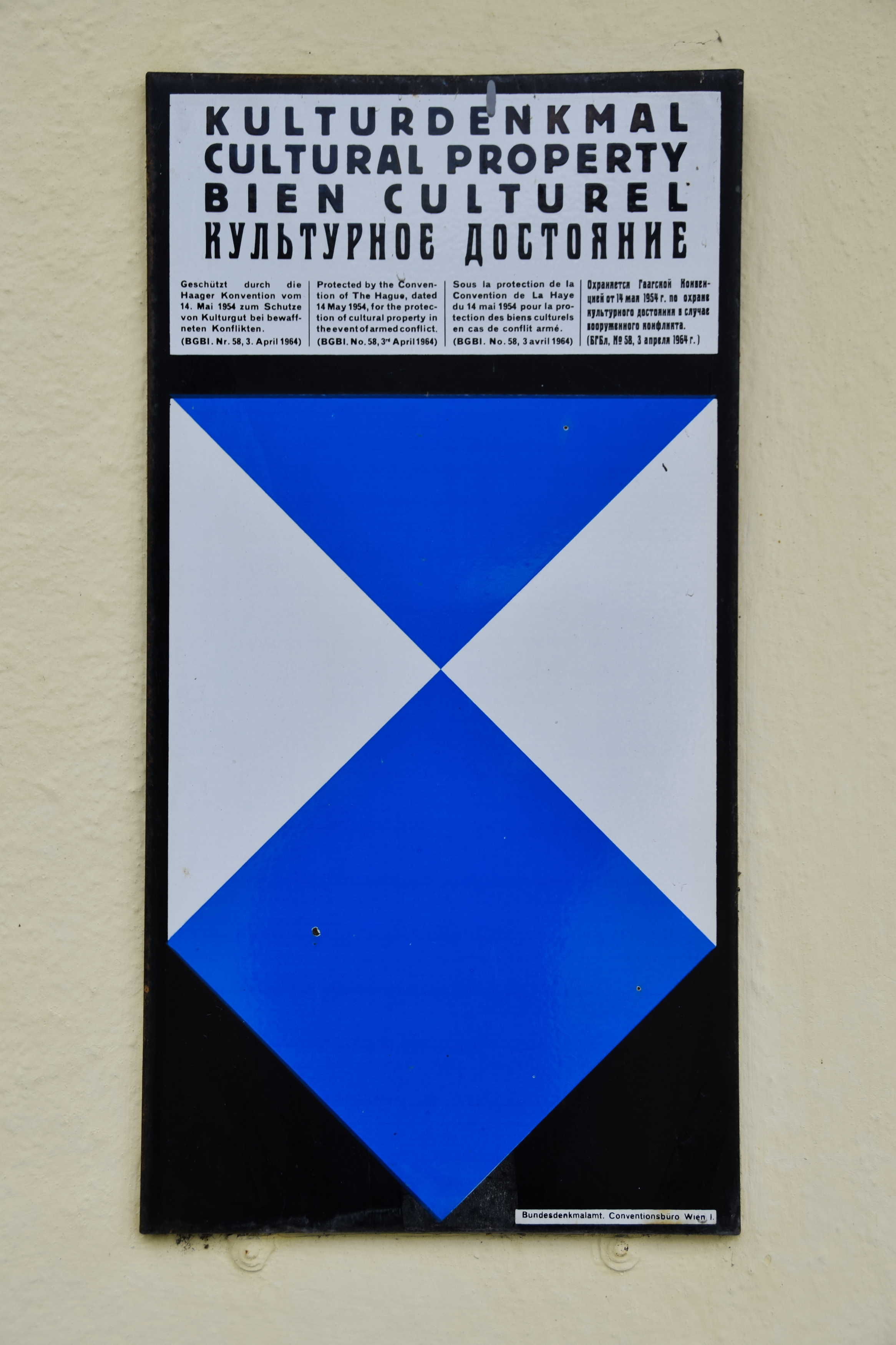
A Blue Shield in Vienna, Austria (C) Mosbatho, CC BY 4.0

UNESCO has designed a Blue Shield as a symbol of a protected site. Audrey Azoulay, Director-General of UNESCO, has brought a number of these Blue Shields herself to Ukraine to highlight UNESCO’s vital efforts.

The 1954 Hague Convention builds on the efforts of the Roerich Peace Pact signed on April 15, 1935 by 21 States in a Pan-American Union ceremony at the White House in Washington, D.C. In addition to the Latin American States of the Pan American Union, the following States also signed: Kingdom of Albania, Kingdom of Belgium, Republic of China, Republic of Czechoslovakia, Republic of Greece, Irish Free State, Empire of Japan, Republic of Lithuania, Kingdom of Persia, Republic of Poland, Republic of Portugal, Republic of Spain, Confederation of Switzerland, Kingdom of Yugoslavia.

At the signing, Henry A. Wallace, then U.S. Secretary of Agriculture and later Vice-President, said, “At no time has such an ideal been more needed. It is high time for the idealists who make the reality of tomorrow, to rally around such a symbol of international cultural unity. It is time that we appeal to that appreciation of beauty, science, education which runs across all national boundaries to strengthen all that we hold dear in our particular governments and customs. Its acceptance signifies the approach of a time when those who truly love their own nation will appreciate in addition the unique contributions of other nations and also do reverence to that common spiritual enterprise which draws together in one fellowship all artists, scientists, educators and truly religious of whatever faith. Thus we build a world civilization which places that which is fine in humanity above that which is low, sordid and mean, that which is hateful and grabbing.”

We still have efforts to make so that what is fine in humanity is above what is hateful and grabbing. However, the road signs set out the direction clearly.

Prof. René Wadlow is President of the Association of World Citizens.

Woody Guthrie: This Land Is My Land And I Won’t Let Them Take It Away

In Arts, Being a World Citizen, Current Events, Human Rights, Migration, Poetry, Social Rights, Solidarity, United States on July 14, 2022 at 8:39 PM

By René Wadlow

This land is your land, this land is my land, from California to the New York island,

From the redwood forest to the Gulf Stream waters,

this land was made for you and me.

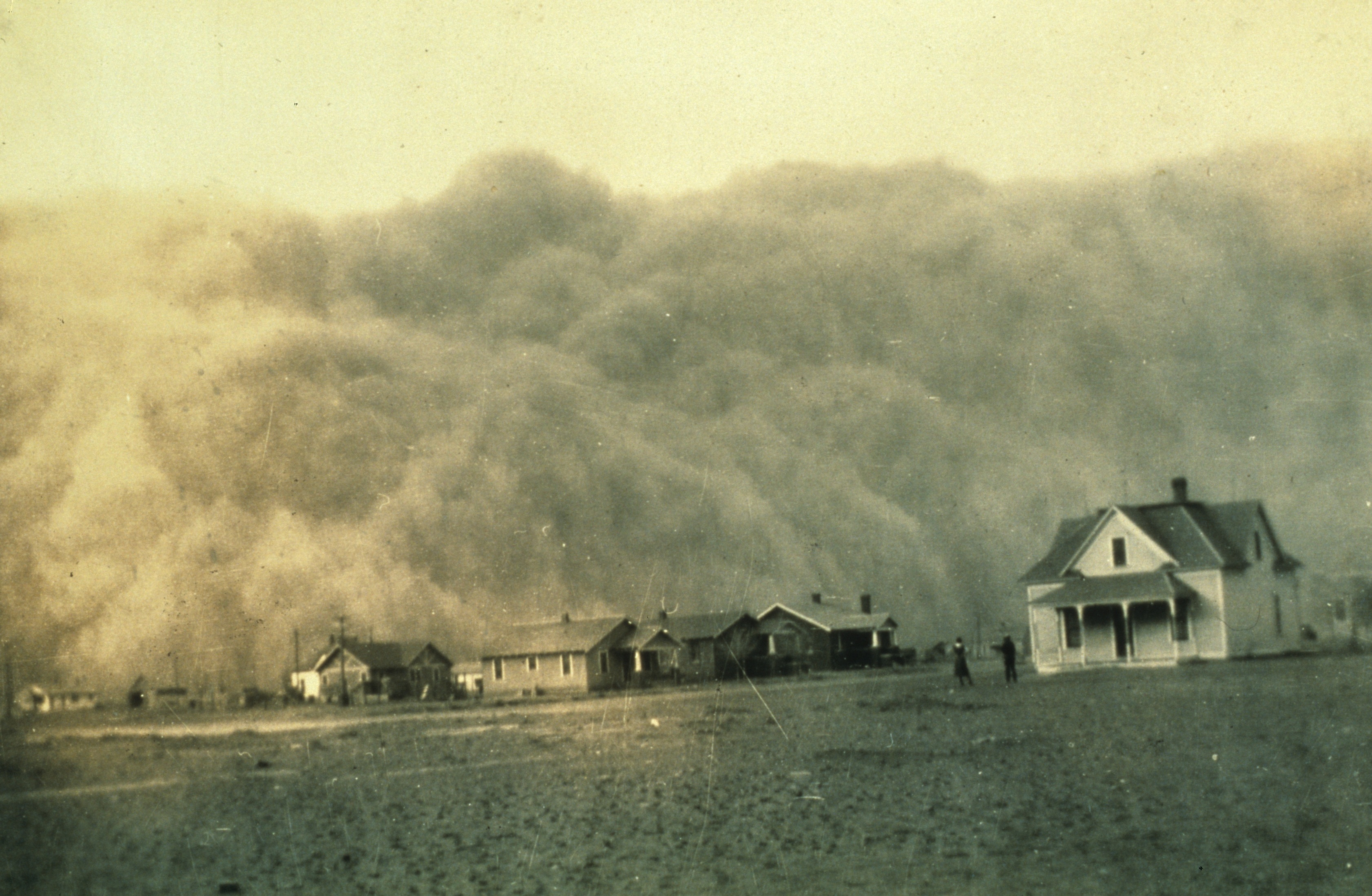
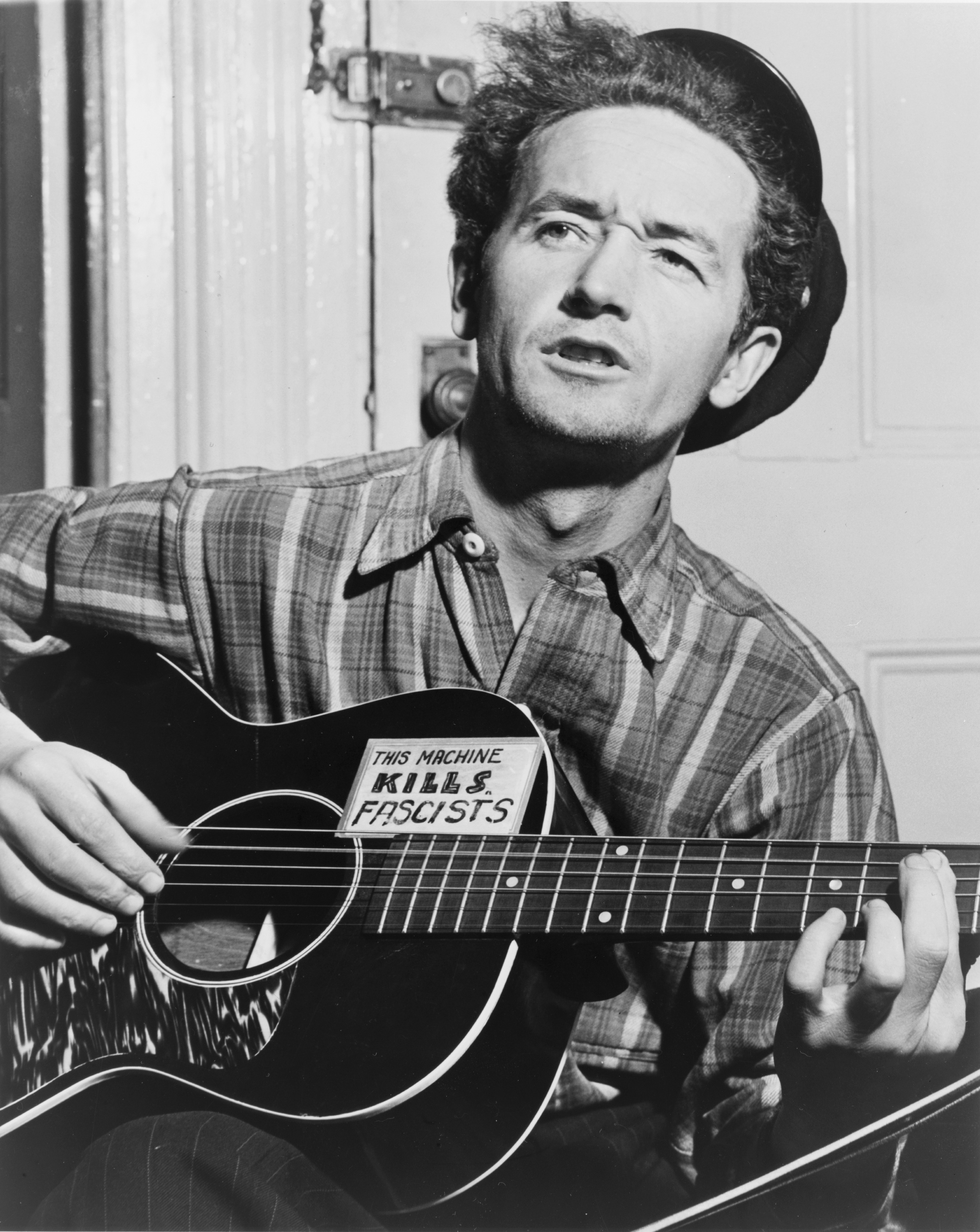
Woodrow Wilson Guthrie (1912-1967) whose birth anniversary we note on July 14, was the voice of the marginalized, especially those hit by the drought in the west of the USA during the late 1920s-early 1930s – what has been called the “dust bowl”.

Many lost their farms due to unpaid bank loans, and others moved to the greener pastures of California where they were not particularly welcomed. However, nearly all were United States (U. S.) citizens and they could not be deported to another country.

A dust storm in Texas, 1935

Times have changed. Today, there are the homeless who would like to reach the USA. There has been a good deal of media attention given to those at the frontier, including those who have died trying to reach the USA.

Less media attention has been given to those living in the U. S. and who are being deported to their “home country” although some have been living in the U. S. since childhood and could sing “This land is my land.”

A large number of persons, an estimated three million, were deported during the 8-year presidency of Barack Obama with relatively little attention given except by specialists. The more flamboyant speeches of former President Trump have awakened more people to the issue of deportation and the conditions in which people are held prior to deportation.

Those in danger of deportation are not organized in a formal way. The U. S. trade union movement is a weak organizational force whose membership has vastly declined. In practice, trade unions never fought to protect “illegal” foreign workers even when trade unions were stronger. There are legitimate, non-racist concerns that an influx of immigrants will lower wage rates and overburden welfare services. These non-racist concerns join in with the noisier, racist voices.

Opposition to deportation has come largely from religious-spiritual groups stressing human dignity and using places of worship as sanctuaries in which to house people in danger of deportation. This sanctuary movement began in the early 1980s to provide safe havens for Central American refugees fleeing civil armed conflicts. Obtaining refugee status and asylum in the U. S. was difficult. Some 500 congregations joined the sanctuary movement to shelter people based on the medieval laws which protected church building against soldiers. Other congregations used the image of the Underground Railroad which protected runaway slaves prior to the Civil War.

There is now a new sanctuary movement started in the Age of Trump, focused on the protection of undocumented families from the newly created police of the U. S. Immigration and Customs Enforcement (ICE). Woody Guthrie would no doubt lend his singing voice to help those in danger of deportation as he did for the farmers and workers of the 1930s.

Prof. René Wadlow is President of the Association of World Citizens.

Khalil Gibran: The Forerunner

In Arts, Being a World Citizen, Literature, Middle East & North Africa, Spirituality, The Search for Peace on January 6, 2021 at 11:06 PM

By René Wadlow

Khalil Gibran (1883-1931), the Lebanese poet whose birth anniversary we mark on January 6, was a person who saw signs in advance of later events or trends. The Forerunner is the title of one of his books, though less known than his major work The Prophet. As he wrote, “Progress lies not in enhancing what is, but in advancing toward what will be.”

Khalil Gibran

Lebanon is a country rich in legend and Biblical references. It is the traditional birthplace of the god Tanmuz and his sister Ishtar. Tammuz is a god who represents the yearly cycle of growth, decay and revival of life, who annually dies and rises again from the dead – a forerunner of Jesus. Ishtar is a goddess who creates the link between earth and heaven – the forerunner of Mary, mother rather than sister of Jesus, but who plays the same symbolic role. As Gibran wrote “Mother (woman), our consolation in sorrow, our hope in misery, our strength in weakness. She is the source of love, mercy, sympathy, and forgiveness … I am indebted for all that I call ‘I’ to women, ever since I was an infant. Women opened the wisdom of my eyes and the doors of my spirit. Had it not been for the woman – mother – the woman – sister – and the woman – friend – I would be sleeping among those who seek the tranquility of the world with their snoring.”

To Ishtar, for Gibran, the Great God placed deep within her “discernment to see what cannot be seen … Then the Great God smiled and wept, looked with love boundless and eternal.”

Yet, like Jesus, Gibran was moved by women but never married and was not known to be in a sexual relation with women. Gibran felt that Jesus was his elder brother. The life of the soul, My brother “is surrounded by solitude and isolation. Were it not for this solitude and that isolation, you would not be you, and I would not be me. Were it not for this solitude and isolation, I would imagine that I was speaking when I heard your voice, and when I saw your face, I would imagine myself looking into a mirror.”

For Gibran, Jesus died “that the Kingdom of Heaven might be preached, that man might attain that consciousness of beauty and goodness within himself. He came to make the human heart a temple; the soul an alter, and the mind a priest. And when a storm rises, it is your singing and your praises that I hear.” (1)

Like Jesus, Gibran was at odds with the established conservative institutions, the clergy and the politicians of his day, those concerned to preserve their inherited power and privileges. He sought out of his experience a general critique of society, concentrating on the hypocrisy of its religious institutions, the injustice of its political institutions and the narrow outlook of its ordinary citizens.

However, Gibran saw his role as a poet and not as a prophet. As he wrote “I am a poet am a stranger in this world. I write in verse life’s prose, and in prose life’s verse. Thus, I am a stranger, and will remain a stranger until death snatches me away and carries me to my homeland … Do not despair, for beyond the injustices of this world, beyond matter, beyond the clouds, beyond all things is a power which is all justice, all kindness, all tenderness, all love. Beauty is the stairway to the thrown of a reality that does not wound…Jerusalem proved unable to kill the Nazarene, for he is alive forever; nor could Athens execute Socrates for he is immoral. Nor shall derision prove powerful against those who listen to humanity or those who follow in the footsteps of divinity, for they shall live forever. Forever.”

Notes:

1) See Khalil Gibran. Jesus. The Son of Man (London: Penguin Books, 1993) This is the longest of Gibran’s books. It was first published in 1928. Through the device of imagining what Jesus’ contemporaries who knew him, Gibran portrays Jesus as a multi-faceted being, a mirror of different individuals’ strengths, convictions and weaknesses.

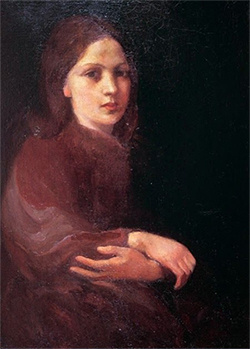
2) The painting that accompanies the article by Khalil Gibran.

3) Also from Rene Wadlow in Ovi magazine:

Khalil Gibran: Spirits Rebellious & Khalil Gibran: The Foundations of Love

Prof. René Wadlow is President of the Association of World Citizens.

Maurice Béjart: Starting Off the Year with a Dance

In Africa, Arts, Asia, Being a World Citizen, Cultural Bridges, Europe, Spirituality, The Search for Peace on January 1, 2021 at 3:09 PM

By René Wadlow

January 1 is the birth anniversary of Maurice Béjart, an innovative master of modern dance. In a world where there is both appreciation and fear of the mixing of cultural traditions, Maurice Béjart was always a champion of blending cultural influences. He was a World Citizen of culture and an inspiration to all who work for a universal culture. His death on November 22, 2007 was a loss, but he serves as a forerunner of what needs to be done so that beauty will overcome the walls of separation. One of the Béjart’s most impressive dance sequences was Jérusalem, cité de la Paix in which he stressed the need for reconciliation and mutual cultural enrichment.

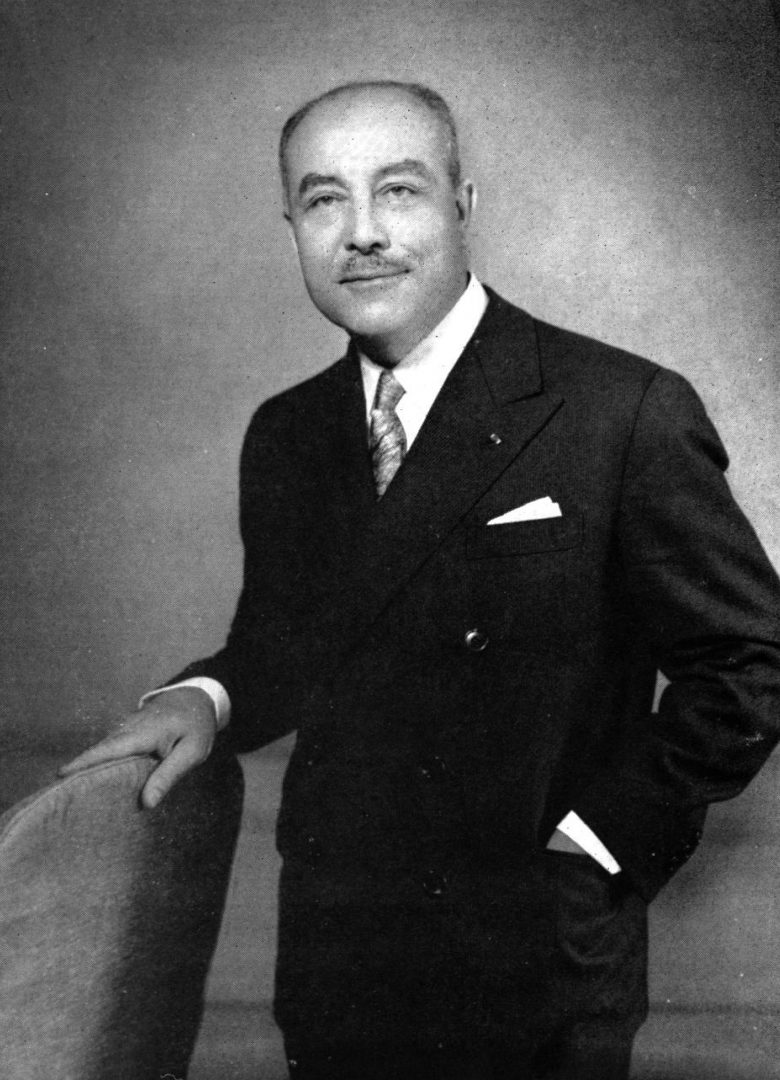
Béjart followed in the spirit of his father, Gaston Berger (1896-1960), philosopher, administrator of university education, and one of the first to start multi-disciplinary studies of the future. Gaston Berger was born in Saint-Louis du Sénégal, with a French mother and a Senegalese father. Senegal, and especially Leopold Sedar Senghor, pointed with pride to Gaston Berger as a “native son” — and the second university after Dakar was built in Saint-Louis and carries the name of Gaston Berger. Berger became a professor of philosophy at the University of Aix-Marseille and was interested in seeking the basic structures of mystical thought, with study on the thought of Henri Bergson and Pierre Teilhard de Chardin, both of whom were concerned with the basic energies which drive humanity forward. Berger was also interested in the role of memory as that which holds the group together writing that it is memory which allows us “to be able to hope together, to fear together, to love together, and to work together.”

Gaston Berger

In 1953, Gaston Berger was named director general of higher education in France with the task of renewal of the university system after the Second World War years. Thus, when Maurice-Jean Berger, born in 1927, was to start his own path, the name Berger was already well known in intellectual and administrative circle. Maurice changed his name to Béjart which sounds somewhat similar but is the name of the wife of Molière. Molière remains the symbol of the combination of theater-dance-music.

Maurice Béjart was trained at the Opera de Paris and then with the well-known choreographer Roland Petit. Béjart’s talent was primarily as a choreographer, a creator of new forms blending dance-music-action. He was willing to take well-known music such as the Bolero of Maurice Ravel or The Rite of Spring and The Firebird of Stravinsky and develop new dance forms for them. However, he was also interested in working with composers of experimental music such as Pierre Schaeffer.

Béjart also continued his father’s interest in mystical thought, less to find the basic structures of mystic thought like his father but rather as an inspiration. He developed a particular interest in the Sufi traditions of Persia and Central Asia. The Sufis have often combined thought-music-motion as a way to higher enlightenment. The teaching and movements of G. I. Gurdjieff are largely based on Central Asian Sufi techniques even if Gurdjieff did not stress their Islamic character. Although Gurdjieff died in October 1948, he was known as an inspiration for combining mystical thought, music and motion in the artistic milieu of Béjart. The French composer of modern experimental music, Pierre Schaeffer with whom Béjart worked closely was a follower of Gurdjieff. Schaeffer also worked closely with Pierre Henry for Symphonie pour un homme seul and La Messe pour le Temps Présent for which Béjart programmed the dance. Pierre Henry was interested in the Tibetan school of Buddhism, so much of Béjart’s milieu had spiritual interests turned toward Asia.

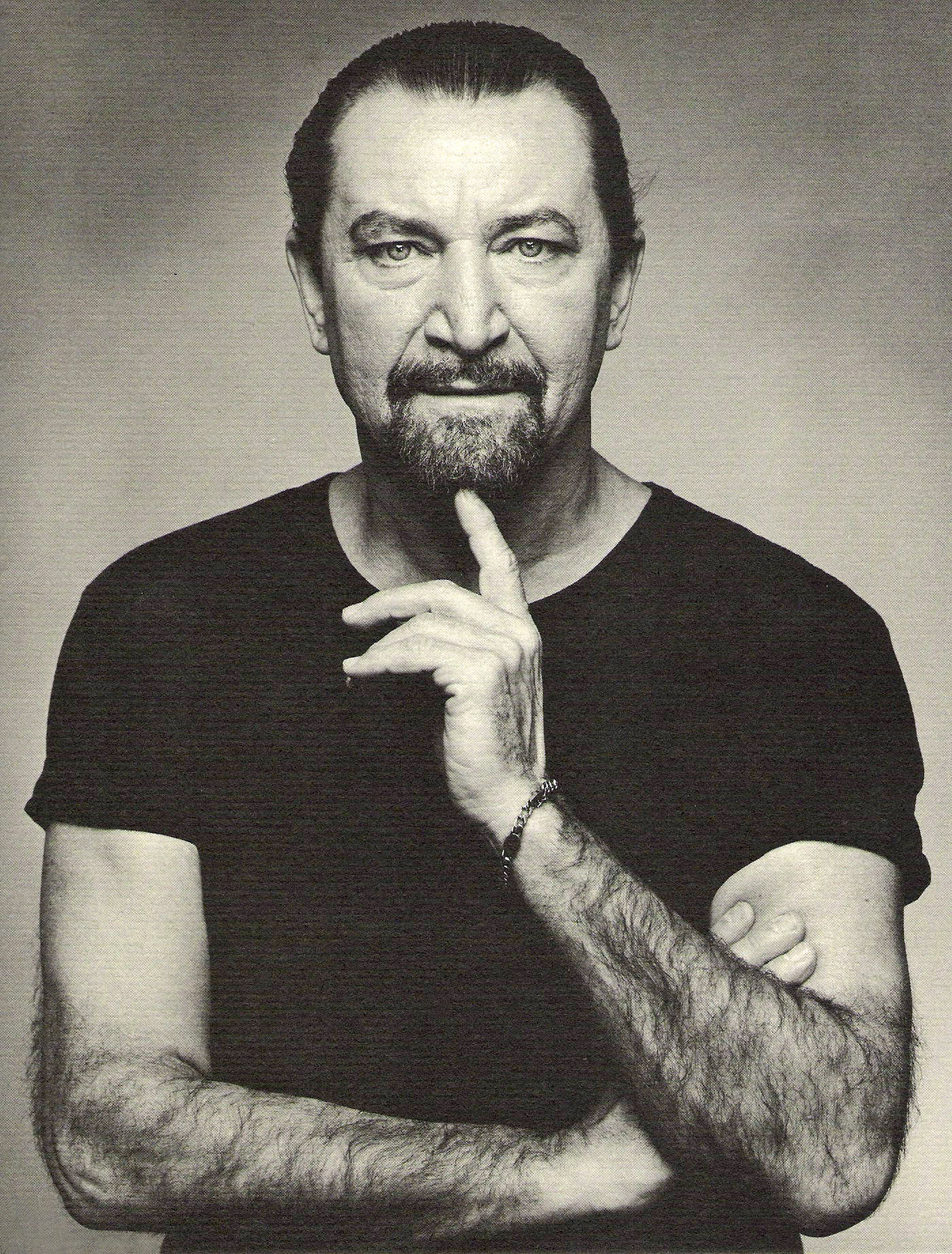
Maurice Béjart

It was Béjart’s experience in Persia where he was called by the Shah of Iran to create dances for the Persepolis celebration in 1971 that really opened the door to Sufi thought — a path he continued to follow.

Béjart also followed his father’s interest in education and created dance schools both in Bruxelles and later Lausanne. While there is not a “Béjart style” that others follow closely, he stressed an openness to the cultures of the world and felt that dance could be an enrichment for all social classes. He often attracted large audiences to his dance performances, and people from different milieu were moved by his dances.

Béjart represents a conscious effort to break down walls between artistic forms by combining music, dance, and emotion and the walls between cultures. An inspiration for World Citizens to follow.

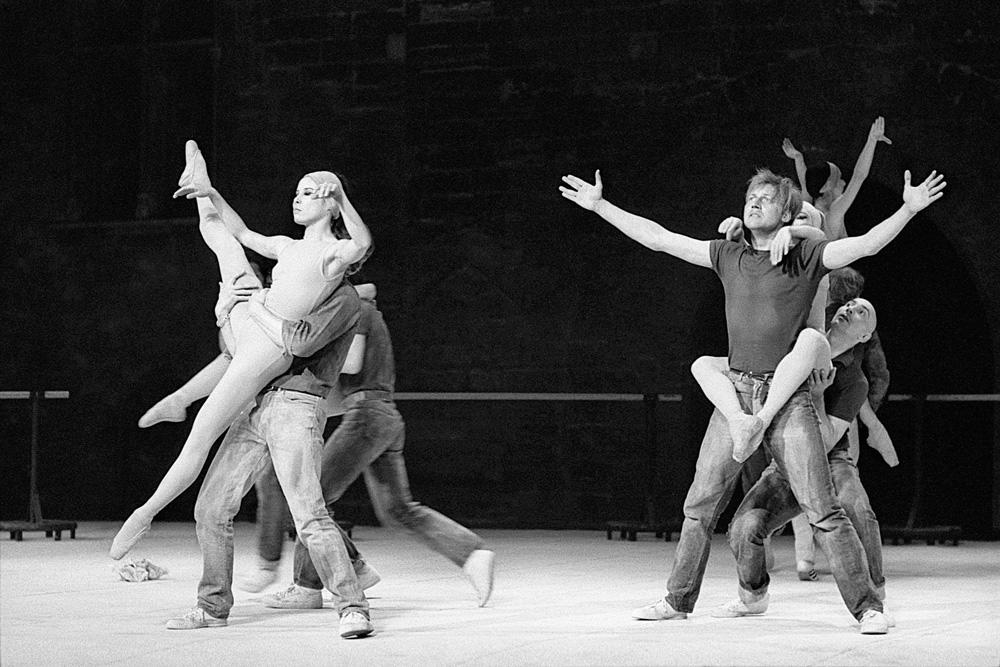
Maurice Béjart’s dancers performing Pierre Henry’s Messe pour le Temps présent at the Avignon festival in 1967. © Jean-Louis Boissier

Prof. René Wadlow is President of the Association of World Citizens.

Maurice Béjart: Starting Off the Year with a Dance

In Africa, Arts, Being a World Citizen, Cultural Bridges on January 3, 2020 at 6:16 PM

By René Wadlow

January 1 is the birth anniversary of Maurice Béjart, an innovative master of modern dance. In a world where there is both appreciation and fear of the mixing of cultural traditions, Maurice Béjart was always a champion of blending cultural influences. He was a world citizen and an inspiration to all who work for a universal culture. His death on November 22, 2007 was a loss, but he serves as a forerunner of what needs to be done so that beauty will overcome the walls of separation. One of the Béjart’s most impressive dance sequences was Jérusalem, Cité de la Paix in which he stressed the need for reconciliation and mutual cultural enrichment.

Béjart followed in the spirit of his father, Gaston Berger (1896-1960), philosopher, administrator of university education, and one of the first to start multi-disciplinary studies of the future. Gaston Berger was born in Saint-Louis de Sénégal, with a French mother and a Senegalese father. Sénégal, and especially Leopold Sedar Senghor, pointed with pride to Gaston Berger as a “native son” — and the second university after Dakar was built in Saint-Louis and carries the name of Gaston Berger. Berger became a professor of philosophy at the University of Aix-Marseille and was interested in seeking the basic structures of mystical thought, with study on the thought of Henri Bergson and Pierre Teilhard de Chardin, both of whom were concerned with the basic energies which drive humanity forward. Berger was also interested in the role of memory as that which holds the group together writing that it is memory which allows us “to be able to hope together, to fear together, to love together, and to work together.”

Maurice Béjart

In 1953, Gaston Berger was named director general of higher education in France with the task of renewal of the university system after the Second World War years. Thus, when Maurice-Jean Berger, born in 1927, was to start his own path, the name Berger was already well known in intellectual and administrative circle. Maurice changed his name to Béjart which sounds somewhat similar but is the name of the wife of Molière. Molière remains the symbol of the combination of theater-dance-music.

Maurice Béjart was trained at the Opéra de Paris and then with the well-known choreographer Roland Petit. Béjart’s talent was primarily as a choreographer, a creator of new forms blending dance-music-action. He was willing to take well-known music such as the Bolero of Maurice Ravel or The Rite of Spring and The Firebird of Stravinsky and develop new dance forms for them. However, he was also interested in working with composers of experimental music such as Pierre Schaeffer.

G. I. Gurdjieff

Béjart also continued his father’s interest in mystical thought, less to find the basic structures of mystic thought like his father but rather as an inspiration. He developed a particular interest in the Sufi traditions of Persia and Central Asia. The Sufis have often combined thought-music-motion as a way to higher enlightenment. The teaching and movements of G. I. Gurdjieff are largely based on Central Asian Sufi techniques even if Gurdjieff did not stress their Islamic character. Although Gurdjieff died in October 1948, he was known as an inspiration for combining mystical thought, music and motion in the artistic milieu of Béjart. The French composer of modern experimental music, Pierre Schaeffer with whom Béjart worked closely was a follower of Gurdjieff. Schaeffer also worked closely with Pierre Henry for Symphonie pour un homme seul and La Messe pour le Temps Présent for which Béjart programmed the dance. Pierre Henry was interested in the Tibetan school of Buddhism, so much of Béjart’s milieu had spiritual interests turned toward Asia.

It was Béjart’s experience in Persia where he was called by the Shah of Iran to create dances for the Persepolis celebration in 1971 that really opened the door to Sufi thought — a path he continued to follow. A Sufi theme is “opening the heart to the light of love.” Sufi movements, which Béjart adopted, is to develop movements in time with the beating of the heart.

Béjart also followed his father’s interest in education and created dance schools both in Bruxelles and later Lausanne. While there is not a “Béjart style” that others follow closely, he stressed an openness to the cultures of the world and felt that dance could be an enrichment for all social classes. He often attracted large audiences to his dance performances, and people from different milieu were moved by his dances.

Béjart represents a conscious effort to break down walls between artistic forms by combining music, dance, and emotion and the walls between cultures. An inspiration for world citizens to follow.

Prof. René Wadlow is President of the Association of World Citizens.