The Official Blog of the

Maurice Béjart: Starting Off the Year with a Dance

In Africa, Arts, Being a World Citizen, Cultural Bridges on January 3, 2020 at 6:16 PM

By René Wadlow

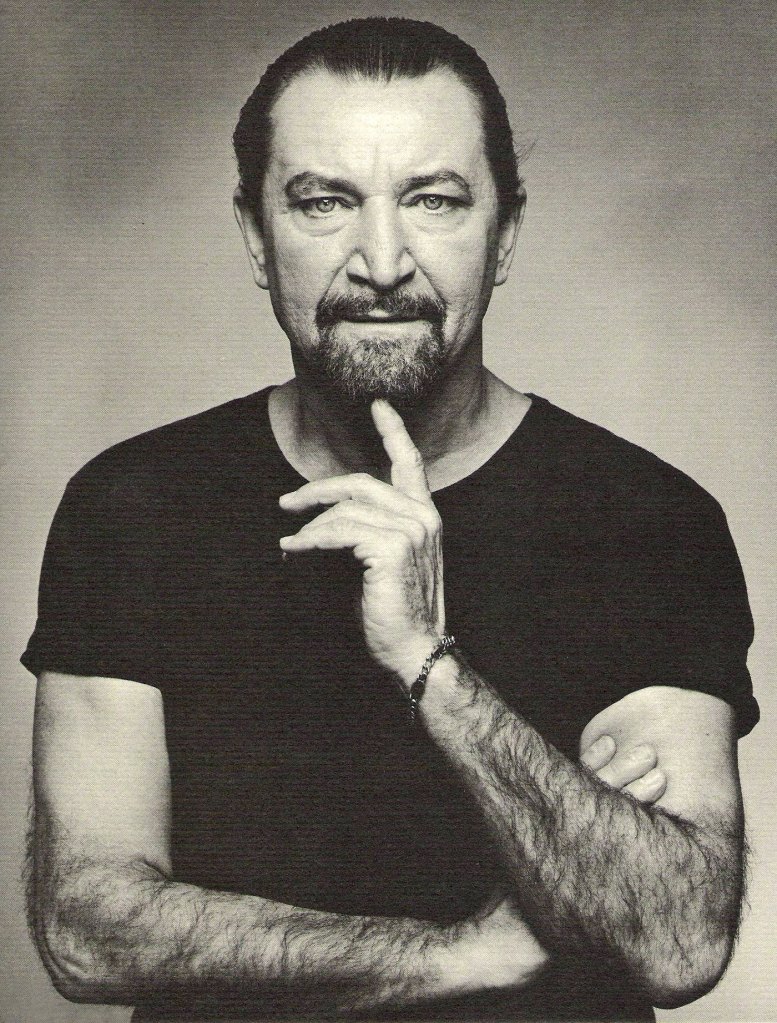
January 1 is the birth anniversary of Maurice Béjart, an innovative master of modern dance. In a world where there is both appreciation and fear of the mixing of cultural traditions, Maurice Béjart was always a champion of blending cultural influences. He was a world citizen and an inspiration to all who work for a universal culture. His death on November 22, 2007 was a loss, but he serves as a forerunner of what needs to be done so that beauty will overcome the walls of separation. One of the Béjart’s most impressive dance sequences was Jérusalem, Cité de la Paix in which he stressed the need for reconciliation and mutual cultural enrichment.

Béjart followed in the spirit of his father, Gaston Berger (1896-1960), philosopher, administrator of university education, and one of the first to start multi-disciplinary studies of the future. Gaston Berger was born in Saint-Louis de Sénégal, with a French mother and a Senegalese father. Sénégal, and especially Leopold Sedar Senghor, pointed with pride to Gaston Berger as a “native son” — and the second university after Dakar was built in Saint-Louis and carries the name of Gaston Berger. Berger became a professor of philosophy at the University of Aix-Marseille and was interested in seeking the basic structures of mystical thought, with study on the thought of Henri Bergson and Pierre Teilhard de Chardin, both of whom were concerned with the basic energies which drive humanity forward. Berger was also interested in the role of memory as that which holds the group together writing that it is memory which allows us “to be able to hope together, to fear together, to love together, and to work together.”
Maurice Béjart

In 1953, Gaston Berger was named director general of higher education in France with the task of renewal of the university system after the Second World War years. Thus, when Maurice-Jean Berger, born in 1927, was to start his own path, the name Berger was already well known in intellectual and administrative circle. Maurice changed his name to Béjart which sounds somewhat similar but is the name of the wife of Molière. Molière remains the symbol of the combination of theater-dance-music.

Maurice Béjart was trained at the Opéra de Paris and then with the well-known choreographer Roland Petit. Béjart’s talent was primarily as a choreographer, a creator of new forms blending dance-music-action. He was willing to take well-known music such as the Bolero of Maurice Ravel or The Rite of Spring and The Firebird of Stravinsky and develop new dance forms for them. However, he was also interested in working with composers of experimental music such as Pierre Schaeffer.
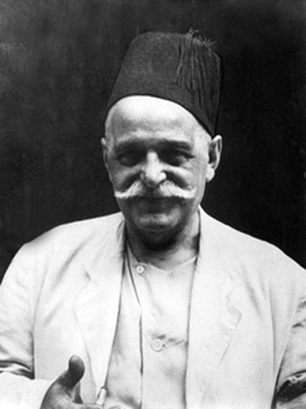
G. I. Gurdjieff

Béjart also continued his father’s interest in mystical thought, less to find the basic structures of mystic thought like his father but rather as an inspiration. He developed a particular interest in the Sufi traditions of Persia and Central Asia. The Sufis have often combined thought-music-motion as a way to higher enlightenment. The teaching and movements of G. I. Gurdjieff are largely based on Central Asian Sufi techniques even if Gurdjieff did not stress their Islamic character. Although Gurdjieff died in October 1948, he was known as an inspiration for combining mystical thought, music and motion in the artistic milieu of Béjart. The French composer of modern experimental music, Pierre Schaeffer with whom Béjart worked closely was a follower of Gurdjieff. Schaeffer also worked closely with Pierre Henry for Symphonie pour un homme seul and La Messe pour le Temps Présent for which Béjart programmed the dance. Pierre Henry was interested in the Tibetan school of Buddhism, so much of Béjart’s milieu had spiritual interests turned toward Asia.

It was Béjart’s experience in Persia where he was called by the Shah of Iran to create dances for the Persepolis celebration in 1971 that really opened the door to Sufi thought — a path he continued to follow. A Sufi theme is “opening the heart to the light of love.” Sufi movements, which Béjart adopted, is to develop movements in time with the beating of the heart.

Béjart also followed his father’s interest in education and created dance schools both in Bruxelles and later Lausanne. While there is not a “Béjart style” that others follow closely, he stressed an openness to the cultures of the world and felt that dance could be an enrichment for all social classes. He often attracted large audiences to his dance performances, and people from different milieu were moved by his dances.

Béjart represents a conscious effort to break down walls between artistic forms by combining music, dance, and emotion and the walls between cultures. An inspiration for world citizens to follow.

Prof. René Wadlow is President of the Association of World Citizens.
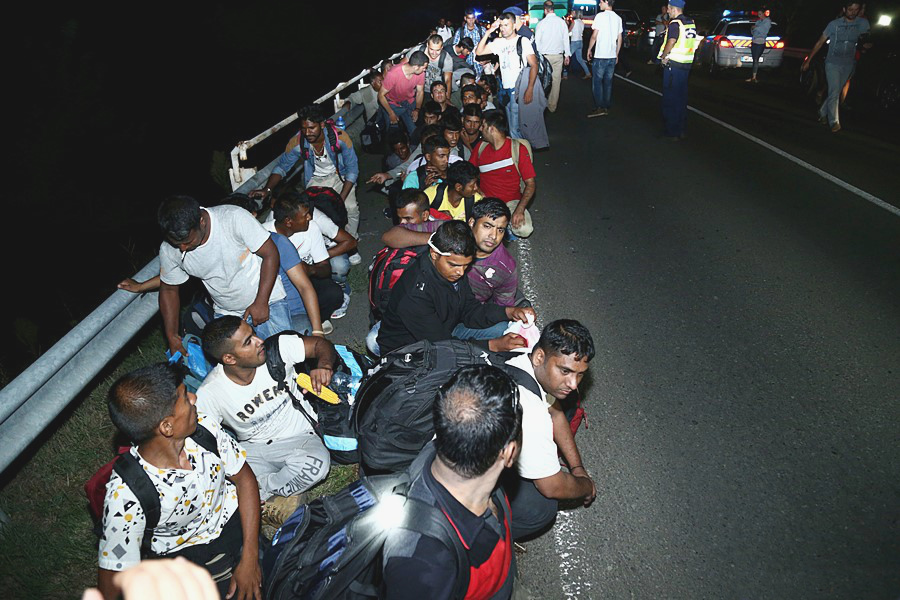
Migration and Awareness of Trafficking in Persons

In Africa, Asia, Being a World Citizen, Conflict Resolution, Current Events, Environmental protection, Europe, Fighting Racism, Human Rights, Middle East & North Africa, Migration, NGOs, Refugees, Solidarity, The Search for Peace, Track II, United Nations, World Law on October 28, 2019 at 12:40 PM

By René Wadlow

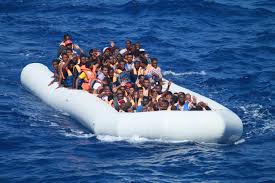
On October 23, 2019, 39 people, 8 women and 31 men, were found dead in a refrigerated trailer truck coming from Belgium in the last leg of its journey. The truck was at a parking lot in Essex, near London, England. The identity of the persons is still in the process of being investigated. They may be Vietnamese having traveled through China, or Chinese. The victims draw sad attention to the process of trafficking in persons.

The United Nations (UN) Global Compact for Safe, Orderly and Regular Migration has drawn attention to the positive aspects of migration. However, there are also negative aspects so that we are also concerned with migration that is not safe such as trafficking in persons. A UN report presented to the Commission on the Status of Women highlighted that human trafficking is one of the fastest growing criminal industries and one of the biggest human rights crises today. The vast majority of victims trafficked are for sexual exploitation, while others are exploited for forced labor and forced marriage.

One aspect of migration issues is the issue of the trans-frontier trafficking in persons. Awareness has been growing, but effective remedies are slow and uncoordinated. Effective remedies are often not accessible to victims of trafficking owing to gaps between setting international standards, enacting national laws and then implementation in a humane way.

The international standards have been set out in the United Nations Convention against Transnational Organized Crime and its Protocol to Prevent, Suppress and Punish Trafficking in Persons, Especially Women and Children. The Convention and the Protocol standards are strengthened by the International Convention on the Protection of the Rights of All Migrant Workers and Members of their Families. The worldwide standards have been reaffirmed by regional legal frameworks such as the Council of Europe Convention on Action against Trafficking in Human Beings.

Despite clear international and regional standards, there is poor implementation, limited government resources and infrastructure dedicated to the issue, a tendency to criminalize victims and restrictive immigration policies in many countries.

Trafficking in persons is often linked to networks trafficking in drugs and arms. Some gangs are involved in all three; in other cases agreements are made to specialize and not expand into the specialty of other criminal networks.

Basically, there are three sources of trafficking in persons. The first are refugees from armed conflicts. Refugees are covered by the Refugee Conventions supervised by the UN High Commissioner for Refugees (UNHCR) in the country of first asylum. Thus, Syrian refugees are protected and helped by the UNHCR in Lebanon, but not if they leave Lebanon. As 25% of the population of Lebanon are now refugees from the conflicts in Syria, the Lebanese government is increasingly placing restrictions on Syrian’s possibility to work in Lebanon, to receive schooling, medical services, proper housing etc. As a result, many Syrians try to leave Lebanon or Turkey to find a better life in Western Europe. Refugees from Iraq, Afghanistan, Sudan follow the same pattern.

The second category are people leaving their country for economic reasons − sometimes called “economic refugees.” Migration for better jobs and a higher standard of living has a long history. Poverty, ethnic and racial discrimination, and gender-based discrimination are all factors in people seeking to change countries. With ever-tighter immigration policies in many countries and with a popular “backlash” against migrants in some countries, would-be migrants turn to “passers” − individuals or groups that try to take migrants into a country, avoiding legal controls.

A third category − or a subcategory of economic migration − is the sex trade, usually of women but also children. As a Human Rights Watch study of the Japanese “sex-entertainment” businesses notes “There are an estimated 150,000 non-Japanese women employed in the Japanese sex industry, primarily from other Asian countries such as Thailand and the Philippines. These women are typically employed in the lower rungs of the industry either in ‘dating’ snack bars or in low-end brothels, in which customers pay for short periods of eight or fifteen minutes. Abuses are common as job brokers and employers take advantage of foreign women’s vulnerability as undocumented migrants: they cannot seek recourse from the police or other law enforcement authorities without risking deportation and potential prosecution, and they are isolated by language barriers, a lack of community, and a lack of familiarity with their surroundings.” We find similar patterns in many countries.

The scourge of trafficking in persons will continue to grow unless strong counter measures are taken. Basically, police and governments worldwide do not place a high priority on the fight against trafficking unless illegal migration becomes a media issue. Therefore, real progress needs to be made through nongovernmental organizations (NGOs), such as the Association of World Citizens, which has raised the issue in the UN Human Rights bodies in Geneva. There are four aspects to this anti-trafficking effort. The first is to help build political will by giving accurate information to political leaders and the press. The other three aspects depend on the efforts of the NGOs themselves. Such efforts call for increased cooperation among NGOs and capacity building.

The second aspect is research into the areas from which children and women are trafficked. These are usually the poorest parts of the country and among marginalized populations. Socioeconomic and educational development projects must be directed to these areas so that there are realistic avenues for advancement.

The third aspect is the development of housing and of women’s shelters to ensure that persons who have been able to leave exploitive situations have temporary housing and other necessary services.

The fourth aspect is psychological healing. Very often women and children who have been trafficked into the sex trades have a disrupted or violent family and have a poor idea of their self-worth. This is also often true of refugees from armed conflict. Thus, it is important to create opportunities for individual and group healing, to give a spiritual dimension to the person through teaching meditation and yoga. There are needs for creating adult education facilities so that people may continue a broken education cycle.

There are NGOs who are already working along these lines. Their efforts need to be encouraged and expanded.

Prof. René Wadlow is President of the Association of World Citizens.
Harvin Khalaf : Une lumière s’est éteinte, mais la réconciliation reste à faire

In Being a World Citizen, Conflict Resolution, Cultural Bridges, Current Events, Democracy, Human Rights, Humanitarian Law, International Justice, Middle East & North Africa, Solidarity, Syria, The Search for Peace, War Crimes, World Law on October 22, 2019 at 12:16 PM

Par René Wadlow

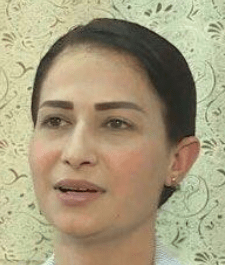
Le 12 octobre 2019, Havrin Khalaf, Co-secrétaire générale du Parti de l’Avenir de la Syrie, a été abattue à un barrage routier par la milice Ahrar al-Shargiya soutenue par la Turquie. Le Parti de l’Avenir de la Syrie avait été formé en mars 2018 à Raqqa afin de créer «une Syrie démocratique, pluraliste et décentralisée». Le Parti était actif au sein de l’Administration autonome du Nord et de l’Est de la Syrie – région souvent désignée par les Kurdes en tant que Rojava. La région présente une haute diversité, tant de par les groupes qui la peuplent que par les religions qui y sont représentées. Le Parti de l’Avenir de la Syrie cherchait donc à bâtir des ponts de compréhension entre Kurdes, Arabes, Turkmènes et tous les autres groupes, ainsi qu’entre Musulmans, Chrétiens et Yézidis. L’espoir était que cet effort pour bâtir des passerelles devienne un exemple pour tout le reste de la Syrie.

Avant même le début des combats en Syrie en 2011, la société syrienne était divisée selon des critères ethniques et religieux. Les hostilités, le déplacement de populations, la montée de l’Etat islamique (Daesh) n’ont fait qu’accroître les divisions ethniques et religieuses. Dans de nombreux cas, la confiance entre les groupes a été brisée, et même la coopération a minima qui se manifestait à travers des liens économiques a volé en éclats. Rebâtir la coopération, et c’était l’un des buts principaux du Parti de l’Avenir de la Syrie, s’avérera difficile. L’incursion des forces turques et de leurs alliés syriens au nord-est de la Syrie va rendre la coopération par-delà les divisions ethniques et religieuses encore plus ardue.

A elle seule, Havrin Khalaf symbolisait cet effort de réconciliation. Elle était également un symbole de la quête pour l’égalité entre femmes et hommes. Femme kurde, elle avait pour Co-secrétaire général du Parti de l’Avenir de la Syrie un homme arabe. Femme dotée d’une solide éducation – elle avait été diplômée de l’Université d’Alep en 2009 – elle était particulièrement active en matière d’autonomie et de renforcement des femmes. Elle avait souvent officié comme porte-parole auprès de diplomates, journalistes, et travailleurs humanitaires en visite dans la région. Jouissant d’une haute visibilité, elle n’a pu être tuée que de manière délibérée. En même temps qu’elle, le chauffeur de la voiture du Parti à bord de laquelle elle se déplaçait a trouvé la mort.

Le danger est réel de voir de tels assassinats se multiplier avec l’avancée des troupes turques et l’expansion permanente de leur contrôle sur ce qu’ils appellent, non sans ironie, une « zone de sécurité ». Déjà dans un passé récent, l’occupation turque de la région d’Afrin a entraîné des déplacements de population, des pillages, des prises d’otages et des tortures. Il est également à craindre que les territoires du nord-est de la Syrie récemment repassées sous le contrôle du Gouvernement syrien ne soient pas épargnées par les crimes de vengeance, ni par les violations des Droits Humains ou du droit humanitaire international pour des motifs politiques.

Avec le décès de Havrin Khalaf à trente-quatre ans, une lumière vient de s’éteindre. Mais la réconciliation reste à faire. Il faut des voix nouvelles. Nous qui vivons en dehors de la Syrie, nous devons voir ce que nous pouvons faire pour faciliter ce rôle vital de construction de ponts entre les êtres humains.

Le Professeur René Wadlow est Président de l’Association of World Citizens.