The Official Blog of the

Archive for the ‘Humanitarian Law’ Category

One Year of Israeli-Hamas Armed Conflict

In Being a World Citizen, Conflict Resolution, Current Events, Humanitarian Law, International Justice, Middle East & North Africa, NGOs, Nonviolence, Solidarity, The Search for Peace, Track II, United Nations, War Crimes, World Law on October 6, 2024 at 5:30 PM

By René Wadlow

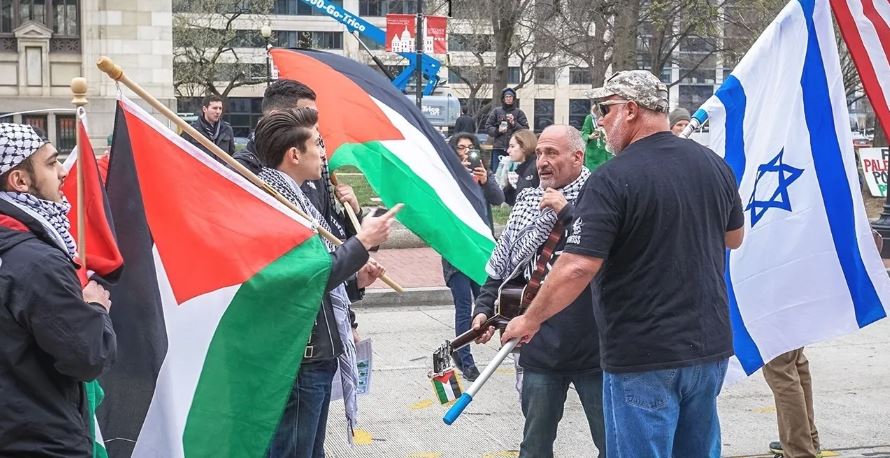
October 7-8, 2024 will mark one year of armed conflict between Israeli forces and the Hamas militia – an armed conflict which grinds on and has spread.

On October 8, 2023, in light of the October 7 Hamas attack and the start of the Israeli response in the Gaza Strip, the Association of World Citizens called for five immediate steps that it hoped would create a climate of dialogue and the start of negotiations in good faith. The proposals were posted on the World Citizens’ website, sent to the Israeli Missions to the United Nations (UN) and to groups that might have avenues of communication with Hamas.

“As Citizens of the World, we call for a ceasefire in the Israeli-Palestinian armed conflict;

For the release of all hostages held by Hamas and other Palestinian groups;

For the release of all Palestinian prisoners held in Israeli jails, often under administrative detention without trial;

For preventing the extension of the conflict to the Lebanon frontier through negotiations with Hezbollah;

For preventing an increase in violence on the West Bank among Israeli settlers and Palestinian villages;

For the start of negotiations in good faith for a political solution that ensures freedom and the collective safety of Israelis and Palestinians.”

(C) Ted Eytan

A year later, the armed violence has increased: in Gaza with a high number of persons killed, wounded and displaced, on the West Bank, in Lebanon, has expanded to Iran and brought in elements of the conflict in Yemen.

There have been relevant resolutions of the UN General Assembly, of the International Court of Justice, and appeals for a ceasefire and negotiations from many Nongovernmental Organizations (NGOs).

Due to the spiraling growth of destruction, as NGOs we must continue and increase our efforts.

Prof. René Wadlow is President of the Association of World Citizens.
Strong Measures Needed to Prevent Escalation of Israeli-Hezbollah Conflict

In Being a World Citizen, Conflict Resolution, Current Events, Human Rights, Humanitarian Law, Middle East & North Africa, NGOs, Solidarity, The Search for Peace, Track II, United Nations, World Law on September 26, 2024 at 7:05 AM

By René Wadlow

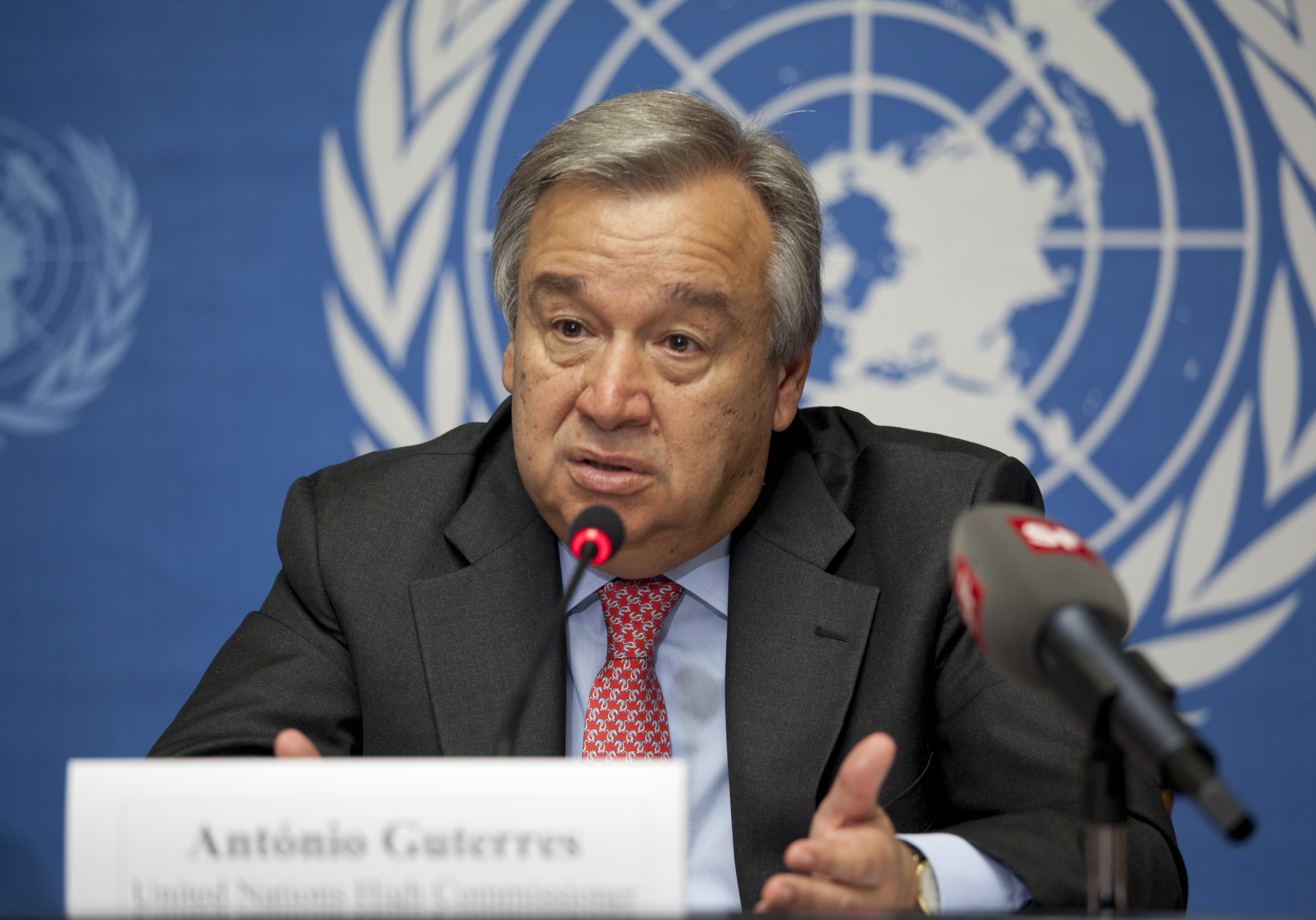
Antonio Guterres, the United Nations (UN) Secretary General, said in his opening remarks to the UN General Assembly on September 24, 2024, “Gaza is a nonstop nightmare that threatens to take the entire region with it. Look no further than Lebanon. We should all be alarmed by the escalation. Lebanon is on the brink. The people of Lebanon – the people of Israel – and the people of the world – cannot afford Lebanon to become another Gaza.”

Lebanon may have already moved over the brink. Israeli strikes on Lebanon on September 23 killed at least 356 people and injured more than 1,200 others. Hezbollah deputy chief Naim Qassem has just said, “We have entered a new phase – an open-ended battle of reckoning.” Until now, Hezbollah has designed its attacks to stay below the threshold of a full-scale conflagration, but these deadly exchanges of fire carry a high risk of miscalculation, spiraling violence upward.

A rapid escalation in recent days, starting with the attack on Hezbollah members via booby-trapped pagers and walkie-talkies followed by Israeli bombardments, has raised the specter of a new phase in the conflict with a possible ground invasion by Israeli troops as in 1982 and 2006. There are fears that Iran could be drawn into the fighting. The new Iranian President, Masoud Pezeshkian, speaking at the UN General Assembly also on September 24, demanded a global response to the Lebanon situation, “not to allow Lebanon to become another Gaza.”

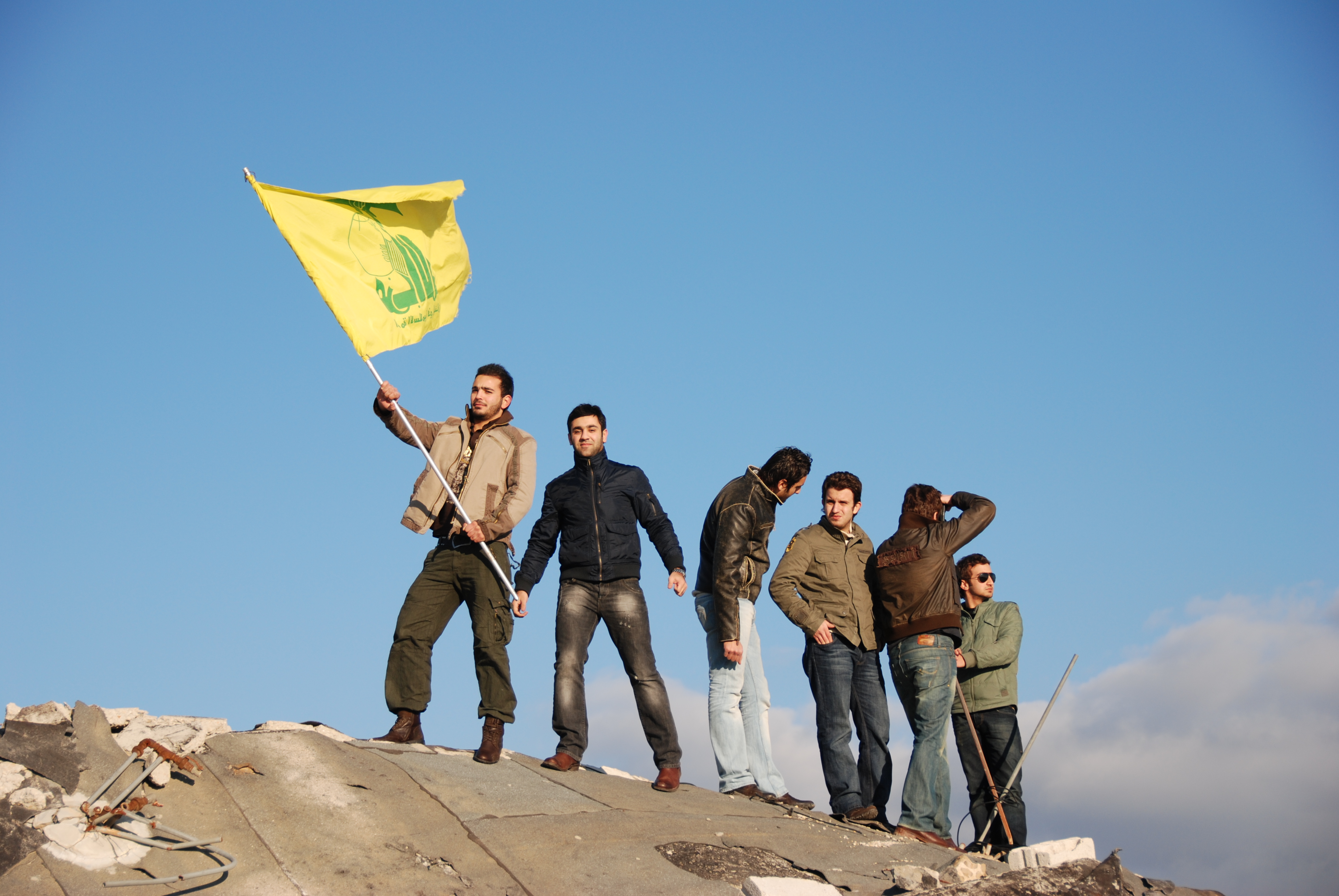
In 2007, young people from Beirut posing with a Hezbollah flag on the ruins of the Khiam prison formerly run by the pro-Israeli South Lebanon Army (C) Paul Keller

Hezbollah is supported by Iran but not fully under Iranian control. Hassan Nasrallah, the Secretary-General of Hezbollah, has in recent days made widely watched television talks attacking Israeli politics and indicating continuing Hezbollah support for the Palestinians in Gaza, saying that a ceasefire in Gaza was necessary before any negotiations with Hezbollah could take place. Since negotiations for a ceasefire in Gaza seem unlikely for the moment, Hezbollah’s current campaign is likely to continue. In addition, recent tensions in the West Bank between Israeli settlers, Israeli soldiers and Palestinians in settled villages have added more heat to the general tensions in the area.

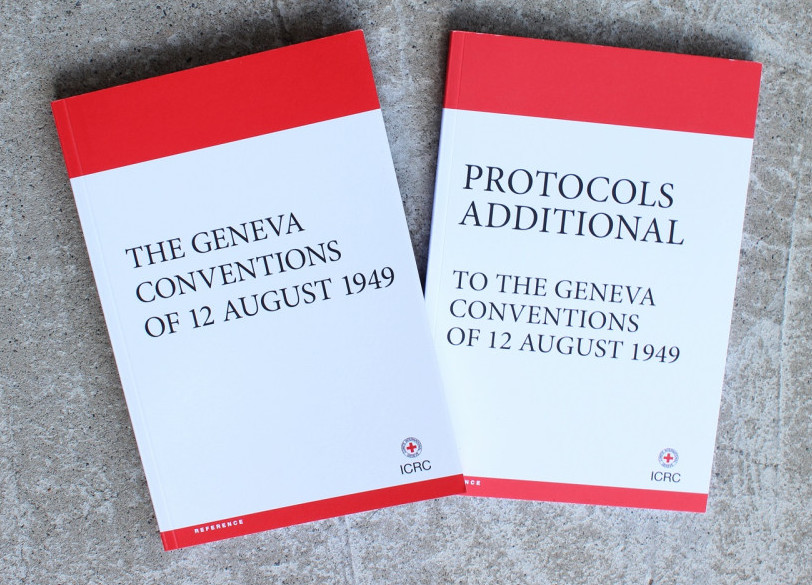
The issue is what can be done now to prevent escalation and reduce tensions. A first step is to stress respect for international humanitarian law – often cited by the Association of World Citizens (AWC). Hospitals, medical facilities, educational institutions have been destroyed in the exchanges of fire. There is a need for resolute action on the violations of humanitarian law. Regular military personnel of all countries are theoretically informed of the Geneva Conventions of August 12, 1949 and the Protocol Additional adopted in 1977 in light of the experiences of the war in Vietnam. Today, international human rights standards are also considered part of international humanitarian law, thus providing additional protection for vulnerable population groups such as women, children and minorities.

A possible second phase is the “good offices” function of the UN Secretary-General. It is certain that the UN Secretariat is concerned, but their ability for action may be very limited.

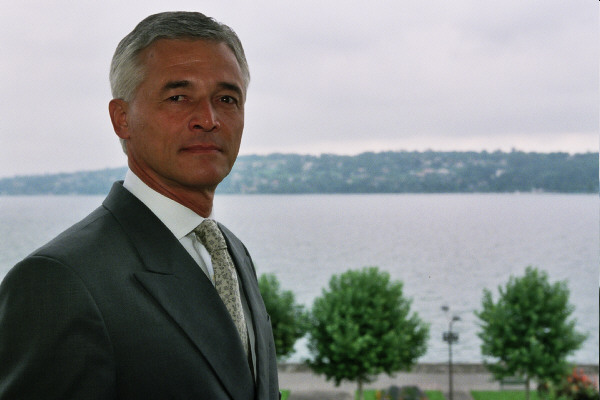
UN Secretary-General Antonio Guterres

It is not clear what governments at the UN can do. The Security Council has been blocked on many issues by the veto. The resolutions of the General Assembly are “recommendations” with little follow up in practice.

A 21-day ceasefire proposal has just been set out at the UN by France and the USA but rejected by Israel.

There may be some role for non-official mediation carried out by groups representing religious, academic, or charitable organizations. One advantage of non-official mediation is that all concerned are aware that such mediation is genuinely impartial seeking only a reduction of suffering caused by the conflicts. The disadvantage is that non-official mediators lack the resources, political, economic or military on which governmental mediators can draw.

It is certain that strong measures are needed to prevent escalation. Vision and creativity are important factors. The role of nongovernmental organizations in consultative status with the UN such as the AWC may be able to play a role in these dangerous times.

Prof. René Wadlow is President of the Association of World Citizens.
United Nations Calls for Action on Sudan Crisis

In Africa, Being a World Citizen, Conflict Resolution, Current Events, Human Rights, Humanitarian Law, International Justice, Solidarity, Sudan, The Search for Peace, United Nations, War Crimes, World Law on September 9, 2024 at 6:00 AM

By René Wadlow

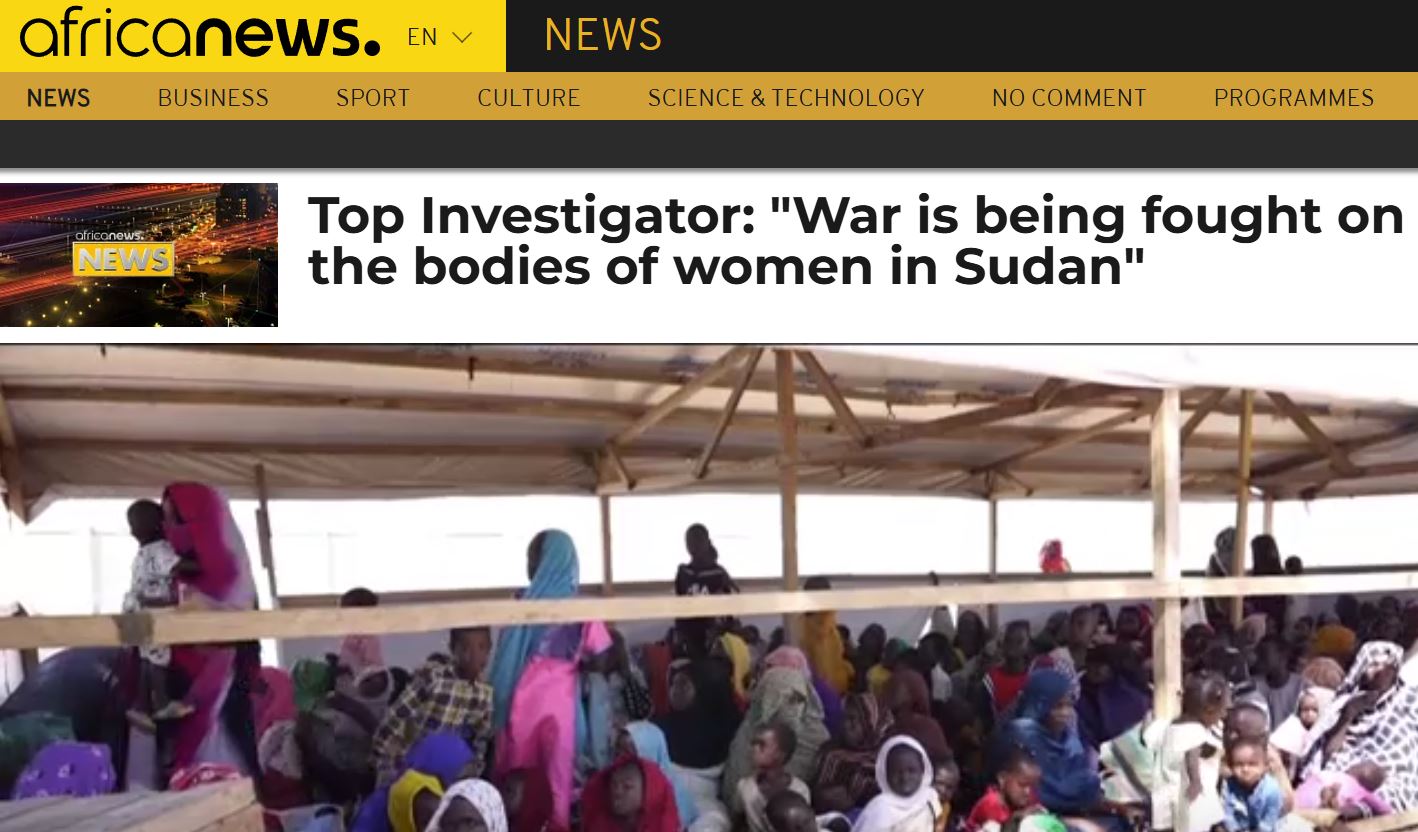
The United Nations (UN) Independent International Fact-Finding Mission for the Sudan chaired by Mohamed Chande Othman of Tanzania said, in its first Report of September 6, 2024, that Sudan’s warring parties, the Sudanese Armed Forces and the Rapid Support Forces as well as their respective militia allies, have committed an appalling range of human rights and international humanitarian law violations including indiscriminate airstrikes and shelling against civilians, schools, hospitals, and vital water services.

The current armed conflict which began on April 15, 2023 between two former allies is led, on the one side, by General Abdel Fattah Al Burham of the Sudanese Armed Forces and, on the other, by General Mohamed Hamdan Dagulo, known by his battle name of Hemedhi, of the Rapid Support Forces. The conflict, which has spread to 14 of the 18 provinces of Sudan, has killed and wounded tens of thousands of civilians, displaced nearly 8 million people and forced two million to flee to neighboring countries and beyond.

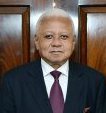
Mohamed Chamde Othman (C) U.S. Government

As the Fact-Finding Mission Report highlights, the warring parties targeted civilians through rape, sexual slavery and other forms of sexual violence, arbitrary arrest as well as torture and ill-treatment. Assaults have been carried out against ethnic minorities, in particular the Masalit in West Darfur.

The Fact-Finding Mission, mandated by the Human Rights Council in October 2023, carried out a wide range of discussions and interviews. As the Expert Member of the Mission Mona Rishmawi said, “These findings should serve as a wakeup call to the international community to take decisive action to support survivors, their families and affected communities and hold perpetrators accountable. A comprehensive approach to transitional justice is vital for addressing the root causes of the conflict and ensuring accountability.”

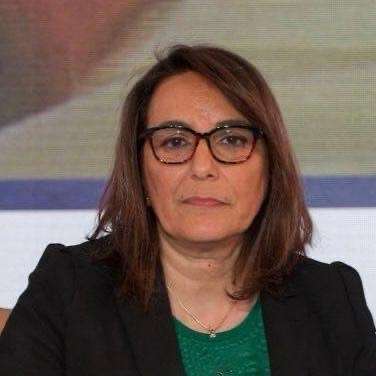
Mona Rishmawi

Efforts for a ceasefire and the start of negotiations by the Personal Envoy for the Sudan of the UN Secretary-General have led to no advances. Thus, wider action is needed. Mohamed Othman has said, “The international community must support the Sudanese aspiration for an inclusive and representative civilian government that respects the rights of all citizens, fostering a path toward equality, justice and sustainable peace in Sudan.” In light of the many difficulties, he has called for sending UN peacekeeping forces to Sudan. “Given the failure of the warring parties to spare civilians, it is imperative that an independent and impartial force with a mandate to safeguard civilians be deployed without delay. The protection of the civilian population is paramount, and all parties must comply with their obligations under international law and immediately and unconditionally cease all attacks on the civilian population.”

As the deployment of an independent and impartial force depends on the UN Security Council the focus for action shifts from the Human Rights Council to the Security Council. We appeal for vitally needed action now.

Prof. René Wadlow is President of the Association of World Citizens.
World Humanitarian Day: A Call for Creative Action

In Being a World Citizen, Conflict Resolution, Human Rights, Humanitarian Law, Middle East & North Africa, NGOs, Solidarity, The Search for Peace, Track II, United Nations, World Law on August 19, 2024 at 7:55 AM

By René Wadlow

The United Nations (UN) General Assembly has designated August 19 each year as “World Humanitarian Day” to pay tribute to aid workers in humanitarian service in difficult and often dangerous conditions. August 19 was designated in memory of the August 19, 2003 bombing of the UN office building in Baghdad, Iraq, in which Sergio Vieira de Mello, UN High Commissioner for Human Rights, and at the time Special Representative of the UN Secretary General, was killed along with 21 UN staff members. Over 200 UN employees were injured. The exact circumstances of the attack are not known, and why UN security around the building was not tighter is still not clear. A truck with explosives was able to drive next to the building and then blew itself up.

Sergio Vieira de Mello had spent his UN career in humanitarian efforts, often with the Office of the High Commissioner for Refugees and at other times as Special Representative of the UN Secretary General. As a Nongovernmental Organization (NGO) representative to the UN in Geneva and active on human rights issues, I knew him during his short 2002-2003 tenure as High Commissioner for Human Rights. Many of us had high hopes that his dynamism, relative youth (he was 54), and wide experience in conflict resolution efforts would provide new possibilities for human rights efforts. His death along with the death of others who had been Geneva-based was a stark reminder of the risks that exist for all engaged in humanitarian and conflict resolution work.

Sergio Vieira de Mello (C) UN Photo/Patrick Bertshmann

The laws of war, now more often called humanitarian law, have two wings. One wing, dealing with the treatment of medical personnel in armed conflicts, the military wounded, prisoners of war and the protection of civilians is set out in the Geneva (Red Cross) Conventions. The second wing, often called the Hague Conventions, limits or bans outright the use of certain categories of weapons. These efforts began at the Hague in 1900 and have continued with the recent limitations on land mines, cluster weapons and certain chemical weapons. The Association of World Citizens was one of the NGOs leading the campaign against cluster weapons.

The current situation concerning refugees and internally-displaced persons can also be considered as part of humanitarian law. To prevent and alleviate suffering, to protect life and health, and to ensure respect for the human person, these are the core values of humanitarian law which we strongly reaffirm on World Humanitarian Day.

Prof. René Wadlow is President of the Association of World Citizens.
World Court: Focus on Palestinian Territories

In Being a World Citizen, Conflict Resolution, Current Events, Humanitarian Law, International Justice, Middle East & North Africa, NGOs, Solidarity, The Search for Peace, Track II, United Nations, War Crimes, World Law on July 22, 2024 at 11:00 AM

By René Wadlow

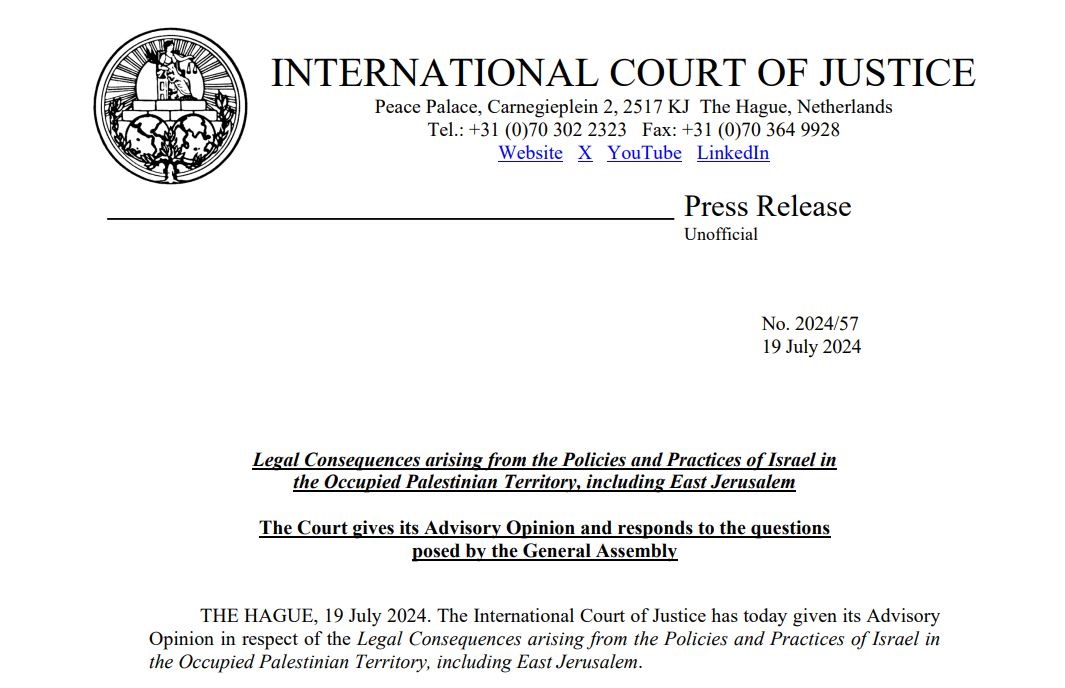
At a time when Palestinians in the Occupied West Bank and the Gaza Strip are under violent tensions, on July 19, the International Court of Justice (the World Court), published an Advisory Opinion, “Legal Consequences Arising from Policies and Practices of Israel in the Occupied Palestinian Territory Including East Jerusalem”. The request for an Advisory Opinion came from the United Nations (UN) General Assembly in 2023. The drafting by the World Court judges followed the oral hearings in February 2024 of the representatives of 50 States, the written statement of the Israeli authorities, and a voluminous dossier submitted by the UN Secretary-General on UN investigations and peacemaking efforts.

The international law framework concerns the standards set for the administration of occupied territories and the duties of an occupying power. The Advisory Opinion sets out the legal consequences for Israel, the legal consequences for other States, and the legal consequences for the UN.

(C) International Court of Justice

The Advisory Opinion does not offer new information. Nongovernmental Organizations (NGO), both in Israel and internationally, have documented in sad detail much of the violence against Palestinians, the destruction of homes by Israeli military forces, the increased presence of Israeli settlers in the West Bank, and many other forms of discrimination. The World Court considers this information reliable, and the information can serve as the basis of its deliberation without asking for new investigations.

The question which is now open is “What will be the consequences of the Advisory Opinion?” The World Court has no enforcement provisions for its decisions. The impact of the World Court depends for the most part on what national governments decide to do and on what pressure NGOs can develop. The tensions in the wider Middle East are real, and the Advisory Opinion may provide an impetus for action. The Association of World Citizens is devoted to strengthening international law and will follow these efforts with strong interest.

Prof. René Wadlow is President of the Association of World Citizens.
Sudan Conflict Grows Worse as UN Security Council Appeals Fall on Deaf Ears

In Africa, Being a World Citizen, Conflict Resolution, Current Events, Human Rights, Humanitarian Law, Middle East & North Africa, NGOs, Refugees, Spirituality, Sudan, The Search for Peace, Track II, United Nations, War Crimes on June 17, 2024 at 6:00 AM

By René Wadlow

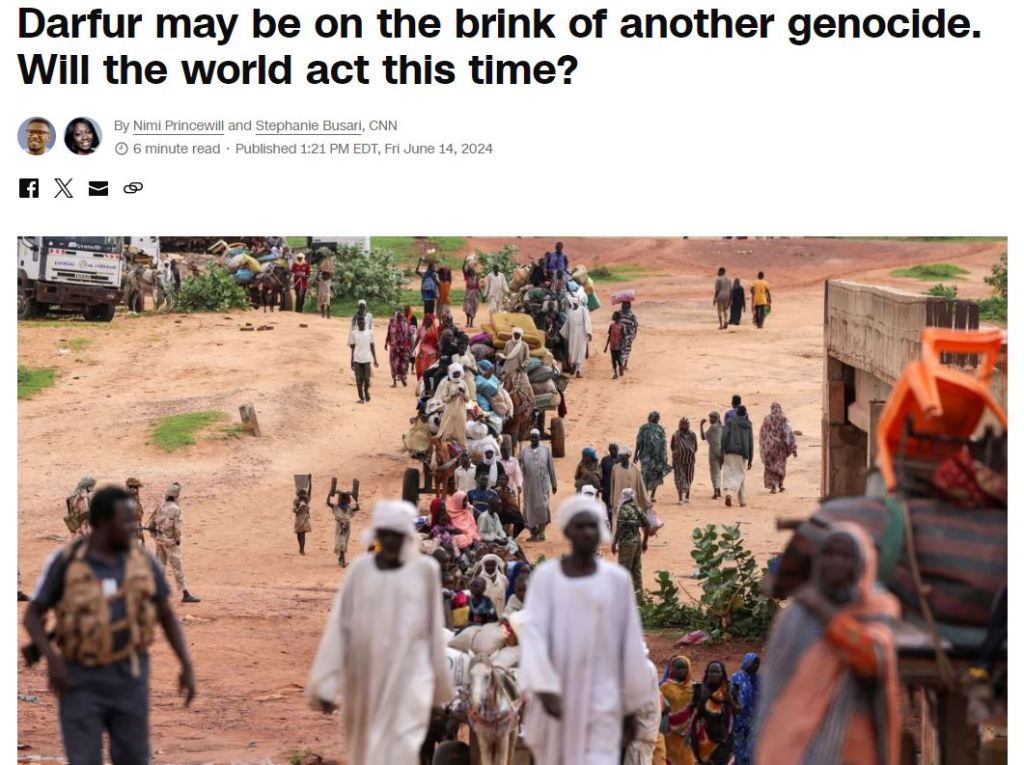
On June 13, 2024, the United Nations (UN) Security Council called for an end to the siege on El Fasher, the capital of the North Darfur Province of Sudan. The Council requested all parties to enable lifesaving aid to enter the city of El Fasher, the center of the most vicious fighting. The brutality of the fighting makes it impossible for aid workers to enter the city.

The civil war has gone on since April 2023 between the Rapid Support Forces led by General Mohamed Hamdan, known by his battle name of Hemedti, and the Sudanese Armed Forces led by General Abdul Fattah al-Burham. The fighting has led to some 15,000 persons being killed and 8 million displaced. The agriculture in the country is disorganized, and many people face acute hunger and, in some areas, famine.

Each of the two generals has created local militias which rob, torture, rape, and create conditions of disorder. Many of the militias use child soldiers in violation of UN treaties on the protection of children. Each of the two generals has opened the door to foreign fighters. There are Russian mercenaries which had been under the control of the Russian Wagner Group who had been fighting in Mali, Chad, Niger, and the Central African Republic. There are Ukrainian mercenaries who have come to fight the Russians.

It is difficult to understand the intensity of the current divisions represented by the two generals who had once been allies. The current divisions do not follow earlier fault lines in Sudan.

(C) Cable News Network

On behalf of the Association of World Citizens (AWC), I had been the first to raise in the UN Commission on Human Rights in 2004 the violent conditions in Darfur, Sudan, having been informed by a member of the UN Secretariat who was leaving the country and who could not speak out for himself. The violent conditions in Darfur were largely based on ethnic divisions linked to lifestyle differences between settled agriculturalists and cattle herders. There were also aspects of political divisions at the national level.

We kept in close contact with the Sudanese Mission to the UN in Geneva. Thus, the AWC was invited to be observers in the referendum which led to the creation of the State of South Sudan. The World Citizens had sent a team of observers.

Today, the suffering is real. Enlightened action is necessary. The conflictual situation requires close cooperation among humanitarian and peace nongovernmental organizations to see what is possible.

Prof. René Wadlow is President of the Association of World Citizens.
For a historic background on Darfur, see Julie Flint and Alex de Wall, Darfur: A Short History of a Long War (London: Zed Books, 2005).

International Criminal Court: Upholding International Humanitarian Law

In Being a World Citizen, Conflict Resolution, Current Events, Human Rights, Humanitarian Law, International Justice, Middle East & North Africa, NGOs, Solidarity, The Search for Peace, Track II, War Crimes, World Law on May 21, 2024 at 6:00 AM

By René Wadlow

Karim Khan, chief prosecutor for the International Criminal Court (ICC), on May 20, 2024 announced that he had formally applied for arrest warrants for leaders of the Israeli government and the political and military leaders of the Islamic Resistance Movement (Hamas) for war crimes and crimes against humanity as set out in the Rome Statute which created the ICC. The Israeli leaders are Prime Minister Benjamin Netanyahu, Defense Minister Yoav Gallant, and the Israeli Defense Force (IDF) Chief of Staff, General Herzi Halevi. The Hamas leaders are Yahya Sinwar, head of Hamas since 2017, Mohammed Diab Ibrahim Al-Masri, the Commander-in-Chief of the Al-Assam Brigades – the military arm of Hamas, and Ismail Haniyeh, head of Hamas’s Political Bureau based in Doha, Qatar.

The Israelis are accused of violations of international humanitarian law including starvation as a method of war including the denial of humanitarian relief supplies and deliberately targeting civilians. The Hamas leaders are said to be individually criminally responsible for the killing of Israeli civilians on October 7, 2023 and the taking of hostages.

(C) International Criminal Court

Karim Khan stated in an interview at the time of the announcement of the arrest warrants, “We must collectively demonstrate that international humanitarian law, the foundational baseline for human conduct during conflict, applies to all individuals and applies equally across the situations addressed by my Office and the Court. This is how we will prove, tangibly, that the lives of all human beings have equal value.”

The application for arrest warrants is the first step. The warrants must be approved by a panel of ICC judges which oversee such decisions. Israel is not a party to the Rome Statute of the ICC, but Palestine accepted its jurisdiction in 2015. The legal aspect of the next steps is complicated and need to be followed closely.

The Association of World Citizens has stressed that all elements of international humanitarian law must be safeguarded and charges of war crimes investigated.

Prof. René Wadlow is President of the Association of World Citizens.
Rafah, Gaza Strip: A Human Catastrophe in the Making

In Being a World Citizen, Conflict Resolution, Current Events, Human Rights, Humanitarian Law, Middle East & North Africa, NGOs, Solidarity, The Search for Peace, Track II, United Nations, World Law on May 9, 2024 at 5:00 PM

By René Wadlow

“I am disturbed and distressed by the renewed military activity in Rafah by the Israeli Defense Forces. Make no mistake – a full-scale assault on Rafah would be a human catastrophe,”

United Nations (UN) Secretary-General Antonio Guterres told reporters on May 7, 2024. The UN Office for the Coordination of Humanitarian Affairs reported that more than 35,000 Palestinians have been killed in the Gaza Strip, some 78,000 have suffered injuries, and nearly 2 million have been internally displaced. The number is rising as the ground invasion of Rafah begins.

(C) UN Geneva on Instagram

The UN Human Rights Council Special Rapporteurs have painted a grim picture of the disproportionate level of suffering experienced by girls and especially pregnant women in Gaza. “The treatment of pregnant and lactating women continues to be appalling with the direct bombardment of hospitals and the deliberate denial of access to health care facilities by Israeli snipers, combined with the lack of beds and medical resources placing an estimated 50,000 pregnant Palestinian women and 20,000 newborn babies at unimaginable risk.”

Many of these military actions are in direct violation of International Humanitarian Law as set out in the Geneva Conventions of August 12, 1949 and the Protocol Additional adopted in 1977. In order to meet new situations, International Humanitarian Law (IHL) has evolved to cover not only international armed conflicts but also internal armed conflicts. IHL prohibits the indiscriminate killing of civilians, the holding of hostages, and the destruction of medical and educational infrastructure.

The Association of World Citizens stresses the importance of IHL as a vital part of world law that will replace unilateral actions by States based on narrow domestic political considerations. The standards of IHL require political will if they are to function effectively. Thus, nongovernmental action on the Gaza Strip armed conflict is urgently needed.

Prof. René Wadlow is President of the Association of World Citizens.
The Uprooted

In Being a World Citizen, Current Events, Europe, Human Rights, Humanitarian Law, Middle East & North Africa, Migration, NGOs, Refugees, Solidarity, The former Soviet Union, The Search for Peace, UKRAINE, United Nations, World Law on April 30, 2024 at 6:00 AM

By René Wadlow

Increasing numbers of people in countries around the world have been forced from their homes by armed conflicts and systematic violations of human rights. Those who cross internationally recognized borders are considered refugees and are relatively protected by the refugee conventions signed by most states. The 1951 Convention Relating to the Status of Refugees and its 1967 protocol give the United Nations (UN) High Commissioner for Refugees an international legal basis to ensure the protection of refugees.

However, those who are displaced within a country as is the case currently for many in the Gaza Strip and in Ukraine are not protected by the international refugee conventions. Thus, displacement within a State poses a challenge to develop international norms and ways to address the consequences of displacement and the possibility to reintegrate their homes, though in the case of Gaza many of the homes have been destroyed.

Refugees from Ukraine arrive in Poland (C) European Union

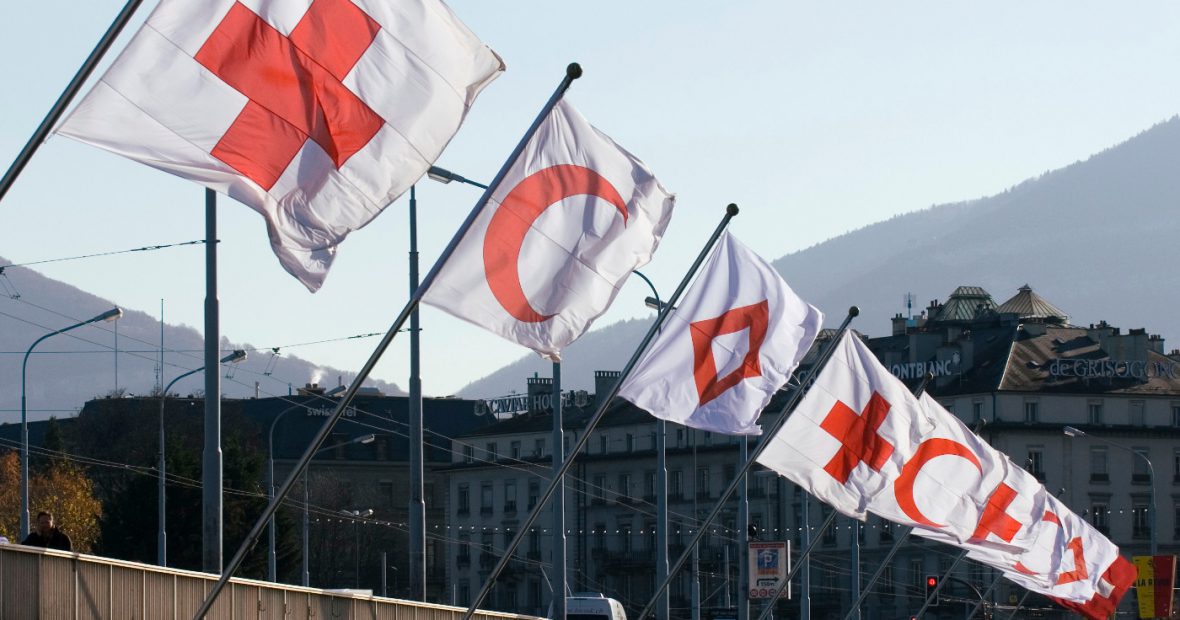
Armed conflicts within States often reflect a crisis of identity within the State. This can occur when a State becomes monopolized by a dominant group to the exclusion or marginalization of other groups. There is a need to provide protection and assistance to the uprooted. The UN High Commissioner for Refugees has been able to act in some cases as has been true also for the International Committee of the Red Cross (ICRC) which is mandated to protect civilians in war zones. The obligation to assist populations in immediate danger of starvation is largely recognized, and the UN World Food Program has been able to act. In some cases, nongovernmental humanitarian agencies have been able to be active. However, each situation requires new negotiations and results differ.

Thus, what is essential is that there be predictable responses in situations of internal displacement and that attention be paid not only to material assistance but also to the human rights of those displaced. To be effective, strategies to address mass displacement need to be broad and comprehensive. There is a need for political initiatives that seek to resolve the conflicts as the consequences often involve neighboring countries. Efforts must engage local groups, national institutions, and Nongovernmental Organizations (NGOs) to prevent situations that lead to persons being uprooted. As the representatives of NGOs, we have an opportunity to discuss with other NGOs the most appropriate next steps for action.

Prof. René Wadlow is President of the Association of World Citizens.
Rwanda Genocide: The Lasting Consequences of Armed Violence

In Africa, Being a World Citizen, Conflict Resolution, Current Events, Fighting Racism, Human Rights, Humanitarian Law, International Justice, Refugees, Solidarity, The Search for Peace, United Nations, War Crimes, World Law on April 12, 2024 at 6:00 AM

By René Wadlow

On April 7, 2024, Paul Kagame, President of Rwanda, lit the memorial flame of the monument to the victims of the 1994 genocide during which some 800,000 persons, mostly ethnic Tutsi, were killed. In 1994, Paul Kagame was the head of a Tutsi-led militia, the Rwanda Patriotic Front, which put an end to the massacres in Rwanda. Many of the Hutu-led governmental forces of 1994 fled to what is today the Democratic Republic of Congo, where there were already established Hutu communities. Ethnic-tribal frontiers do not follow the same frontiers as those created by the colonial powers.

During the colonial period and also since independence, when speaking of Rwandan politics, politics was described as a struggle between Tutsi and Hutu. However, the conflictual cleavages were more complicated. There were a good number of “mixed marriages” between Tutsi and Hutu. Nevertheless, in times of tension, political leaders played upon the Hutu-Tutsi divide.

In 1994, as soon as Kagame’s forces took control of the capital, Kigali, he declared himself president and has held power since. His emphasis has been on economic stability, the development of tourism and the creation of an effective civil service. Because of the 1994 genocide, Rwanda has received a good deal of foreign aid and support. However, some 70 percent of the population are still in the rural areas and farm small plots of land.

A symbolic tombstone in memory of the Tutsi victims of the Rwandan genocide at the Père Lachaise cemetery in Paris, France (C) Pierre-Yves Beaudouin / Wikimedia Commons / CC BY-SA 4.0

The entry of Hutu militias into the Democratic Republic of Congo when defeated in Rwanda added to an already complicated situation in the administrative provinces of North and South Kivu. In mid-1994, more than one million Rwandan Hutu refugees poured into the Kivus. Many of these Hutu were still armed; among them were the “génocidaires” who, a couple of months earlier, were killing Tutsi and moderate Hutu. The “génocidaires” continued to kill Tutsi living in the Congo, many of whom had migrated there in the eighteenth century.

The people in eastern Congo have lived together for several centuries and had developed techniques of conflict resolution especially between the two chief agricultural lifestyles – that of agriculture and that of cattle herding. The Hutu were farmers and the Tutsi cattle raisers. However, a desire of others to control the wealth of the area – rich in gold, tin, and tropical timber – overburdened the local techniques of conflict resolution and opened the door to new negative forces interested only in making money and gaining political power. The inability to deal with land tenure and land use issues, the lack of social services and socio-economic development created the conditions which led to multiple forms of violence.

Land tenure issues have always been complex. Land is often thought of as belonging to the ethnic community and is given to clans or to individuals for their use, sometimes for a given period, sometimes for several lifetimes if the land is cultivated. The rules of land tenure often differ from one ethnic group to another even a small distance apart. Traditionally clan chiefs would be called upon to settle land disputes. However, with the large displacement of people, land disputes have become more frequent, and clan chiefs have often disappeared or lost their function as judges.

Into this disorder, in 1999, the United Nations (UN) sent peacekeepers but there was no peace to keep. The UN Stabilization Mission in the Democratic Republic of Congo (MONUSCO) was the largest of the UN peacekeeping forces, currently some 2,000 military, 180 police, and 400 civilian administrators.

Troops with the Ghanaian Battalion of MONUSCO marking their medal presentation day in Kinshasa on October 19, 2017 (C) MONUSCO Photos

The States which have provided the bulk of the UN forces in the Congo – India, Pakistan, Bangladesh, and Nepal – have other worries and few cultural affinities. Thus, these States have made no large effort to call world attention to the eastern Congo and to the very difficult situation the soldiers face. UN troops are not trained to deal with complex cultural issues – especially land tenure and land use issues which are the chief causes of the conflicts.

Thus, there is a popular frustration at the ineffectiveness. The troops are popularly called “tourists” who only watch what is going on. Despite the UN troops, there have been large-scale occurrences of violation of human rights and humanitarian law by all the many parties in the conflict with massive displacement of population, plundering of villages, systematic rape of women, summary executions and the use of child soldiers. Thus, the newly elected President, Felix Tshisekedi, has asked the UN to remove all its troops by the end of 2024. Troops are currently being removed.

One of some 200 armed groups in eastern Congo, the M23, is said to be backed by Rwanda, although the Rwanda government denies this. Today, there is a security vacuum, and the military of the Democratic Republic of Congo will have difficulty to create stable socioeconomic structures. Thus, the 1994 genocide is a stark reminder that violence has long range consequences.

Prof. René Wadlow is President of the Association of World Citizens.