By René Wadlow
As Citizens of the World, we highlight the need for increased cooperative peacebuilding to meet the deep divisions in the World Society.
At the end of 2026, a new Secretary-General of the United Nations (UN) is to take the post, at a time when intergovernmental cooperation is weak. Major governments which have a veto in the selection process are themselves engaged in violent armed conflicts.
The UN is a vital agent in cooperative peacebuilding. Kofi Annan, a former Secretary-General, has set out the tasks. “A global civilization must be defined by its tolerance of dissent, its celebration of cultural diversity, its insistence on fundamental, universal human rights, and its belief in the right of people everywhere to have a say in how they are governed.”
The UN represents an internationally agreed upon international legal system – an important element in the pursuit of human betterment.
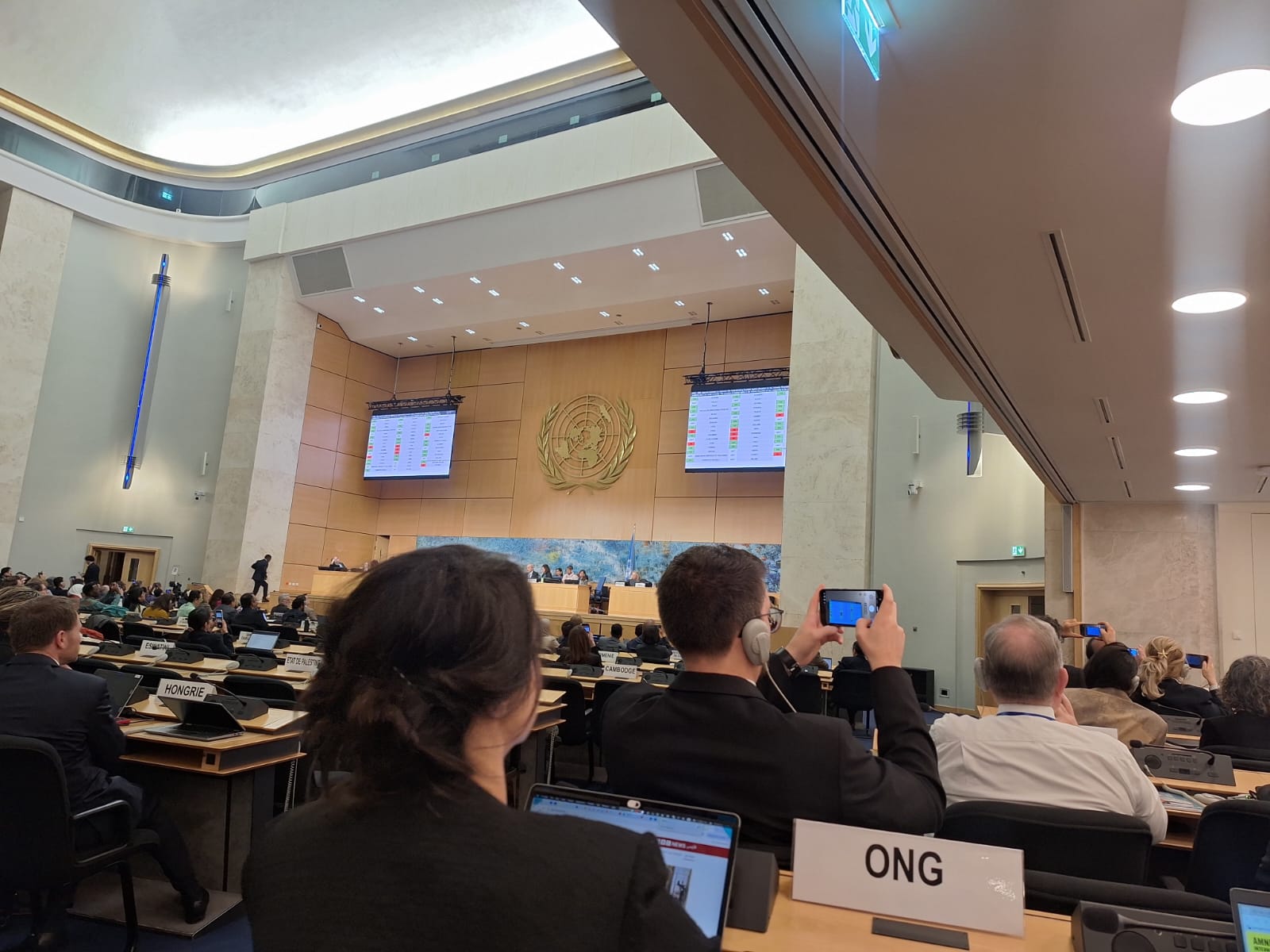
Nongovernmental Organizations (NGOs) play an important role in cooperative peacebuilding. Many NGOs, such as the Association of World Citizens (AWC), have a cosmopolitan vision that humanity will transcend national boundaries and establish a global society. Today, we see the rise of a new spirit of liberty throughout the world. The old structures of oppression and domination are crumbling – those of caste, class, gender and narrow nationalism. These structures and outdated values are being replaced by the values of equality, respect and cooperation. NGO influence comes from developing networks of membership and activities that cross national state boundaries. NGOs can bring to the UN the often-silenced voices of persons marginalized or oppressed.
NGOs can undertake dialogues on peace-building efforts when governmental diplomats refuse to speak to each other. Such NGO dialogues keep a door open for understanding and cooperation and can develop a shared perspective.
As Citizens of the World, we know that we are at the growing edge of change. We work for the creation of a cosmopolitan, humanist society. Courageous leaders using skillful means are needed to seize the opportunities to change things for the better. As Lord Keynes said, “The real difficulty in changing any enterprise lies not in developing new ideas but in escaping from old ones” – in this case narrow nationalism and a willingness to use armed conflict to advance one’s aims. The transition from a national-focused consciousness to an all-inclusive world society will change the quality of interpersonal and inter-group relations. There is a need to evoke new attitudes of compassion and personal fulfillment, and plenitude. We must dare to meet the future with a creative spirit and an open mind to understand the next phase in human evolution.
Today, we all face important choices. We can move forward with structures of cooperation and integration, or we can retreat into a world sharply divided along age-old divisions of State and tribe, race and religion. As World Citizens, we stress the unity of humanity. Therefore, we need to use our capacities in a creative way to help resolve armed conflicts, reduce regional tensions, and promote human rights.
Prof. René Wadlow is President of the Association of World Citizens.

