The Official Blog of the

Day of Hope

In Being a World Citizen, Nonviolence, Solidarity, Spirituality, The Search for Peace, Track II, United Nations on July 12, 2025 at 7:00 AM

By René Wadlow

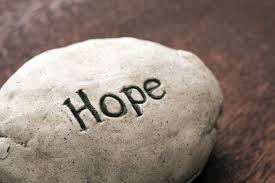
July 12 has been set by the United Nations (UN) General Assembly as the International Day of Hope to be celebrated each year as a moment of light in dark times. Hope is a powerful force for positive change and for a brighter future. Hope is an important element in developing a culture of peace. Hope helps us to overcome the serious challenges which face the world society.

The Association of World Citizens was among those working with progressive governments so that on March 4, 2025, the UN General Assembly voted to set July 12 each year as the Day of Hope. Hope must, of course, be translated into action. However, at this time when many felt hopeless in the light of armed violence and wide-spread violations of human rights, a day devoted to hope agreed to by such a large number of countries is a sign of common efforts for progress.

Hope can be encouraged by programs in schools and cultural centers – a possibility for creative action by all of us.
Prof. René Wadlow is President of the Association of World Citizens.
South Sudan: Continued Disintegration

In Africa, Being a World Citizen, Conflict Resolution, Current Events, Humanitarian Law, NGOs, Solidarity, The Search for Peace, Track II, United Nations, World Law on June 5, 2025 at 11:00 AM

By René Wadlow

On May 23, 2025, the United Nations (UN) High Commissioner for Human Rights, Volker Türk, gave a stark warning about the rapidly deteriorating human rights situation in the state of South Sudan. He stated that, “The escalating hostilities in South Sudan portend a real risk of further exacerbating the already dire human rights and humanitarian situation.” It is estimated that some 125,000 persons have been displaced within the country between March and mid-April 2025. In addition, there are refugees present fleeing the armed conflict in the state of Sudan. South Sudan is filled with arms from the long years of civil war: 1956-1972 and 1982-2005 between the north – largely Muslim and Arabized and the south which followed traditional tribal religions with southern leaders largely Christian. In 2011, there was a referendum in which southern Sudan voted to become the independent state of South Sudan. The Association of World Citizens was among the Nongovernmental Organizations (NGOs) observing the independence referendum.

Since independence, political life has been structured by the tensions between the President, Salva Kiir, and the Vice-president, Rick Machar. There was an armed conflict between the two from December 2013 and August 2015 in which many persons were killed. There were multiple violations of international humanitarian law and human rights abuses. In addition to the forces under the control of the two political leaders, there are a host of armed militias usually based on ethnic-clanic structures.

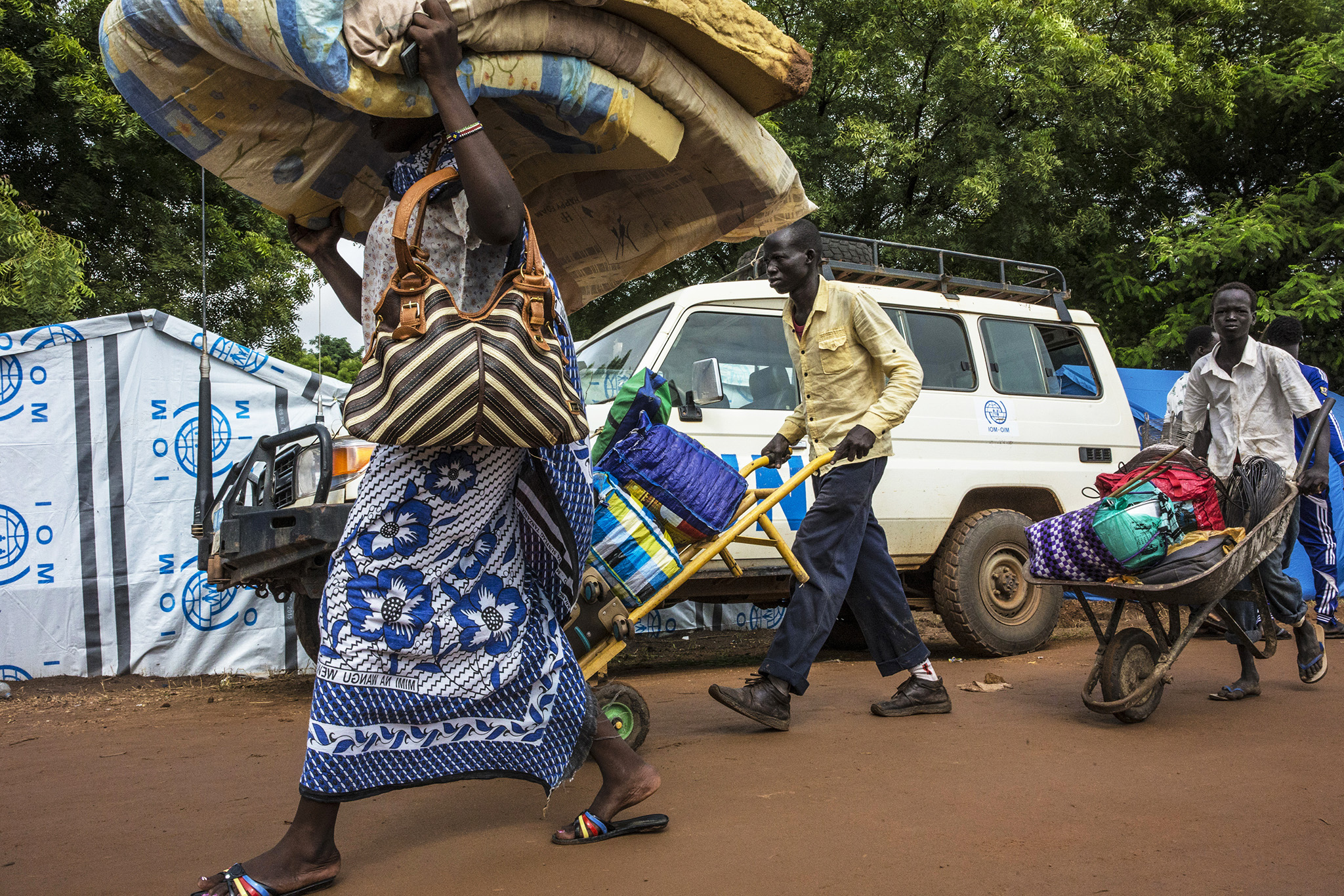
In July 2016, internally displaced persons in Juba, the capital of South Sudan, relocating to a cleaner, drier location across town, under the protection of the United Nations Mission in South Sudan (UNMISS).
(C) Isaac Billy/UN Photo

The UN and the African Union have made efforts to reach peace agreements among the parties, but the provisions of the peace agreements have not been put into practice. There is a lack of trust on all sides. It is difficult to see how progress can be made given the intensity of the resentments. There is no doubt a need for new leadership, but there are no signs of any leaders leaving the scene. Elections are not in the style of the country. South Sudan is a situation which merits observation and reconciliation efforts when possible.

Prof. René Wadlow is President of the Association of World Citizens.

India-Pakistan Ceasefire: Negotiations Now Needed

In Asia, Being a World Citizen, Conflict Resolution, Current Events, NGOs, Nonviolence, Nuclear weapons, Peacebuilding, Solidarity, The Search for Peace, Track II, United Nations, World Law on May 13, 2025 at 7:30 AM

By René Wadlow

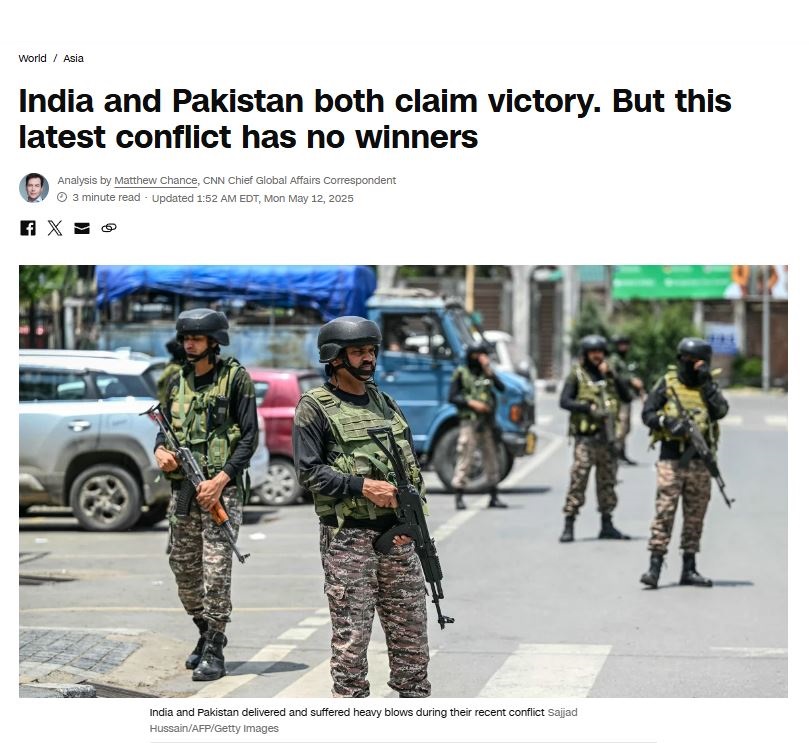
After the April 22 attack and death of 26 Indian tourists at Pahalgam in the Indian-administered area of Kashmir, tensions between India and Pakistan grew quickly. Pakistan was accused by India of backing the terrorists who had carried out the attack – a charge which Pakistan denied. Prime Minister Narendra Modi gave the Indian military “complete operational freedom”. A combination of bellicose rhetoric, domestic pressures, and political agitation led to daily exchanges of armed fire, and the shooting down of Indian jet fighters. The frontiers between the two countries were closed and diplomats withdrawn. The dangers of escalation between the two nuclear-armed countries were obvious to many.

Fortunately, outside voices called for an immediate ceasefire: U.S. President Donald Trump and his Secretary of State Marco Rubio, Antonio Guterres, Secretary-General of the United Nations (UN), and some member governments of the UN Security Council which met in closed session, as well as a good number of Nongovernmental Organizations (NGOs) involved in conflict resolution efforts such as the International Peace Bureau and the Association of World Citizens (AWC). One must now strive so that the ceasefire will hold.

The next step is to facilitate negotiations between the Indian and Pakistani governments. A first step is to create a number of confidence-building measures so that the ceasefire holds. Then there is a need to develop longer-range negotiations. There are a good number of outstanding issues, such as Kashmir, which go back to the founding of the two countries.

It may be that the current steps back from the nuclear brink will drive home the need for serious negotiations. NGOs in both India and Pakistan may help to see on what issues progress may be made. Those of us on the outside must do all we can to facilitate creative dialogue between Indians and Pakistanis.

Prof. René Wadlow is President of the Association of World Citizens.