By René Wadlow
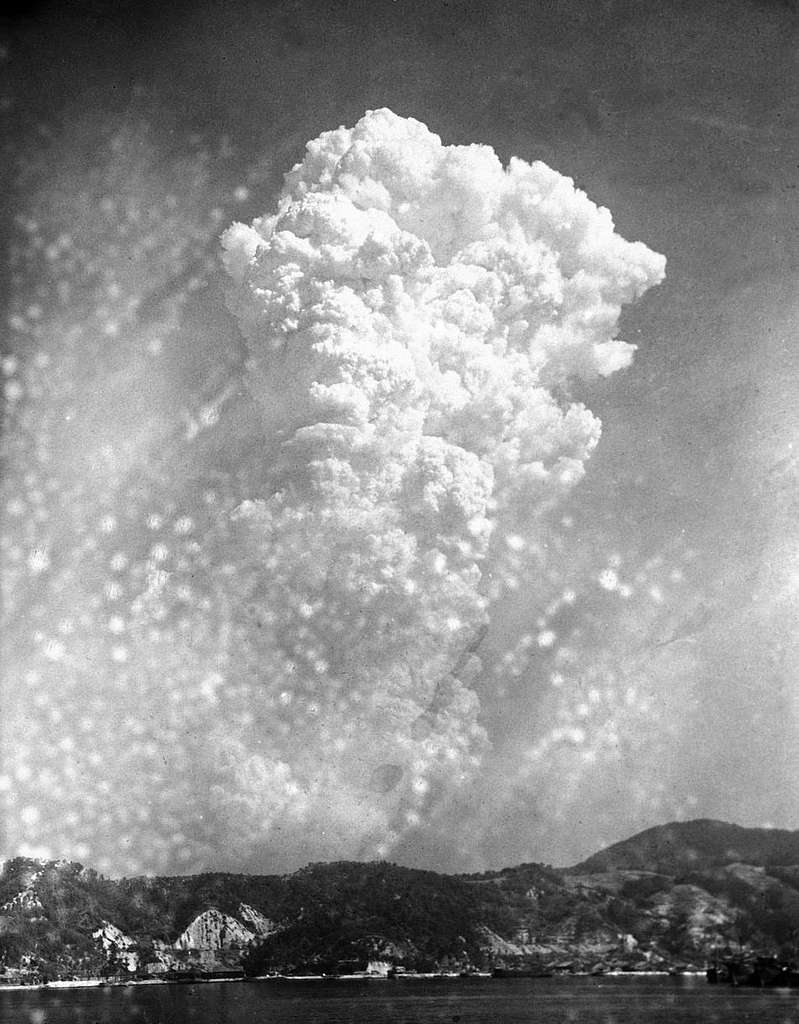
Government representatives and some Nongovernmental Organizations (NGOs) are participating from July 22 to August 2, 2024 in Geneva, Switzerland in the Preparatory Session for the Review Conference on the Treaty on the Nonproliferation of Nuclear Weapons. As the political and strategic situation in the world can evolve over time, the Treaty on the Nonproliferation of Nuclear Weapons (NPT) had as one of its provisions (Article VIII) that a review conference be held every five years to judge the situation and to see if new elements should be added. At the end of each Review a “Chairman’s Statement” must be agreed upon by all the States present.
The NPT, which had taken 10 years to negotiate, was proclaimed in 1970, and the first Review Conference was held in Geneva in 1975. As the Review Conference was a meeting of the States Party to the Treaty and not a regular United Nations (UN) disarmament negotiation, NGO representatives had more opportunity for interaction with governments. NGO texts were considered as “official documents” and were printed and distributed by the conference secretariat. I was asked to chair the group of NGO participants, which I did both in 1975 and 1980. As a result of my chairing the NGOs at the 1975 Review, I was invited to Moscow to discuss with Soviet military and arms control specialists. I have remained concerned with the issues ever since.
Each Review Conference has been concerned with the three fundamental aspects of the Treaty: non-proliferation, promotion of the peaceful uses of nuclear energy, and the disarmament initiatives of the five nuclear-weapon States when the Treaty was signed: the USA, USSR, the United Kingdom, France, and China as set out in Article VI.
To make matters more complicated but politically realistic, the policies of nuclear-weapon States which have not signed the NPT – India, Pakistan, Israel, North Korea – color the discussions of each Review. Iran is a State Party to the NPT, but questions have been raised about the effectiveness of the control of the International Atomic Energy Agency (IAEA) on Iran’s peaceful nuclear activities and if nuclear material is being enriched to weapon-production levels.

The nuclear weapons of Israel and their meaning for Middle East policies have long been “an elephant in the room” – too large not to notice but too dangerous to deal with if anything else in the Review process is to be done. In 1995, there was an annex to the final Chairman’s Statement of the Review proposing that a conference on a potential nuclear-weapon-free Middle East should be called. In practice, “the time was never ripe”, but the concept is still there.
The concept of nuclear-weapon-free zones has been an important concept in disarmament and regional conflict-reduction efforts. A nuclear-weapon-free zone was first suggested by the Polish Foreign Minister, Adam Rapacki, at the UN General Assembly in October 1957 – just a year after the crushing of the uprising in Hungary. The crushing of the Hungarian revolt by Soviet troops and the unrest among Polish workers at the same time showed that the East-West equilibrium in Central Europe was unstable with both the Soviet Union and the USA in possession of nuclear weapons, and perhaps a willingness to use them if the political situation became radically unstable. The Rapacki Plan, as it became known, called for the denuclearization of East and West Germany, Czechoslovakia and Poland.
The Plan went through several variants which included its extension to cover reduction of armed forces and armaments, and as a preliminary step, a freeze on nuclear weapons in the area. The Rapacki Plan was opposed by the NATO powers, in part because it recognized the legitimacy of the East German State. It was not until 1970 and the start of what became the 1975 Helsinki Conference on Security and Cooperation in Europe (CSCE) that serious negotiations on troop levels and weapons in Europe began. While the Rapacki Plan never led to negotiations on nuclear-weapon policies in Europe, it had the merit of restarting East-West discussions which were then at a dead point after the Hungarian uprising.
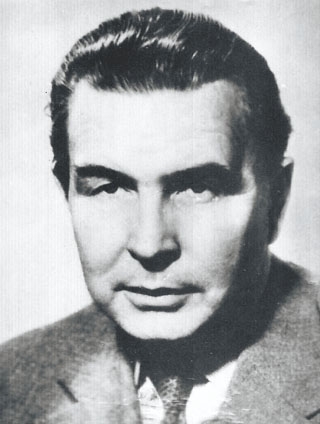
The first nuclear-weapon-free zone to be negotiated – the Treaty of Tlatelolco – was a direct aftermath of the Cuban missile crisis of October 1962. It is hard to know how close to a nuclear exchange between the USA and the USSR the Cuban missile crisis was. It was close enough so that Latin American leaders were moved to action. While Latin America was not an area in which military confrontation was as stark as in Europe, the Cuban missile crisis was a warning that you did not need to have standing armies facing each other for there to be danger.
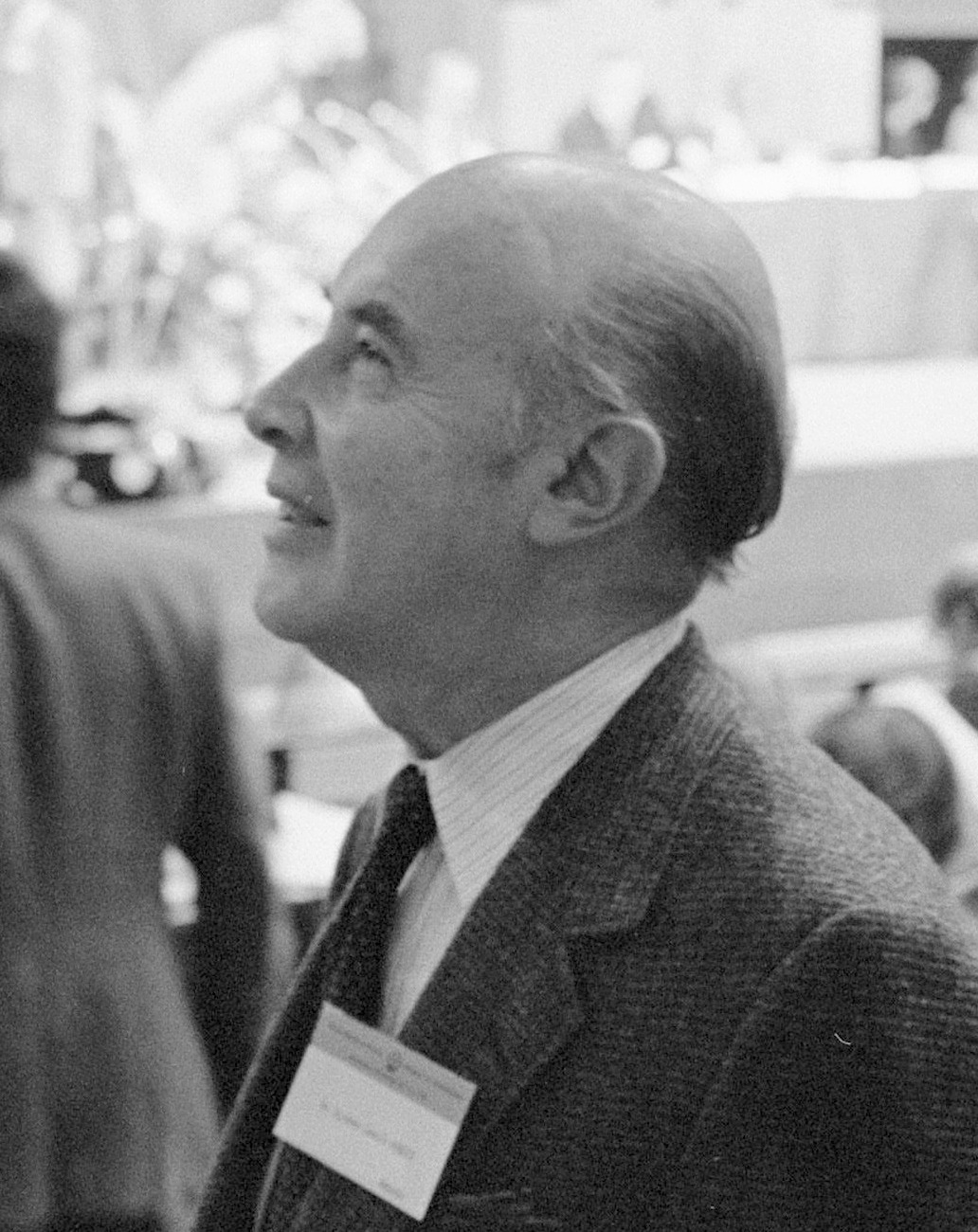
Mexico, under the leadership of Ambassador Alfonso Garcia-Robles at the UN, began immediately to call for a denuclearization of Latin America. There were a series of conferences, and in February 1067 the Treaty for the Prohibition of Nuclear Weapons in Latin America was signed at Tlatelolco, Mexico. For a major arms control treaty, the Tlatelolco was negotiated in a short time, due partly to the fear inspired by the Cuban missile crisis but especially to the energy and persistence of Garcia-Robles and the expert advice of William Epstein, the UN’s Director of Disarmament Affairs. The Treaty established a permanent and effective system of control which contains a number of novel and pioneering elements as well as a body to supervise the Treaty.
On September 8, 2006, the five States of Central Asia – Kazakhstan, Kyrgyzstan, Uzbekistan, Tajikistan, and Turkmenistan – signed a treaty establishing a nuclear-weapon-free zone. The treaty aims at reducing the risk of nuclear proliferation and nuclear-armed terrorism. The treaty bans the production, acquisition, deployment of nuclear weapons and their components as well as nuclear explosives. Importantly, the treaty bans the transportation of nuclear weapons as both Russia and the USA have established military airbases in Central Asia where nuclear weapons could have been placed in times of crisis in Asia.
It is an unfortunate aspect of world politics that constructive, institution-building action is usually undertaken only because of a crisis. Perhaps the growing pressures in the Middle East could lead to concerted leadership for a Middle East nuclear-weapon-free zone. The IAEA has the technical knowledge for putting such a zone in place. Now there needs to be leadership from within the Middle East as well as from the broader international community. There are urgent needs for new common security approaches.
Prof. René Wadlow is President of the Association of World Citizens.
 Association of World Citizens