By René Wadlow
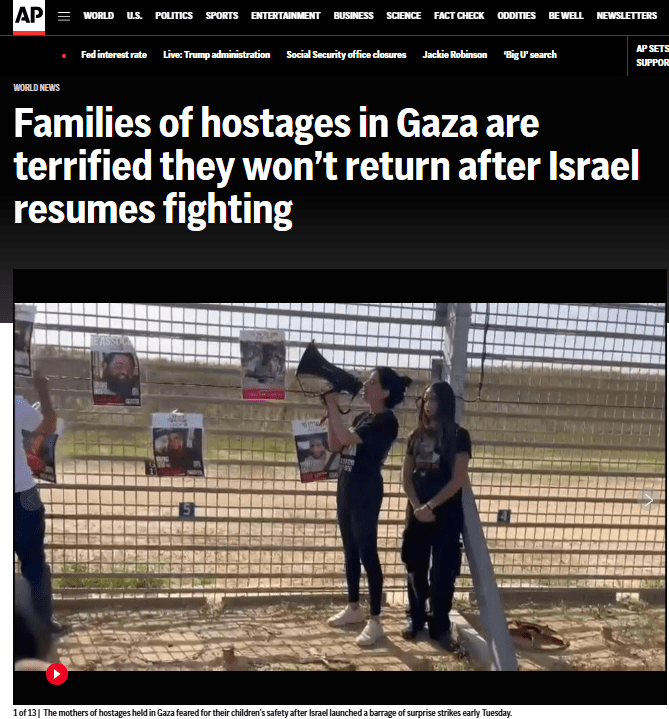
On March 18, 2025, Israeli airstrikes across the Gaza Strip killed over 400 Palestinians, including women and children, and wounding more than 500, ending a ceasefire which had begun on January 19, 2025.
Prime Minister Benjamin Netanyahu resumed the fighting pointing to Hamas’s unwillingness to release the remaining hostages. He has long insisted that attacks on the Gaza Strip would continue until Hamas is destroyed. He has indicated that the March attack was only the beginning. Some analysts see renewed combat as imminent with the conditions of life in the Gaza Strip, already bad, getting worse. Violence among Palestinians and Israeli Jewish settlers on the West Bank also seems to be growing. In such a negative atmosphere, are negotiations possible?
With no progress in government-led talks, are Track Two discussions a way to advance?
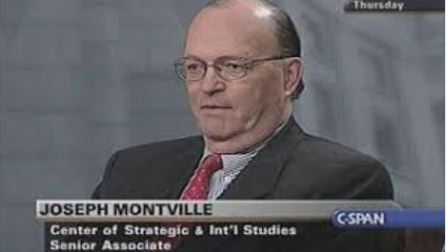
The phrase “Track Two” was coined in 1982 by Joseph Montville of the United States (U.S.) Foreign Service Institute to describe methods of diplomacy that are outside the formal diplomatic system but with people in middle-level-leadership positions who have skills of negotiation and compromise. Track Two provides a type of flexibility not available in formal governmental settings. Track Two are discussions held by non-officials of conflicting parties in an effort to clarify outstanding disputes and to explore the options for resolving them in settings that are less sensitive, less structured, and with less media attention than those associated with official negotiations. The non-officials involved usually include scholars, senior journalists, former government officials, retired military officers, and businesspeople. Depending on the aims and the styles of these meetings, the profile and expertise of Track Two participants will differ.
With governmental negotiations at a standstill, the Association of World Citizens (AWC) has suggested the possibility of Track Two efforts to see on what issues negotiations might be possible. As an earlier AWC proposal stated,
The role of Track Two dialogues can be modest. The goal is not to change the basic views or philosophies of the participants. The goal is that the decisions of participants on crucial issues will be made with finer perceptions of the views and intentions of others.
National political leaders often have a short attention span for issues unless there are strong domestic reasons for remaining involved. Therefore, World Citizens need a longer-range vision and must be willing to take measures which do not give immediate results. However, each effort helps to build an infrastructure of people used to discussion and clear communication. For World Citizens, Track Two approaches are infused with a vision of the good society with an emphasis on human development, and a broadly-based civil society.
Prof. René Wadlow is President of the Association of World Citizens.
Of related interest:
 Association of World Citizens