By René Wadlow
The United Nations (UN) Charter begins with the promising words “We the Peoples…”. However, thereafter the peoples’ voice fades and that of governments takes over. Yet today, Nongovernmental Organizations (NGOs) with consultative status with the UN play an effective role in shaping global policy. Many NGOs are transnational with members in different countries and cultures. This is one of their strengths and helps the UN to serve better all peoples.
For NGOs, there is a need to look outside the framework of the existing UN system to grasp the importance of new issues. This was the case in the late 1960s when some NGOs began to raise the issue of the environment and ecological protection before these issues were on the governmental agenda for action. Today, such an issue is the increasing amount of rural productive land that is falling under the control of urban elites, sometimes urban elites in other countries. Landownership inevitably deals with the distribution of power within a society. No development project, no matter how small or how technical, is without an impact on the distribution of power. A new well dug in a village is not simply an added social service. The new well calls into question the power of those who controlled access to water prior to digging the new well.
Although in many countries there are unions of agricultural workers, peasant leagues, agricultural cooperatives, and rural credit unions, it is nevertheless generally true that rural organizations have rarely achieved the degree of national power that has been reached by industrial workers’ unions.
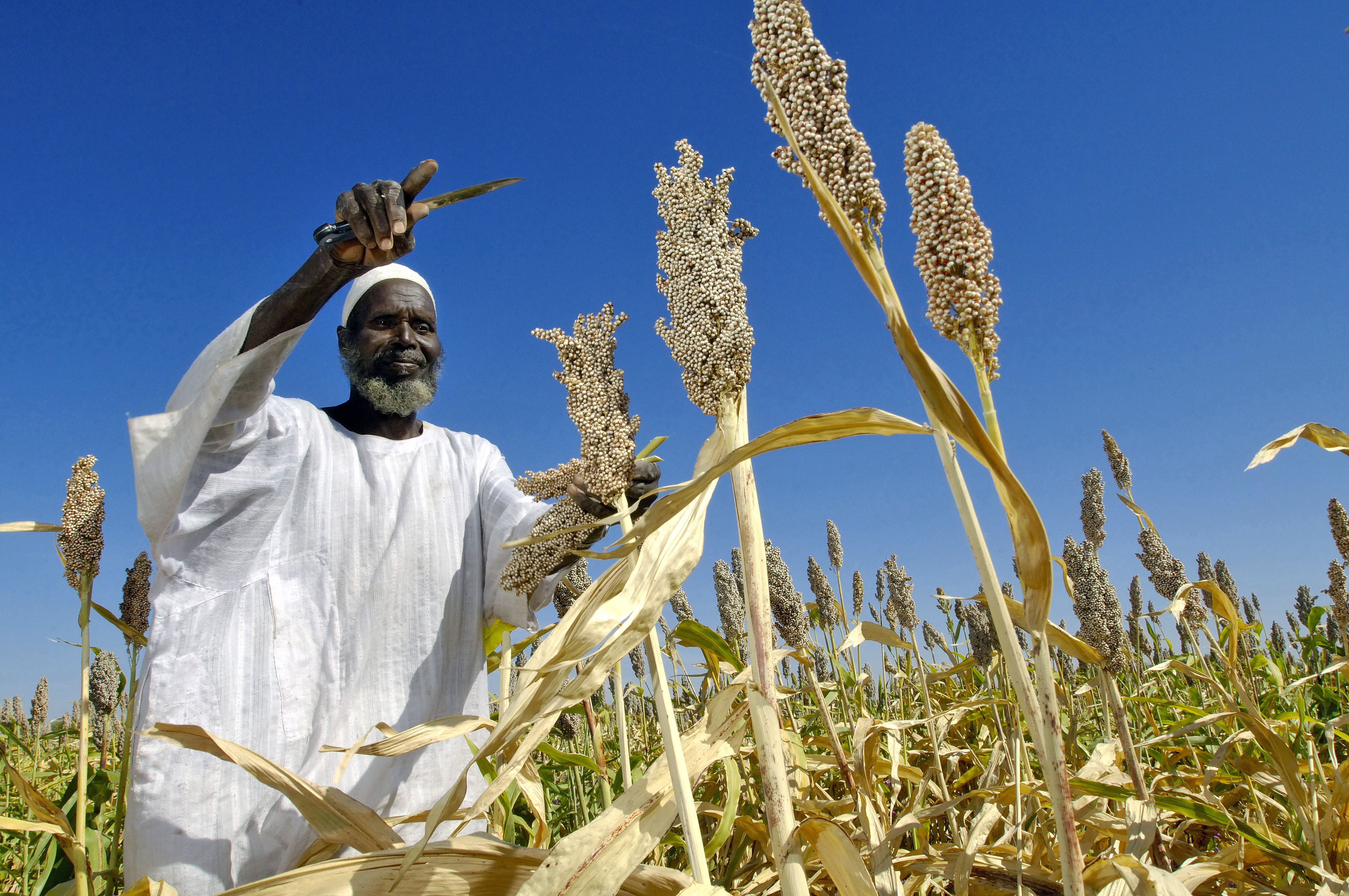
One answer to why the rural poor stay poor is that they are rarely well organized. Especially the least powerful among the rural poor – the tenant farmers, the landless laborers, the untouchables, the members of tribal societies – are the least well organized, the most easily divided and blocked. The economic and political power structure in many countries does not encourage the active participation of small, marginal farmers and rural workers. If measures are not taken to facilitate the peaceful participation of the rural poor, it is likely that the rural poor will turn to armed violence.
It is true that nonviolent techniques have been used to organize the powerless in rural areas. One of the first actions of Mahatma Gandhi on his return to India from South Africa was to investigate and then mediate the struggle of the rural indigo pickers. Cesar Chavez was a leading advocate of nonviolence in his efforts to organize agricultural workers in the western United States. In Sri Lanka, the Sarvodaya movement has applied Buddhist values of compassion to construct a social and economic infrastructure based on a strong community spirit.
The role of the marginalized in rural areas is not a new problem but it is one that has not received the attention it deserves. NGOs can help to focus on the issue within the UN system and so advance reform measures.
Prof. René Wadlow is President of the Association of World Citizens.
 Association of World Citizens