By René Wadlow
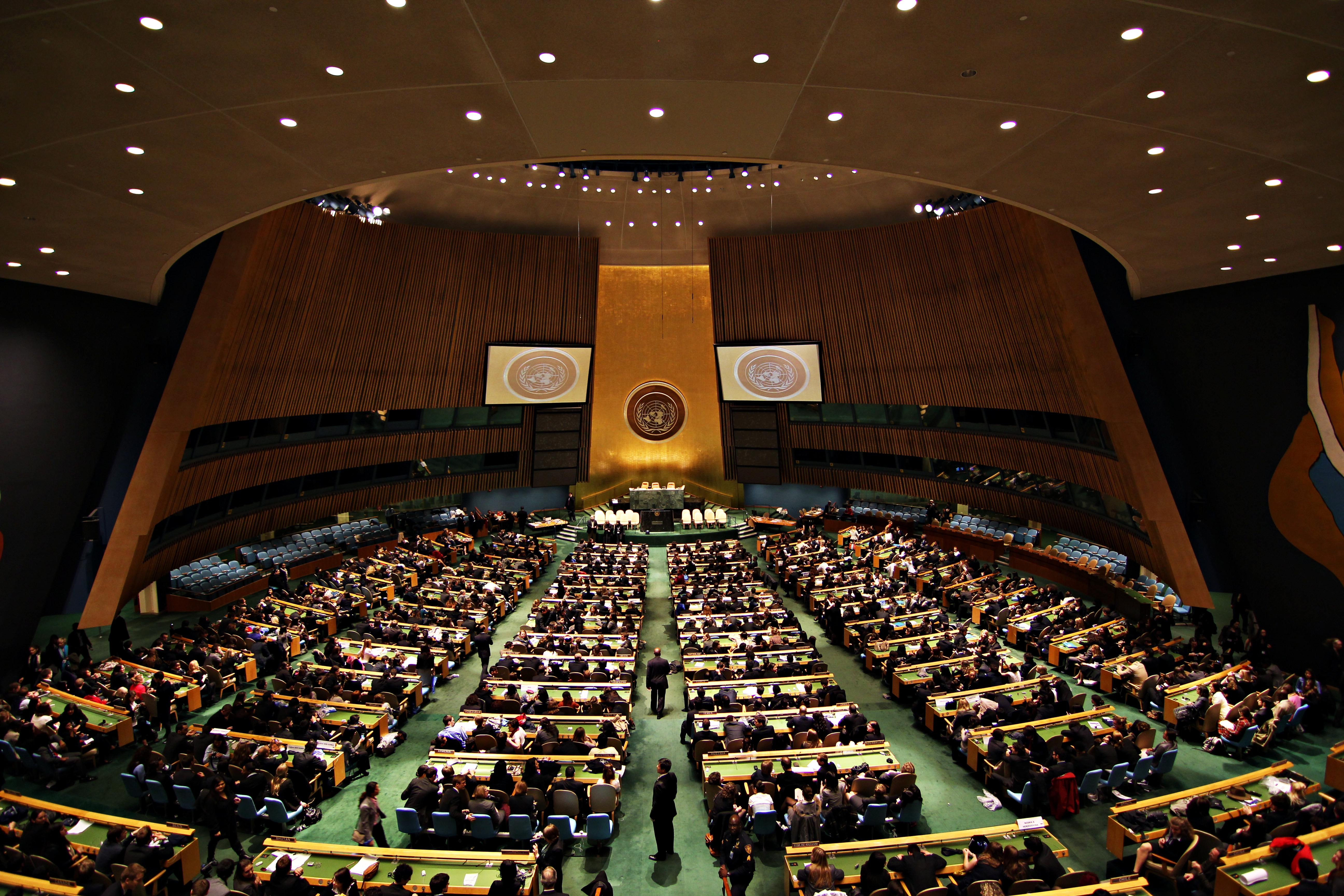
With the United Nations (UN) General Assembly starting on September 19, there is a good deal of reflection among governments and Nongovernmental Organizations (NGOs) as to the effectiveness of the UN to meet the challenges facing the world community.
In 1992, the then Secretary-General, Boutros Boutros-Ghali, outlined a post-Cold War Agenda for Peace. He built his Agenda on four key pillars for UN action: Preventive Diplomacy, Peacemaking, Peacekeeping, and Post-conflict Peacebuilding. Today, these four pillars remain the heart of UN action. What is new from 1992 is the increased role of NGOs and potentially of the international business community, both in preventive diplomacy and post-conflict peacebuilding.
Preventive diplomacy is the more important and requires creative action when there are signs of tensions which can develop into armed conflict unless preventive measures are taken on a variety of fronts. There were at least four months of protests and nonviolent efforts in Syria before the armed violence and counterviolence exploded. This period might have been used to see if needed reforms could be put into place.
Likewise, signs of growing tensions between the Russian Federation and Ukraine were visible to many prior to the Russian attack. There had been the “Normandy Effort” – Russia, Ukraine, France, and Germany. There was no visible UN leadership and few NGO efforts to build on this mediation effort to create new constitutional structures within Ukraine.
Today, there are other tension situations that require preventive action: India-China frontier disputes, South China Sea delimitation issues, China-Taiwan tensions, increasing tensions within Myanmar which are already violent but can easily spread if things continue as they are going, the struggle for power in Sudan, and increased Israeli-Palestinian tensions.
For NGOs concerned with peacemaking, there is a need to create mediation teams which can act quickly and have already developed avenues of communication with the authorities, media, and significant actors in those countries where tensions are growing. The winds of violence usually give signs before they are full blown. Creative preventive diplomacy is urgently needed.
Prof. René Wadlow is President of the Association of World Citizens.
 Association of World Citizens