By René Wadlow
The difficulties to begin negotiations on an end to the Russia-Ukraine armed conflict has highlighted the need for a renewal of the Helsinki process of Pan-European dialogue and action. The Helsinki process which began in 1973 led over time to the creation of the Organization for Security and Cooperation in Europe (OSCE).
Government leaders met in Helsinki in July 1973, sensing a need for some form of permanent discussion on European security issues beyond the ad hoc meetings among some states, which was then the current pattern. From September 1973 to July 1975, the discussion on structures and efforts to be undertaken moved to Geneva and was carried out by diplomats stationed there. Although the representatives of Nongovernmental Organizations (NGOs) were not asked to participate, many of us who were NGO representatives to the United Nations in Geneva knew the European diplomats involved and were able to make suggestions as to the priorities – human rights and arms control.
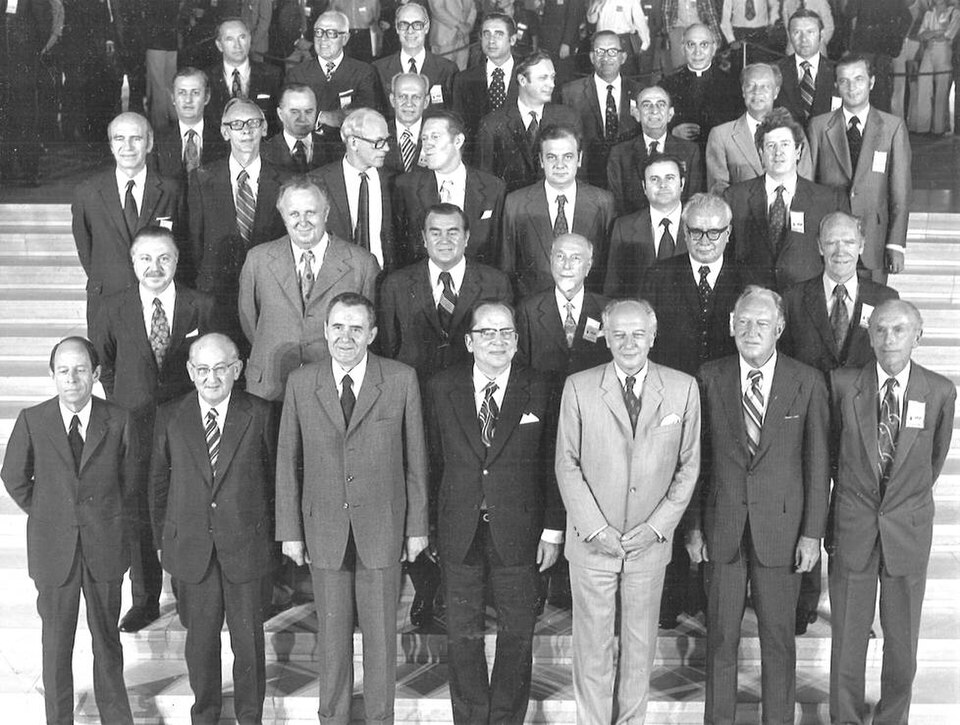
In August 1975, the Geneva discussions terminated, the government leaders met again in Helsinki and signed the Helsinki Agreement. Relatively quickly, a series of meetings on crucial topics was organized, often in Geneva. NGO representatives were invited to participate and played an important role in developing confidence-building measures.
Although there were tensions among OSCE states in the past such as the Soviet intervention in Afghanistan in 1979 and the martial law crackdown in Poland, the divisions were never as strong as they are today, linked to the Russia-Ukraine conflict. The OSCE has been weakened, and some see a death sentence in a near future. Thus, there is a need for a renewal of the OSCE and a revival of the Helsinki spirit. Non-governmental organizations may have to take a lead, given the current governmental divisions.
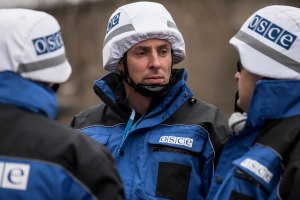
Members of the OSCE’s Special Monitoring Mission deployed in eastern Ukraine (C) OSCE Special Monitoring Mission to Ukraine
In the 1980s, NGOs had played an important role in “détente from below” in creating opportunities for discussions among activists from Eastern and Western Europe. Today we must find avenues of action to meet the current complex and dangerous situation. Representatives of the Association of World Citizens have participated in meetings of the OSCE and will be active in this renewal process.
Prof. René Wadlow is President of the Association of World Citizens.
 Association of World Citizens