By René Wadlow
There is increasing discussion concerning the Gaza Strip, its relation to the West Bank, and “the day after” when there is a ceasefire, people return to their home area, and reconstruction begins. The Association of World Citizens (AWC) had proposed in a written text to the United Nations (UN) Human Rights Council (A/HRC/5-12/NGO /1, October 14, 2009) the creation of a Gaza Development Corporation, a strong, future-oriented positive vision influenced by the Tennessee Valley Authority (TVA) of the “New Deal” of the USA and a Jordan Valley Authority proposed in the early 1950s.
The AWC proposal had been first submitted to the representatives of governments and the UN Secretariat for an international funding conference for the Palestinian Authority held in Paris in December 2007. At the funding conference, the World Bank representative, much in the spirit of the AWC proposal, stressed the need to integrate an economically vigorous Palestine into the wider geographic context. Such a wider economic zone would include Israel, Palestine, Lebanon, Syria, and Jordan. The World Bank representative highlighted that prosperity depends on liberating the economic potential of the Palestinian refugees and their descendants.
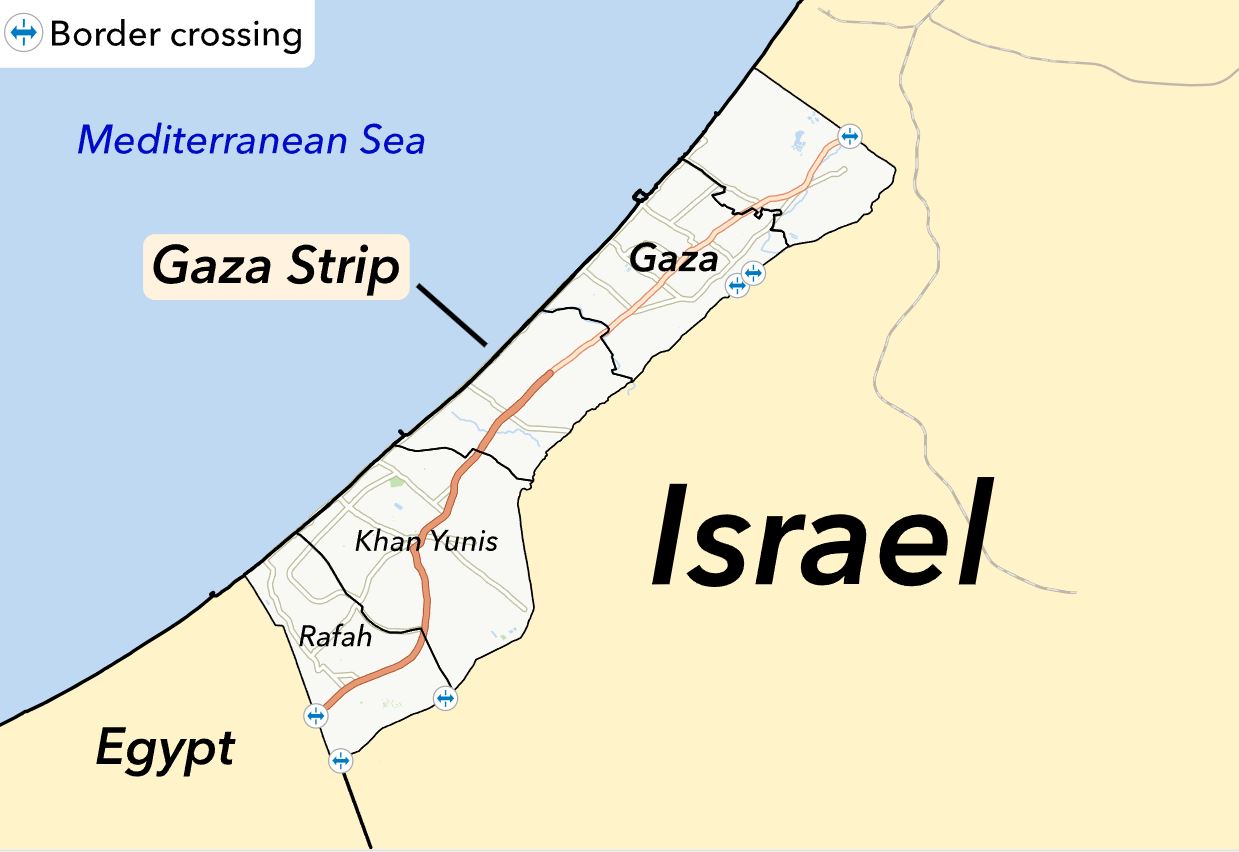
Unfortunately, the Gaza Development Corporation was not acted upon at the Paris funding meeting, nor in its follow up phase. Creating a framework and institutions to help the people of the Gaza Strip and the wider region will not be easy. However, difficult times call for political creativity. Thus, the AWC re-proposes for consideration the creation of a Gaza Development Corporation.
The TVA was created in May 1933 to help overcome the deep economic depression in the USA. President Franklin Roosevelt, in his message to Congress, suggested that the Authority should be a “corporation clothed with the power of Government but possessed of the flexibility and initiative of a private enterprise. It should be charged with the broadest duty of planning for the proper use, conservation and development of the natural resources of the Tennessee River drainage basin and its adjoining territory for the general social and economic welfare of the Nation… This in a true sense is a return to the spirit and vision of the pioneer. If we are successful here, we can march on, step by step, in the development of other great natural territorial units.”
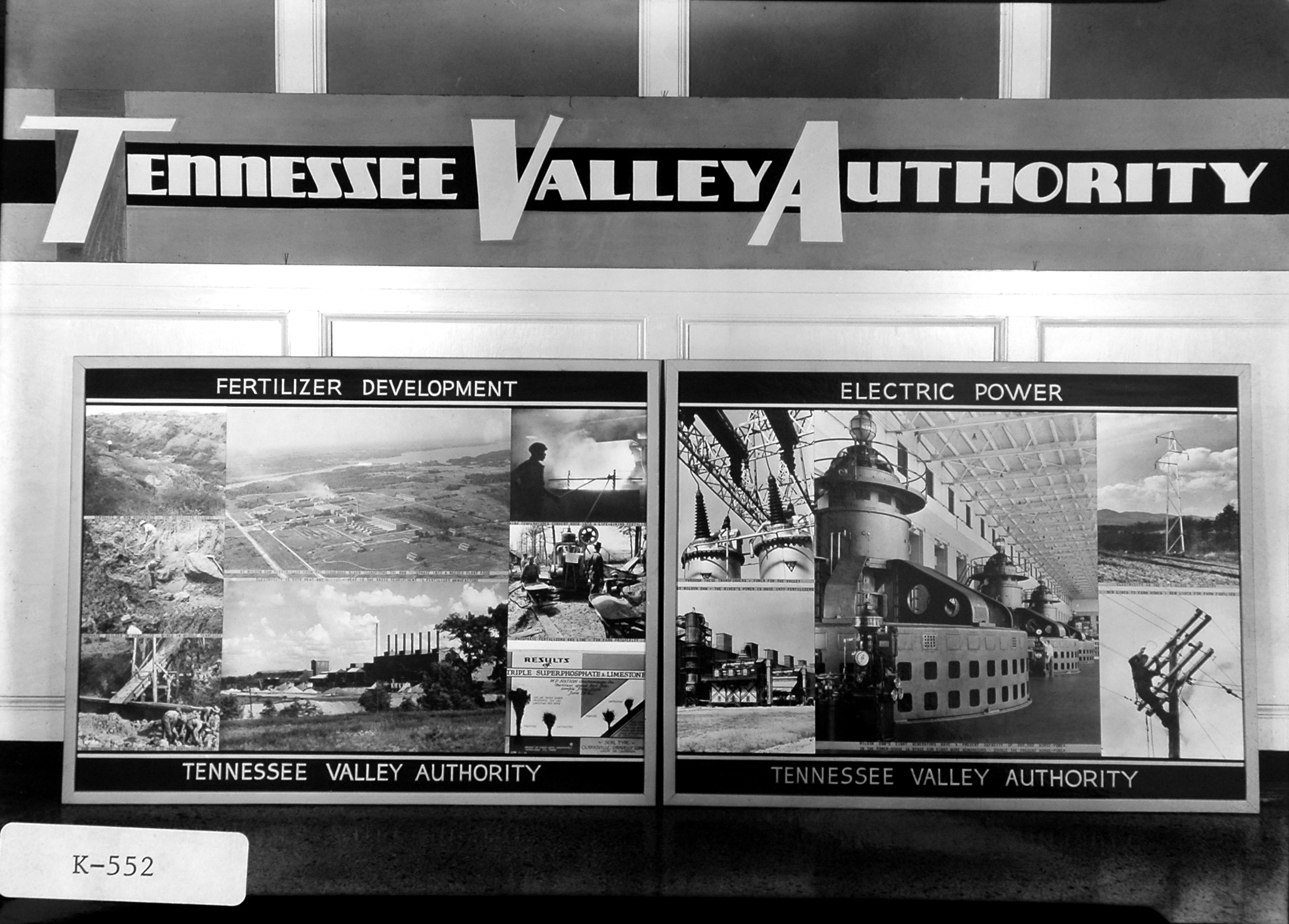
The central idea of the TVA was that it should do many things, all connected with each other. To do all these activities well, it had to be a public corporation, public because it served the public interest, a corporation rather than a government department, so that it could initiate the flexible, responsive management of a well-run private business. As Stringfellow Barr wrote in his book Citizens of the World (New York: Doubleday and Co, 1952, 285 pp), “The great triumph of the TVA was not the building of dams. Great dams had been built before. The greatest triumph was that it not only taught the Valley people but insisted on learning from them too. It respected persons.”
Strong socioeconomic structures are needed which can be maintained during periods of inevitable future tensions. As Jean Monnet, one of the fathers of the European Common Market has said, “Men take great decisions only when crisis stares them in the face.” Just as the first steps of the European Common Market had to overcome the deep wounds of the Second World War, so the situation in the Gaza Strip and the wider area needs to break the strong psychological barriers with cooperative economic measures from which many can benefit and negotiations in good faith”.
Prof. René Wadlow is President of the Association of World Citizens.
 Association of World Citizens