By René Wadlow
August 30 each year is the International Day of the Victims of Enforced Disappearances. The Day highlights the United Nations (UN) General Assembly Declaration on the Protection of All Persons from Enforced Disappearances of December 18, 1992.
In a good number of countries, there are State-sponsored “death squads” – persons affiliated to the police or to the intelligence agencies who kill “in the dark of the night”, unofficially. These deaths avoid a trial which might attract attention. A shot in the back of the head is faster. In many cases, the bodies of those killed are destroyed. Death is suspected but not proved. Family members hope for a return. In addition to governments, nongovernmental armed groups and criminal gangs have the same practices.
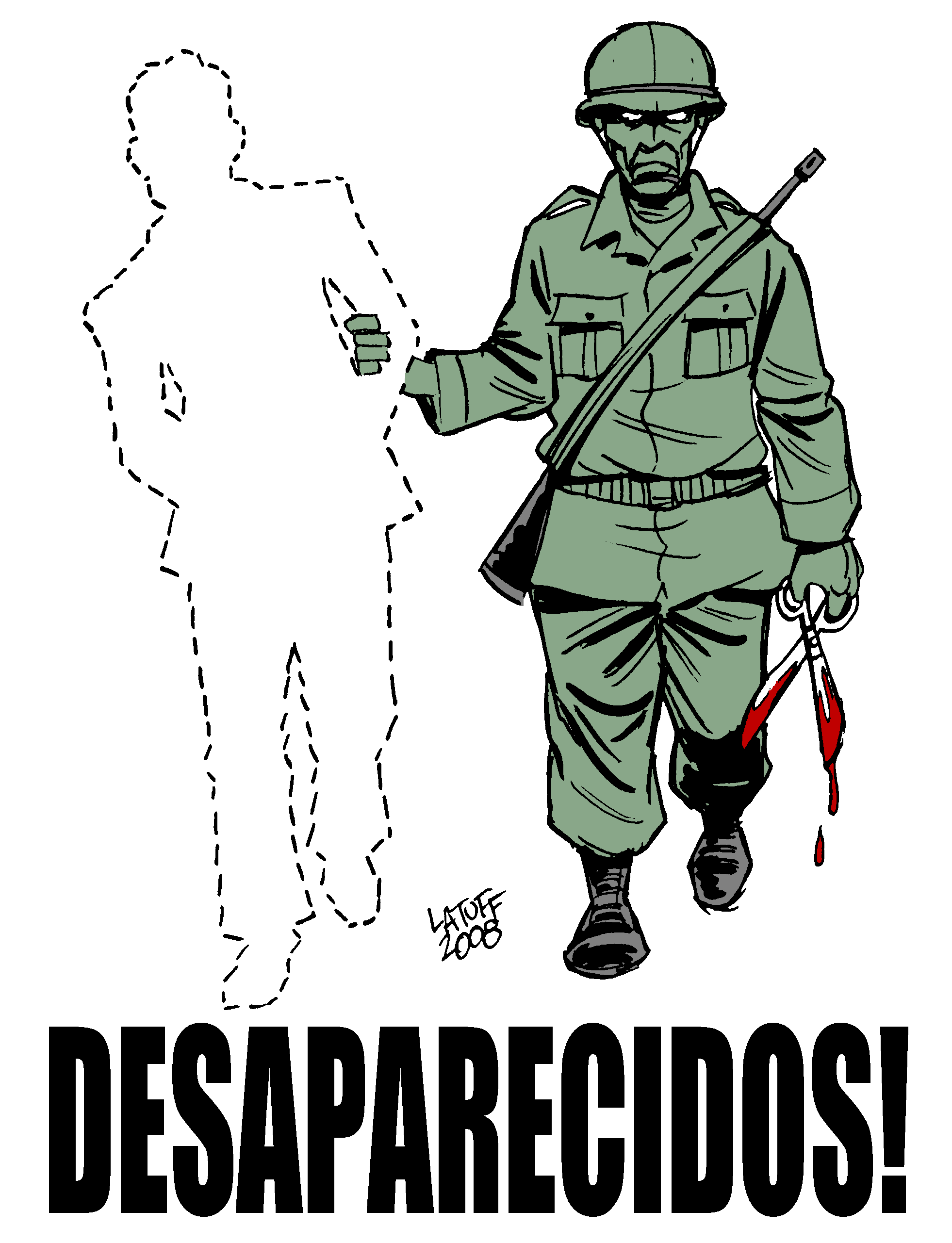
Disappearances was one of the first issues to be raised, largely by Nongovernmental Organizations (NGOs) such as the Association of World Citizens (AWC), when the UN Secretariat for Human Rights with a new director, Theo van Boven, moved from New York to Geneva in 1977.
In 1976, Argentina’s military seized power and set out to kill opposition figures. This situation was quickly raised in the UN human rights bodies in Geneva. In 1980 a UN Working Group on Enforced or Involuntary Disappearances was created and has done important work.[i] However, continued action is needed by both the UN and national NGOs.
Prof. René Wadlow is President of the Association of World Citizens.
[i] See Iain Guest, Behind the Disappearances: Argentina’s Dirty War Against Human Rights and the United Nations (Philadelphia: University of Pennsylvania Press, 1990). Iain Guest was the Geneva UN correspondent for the International Herald Tribune. He had access to Argentine confidential documents once the military left power. He interviewed many diplomats and NGO representatives active in Geneva-based human rights work. This book is probably the most detailed look at how human rights efforts are carried out in the UN Geneva-based human rights bodies.
 Association of World Citizens