WORLD CITIZENS HIGHLIGHT 2013 AS THE INTERNATIONAL YEAR OF WATER COOPERATION
By René Wadlow
The United Nations (UN) General Assembly by Resolution A/RES/65/154 has declared 2013 as the UN International Year of Water Cooperation with UNESCO as the lead agency for the Year. The objective of this International Year is to raise awareness both on the potential for increased cooperation and on the challenges facing water management in the light of the increase in demand for water access, allocation and services. The Year should build on the momentum created at the UN Conference on Sustainable Development (Rio plus 20) in which the Association of World Citizens played an active role.
The Association of World Citizens (AWC) has in the past stressed the important role of trans-boundary lake and river basins, including reservoirs of fresh water that move silently below the borders in underground aquifers. While there is much trans-frontier cooperation among States to which we can justly point as “Best Practices”, there are also trans-frontier tensions related to access to fresh water.
There are conflicts at the national level concerning the use of water in urban areas and water for irrigation within rural areas. The main causes of urban water conflicts are characterized by complex socio-economic and institutional issues related to urban water management. The debates about public water services versus private water suppliers are frequently associated with conflicts over water price and affordability. Likewise, the issue of centralization verses decentralization of water utilities is also discussed in the framework of institutional aspects of urban water management. A critical and interdisciplinary examination of the socio-economic and institutional aspects of national water management is important and one in which both government and civil society needs to be involved.
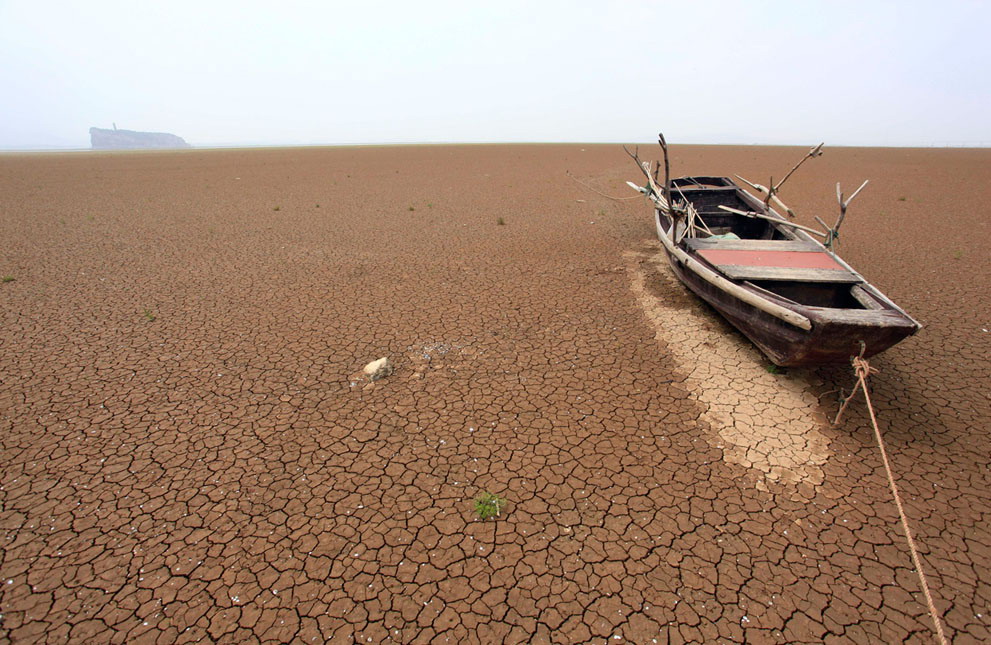
As the Jewish proverb goes, “No water, no life”. Who wants to live on a dried-up planet?
However, it is on trans-frontier cooperation that the AWC will put its emphasis as the dangers of trans-boundary conflicts over water use, the creation of dams, and modification of river courses are real world issues in which world citizens have a role to play.
In one of the early presentations of world citizen proposals on economic issues, Stringfellow Barr called attention to the multi-purpose efforts of the Tennessee Valley Authority (TVA) for water management, farming and industrial development. Citizens of the World (New York: Doubleday, 1952, 285pp.) Barr cited Herman Finer’s analysis The TVA: Lessons for International Application published by the ILO then displaced from Geneva by the Second World War (Montreal: International Labor Office, 1944). The TVA was proposed as a possible model for an Indus River Valley Authority and a Jordan Valley Authority. Both the Middle East and Asia continue to present real challenges for trans-frontier water management. The Association of World Citizens will propose during 2013 new avenues for action and multi-State cooperation.
Prof. René Wadlow is President of the Association of World Citizens.
 Association of World Citizens