By René Wadlow
Three years have passed since protests began in Iran at the announcement of the death in police custody of 22-year-old Mahsa (Jina) Amini, having been arrested by the “morality police” for having some of her hair beyond the hijab (veil). She was an ethnic Kurd. The protests began on September 3, 2022 in the Kurdish areas of Iran but soon spread to all ethnic groups and to many parts of the country.
Women have been a central focus of the social policy of the Iranian Islamic government. Even before coming to power in 1979, Ayatollah Khomeini from his exile in France had said that the overly great liberty of women was a chief obstacle to his policies. Repressive policies against women with compulsory veiling laws were quickly put into place once he came into power.
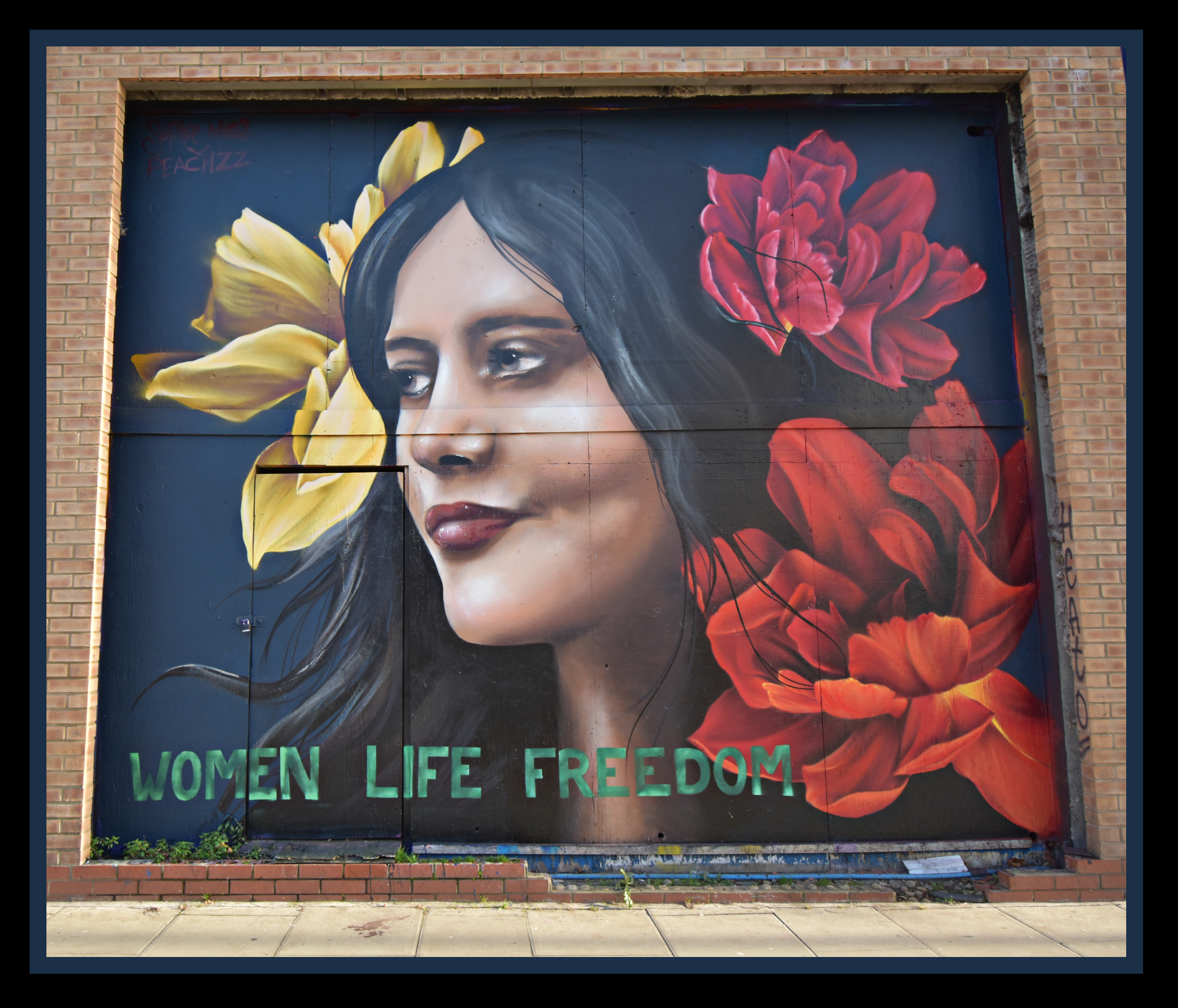
“Woman, Life, Liberty” became the battle cry of the 2022 protests, and the refusal to have a hijab was the external symbol of the protests. Although the protests were harshly repressed, the Iranian people’s courage could not be silenced. Since 2022, Iranian society has been significantly modified. There is an increased defiance of women who refuse to wear the mandatory hijab in public. Unveiled women are seen walking through stores and banks. Government leaders have appeared on posters with unveiled women as “martyrs” killed in the recent bombing by Israel and the USA.
There are some policymakers in the government of President Masoud Pezeshkian who cautiously propose reforms while hardliners double down on restrictions, and people are arrested, accused of “propaganda against the state”. The many socioeconomic currents present in Iran today merit being watched closely.
Prof. René Wadlow is President of the Association of World Citizens.
 Association of World Citizens